
You cannot tell me that there is not a game of 3D chess being played right now between Sony and Canon.
Toward the beginning of 2020 Canon began trickling information out about the R5, which led to a ton of speculation that they were going to completely dominate mirrorless cameras with 8K RAW video and 4K video at 120 frames per second, and in July they officially announced the R5 along with its little brother, the R6. In the three weeks it takes to start shipping the R5 though, a lot of information starts to come out about how badly this camera overheats. Sony sees an opening. They jump in, announce the long awaited a7S III, and put the camera on sale for pre-orders two days before the R5 ships, which is just enough time for people to cancel their R5 pre-orders. Checkmate, Sony.

This isn’t the end though. Not even close.
Sony sets a shipping date for the a7S III of September 24th, and then suddenly, in a press release, Canon says they will be announcing a new cinema camera on September 24th. That camera ended up being the new C70 cinema camera, and I literally know filmmakers that pre-ordered an R5, then cancelled their R5 pre-order for an a7S III, and now that the a7S III has shipped to them they’re planning to return it to buy the C70. You can’t make this stuff up. It’s insane.
But I don’t think it’s over yet. A few weeks ago Sony announced they will soon be releasing the FX6, a smaller version of the FX9, and Canon has said the C70 isn’t releasing until November, so now of course I’m wondering what the next move is going to be. Is Sony going to wait to announce the specs of the FX6 until right before the C70 starts shipping, so they can steal some customers back from Canon?
I told you. This is 3D chess. And we as the customers are the ones that are ultimately winning, because competition like this is so good for us.
What Happened With The R5
I recently purchased an R5, and then a month and a half later I subsequently sold that R5. That camera did so many things right, but it was overshadowed by very bad overheating that made me conclude that professional filmmakers should not rely on it.

In the days and weeks after that camera was released, more information came out that made it appear that Canon was actually using an artificial timer that led to the camera’s overheating, with people speculating that Canon was intentionally limiting the camera’s recording time because they did not want the R5 to cannibalize sales from their cinema line of cameras.

At the time this seemed ridiculous, because many of Canon’s newer cinema cameras cost significantly more than the R5. If you want the longer version of what I made of that camera before all of this happened, I wrote up the R5 from a Sony filmmaker’s perspective too.
The Price
Cameras like the C300 Mark III sell for $11,000, a huge premium over the $3,900 R5, that arguably puts it out of the reach of many customers.

But here comes the C70, and in comparison to Canon’s other cinema cameras they have been very aggressive with this pricing, with the C70 only costing $5,500. Still quite a chunk of change! But what do you get for that 5,500 bucks?
Quite a lot, actually.
Sensor
The C70 has a Super 35mm sensor. The same sensor as the C300 Mark III, actually. And it is capable of recording 4K at up to 120 frames per second in 10-bit 4:2:2. There’s no RAW here like with the C300 or the R5, but Canon has given the C70 a trick that the C300 cannot do.
RF Lens Mount
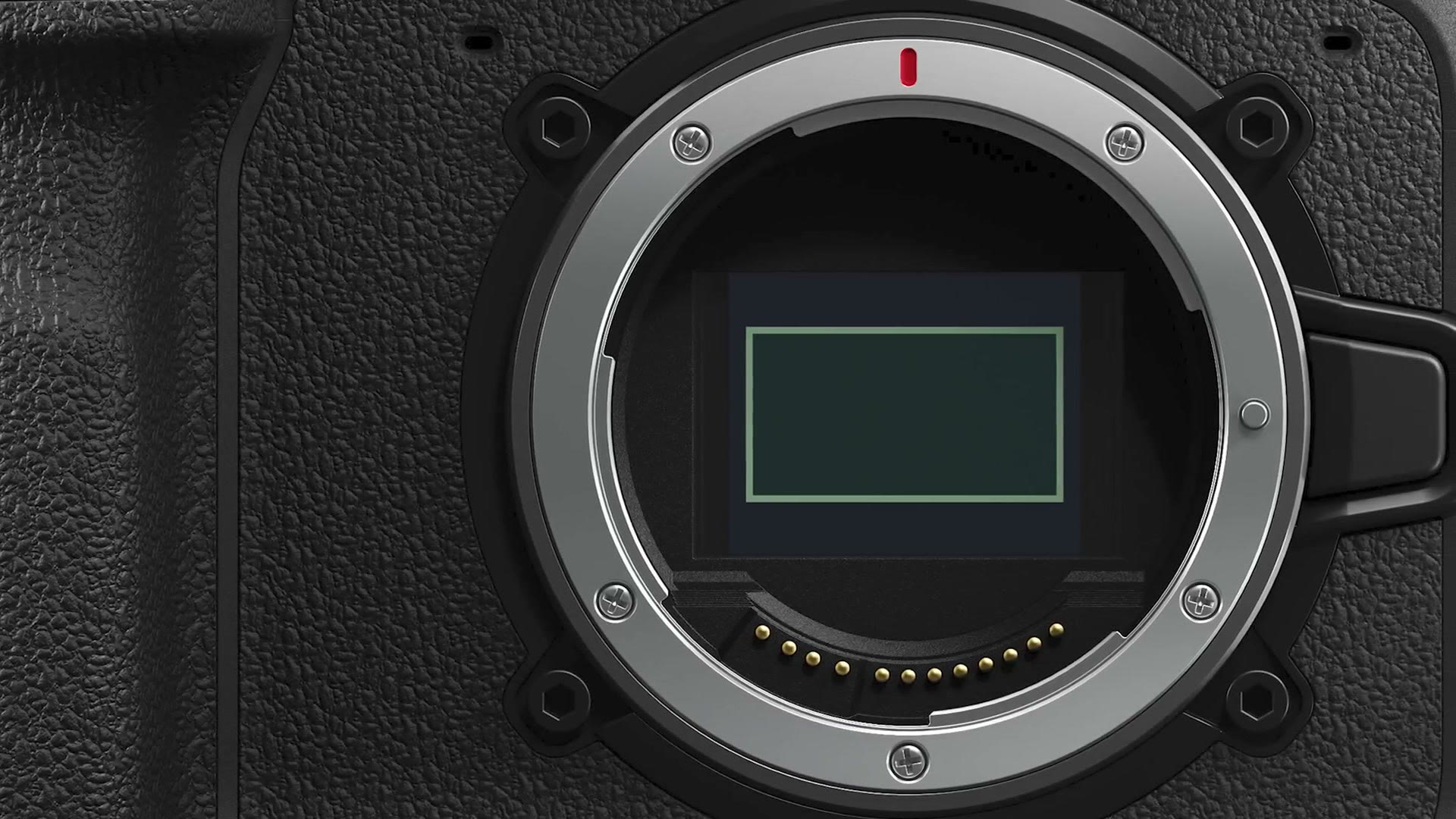
The C70 has Canon’s new RF lens mount. It can of course use Canon’s excellent EF to RF lens adapter to make all of your EF lenses work with the camera, but more than that, Canon has also created a new lens adapter, a speed booster, that will work with EF lenses to essentially turn the C70 into a full frame camera while also making the lenses sharper and giving them an extra stop of brightness, so your f/4 lenses are now f/2.8 lenses.

The first time I ever heard about a speed booster I thought it was some sort of magic, and now that I kind of understand the physics, it’s still magic.
So what are you saying here, Matt? You’re saying that Canon is basically giving us a baby C300 Mark III, but there’s an adapter for it that can turn it also into a baby C500 Mark II?
Yes. That’s exactly what I’m saying, and that’s why I’m making this video, because that is so cool. Did I mention it only costs $5,500 instead of $16,000 for the C500 Mark II? Pretty awesome.
Now keep in mind there is no RAW recording and there definitely is no 8K, but I’ve been saying for a while that filmmakers haven’t been asking for those features anyways. Most filmmakers that I know want a very capable 4K camera. That’s honestly why I pre-ordered the Sony a7S III, a camera that I’m actually using to record this video right now. Yes, my pre-order arrived. So exciting!
But we’re talking about the C70 here. What else do you get? Well, the camera can record up to 180 frames per second in 2K, dual pixel autofocus with face detect is of course here, and dual SD card slots are here too.
ND Filters
You also get built-in ND filters, which is very impressive considering how small the camera body is.
I put together Canon’s EOS RP Video Specs from a Sony User’s Perspective as well, which covers the part I skipped over here.

The C70 kinda reminds me of a mildly overweight 1DX, so for them to cram a 10 stop ND filter inside is commendable. Oh yeah, there’s a fan inside it too, so maybe it’s more like an overweight S1H than a 1DX. Regardless, neither the C70 nor the S1H should overheat.
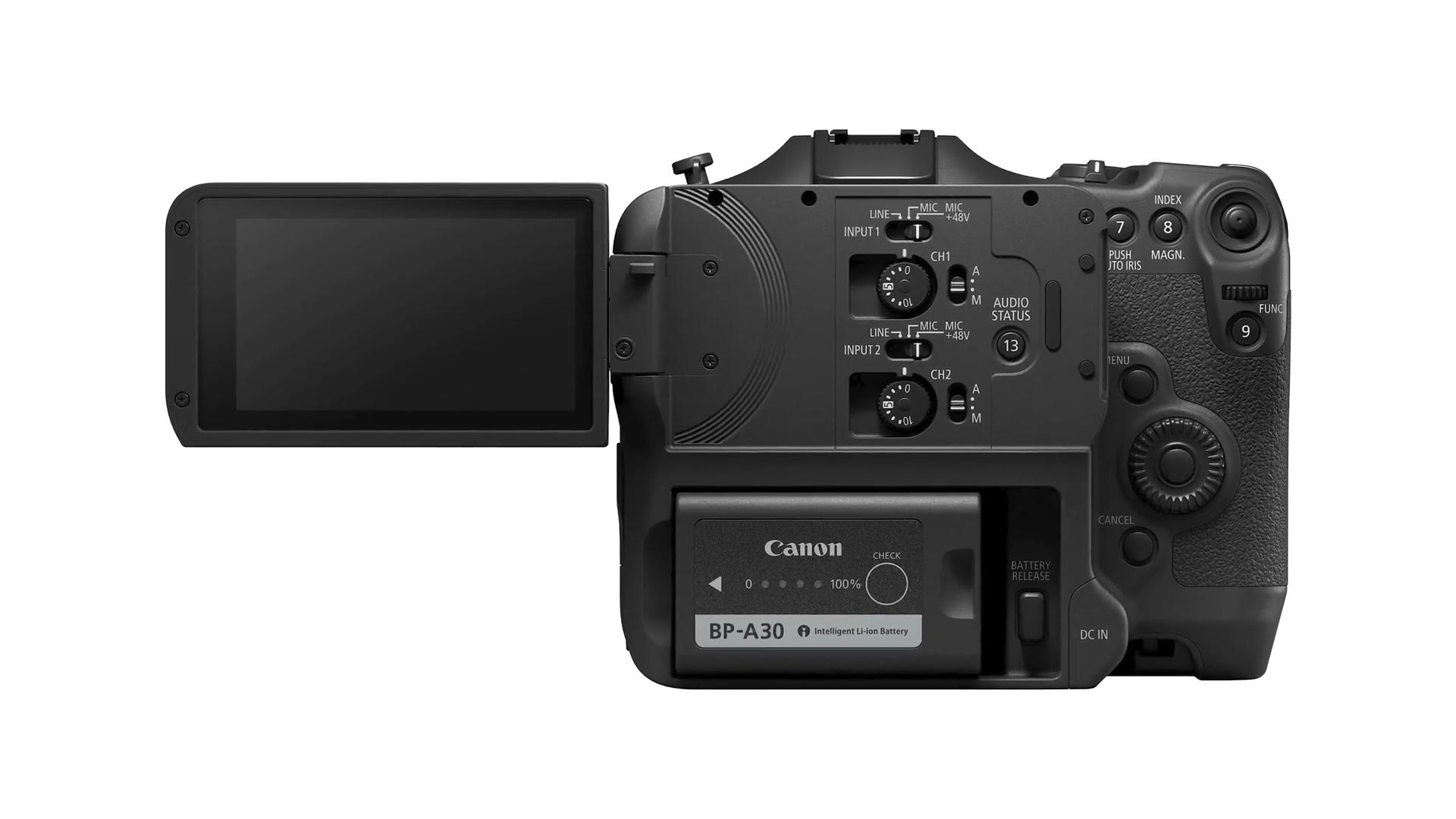
Really, the only things that I’ve seen people complaining about with the C70 are that it does not have full size XLR inputs, they’re mini instead, there’s no IBIS, and the camera does not have a built-in EVF.
That’s it.
Conclusion
From a specs perspective I think Canon has knocked this camera out of the park, and if you have been burned by the Canon R5 or R6 overheating, not literally but figuratively, then I think the C70 definitely deserves a closer look.
Alternatively, if you’re a filmmaker that has been stubbornly holding on to the C100, desperately waiting for a Mark III version of that camera, I don’t think you’re gonna see it. I think this is the successor to the C100. In fact, the only reason that I say I think it is the successor, and not that I know it is the successor, is that rumors are saying Canon has another cinema camera planned for later this year called the C50. Can we imagine for a second a camera like the C70 with a similar body style, but that only records up to say 4K 60, and maybe it costs three to four thousand dollars? That would definitely shake things up.

So in conclusion, from a specs perspective, the C70 may actually be the Canon camera that many filmmakers have been waiting for. The only people that I can really see being unhappy about this camera are the C300 Mark III owners, because their $11,000 investment is now being heavily cannibalized by a camera that is half the price.
As I said at the start, Canon and Sony are really competing this year, and while it’s easy to get caught up in fanboy fighting for one side or the other, remember, we as the consumer, we are the ones that are winning.
Should You Buy The C70?
If you have a lot of Canon lenses and want to stay in the Canon ecosystem, I think this could be a great choice, but I would wait a bit. Remember the Sony FX6 is still coming, and if the rumors are correct the Canon C50 is coming as well, so don’t rush into buying the C70 just yet. Once both of those cameras were actually out I put the two of them head to head, so if that’s the decision you’re stuck on, go read the C70 against the FX6.
If I can jump from chess to poker analogies here for a second, not all of the cards are on the table, and so I would wait before going all in.
The C70 releases this November, and if you decide that you want to pre-order it, here is the camera at B&H, here is the Canon EF to RF speed booster, and here are some SD cards that I believe will work well with this camera.
Also, I happen to film weddings. Do you film weddings? Do you want to book more couples? If so, I’ve created a free guide that’s going to walk you through some practical steps to help you book more couples and film more weddings. It’s a completely free gift to you.