
If you love the a7S III but you have spent the last few months wishing Sony had put that sensor into something with real handles and real ND filters and a real place to mount things, then the FX6 is that camera, and I have been shooting with one for a little while now and I have a lot of thoughts, so let’s talk about it.
Why I Wasn’t Excited About This Camera
I have to be honest with you, because whenever the FX6 was first announced I was not excited about it at all. I looked at it and I saw a replacement for the FS5, a camera I bought way back in 2015, kept for all of two weeks, and returned the second I tried an a7S II and fell completely in love with it. Ever since then I have been all in on mirrorless, and that has continued right through the a7S III, which is a camera I absolutely love as a wedding filmmaker.
So whenever I read the FX6 development announcement a couple of months ago, I was not expecting to be blown away. Sony was going to have to do something really special to catch my attention. And surprisingly, they did.
Why Sony Proved Me Wrong
Here’s the thing I have been hearing over and over. Filmmakers are genuinely impressed by the a7S III and everything it can do as a mirrorless camera, but they do not love the package it comes in. Why is the monitor permanently attached to the back? Where are the built-in ND filters? Why is it so hard to mount anything to it? And you’re telling me there’s a chance it could overheat?
Time and time again what I hear is that filmmakers want a real, honest to goodness cinema camera, but with the specs of the a7S III. Give us that mirrorless low light powerhouse and put it into a traditional cinema camera body.
Well, what if I told you the FX6 is that camera? Would that catch your interest? Strap in.
The Sensor And The Low Light Test
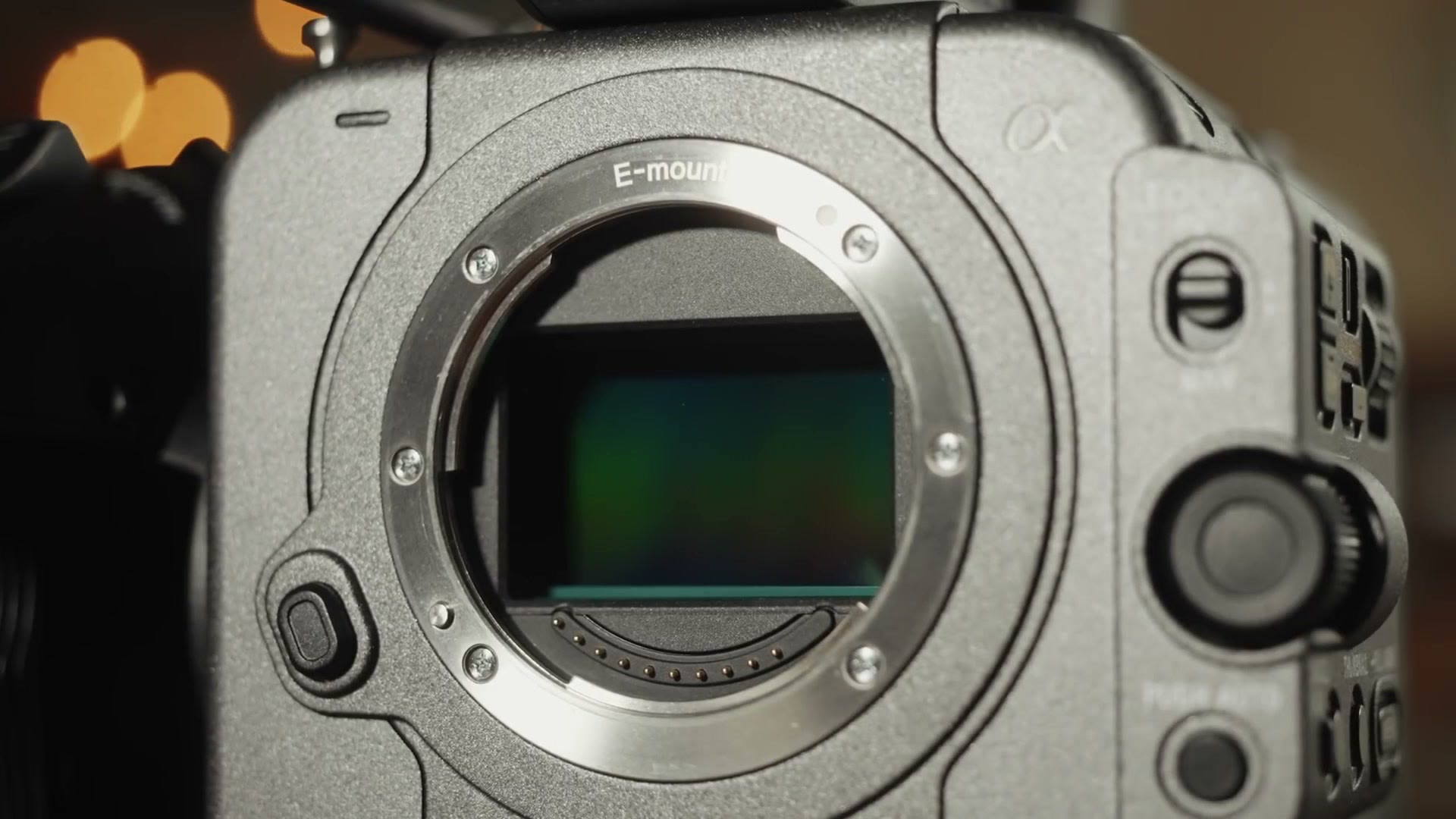
It’s full frame, and while I have been told that it isn’t the exact same sensor as the a7S III, it is very, very close. How close? Here’s the big one: this sensor has the same max ISO as the a7S III at 409,600. In my a7S III review I called that camera the new low light champ, and it’s looking like it’s going to need to share the title.
The FX6 even has a similar dual gain ISO that gets much cleaner at 12,800, except now you can set the base ISO sensitivity between low and high in camera, meaning you can make sure you’re getting clean footage even at high ISOs.
Frame Rates, Bit Rates, Raw Video
Continuing the comparison, just like the a7S III the FX6 records 4K at up to 120 frames per second in 10 bit 4:2:2, and it looks gorgeous. 1080p at up to 240 frames per second is here too, and that looks great as well.
And don’t forget raw recording either. Just like the a7S III, the FX6 can record ProRes RAW externally, but instead of going out over HDMI, the FX6 has a professional SDI output, which should work very nicely with an external recorder like the Atomos Shogun.
Autofocus (Crazy Good Autofocus)
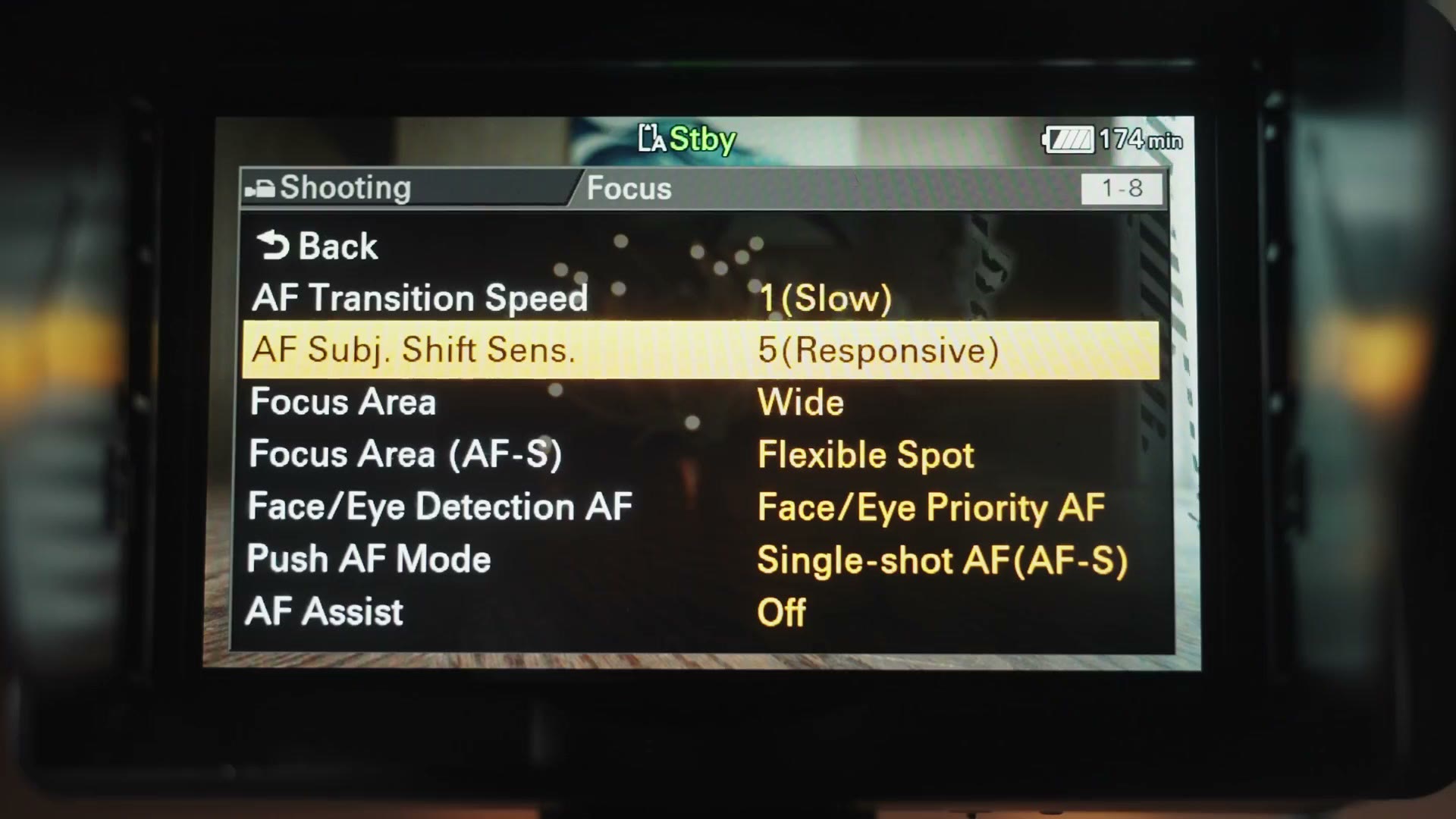
I feel like I’m forgetting something. Doesn’t the a7S III do something else that’s really good? Oh yeah. Autofocus. And crazy good autofocus at that, so good that in my a7S III review I said it made the camera feel like it was reading my mind.
Well, don’t worry, because that autofocus performance makes an appearance here as well. Face detect, eye detect, tap to focus, it’s all here, and it is just as good as it is on the a7S III.
FX6 Upgrades Over The a7S III
Hold on a second, Matt. So you’re basically telling me that Sony has taken all of these specs and features of the a7S III and put them into a cinema camera body, right? Yes. That is exactly what I’m telling you. And at this point you may be wanting to go buy this camera right now, except we haven’t even talked about the improvements yet.
A Body You Can Actually Build On
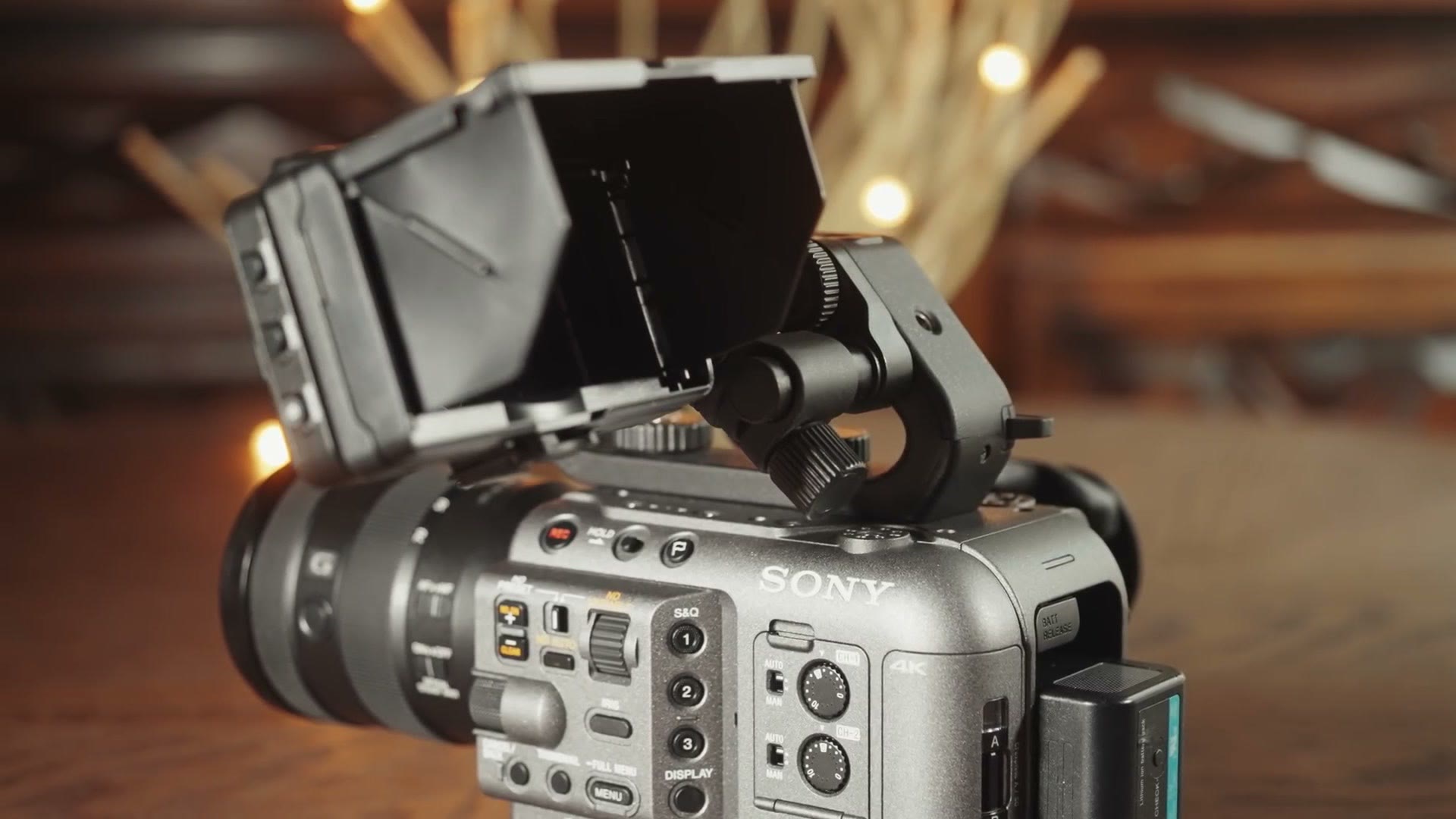
First of all, this is a true cinema camera, which means it has all of the filmmaking benefits that traditionally come with one. Unlike the a7S III, where the screen is permanently attached to the back of the camera, you can attach the FX6 monitor at multiple points around the body depending on your shooting style and your preferences. The top and side handles are detachable as well, which means you get to decide how big your rig is. Keep it large for handheld work, then strip it right back down for use on a gimbal.
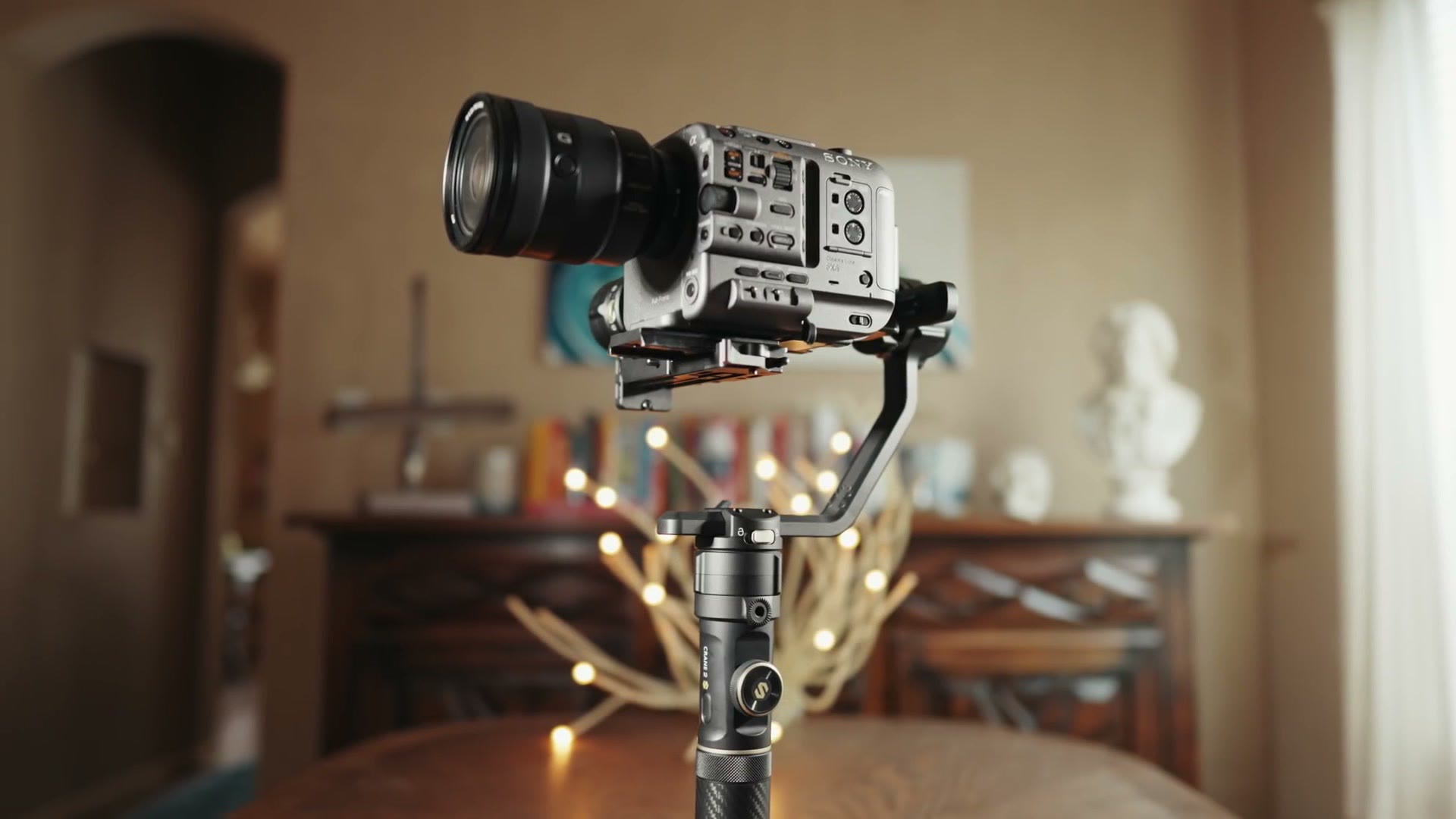
You know what else cinema cameras have? Full size audio inputs. Two XLR, meaning you do not have to deal with an external recorder, which I am actually doing right this second, because I’m recording this on the a7S III with an external recorder sitting over there. I should have just recorded it on the FX6, but then I wouldn’t be able to hold it up while I talk about it.
It Has A Fan
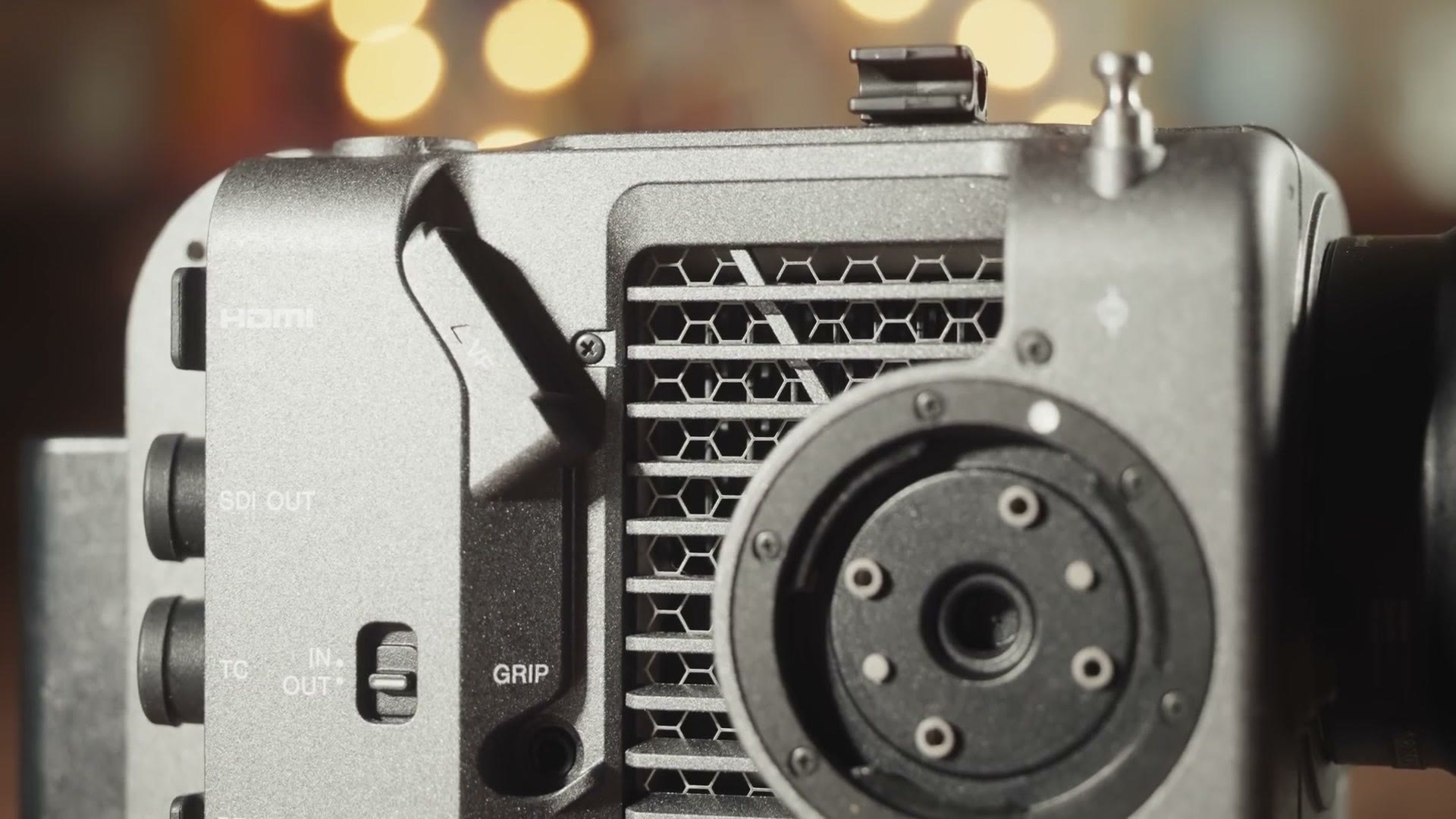
Look a little closer at the outside of the body and you’ll see this vent, and yes, that means this camera has a fan, which means you should not have to deal with any form of overheating.
Whenever I tested the a7S III I found it was capable of recording a virtually unlimited amount of time in any resolution, up to and including 4K60. But if you recorded 4K at 120fps for long enough, it would eventually overheat. In contrast, the fan inside the FX6 guarantees that even at 4K 120 frames per second this camera will keep right on chugging for as long as you need it to record, or at least for as long as your memory cards have space in them.
Speaking of memory cards, this camera has two SD card slots that pull double duty as CFexpress Type A slots, just like the a7S III.
4K DCI, Cine EI, And S-Cinetone
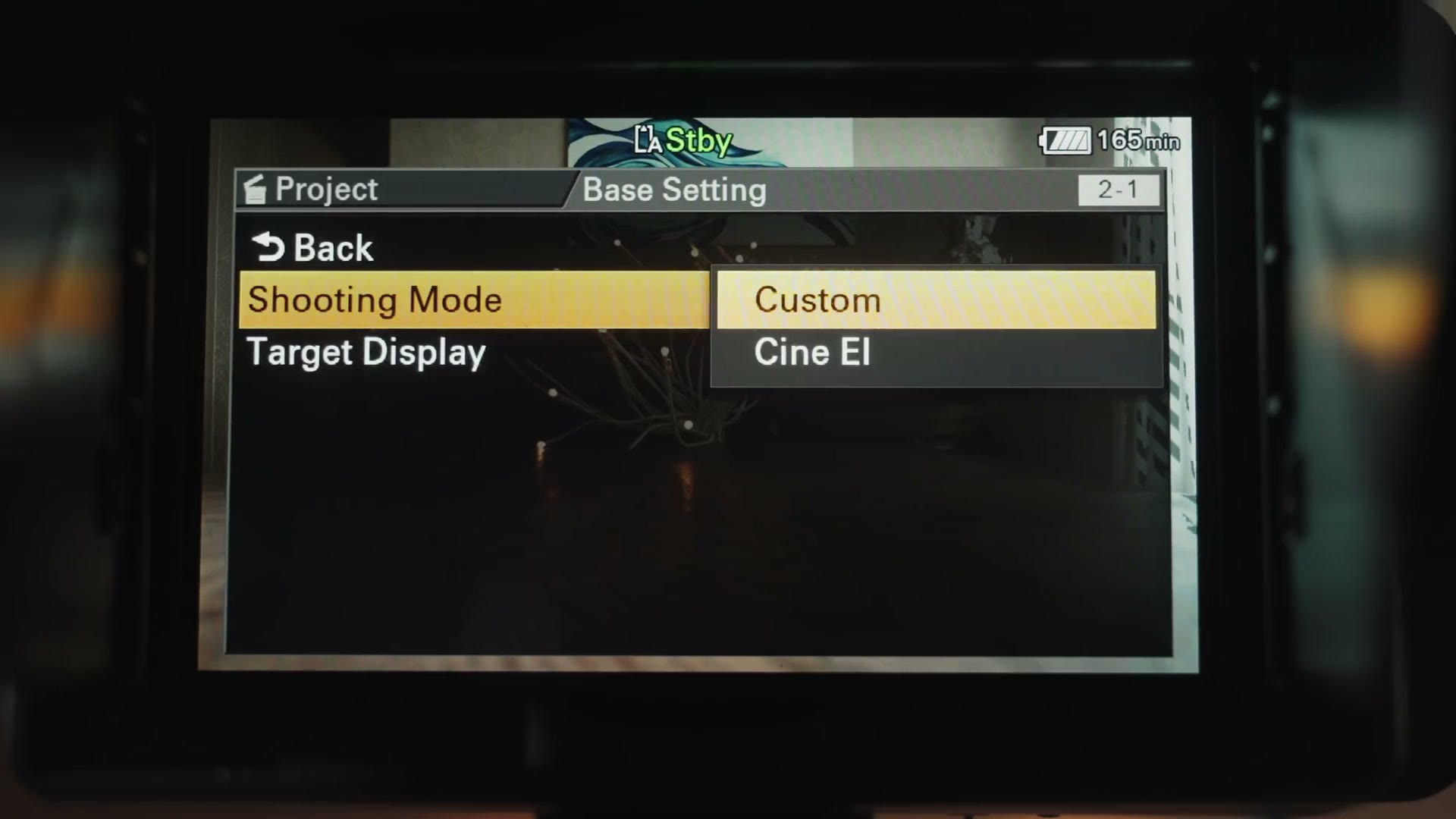
The FX6 records all of the same frame rates and resolutions as the a7S III, but there are some enhancements here too. Namely, the FX6 can internally record 4K DCI at 4096 by 2160 at up to 60 frames per second, which is up from the maximum 4K UHD on the a7S III of 3840 by 2160. It can also record 4K DCI externally as ProRes RAW.
This camera also takes a page from its bigger brother, the FX9, in that it includes Cine EI mode as well as the much loved S-Cinetone picture profile. If you want a gorgeous image with beautiful colors and wide dynamic range straight out of camera, no color grading required, the FX6 has that with S-Cinetone.
The Variable ND
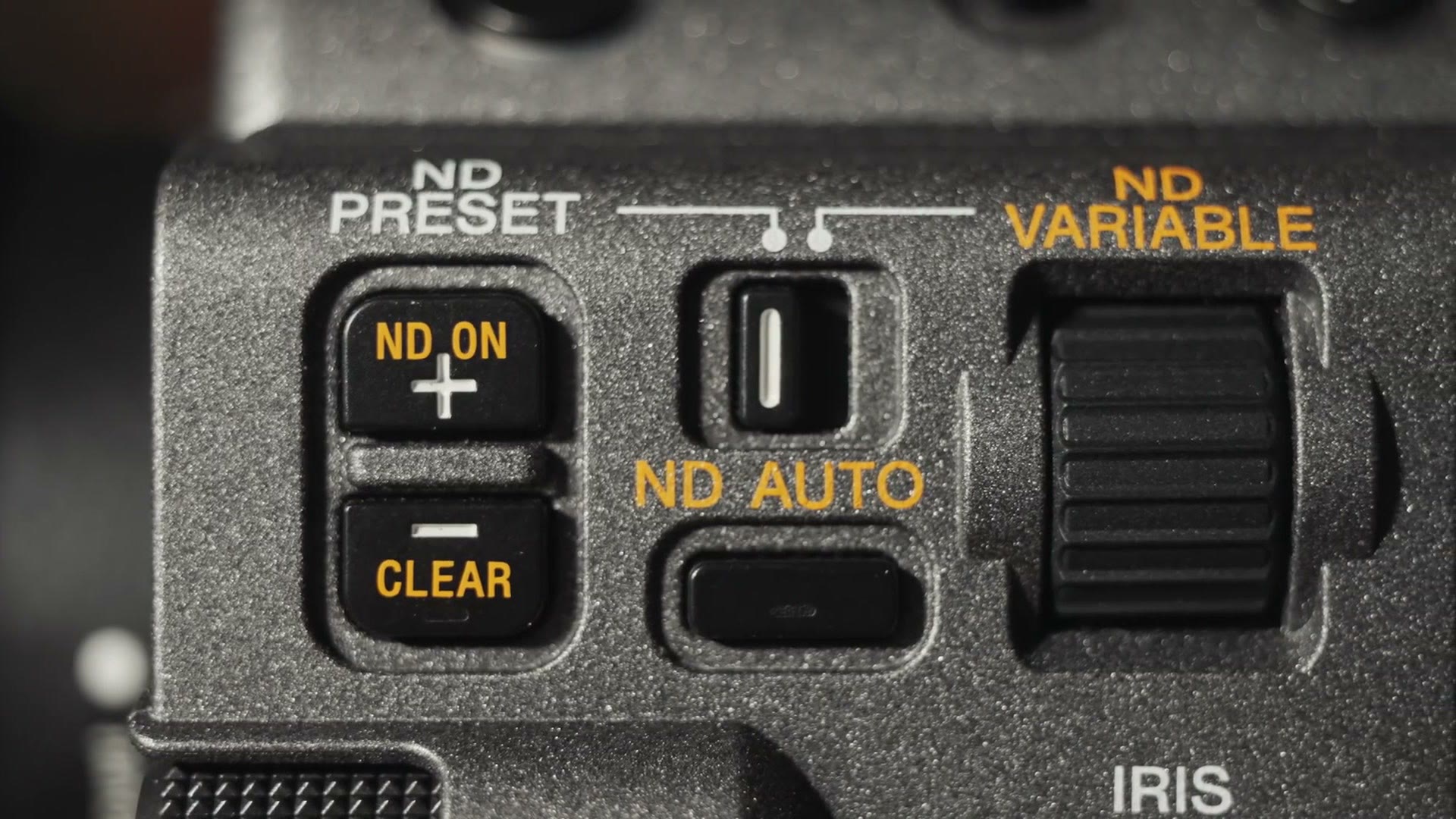
Pretty nice upgrades, right? Well, I saved one of the biggest for last. What is one of the most loved features of a cinema camera? Internal ND filters. And the FX6 comes packed with arguably the best internal ND available in any camera, which is Sony’s electronic variable ND.
Instead of multiple pieces of glass that drop in front of the sensor and can ruin your shot as you adjust them, an electronic ND is one sheet of glass that gets darker. Sony says it’s electronic. I personally think there’s a tiny bearded man inside who puts on some sunglasses. Who knows which of us is right.
Regardless, this ND is smoothly adjustable from 1/4 to 1/128, which means it should handle even the brightest days, and you can set the ND to automatically adjust exposure, meaning your shutter speed and your aperture won’t be touched while you film. It’s pretty magical.
What’s Missing In The Camera
Okay Matt, those are some pretty awesome upgrades, but is there anything missing here? Well, yes actually. If you have used the a7S III, or pretty much any other mirrorless camera, there is one feature you are going to miss, and that’s in-body image stabilization. There is no IBIS inside the FX6. This sensor ain’t moving to stabilize your footage.
What, Matt, why not? Well, from what I’ve seen there are no cinema cameras from any camera manufacturer that include IBIS, so this isn’t just a Sony thing. To compensate, the FX6 does support stabilization in post using Sony’s new gyroscopic stabilization system, the same one found in the FX9 and the a7S III, and that has shown good results. But if you want stabilization while you’re actually recording, your best bet may be to buy a lens with Sony’s Optical SteadyShot in it, like the 24-105mm.
Price vs The Competition
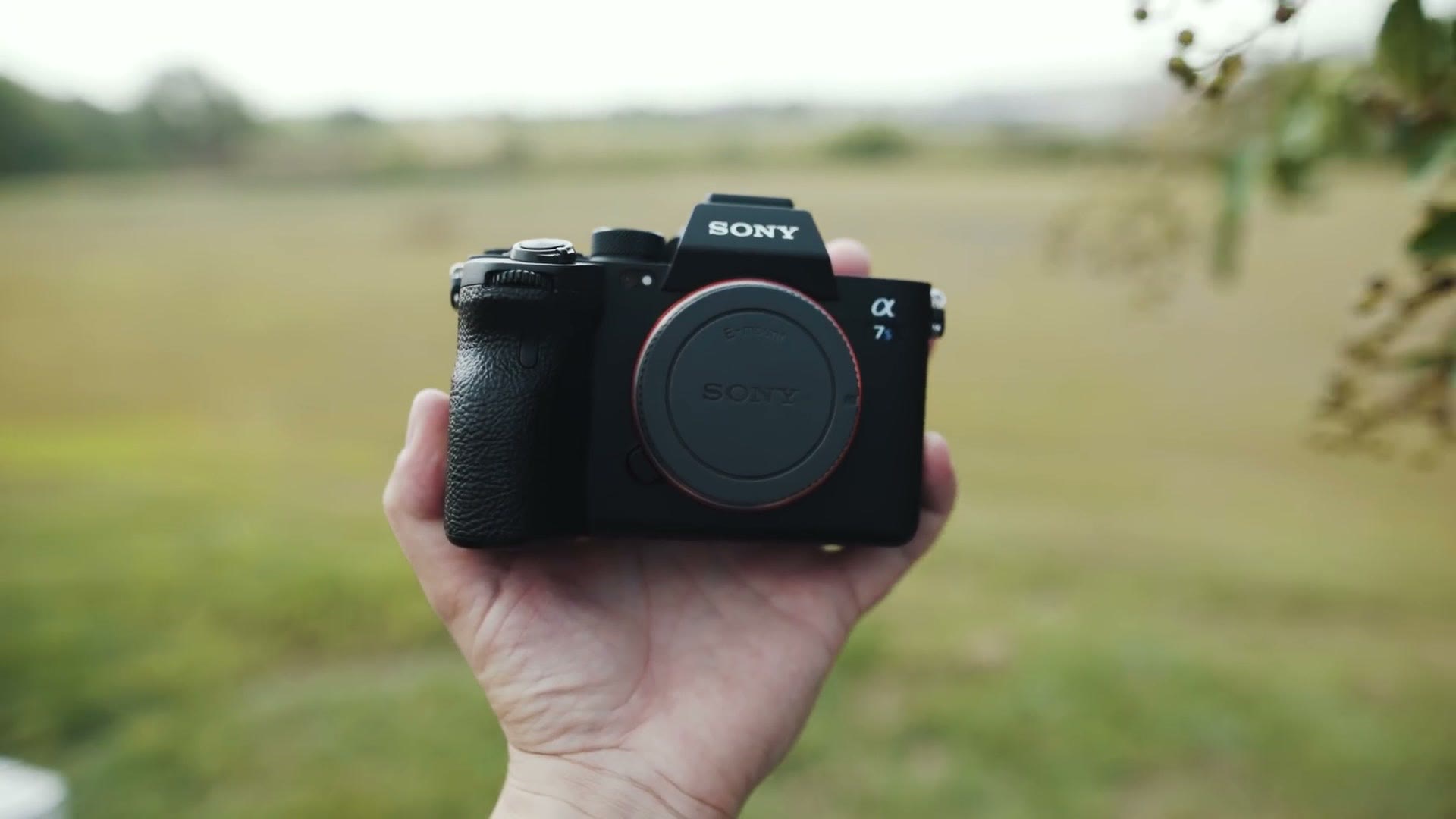
Sony hasn’t told me exactly what this camera is going to cost, but it should come in around six thousand dollars, and I think that is a very clever price.
First let’s look at Sony’s other cameras. At only a thousand dollars less than the cost of two a7S IIIs, I think you have to look long and hard at the FX6 before you decide to buy it. You need to weigh whether the added benefits, a traditional camera body with all of its connectivity and modularity, not to mention that stellar electronic ND, are worth the price over the a7S III.
It’s also going to come down to what you film. If you only film weddings and you want a compact powerhouse that is going to be amazing for an entire wedding day, I think the a7S III is perfect. But if you film more than weddings, say corporate and commercial gigs, then I think the added cost of the FX6 as a true cinema camera could be completely worth it.
Now look at the rest of the competition from Sony. You have the FX9, which comes in at around eleven thousand dollars. I look at the FX9, then I look at the FX6, and I get a bit confused, because whenever you compare the specs of those two cameras the FX6 is a crazy good value.
And then there’s the competition from other camera companies, which of course means we need to talk about Canon and the C70. I have a deep dive comparison between those two cameras coming, but suffice to say I think the FX6 offers a good amount of upgrades over the C70 for not much more than that camera’s asking price.
Conclusion (Are FX9 Owners OK?)
So in conclusion, I am significantly more excited about the FX6 than I was whenever it was first announced, and as someone who loves the a7S III, it’s easy for me to love this camera as well.
In fact, thinking about it now, the only people who may not be super excited about this camera coming out are FX9 owners, because the FX6 does a lot of what the FX9 does for significantly less money. I need to call my FX9 shooting friends and make sure they’re okay.
Everything I Mentioned
The cameras and the coverage:
- Pre-order the Sony FX6 at B&H
- My Sony a7S III review for wedding filmmakers, which is the camera this one keeps getting compared to
- Canon C70 vs Sony FX6, the deep dive comparison I promised in this video
- The Canon C70 from a Sony filmmaker’s perspective
- How to film in S-Cinetone, if that straight out of camera image is what caught your eye
- My favorite picture profile for the a7S III, FX3, A1 and FX6
My gear, my LUTs, and the rest of it:
- All my favorite wedding filmmaking gear
- WhoisMatt LUTs, which is what this video was color graded with
- Learn wedding filmmaking
- Join the discussion in my Facebook group
And if you happen to be a wedding filmmaker like me, you probably want to book more couples and film more weddings. To help you out with that I made a free guide that walks you through practical steps you can take right now in your business to do exactly that. It’s a completely free gift to you, and you can download it here.
This was written from a pre-release FX6 in November 2020, before Sony had confirmed pricing. The six thousand dollar guess turned out to be right, near enough: it landed at $5,999 for the body. The C70 comparison I promised in the video is linked above, and it got made.
Some of the links above are affiliate links, and I’m required to tell you I take part in affiliate programs for Amazon, B&H, SoundStripe, ArtList, Musicbed, Google and Adobe.