
Sony and Canon have been going back and forth all year. Between the R5, the R6 and the a7S III, filmmakers have a ton of mirrorless choices, and now at the end of 2020 that same competition is showing up in the cinema camera space.
Sony fired first on September 6th with a development announcement for the FX6, a little brother to the very popular full frame FX9. Canon followed on September 24th and pulled the wraps off the C70, their first RF mount cinema camera. Then on November 17th Sony fully unveiled the FX6, which means we finally know what both of these cameras actually do.
So let’s compare them, and I’ll tell you which one I’d recommend buying.
Build And Form Factor
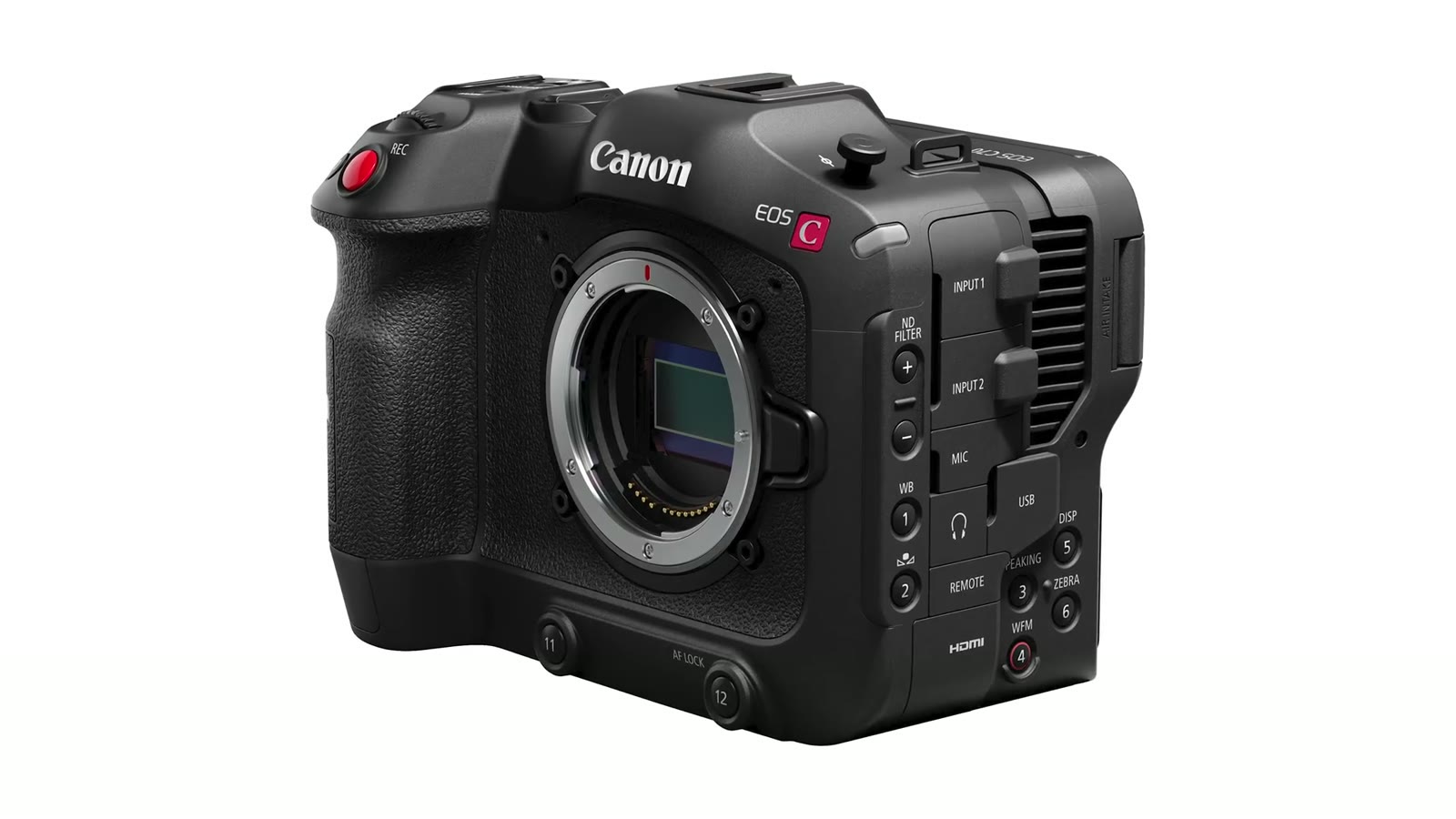
The first thing you notice is how differently these two are built. Canon went with a hybrid DSLR-cinema look, which to me reads as a shorter, slightly overweight 1DX. Sony went with a traditional but shrunken video camera body that looks like a small FX9 or FS7.
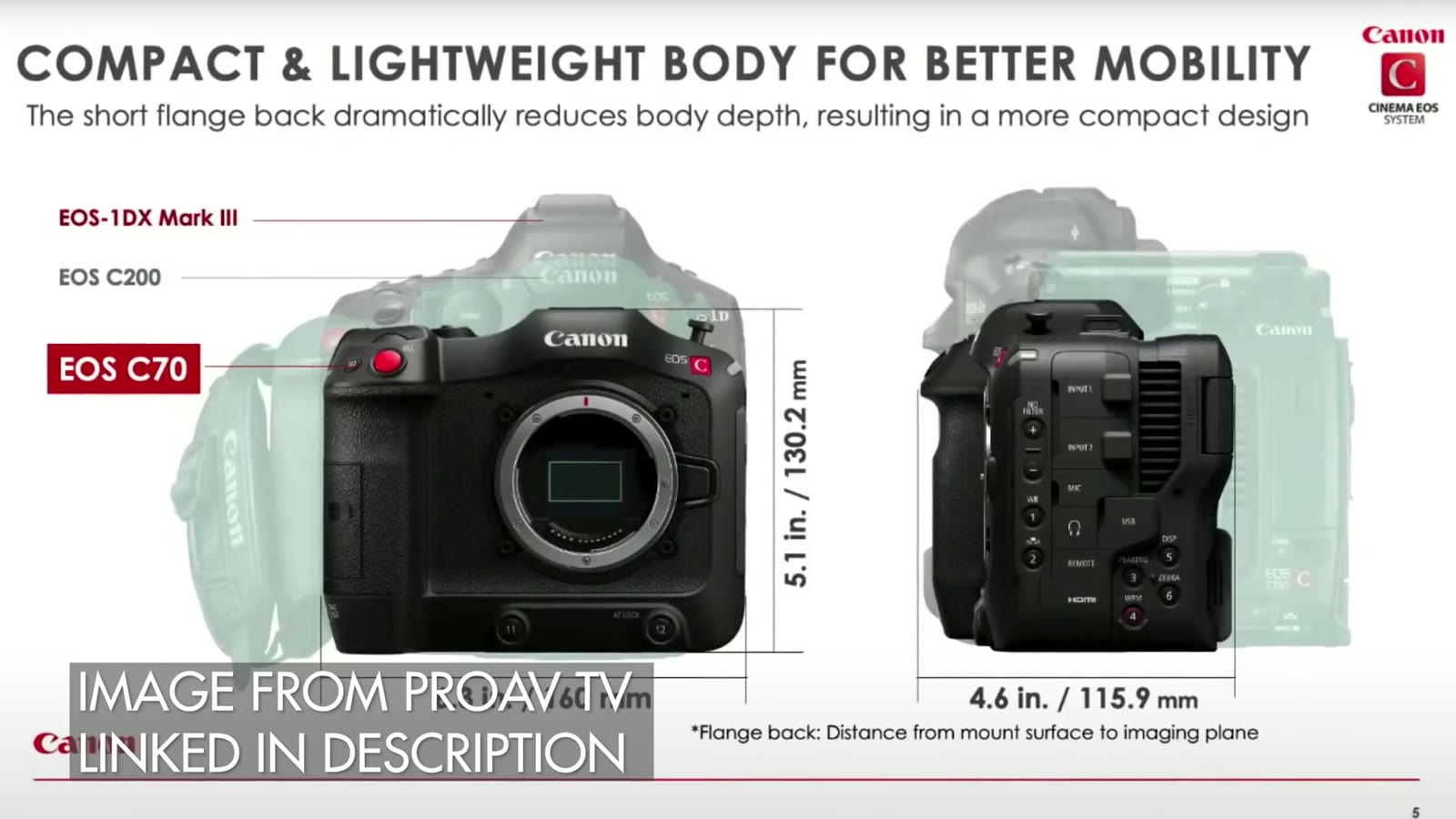
Canon clearly designed the C70 to feel familiar to anyone coming from a DSLR or mirrorless hybrid. It isn’t much bigger and it should sit in your hands the same way. Sticking with that theme, the screen and grip are permanently attached and part of the body, like a 6D or an R5. You can’t move the screen somewhere else.
Unlike a DSLR, though, Canon chose not to include an EVF. If I had to guess it was to save cost, but it’s a bummer given their earlier cinema cameras like the C100 had one.
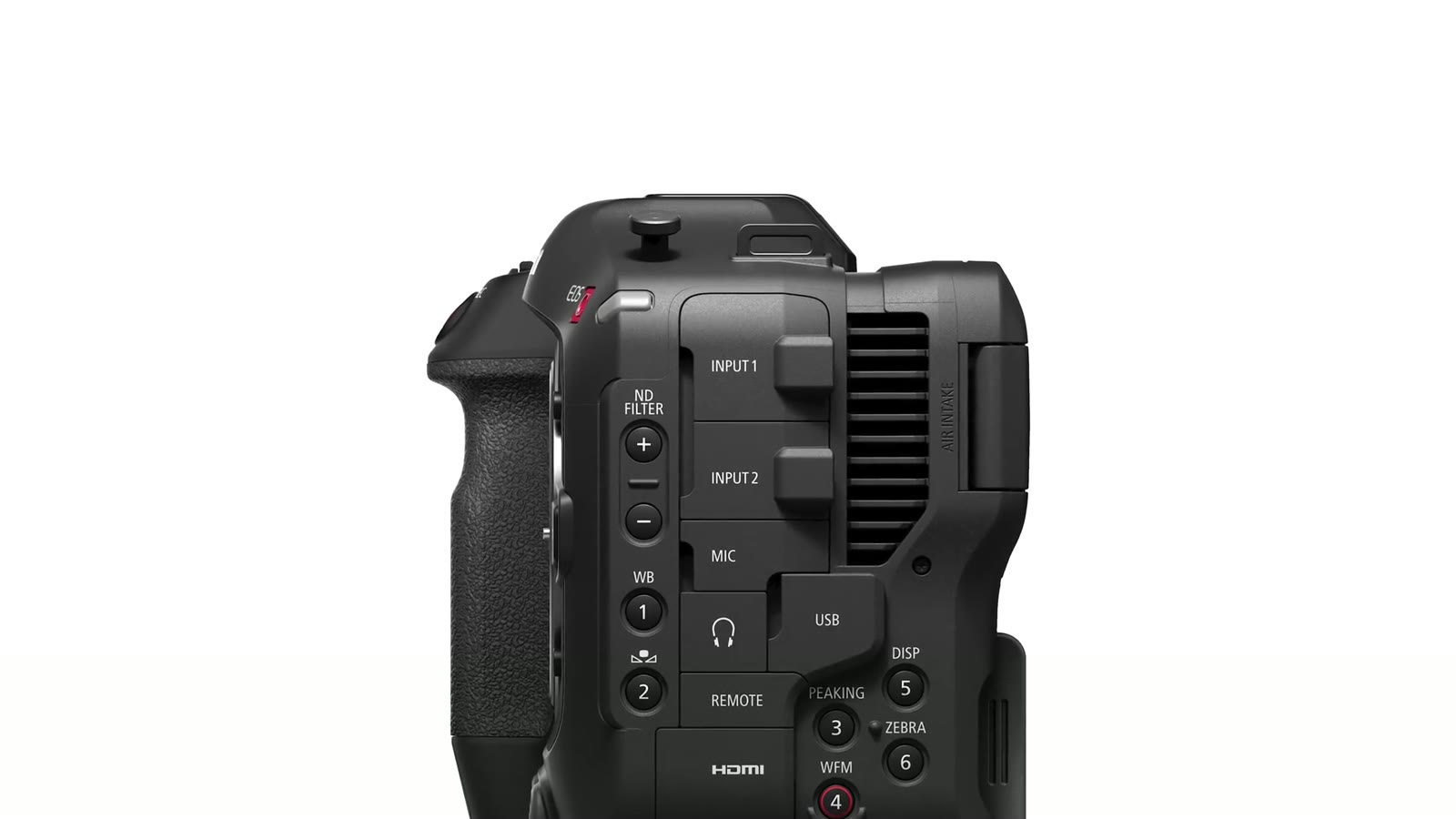
On audio, Canon included two mini XLR inputs plus a 3.5mm stereo input on the body. A lot of filmmakers I know, me included, wish those were full size XLRs, but it makes sense given how small they were trying to keep this thing.
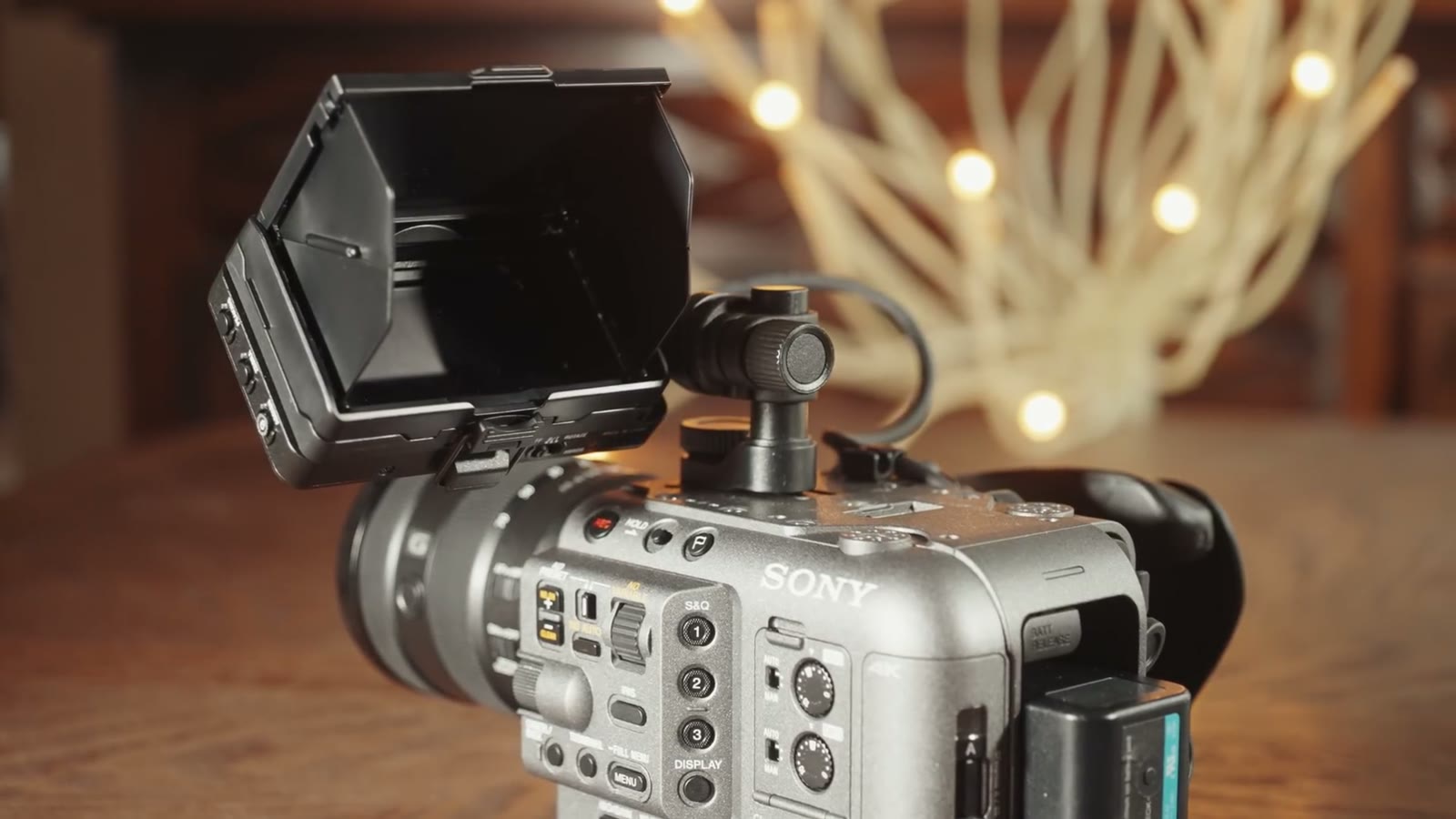
The FX6 is considerably more modular. The monitor isn’t fixed to the camera and can mount a variety of ways, which also makes adding a viewfinder easy, something that may be difficult or impossible on the C70 given how its screen articulates. The top handle and side grip both detach, so the camera can get genuinely small.
But that modularity comes with a catch, and it’s a strange one: Sony put the XLR inputs on the top handle. Take the handle off to slim the camera down and you have no audio inputs at all, just a small internal mic. That’s an oversight worth knowing about. If you want to do a walk and talk interview with the FX6 on a gimbal and record decent audio, you’re reaching for an external recorder.
Sensors And Lens Mounts
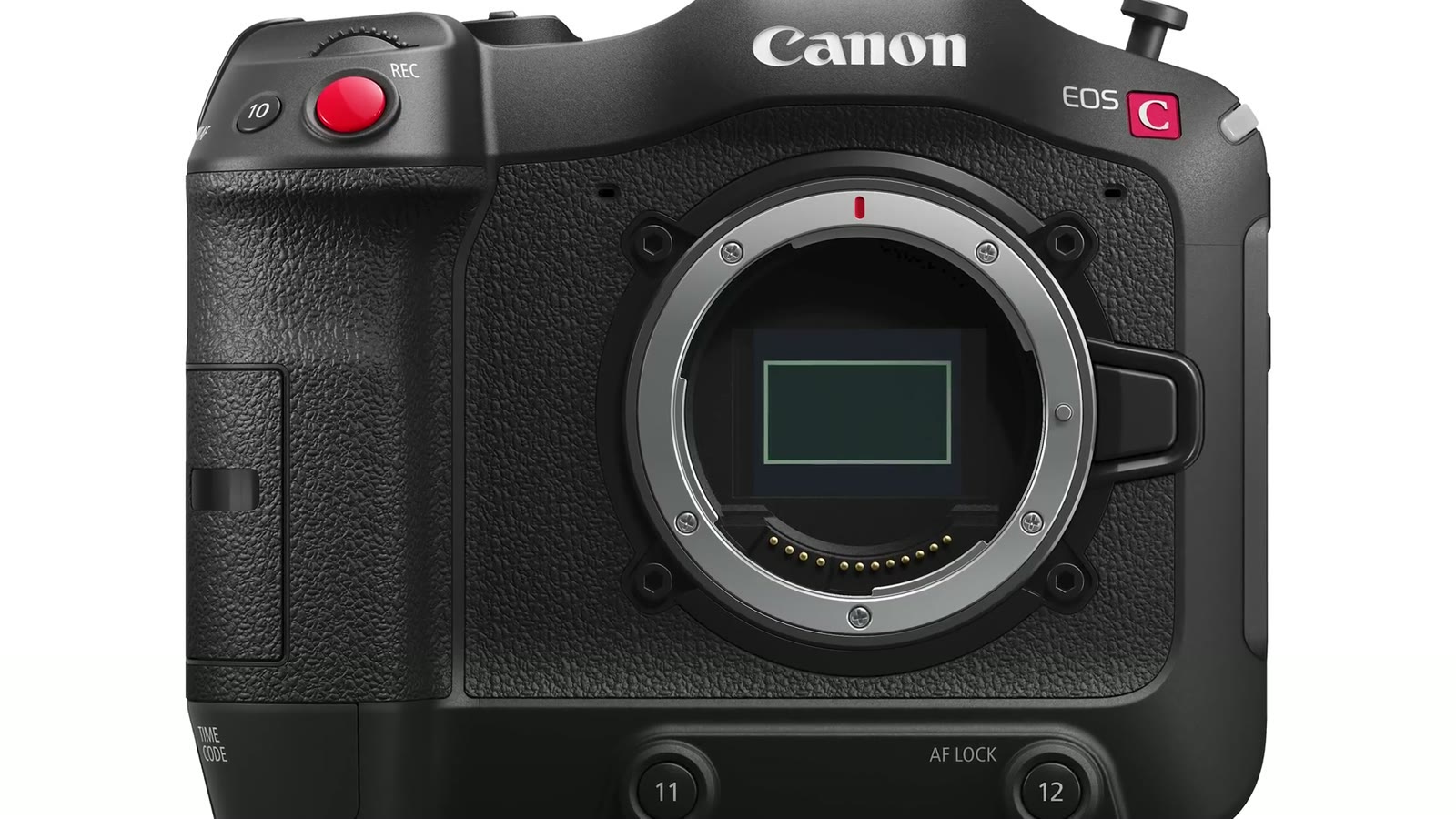
The C70 has a Super 35mm sensor, roughly the same size as an APS-C crop sensor. Canon says it’s the exact same sensor that’s in the significantly more expensive C300 Mark III, which is not bad at all considering that camera costs eleven thousand dollars.
In front of it is Canon’s RF mount. There aren’t a ton of RF lenses yet, but the ones that exist are very impressive and more are coming. Canon also makes an EF to RF adapter that works very well, so their enormous EF lineup is available to you.
The FX6 has a full frame sensor, significantly larger, and I’ve been told by Sony that it’s roughly equivalent to the one in the a7S III. Which makes it a lowlight champ, and I’d expect it to beat the C70 in a high ISO test. E-mount in front of it means a wide choice of glass.
On pure sensor size the win goes to Sony. And this is where it gets interesting.
Canon’s Secret Weapon
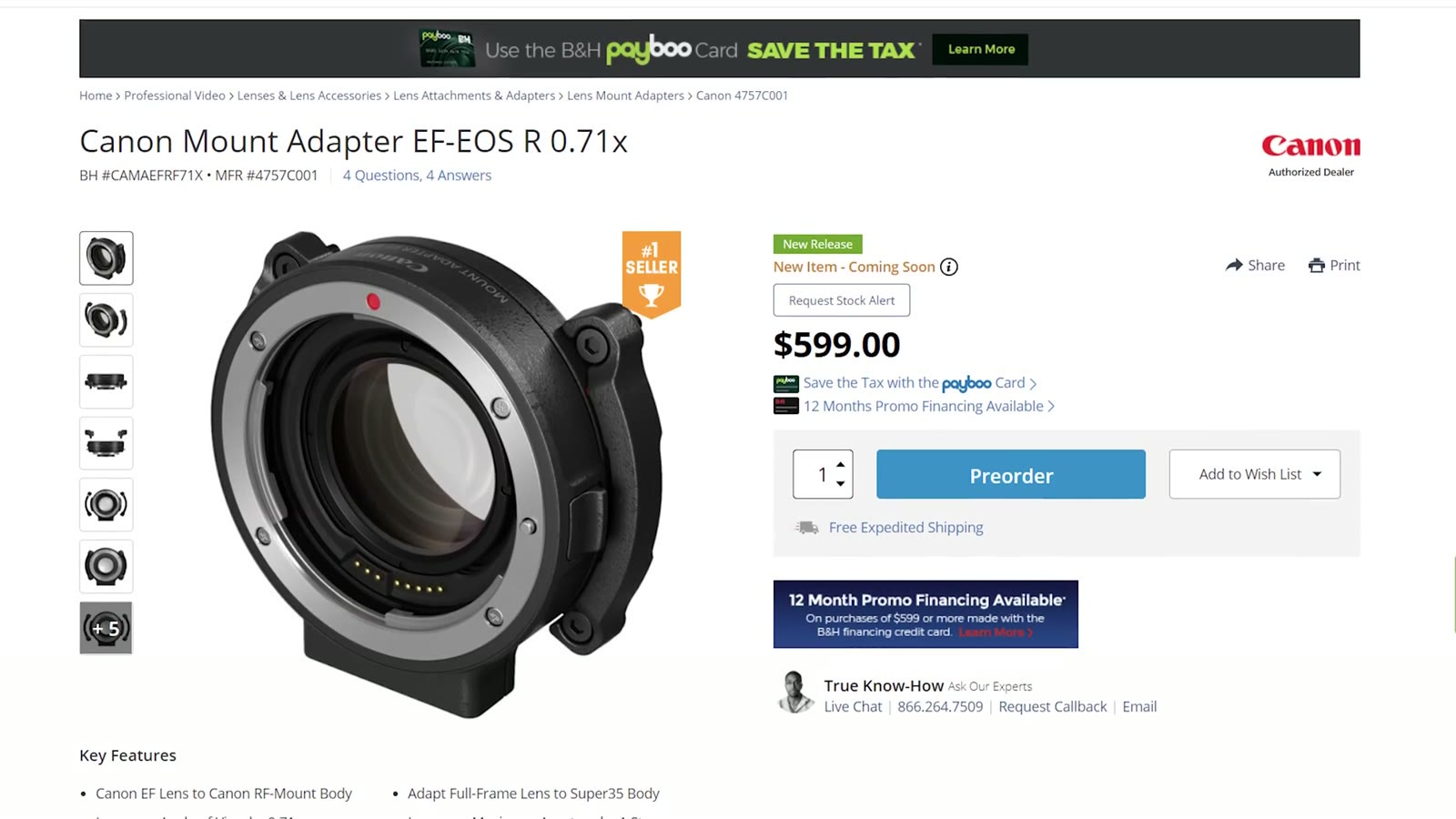
Canon also makes the Mount Adapter EF-EOS R 0.71x. Don’t let the boring name fool you, because this thing is genuinely magical. Put your full frame EF lenses on it, gain an extra stop of light, and it widens the field of view enough that the C70’s Super 35 sensor behaves essentially like a full frame sensor.
It costs $599 and it only works with EF glass, not Canon’s new RF lenses. But it puts these two cameras on a level playing field for sensor size. Hold that thought, because it comes back later and it hurts.
Frame Rates
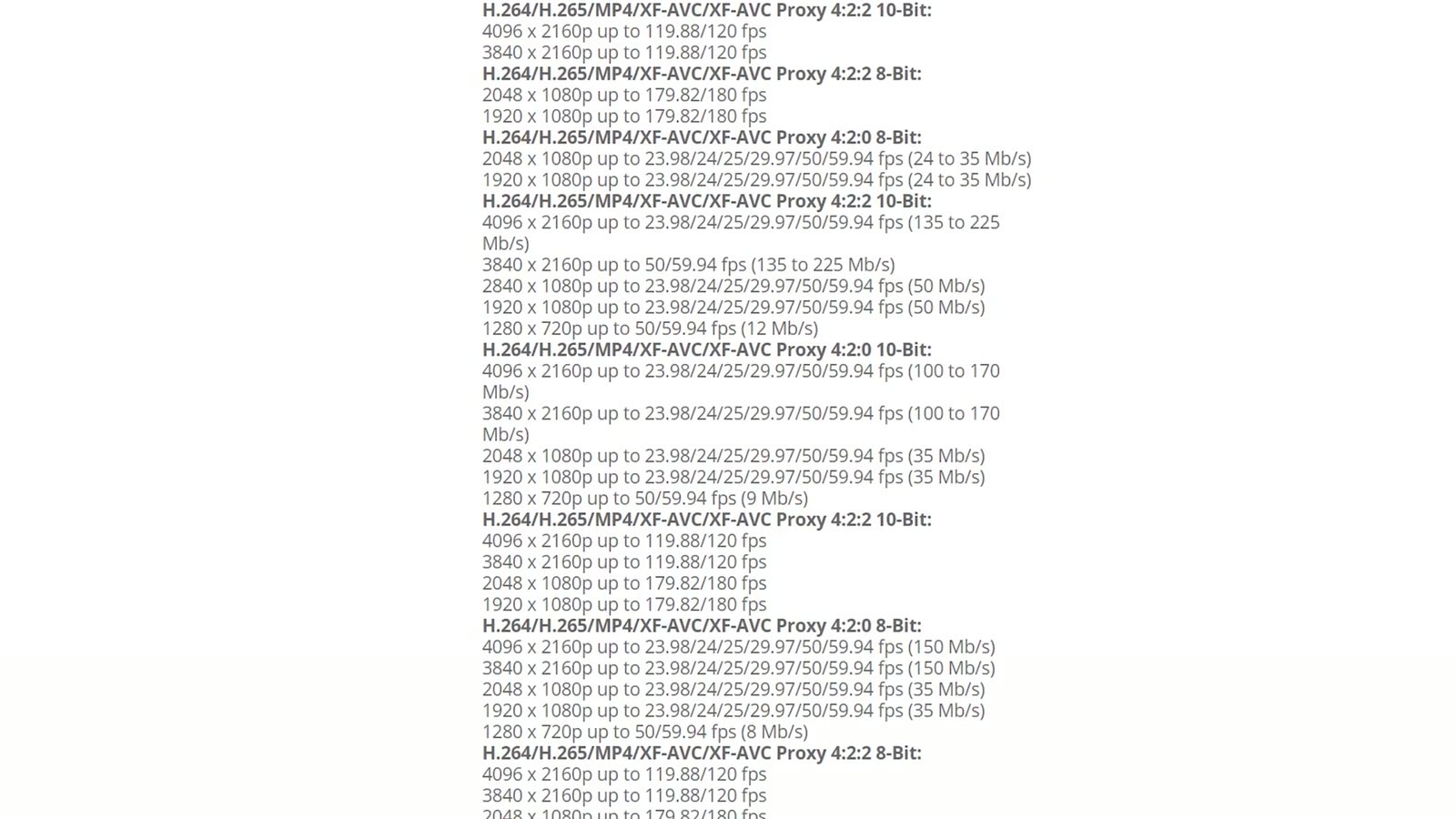
This one is close.
- C70: DCI 4K up to 120fps, 1080p up to 180fps, all of it in 4:2:2 10-bit
- FX6: DCI 4K only up to 60fps, but UHD 4K up to 120fps, and 1080p all the way to 240fps, also 4:2:2 10-bit
One practical difference: just like the a7S III, the FX6 needs CFexpress Type A cards for 4K All-I at 120fps and 1080p All-I at 240fps. The C70 records every frame rate and bit rate to SD cards, so there’s no second card format to buy into.
RAW Recording
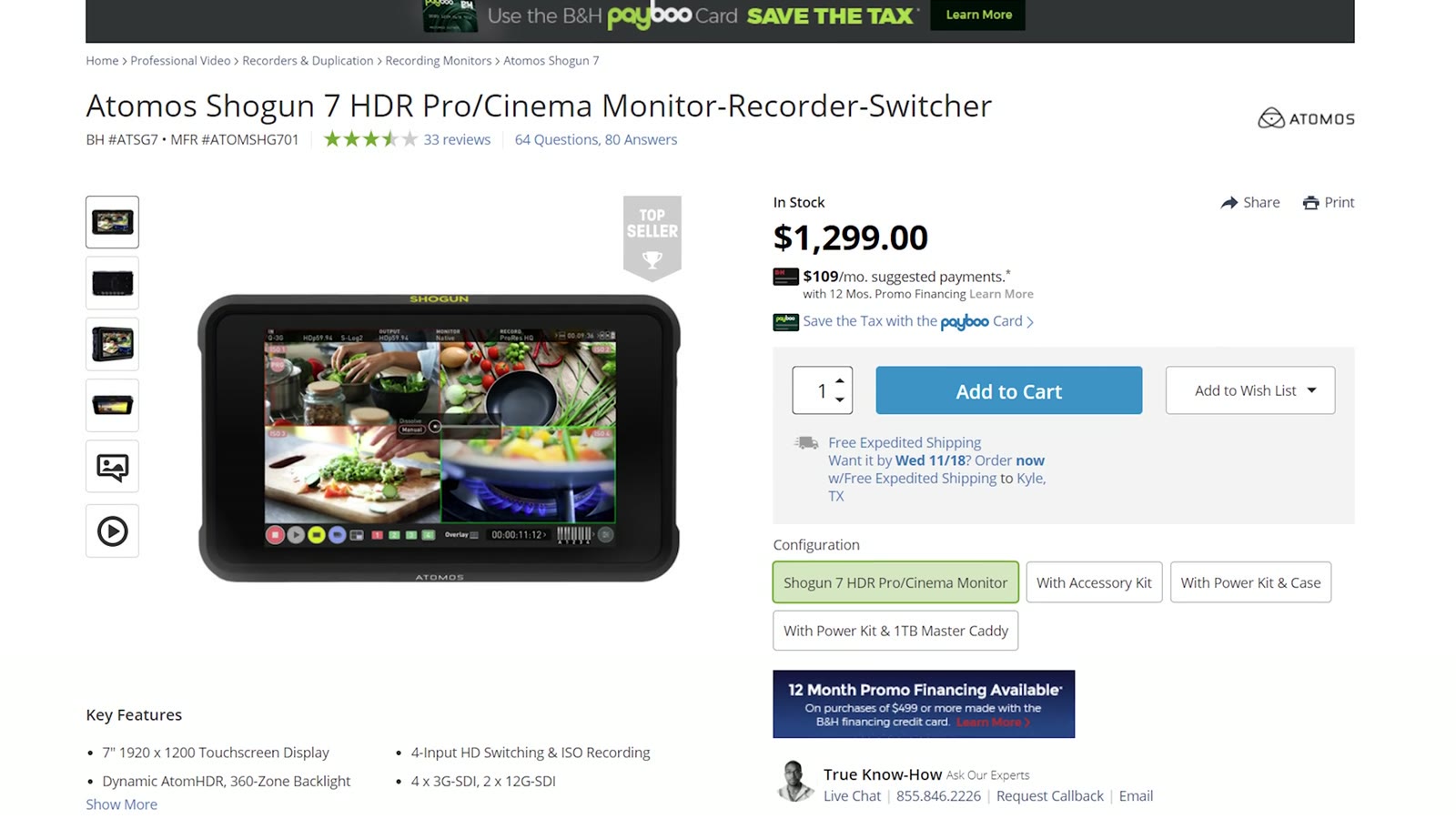
Here they split cleanly. The C70 cannot record RAW at all, internally or externally. The FX6 can record ProRes RAW externally over SDI to a recorder like an Atomos Shogun.
So Canon wins if you want that extra bit of resolution at DCI 4K 120fps. If you want 1080p at 240fps and external ProRes RAW, the FX6 takes it outright.
Autofocus, And Canon’s Bad Secret
Canon has led the pack on autofocus for a long time with Dual Pixel, and the good news is the C70 has it, so expect stellar performance. The caveat is that it does face and head tracking but not eye detect. If you’ve been using an R5 and loving eye AF, that isn’t here, and as far as I’m aware there’s no animal eye detect either.
Sony essentially took the a7S III’s autofocus system and put it in the FX6, so you get face and eye detection. At this point the two companies are very close on autofocus and both of these are great.
Great, they’re even, moving on. Except hold on, because here’s where it gets complicated for Canon.
Remember that 0.71x adapter that turns the C70 into a full frame camera? It can enlarge the image being recorded, but it cannot add autofocus points to the sensor. So you’re recording a big beautiful full frame image while autofocus only works in a much smaller Super 35 sized area in the middle of it.
Specifically, in an interview with a Canon rep, ProAV TV was told that with the 0.71x adapter you only get autofocus points covering the middle 60 percent of the image. The FX6 has autofocus points across the entire sensor.
So if what you want is a full frame cinema camera with great autofocus, I have to recommend the FX6.
Colors And Dynamic Range
Everybody loves Canon colors, they’re pretty much universally praised, and the C70 pairs them with wider dynamic range through C-Log 2 and C-Log 3.
Sony has always been praised for dynamic range and not always for colors, but the FX6 has S-Cinetone, which looks gorgeous straight out of camera while still holding a wide range. And you can still shoot S-Log3 if you want more.
I wouldn’t let colors or dynamic range decide this for you. Both should be impressive.
ND Filters
One of the main reasons filmmakers buy a cinema camera over a mirrorless is built in NDs, which is what lets you shoot wide open in bright sun without a bag of screw-on filters.
Impressively, Canon crammed NDs into the C70 despite how narrow it is, giving up to 10 stops of light reduction.
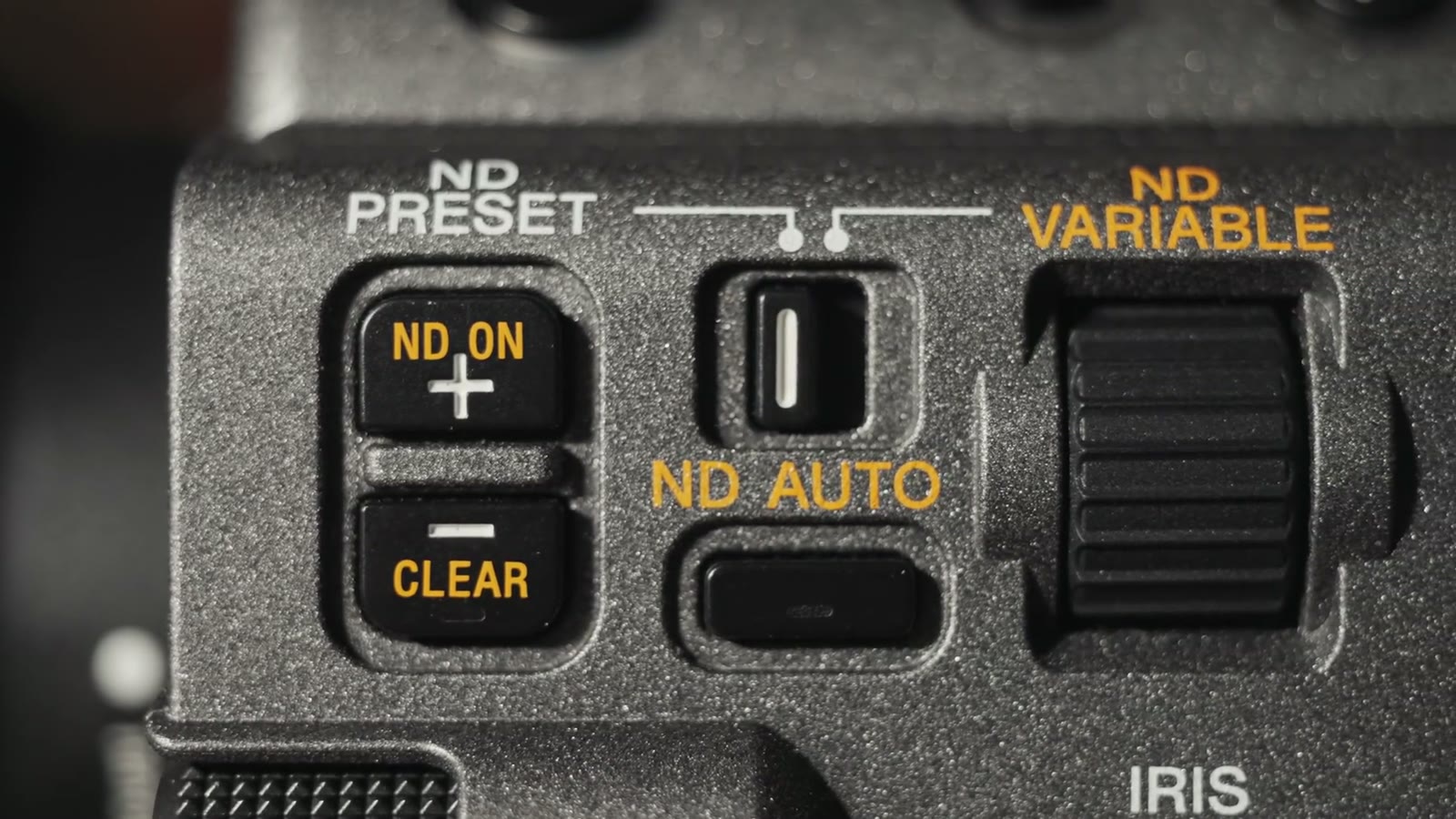
Sony went a different way. The FX6 has an electronic variable ND: one piece of glass that changes its own density rather than several pieces sliding into place, down to 7 stops.
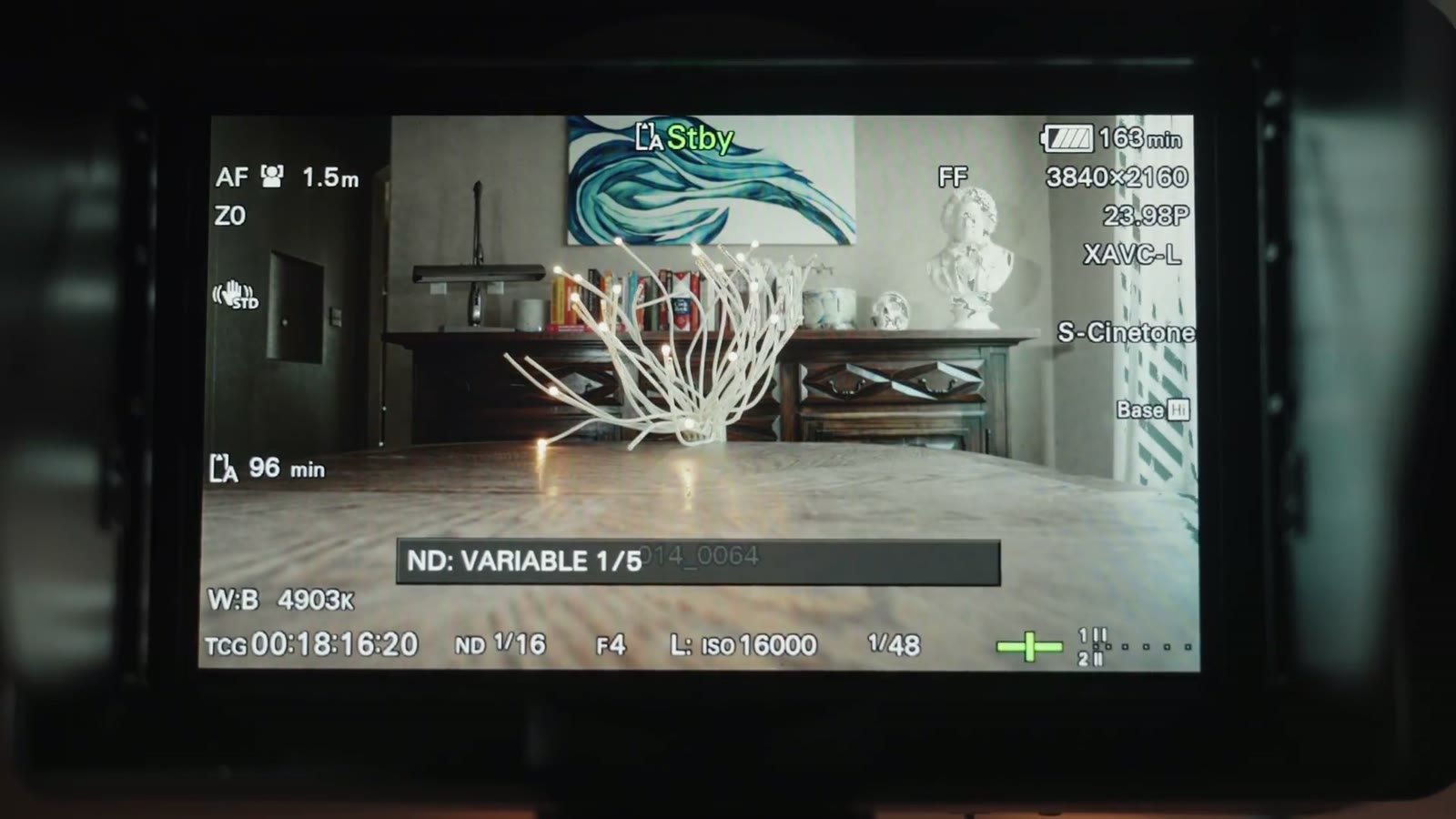
That lets it do things the C70 simply can’t, like automatically adjusting ND to hold your exposure while you never touch shutter or aperture. Once you’ve used it you do not want to go back.
So the C70 wins on pure light reduction, 10 stops against 7, but the FX6’s electronic ND is arguably the more compelling feature.
Price
Otherwise these two are pretty similar. Both take larger batteries for longer runtimes, both record unlimited length, and both are covered in a zillion buttons. Which leaves price.
So the C70 is the cheaper camera. Except if you want it to be full frame you need the 0.71x adapter at $599, which puts the Canon $100 above the Sony.
Which Should You Buy?
The first question to ask isn’t about specs at all. It’s how invested are you in the Canon ecosystem? Do you already own a lot of Canon glass, are you comfortable shooting Canon bodies, do you love Canon colors? If so it’s a no-brainer, take the C70, it looks like a fantastic camera and it will serve you very well.
But if you’re not heavily invested in Canon, or you’re considering jumping ship to Sony, and you want a more modular traditional cinema body, more frame rate options, external RAW, autofocus that works across an entire full frame sensor, and one of the coolest ND systems in any camera today, then the FX6 is the obvious choice and the one I’d wholeheartedly recommend.
More
If you’re a wedding filmmaker and you want to book more couples, my free guide to booking more wedding film clients walks through practical steps you can take right now. My courses are here, the discussion happens in my Facebook group, and everything I shoot is graded with my LUTs.
This comparison went up in December 2020, before either camera shipped, so it’s built on published specs, Canon and Sony’s own material, and the ProAV TV interview rather than on hands-on testing. Prices are what they were at announcement. Both cameras have had firmware updates since, and the C70’s autofocus coverage with the 0.71x adapter is the specific claim most worth re-checking against current firmware.
I’m required to state that I’m part of affiliate programs for Amazon, B&H, Soundstripe, Artlist, Musicbed, and Adobe, and that some of the links above are affiliate links.