
This is the Sony a7 IV, and I want to review it from the perspective of a wedding filmmaker. So if you film weddings and you’re considering buying this camera, this should be very helpful.
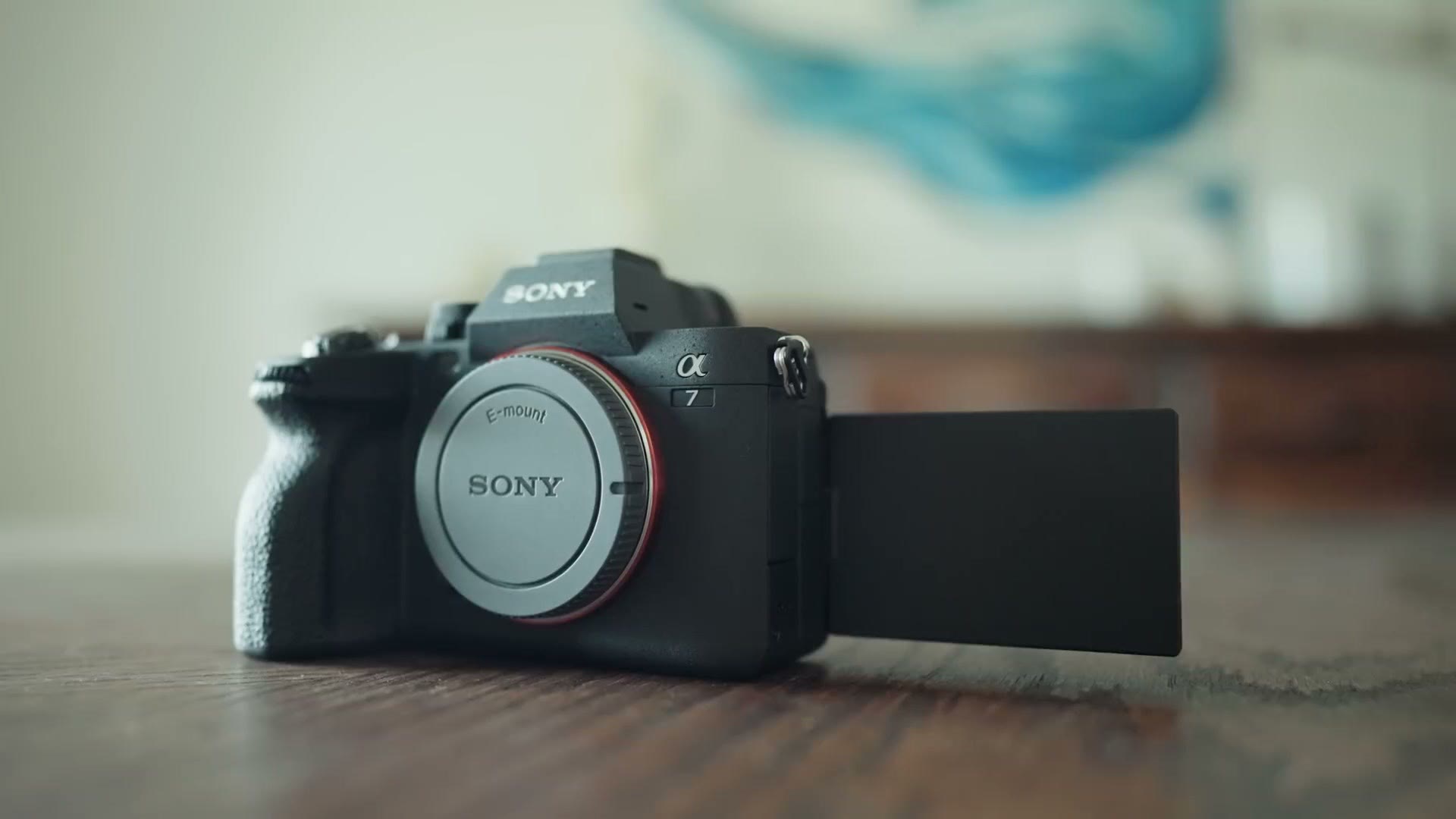
Before I start, for the sake of ethics, this is not paid or sponsored by Sony in any way, they won’t see it until it’s uploaded, and this camera is sadly going back to them in a few days.
Conclusion (To Save You Time)
Because I respect your time, I’m going to spoil the conclusion right now. The a7 IV excels at both photo and video quality, and it very closely resembles the camera I love, the a7S III. Except for one glaring issue that may be a deal breaker for some of you.
That deal breaker is that the a7 IV cannot record in full frame at anything higher than 4K 30. It will record 4K 60, but it does it with a Super 35, 1.5x crop. Which, in short, sucks.
That said, whenever I filmed a wedding with this camera I used a wider lens than I normally would to compensate, and I was easily able to work around it. So if you have the budget to invest in lenses that get around that crop, and especially if you want a camera that does photo and video well, I think this is a stellar camera, especially for the price.
Build Quality
You can tell this is a camera Sony tried to save money making, so they could hit a lower price than the a7S III. That might make you think they cheaped out on the build. They didn’t.
Instead, to save money, Sony didn’t bother coming up with a new body at all. They pretty much straight up copied the a7S III. The a7 IV has nearly the exact same body and styling.
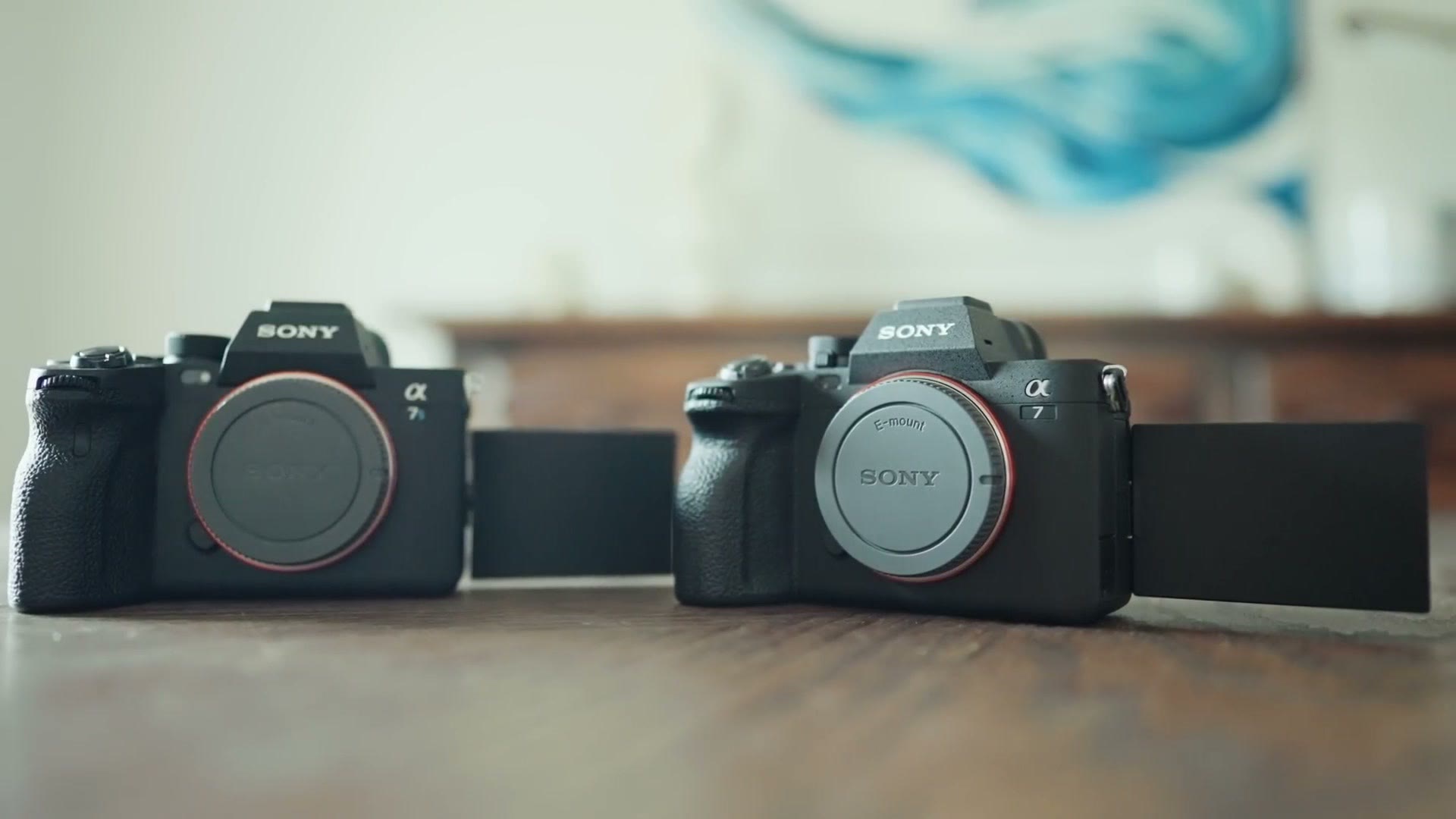
And I’m warning you now, if you have multiple bodies like I do, you had better look at what the camera says on the front before you pick it up, because it is very easy to grab the wrong one. In the short time I’ve had this camera I’ve reached for it and then realized I’d actually picked up my a7S III. It’s a ridiculous problem to have, but I want you to be aware of it.
Because it shares so much with the a7S III, this is a very well built, high quality camera. Same flip around screen. Same great weather sealing, with the caveat that the sealing is good as long as you keep the hot shoe cover on.
You also get a full size HDMI port, just like the a7S III. But I’m warning you, this camera does not support external ProRes RAW recording, which is another thing that helps keep the price below the a7S III. There’s also a USB port that lets you use the camera as a webcam, which should make live streaming a wedding ceremony pretty easy.
New Body Features
Aside from the badging, the main body difference is that Sony turned the exposure compensation dial into a regular programmable dial, which makes it far more useful. They’ve also changed the mode dial on top, adding a second dial underneath that controls whether the camera is in photo, video or slow and quick mode.
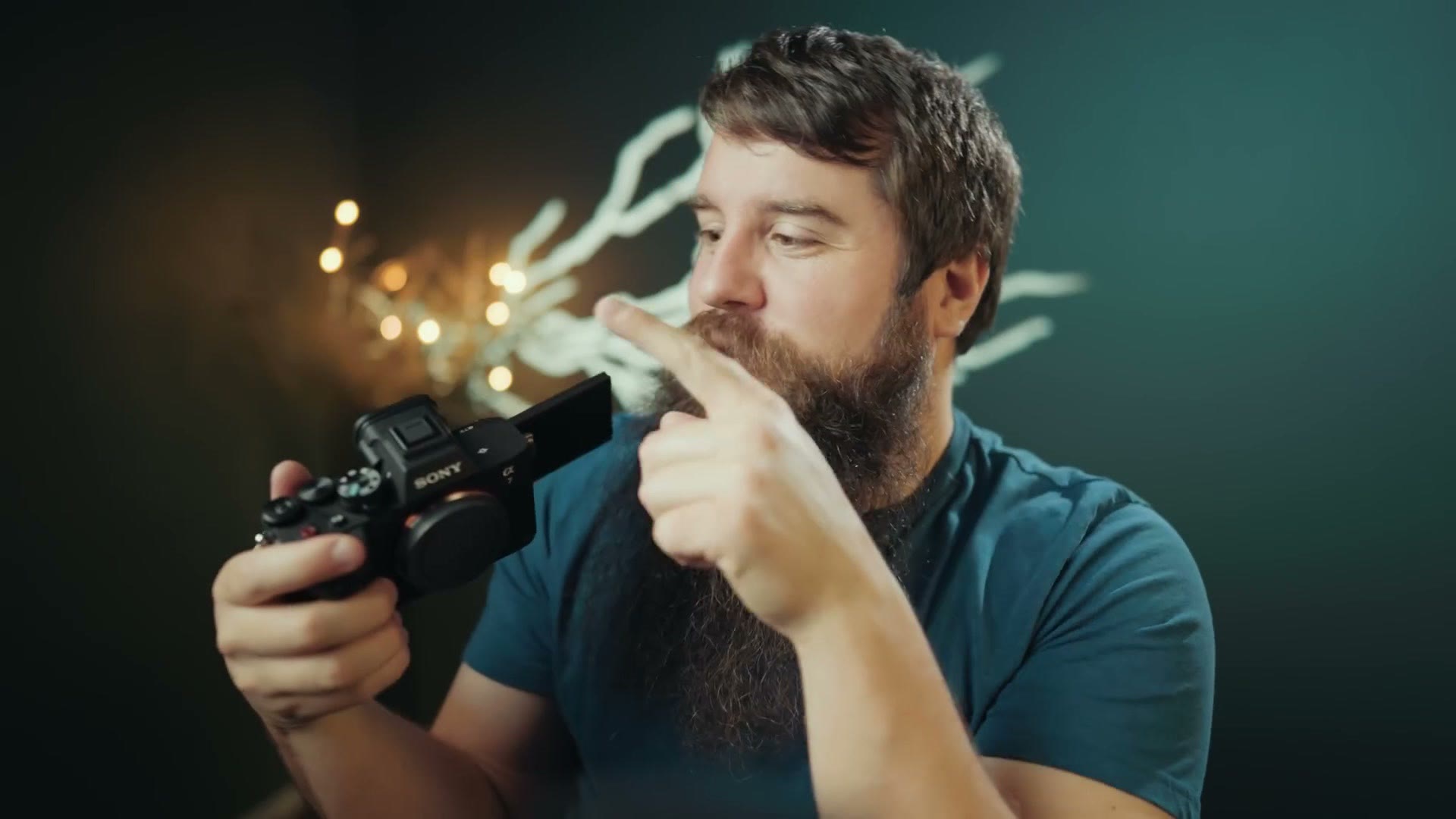
I love that change, because it makes switching modes very simple and it’s easy to tell at a glance what you’re shooting. Though let’s be honest, I never really shoot photo unless I’m doing timelapses, so my camera rarely leaves video mode.
Features From The a7S III
Open the menu and you’re greeted by the now familiar new Sony menu system, which is a huge upgrade over older cameras like the a7 III. That also means my a7S III menu and custom button setup guide applies to the a7 IV for the most part, and I’ve since written a full a7 IV menu setup guide as well.
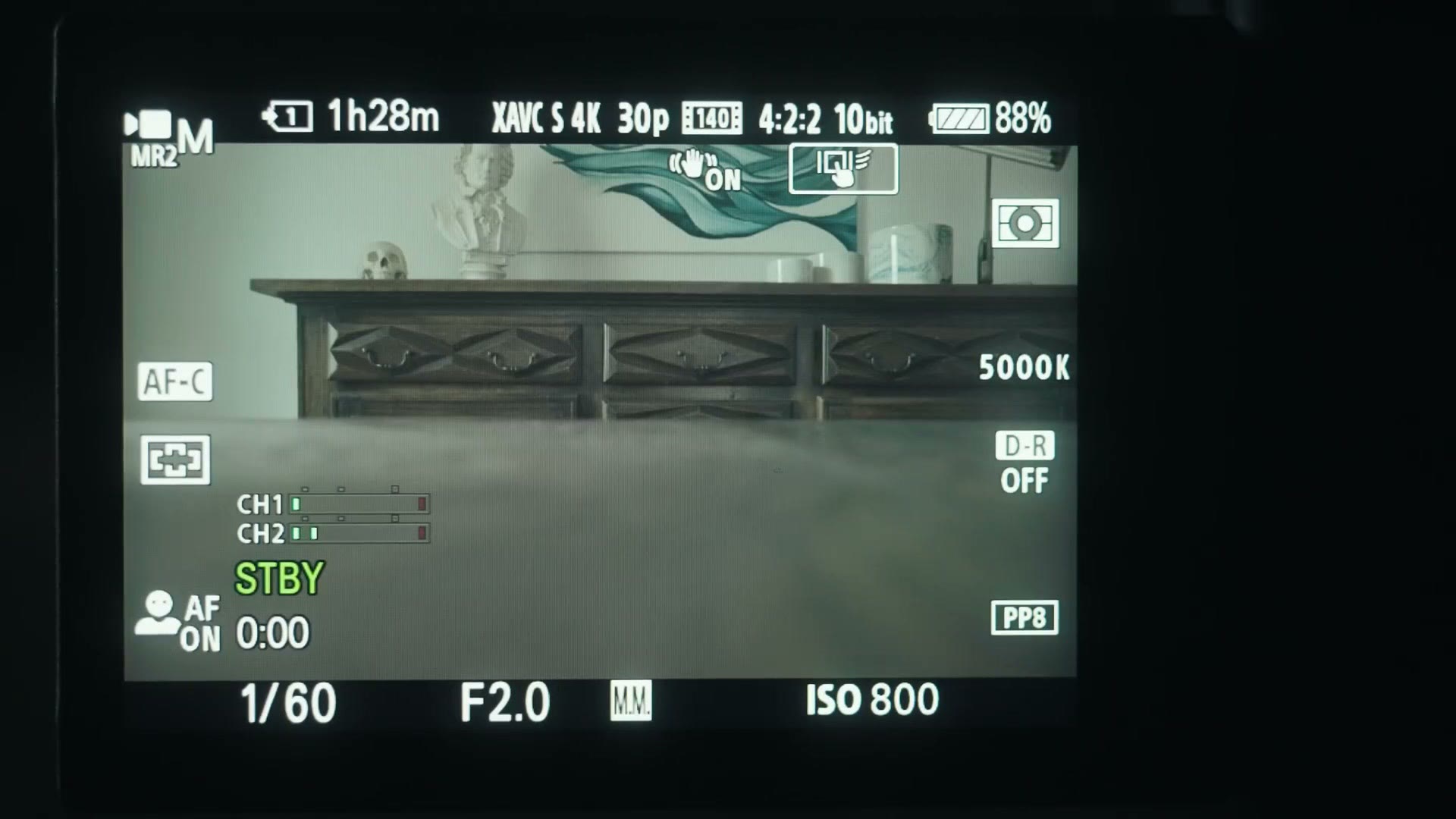
You’ll notice a lot of other familiar things pulled from the a7S III, like shockless white balance for smooth white balance shifting, which I love.
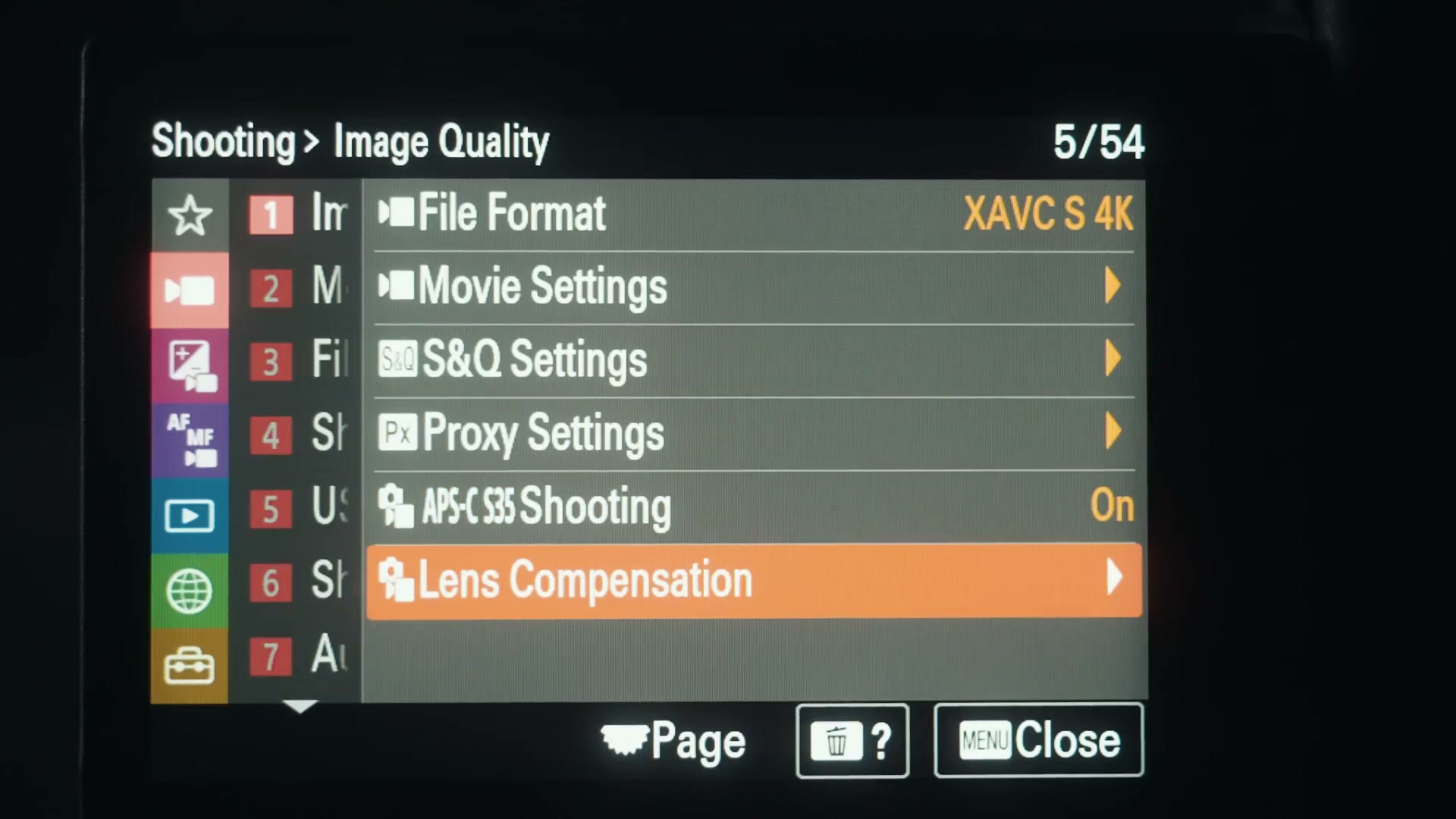
APS-C Super 35mm Mode Enabled
Because the a7 IV has a much larger 33 megapixel sensor, it can use APS-C crop mode while recording in 4K. If you want that same sensor in a smaller body, that is the a7C II. The a7S III, with its 12 megapixel sensor, can only do that in HD. So the a7 IV can punch in on anything you’re filming at any time.
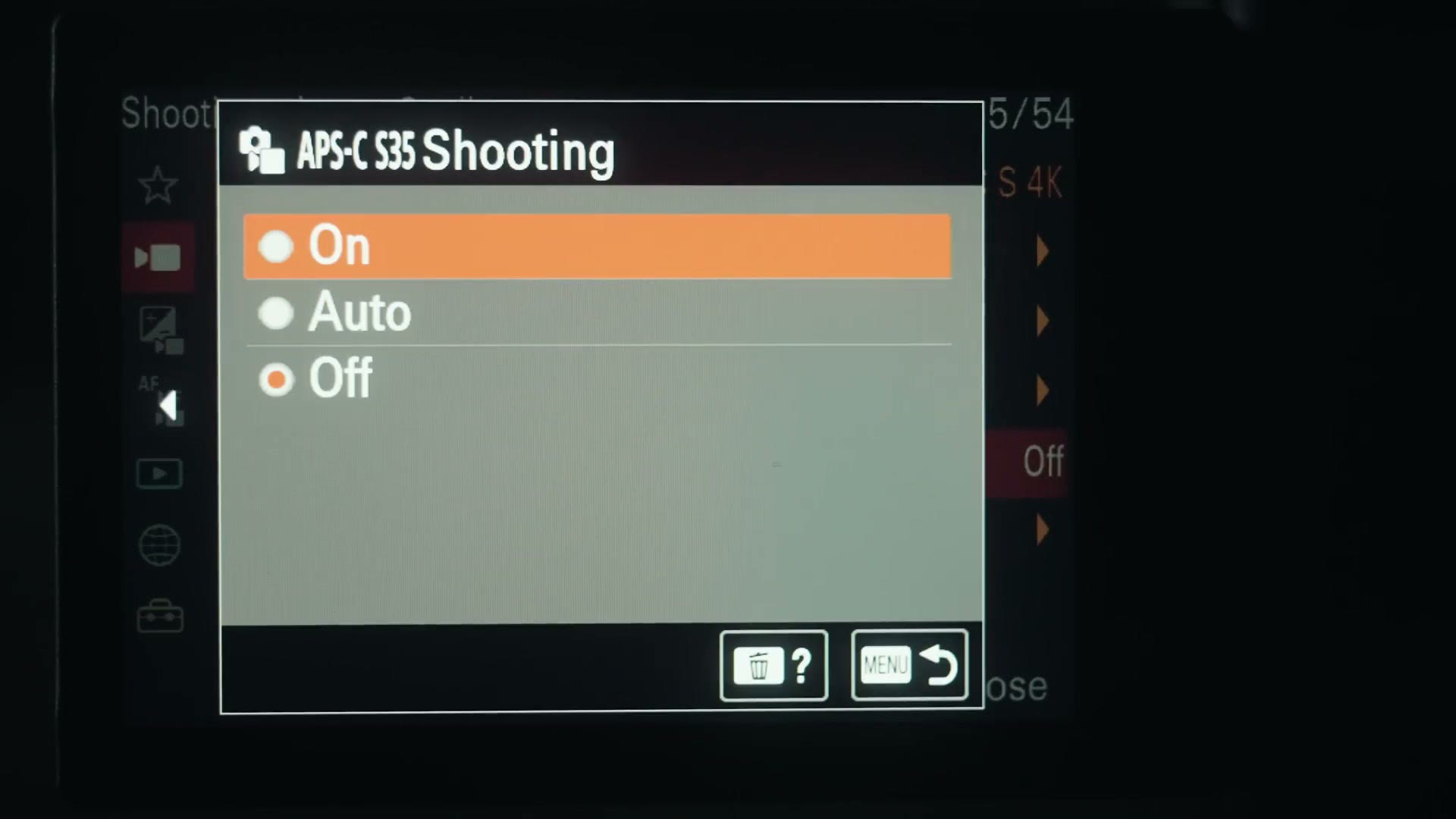
It can also access APS-C crop mode whenever you don’t want it to, namely whenever you switch to 4K 60. But we’ll get to that.
Focus Breathing Compensation Is MINDBLOWING
The next big change is something I think is genuinely revolutionary, and I absolutely wish my a7S III had it. If I could ask Sony for one thing by firmware update, this is it.
It’s called focus breathing compensation, and when Sony first told me about it my jaw literally dropped.
You know how some Sony lenses have focus breathing? If you’ve used the 35mm GM you’ve experienced it. Focus breathing is where your lens gets wider or tighter as you change focus, and it plagues a lot of Sony’s newer GM lenses as well as plenty of lenses from other manufacturers. Until now there was no way to fix it, other than deliberately buying lenses that don’t do it.
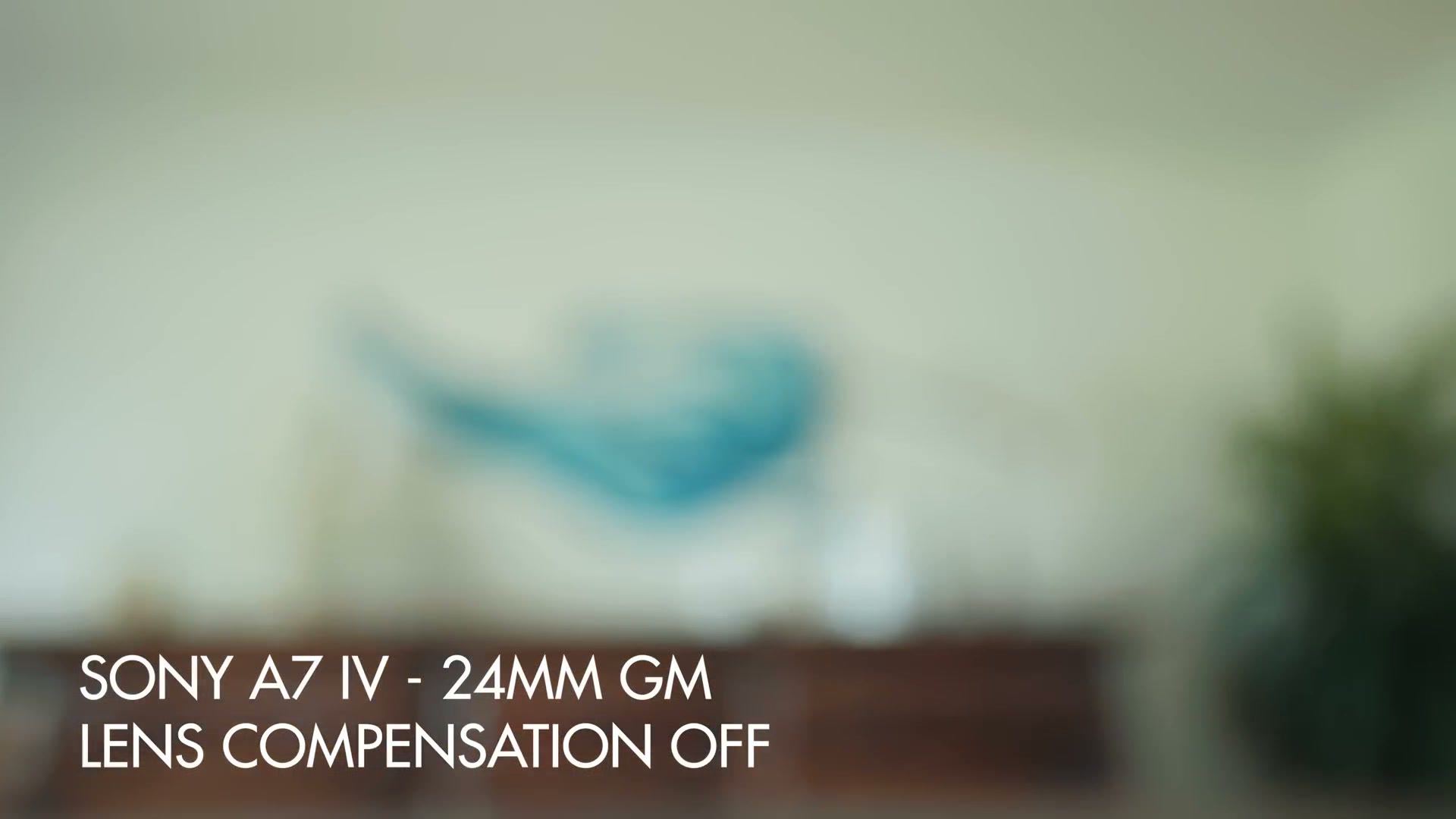
Sony, through a mixture of science and witchcraft, has come up with a way to fix focus breathing on the a7 IV. It’s crazy.
The caveat is that you have to use native Sony lenses, because the camera needs to talk to the lens to do it. But with a native lens and the setting turned on, the a7 IV knows which lens is attached and exactly how much breathing that lens exhibits at every focus distance. Then it uses Sony’s Clear Image Zoom technology, which can near losslessly zoom the recorded image in and out, to cancel the breathing out in real time. Instantaneously.
If you love rack focusing, this feature is about to be your new best friend. And if the fear of focus breathing has been holding you back from buying one of Sony’s lenses, you don’t need to worry about it anymore.
Autofocus Is Excellent
Staying on focus, this is another area where the a7 IV takes a big jump over the a7 III, because it has the same autofocus system as the a7S III and the a1. So you get not only face detect but also eye detect autofocus, which is fantastic and scarily accurate.
Don’t Sleep On This Manual Focus Feature
Sony has also included a really cool new feature that’s going to help a lot if you use manual focus lenses, and it applies to autofocus lenses too.
It’s called Focus Map, and in essence it colors the screen to show you which parts of the image are in focus and which aren’t.
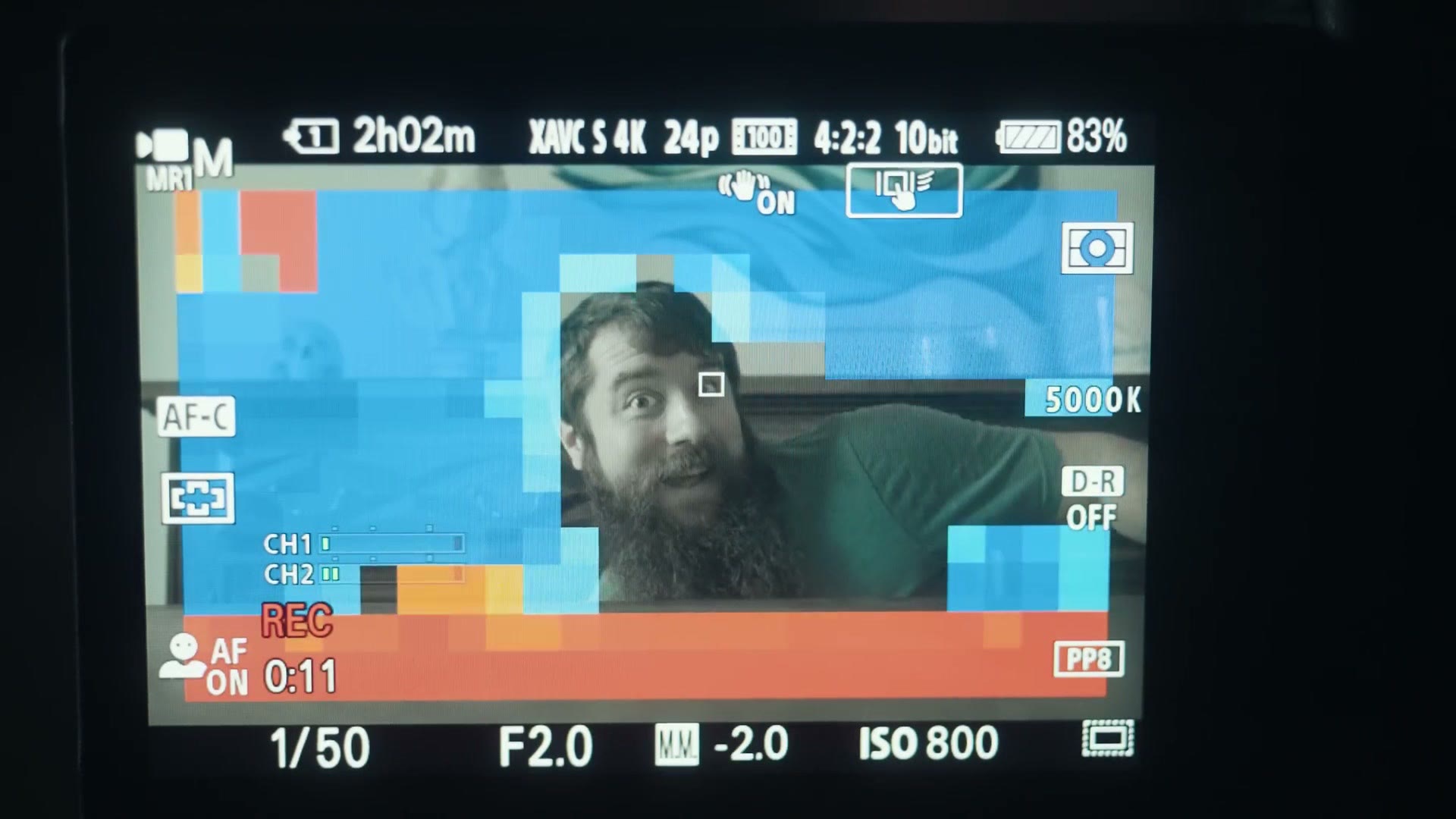
You may be thinking, Matt, Sony cameras already have that, it’s called focus peaking. But you’re a little wrong, because Focus Map is a highly advanced form of peaking. Peaking can only tell you which part of your image is in focus. It cannot measure anything else.
Focus Map measures focus in 3D space. It colors the screen depending on whether something is in front of the plane of focus or behind it. Objects in the foreground go orange and red, objects in the background go blue, and anything perfectly in focus has no color at all, so you just see normal video.
That’s super helpful when you’re manual focusing, because you can tell at a glance whether you need to focus closer or further away. I think it could help with autofocus on a gimbal too.
Active Mode IBIS Is Killer
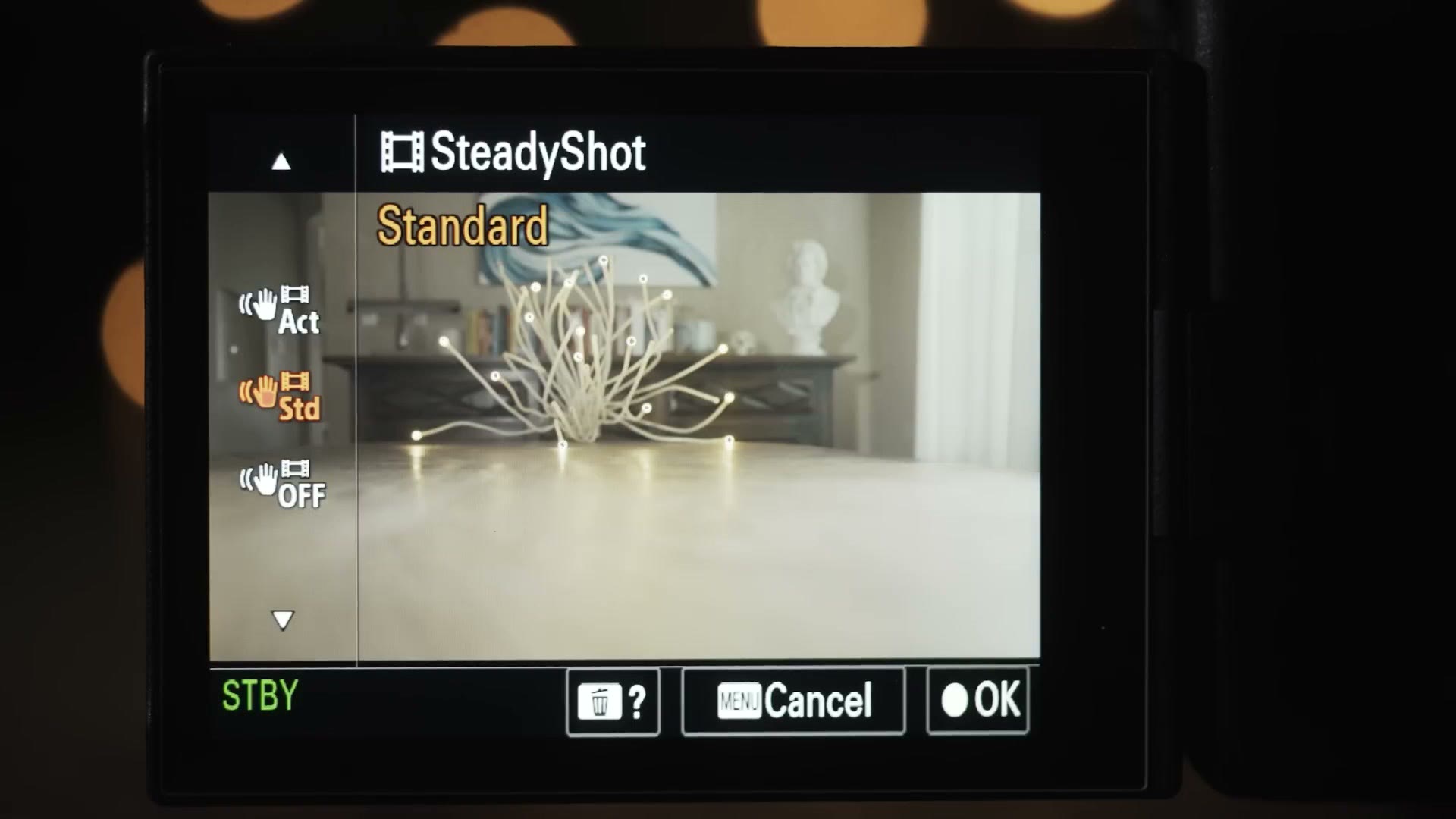
Just like the a7S III, you get standard and active image stabilization. Standard is what you’d get from the a7 III, while active provides significantly more stabilization, closer to what Panasonic or Canon are doing on the R5. The catch is that active mode comes at the cost of a 1.1x crop on whatever you’re recording.
Great Battery Life
The a7 IV uses Sony’s NP-FZ100 batteries, the same as the a7 III and a7S III. I haven’t done extensive testing, but anecdotally, after filming two days of a wedding with it, the battery life feels longer than the a7S III.
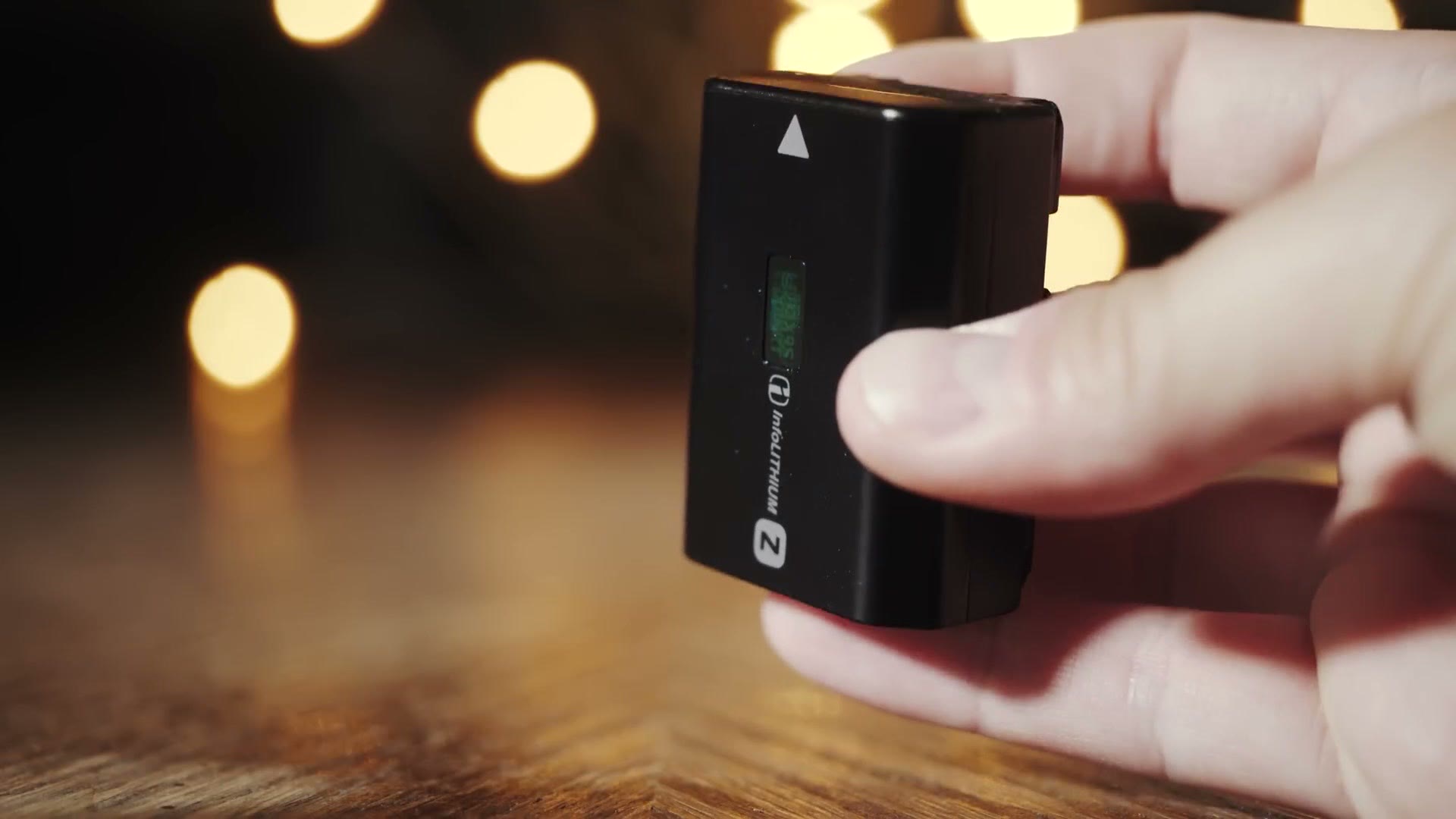
It isn’t a monumental difference. But while I was shooting on the a7 IV and Rachel was shooting on the a7S III, I noticed she was burning through batteries faster than I was. That may have been down to her taking longer takes, so it isn’t scientific, but my general sense is that the battery life here is closer to the very good a7 III than the slightly worse a7S III.
Surprising High ISO Lowlight Performance
Something you will definitely deal with at weddings is low light, because couples love a dark reception. So having a camera that handles it matters.
Happily, the a7 IV has very similar and in places better low light performance than the a7S III. Wait, how does that work?
It’s better at least until you get up to ISO 12,800. The reason is that unlike the a7S III, the a7 IV does not have a dual gain ISO sensor. On the a7S III, ISO 6400 through about 10,000 actually gets quite noisy before you hit ISO 12,800 where the second gain stage kicks in and it gets very clean again. Because the a7 IV has no dual gain, those lower ISOs up to 10,000 are much cleaner. Above 12,800 is where the a7S III starts to pull away.
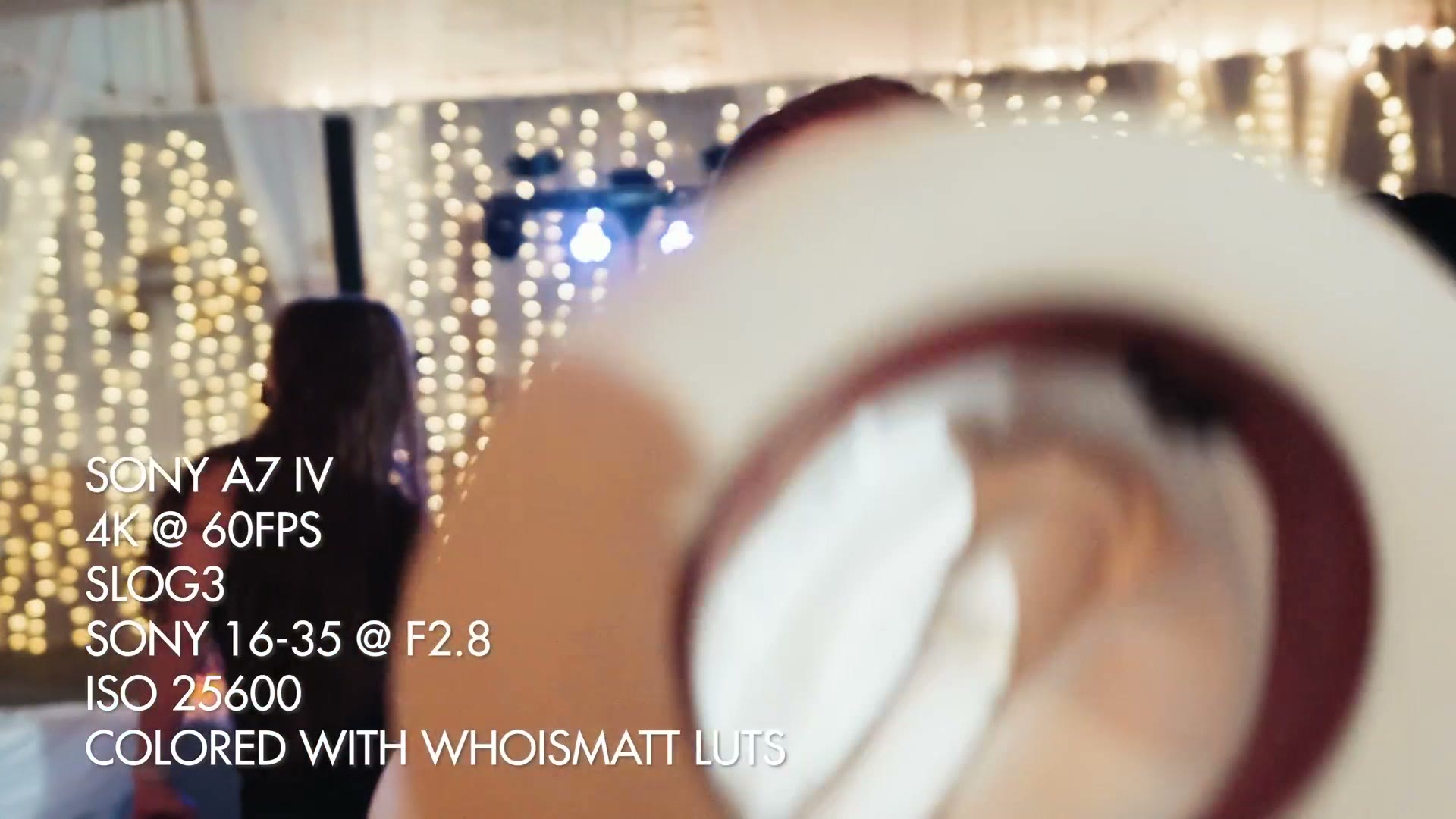
Even so, the a7 IV pleasantly surprised me. Filming the dance floor at this wedding I was cranking ISO up to 16,000, 25,600, even 32,000, and it was still very usable. So this camera gets my stamp of approval for low light. Don’t be afraid to film in the dark with it.
Image Quality – Colors, Dynamic Range, S-Log3, S-Cinetone
Image quality is another area where the a7 IV is very close to the a7S III and a huge upgrade over the a7 III. Just like the a7S III, this camera records 10-bit, and it is beautiful. You get fantastic colors and a lot of room to shift and modify them whenever you grade.
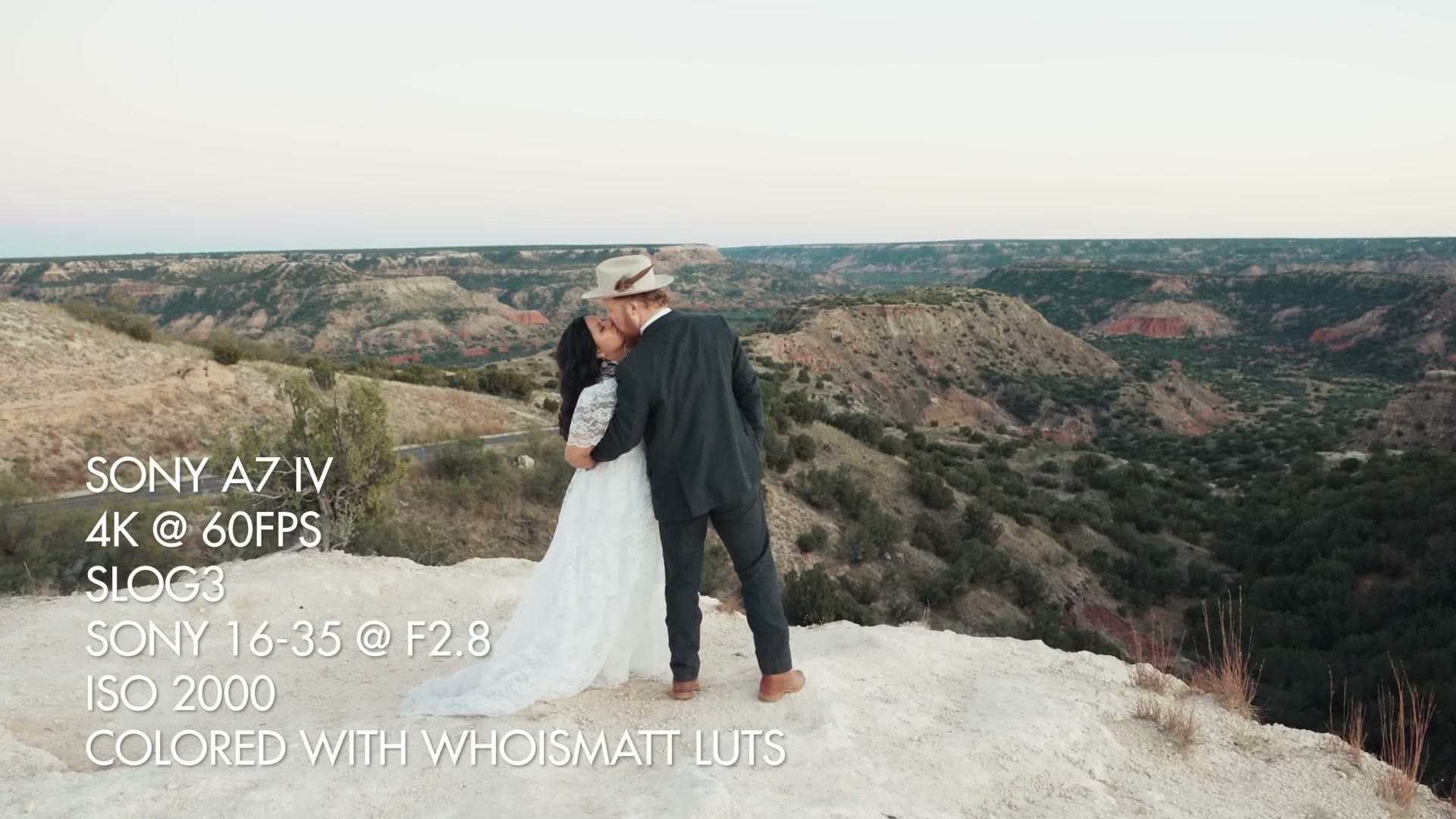
It also has similar high dynamic range to the a7S III, meaning if you shoot in a profile like S-Log3 you get not only gorgeous colors but gorgeously exposed highlights and shadows. I have an entire guide on how to easily film in S-Log3 that I’d highly recommend if you buy this camera, because that’s the picture profile I’d use on it. And if your S-Log3 ever comes out noisy, here’s how to fix that.
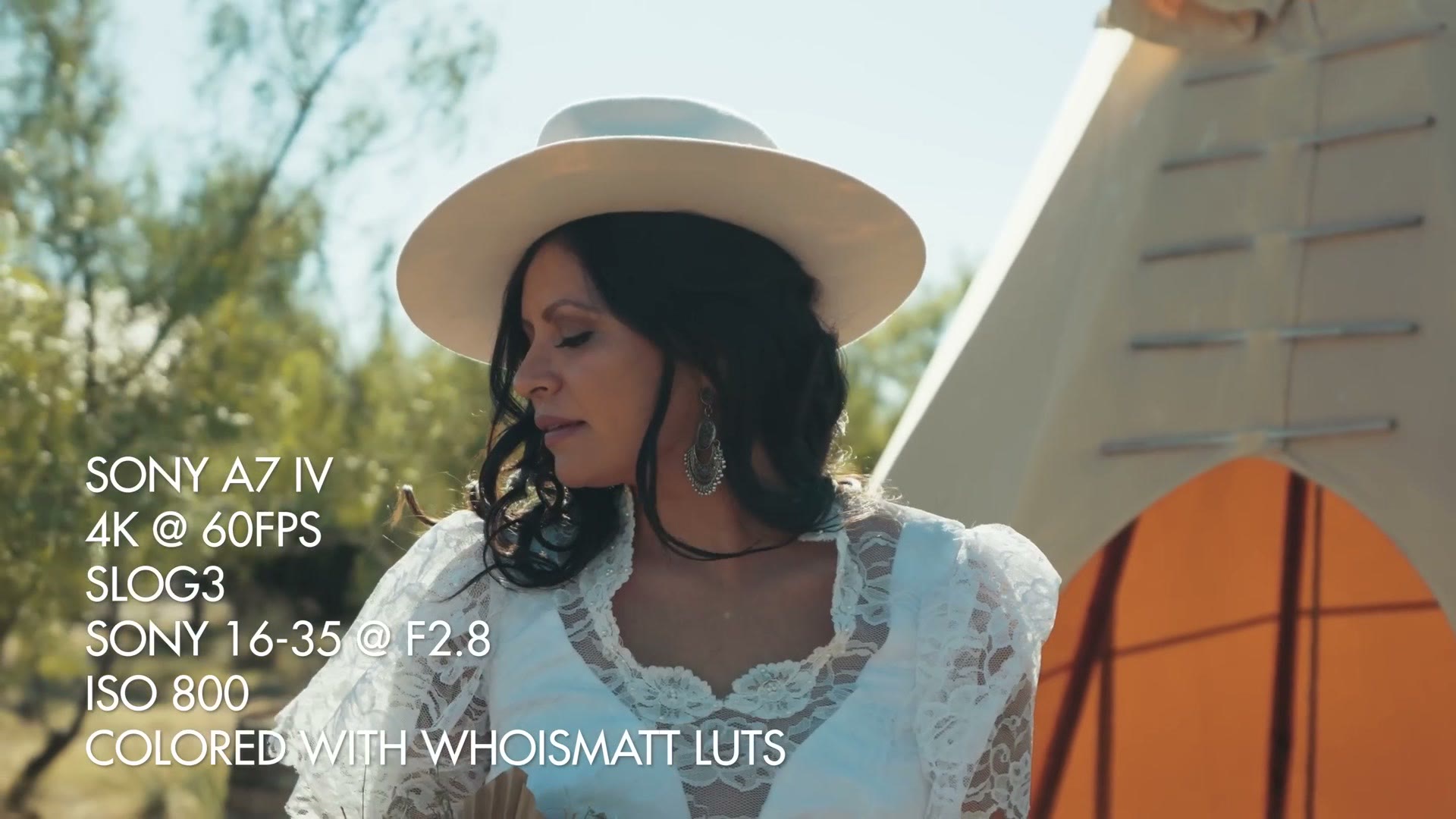
Of course, if you don’t want to shoot S-Log3, this camera also includes Sony’s S-Cinetone picture profile, which gives you a great image straight out of camera.
My LUTs Work Great With The a7 IV
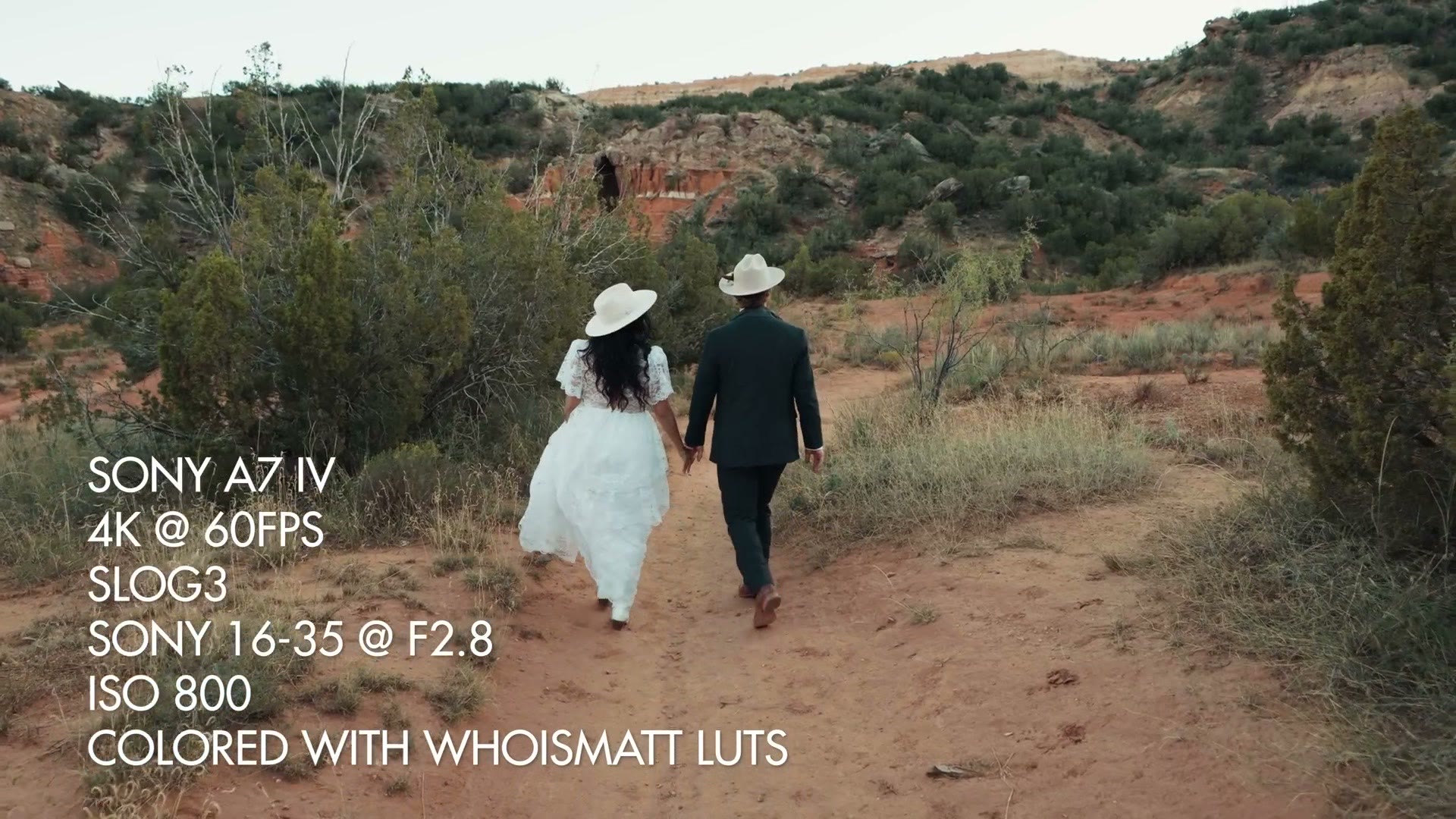
I’ve made a set of video presets called WhoisMatt LUTs that I’ve tuned to work with a lot of picture profiles, including S-Log3 and S-Cinetone. I’ve tested them with a7 IV footage and they make it look awesome.
Good News For Video Formats
Now for arguably the most important part of this review, the good and the bad on video formats and frame rates.
The good news first. Exactly like the a7S III and the a1, the a7 IV records in XAVC S, XAVC HS and XAVC S-I with the same bitrates. So you’re getting very high quality footage, and I’m glad Sony didn’t skimp there.
More good news: if you record 4K at 24 or 30, the camera oversamples a 7K image down to 4K in camera, so your footage looks super sharp. And if you record 4K 60, it oversamples from 4.6K, so that looks pretty sharp too.
Bad News For 4K60
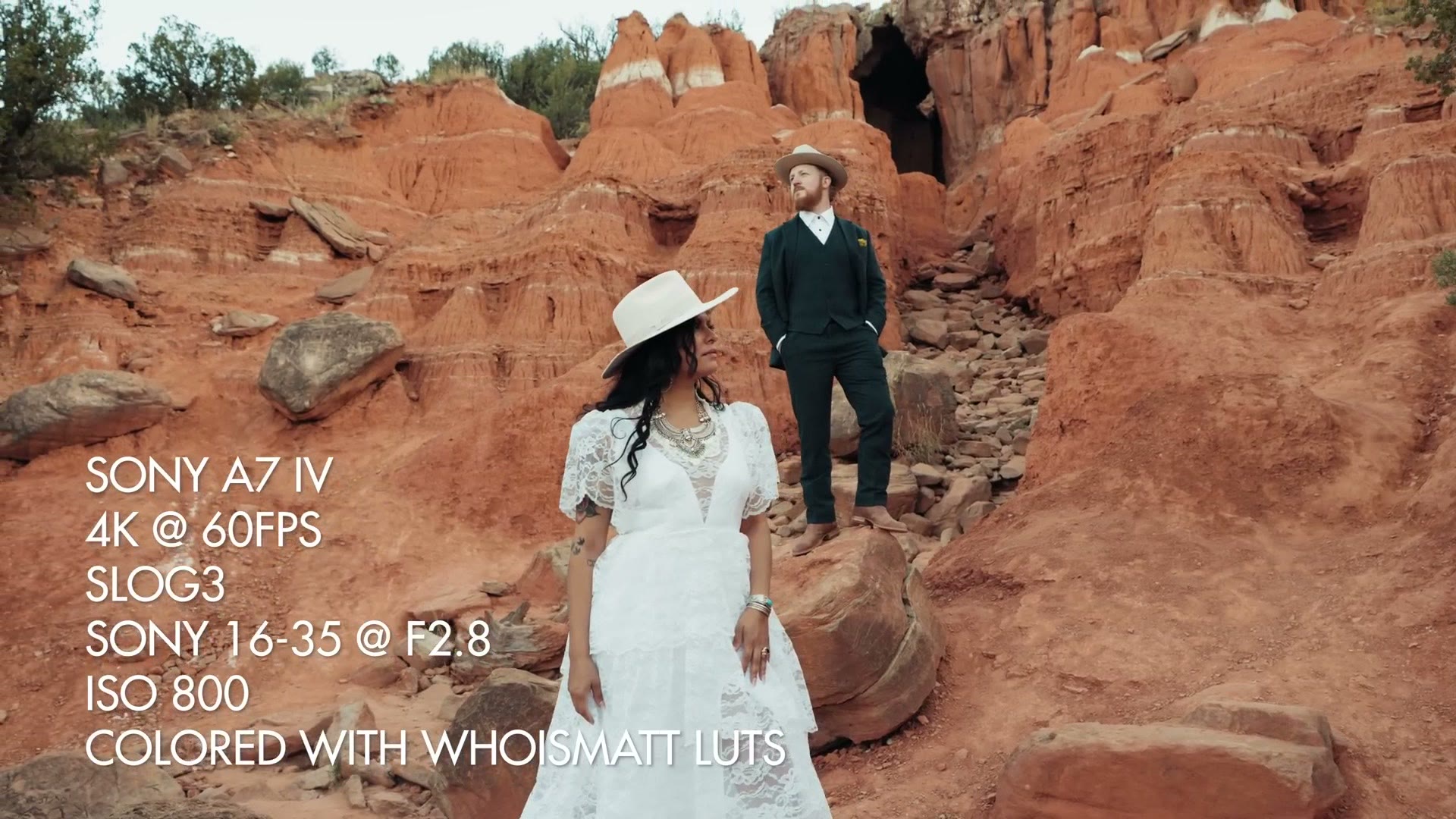
The bad news is that Sony has chosen to crop the sensor whenever you record 4K 60. Instead of full frame, you get a 1.5x crop, meaning your 24mm lens becomes a 36mm and your 50mm becomes a 75mm.
That feels like a big step back, because if there’s one thing filmmakers have been asking for for years, it’s a camera that records 4K 60 in full frame. The a7S III gave us that. What hurts is that this crop really feels like an artificial limitation meant to keep people buying the a7S III.
WHY Is Sony Cropping 4K60? Overheating?
When Sony first showed me the a7 IV, they talked about wanting to keep footage quality as high as possible with no pixel binning in 4K 60, hence the crop. But Sony has also shown with the a1 that they’re fine making cameras that record full frame 4K 60 with pixel binning and no crop, and the image quality there is still quite good.
Tell me if I’m crazy in the comments, but I’m betting most filmmakers want a camera that records 4K 60 without a crop, even if it’s binned.
So why is Sony doing it? It isn’t overheating, which I know is where your mind goes. Sony has said they’re using the exact same cooling system from the a7S III in the a7 IV, so it should easily handle 4K 60 for as long as you want. I haven’t been able to test overheating properly because it’s started to cool off here in Texas, but I’ll tell you that whenever I filmed a wedding with this camera I had zero overheating issues, even shooting 4K 60 often throughout the day.
Here’s my theory. It goes back to the a7 III, because I think Sony knows they overshot with that camera. The a7 III came out after the a7S II, and it wasn’t meant to be better than it, but it ended up cannibalizing a lot of a7S II sales because it was too close in quality and better in several ways. I think Sony doesn’t want to repeat that with the a7 IV and the a7S III, so they’ve deliberately put daylight between the two by cropping 4K 60. You look at the a7 IV, you look at the a7S III, and if you want full frame 4K 60 you pony up more cash.
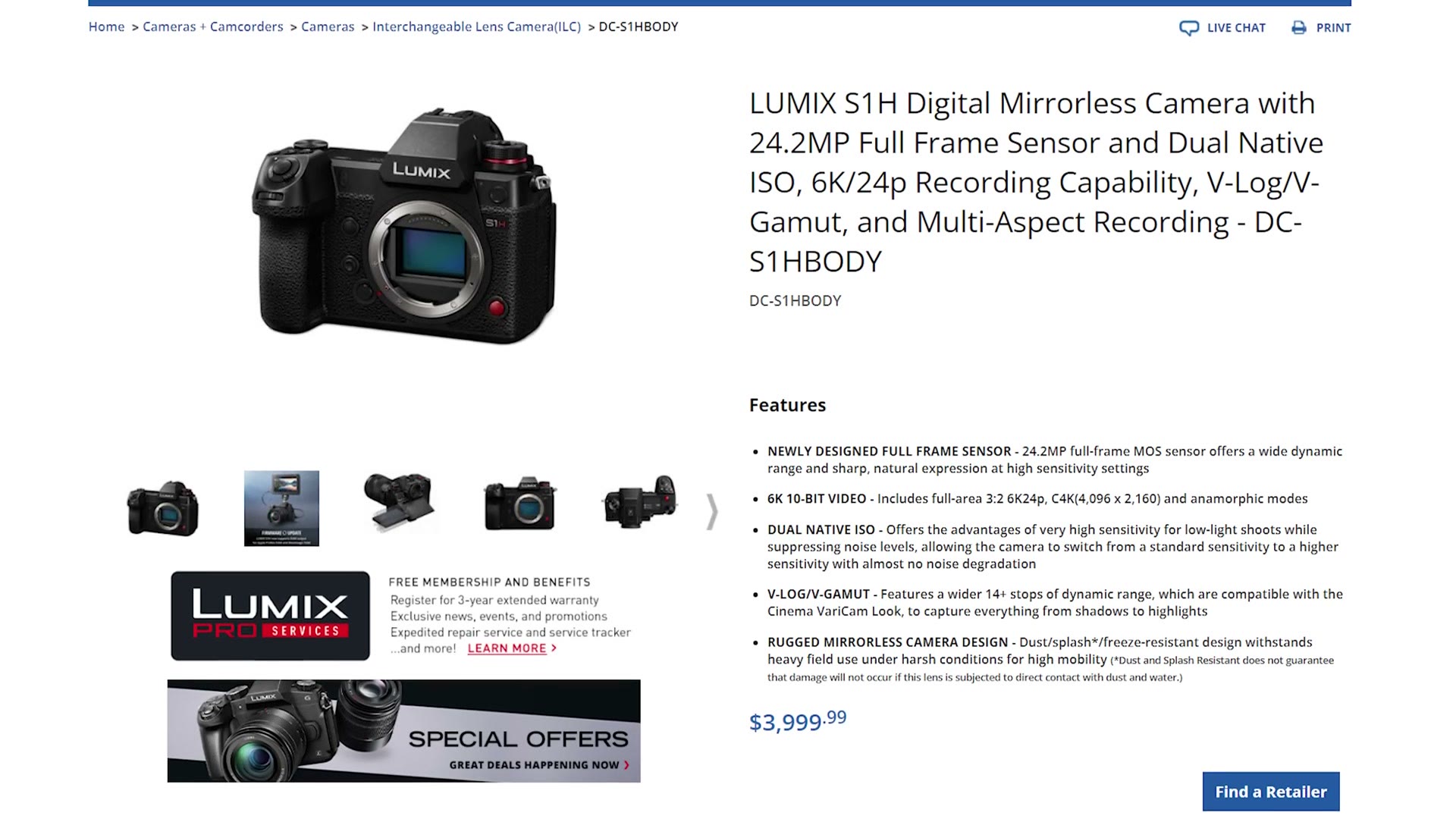
In a Sony vacuum that makes sense. But other camera companies exist. It feels like Sony is ignoring that Canon has the R6 at a similar price with full frame 4K 60. I’m much less worried about overheating on the a7 IV than the R6, and it’s still not enough for me to recommend the R6, but Canon has been aggressive with firmware updates and it’s much improved since launch. And then you look at Panasonic and they’re going, overheating? What overheating? Granted they’ve had cropped 4K 60 on the S1 and S1H since 2019, but I have zero doubt their next full frame camera will do it uncropped.
And even if both cameras had full frame 4K 60, the a7S III still goes further with 4K 120, which I feel would be a big enough difference to separate them on its own. But that’s just my opinion.
My Experience Filming With The Crop
All this talk of Super 35 and 4K 60 is just that, talk. Because if you buy this camera fully knowing what you’re getting into, you can prepare and work around it.
Whenever Sony sent me this camera I knew about the crop, and I knew I’d need wider lenses for the wedding I had coming up. I usually shoot weddings on a 24mm or 50mm prime. Knowing I’d be shooting a lot of the day in 4K 60 with the 1.5x crop, I borrowed a friend’s 16-35mm f/2.8 GM, because at 16mm that becomes a 24mm with the crop, and at 35mm it becomes about a 52mm. Heads up: this link goes to the newer Sony FE 16-35mm F2.8 GM II. So one lens effectively gave me back both of my primes.
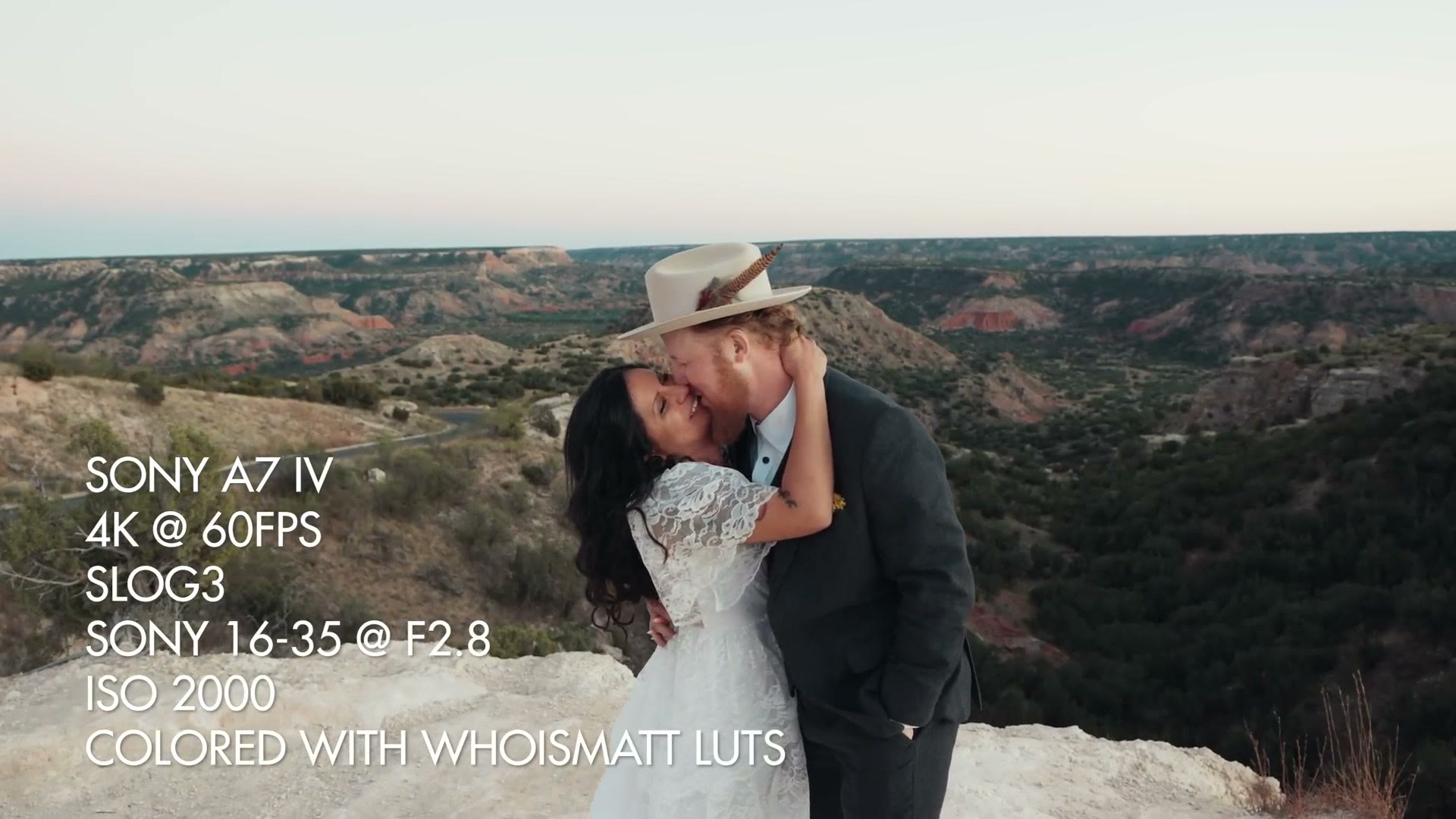
And this is where it gets interesting, because I went into that wedding expecting to be constantly aware of the crop and working around it. But with the wider lens I found I wasn’t thinking about it much at all. All I had to remember was that if I switched to 4K 60 I needed the lens at 16mm, and if I wanted my 50mm equivalent I zoomed all the way in.
Once I stopped thinking about the crop, I was amazed at how similar the a7 IV felt to the a7S III. I was getting many of the exact same shots. The bitrate was the same, the formats were the same, the colors were the same, the dynamic range was the same, heck, the body was the same. This camera feels eerily like an a7S III, and that’s a very good thing.
Let me put it this way. I went into that wedding thinking I’d be annoyed and really struggle with this camera. Within an hour it felt completely natural and I was very happy using it. Honestly, if you told me I had to shoot every future wedding on an a7 IV and there was no a7S III anymore, I wouldn’t be upset. I could still easily work with it, and I think you could too.
Memory Cards (GOOD NEWS!)
Let’s end on a happy note. Flip open the card door and you’ll see a difference from the a7S III. You still get dual slots, but where the a7S III has two slots that each take both SD and CFexpress Type A, the a7 IV has one slot that takes both and a second that only takes SD. I assume that’s another way to keep the price down.
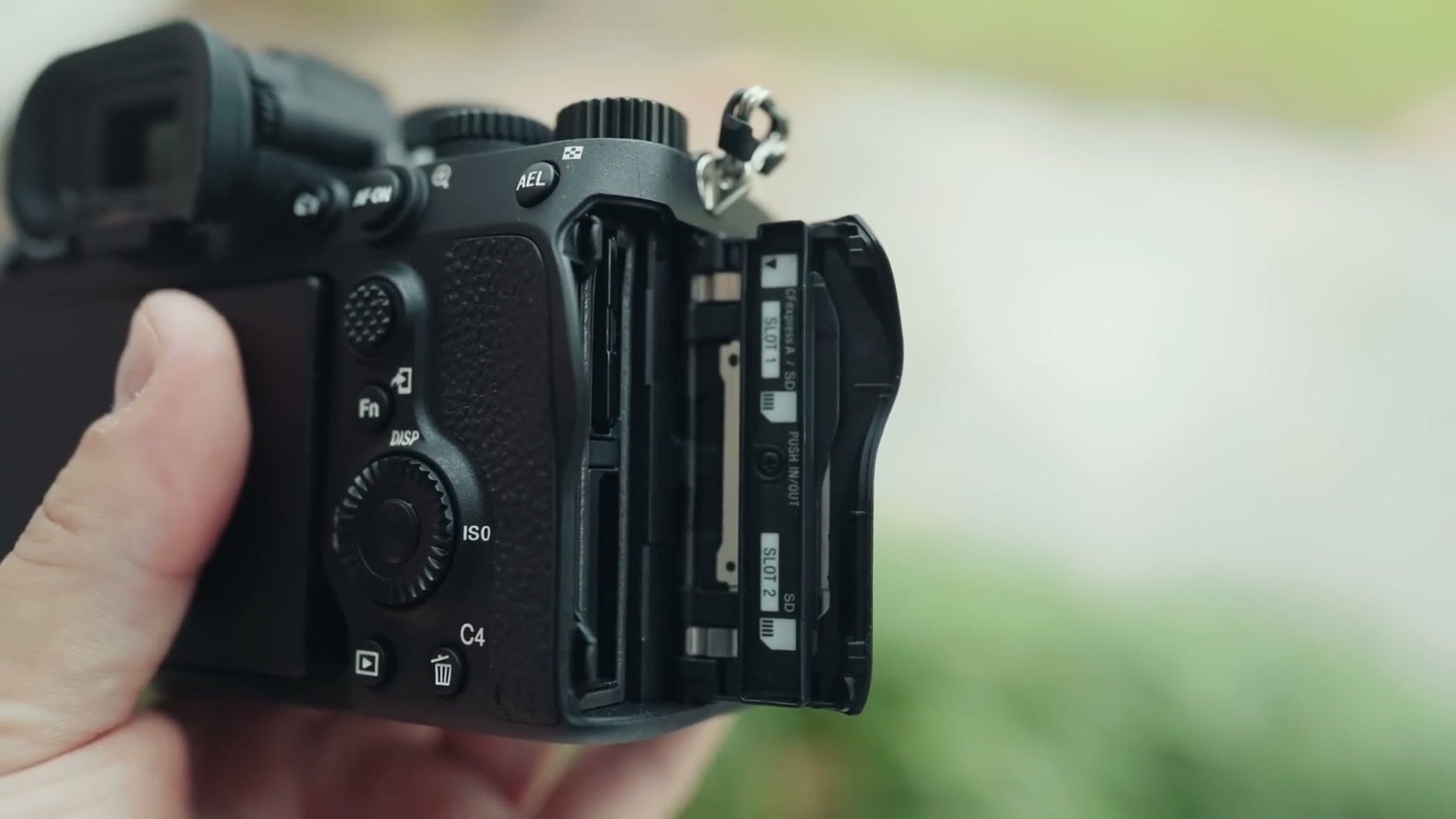
And you’re thinking, Matt, how is that good news? It’s good news because regardless of which frame rate, bitrate or format you choose, all of them can be recorded to SD cards. You do not need to spend extra money on CFexpress Type A for this camera.
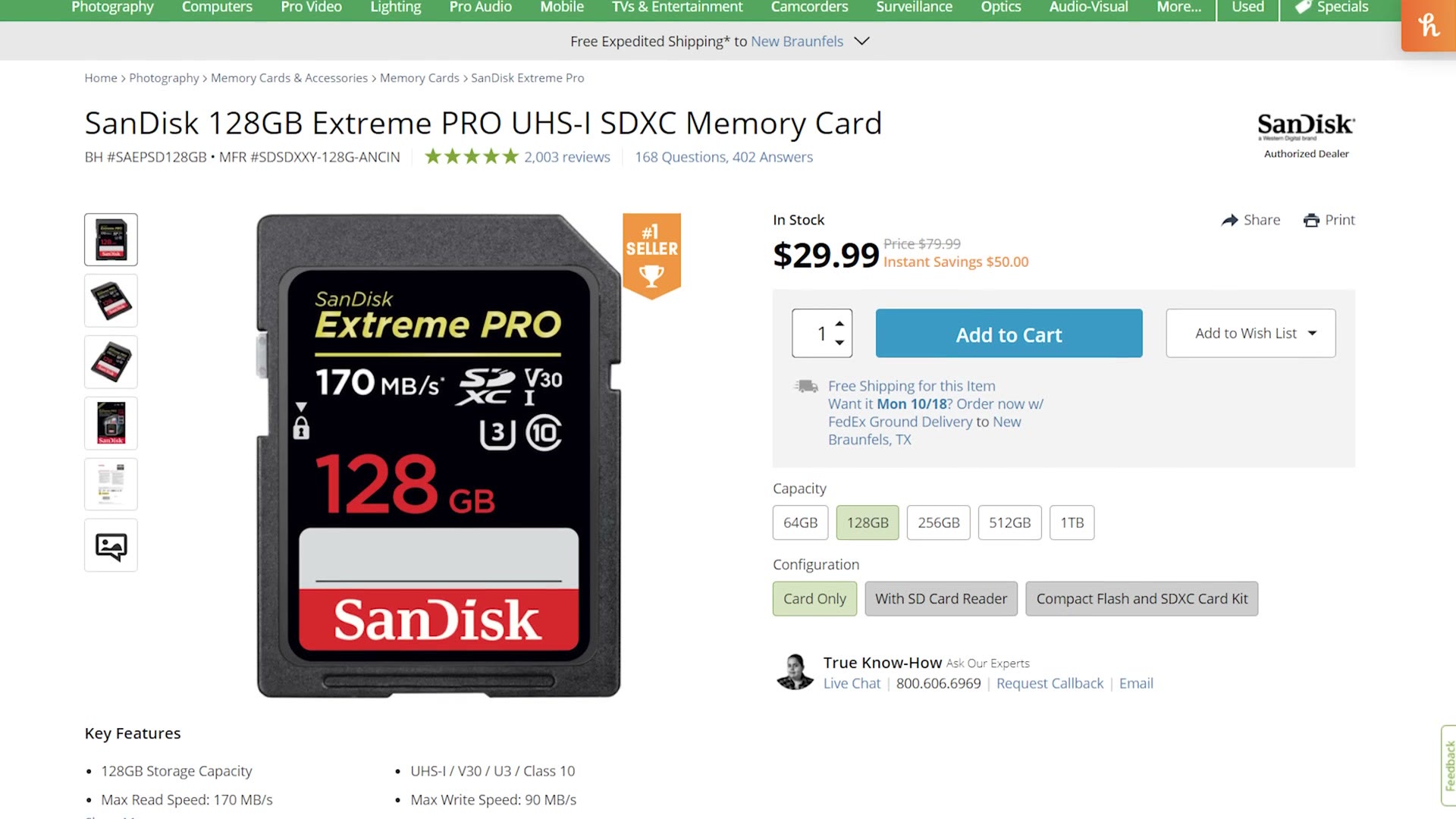
More than that, you don’t even need expensive V90 cards, because the a7 IV only goes up to 4K 60. You can shoot 4K 60 to normal, very affordable V30 SD cards. I’ve written up exactly which cards to buy if you want the details.
a7 IV Price
Sony hasn’t given me an exact price, but they’ve said somewhere between $2,500 and $2,800. I don’t think that’s a bad price, especially against the competition. But it’s close enough to the a7S III at $3,500 that you’re going to have to think hard about which of the two to buy.
Should You Buy The a7 IV?
The a7 IV is clearly a hybrid camera that excels at both photo and video, and from the build to the quality of the footage it is very similar to my favorite camera of all time, the a7S III. Whenever I filmed a wedding with it, I quickly forgot I was using a cheaper camera.
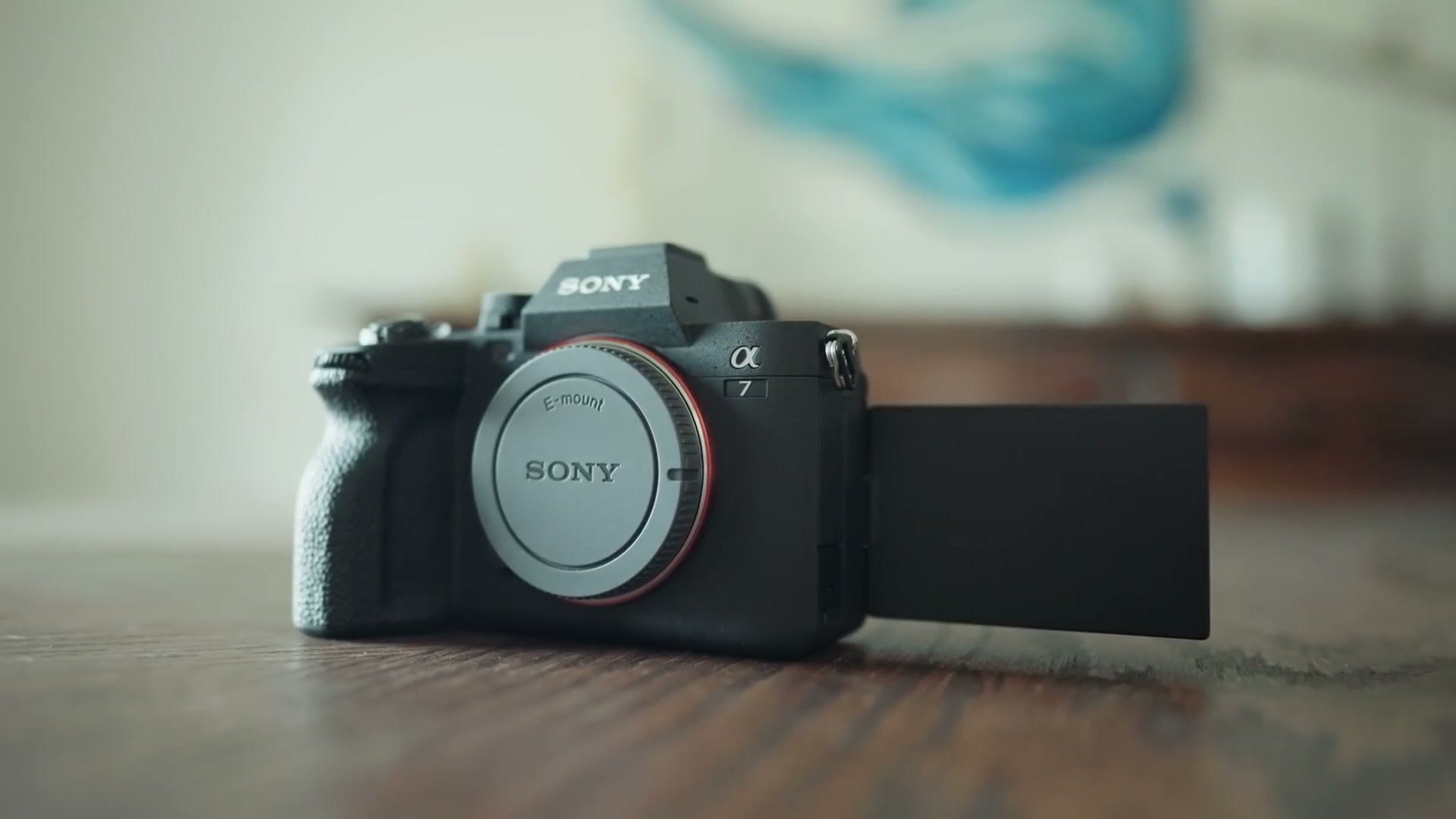
So should you buy it? If you’re a photographer who wants a hybrid that shoots both, I think the a7 IV is a better choice than the a7S III, because it has nearly triple the megapixels, and for video, as long as you have some wider lenses for 4K 60 like the 16-35 GM, you’re good to go.
If you already own an a7S III and you’re thinking about a second body for ceremony coverage or backup, the a7 IV is a good choice too. That 4K 60 crop might actually be useful during a ceremony where you’re stuck in a balcony half a mile from the couple.
But if you’re primarily a filmmaker, you don’t already own an a7S III, and you rarely take photos, then if you can afford the extra money, having 4K 60 and 4K 120 in full frame is incredibly nice to have, and I think that makes the a7S III completely worth it over the a7 IV.
And what if you’re on a budget, or just getting into filmmaking, and $2,500 is too much? In that case I’d look at the a7 III or the a7C. Heads up: this link goes to the newer Sony a7C II. They’re still great cameras with a lot of great features at $1,500 to $2,000, and we can hope Sony drops those prices with the a7 IV releasing.
You can grab the a7 IV at B&H. And if your computer struggles playing back this footage, the a7 IV’s in-camera proxies will fix that in about two minutes.

If you shoot Sony, or any other brand for that matter, and you want better colors in your videos, I’d recommend checking out my color presets at whoismatt.com/luts. And if you’re a wedding filmmaker like me, you probably want to book more couples and film more weddings, so I’ve made a free guide that walks you through practical steps you can take right now to do that. Come join us in the Learn Wedding Filmmaking Facebook group too.
Thanks so much for reading, and have a great day!