
We need to talk about the Sony a7S III. July is, as I’ve said in previous videos, the month of camera insanity, with new full frame cameras from Canon, Sony, and potentially Nikon, and as a camera nerd I am loving it. The problem is that I may be driving my wife insane with how much I am talking about cameras, and if my one year old understood any of the words I was saying, words like bitrate or overheating, she might start crying.
So what can I do? I come to you. You’ll listen to me ramble about new camera things, won’t you?
Canon has just put all their cards on the table with the R5 and the R6, and while that has dominated the news for the past couple of days, I’ve noticed a healthy amount of comments and messages trickling into my inbox saying things like “I’m tempted to preorder the R5 or the R6, but I want to see what Sony has in store with the a7S III.” Or, “Sony sure has their work cut out for them.” Or, from one person, “I didn’t know that the Amish liked cameras,” which I don’t know how related that is. I think that one’s more directed at me and my face in general.
My point is that just like you, I want to see Sony go all in. This mythical camera we have begged, pleaded and honestly demanded from Sony is finally happening, and now that we know what Canon is offering, I think it’s time to set our expectations.
I’ve filmed with the a7S II for five years now, so I have a long list of things I would upgrade. I’ve narrowed it down to four things I want, plus one thing I really don’t.
Resolution
Canon just dropped the R5 on us with 8K like a hot potato. The internet is burning up with speculation about this camera. We’re almost at the melting point of news about what Canon has done. See what I did there?

I’m all for future proofing, and 8K is great, but not a single filmmaker asked for that. Heck, half the filmmakers I’ve talked to are still shooting 1080p and editing on a MacBook Air that looks at them nervously every single time they even mention 4K.
I don’t think Sony needs to put 8K in the a7S III. I don’t think they need to put 6K in it either. I don’t want them chasing a spec sheet for the sake of numbers. I’ve said this before: filmmakers want a camera that shoots 4K up to 60 frames per second in full frame. Give me that and I’m happy. Anything else is gravy, and I love gravy. 4K 120? Awesome. Raw out to an external recorder? Let’s do it. But as long as I can record 4K 60 in 10 bit 4:2:2, I think I and a lot of other filmmakers are going to be very happy.
Storage
Closely related to resolution and bitrate is storage, and that’s the next thing I want.
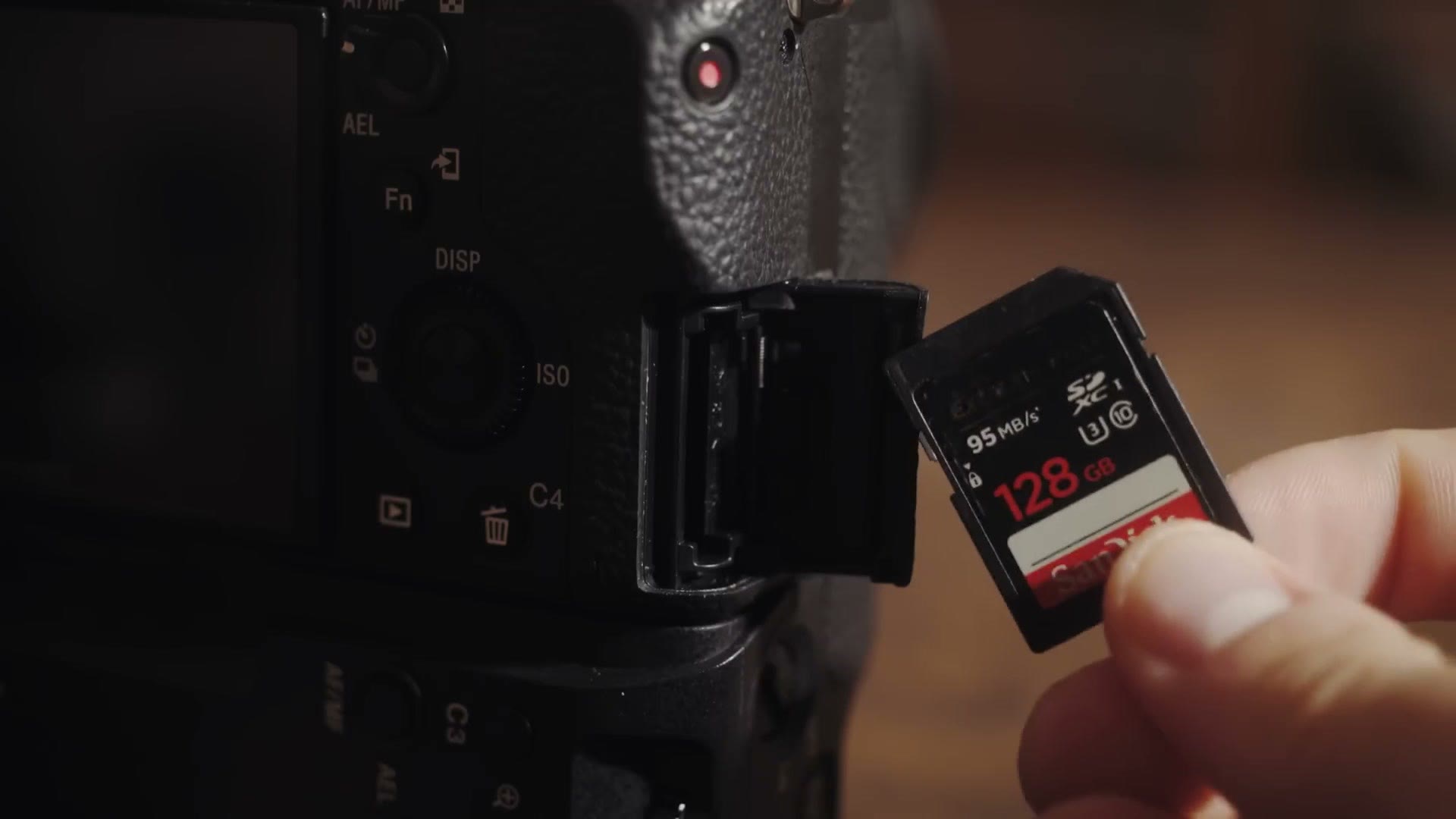
Forty bucks gets me a 128 gig SD card, and two of those get me through an entire wedding day. I know that if the a7S III is recording 4K 60 at higher bitrates it’s going to need faster cards. But history has shown that because SD is the world’s most common card format, they’re often cheaper than other types of memory card simply because they’re made at that scale.
Right now the prices for UHS-II SD cards and the CFexpress cards used in the Canon R5 are pretty similar. But considering SD is far more common, I’m betting SD prices drop quicker than CFexpress, which goes into significantly fewer devices.
Dual SD Card Slots
What I’m really hoping is that Sony copies the Panasonic S1H and gives us dual SD card slots. The S1H has already proven those cards are fast enough for 4K 60.
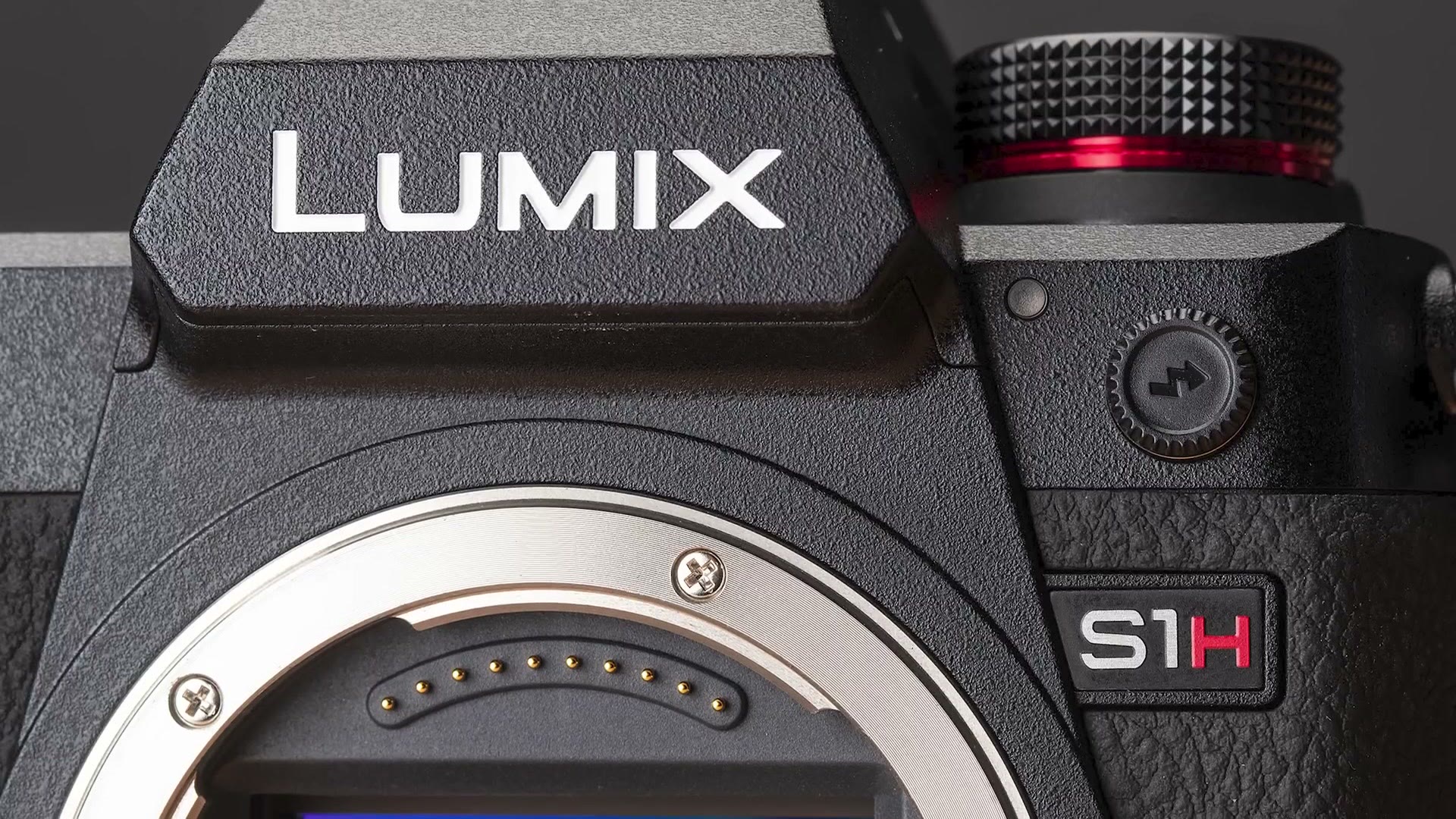
I’m going to warn you now that you’re going to notice me saying Sony should take a lot of things from the S1H in this video. Really, if you think about it, if Panasonic had full frame 4K 60 and fast, reliable autofocus, I don’t think I’d be as excited about the a7S III at all. The S1H would tick basically every single box I want in a video camera. It’s so close.
Flip Up Screen
Which leads to the next thing I want, which is the S1H’s fully articulating screen.
Anyone who has ever tried to film themselves has wanted a screen like that. Here I am filming this video on my a7S II with a separate monitor mounted above it just so I can see myself.
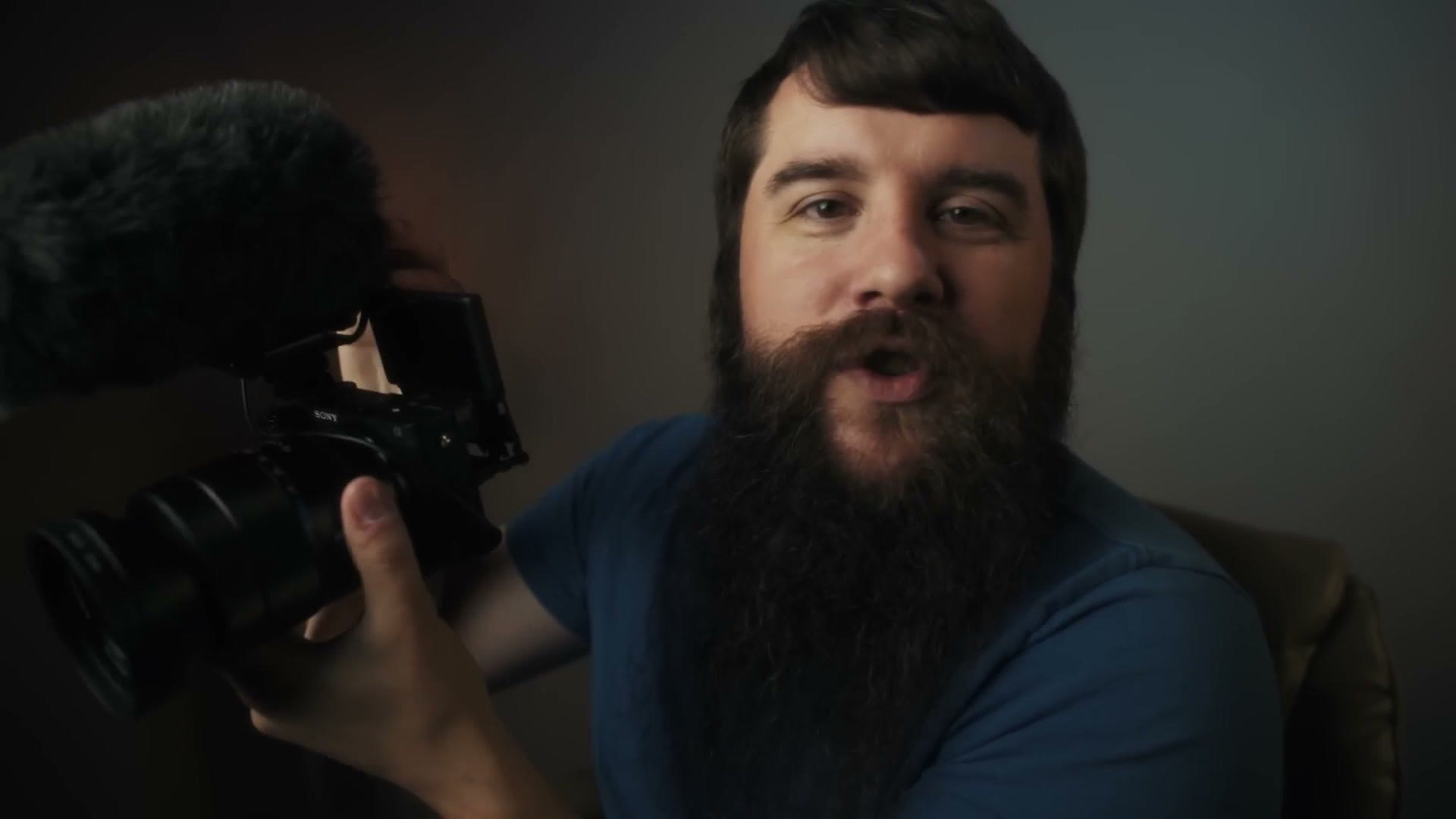
What’s funny is I have a Sony a6400 I bought last year, and look, it has a flip up screen. I can see myself while I film. But it feels like version 1.0 of a flip up screen. It’s a little janky, you have to move the hot shoe over so you can still use a mic with it, and it’s not ideal.

If you’d asked me any time up until May of this year, I would have told you I’m betting Sony puts a flip up screen on the a7S III like the a6400. Better than nothing. I’ll take it.
Sony Finally Gets It
Then out of nowhere, at the end of May, Sony announced a new vlogging camera, the ZV-1.

Why is that a big deal? Because just like Panasonic, Canon, Nikon and Fuji, it looks like Sony finally gets it. The ZV-1 screen flips out to the side. And you cannot tell me that after Sony used the same flip up design in the RX100, the a6400, the a6600 and so on, they aren’t going to take this fully articulating design and use it in a future camera. A future camera like the a7S III.
Picture Profiles
Next we have to talk picture profiles, because Sony is famous for giving you a zillion options. It’s not like Canon, where you turn the camera on and immediately get gorgeous skin tones and mediocre dynamic range. With Sony you have to work at it to get good skin tones. You have to finesse those colors a little.
At least you did, until Sony released the FX9 last year. Ever heard of S-Cinetone?
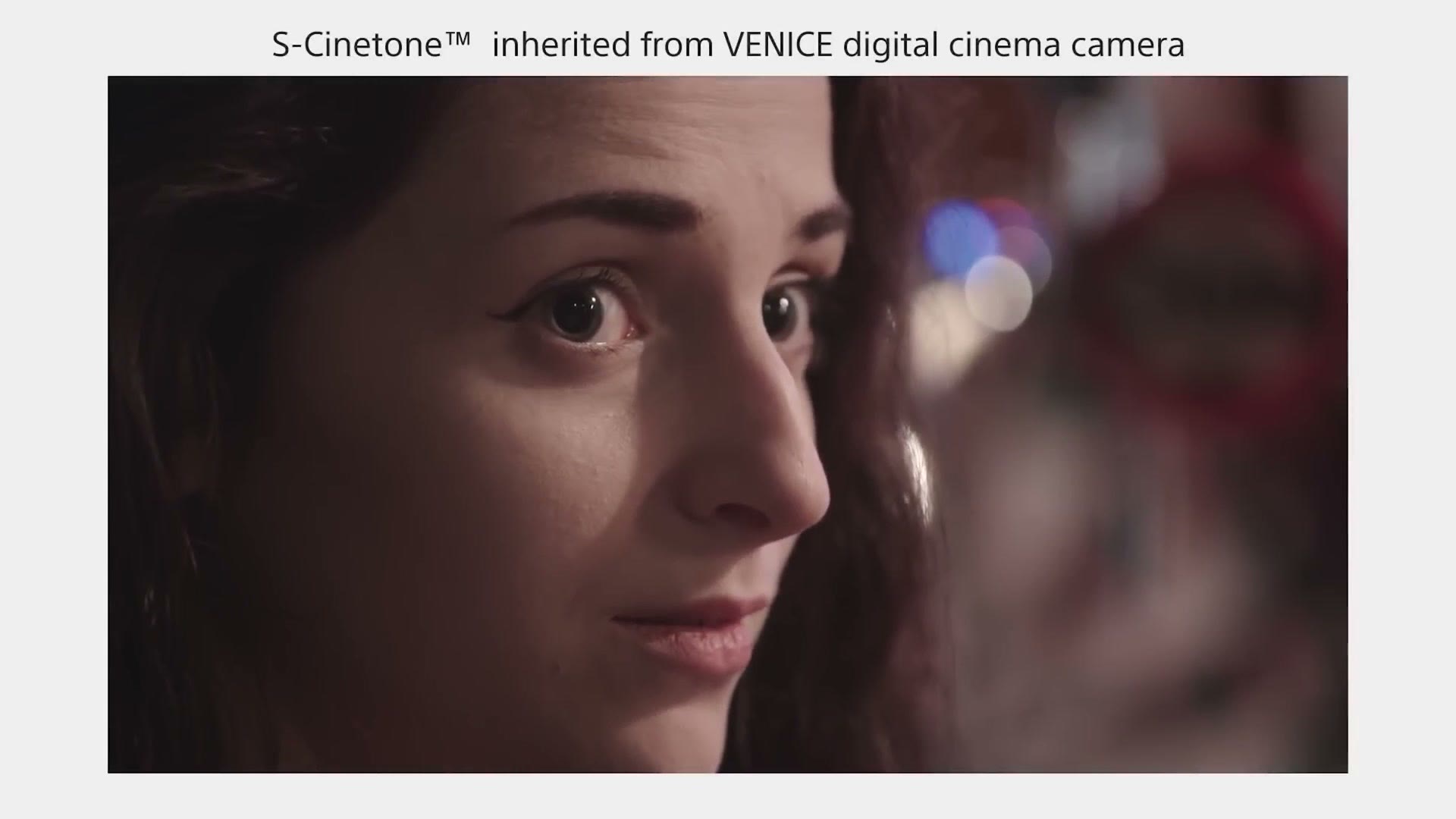
Imagine a picture profile with almost the same dynamic range as S-Log3, but colors that will make you say Canon, or more like can not interested in you anymore, because Sony finally got rid of their green tinted skin tones. Am I right? I’m sorry. That’s the only thing I could think of. It’s very hard to rhyme anything with Canon.
Do me a favor and go watch Philip Bloom’s S-Cinetone test shots from the FX9. He has footage you can download for free if you want to pixel peep.
My point: I want S-Cinetone on the a7S III. Sony, make it the default picture profile, and make filmmakers who turn this camera on fall in love with the colors immediately. Please.
Summary
To sum it up, I’m really hoping Sony gives us good quality 4K on a reasonable memory card, with a fully articulating screen and good colors. There’s other stuff too, good autofocus, obviously. But there’s one more thing I want to talk about, and that’s what I hope Sony does not give us.
While you’re here, take a look at Sony a7S IV Wishlist For Filmmakers!.
Overheating
Some context. Canon just announced the R5, and in their own official documentation for the camera they admit that it overheats after 20 minutes of recording in 8K, and 25 minutes recording in 4K 60.

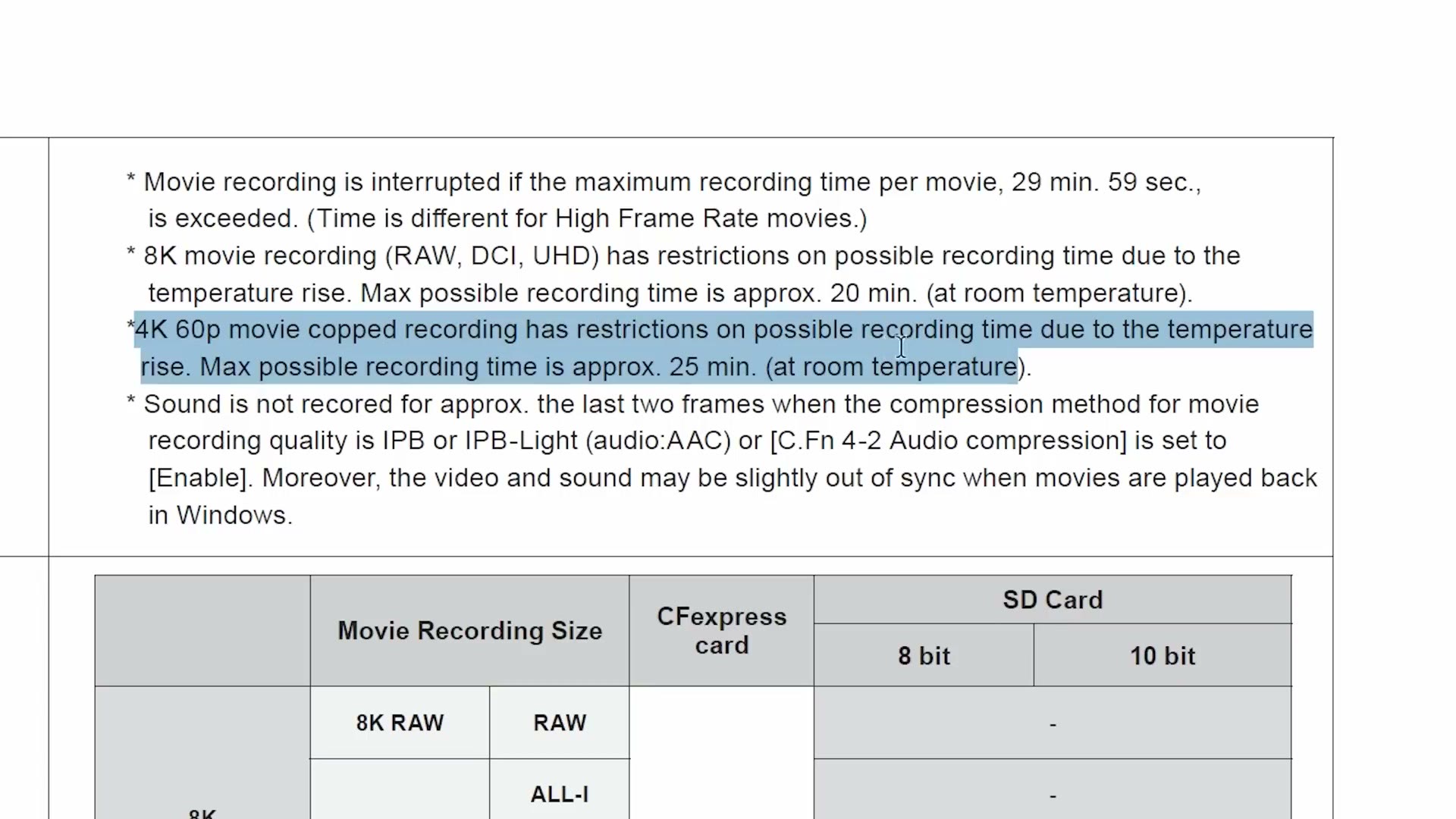
My friend Matt from The Film Poets has a video breaking down an interview with an official Canon representative where they said this isn’t limited to the R5. The Canon R6 will also overheat shooting 4K 60. That representative says the R6 will even overheat if you just leave the camera on in the menus for 40 minutes.
And if that isn’t insane enough, here’s the real kicker. Those recording times come from Canon’s ideal setup, a room set to 73 degrees Fahrenheit, 23 Celsius. I live in Texas. Today, right here, right now, it is a hundred and five degrees outside. I am seriously concerned that these cameras will not work anywhere in the southern United States for more than a few minutes in the summer.
So, bringing it back to Sony. What do I not want from the a7S III? I don’t want overheating. Especially not 25 minutes at 4K 60 in ideal conditions.
Can Sony Do It?
Let me put it this way. Sony is the world’s largest manufacturer of image sensors for cameras. I think they are several years ahead of Canon in sensor development.
I think that if Sony had wanted to, they could have taken the a7R III from 2017 with its 42 megapixels and given us 8K recording and 4K 60, just like Canon has now done with the R5. I also think that in 2017 that camera would have overheated just as quickly as the R5 does.
So Sony said, we’re going to wait until we can make this image sensor more efficient.
Why Wait
Most camera manufacturers these days can make a high resolution sensor that shoots at a high frame rate. Look at RED with their 8K sensor. Look at ARRI with their large format Alexa. Look at Canon with the C500 Mark II.
But it is one thing to make a high resolution, high frame rate sensor that fits into a cinema camera body with proper cooling. It is another beast entirely to take that same sensor, put it in a compact mirrorless body, and not have it overheat.
We’ve waited a long time for the a7S III. Longer than me, and I’m sure you, would have wanted. But I’m thinking that’s because Sony’s sensors are finally efficient enough not to overheat in a small mirrorless body.
Conclusion
I’ll leave you with this. In a recent interview about the a7S III, Sony said they hope it will meet and exceed the expectations and requests of their customers.
Canon just made that really easy for them. All Sony has to do is make a camera that doesn’t overheat in an air conditioned room.
If you happen to be a wedding filmmaker, regardless of whether you shoot Sony, Canon, Panasonic or even Nikon, I’d love to help you book more couples and film more weddings. I made a free guide that shows you how, and you can download it here. It’s short, it’s sweet, and it’s full of practical things that are going to help you.
This was written in July 2020, before the a7S III was announced. If you want to know how it turned out: the camera shipped with S-Cinetone and a fully articulating screen, and I went on to answer the overheating question directly in Will The Sony a7S III Overheat Filming A Wedding? I also tested the same thing on the Canon side in Will The Canon R5 Overheat Filming A Wedding? For the memory card question, I put together a CFexpress vs SD guide once the camera was out.