
Welcome to my second (of hopefully many) video blogs aimed at helping wedding cinematographers. In the future, I’m planning on covering tips, tutorials, and training all about shooting and editing wedding films to help all of us become better creators. It feels good to start with the basics though, and you can’t get very much more basic than the camera itself. Wedding days are notoriously difficult to shoot, with so many varied locations, lighting conditions, and an occasional crazy aunt on the dance floor. It is incredibly important to have a camera that can handle all of these scenarios well, especially when things get rough. Hence why my first video blog was a review of the Sony A7Sii for wedding cinematography.
I’ve been a huge fan of the Sony FS100, and have used it to film all my wedding since early 2012. The sensor was truly ahead of its time, and it still cuts well with Canon C100 Mark 2 footage, a camera that released in late 2014. It goes without saying that camera years are like dog years, with technology changing so fast that every year things keep getting better. Sony is at the forefront of this change, being responsible for a massive amount of the camera sensors on the market today. It is hard to believe that the A7 lineup of cameras has only been around since 2013. With the release of the A7Sii, we are on the 6th (SIXTH!!!) iteration of this camera, and it hasn’t even been 3 years yet. This pace of development is staggering, what a time to be alive.
Because I respect your time, I’m going to spoil the ending: this camera went back to B&H and I ordered another a7S II. Here’s the whole review, and why.
Where The FS5 Sits
Some context first. I shot almost exclusively on an FS100 for three and a half years. Then the FS700 came along with two things the FS100 didn’t have: built-in ND filters, and super slow motion up to 240fps in full HD. Sony kept iterating and prices kept falling, so instead of $8,000 for an FS700 that shoots 1080p, you can now spend $8,000 on an FS7 that shoots 4K, or $5,600 on an FS5 that shoots 4K, or $3,000 on an a7S that shoots 4K.
Sony discontinued the FS100 and the FS5 is what replaced it, sitting above it in the lineup.
Hardware
It’s really well built. Sony has improved the ergonomics with every generation of the FS line, and you can watch the evolution: the FS100 was a box with a handle. The FS700 was a box with a nicer handle. The FS7 was a rounded box you could shoulder, with a nice handle. The FS5 is a rounded box with a side handle and a top handle, and it’s genuinely comfortable either way.
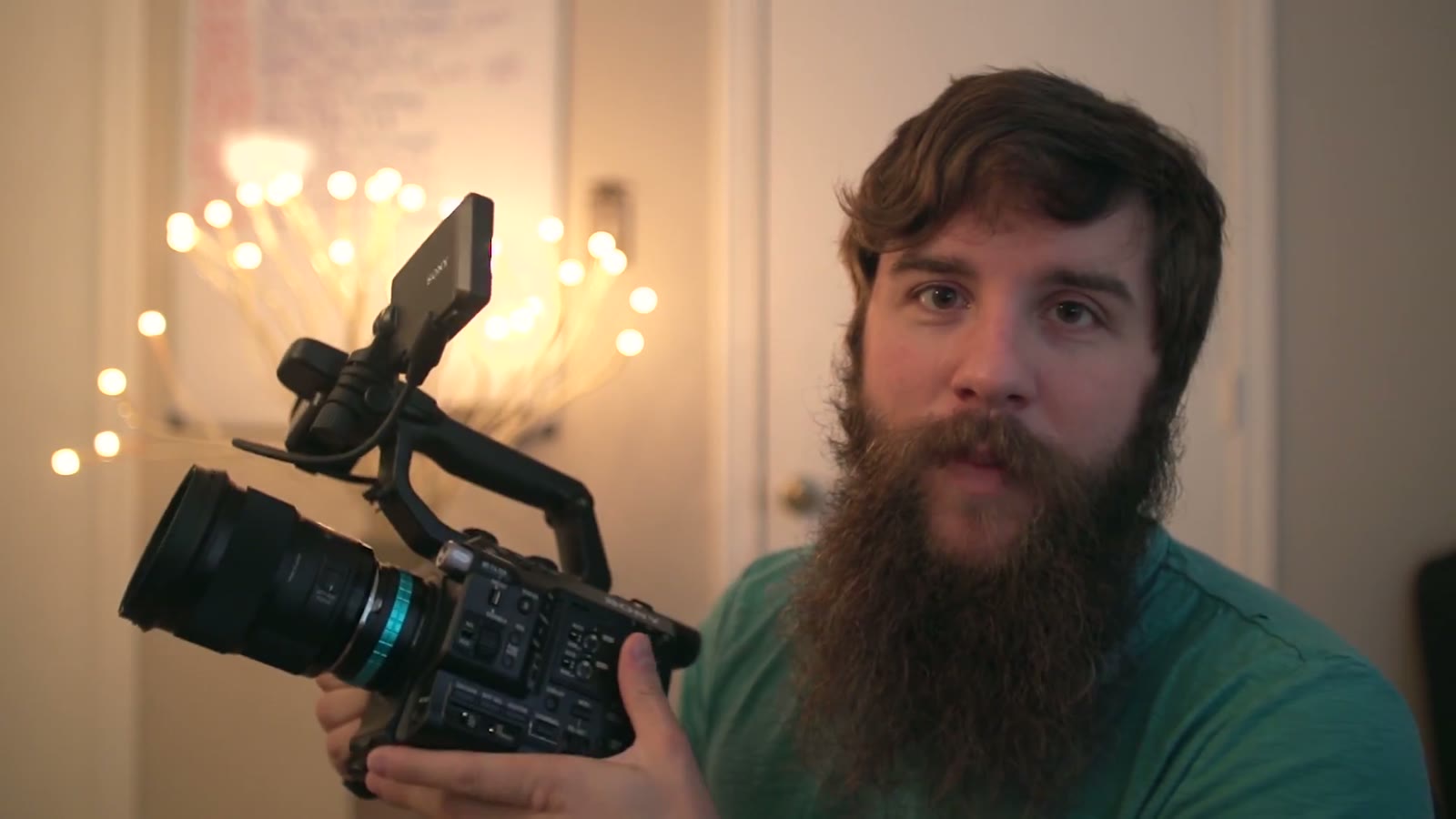
This is the first Sony camera I’ve used that feels like it was designed to be held all day rather than parked on a tripod. If you’re running around a city or out in the country, on a monopod or a Glidecam or just in your hands, you’ll be fine.
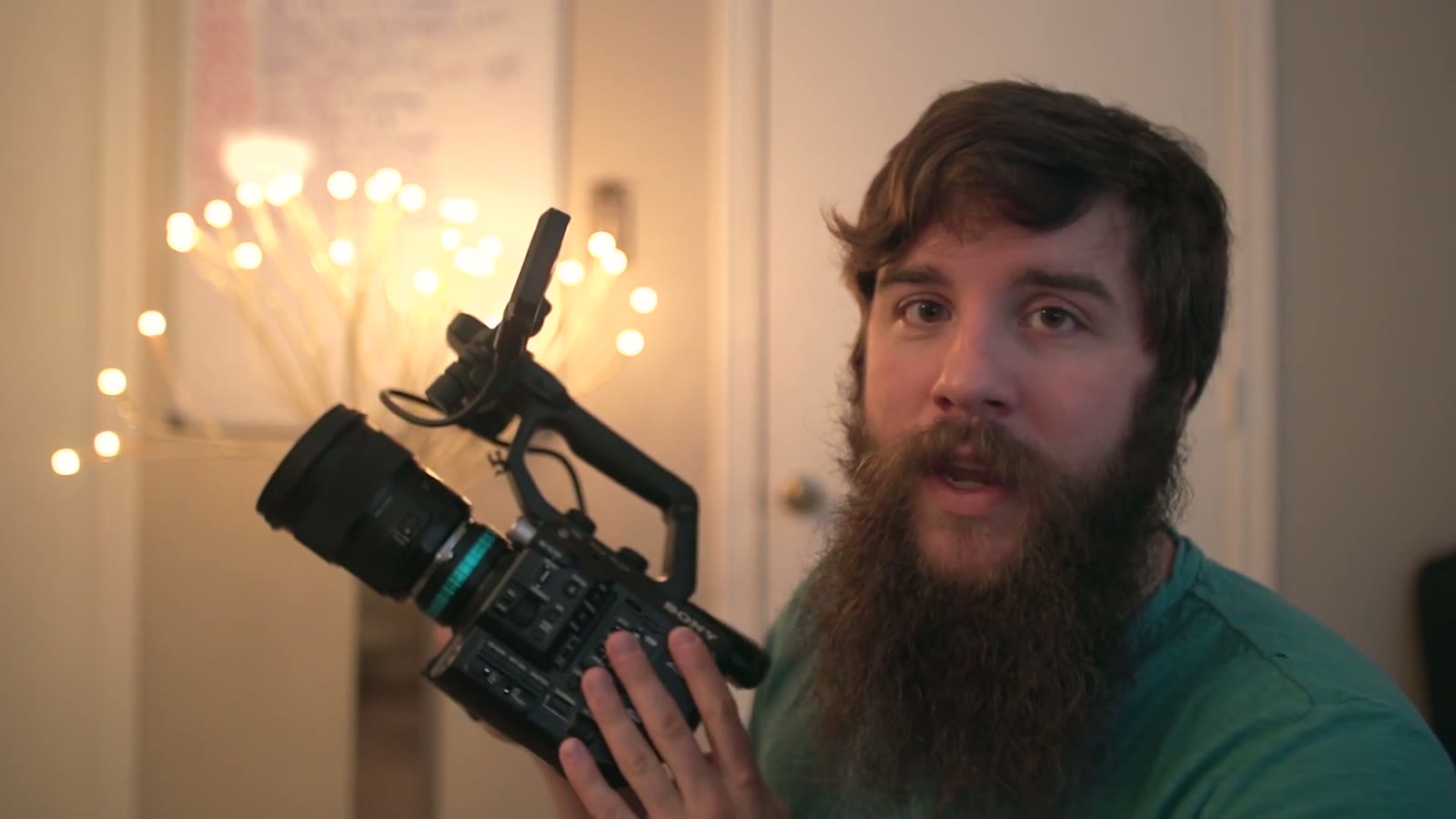
It’s also extremely modular. Top handle comes off, side handle comes off, the viewfinder mounts in several places, so you can strip it down to fit somewhere tight or ride a gimbal.
Menus
It turns on fast. Sony says two seconds, I think it’s closer to three, and either way that matters enormously at a wedding, because you can leave it off while nothing is happening and be recording almost the instant something starts.
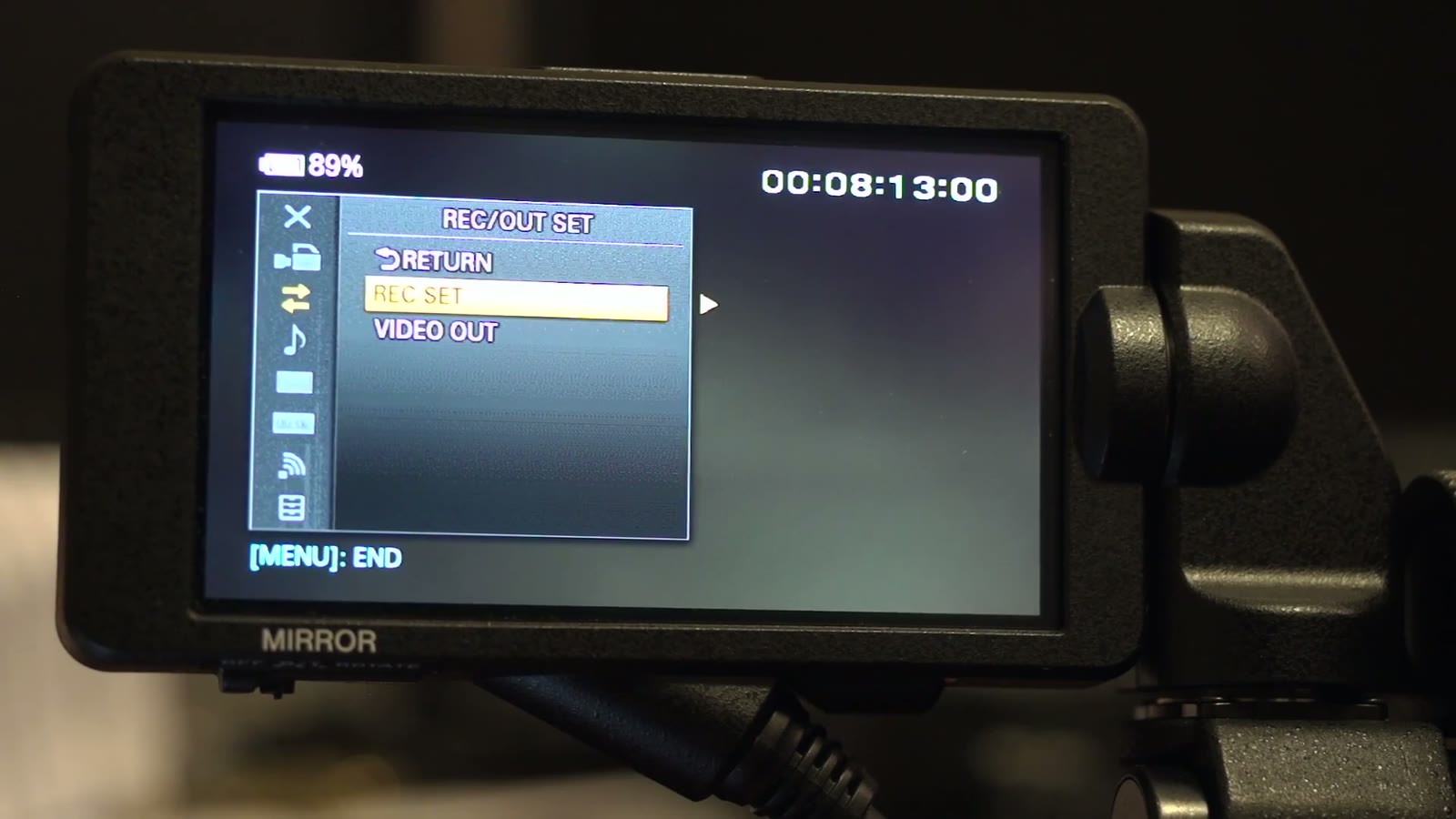
The menu itself is basically the FS100 and FS700 menu with more in it, so if you’re coming from either, you already know your way around. There’s now a joystick on the handle alongside the scroll wheel, which makes moving through it much quicker.
Video Quality
Internal 4K up to 30fps in 4:2:0 8-bit. Not as impressive as the FS7’s 10-bit, but still beautiful, and plenty to punch into, stabilize, or push around.
And here is where the comparison starts, because the FS5 and the a7S II record the same kind of 4K. Same resolution, same color space. Different codec, which we’ll get to, but otherwise essentially the same picture. ISO tops out at 32,000, which is grainy up there, but it looks great through 16,000. Is it as good as the a7S II? No. Is it still really great? Yes.
Slow Motion, And The Biggest Con
On paper this is identical to the FS700: 240fps at 1080p, 120fps at 1080p, 480fps at 720p, recorded to a buffer that then writes to the card.
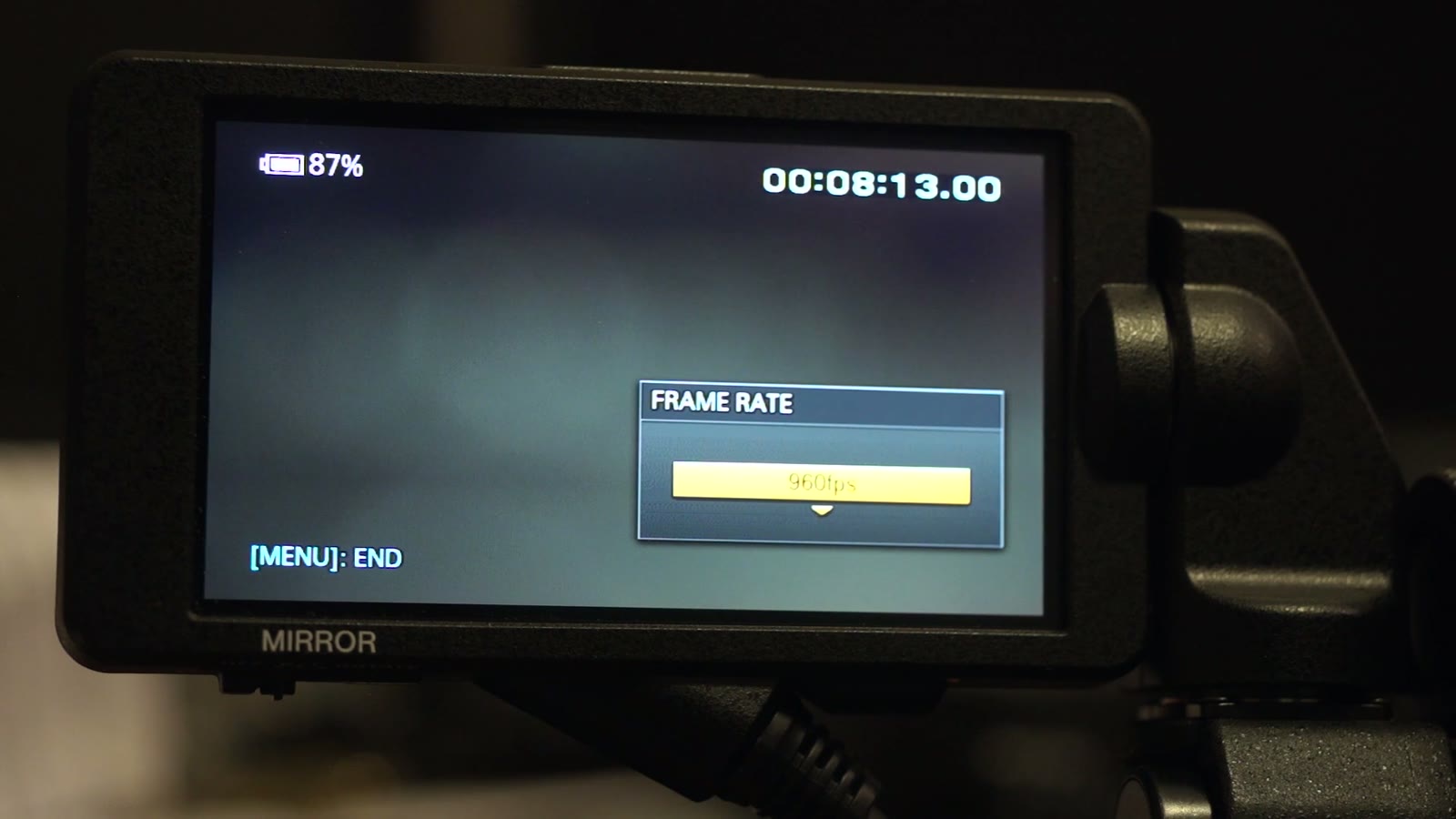
On the FS700 you hit the S&Q button once for 60fps and again for 240fps and start rolling. On the FS5, if you’re recording 4K, which you almost certainly are because that’s why you bought it, hitting S&Q does not get you to 240fps. It takes you from 24fps to 30fps. That’s it.
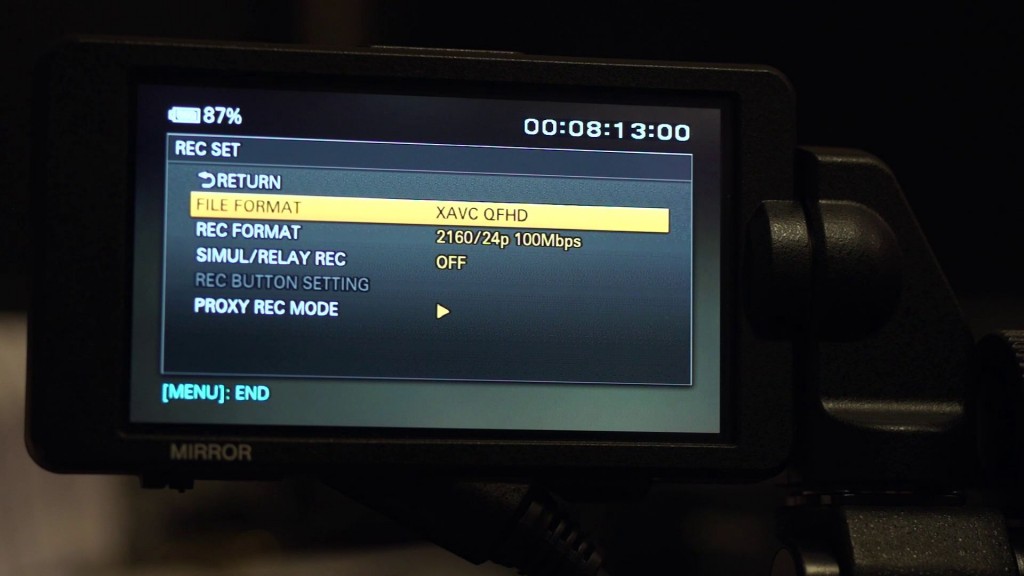
Here is what you actually have to do. Menu button. Recording settings. File format. Change it to XAVC HD. Wait while the camera says it’s executing. Click OK. Menu button again. Now hit S&Q once for 60, again for 240.
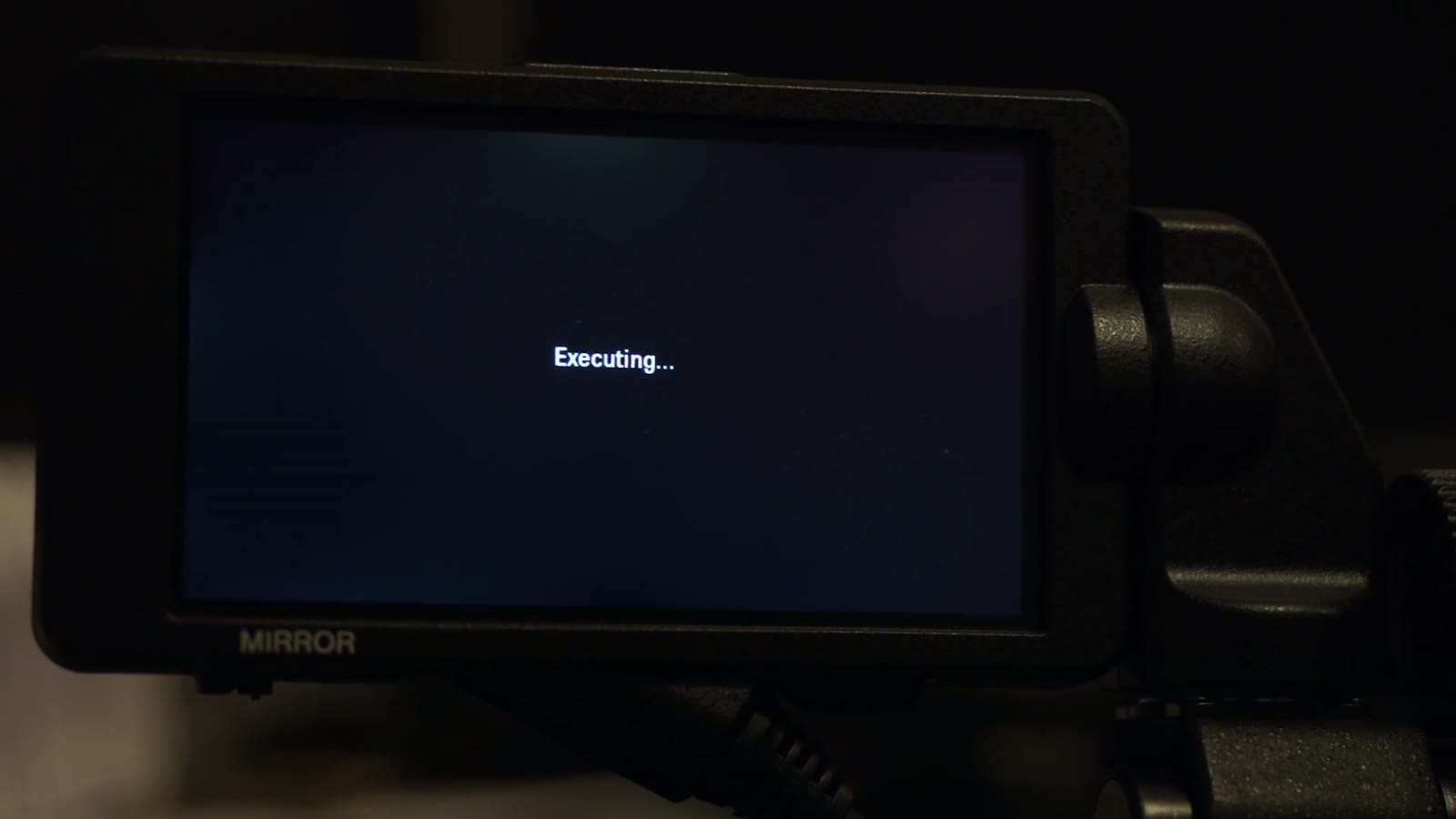
That’s about thirty seconds. Now picture the actual use case: the bouquet toss. You want it at 240fps with the flowers hanging in the air and the bridesmaids diving. You do not have thirty seconds. It feels strange to me that a camera built to be run and gun makes you dig through menus to reach its headline feature, and I looked hard for a faster route and couldn’t find one. If somebody knows a trick, I’d love to hear it.
For contrast, the a7S II records 120fps for as long as you want with no buffer at all. It tops out lower, but you can actually get to it.
Codec And S-Log
This records XAVC L, where the a7S II uses XAVC S and the FS7 uses XAVC I. The L is Long GOP, which in practice means the camera is hyper-efficient: small files, good quality, and a real cost in processing. Everything I’ve read and everything I’ve experienced says you want a beefy computer to edit this footage, more so than a7S II or FS7 material.
Sony is now putting S-Log and the Cine gammas into all their video cameras, which makes matching multiple bodies genuinely easy. But I would not shoot this camera in S-Log3, because it’s 8-bit and you’ll get banding as soon as you grade it hard. I use Cine4 with S-Gamut3 instead, which gets you the current Sony color science without the banding.
The White Balance Problem
Here’s a weird one that bites wedding filmmakers specifically, and that the a7S II doesn’t have. If you’re shooting in S-Gamut3, you cannot set a custom white balance. You pick it inside the picture profile and you’re limited to three presets: 3200K, 4300K, or 5500K.
Sony’s explanation, as I understand it, is mathematical, that they have the color dialed perfectly at those three points. Fine for a corporate shoot or a film where you set the lights yourself. Not fine at a wedding, where the room is whatever the room is, and now you’re matching as close as you can and fixing the rest in post.
My workaround: set picture profiles 1, 2, and 3 to the same Cine4 S-Gamut3 setup, but with 3200K, 4300K, and 5500K respectively. Then changing white balance is one button instead of five menu levels. It works, and I still wish I didn’t need it.
Lenses And Clear Image Zoom
I covered my glass in the a7S II review so I won’t repeat it: Sigma Art lenses in Nikon mount on a Fotodiox adapter. The joy of E-mount is that you can adapt nearly anything ever made to it, Canon, Nikon, Olympus, Leica, Fuji, whatever you’ve got.
But the genuinely cool feature here is Clear Image Zoom, which turns any lens into a zoom, prime or not. It’s a sensor crop doing complicated math, so by rights it should look like iPhone digital zoom, which is terrible. Through some wizardry it doesn’t. I can’t see the quality loss.
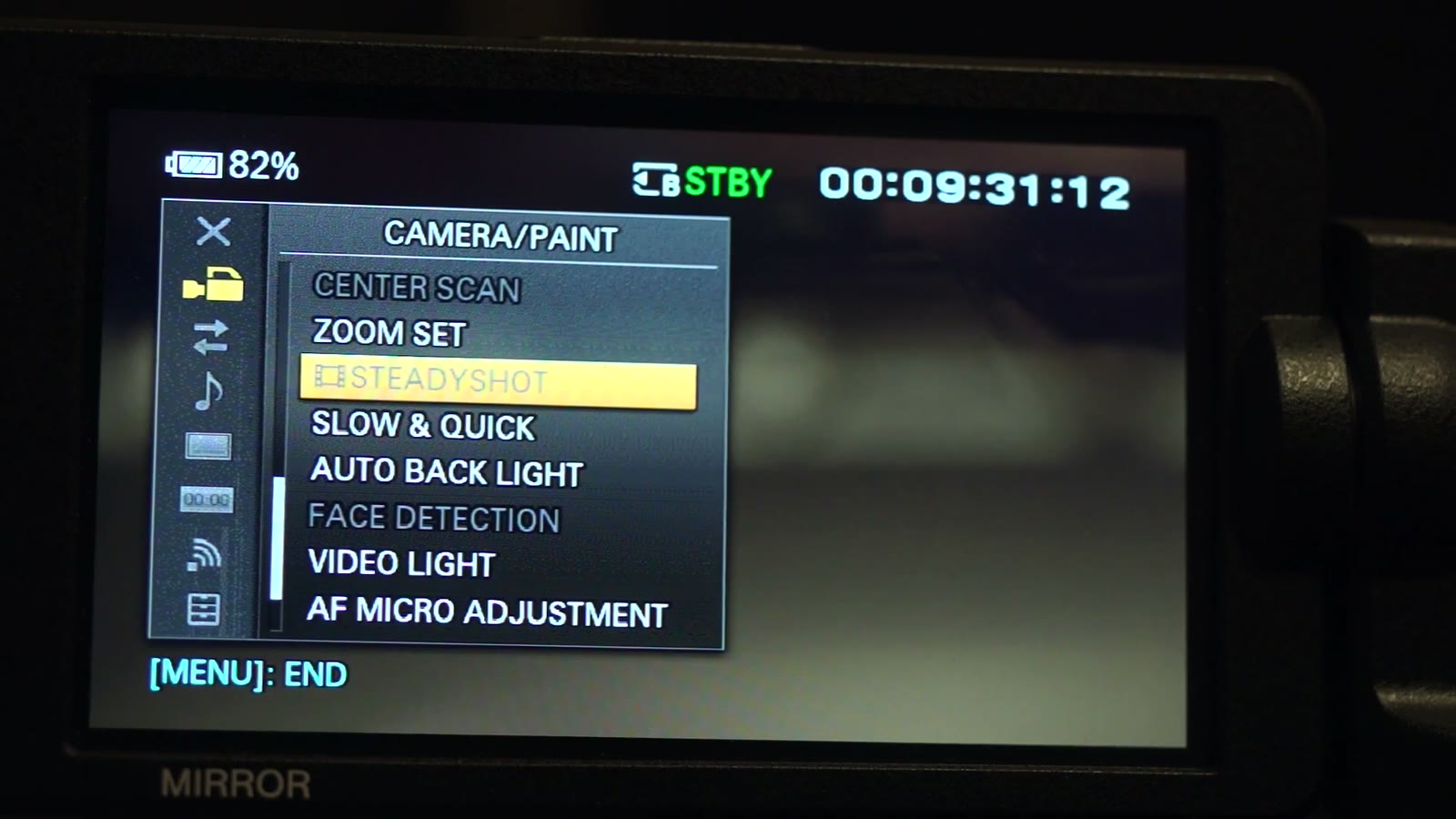
You get 1.5x off the rocker, which means your 50mm becomes a 50 to 75, and your 70-200 becomes a 70 to 300. That is enormously useful whenever you’re filming the bride getting ready and thinking “I wish I were a little closer but I’m on a 50,” or whenever you’re on the Glidecam and the frame is just slightly too wide. It stacks on top of optical zoom on Sony glass too.
No Image Stabilization
This is the one I really wish Sony had carried over from the a7S II. There’s no in-body stabilization, so you’re limited to stabilized Sony lenses, or stabilized Canon lenses through a smart adapter. On the a7S II you can shoot handheld without a thought. On this, plan on at least a monopod.
The Electronic Variable ND Is Witchcraft
This is the best thing in the camera and I expect to see it everywhere in a few years. On an FS700 or a C100 or a C300 you get three fixed ND settings and that’s your lot. So at a wedding, you’re inside with NDs off, the couple says let’s go outside, and now you’re adjusting the ND, then the aperture to hold the sky, then the ISO. Three things.
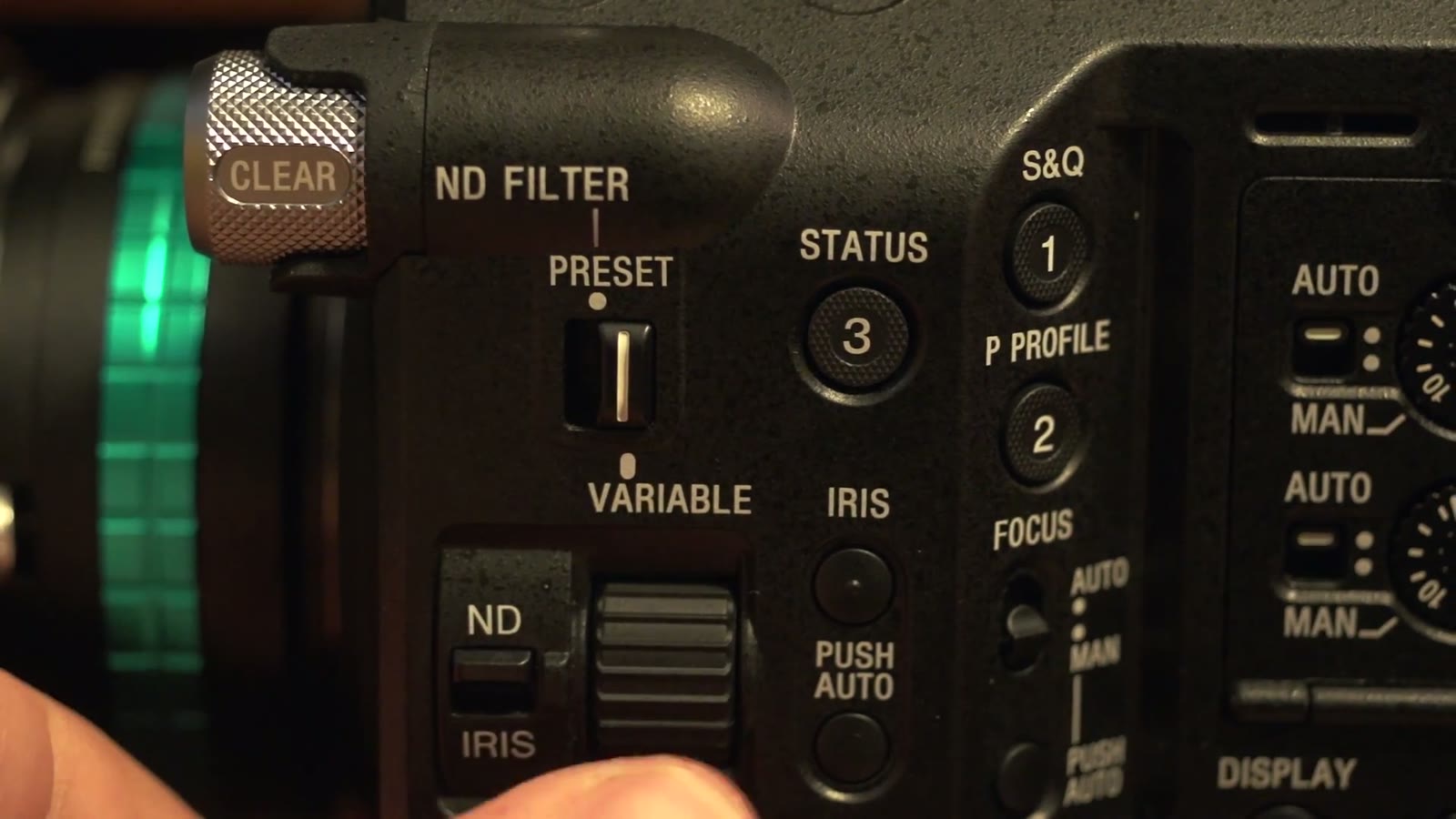
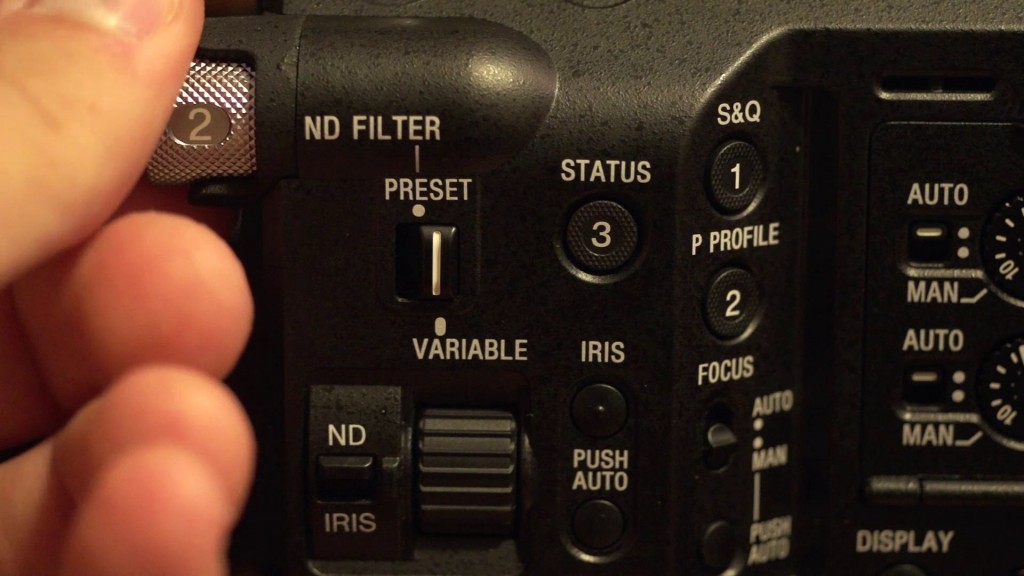
With the electronic variable ND you dial in your aperture and ISO once, and from then on the only thing you touch is the ND. You still have presets, clear plus three, and you can set those presets to whatever you want. But flip it to variable mode and the scroll wheel takes you anywhere from ND 1/4 all the way to 1/128, which is properly dark, with nothing else changing.
And it’s smooth. Smooth enough that walking from inside to outside you can just roll the wheel as you go, like a declicked aperture. At a wedding, where your head is already full, cutting your exposure decisions from three variables down to one is a genuinely big deal.
Memory Cards
Same cards as the a7S II, so the same recommendation: SanDisk 95 MB/s, 128GB or 256GB, which have been great.
The advantage here is two slots. You can mirror, so a card failure doesn’t cost you the wedding, or you can relay, filling one and rolling straight onto the other. Relay also means you can buy two cheaper 128GB cards instead of one expensive 256 and still get through the day.
Audio
Strong here. There’s a mic built into the handle plus a shotgun mount, and that mount fits your old FS100 or FS700 mic, so you may not need to buy anything. The handle mic isn’t as good as the FS700’s to my ear, but it’s fine for scratch audio. For anything real, put a small shotgun on it.
The big one is dual XLR inputs, one on the handle and one on the body, so you keep an input even with the handle off. For a ceremony that means running a lapel straight into the camera and never syncing it in post.
Battery Life
It uses BP-U series batteries, going all the way back to the F3, so if you’ve shot an F3 or an FS7 yours already fit. If you’re coming from an FS100 or FS700, they don’t.
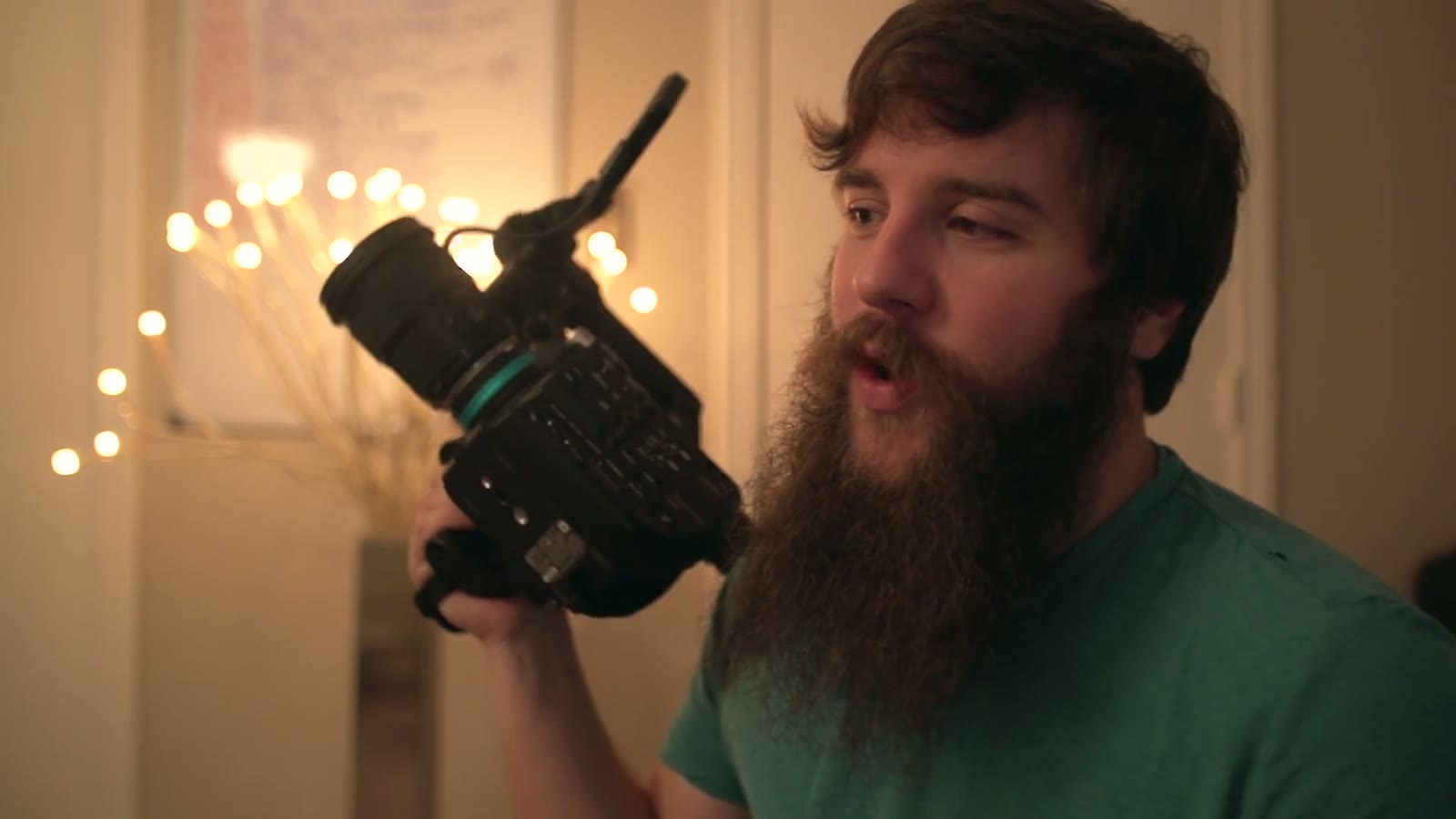
It ships with a BP-U30, which is about three hours. Just remember the three. The U60 is about six and the U90 is about nine. For a full wedding day I’d get two U60s, because one will carry most of a day and two will carry all of it with no thinking involved.
The catch is the price. A BP-U60 is $270 at B&H and the U90 is around $400. Treat it as an investment and buy a couple.
So Should You Buy The FS5 Or The a7S II?
That’s a $2,600 question. Here’s the honest case for the FS5:
- Built-in variable ND. No screw-on filters, no ND adapter, and dark enough to stay wide open on the brightest day.
- Battery life. One or two batteries per wedding versus three or four on the a7S II. Though remember, $270 on one BP-U60 buys you five a7S II batteries.
- Two card slots. Mirror for safety or relay for length.
- Two XLR inputs. The a7S II has none, so you’re carrying an external recorder.
- Clear Image Zoom, which makes your primes into zooms.
- It’s light enough to carry all day.
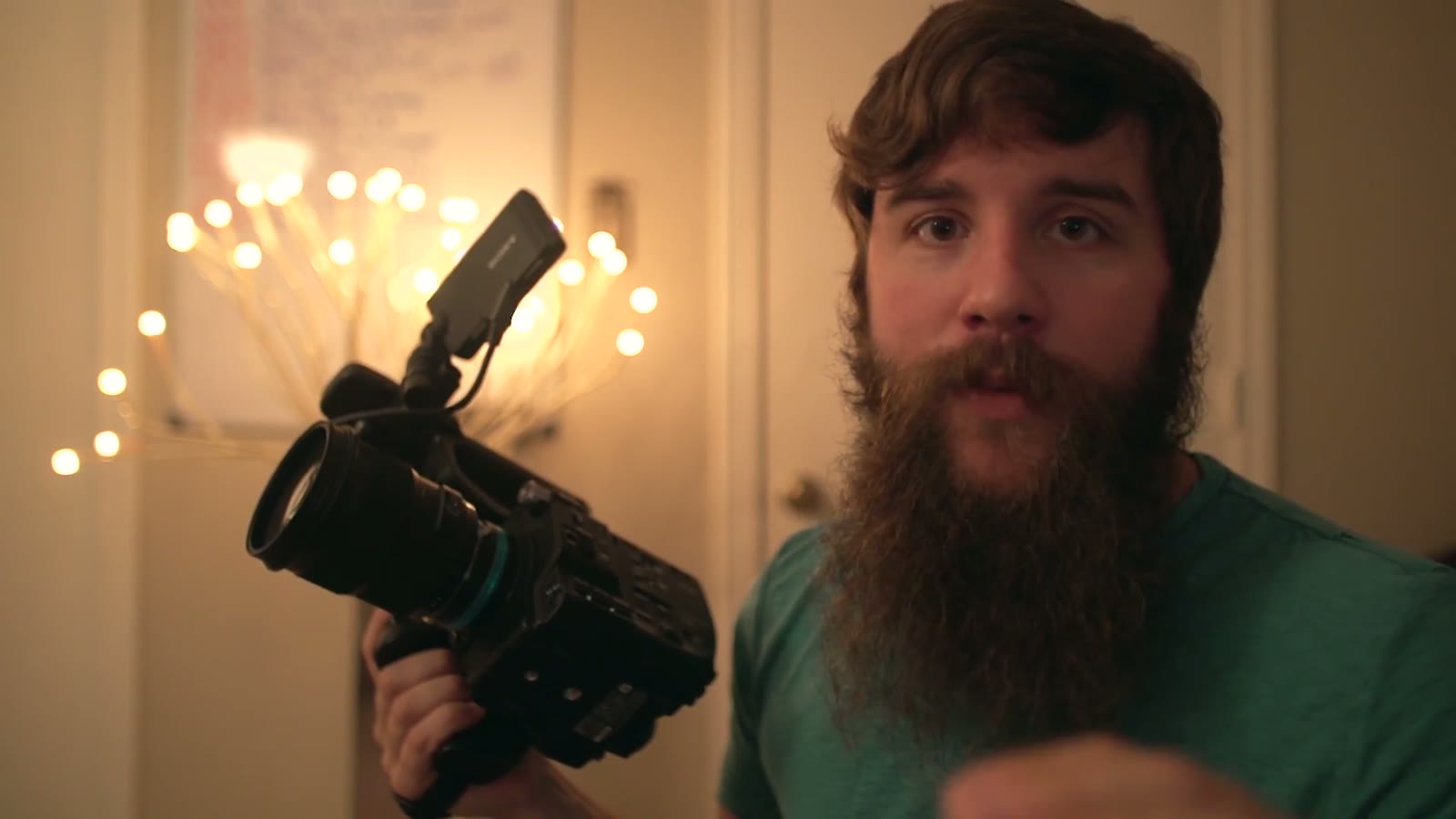
I would recommend it over an FS700 without hesitation, it’s better in every way, and don’t even talk to me about the C100 because this thing mops the floor with it.
But does it beat the a7S II? That’s the hard one, because I’m already in love with the a7S II. Whenever I reach for a camera, I reach for that one, because it’s lighter and faster.
For weddings specifically, I don’t think the FS5 is worth $2,600 more. You’re getting the same 4:2:0 8-bit 4K up to 30fps out of both. They both have S-Log and wide dynamic range. So it comes down purely to the feature list above versus the cons, and the cons are the ones that hurt me on a wedding day: digging through menus for slow motion, digging through picture profiles for white balance, and no in-body stabilization.
If it recorded 10-bit 4K, or 4K at 60fps, I’d feel differently. But Sony won’t do that, because it would cannibalize FS7 sales. I’d even forgive a lot of it if the menus were faster. I shoot weddings. I need to change settings quickly and get to the next thing.
So, as much as it pains me, this one goes back to B&H next week and I’m ordering another a7S II. My wife is going to kill me.
One note if you’re reading this years later: this review is from early 2016 and every price here is from then. Both cameras and the whole lineup have moved on considerably.
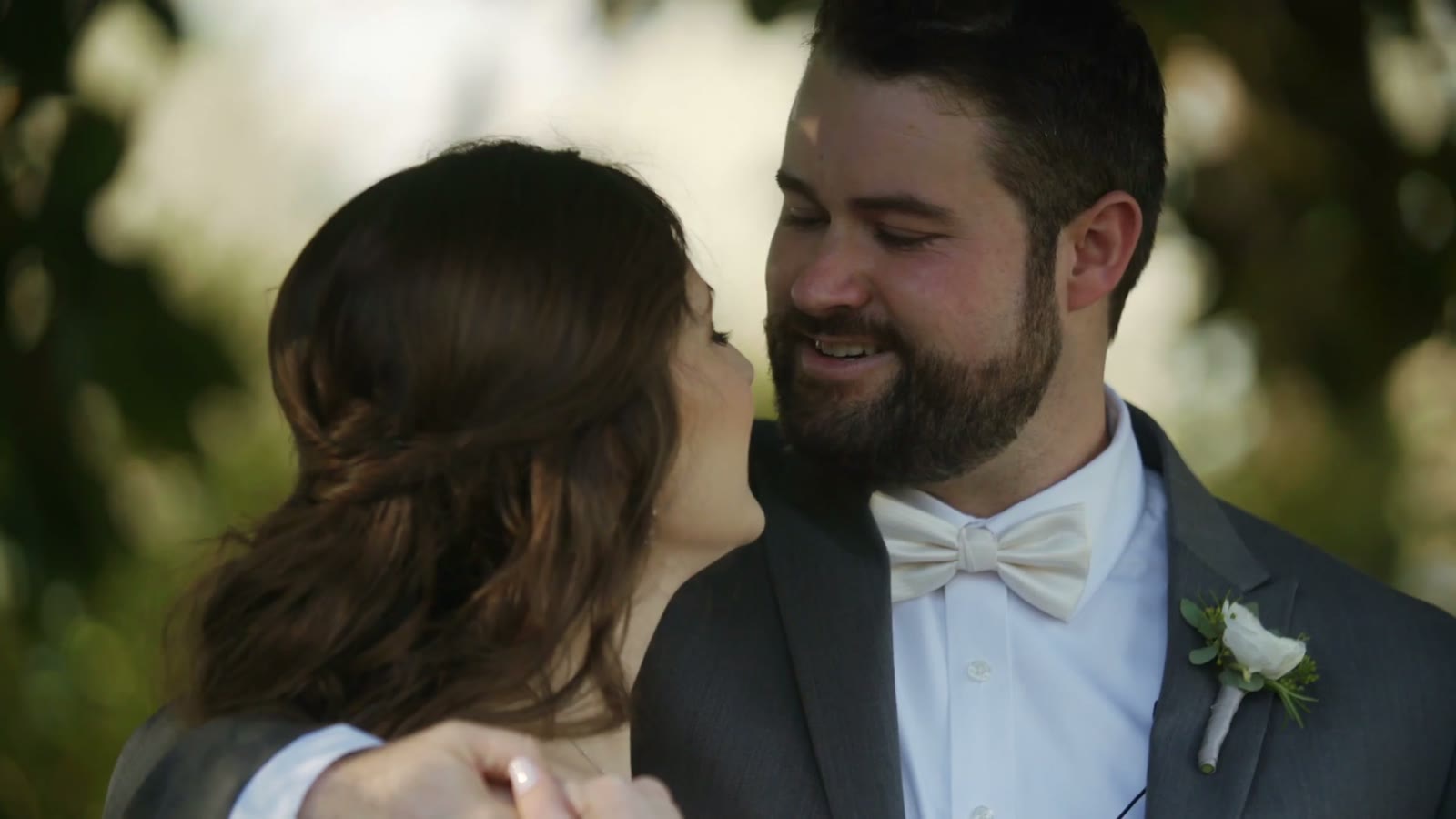
While Sony’s FS series of cameras isn’t seeing quite the development speed as the A7 line, Sony is packing a ton of power into their new FS5 camera. In the video review, I go in-depth with the pros and cons of the camera, while keeping focused on its uses for wedding cinematography. So if you are a wedding cinematographer/videographer/friend that was randomly asked to film a wedding/Uncle Bob at the back of a church with a camera/whatever, and you want to learn more about wedding cinematography and cameras, I hope that this video and my future video blogs are helpful to you. Special thanks to Katelyn and Paul too, for letting me use some footage from their wedding film in this video review.
Thanks for watching! Please let me know if you have any questions or comments about the review video or the camera. If I don’t know the answer, I will do my best to find it out for you.
Related
- A wedding filmmaker’s review of the Sony a7S II
- My favorite picture profile for the a7S II (MattFlat)
- Establishing shots: why they matter and how to film them
- How to film incredible dancing footage in your wedding films
My Kit
The current list lives on my wedding filmmaking gear page. This is what’s in the bag now, which has turned over several times since 2016:
- INSANE lowlight main camera on Amazon
- My favorite wide angle lens with AF on Amazon
- Ultra-versatile medium lens with AF on Amazon
- Best drone ever on Amazon
- Filters for the best drone ever on Amazon
- BEEFY electronic gimbal on Amazon
- Fantastic video monopod on Amazon
- Ridiculously tiny audio recorder and mic on Amazon
- Prism for fancy in-camera effects on Amazon
- FAST video editing laptop on Amazon
- Indestructible camera case on Amazon
- Light & sturdy travel tripod on Amazon
- Portable LED Lighting Kit on Amazon
Everything is graded with my own WhoisMatt LUTs, and the music comes from Sound Stripe (coupon code “WHOISMATT” for 10% off), Art List (free extra 2 months through that link), or Musicbed.
My wedding film editing course covers the edit end to end, there’s a free Learn Wedding Filmmaking Facebook group, and I have a free quick tips guide on how to book more wedding film clients. Whenever I need help with an edit I use Archaius Creative, who’ll take 10% off your first project. You can also follow along on Instagram and my Facebook page.