
You know how it goes. The ceremony has just finished, the photographer pulls all the family together and says okay, we’re doing all the formal photos, they get that done, and then at the end you have somewhere between five and twenty minutes with the couple to film them. That window is what this whole tutorial is about.
When I first started making tutorials for wedding cinematographers, I knew I didn’t want to cover common topics. If I could go to YouTube or Vimeo, search for how to do something, and have a million results show up, I didn’t want to cover it. My goal from the beginning has been to create tutorials and reviews that I would want to watch. Most of my tutorials actually come from me searching for how to do something online, realizing no one had explained it well, learning it myself, and then deciding to make a tutorial sharing it with others.
And if you look online, there are a ton of videos showing you how to pose a couple for photography. Pose them like this, have them stand this way, look at the camera, pretty. There is nothing for wedding video. Nobody I’ve found has talked about how to pose a couple for a wedding film, and that’s kind of crazy to me, because it’s such a creative moment of the day where you can really let your artistic ability flow.
I’m over-simplifying here, but when I think about wedding film-making (or any type of film for that matter), I often split things into two categories: technical and creative. The technical side anyone can learn, and sub-categories of it include camera selection, frame rates, ISO, navigating editing software etc. Pretty much all of this can be learned online or by reading a technical book, without ever actually picking up a camera or editing software and using it.
The other category, creative, is the one I want to talk about today. This category covers everything that cannot be learned without actual hands on experience. It isn’t so much “how” to do something, but “when,” and “why.” When should you move the camera a certain way? Why do you tell the couple to do something a certain way for the video? This creative category is something that I have been working on for my past six years of filming weddings.
This tutorial is a summation of those six years. When I first started out I was pretty dumb. I just followed the photographer around, filmed the couple a lot from the side, grabbed whatever I could get. I didn’t creatively take charge and say hey, let’s do this, this is going to look awesome. I piggybacked on the photographer’s creativity and used that instead of my own. There was a lot of trial and error involved in getting better, and what I’m hoping is that you can watch this and skip a chunk of that trial and error.
I’ve split this into three sections: setup, philosophy, and practical tips.
Setup
First, I’m hoping you’ve already watched my video about how you and the photographer can get along on the wedding day. There is no more important moment for the two of you to get along than whenever you’re posing the couple, because you both have ideas, you both want to get them out, and you have a very limited amount of time to do it. Watch that one first. It’ll help a ton.
Next, and this is very important: talk to the couple whenever you meet with them before the wedding day, which I hope you’re doing. Tell them you would like to take them out and film them together. Oftentimes they’re building their schedule with a million things to think about and they simply haven’t thought about it. But if you say hey, I’d like ten minutes with you two after the ceremony, they’ll make a note of it on the schedule.
Ask them whether they’re doing a first look, too. If they’re seeing each other before the ceremony, that’s when you want to film them together, not after. Either way, make sure you talk to them, and to the coordinator if you can, so that your time is actually written on the schedule. Then when the moment comes you can point at it and say no, it’s here, we need to go do this, and everyone says great, let’s do it.
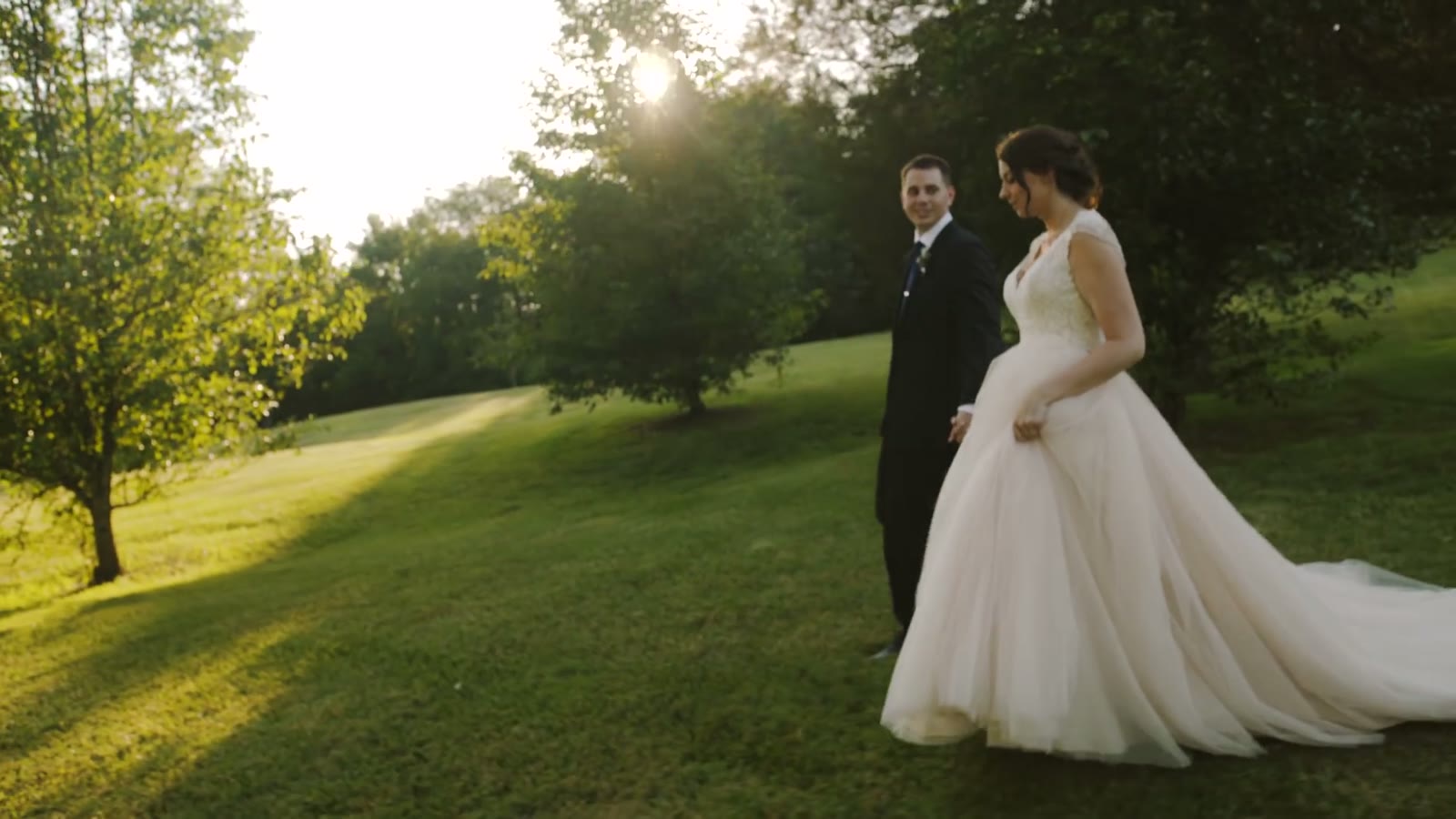
Lastly, if they’re getting married in the early afternoon, or they’re doing a first look at 2pm and the sun is beating straight down on them and it looks harsh, film them in the shade a little if you can, but then say this: I would love to take you out during your reception at golden hour. Pull out your phone, open the weather app, look at the sunset time, and ask for thirty minutes before that. Tell them how good the light is going to look. I have never had a couple say no.
Philosophy
I don’t really like calling it posing, because that conjures up images of people just smiling and looking at the camera, and that’s kind of creepy. What I care about is natural, organic movement.
So don’t tell the groom to cup her cheek, look into her eyes, and say I love you. That is a script, and scripts are for actors. These people are not actors. They’re a wedding couple who are giddy and freaking out, and unless they have theatrical experience they are not going to know how to fake a laugh or make a smile look genuine. It only looks genuine if it is genuine.
So the job isn’t to say hey, you two laugh at each other now, ha ha ha. The job is to let the laughs and smiles happen naturally, because otherwise your audience can tell, and it pulls them right out of the story you’re trying to tell.
Thankfully you have a lot going for you here. It’s their wedding day. They’re already in a super excited, joyful mood. All you have to do is help that bubble up to the surface a little.
And you do that by making the couple comfortable. What’s comfortable to a couple? Hugging. Kissing. Spending time together. Staring into each other’s eyes. Unless they’re total weirdos they have a lot of experience doing those things, so it feels normal to them. By getting them focused on the things that feel comfortable, instead of on the four-plus cameras currently pointed at them, you’re helping create a real moment between the two of them that you can then capture.
Practical Ideas
These are things you can take to your next wedding and try. Keep in mind they’re rough ideas on purpose, because I prefer never to tell the couple exactly what to do. I give them a rough idea and let them figure it out for themselves, because that’s what produces organic, natural action.
Walking together
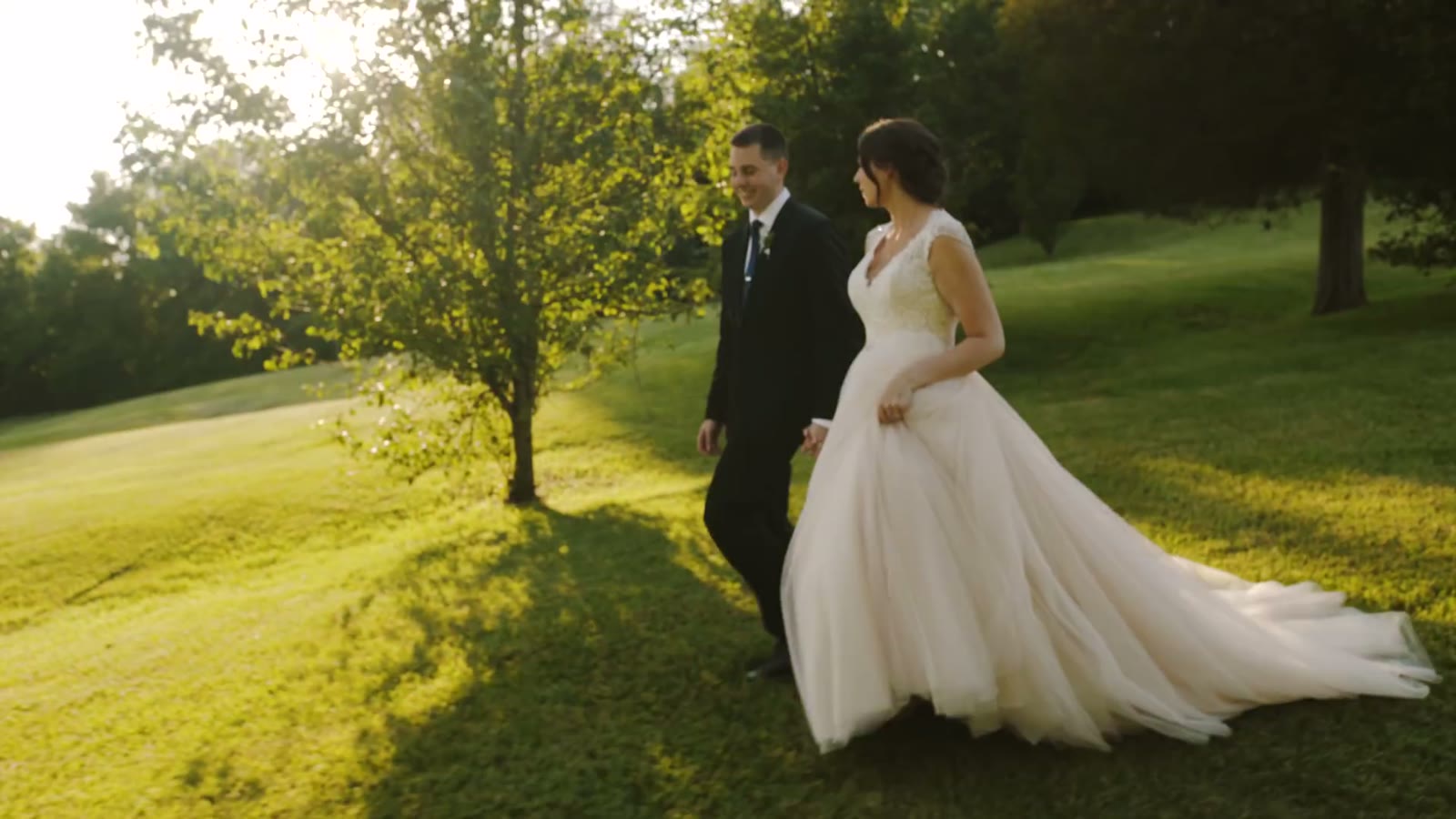
I say first because generally there’s a place you want to take them to, and you don’t want to waste the walk over there. So tell them, you two should walk together, hold hands, walk at about half speed, and talk to each other. Pretend we’re not even here.
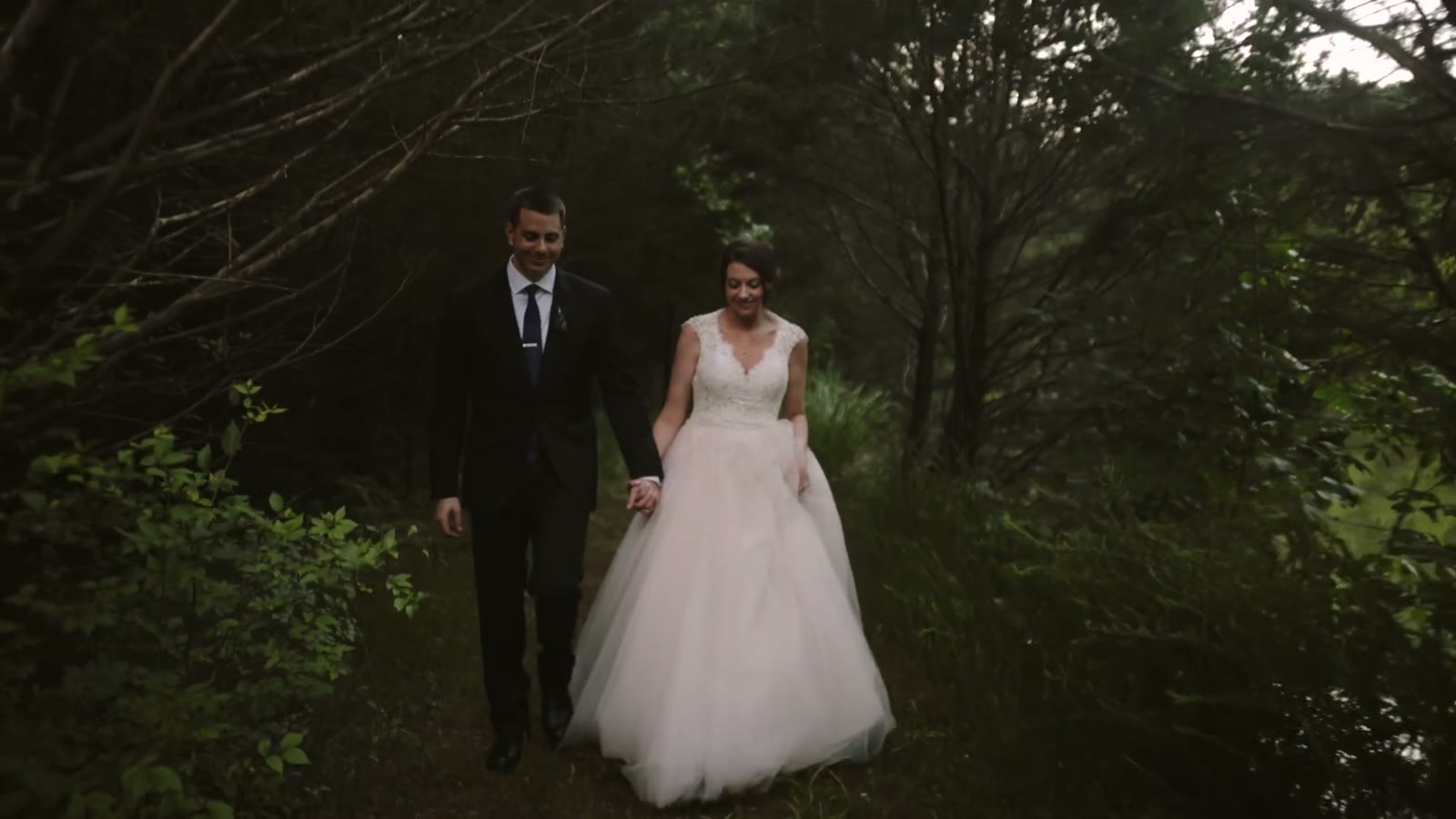
They’ll say okay, and then invariably they’ll start talking about the wedding, because it’s the first time they’ve really gotten to see each other all day. They won’t even pay attention to you. You get great shots of them looking at each other and smiling while walking slowly, and you didn’t waste a second getting from location to location.
Wrapping one another
Once they get to where you want to film them, tell them to wrap their arms around each other passionately and have a moment. What that normally results in is the bride wrapping her arms around the groom’s neck and the groom wrapping his around her waist, and them kissing and talking and laughing.
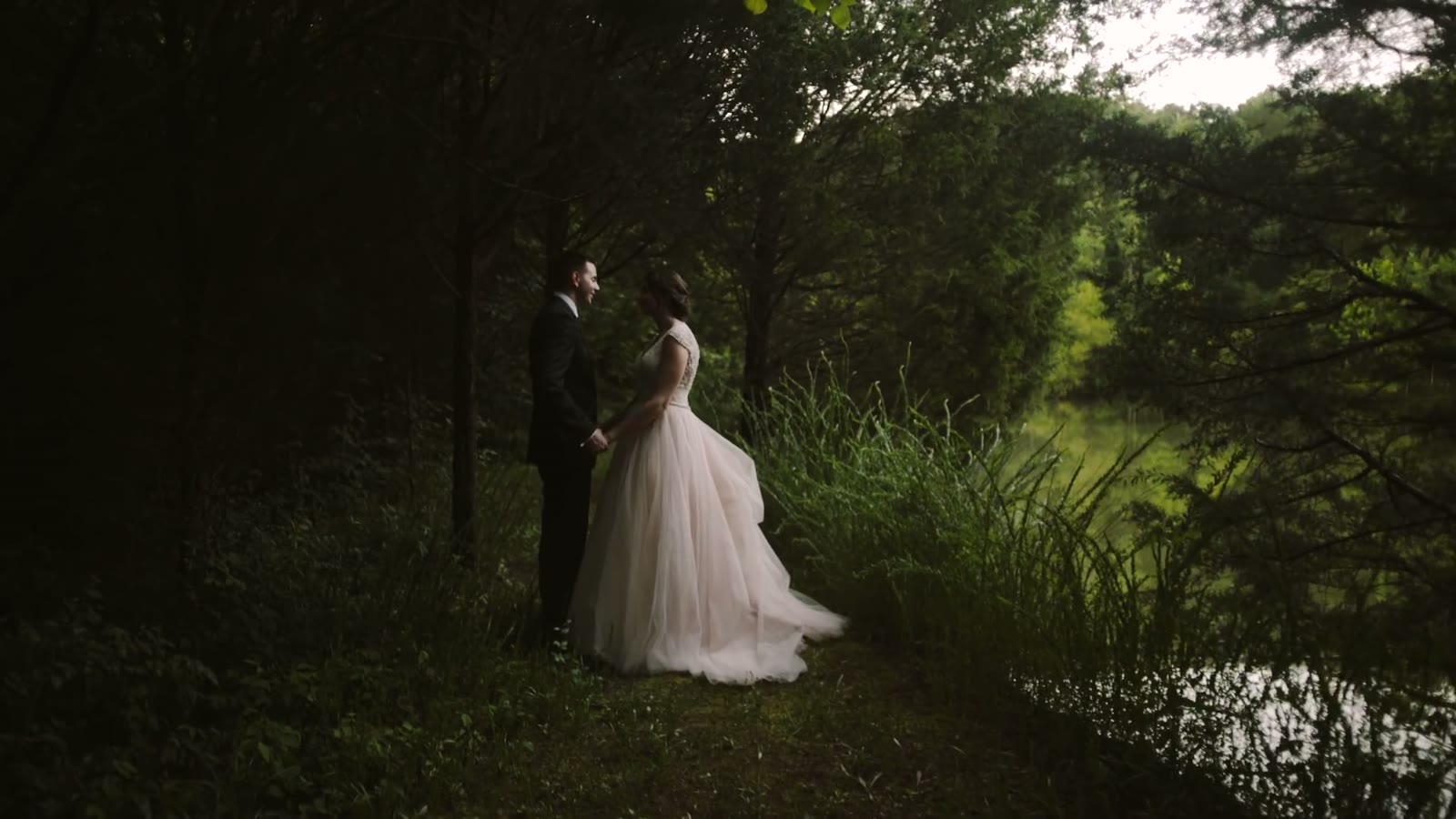
Notice I didn’t say groom, put your arms around her waist, bride, put your arms around his neck. I let it happen organically so it isn’t a forced okay, we pose like this. People can tell on video whenever a couple is listening to commands and executing them. When they just wrap their arms around each other, it’s so much more fluid. It just happens.
Canoodle
Once you have them in that position, arms wrapped, staring into each other’s eyes, you have a lot of creative opportunities. I like to tell the couple to canoodle, which can go in any direction they want to interpret it. Often that means the groom whispering sweet nothings in her ear, or the two of them just making out intensely. Whatever they decide it means.
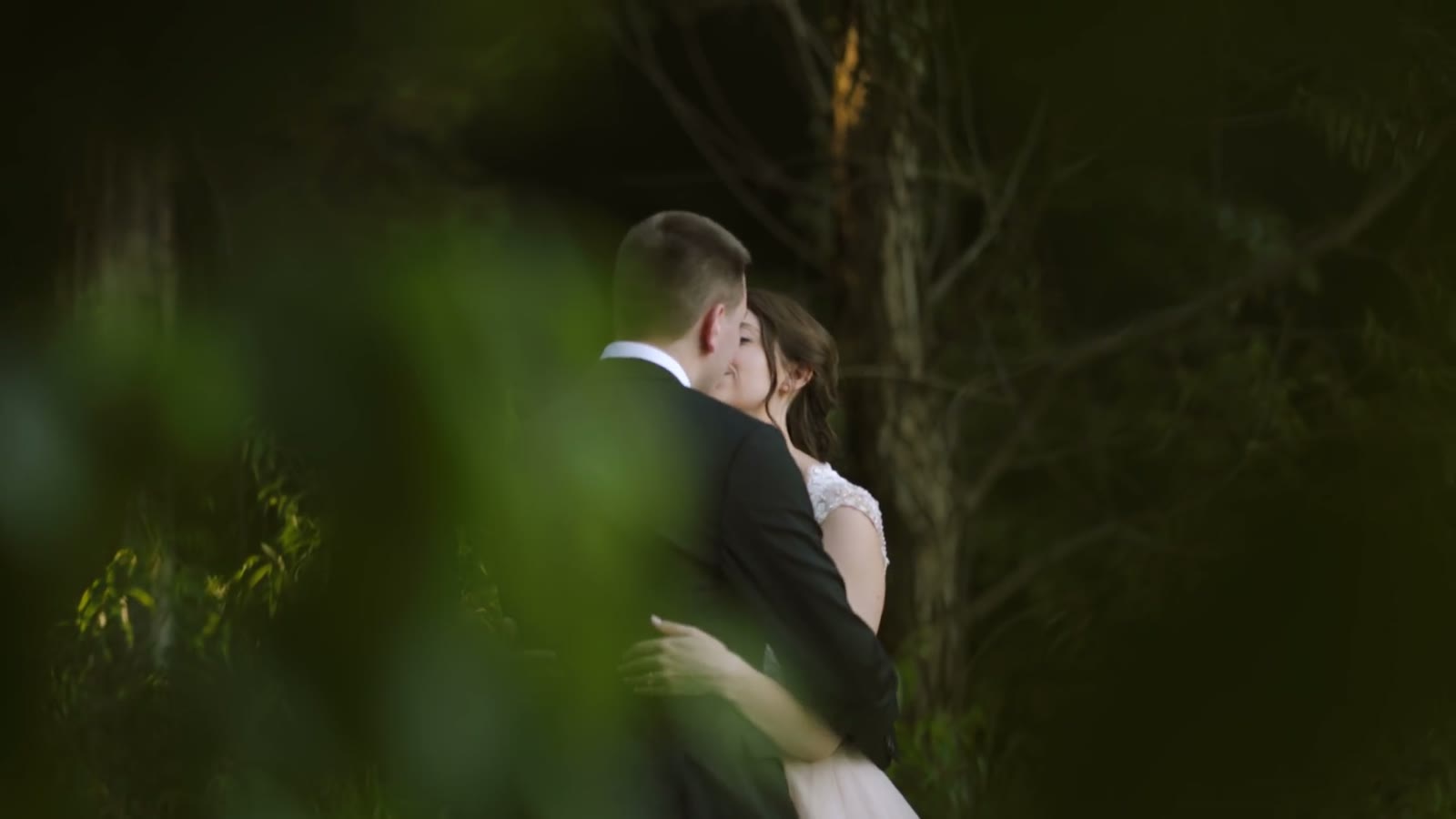
And if at some point they haven’t made out, tell them to. Probably don’t film the very start, because there’s an awkward darting-in moment where they’re visibly following an instruction, but the middle of it is all organic and you can absolutely use that.
Ask them questions, but have them answer to each other
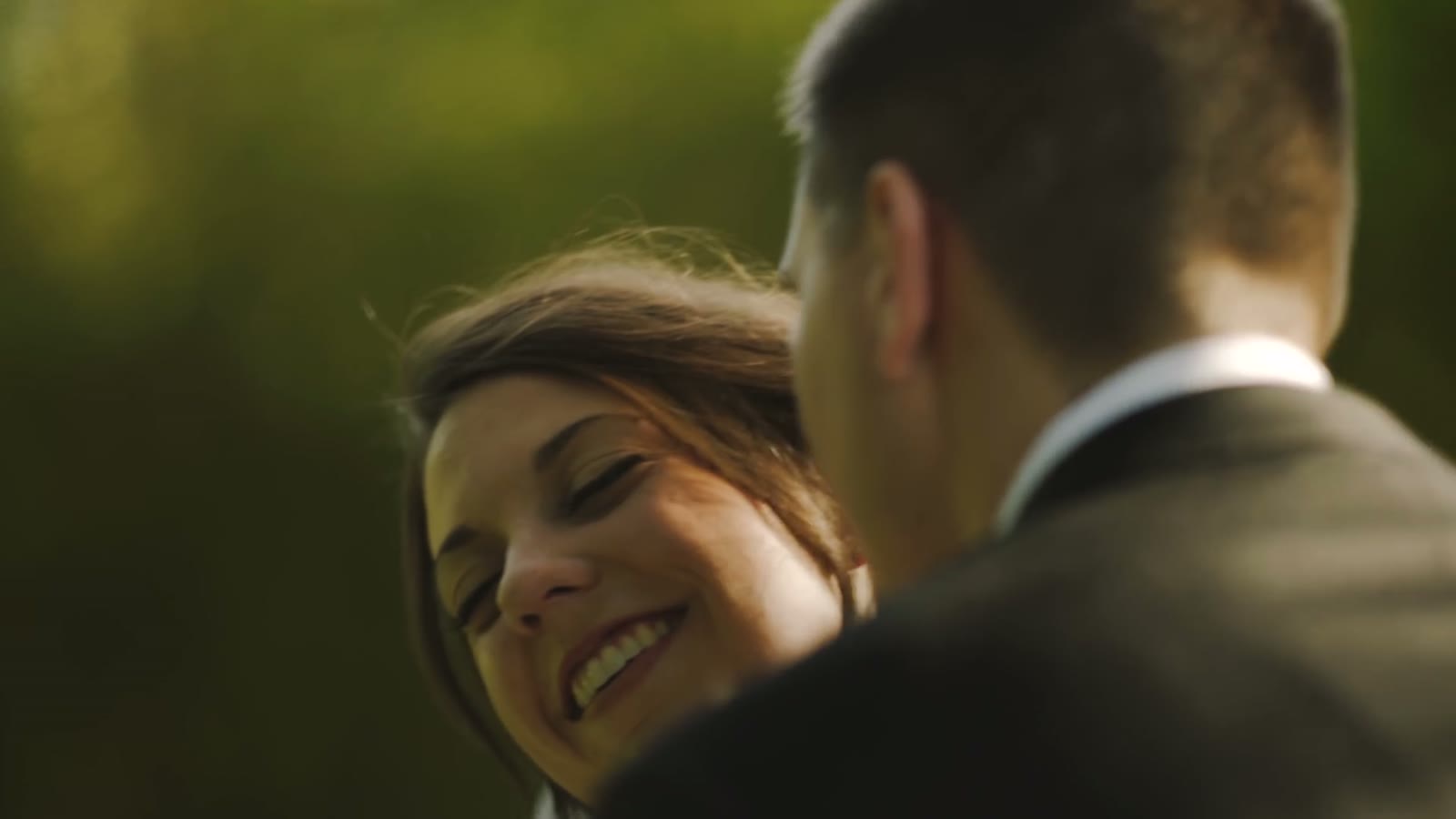
This one has been really awesome. Ask the couple a question, but tell them to answer it to each other rather than to you. For example: which one of you is going to sleep in more? And invariably he says oh yeah, she’s definitely lazier, or she says dude, he sleeps all the time, and they both start laughing.
Other ones that work:
- Which one of you is messier?
- Which one of you said I love you first?
- Who’s going to do all the cooking?
- How many kids do you two want?
They’re funny questions about the two of them, so they start laughing, they’re looking at each other, and you get organic natural laughter that isn’t staged or forced. It’s awesome for the video.
Have one lead the other
Whenever you’re moving to another location, sometimes I like to have the bride lead the groom, or the groom lead the bride. It looks like they’re leading one another on an adventure. It sounds cheesy, and it looks really cool on video.
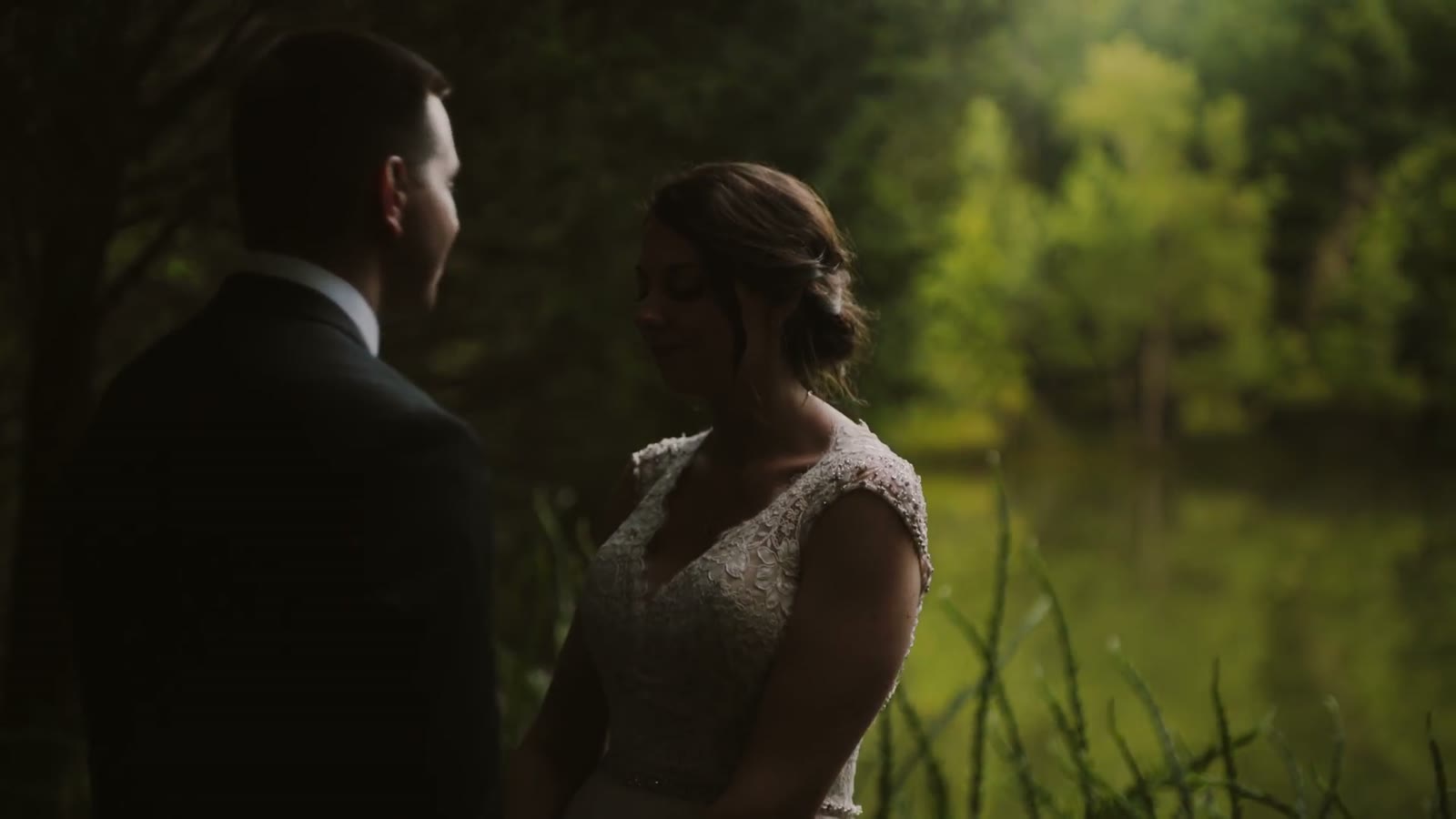
Then, once we get to the next spot, I normally have one of them stand still and tell the other one: I want you to walk up to them and make out. They typically look at me like, really? And I say yeah, just walk normally like you would, but then wrap your arms around them and make out. That gets you some great movement where you can glide up alongside them while it happens, and they end up making out hardcore, and it looks good because it’s a natural reaction to seeing their soulmate on their wedding day.
The spin
This last one is entirely contingent on the bride being okay with it, so ask first. I’ll ask whether the groom can pick the bride up and spin her in the air. Or, if the bride’s strong enough, I guess she could pick up the groom and spin him, but that doesn’t happen nearly as often.
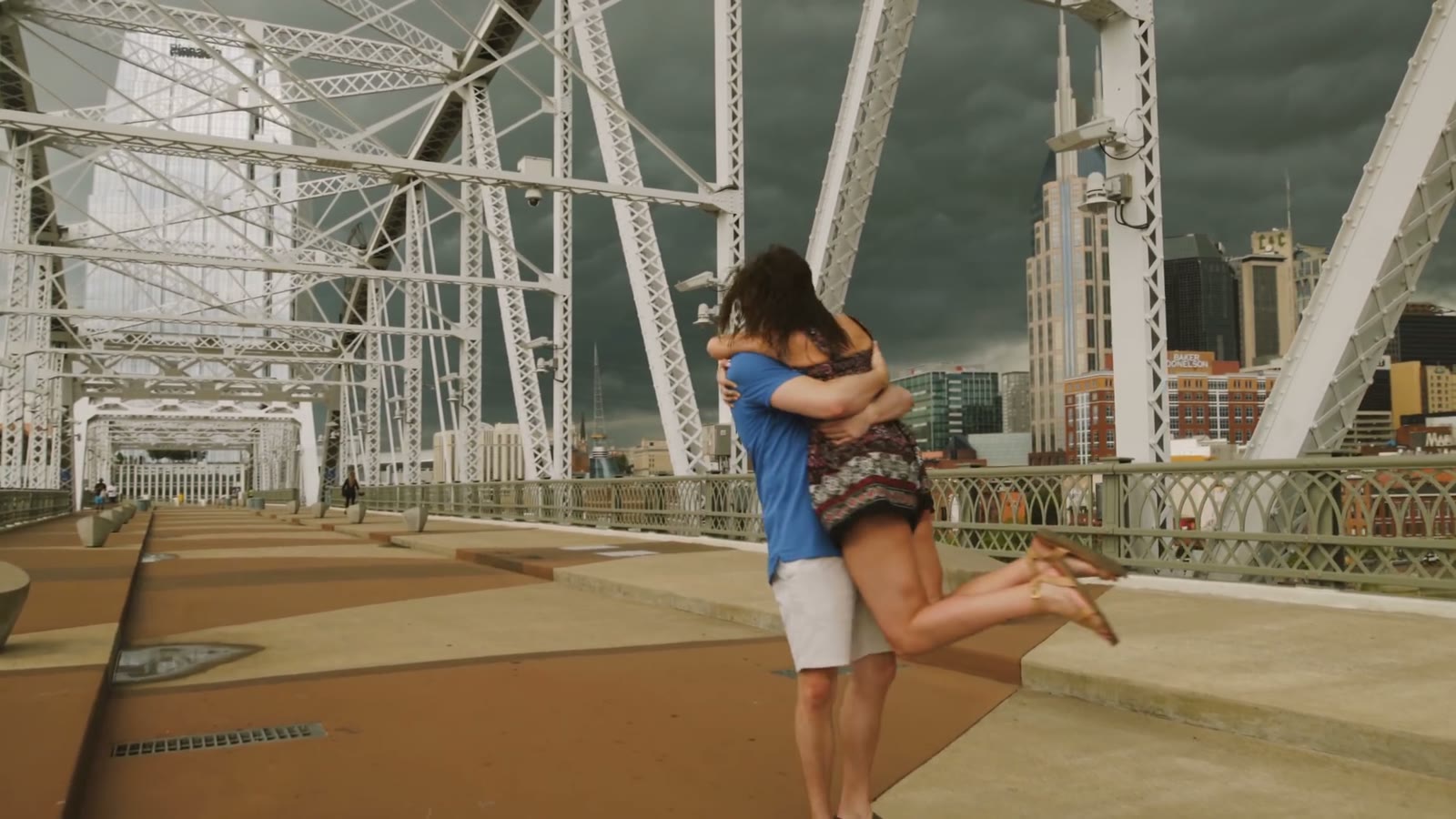
Typically I have the groom pick the bride up and spin her while they kiss or while they look into each other’s eyes, and I’ll have them do it a couple of times so I can get a wide and a close-up. It’s a great way to get real movement into your posing.
By this point you’ve spent somewhere between five and twenty minutes with the couple and you should have enough footage to make an awesome wedding film.
What To Avoid
Never let the couple look at your camera whenever they’re together. That breaks the fourth wall, and I want this to be an intimate moment between the two of them. I don’t want them awkwardly pulling the audience into it, like hey, we just made out, what’s up. It’s weird. Have them look at each other, not at you.
Always be aware of what the couple’s hands are doing. The groom’s hands should always be either touching the bride or in his pockets. They should never be anywhere else. The bride’s hands should always be either touching the groom or holding her bouquet. Have you ever noticed that in a sorority girl photo everyone’s hands are on their hips? It’s because hands dangling at your sides look awkward. Keep the hands occupied doing something, and keep track of where they are.
Avoid filming the couple while they’re looking at the photographer’s camera. Same problem as looking at yours. The audience can tell whenever a couple is awkwardly looking off and smiling. They know there’s a camera there. It’s obvious. Have them looking at each other or off into the distance instead.
That doesn’t mean they shouldn’t look at the photographer’s camera, though, because we want to be nice to the photographer, and I’m sure they have shots they need where the couple is looking right at the lens, because that looks great in a photo. It just means don’t roll on it.
Don’t ignore the photographer. Give them their space, tell them what you’re doing, tell them your ideas, let them tell you theirs, and then share the space and share the couple. Let the photographer get the shots they need while you get the shots you need, and you’re both being creative at the same time.
If you have any techniques or ideas for how you pose wedding couples, I would love to hear them. And as always, if you have any questions or comments, feel free to leave one below or get in touch.
Want To Watch More?
- How wedding cinematographers and photographers can get along, which is the companion to this one and worth watching first
- Establishing shots: why they matter and how to film them
- How to film incredible dancing footage
- How to choose the perfect music for your wedding films
A note on timing: this was filmed in July 2016, six years into shooting weddings. The gear has changed a lot since then. None of the advice here has.