
Today I am reviewing the Sony FX30 from the perspective of a wedding filmmaker and telling you whether it is a good camera for you if you want it for weddings, documentaries or other events where you need to film fast paced.
Before we get started, for the sake of ethics, I want you to know this video is not paid or sponsored by Sony. They did loan me this camera so I could make the review, they will not see it before it is uploaded, and it is getting shipped back to them very soon. I am kind of sad about that.
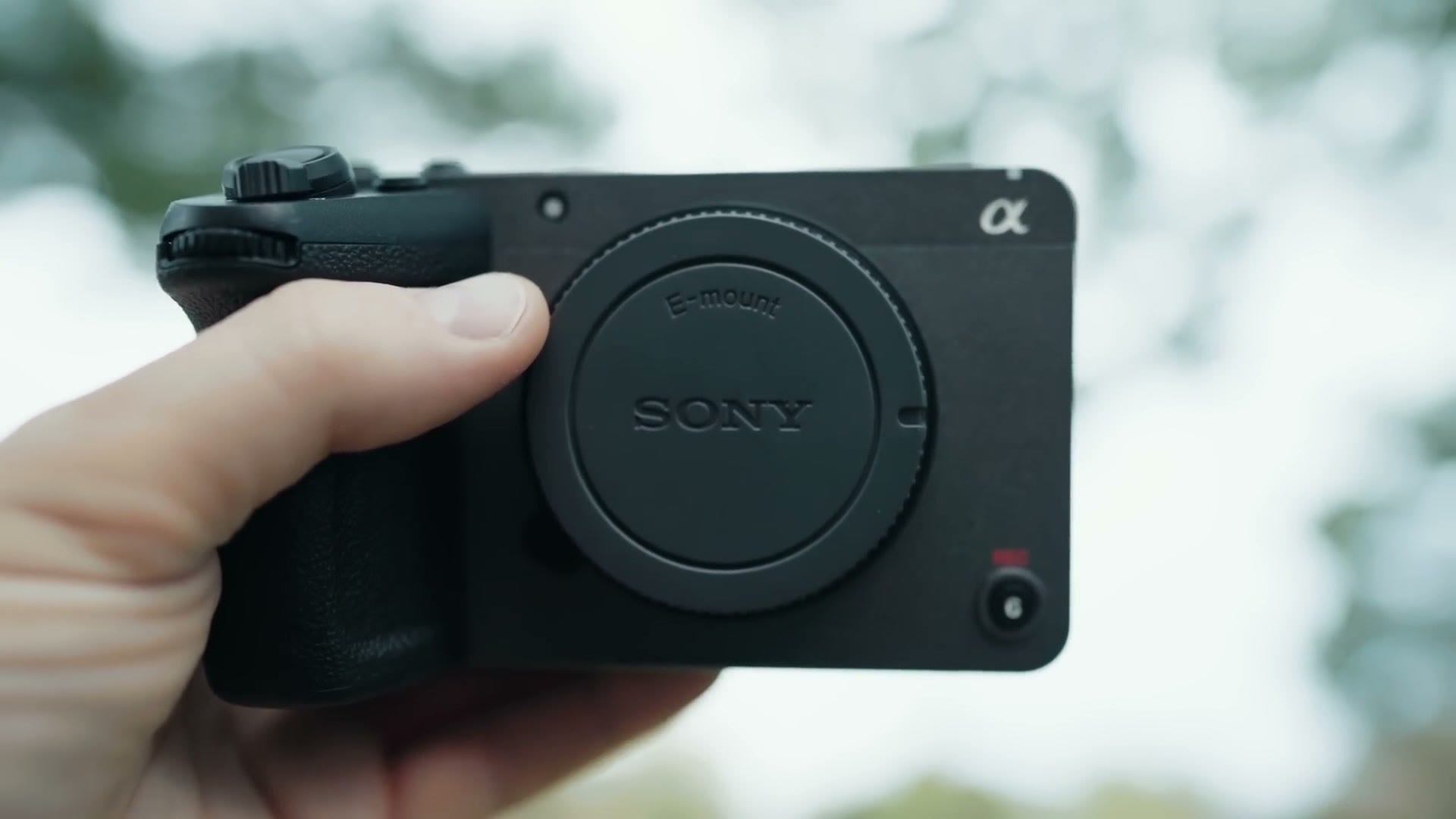
Also, because I respect your time, I am going to spoil the conclusion right now: the FX30 offers nearly all of the features of Sony’s dramatically more expensive FX3 at almost half the price. If you are a newer filmmaker with a smaller budget, this camera is a fantastic choice. And that is not all, because if you are a more experienced filmmaker who already owns an a7S III or an FX3, the FX30 also makes a fantastic B or C camera for wedding ceremonies and other angles.
Conclusion over. Let’s actually review this camera.
Body And Build Quality
The FX30 body is virtually identical to the FX3, to the point that whenever I first saw one in person in New York City, with a filmmaker friend who had just picked one up, I told him nice FX3, and he said nope, FX30. What? That’s crazy.
So one warning I have for you is that if you happen to own both an FX3 and an FX30, pay attention to which one you are grabbing out of your bag, because you may be surprised to find you thought you were reaching for a full frame camera and ended up with a crop sensor.
This reminds me a lot of how the a7 IV looks very similar to the a7S III even though it is $1,000 cheaper. Sony saves money by using the same design and tooling across multiple bodies, and for you as a filmmaker, if you learn how to use the FX3 you can easily use the FX30 too, and vice versa. That shared design language can be very helpful.
Screen
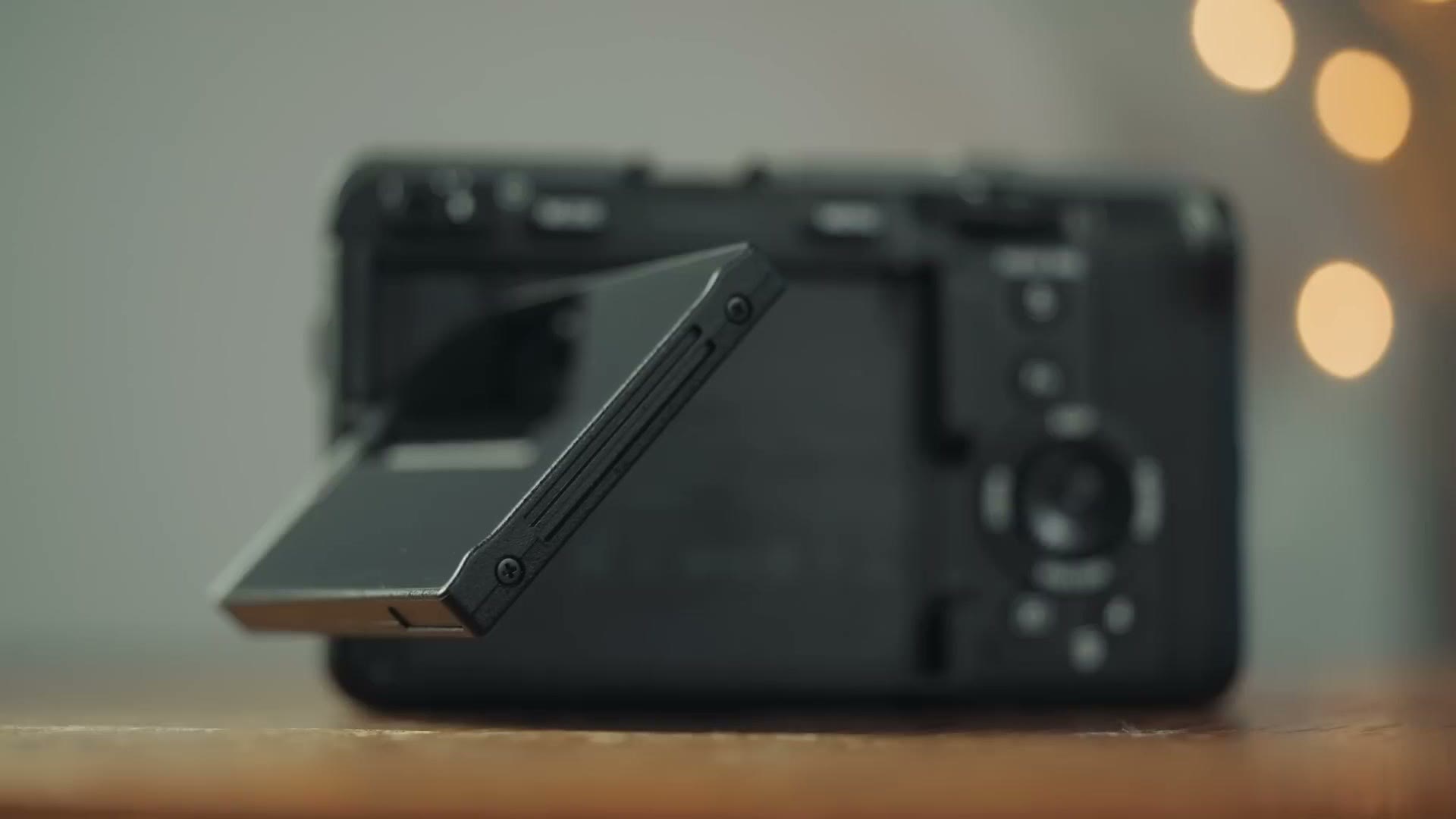
Because the FX30 shares its design with the FX3, it is a very well built, high quality camera, and you get the same flip around screen you would find on the FX3 and a7S III. That is great, but now that I have had my hands on the a7R V with its screen that tilts as well as flips out, I really wish there was a way to retrofit that onto every other Sony camera, because I would pay for that upgrade in a second. To be clear, the flip around screen here is not bad by any means. It is still great. It is just not quite as magical.
Ports
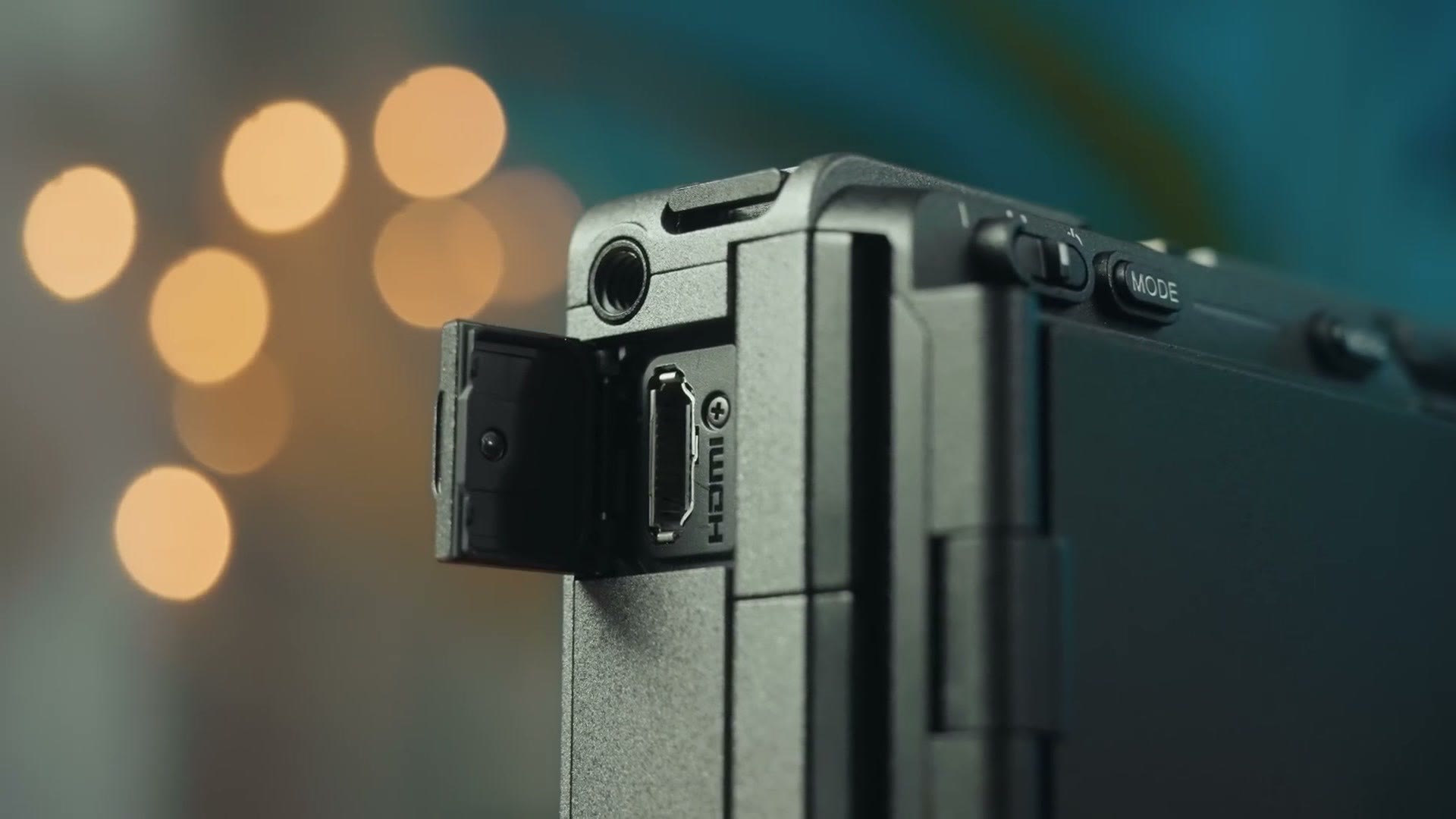
On the side you get a full size HDMI port that supports external raw recording, which is fantastic to see on a camera at this price, and I think it really positions the FX30 as a competitor to some of the options from Blackmagic. Personally, for weddings, I prefer to film with a camera that is as lightweight as possible, so I do not put a cage on mine or use external monitors or recorders. But I love that the FX30 gives you the option if you want to build it out to record raw.
You also get micro USB and USB-C, with the USB-C port able to power the camera for as long as you need it to and to let you use the camera as a very fancy and rather expensive webcam. And there is a mic jack and a headphone jack.
Audio Ports And The Optional Handle
But do you really want to use that mic jack? You can. The reason you might not is the optional top handle.
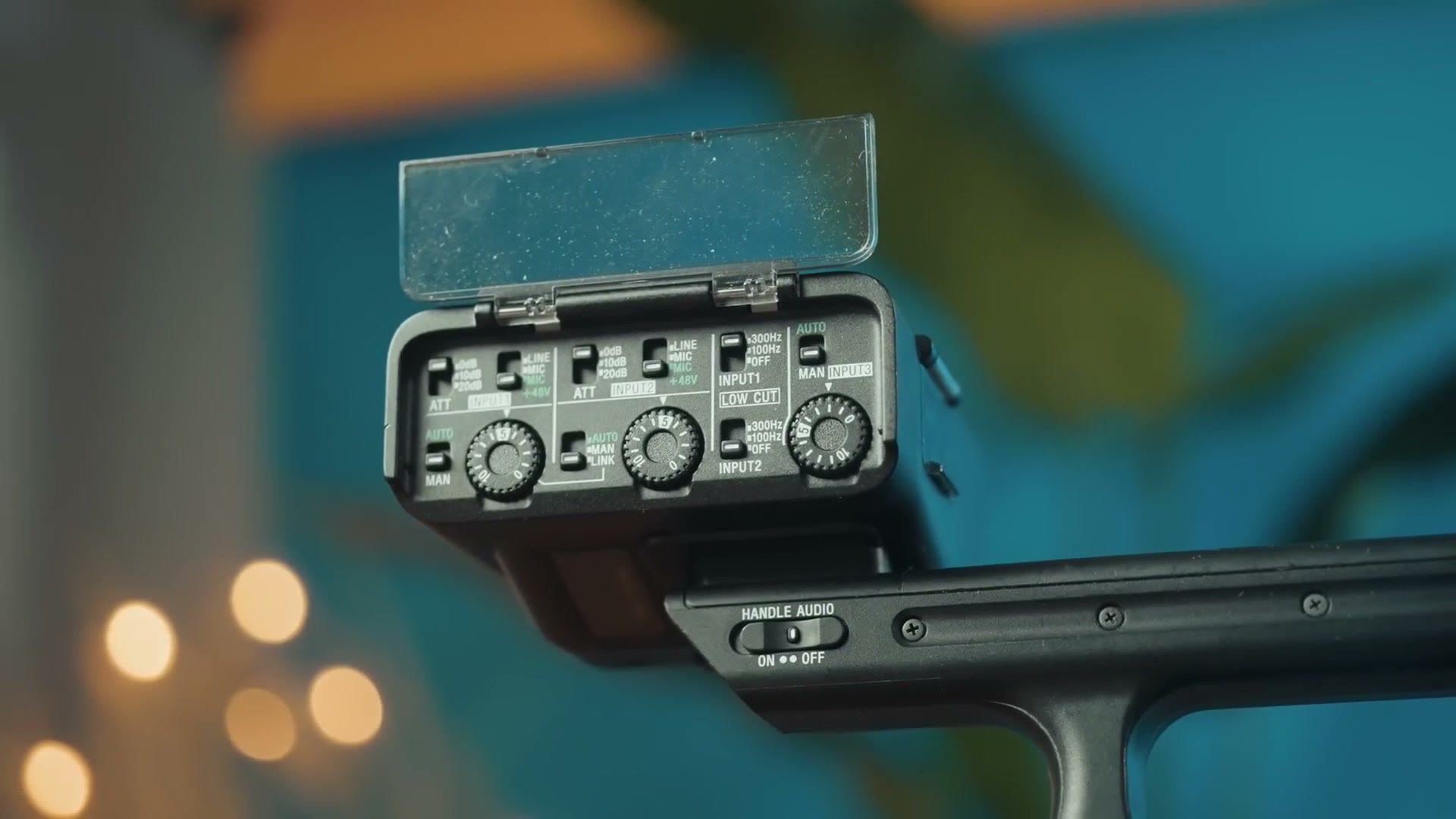
Unlike the FX3, which comes with a handle whether you want it or not, Sony has given you the choice here, and by doing so let you save a good chunk of change. We will talk hard numbers in a bit. So if you are a new filmmaker with a smaller budget, or you are looking for a B or C camera to throw on a tripod for a wedding ceremony, who needs a handle for that? Not you. Save your money.
The handle is just like the FX3’s. You screw it into the hot shoe mount on top and immediately gain two XLR inputs you can record with directly into the camera, plus a load of controls for your audio levels. I love this handle. It is sturdy, it makes the camera easier to hold, and while I would not recommend keeping it on all day, especially if you are filming with a gimbal, if you are shooting a wedding ceremony or a talking head interview and you want great audio recorded straight into the camera, it is great.
The Fan And Overheating
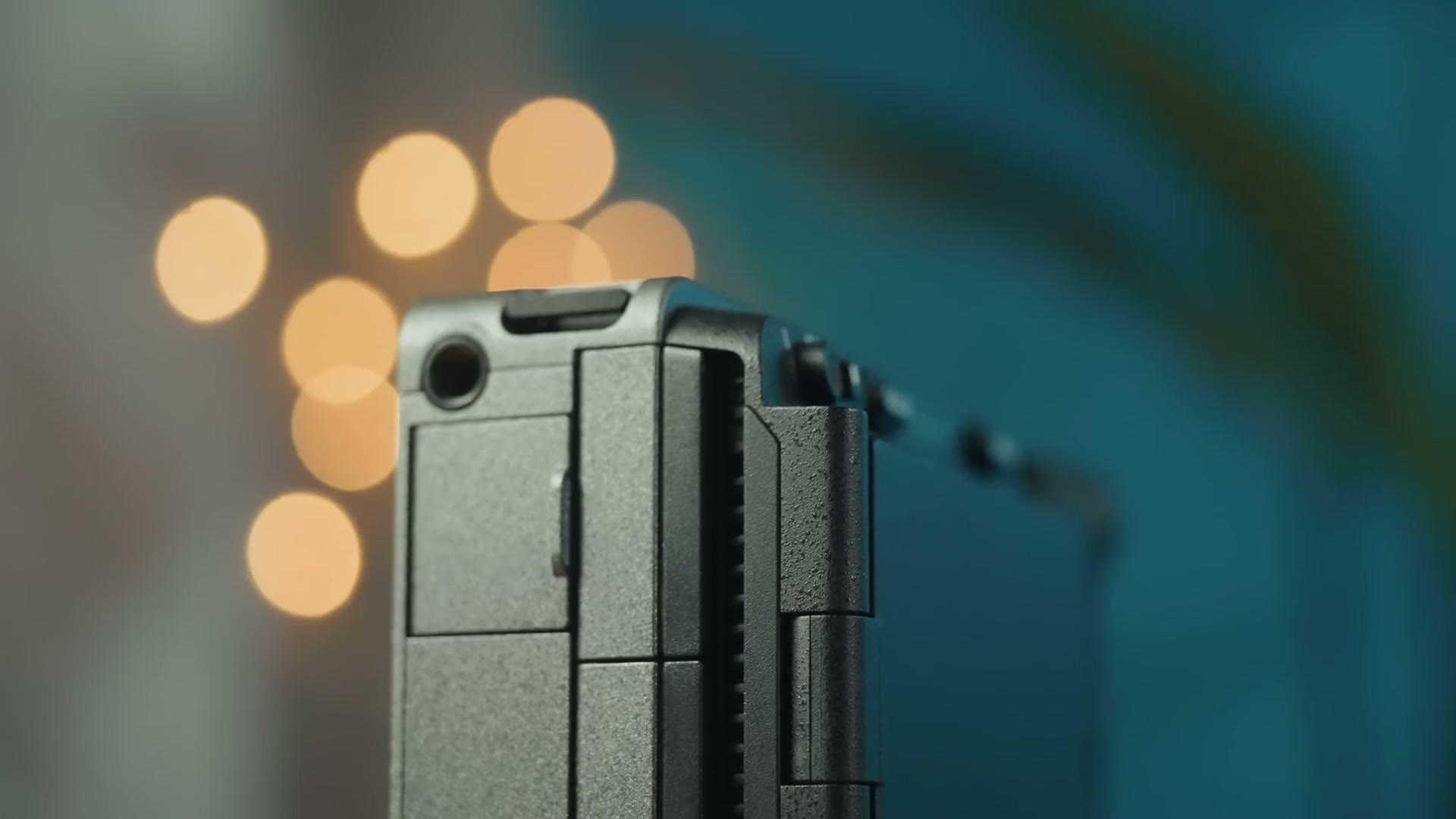
Another area where the FX30 matches the FX3, and something that separates it from the rest of Sony’s mirrorless lineup, is that this camera has a fan in it. Next to the ports you can see a large vent running down the side, and a smaller one on the bottom.
The benefit is that you are essentially guaranteed never to deal with the camera overheating. Just make sure you go into your settings and set the auto power off temperature to high, and then you are good. And do not worry about the noise either. In my testing the fan is essentially silent. If you put your ear right up next to it you can hear it blowing, but I would not worry about hearing it on a set or at a wedding, even while filming the quietest interview.
Memory Cards
On the other side you will find dual memory card slots, just like a lot of Sony’s newer cameras. And I am so pleased to tell you that unlike the a7 IV, which was oddly limited with only one slot that took both CFexpress and SD, both of the FX30’s slots take CFexpress Type A or SD at up to V90 speeds, just like the FX3 and a7S III. I love it, and I am frankly a little surprised Sony managed it at this price point.
If you film weddings like me, which are one-take events, using dual cards is so important, and I highly recommend it. You will be protected in the event one of your cards dies mid video.
Menus, And A Small Rant
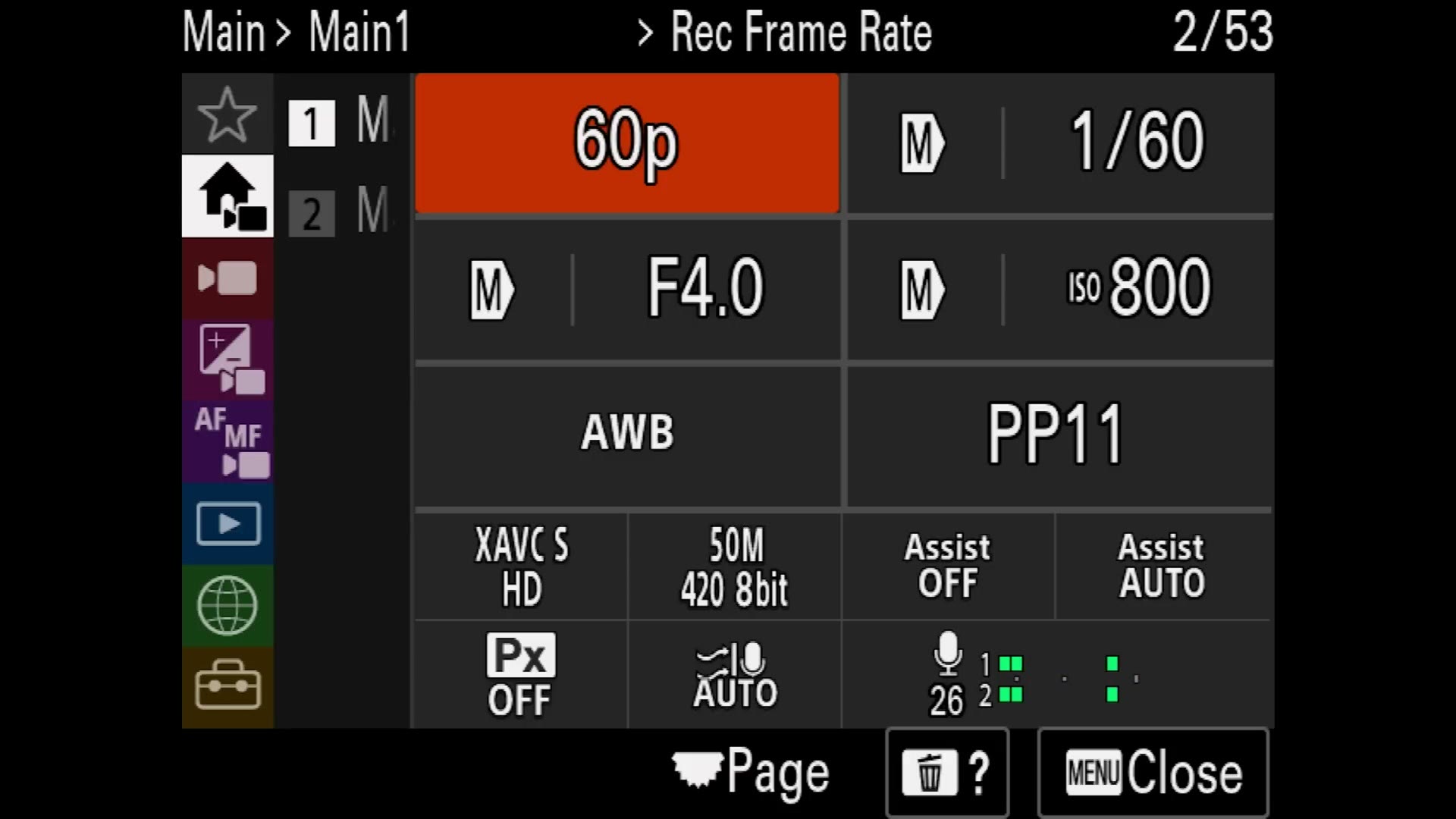
Just like every Sony camera from the past couple of years, the FX30 has Sony’s new menu system, and it includes the quick access functionality we saw on the FX3. All of the software features Sony has been adding to their newer cameras are here too, so you get focus breathing compensation, which is still mind blowing to me because it completely eliminates breathing with any of Sony’s native lenses.
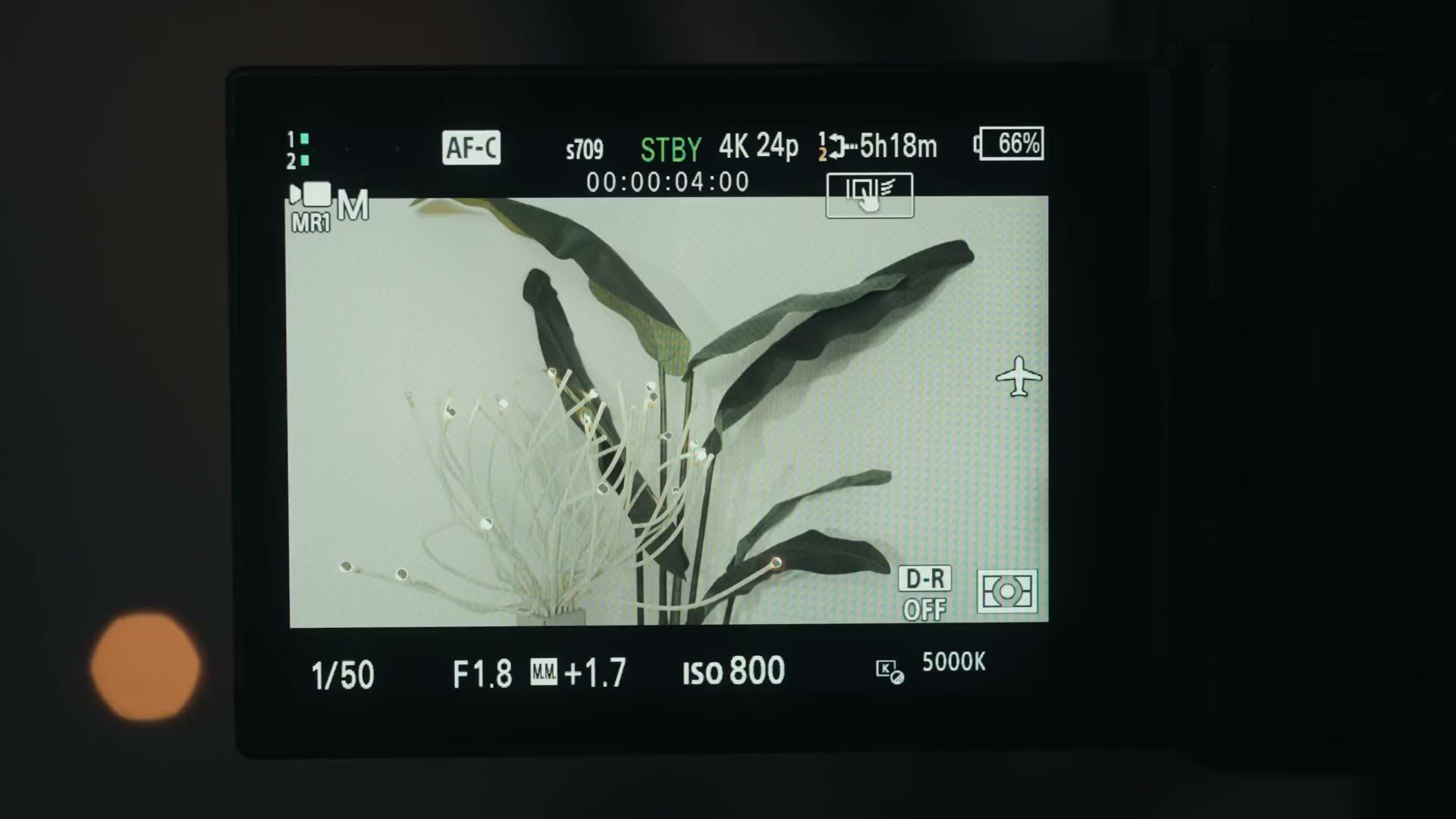
You also get the Focus Map feature, which is great for manual focus and gives you a colored overlay telling you exactly what is in focus.
These are great, but this is also where I am going to echo what I have seen Philip Bloom and other reviewers complaining about, which is that Sony really needs to add software features like these to their other cameras via firmware update. It is crazy to me that you could buy three FX30s for less than the cost of one Sony a1, and the cheaper cameras would have more software features than Sony’s flagship. And as someone who films primarily with an a7S III, I would love to see these on my main camera too. Anyways. Complaints over.
Autofocus And IBIS
The FX30 has the exact same phase detection autofocus system you will find on the FX3, a7 IV and a7S III, and it is very fast, very reliable, and I absolutely love it.
It also has the exact same in body image stabilization as the FX3, which means you get standard mode plus active stabilization, which crops in 1.1 times but makes your footage even more stable. I do not really have any complaints about the IBIS, though I will mention that the newer a7R V has an even better system that was scary good whenever I tested it. You can see those test results here, including whether you should throw away your gimbal, because it is actually getting close to that.
Battery Life
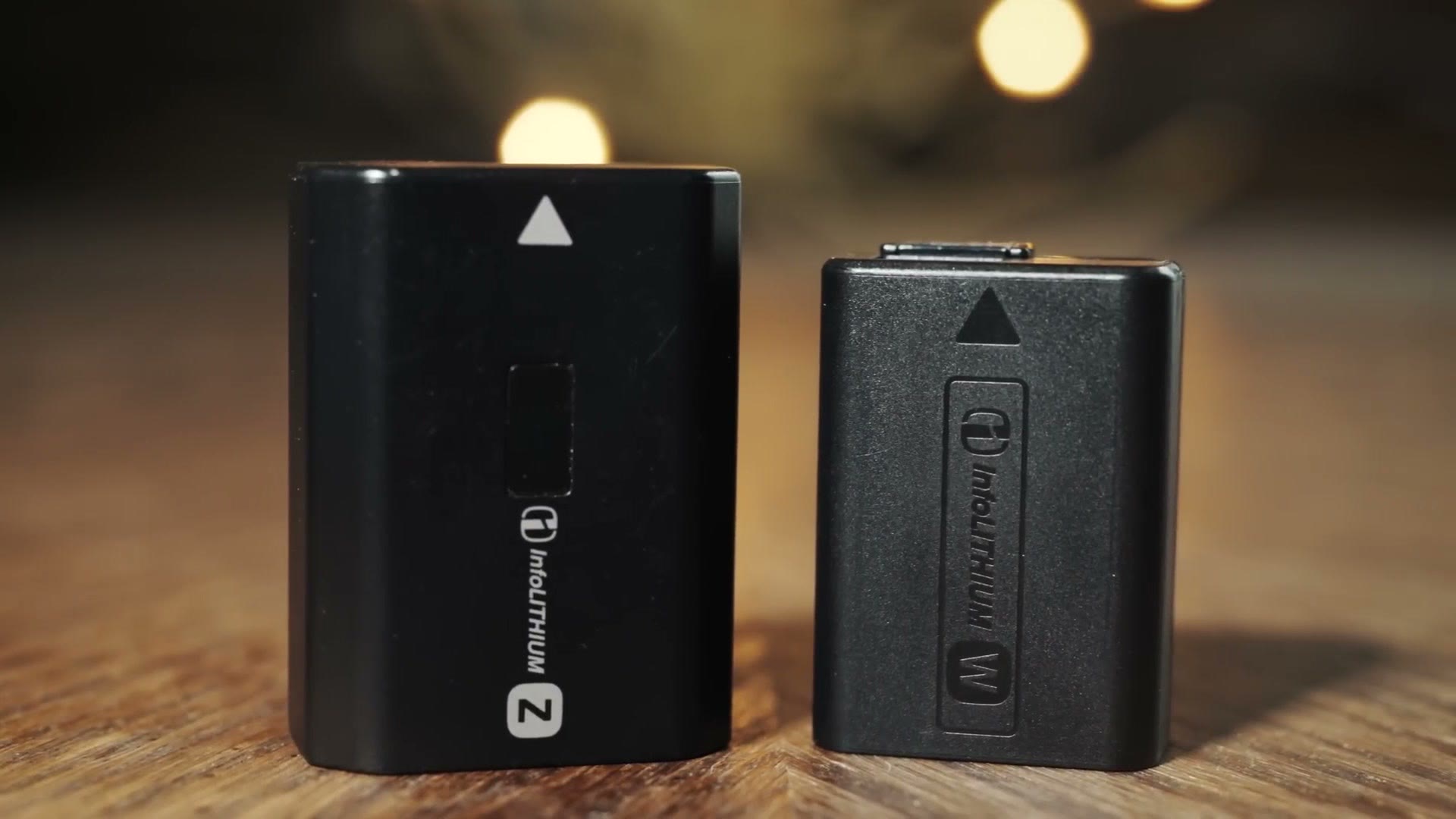
The FX30 takes the same NP-FZ100 batteries as pretty much every Sony camera since the a7 III, and they are great. In my testing I found the battery life similar to my a7S III, and I would expect to go through three to four batteries on a longer wedding day.
Picture Profiles, Bitrates And Cine EI
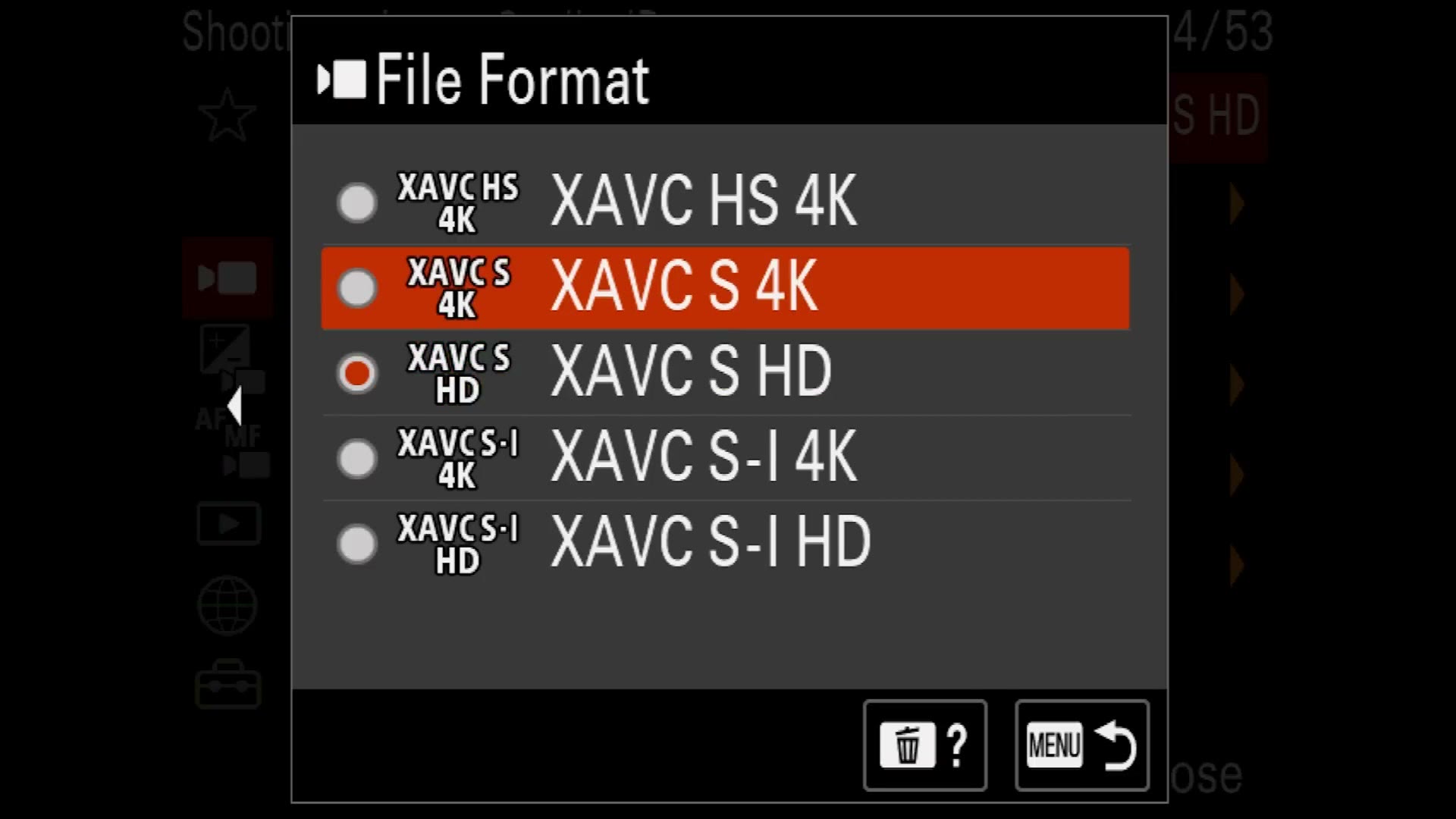
The FX30 has the exact same picture profiles and bitrates as Sony’s other new cameras, meaning it records XAVC S, XAVC HS and XAVC S-I, all in gorgeous 10 bit color, and gives you all the picture profiles you would expect, like S-Log3 and S-Cinetone. Which means it is very easy to match FX30 footage to all of your other Sony cameras.
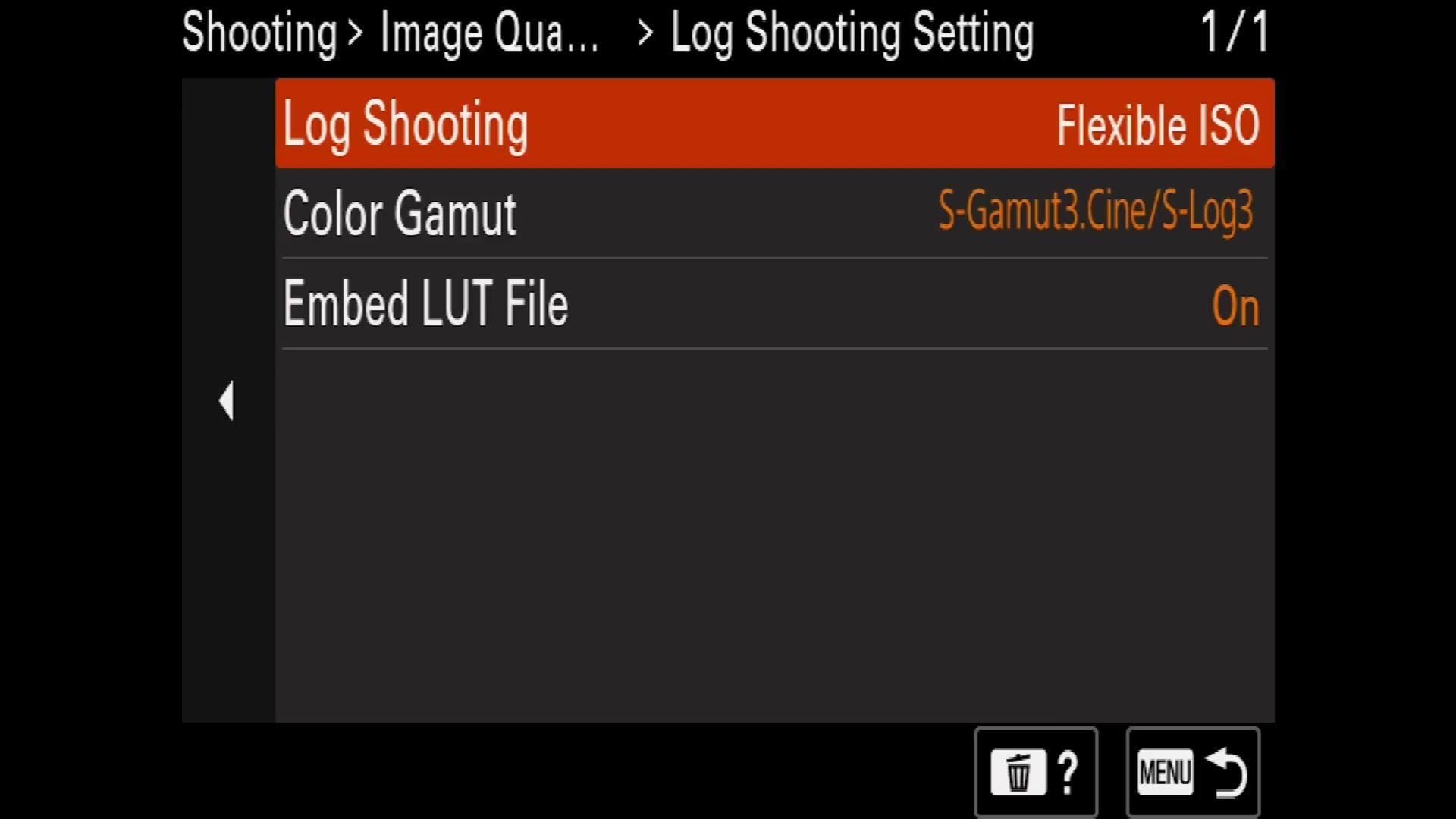
Another nice feature pulled down from Sony’s cinema line, from the FX3 and FX6, is Cine EI, which makes filming in S-Log3 even easier once you learn how to use it.
Custom LUTs
You also get the custom LUT preview option from the FX3, where you install your own color presets onto the camera and use them to preview how your footage is going to look after it has been graded. This is a huge help while filming.
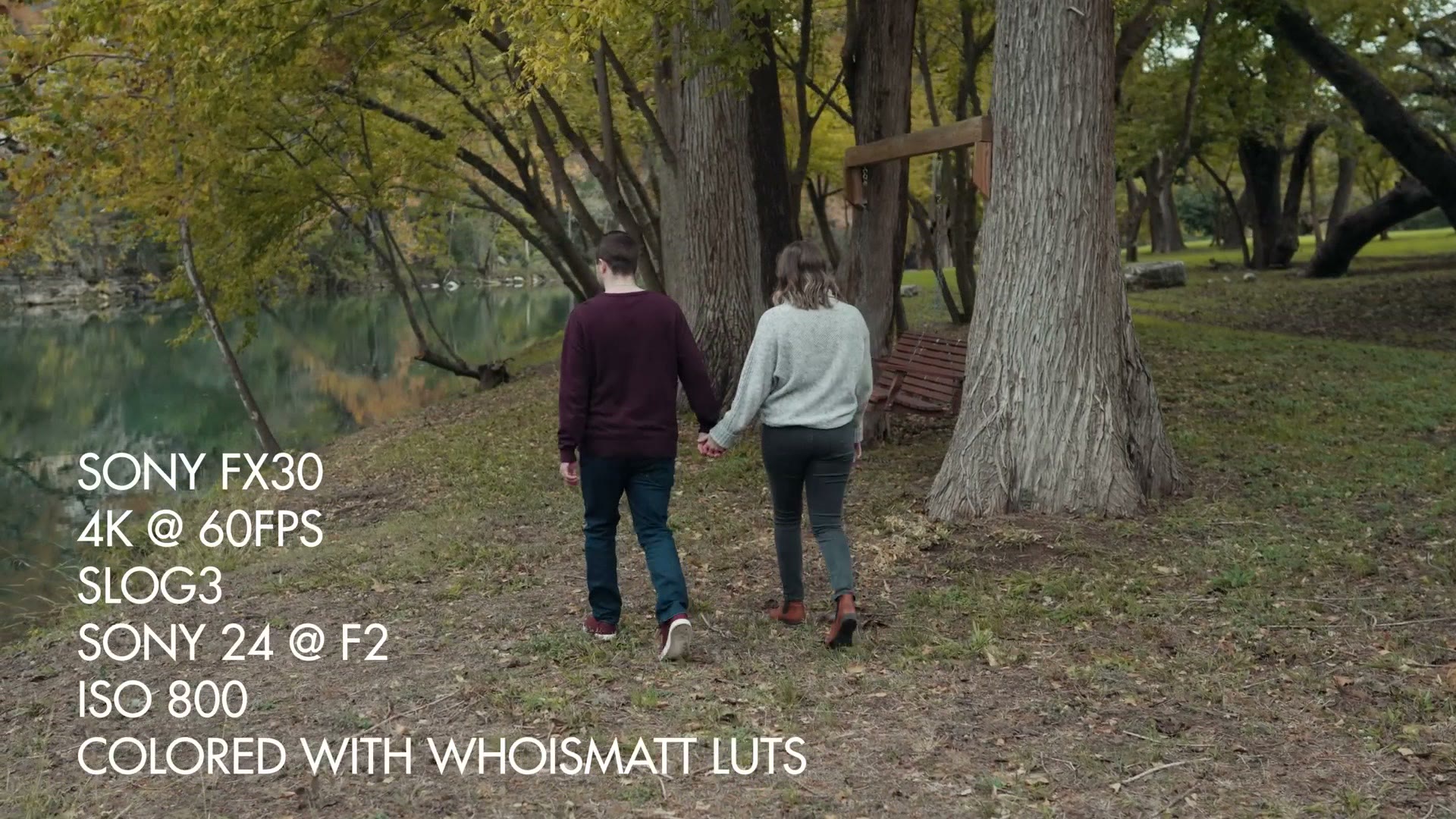
Side note, all the FX30 footage here, as well as everything else in this video, has been colored with my WhoisMatt LUTs, which work great with footage from all cameras.
Frame Rates
The frame rates match up with a lot of Sony’s other newer cameras. You get 4K at 24, 30, 60 and 120fps, and everything up to 4K 60 is oversampled from 6K, so it is very sharp. You can also record HD at up to 240 frames per second. That is cool. Remember when the FS700 could only do that for about eight seconds? Technology. We have come so far.
Back to that 4K 120 though, because there are caveats. If you film at 4K 120 there is a 1.6 times crop, meaning your footage gets significantly tighter and you will need wider lenses to compensate.
The Sensor Size
Which brings us to the thing I have only mentioned in passing so far. The FX30 has a crop sensor, and this is where we need to talk about how it differs from Sony’s full frame options.
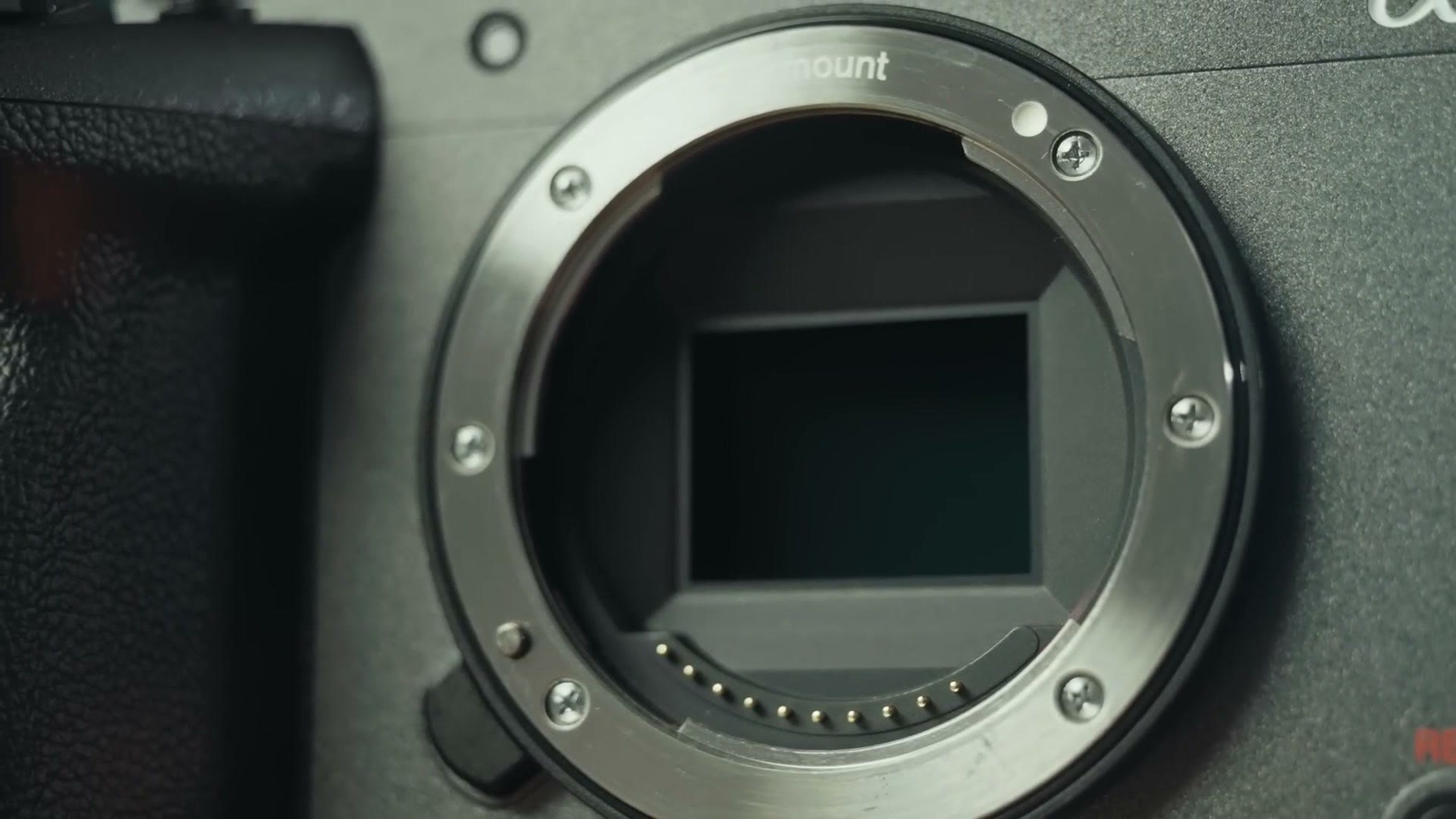
Most shockingly, especially once we get to the price, there are really only two big differences between the FX30 and a lot of Sony’s other cameras. The first is that sensor. The photo-focused version of this same camera is the a6700. Unlike the a7S III and FX3, which are full frame, the FX30 has an APS-C sensor with a 1.5 times crop, which means any lens you put on it needs its focal length multiplied by 1.5 to get what you are actually seeing. A 24mm lens, which would be a true 24mm on a full frame camera like the a7S III, becomes a 36mm on the FX30. A 50mm becomes a 75mm.
What that means for you as a wedding filmmaker is that you need to be very careful selecting lenses, because you will need wider glass than you would on full frame unless you want to be filming much, much tighter. If you watched my a7 IV review you will know that camera has a 1.5 times crop whenever you film 4K 60, and to compensate I recommended using something wide like a 16-35mm, which with the crop becomes roughly a 24-52.5mm. I would recommend doing the same here.
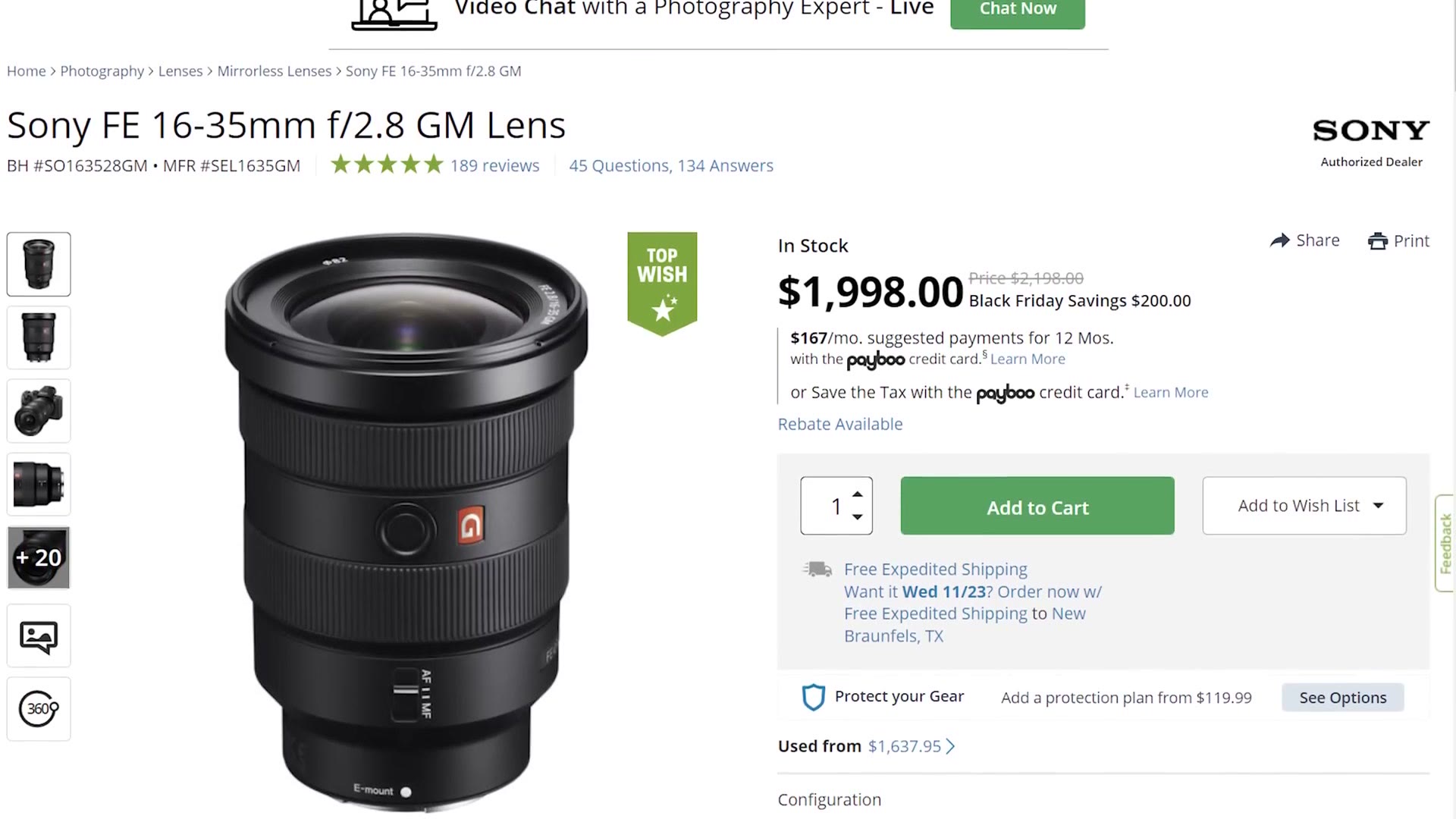
That does not mean you need to buy a 16-35, which, spoiler, in the f/2.8 version costs more than this camera does. But you do need to be more creative with your lens choices so you do not find yourself filming too tight.
The Secret Workaround For The Crop
There is a workaround I want to mention that I have not seen other reviewers talking much about, really because this technology has fallen out of fashion with so many cameras being full frame these days. But I think the FX30 is a great opportunity to revive the conversation around speed boosters.
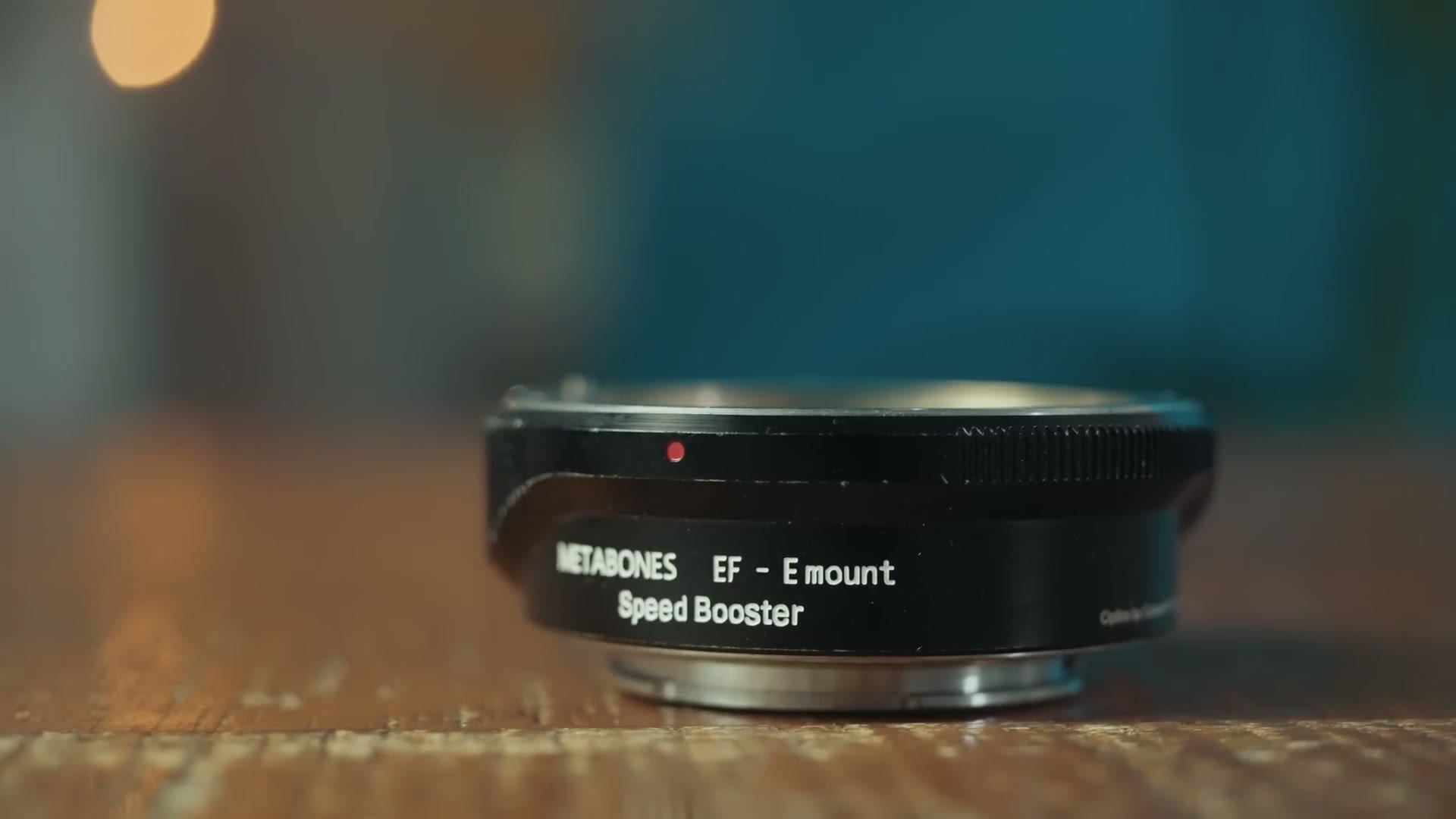
Yes. Speed boosters, also known as focal reducers. If you do not know what I am talking about, imagine there was a piece of technology you could put onto a crop sensor camera like this, and it would not only bring the field of view back toward full frame and remove the crop, but also gain you an extra stop of light hitting the sensor, which improves your low light performance. Does that sound insane? It sounds insane. Even now, a good ten years after I first used one, I am still kind of mind blown by the technology.
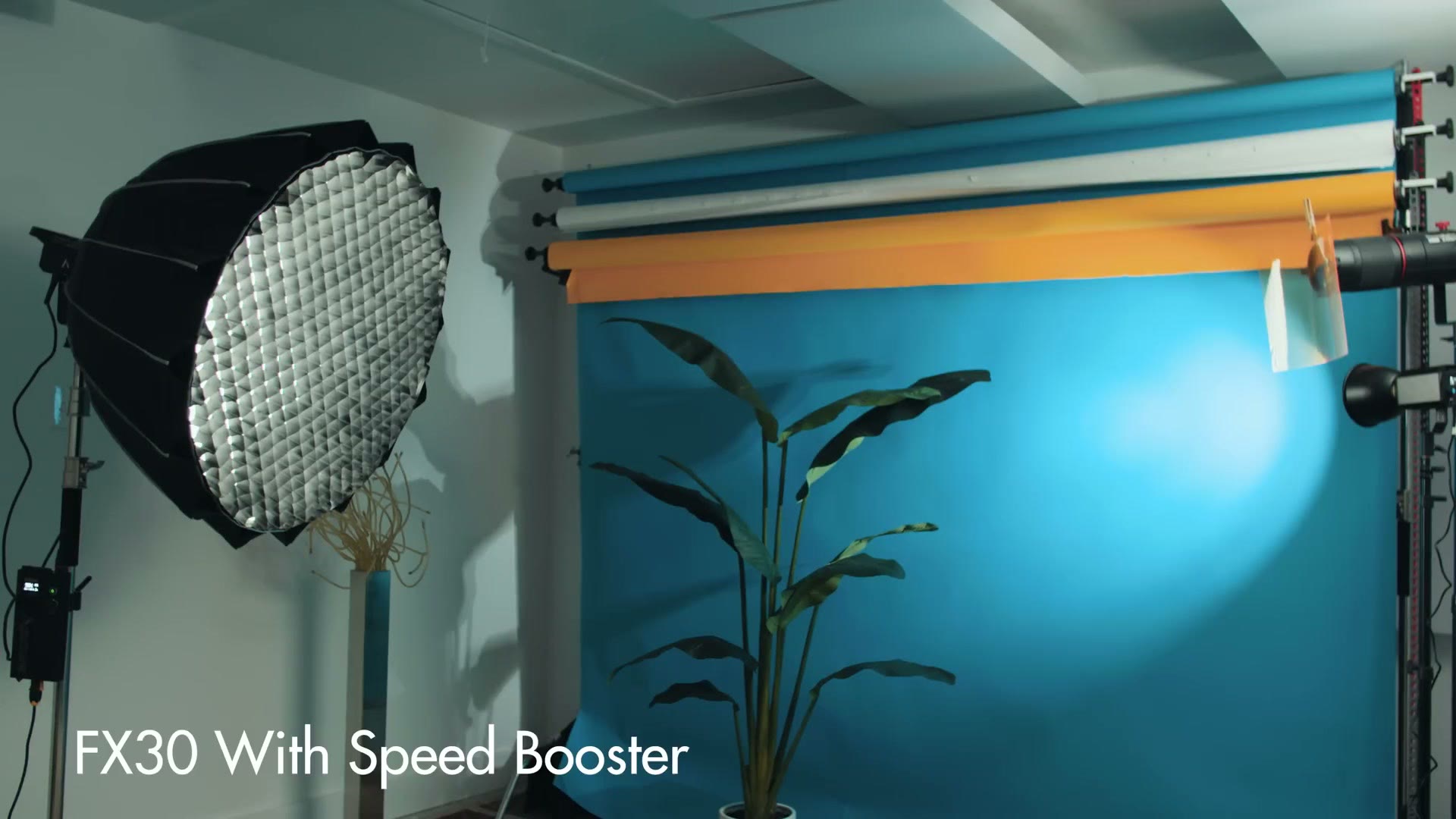
So of course I had to test it. Here is the FX30 with a Sony 24mm on it, which makes it a 36mm. And now here it is with my old Metabones EF to E-mount speed booster and a Canon 24mm. Dang. It just got a lot wider. This is so cool.
Speaking of which, How To EASILY Film In SLOG3 With The Sony FX30 is worth a look too.
Keep in mind that whenever you use a speed booster you lose the fantastic autofocus performance you may be used to on a Sony camera, so you will most likely be manually focusing everything. But if you are looking for a more affordable way to turn your FX30 into something closer to a full frame camera, a focal reducer could be a great way to do it. I personally used a setup like this for many years with my Sony FS100 and it worked great.
Low Light Performance
The other big difference you need to be aware of is low light. Not only does the crop require you to think hard about getting wider lenses, it also requires you to think about how much light those lenses gather. It is simple physics. The sensor is smaller, so less light is hitting it, which means this camera is not going to be as good in low light as Sony’s full frame cameras.
This is a really important factor if you are a wedding or documentary filmmaker, because the odds are you will not have full control over the lighting at a wedding. You need a camera that can handle dark receptions and indoor ceremonies, which is one of the biggest reasons I have recommended cameras like the a7S III and FX3 and steered people away from cameras that notoriously struggle in low light.
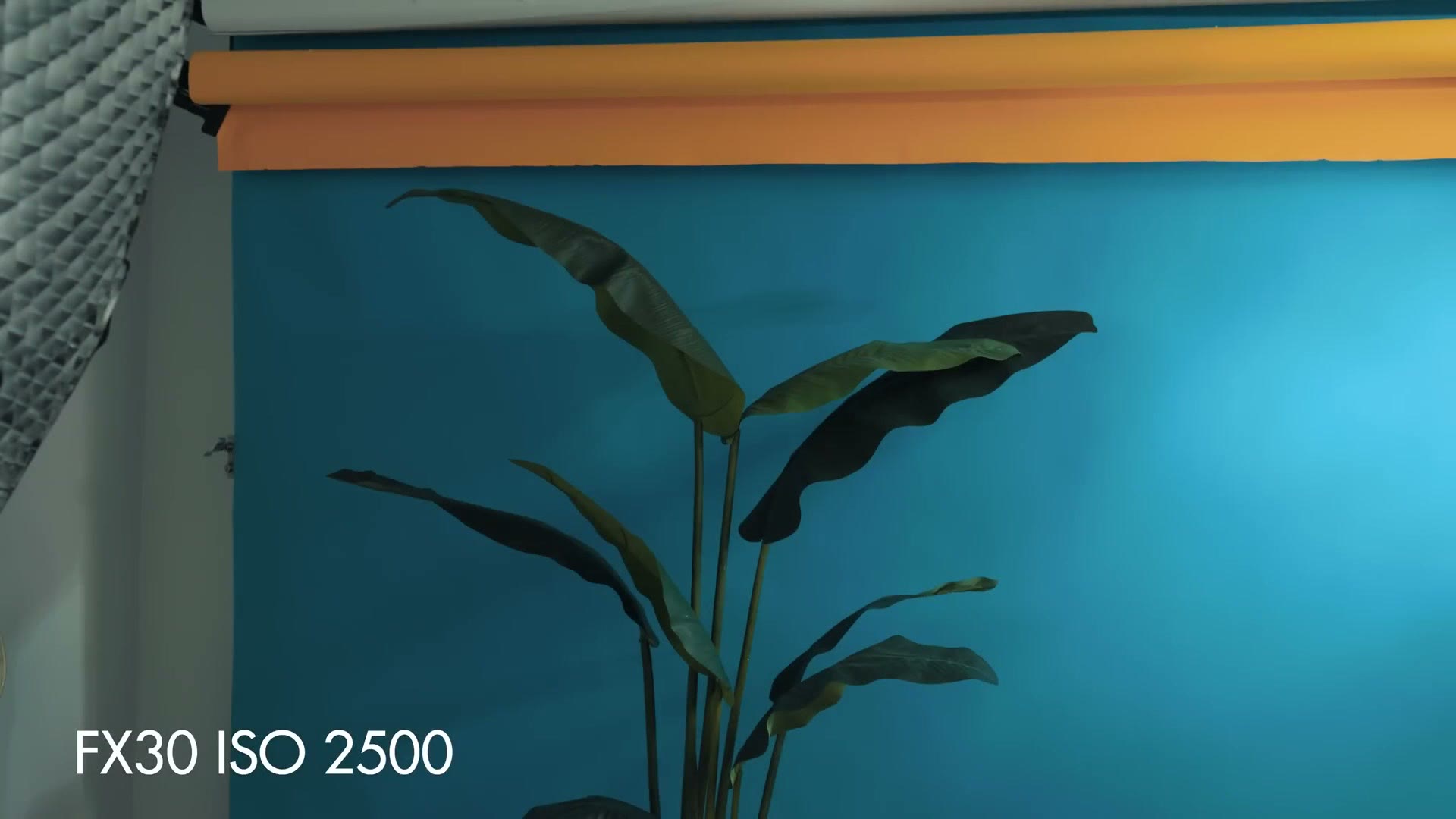
Like the a7S III and FX3, the FX30 has a dual gain ISO sensor, meaning there are two ISO levels where it looks its best with minimal noise in S-Log3. The first base ISO is 800, which lines up with Sony’s other cameras. The second is where things start to differ, because the FX30’s second base ISO is 2500. That is not terrible, and I am sure there are filmmakers on older cameras thinking dang, 2500 is great. But whenever you consider that the FX3 and a7S III have a second base ISO of 12,800, those cameras are dramatically better in low light.
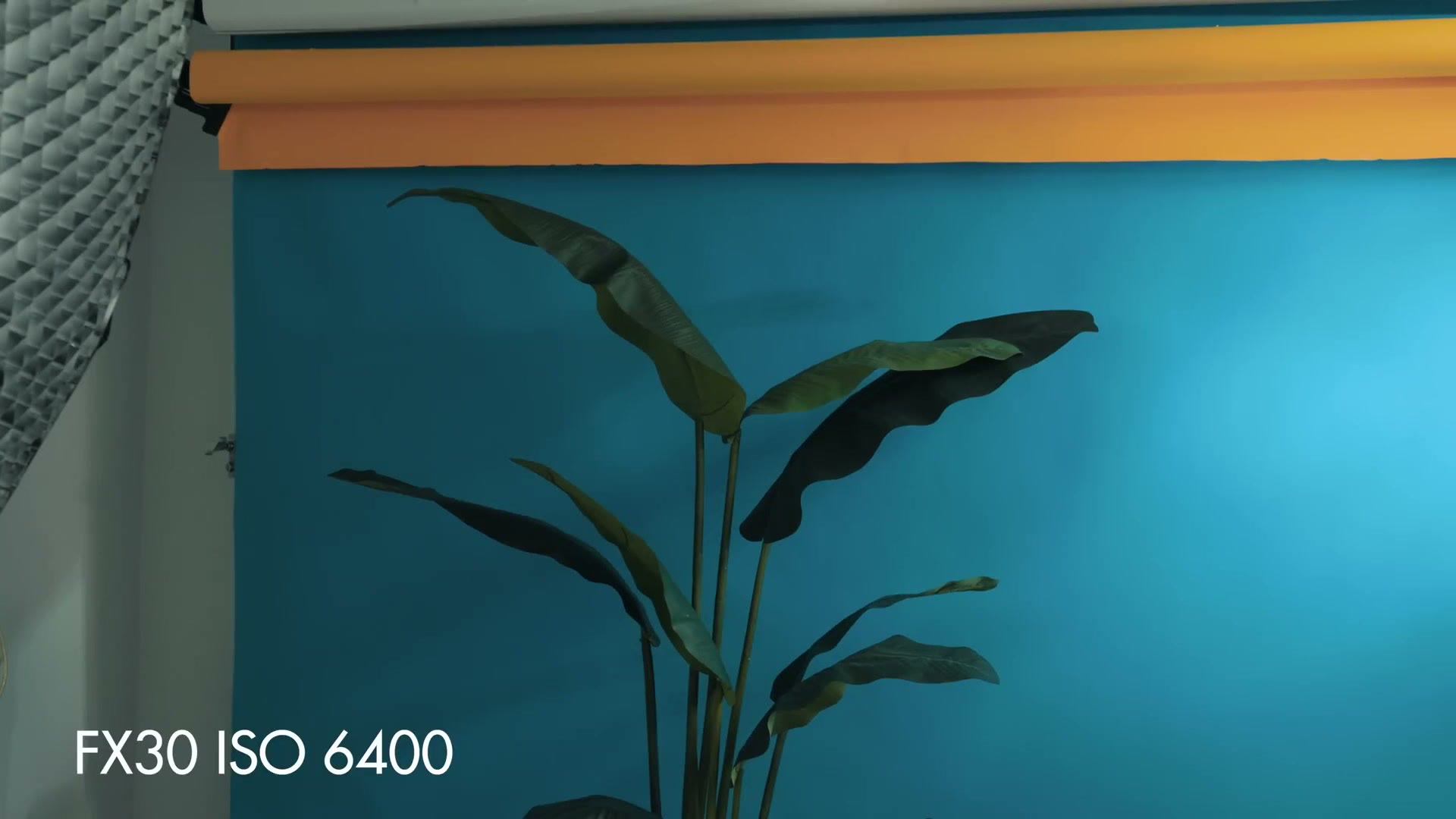
Numbers aside though, in my testing and looking at the actual footage I filmed, the FX30 still performs very well in low light. If you are filming a dark reception, or a darker church, or a documentary you have to shoot at night, as long as you are using prime lenses with wider apertures like f/1.4 or f/1.8, you should still be able to get great footage.
The main thing to keep in mind is that unlike the a7S III and FX3, where you can walk outdoors in the middle of the night and go oh look, the moon is out, I am ready to film, I have got plenty of light, you are going to need to invest in lights for the FX30. And honestly, that is a good thing. You should always be buying lights regardless of which camera you use. Even with the best possible low light camera you still want lights to enhance the scene.
The Aggressive Price
I love how aggressive Sony were with the pricing here, and I love that they give you options to make this camera even cheaper. Unlike the FX3, which comes with a top handle you are required to buy, Sony made the handle optional, which drops the price considerably.
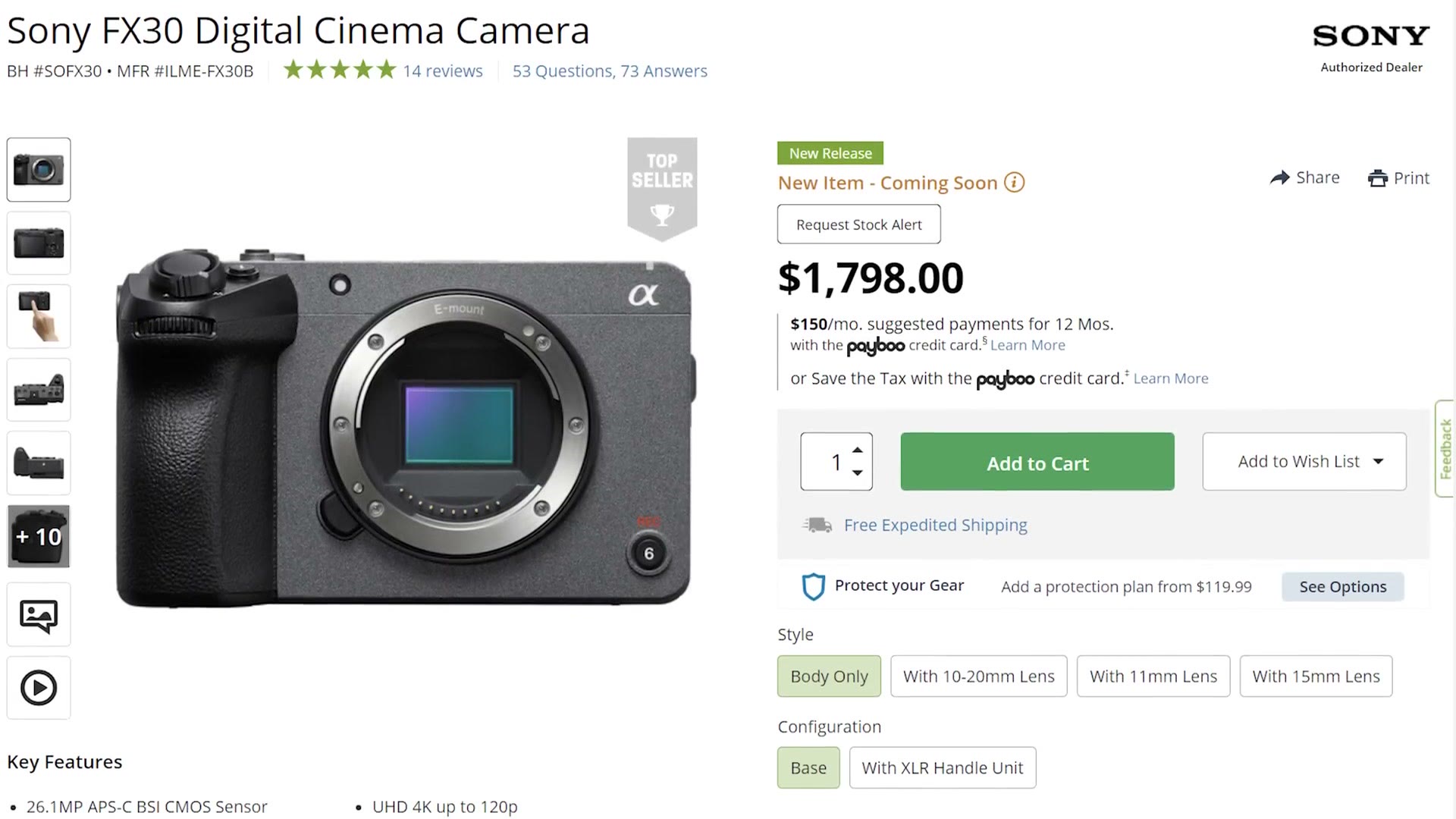
With the handle you are looking at $2,200 at the time of writing. Without it, the price goes all the way down to $1,800. That is very competitive compared to other cameras and I love to see it. If you do not have a big budget, I would skip the top handle and go with just the camera.
It is my understanding that Sony will let people buy the top handle separately in the future, but whenever I looked around online I only found it listed on more obscure websites. I did not see it at B&H, for example, though that could just be because the camera is so new that the supply chain has not caught up. Alternatively, the camera’s hot shoe is a multi interface shoe, so you can buy Sony’s XLR-K3M audio adapter instead, or if you have an FX3, that camera’s handle will work on the FX30.
The FX30 Versus My 13 Year Old Camera
In conclusion, the FX30 offers essentially all of the features of Sony’s dramatically more expensive FX3 at half the price, with the only concessions being a smaller sensor and worse low light. I am still frankly shocked Sony did this, and I am honestly so impressed.
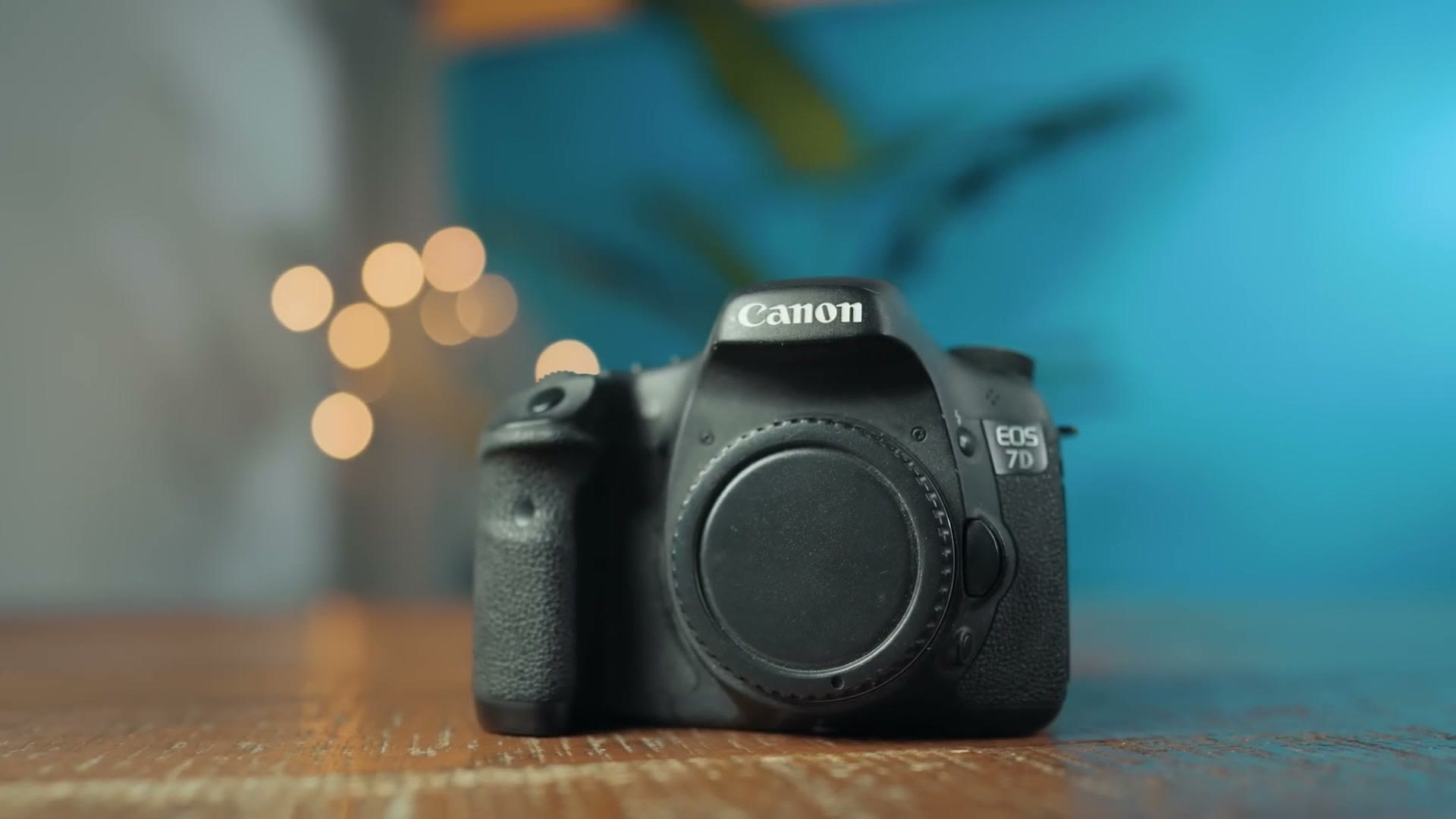
For context, whenever I bought my first DSLR in 2009 it was a Canon 7D. That camera had a 1.6 times crop sensor, maxed out at 1080, could only do 60fps in possibly the grossest 720p ever, had no video autofocus, no picture profiles, no IBIS, horrible 8 bit color, awful dynamic range, low light performance that makes anything else look decent, and it almost overheated on me while I was filming a talent show. I still love that camera, and I used it to film everything for about four years.
If I was a new filmmaker today, and I knew that for only about $200 more than I spent over a decade ago I could get this much performance, this many features, and a camera that slides straight into an ecosystem where I can buy higher end cameras and lenses to complement it, well, it would be a complete no brainer.
Should You Buy The FX30?
If you are a new filmmaker, quit your searching. Buy this camera. You are going to absolutely love it.
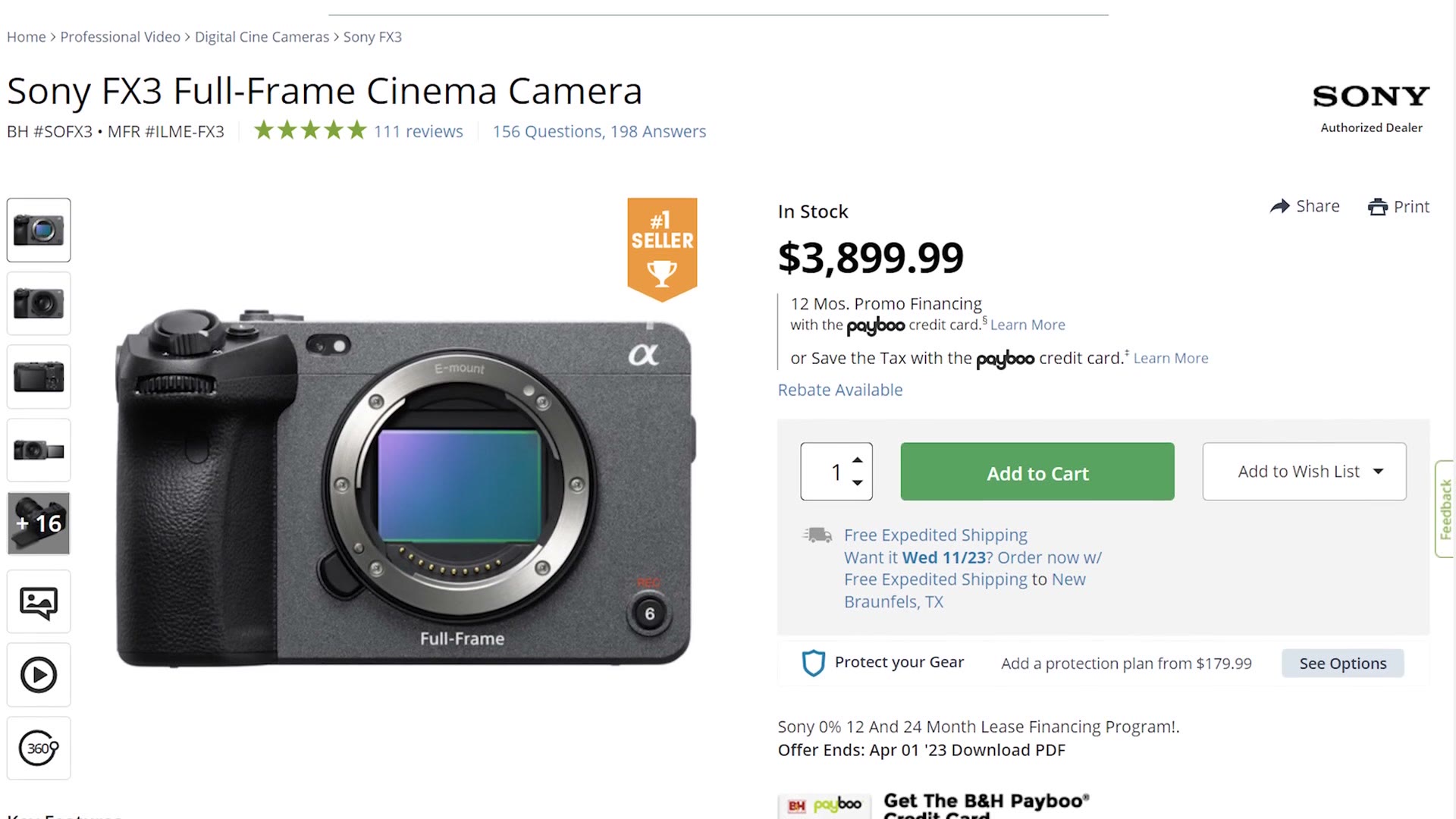
Alternatively, if you have been filming for a while and you already own an a7S III or an FX3, and you are thinking about a B or C camera for wedding ceremonies, or an extra angle for documentary interviews, or just something for the second shooter you bring along, I would bet you have looked at the price of another FX3 and thought, dang, do I really want to spend that? Maybe I should buy an a7 IV even though it might overheat on me and I do not need its photo capabilities.
Well, here comes Sony with possibly one of the best B or C camera options you could get. The body is the same as the FX3, which makes it easy to learn, and the colors, autofocus, picture profiles and menus all match what you already know.
Heck, you could just use it as a wedding ceremony camera. And you know what you always need at a wedding ceremony? To get closer. You are always buying longer lenses like a 70-200 so you can get closer to the couple. Well, guess what. The FX30 is a crop sensor, which gets you 1.5 times closer without you needing to buy a longer lens.
And if you really want to melt your beard: the FX30 is literally $1,000 cheaper than Sony’s new 70-200 GM II. You could buy this camera and still have a thousand dollars left over for a cheaper telephoto that would still get you closer than the 70-200 because of the crop. That is crazy. It is so cool.
So do I love the FX30? Yes, I love the FX30. Will you love the FX30? I think yes.
You can buy the Sony FX30 at Amazon, B&H, Best Buy or Adorama.
Lastly, if you are a wedding filmmaker or thinking of getting into wedding filmmaking, and this is a review for wedding filmmakers after all, I have put together a free guide called YouTube Tips For Wedding Filmmakers, which shows you the steps you can take to get more views, likes and bookings from YouTube for your business. You can download it completely free.
Thanks so much for reading, and have a great day!