
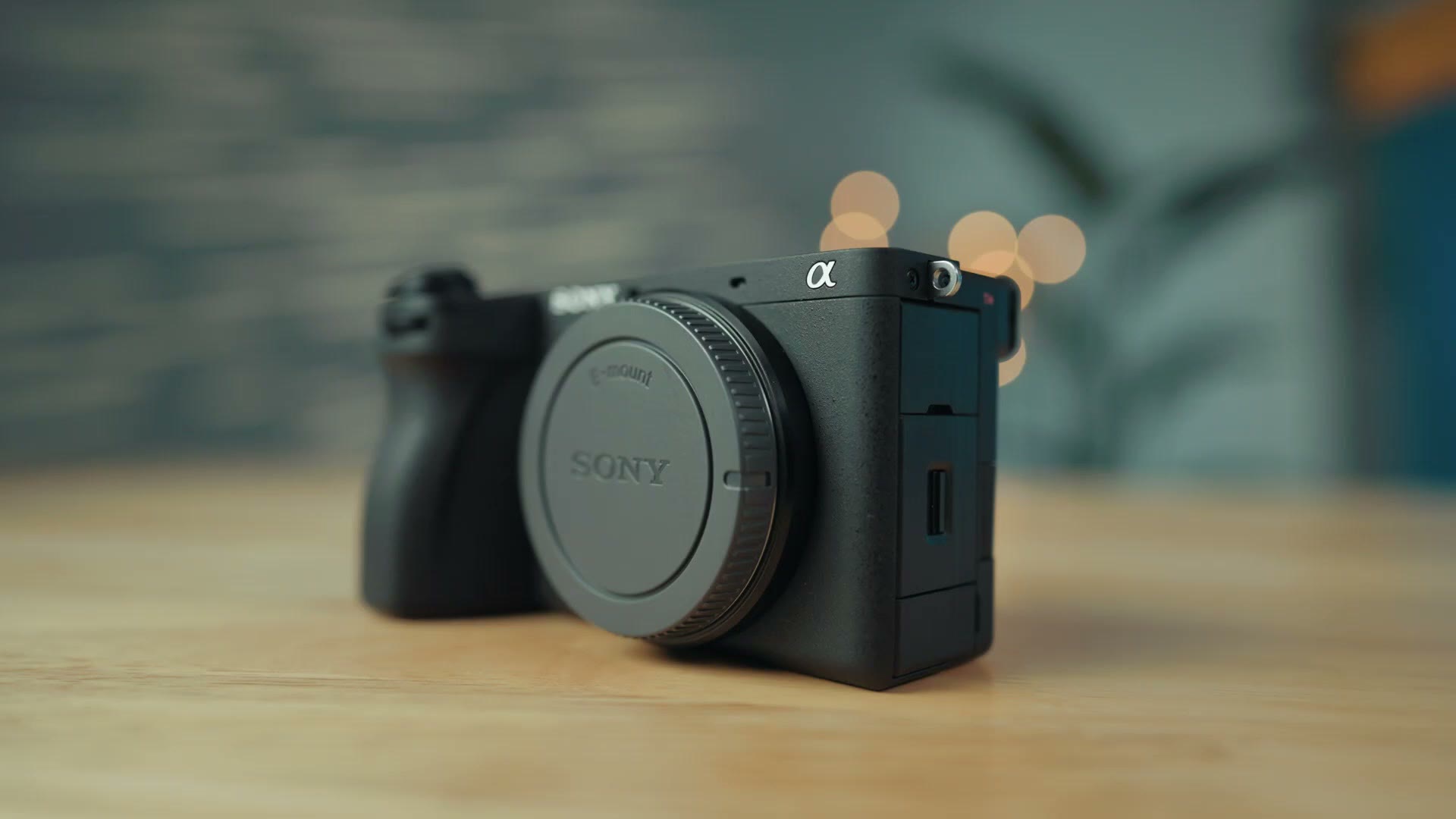
After years of waiting, Sony’s a6700 is finally here, and today I am reviewing this camera from the perspective of a wedding filmmaker, so if you film weddings or documentaries or literally anything else for that matter, this one is for you.
I am also going to spoil the conclusion of this review right now, because I respect your time. The a6700 is small, but it is an absolute powerhouse packed full of nearly every single video feature you get from Sony’s full frame cameras, in a significantly more affordable package that is great for photography too. Those features are incredibly impressive, but unfortunately they are also this camera’s downfall, because it has an overheating risk if you are filming outdoors on a hot day in direct sunlight. In short, if you are a brand new hobbyist filmmaker, or a hybrid filmmaker and photographer with a limited budget, this is still a great camera. But if you want a camera for wedding filmmaking and you can afford a bit more, the Sony FX30 will give you more pro features and more reliability, like dual SD card slots and a guarantee of no overheating.
Also, for the sake of ethics, I want you to know this video is not paid or sponsored by Sony, but they did loan me the camera early so I would be able to make this review, and I have to send it back to them very soon.
How Did We Get Here?
Come back with me now to February 2016. Less than six months prior, Sony had released the a7S II, a camera I absolutely loved and used for five years before finally upgrading to the a7S III. Then 2016 brought a very interesting update in the form of an APS-C camera named the a6300, and filmmakers and photographers like me were frankly shocked, because Sony had essentially taken all of the video features of their flagship a7S II and crammed them into an APS-C body that could record 4K video for a dramatically cheaper price.
That really sums up Sony’s product strategy, and we can watch it play out in exactly the same way here. Just like Sony took all of the features of the a7S II and put them into the dramatically more affordable a6300, Sony released a little camera in 2020 that I happen to be filming this video on right now, the a7S III. And now here we are at the a6700, a camera that puts all of those features plus more into a much cheaper APS-C body.
I am sure some of you are thinking, or typing in the comments, “Matt, it has taken Sony three years after the a7S III to make this camera, whenever they released the a6300 about four months after the a7S II.” And you are right, but I also want you to consider that the a6300 was limited in some of its capabilities. It did not have features like in body image stabilization, which would not arrive until about eight months later with the a6500. Sony then also released the a6400, a6600 and a6100, all of which either added or removed features to hit different price points. Heads up: this link goes to the newer Sony a6700.
With the a6700 though, it almost feels like Sony has jumped over all of those other iterations. It really is not fair to compare the a6700 to the a6300, because this camera has so many more features. Yes, it has taken three years to come out, but in relation it feels a lot more like the a6600 felt compared to the a7S II, not the a6300. And guess how long it took Sony to release the a6600? Three years. See my point?
Improvements Over Previous Sony a6000 Cameras
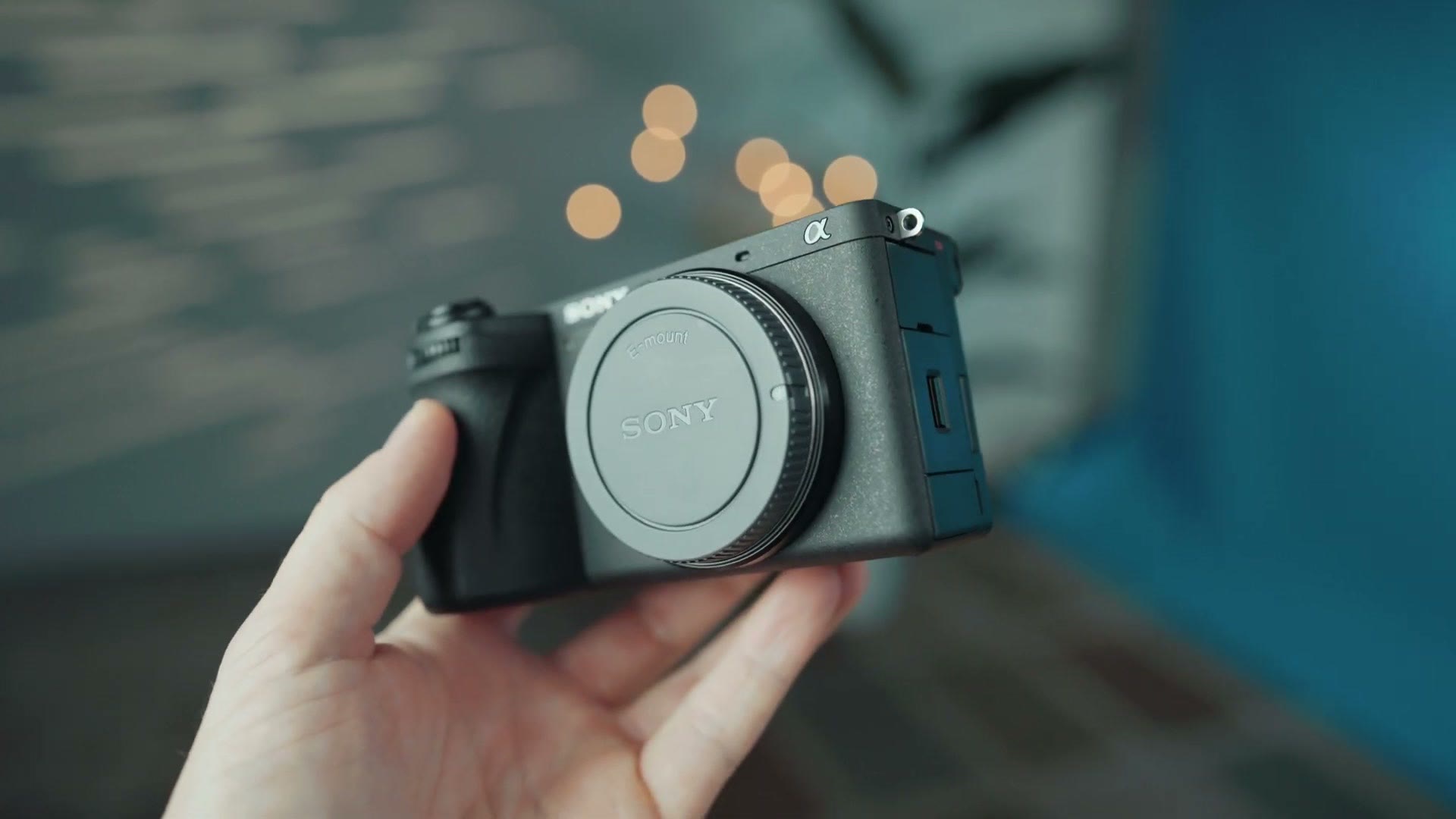
History lesson out of the way, we really need to talk about the features and capabilities of this camera, and starting off, just look at this thing. Yes, it does feel a bit like Sony’s earlier APS-C cameras like the a6600, but it is clear Sony took the time to improve basically every single feature. The camera itself is a bit bigger, but as a benefit that means the grip has been beefed up and it is now much more comfortable to hold. Look, my pinky fits on it. That is nice! If you have used a previous a6000 camera, you know how important a pinky grip is.
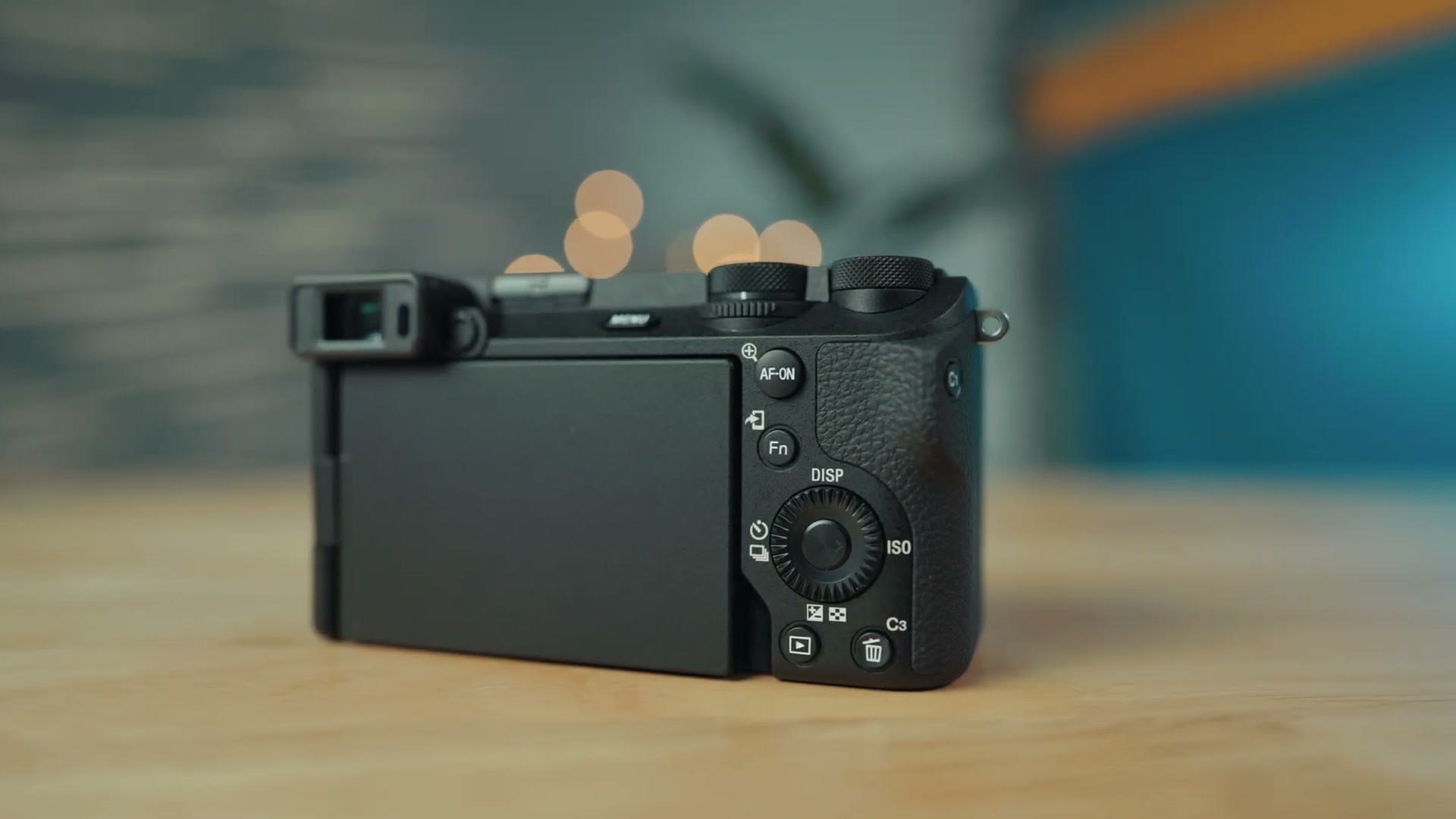
In addition, after the really sad flip around screen experience of the a6400, which I bought and then had to buy an aftermarket adapter for so I could move the microphone mount over and actually see the screen while using a shotgun mic, the a6700 adopts the very popular flip around screen we have seen on the a7S III and a lot of other newer Sony cameras. Unfortunately this is not the hybrid flip around, flip up screen you may have seen on the Sony a7R V, which so many people love, myself included, but regardless, this screen is still a massive upgrade over my a6400 and in my opinion over all of the other Sony a6000 series cameras too.
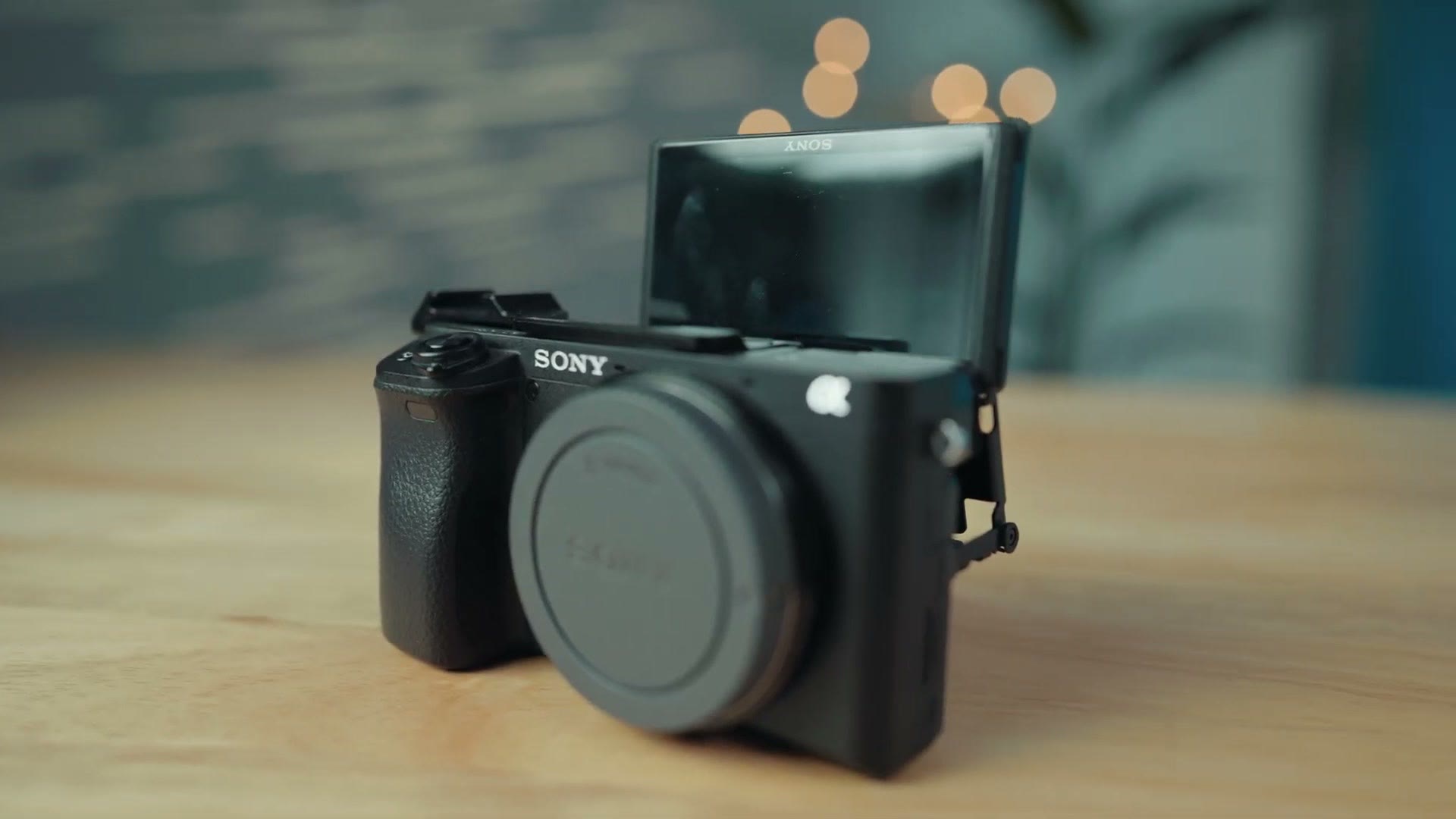
Sony has also improved the overall layout of the camera. They did not just make the grip larger, they also added a lot more buttons and dials. With my old a6400 it sometimes felt like such a chore to change any camera setting, because Sony had stripped back the number of buttons and dials from their full frame cameras. Thankfully it appears Sony has realized that was an ergonomic nightmare, and just like how they have gradually made their full frame cameras incrementally bigger every generation, which has only improved ergonomics, I am so glad to see them applying that to their APS-C line as well. You have a new dial on the front and a dedicated record button, and I think you are going to be incredibly happy about that.
They did keep one old holdover that I had forgotten about from previous Sony cameras though. Look at this little C1 custom button placement. This used to be the video record button on early Sony cameras, and it was such a pain to press, because you had to move your thumb in such a weird way that it hurt and it would be sore after filming a wedding for a while. Yeah, I just reprogrammed the button, but now you do not have to use it at all if you do not want to. You can just ignore it and use the big record button on top.
Inputs And Outputs
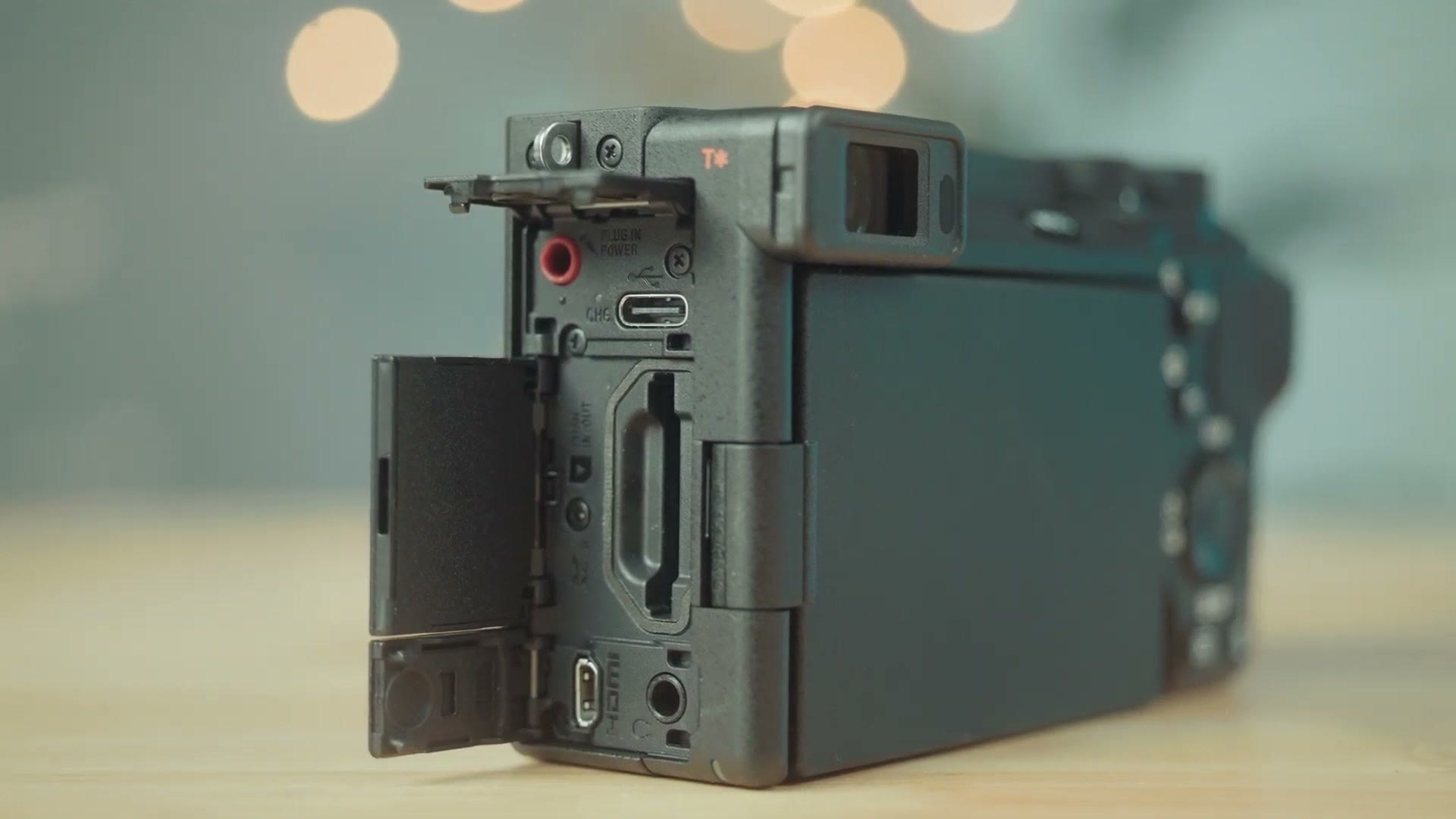
Now as far as things you will not be happy about, once we open up the side panel of this camera you are going to be a bit more disappointed. The first thing you notice is that while there is a USB-C input for power plus headphone and microphone jacks, and the hot shoe also accepts Sony’s digital shotgun microphones by the way, which is awesome, the camera only has a micro HDMI port. I assume that is most likely due to the size of the smaller camera body overall, but nobody likes micro HDMI.
SD Card Slot (Uh Oh)
Honestly though, that is not what you are going to be upset about. What you are going to be upset about is this little slot in the middle of the side panel. If you have ever used one of Sony’s older APS-C cameras, you may remember that the SD card slot was stored right next to the battery, which was kind of a pain to access, because any time you wanted to swap your memory card you had to open up the battery door, and if your camera was mounted to a gimbal or a tripod, that could mean dismounting your entire setup just to swap a card. That was a big pain. Thankfully Sony has fixed it, and moved the SD card slot to this side of the camera right next to all of the other inputs and outputs, so it is very easily accessible.
But I did say you were going to be unhappy, and you have probably guessed why just by looking at it. The a6700, for all of its improvements over its predecessors, only has one SD card slot. Yes, you can cry now if you need to. I know that I did whenever I first discovered this.
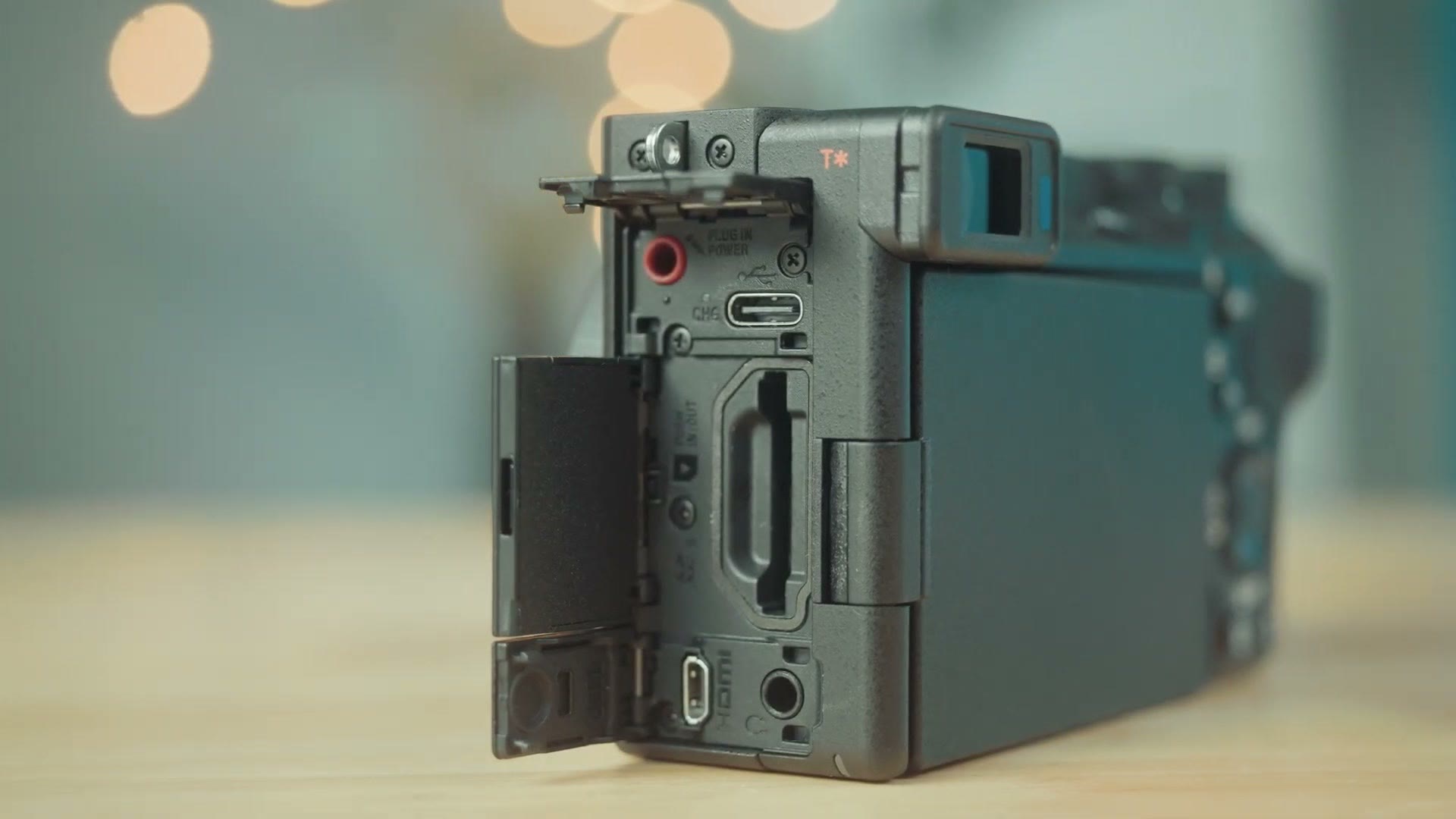
Sony was so close. For weddings and other professional filmmaking, I really try to recommend cameras with dual memory card slots for backup recording, because that is one less area where your recording could fail. That said, I kind of get it. None of Sony’s previous cameras in the a6000 line have had dual SD card slots, so it is not a total surprise they would not include them here. Plus, for my first decade of filming weddings with Canon and Sony cameras, none of them had dual memory card slots and I never had an unrecoverable card failure, so I would not necessarily let this camera’s single SD card slot keep you from buying it for professional work. The overheating, on the other hand, that may keep you from buying it. More on that in a little bit.
All that said, Sony does have an alternative if you are willing to spend a bit more. They have a little camera called the FX30, and that camera does have dual SD card slots and does support simultaneous recording to both of them, so if you are really worried about dual memory card slots I would spend a bit more money and get that camera. Here is my FX30 review if you want to watch it.
Video Formats And Frame Rates
Speaking of the FX30, the a6700 unsurprisingly has a ton of similarities with that camera, and what may actually end up surprising you, because it surprised me, is that both of these cameras share essentially the same sensor. We have got to talk about that sensor and what it can do, because it is really impressive and it is a massive leap over previous a6000 cameras.
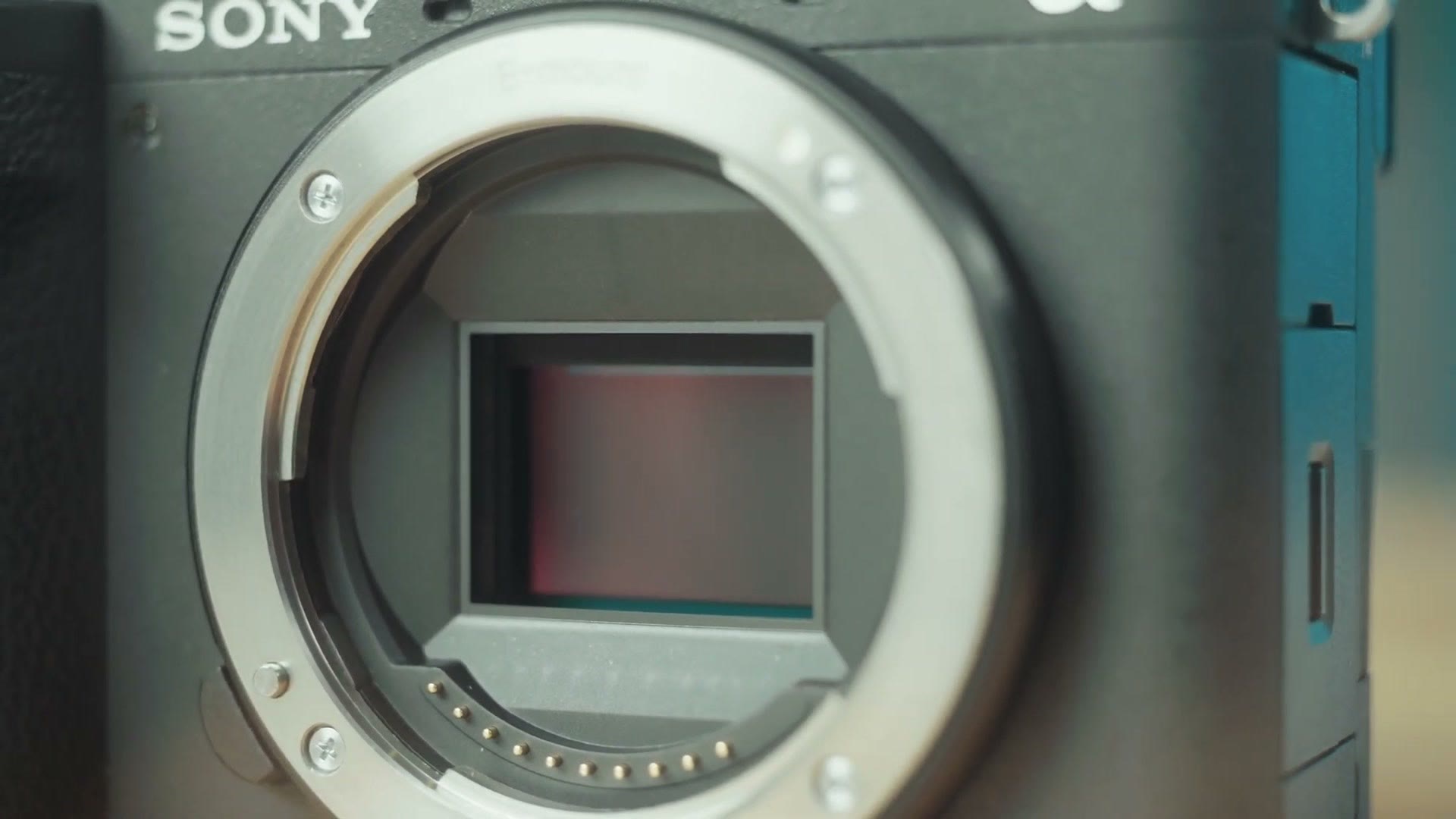
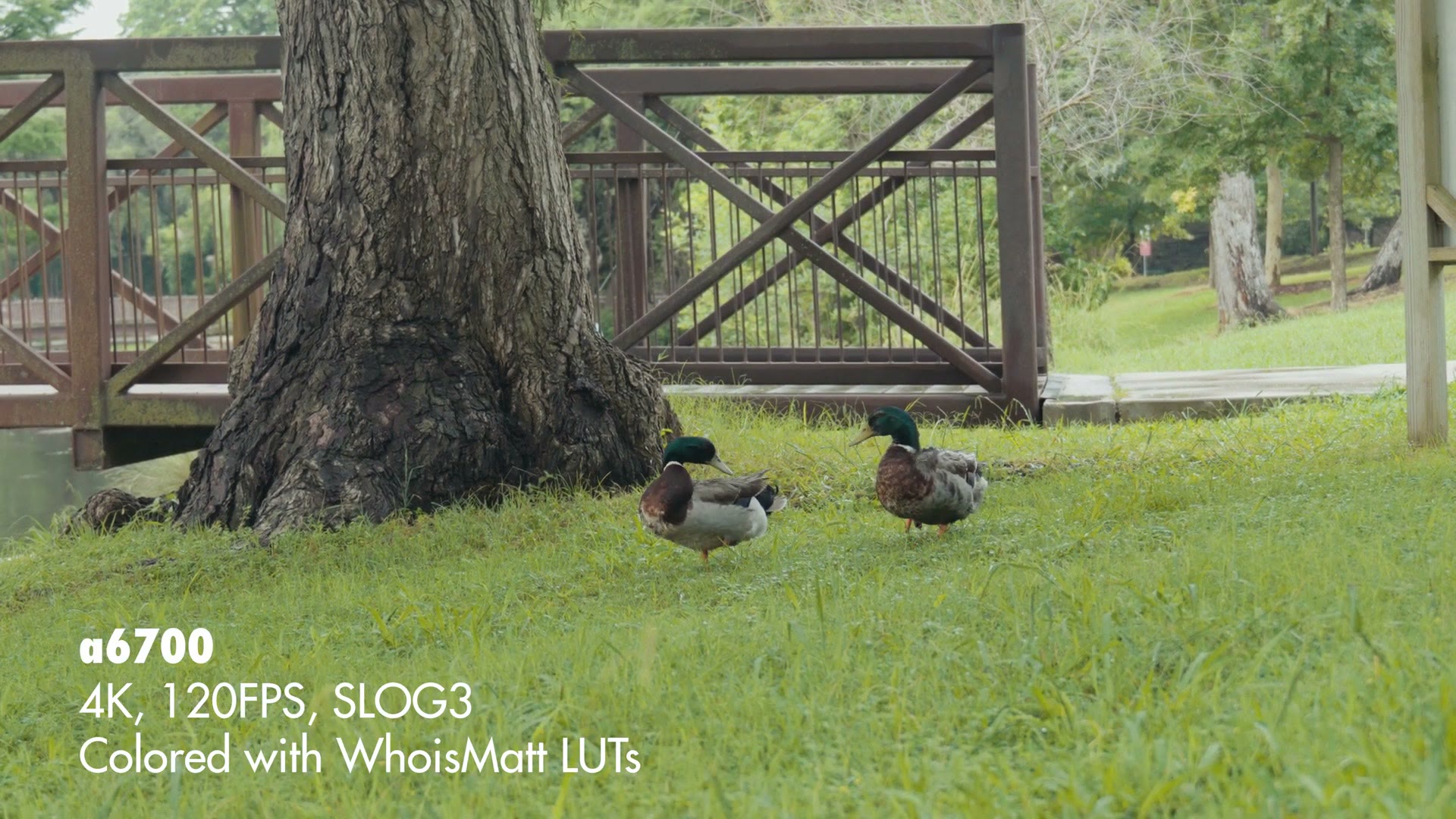
From a video recording standpoint this camera is a powerhouse. You can record 4K at up to 120 frames per second, which does come with a 1.35 times crop, but you can also record 4K 60 with no crop, and 1080 HD at up to 240 frames per second. It does all of this in 4:2:2 10-bit, just like you would get from any of Sony’s full frame cameras, which means yes, this camera will match up extremely well with them.
ISO Lowlight Performance
For an APS-C camera it is also quite good in low light, and just like the FX30 it appears to have the same dual native ISOs at 800 and 2500. I would feel comfortable cranking that ISO up much higher, especially if you are using prime lenses that are f/1.4 or f/1.8.
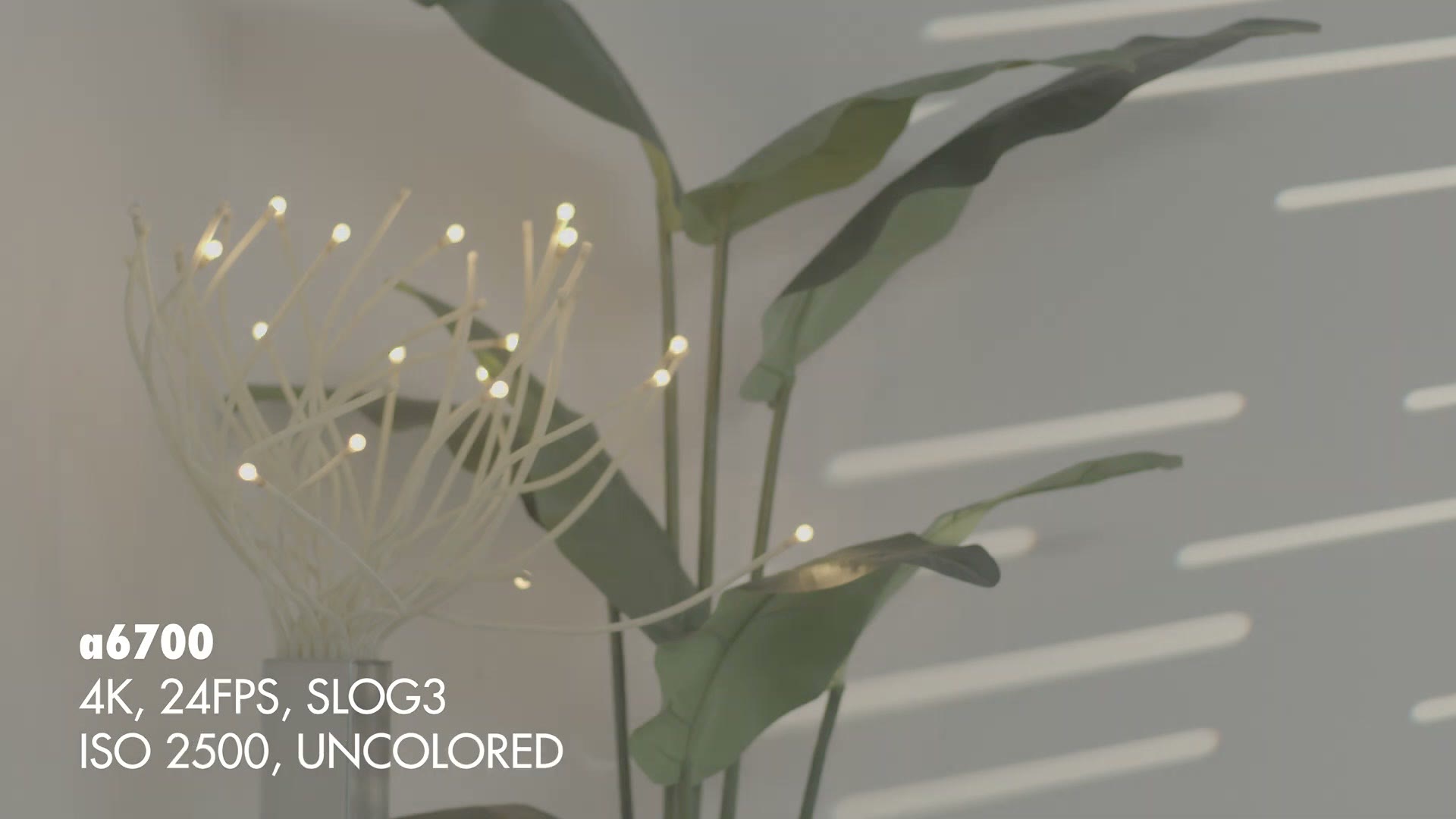
Of course the a6700 also includes all of Sony’s picture profiles like S-Log3 and S-Cinetone, which is great, but there is unfortunately no Cine EI mode, as it appears Sony has decided to keep that mode for their Cinema Line cameras. So you have got to get the FX30 if you want that option. Incidentally, if you do not know what Cine EI is and you are interested in learning more about it, here is my Cine EI explainer, which will show you everything you need to know.
Interestingly though, while I said this camera does not have Cine EI, one feature it does pull from the Cinema Line is that you can load a custom LUT onto your footage preview in camera. That is awesome and I love to see it. This is also yet another review of a Sony camera where I get to tell you the good news that Sony has added all of their latest camera software features to a new camera. While people like me continue to complain that cameras like the a7S III keep getting left behind whenever it comes to new software features, with cameras like the a6700 Sony is making sure all of their previously announced software features actually show up. So you are getting focus breathing compensation and a focus map, and even more than that, you also get new features Sony introduced in their more recent cameras like the ZV-E1, so you can do cool things like put this camera on a tripod and have it automatically punch in and make sure you stay in the frame. It’s pretty cool. Not to mention, this camera also includes Sony’s AI chip that we first saw on the a7R V, so it is going to be incredibly accurate whenever it comes to autofocus.
The Overheating Risk
Now we need to take a second and go back to that comparison between the a6700 and the FX30, because while they are very similar, there are two big differences. The first is those dual memory card slots on the FX30. The other one is very important too, and that is that the FX30 has a fan, which essentially guarantees it will never overheat. Looking at the a6700, there is no fan anywhere. And if you think back to Sony’s older a6000 line, those cameras were notorious for overheating.
So how do you think the a6700 fares? Well, in my testing, which thankfully we are right at the start of summer here in Texas where it is brutally hot and average temperatures are starting to creep close to 100 degrees Fahrenheit, I was able to really test this, and boy, what a test it was.
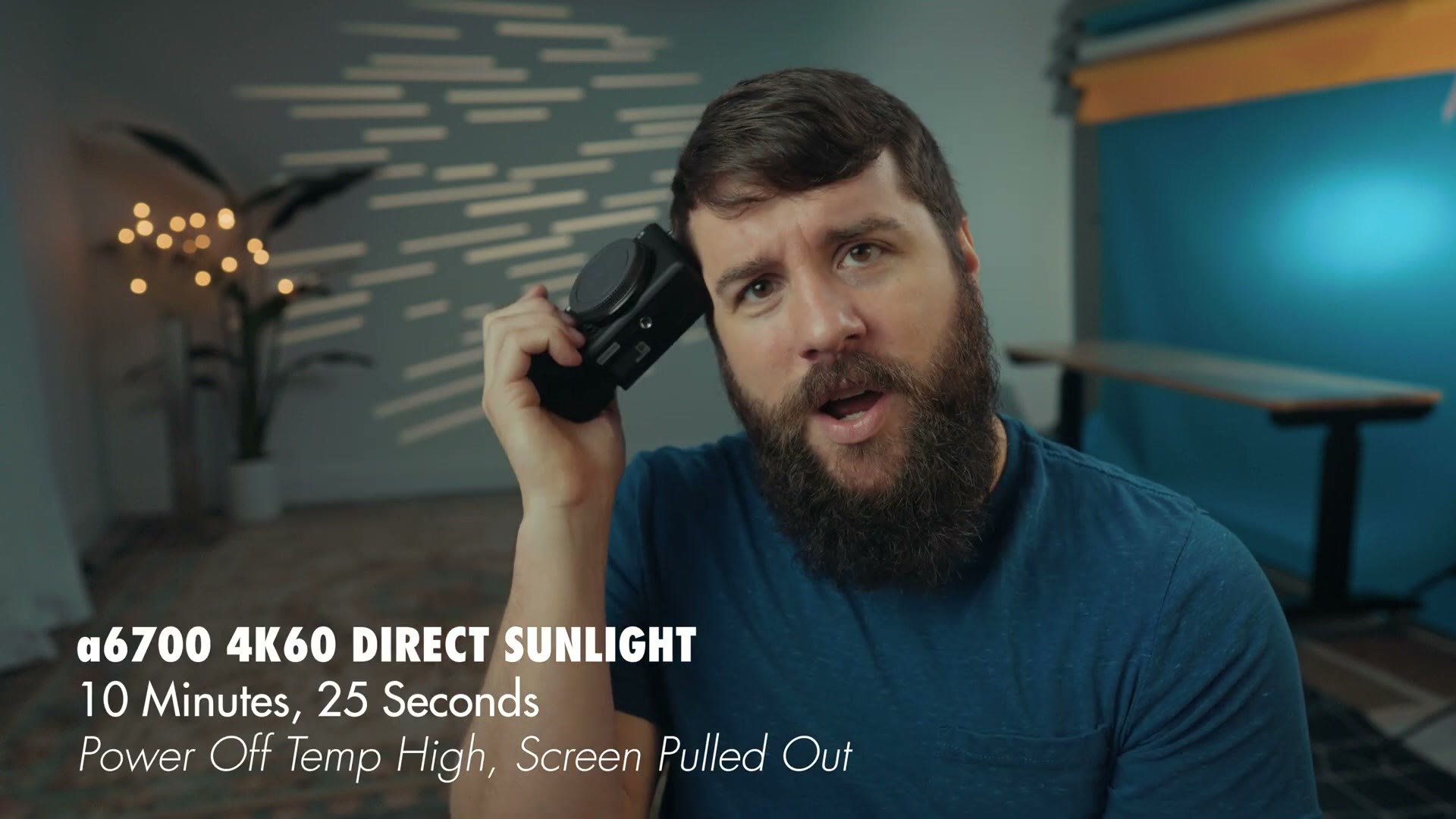
I put the a6700 outdoors in direct sunlight while it was 92 degrees outside, with auto power off temperature set to high, the screen pulled out, and the camera set to record 4K 60 frames per second in XAVC HS. I was prepared to stand outside in the heat and babysit this camera for a while, but unfortunately I did not have to wait long, with the camera overheating and shutting down in 10 minutes and 25 seconds. Bummer.
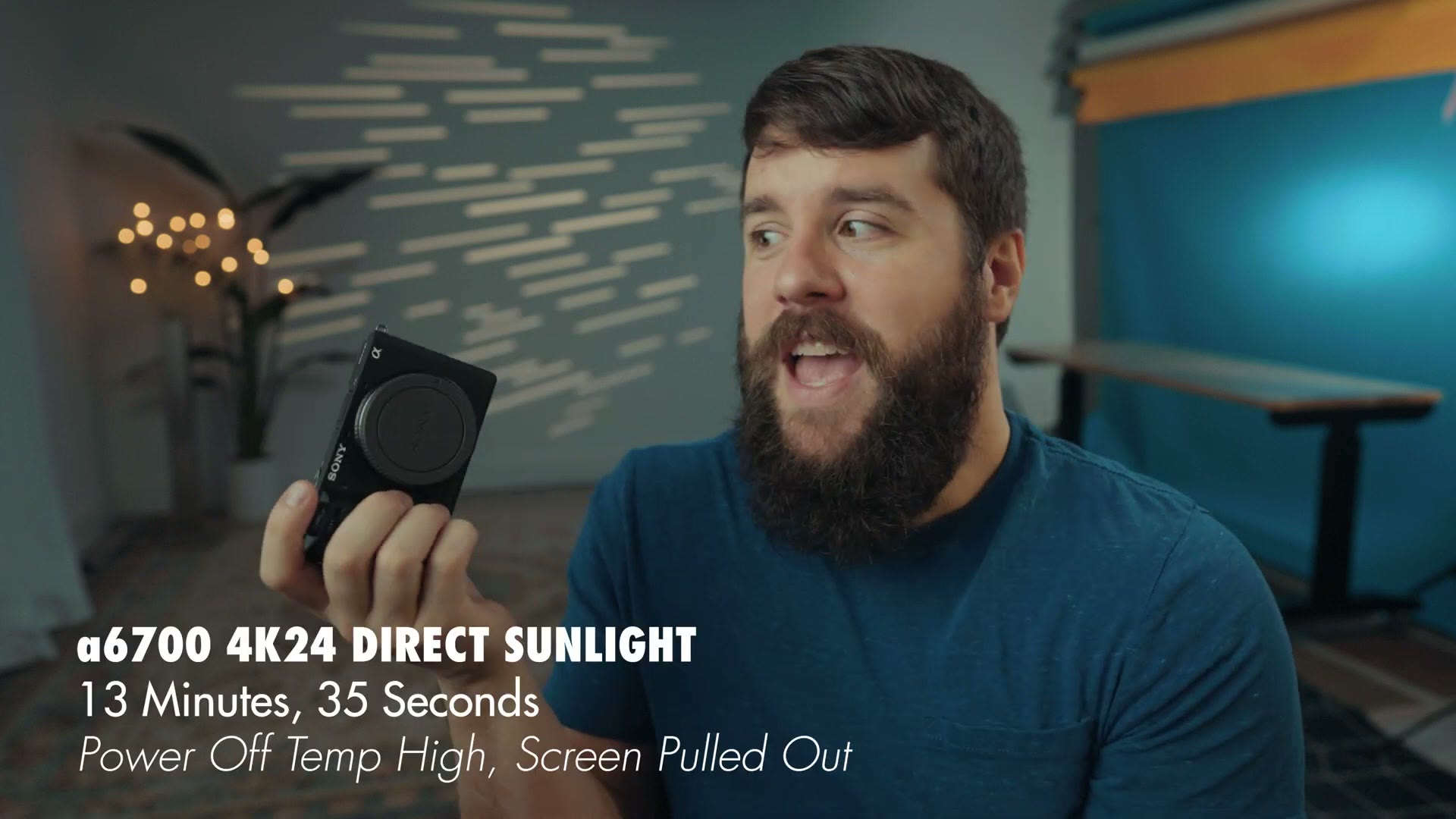
I then took the camera inside to cool off before testing it again with the same settings, just recording at 24 frames per second instead of 60, to see if it performed better. Unfortunately performance was not much improved, with the camera only lasting 13 minutes and 35 seconds.
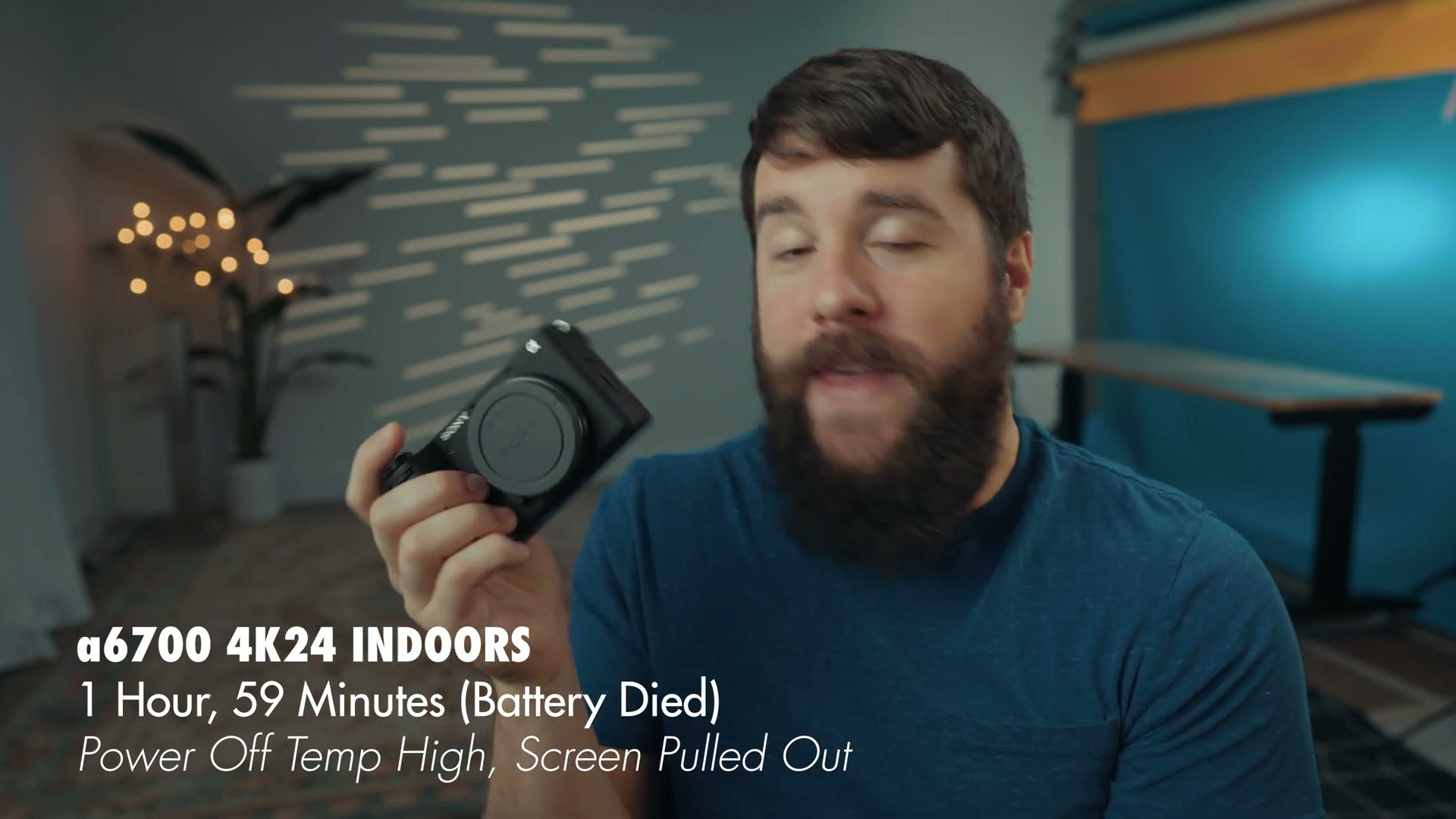
Of course I also tested the camera indoors with all the same settings, in my studio with the air conditioning set to 72 degrees, and with those settings the a6700 recorded 4K 60 for 14 minutes and 24 seconds before shutting down, which was not a massive improvement over the outdoor test. Thankfully, after letting the camera cool and setting it to record 4K at 24fps still in that 72 degree room, the a6700 went on to record for about an hour and 59 minutes before the battery died, without ever overheating.
So what can we learn from all this, other than that I almost got sunburned? Well, first of all, let me just say that I am really impressed by the Sony a7S III. That camera does not have a fan either, and Sony somehow made it able to withstand temperatures even hotter than I tested the a6700 in without overheating, even in 4K 60. It is just an awesome camera.
Anyways, the a6700 is significantly less impressive than the a7S III in regards to overheating, and it is really hard for me to recommend it to users who film weddings, because of the risk of your camera shutting down mid recording. If you live in a cooler climate and you only film wedding ceremonies in 4K at 24fps, you may be alright, but if you are someone who films in 60fps a lot, this may be an issue. And if you film weddings in a hot climate like me and you commonly find yourself filming outdoors, that is another argument for you to heavily consider the extra cost of the FX30 over the a6700, because you should never have to deal with overheating on that camera thanks to its fan.
The Impressive Price
Speaking of extra costs, this is where we need to talk about the pricing of the a6700, because I am actually incredibly impressed by the price point Sony was able to hit. Sony told me this camera is going to retail for 1,400 dollars, which I was frankly shocked by. You can buy the a6700 at B&H, at Adorama, at Best Buy or direct from Sony.
Remember how I said at the start of this review that Sony follows a predictable trend, where they release a high end, expensive full frame version of a camera and then follow that release with a dramatically more affordable APS-C model? That is exactly what they have done here. What is more impressive is that even with inflation, Sony hit this price, because whenever the a6600 first came out it cost 1,400 dollars and that camera has way less capability. So it is kind of crazy that here we are four years after that camera came out, seeing a major successor release at virtually the same price.
Should You Buy The a6700?
The price is really impressive. But should you buy it? Well, like I said at the start, if you are a brand new hobbyist filmmaker, or a hybrid filmmaker who shoots photo too, or you just have a limited budget for a new camera, I think the a6700 is a great choice. You get an insanely large amount of features that you would normally have to buy one of Sony’s much more expensive full frame cameras to get, plus you get the exact same video quality as those more expensive cameras, all for a very affordable price.
That said though, the specter of overheating rears its head again with a Sony camera. If you want to use this camera to film weddings, where you need to record ceremonies outdoors in higher temperatures for longer periods and you cannot have your camera fail, and if you want the less stressful filmmaking experience that comes from a camera that will never overheat and has dual memory card slots, in that case I would recommend the FX30 over the a6700. That camera will give you many of the same features in a safer body, and here is my FX30 review if you want to watch it.
I colored all of the footage you have seen in this video with my color presets, which will get you amazing colors in your videos whether you are filming with a Sony camera or any other camera for that matter.

I will also throw in my free YouTube Tips for Wedding Filmmakers guide. This guide is going to show you how to get more views, likes and bookings for your wedding films on YouTube, so if you are a wedding filmmaker, check it out.
If you want to go deeper, I have filmmaking courses here, and here is my full list of filmmaking gear.
Thanks so much for reading, and have a great day!