
Sony may have made the ultimate wide angle gimbal lens. Lightweight, affordable, and with a low f-stop. Seriously. This is the Sony 16-25mm f/2.8 G.

If you watched my review of the Sony 24-50mm f/2.8 G, this lens is going to feel very familiar to you, because Sony has essentially taken the same body and features from that lens and made an even lighter and wider one out of it.
So let’s talk about it, because I think this is a really compelling lens, especially if you’re a wedding filmmaker, or you do corporate or commercial work, and you’re looking for something lightweight and wide angle that you can throw on a gimbal and still get good low light performance out of.
I’ll also preface this by saying it’s not paid or sponsored by Sony, but they did loan me this lens so I’d be able to make the review, and I’ll be returning it to them very soon.
A Word From My Sponsor
This one does have a sponsor though, my friends at MediaZilla. If you want to deliver a video to a client and give them a high quality viewing experience that feels like Netflix, with a menu and an easy to use player, forget YouTube, forget Vimeo, you need to be using MediaZilla.
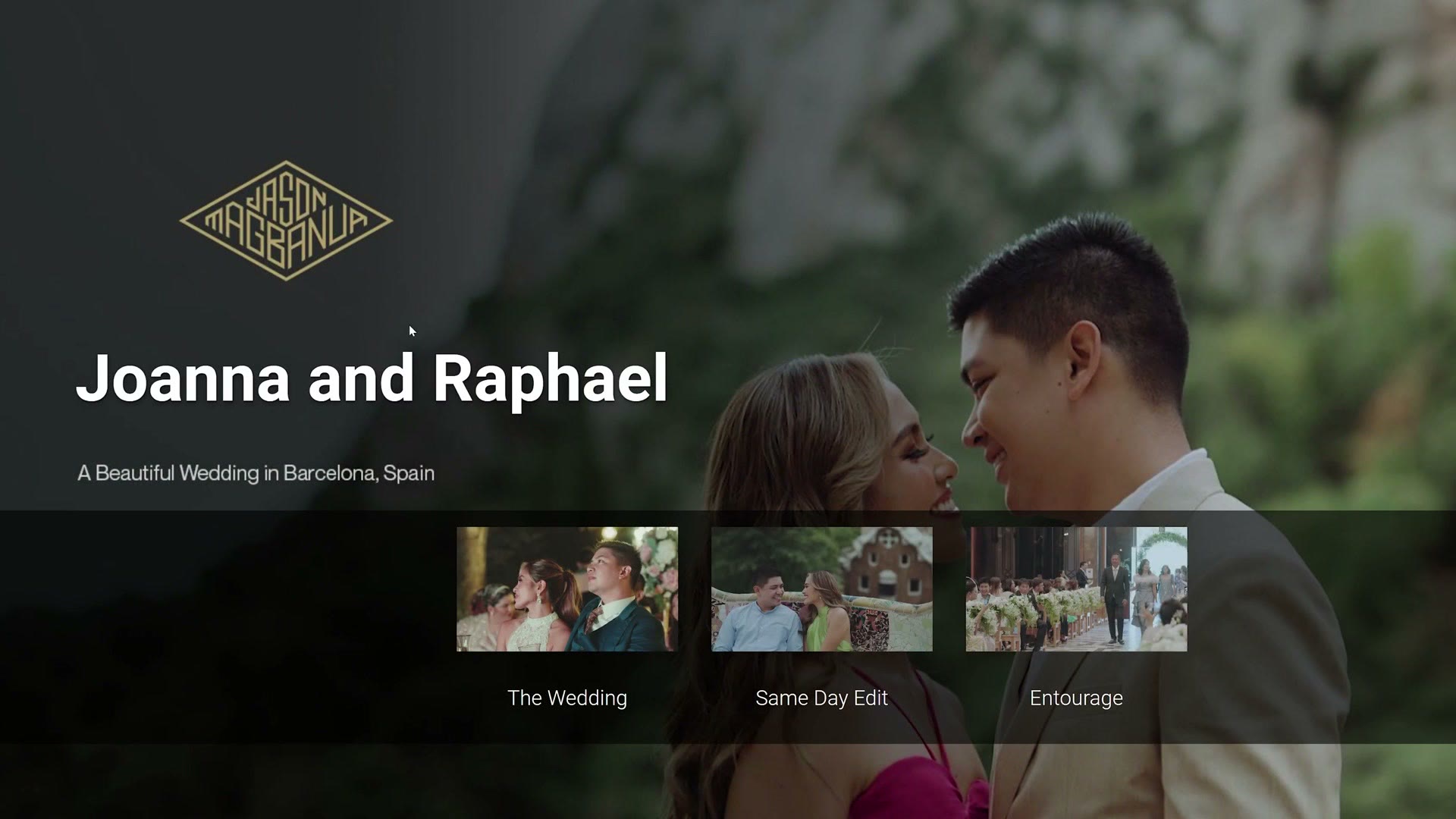
There are no ads, no distractions and definitely no copyright claims, just an extremely customizable way for you to present your videos to your clients that looks absolutely gorgeous. Click through and sign up for a free 14 day trial and get a bonus 50GB of storage, and see for yourself why MediaZilla is the best way to send videos to your clients.
Why This Lens Is So Compelling
Personally, I use a Sony 24mm f/1.4 GM on a gimbal at every wedding I film, but the thought of being able to go even wider, all the way out to 16mm for some really dramatic landscape shots, is pretty cool.

Not to mention, I know vlogging isn’t nearly as popular as it once was, or at least that’s how it feels to me, but if you want to carry your camera around and film yourself, this may be one of the best lenses out there to do it with, because it’s so wide while still being compact.
The Body And Controls
Like I said, this is essentially the same body as the 24-50mm I recently reviewed. It’s very slightly longer, but otherwise it’s basically the same, so whenever we talk about the features it feels very deja vu to me.
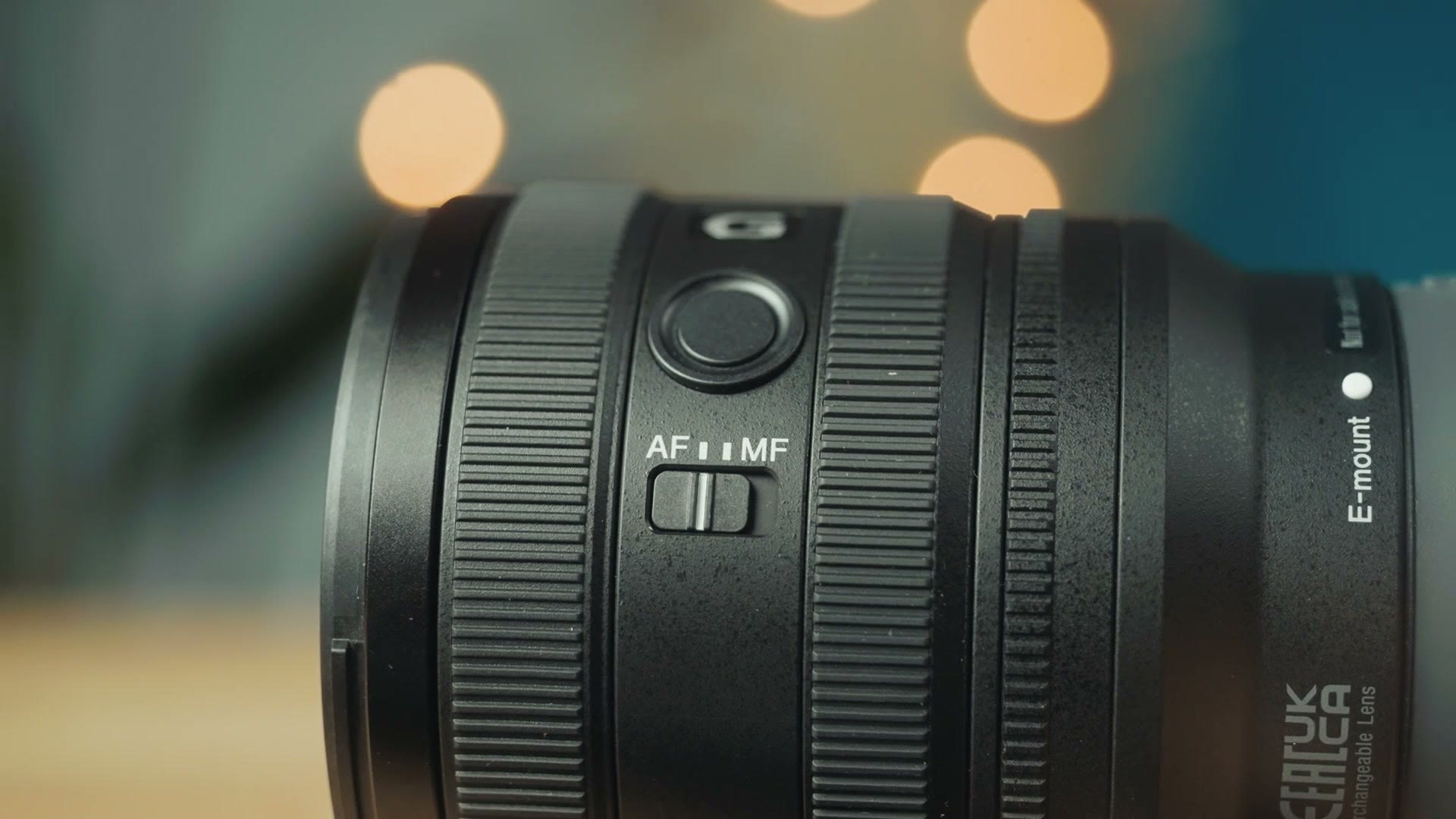
This is a Sony G lens, so you get all the newest features you’d expect: an aperture control ring with a de-click switch, an autofocus and manual focus switch, and a programmable button. It’s all here.
And this was the only real quirk of the 24-50mm as well: this lens extends in reverse. What I mean is that the 16-25 is at its shortest at 25mm and its longest at 16mm, whereas on most lenses it would be the other way around, shortest at the wide end and extending as you zoom in.
It’s definitely a little unintuitive, but the main thing I want you to be aware of is that as long as you set the lens to about the midway zoom point and then balance it on your gimbal, because this lens is so lightweight you should have zero issues with the gimbal holding balance, even if you zoom in or out, because it’s barely changing the center of gravity.

It’s Lighter Than The 24-50
There’s one difference between the 24-50 and the 16-25 I want to draw your attention to, and that’s that the 16-25 is surprisingly lighter.
Usually, in my experience, the wider a lens gets, the more glass has to be used, which increases the weight. But not so with this one. The 16-25 comes in at a very respectable 409 grams, which is 31 grams lighter than the 24-50mm, at 440. That’s very welcome and I love seeing lenses get lighter. You’re especially going to appreciate it if you’re filming a long wedding day, because it’s going to help keep your arms from getting tired.
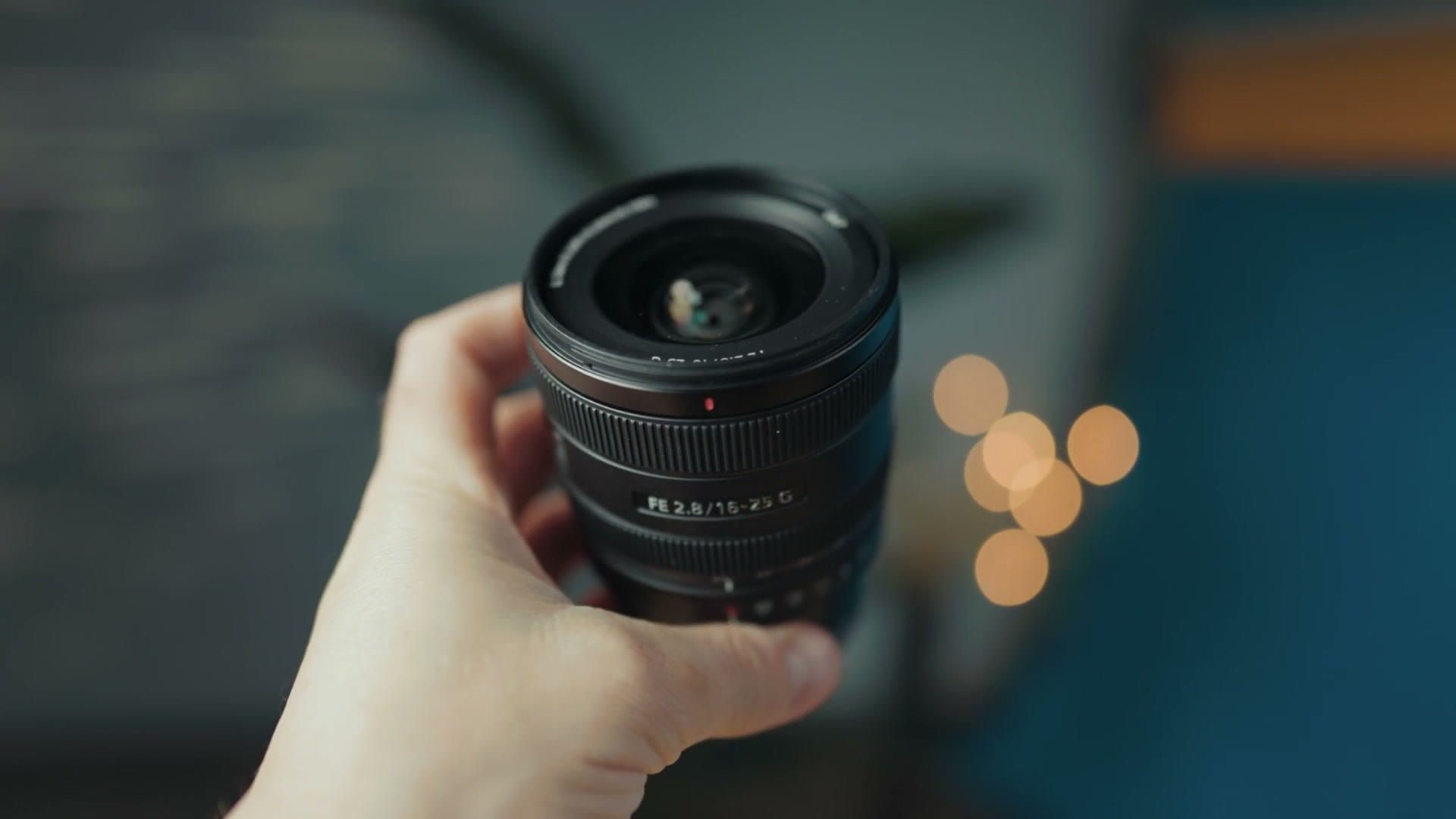
Image Quality
Image quality wise, this lens is stellar as well. It’s sharp even out to the edges and the colors look crispy. I mean, it’s a modern Sony lens. I’d be shocked if it didn’t look great.
Speaking of which, Sony’s 14mm F1.8 is the ULTIMATE Lens for Astrophotography & Landscape Timelapses and ASUS ProArt 6K Review: The Ultimate Monitor for Video Editors are worth a look too.
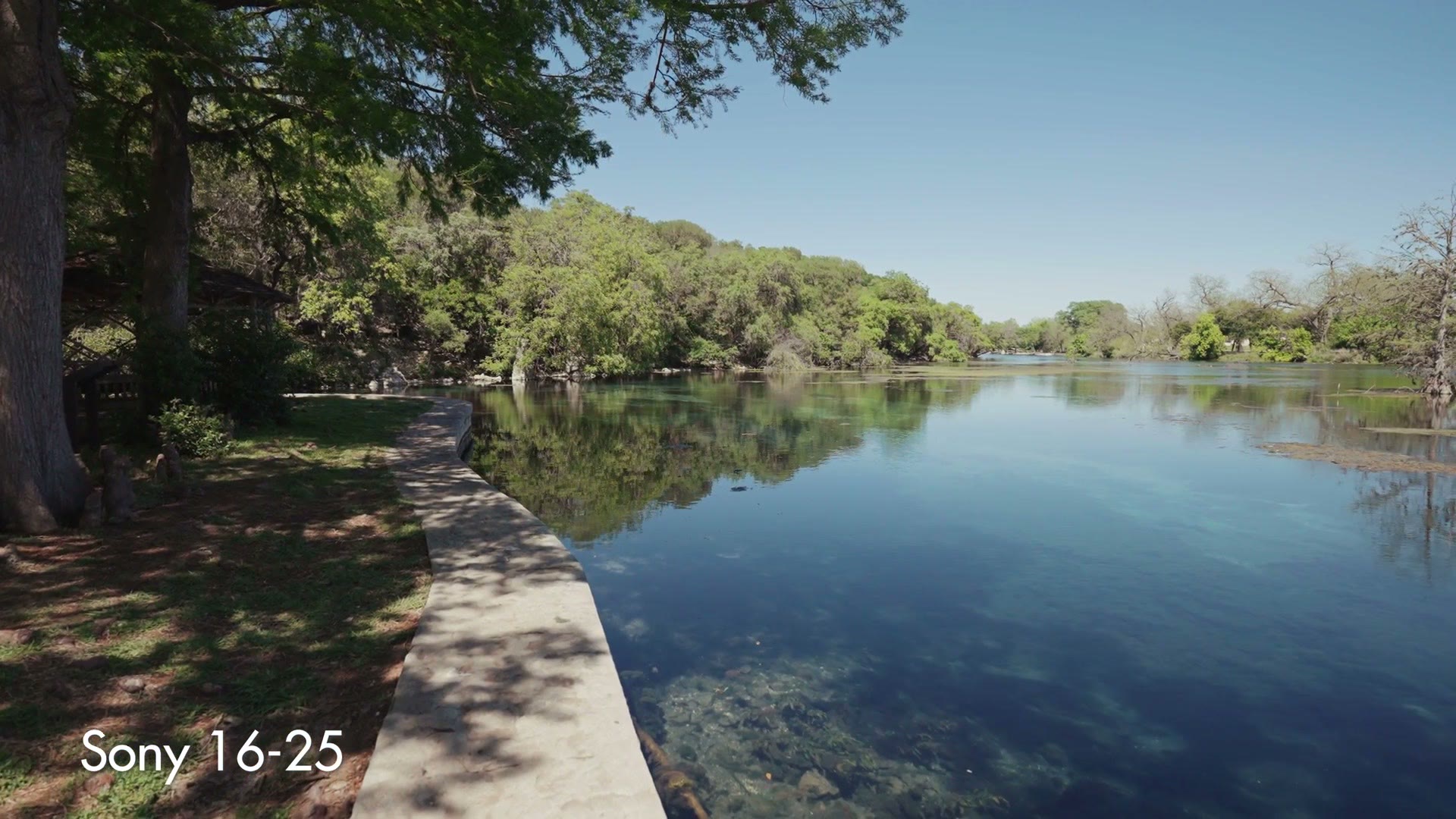
Just like with the 24-50mm I reviewed, I feel like Sony could have put a GM on this lens instead of a G. But because it has a weirder zoom range of 16 to 25mm, that’s probably why they kept the G naming.
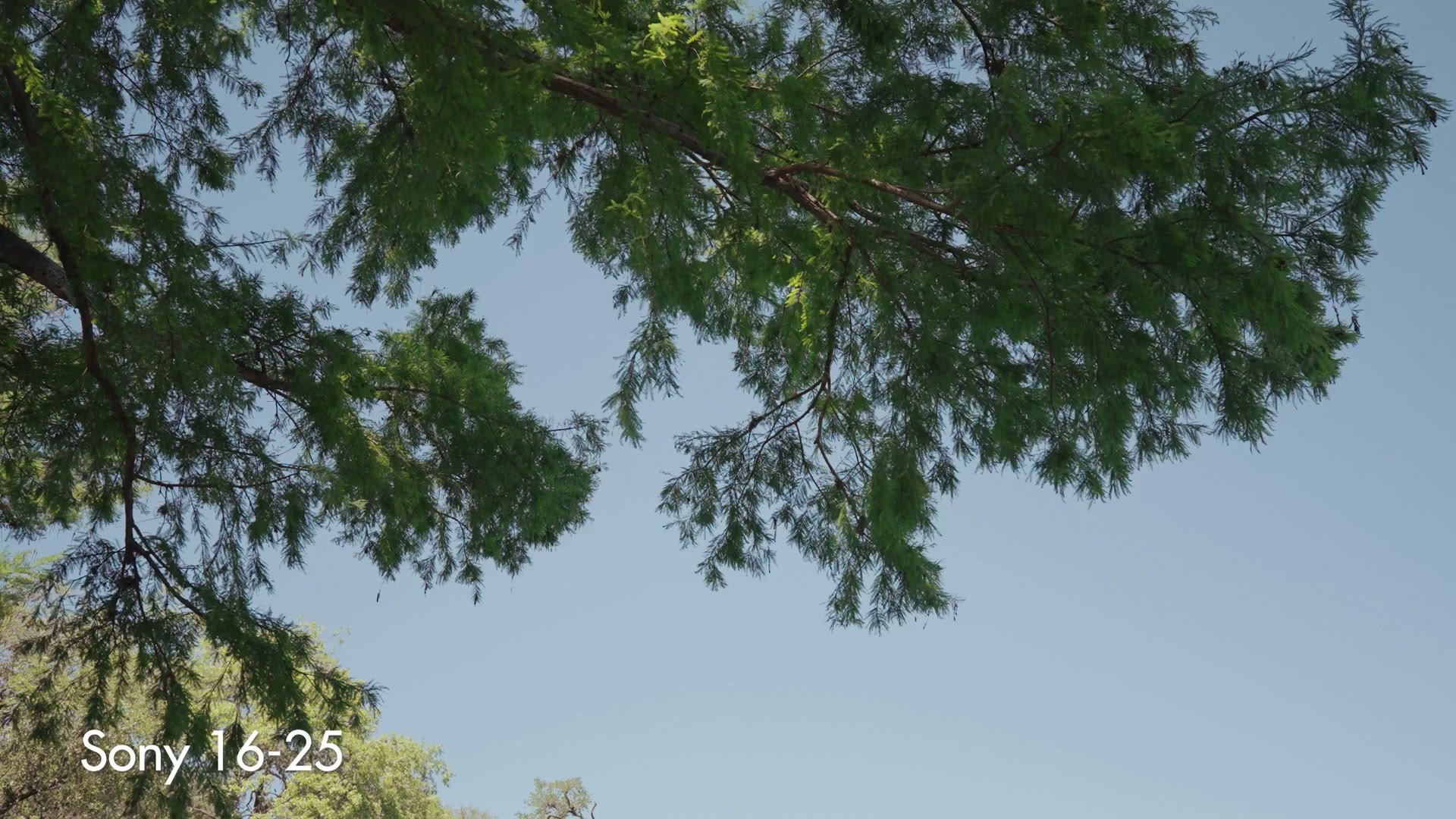
Autofocus And Focus Breathing
Autofocus is fast and responsive, just like you’d expect from a newer Sony lens.
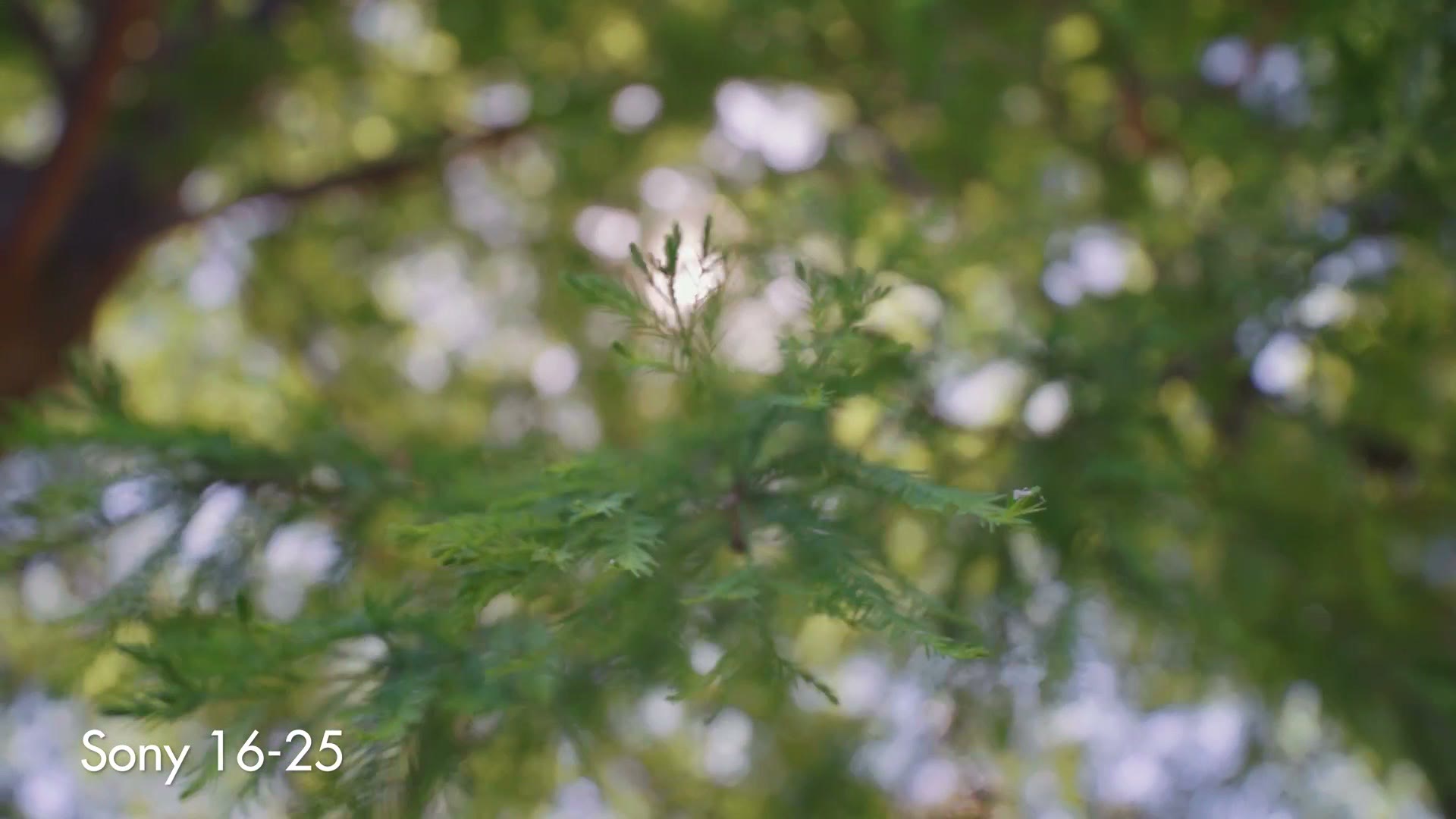
And thankfully, Sony has finally added focus breathing compensation to my a7S III, which was one of the last holdouts among their newer cameras. So as long as you have a Sony body from the last few years, you shouldn’t need to worry about focus breathing. Just turn on compensation.
That said, if you don’t want to use compensation, or you don’t have access to it because you’re on an older camera, focus breathing is visible on this lens, but it’s very minimal compared to other lenses I’ve used.
So Should You Buy It?
It’s definitely a nontraditional focal length. But let me put it this way. I’m a prime guy. I love using prime lenses whenever I can, and with a prime I’m limited to one focal length.
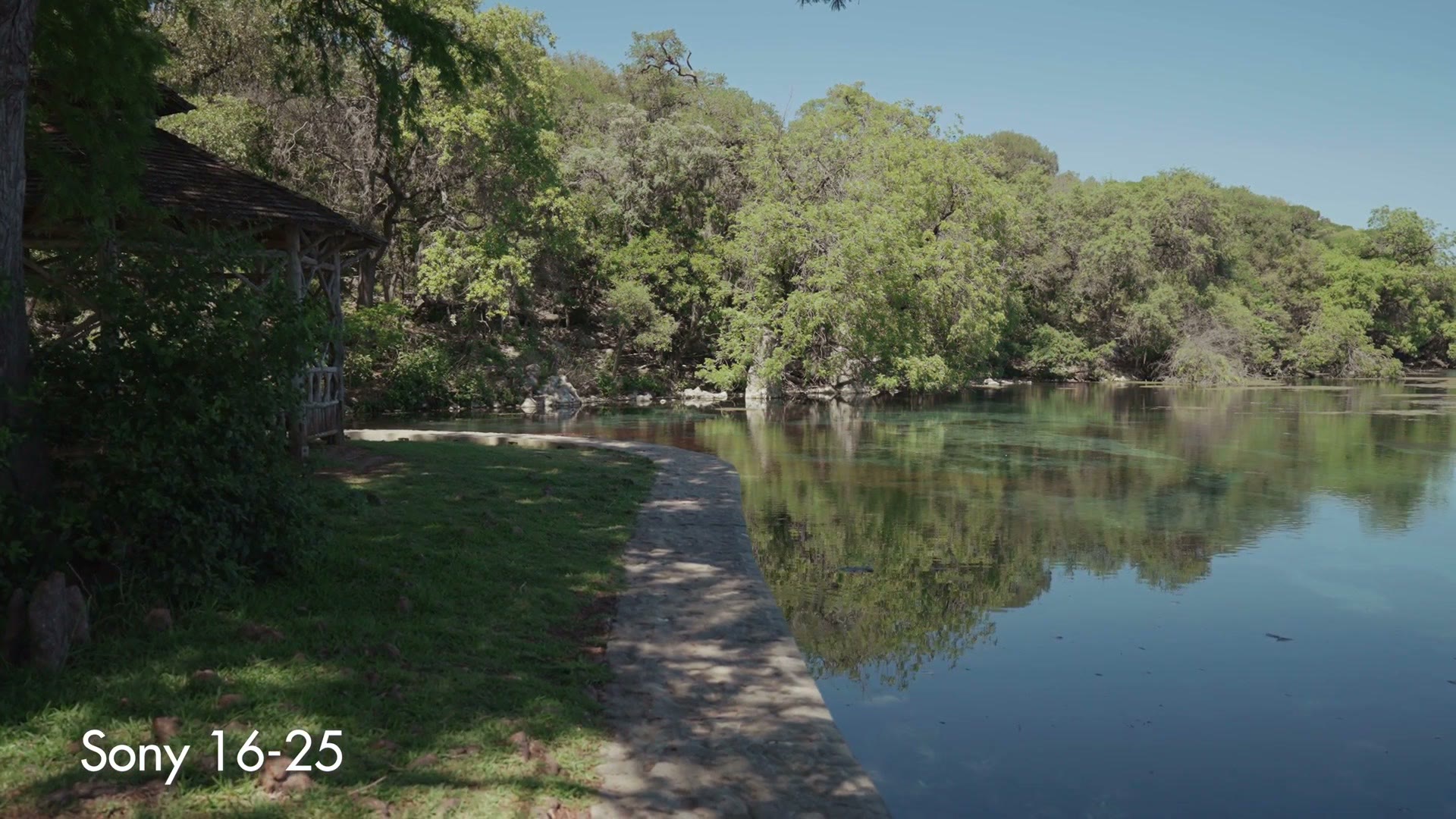
With this 16-25 f/2.8 you don’t get the extra versatility you’d normally get from a zoom like, say, a 16-35mm, where you can zoom in two times closer going from 16 to 35. With this, it’s only 16mm to 25mm. So this lens almost feels closer to a prime than a zoom, because it doesn’t have a massive zoom range. But it does have a respectable f/2.8 aperture and a lighter weight.
And if you’re in the market for a wide angle lens and you know you want to put it on a gimbal, in that case this 16-25 makes a ton of sense, and I would highly recommend checking it out. You can grab it at B&H.
And if you’re a new wedding filmmaker and you want help booking couples, I’d love for you to check out my free workshop that shows you how to book your first wedding in 30 days or less. It’s completely free and it walks you through my exact three step booking system to get you filming weddings fast.
Thanks so much for reading, and have a great day!