
Sony’s new 24-50mm f/2.8 G may be your new favorite lens for wedding filmmaking. I’m going to review it from the perspective of a wedding filmmaker and tell you whether it’s a good choice if you film weddings, corporate videos, documentaries, or anything else like that.

Also, for the sake of ethics, I want you to know this video is not paid or sponsored by Sony, but they did send me this lens so I’d be able to make this review, and I’m going to be sending it back to them very soon.
It does have a sponsor though, and it’s my friends at MotionVFX. MotionVFX is one of the best places to find plugins and presets for your videos, and if you’re a wedding filmmaker in particular, you are going to love their wedding pack of editing tools.
Gorgeous animated text presets that give your films a luxury vibe, tasteful light leak transitions that are over the top and super cool, animated wedding icons that add some fun theming to your film. You’re only one click away from making your wedding films look stunning.

I’m A Prime Guy, But…
Look, I’ve made no secret over the past year that I’m a prime guy. I love a good prime lens, and specifically my two favorite prime focal lengths are 24mm and 50mm, with the 24 being the lens that’s pretty much always on my gimbal and the 50 being my go to for handheld on a wedding day. So whenever Sony told me they’d be releasing a compact and super lightweight lens that hits both of those focal lengths, I immediately sat up and paid attention.
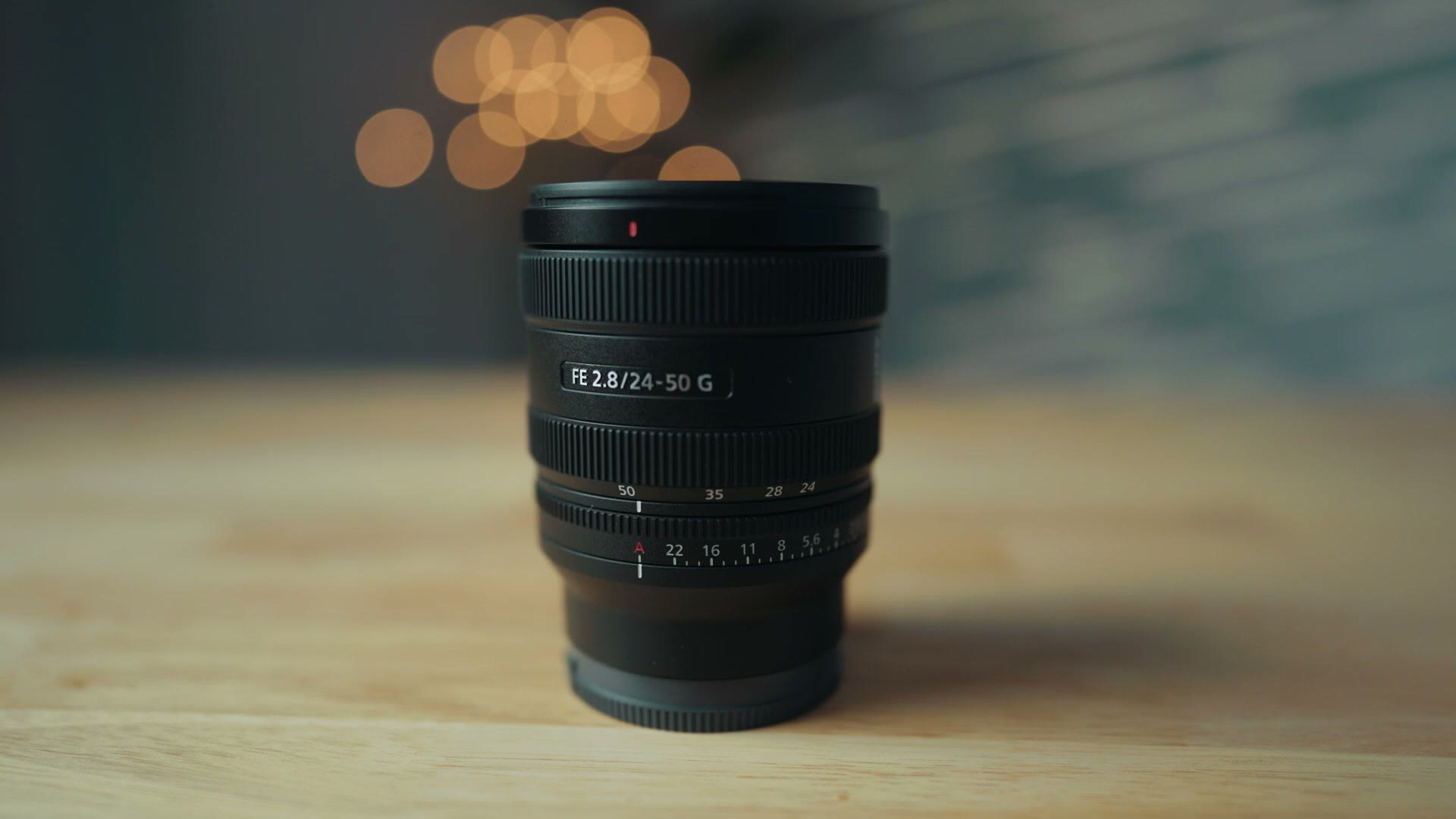
Why, Sony?
Your initial reaction might be a bit of confusion, wondering why Sony is releasing a lens like this whenever they already have a perfectly capable 24-70mm f/2.8 GM that gives you 20 more millimeters on the long end, and also a 20-70mm f/4 that gives you four more millimeters on the wide end. Is there really room in Sony’s lineup for another lens in between those focal lengths?
Well, like I said, I’m a guy who really likes the 24 and 50mm focal lengths, so this lens is right on the spot for me. More importantly, this focal range lets the lens do two things that neither the 24-70 nor the 20-70 can do.
24-50 vs 24-70
First, compared to the 24-70 GM, this new 24-50 is dramatically lighter. We are talking about going from 695 grams down to only 440. It is so light.
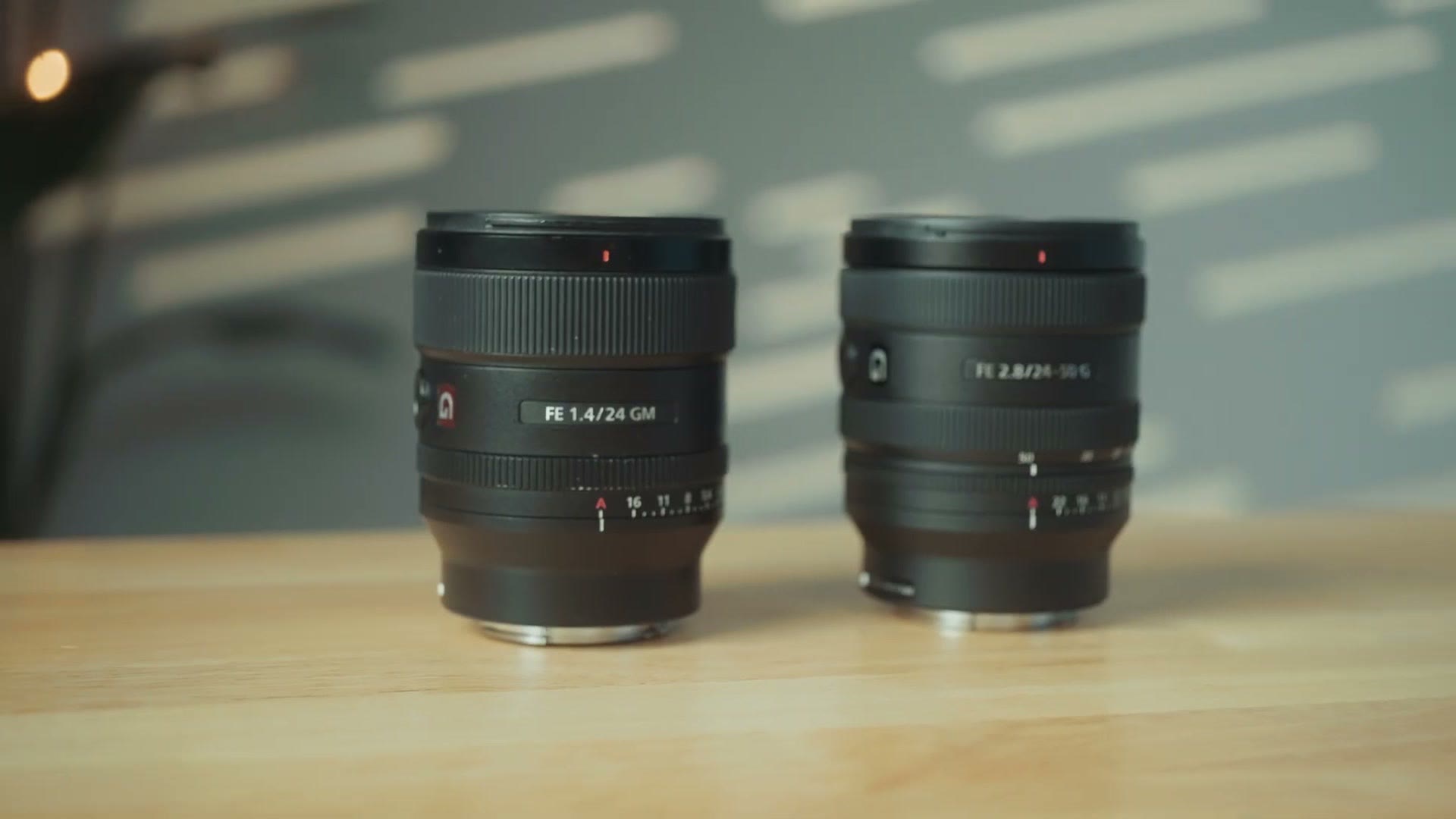
For context, my 24mm f/1.4 GM that I love is 445 grams. So this zoom is even lighter than that, which is awesome, especially if you’re filming a wedding where you’re carrying a camera all day and using a gimbal and you want something super lightweight and compact.
Heck, Sony even loaned me one of their new a7C bodies along with this lens to test, because they are so proud of how compact this setup is. Heads up: this link goes to the newer Sony a7C II.
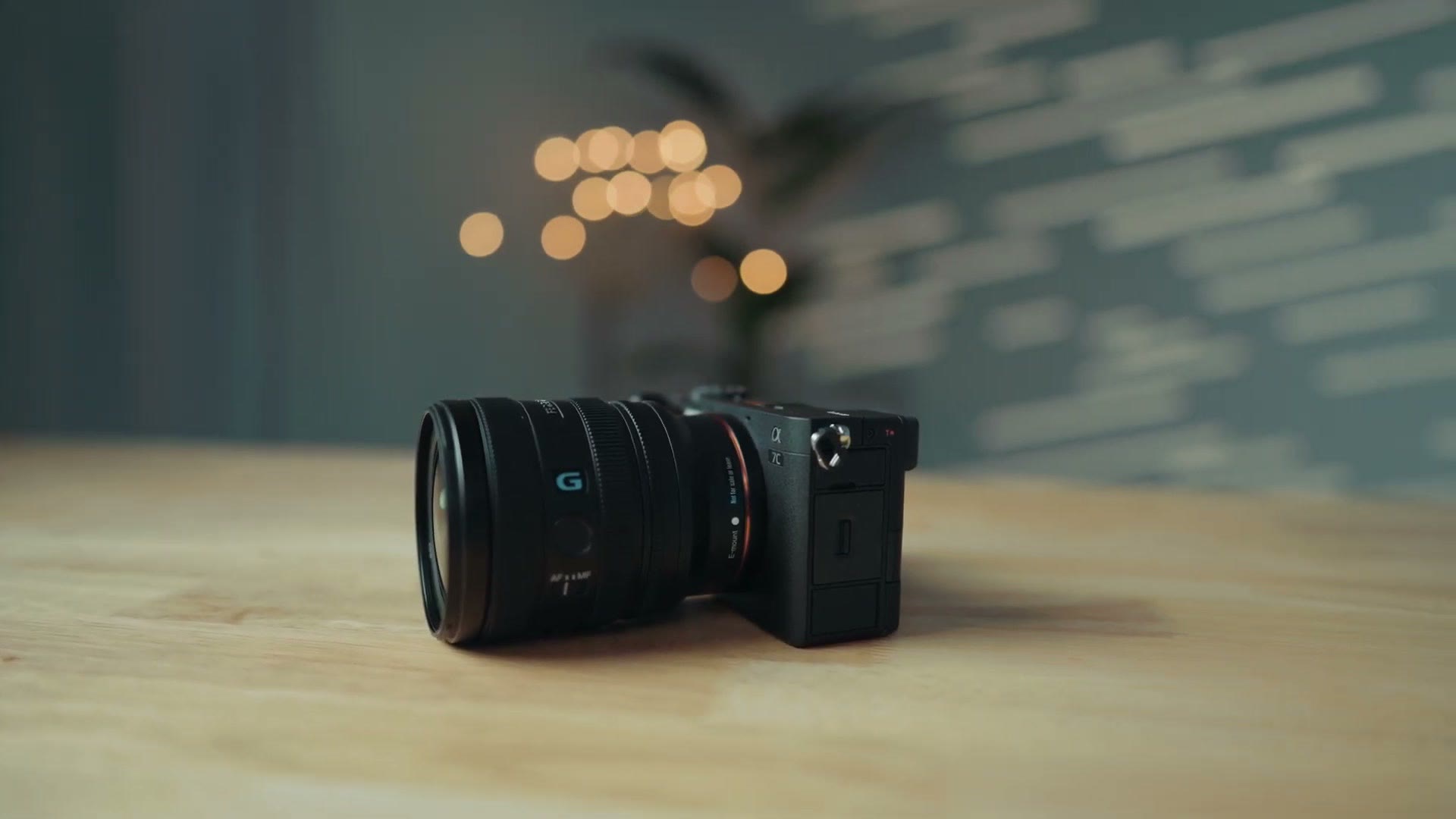
Look at how tiny and cute this lens is on the camera. It’s a really subtle and non-intrusive filmmaking setup, which is great.
24-50 vs 20-70
Now what about comparing this to the 20-70mm Sony already has? Here’s another area where the 24-50 does what the 20-70 can’t, and that is that the 20-70 is only an f/4 while this is an f/2.8, which is generally considered the sweet spot for most premium lenses. You’re going to get a lot more bokeh and a lot more low light performance out of this lens than you will out of the 20-70.
So if I could summarize what I’m saying about this lens versus Sony’s other lenses in the same ballpark, I’m pretty much always going to take the lens that is smaller, lighter, and has better low light performance. Which is why I love prime lenses. But this 24-50 is lighter than my lightest prime, the 24 GM, and it still has an f/2.8, which makes it good in low light. Do you see how many boxes this lens is checking?
Build Quality
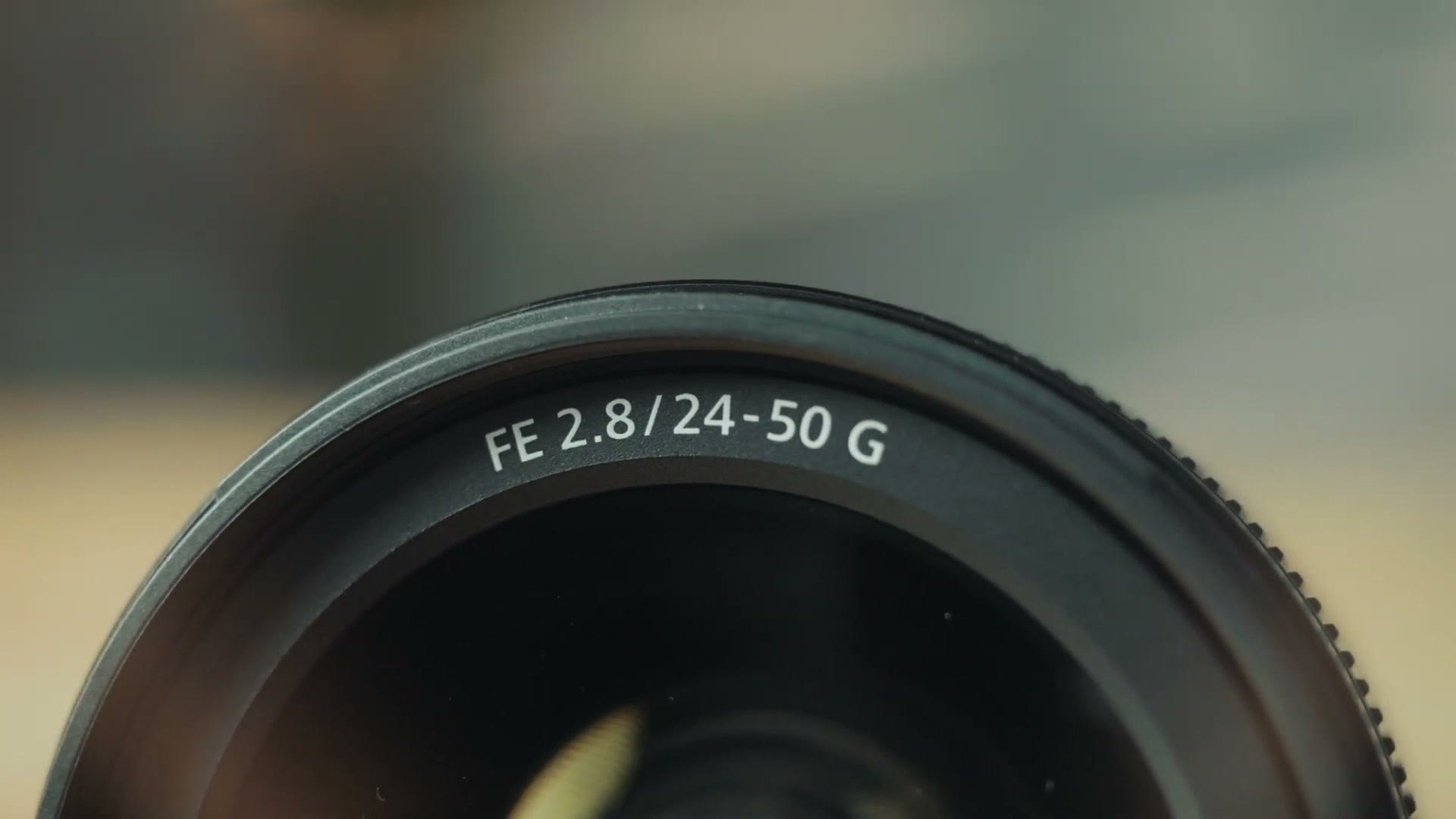
This is a Sony G lens, just a step below their GM line, which doesn’t necessarily mean the optical performance isn’t as good as a GM. It more so means that Sony’s marketing department didn’t want to have a GM lens at this nontraditional focal length sitting on the list of GM lenses. So they slapped a G on it and called it a day.
Optical Performance And Features
The main thing you need to know is that the optical performance of this lens is exceptional. It’s super sharp, the bokeh looks beautiful, the colors are popping. It’s a modern Sony lens. You’re going to love it. It looks great.
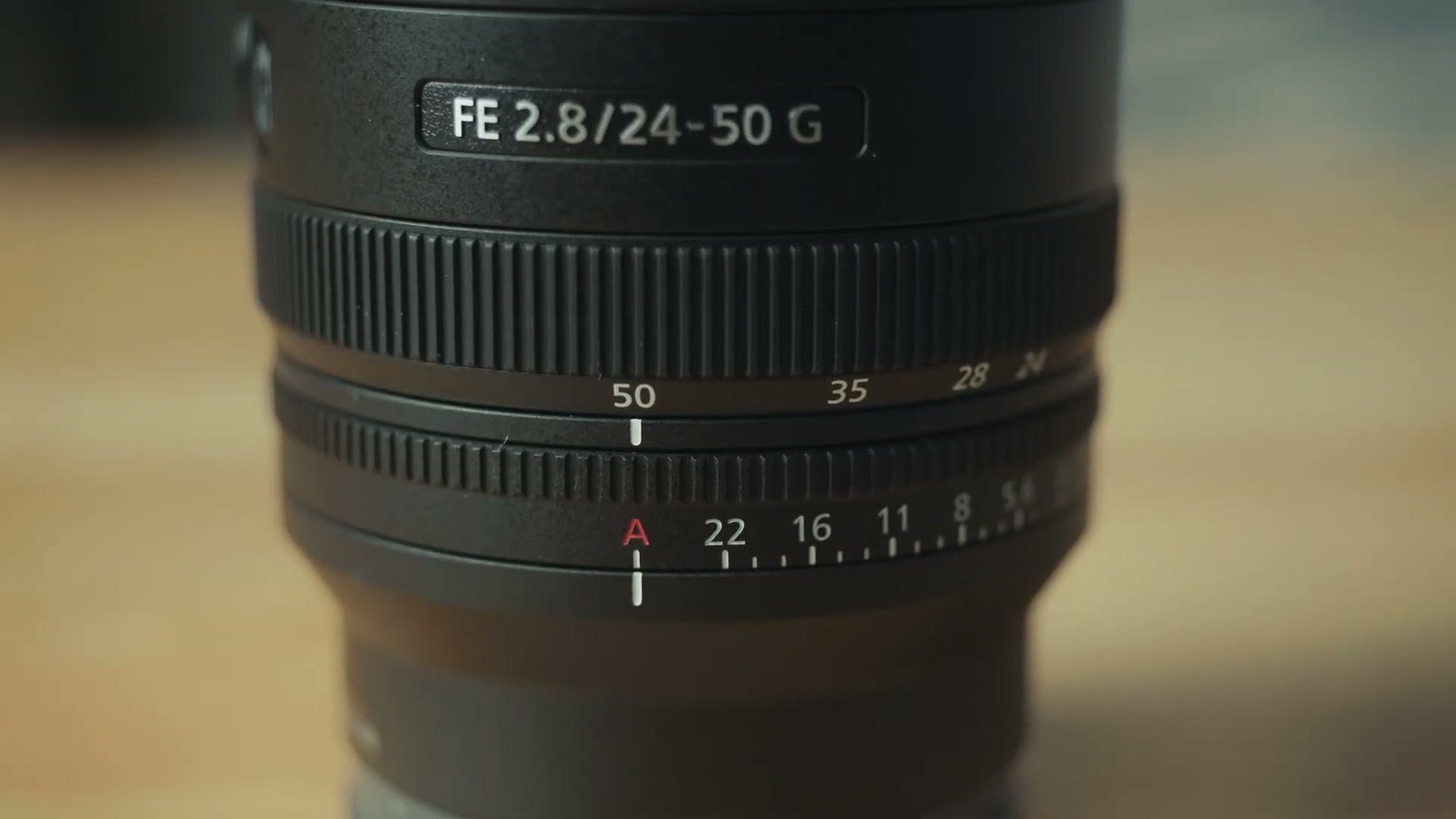
It also has all of the features you’d expect from a high end Sony lens. You’re getting an aperture control ring with a switch to declick it, programmable buttons, an autofocus and manual focus switch, the works. Autofocus performance is fantastic, as you’d expect from a modern Sony lens, and manual focus is fast and responsive too.
The One Con Of This Lens
Didn’t I say there was a con? Well, here it is, and specifically it has to do with the way this lens zooms. This is more my personal preference than anything else, but this is one of those lenses, like the original Sony Zeiss 16-35 f/4, that basically zooms in reverse.
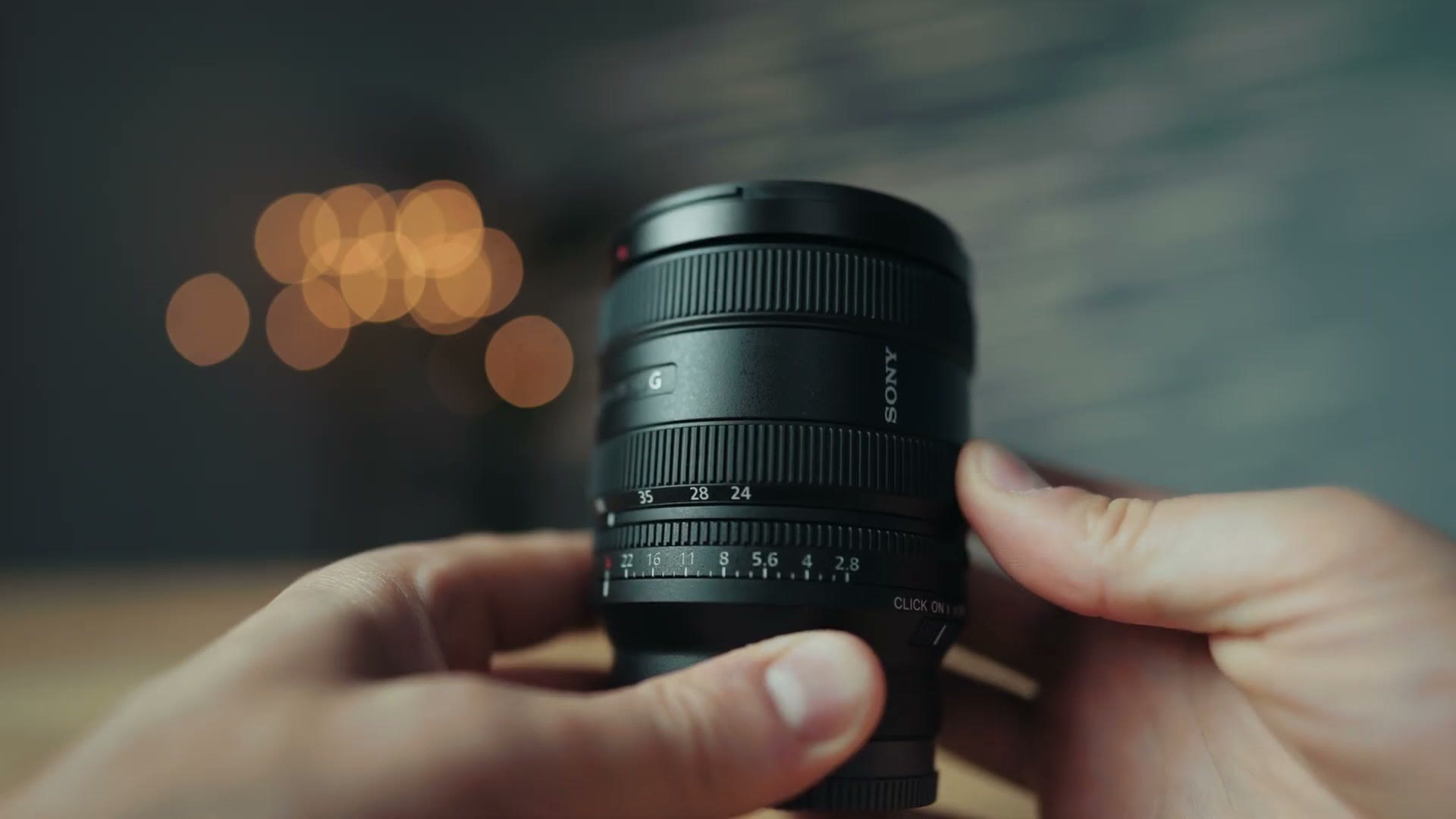
What I mean by that is that whenever you’re at 50mm, the lens is at its most compact, and whenever you’re at 24mm, the lens is extended.
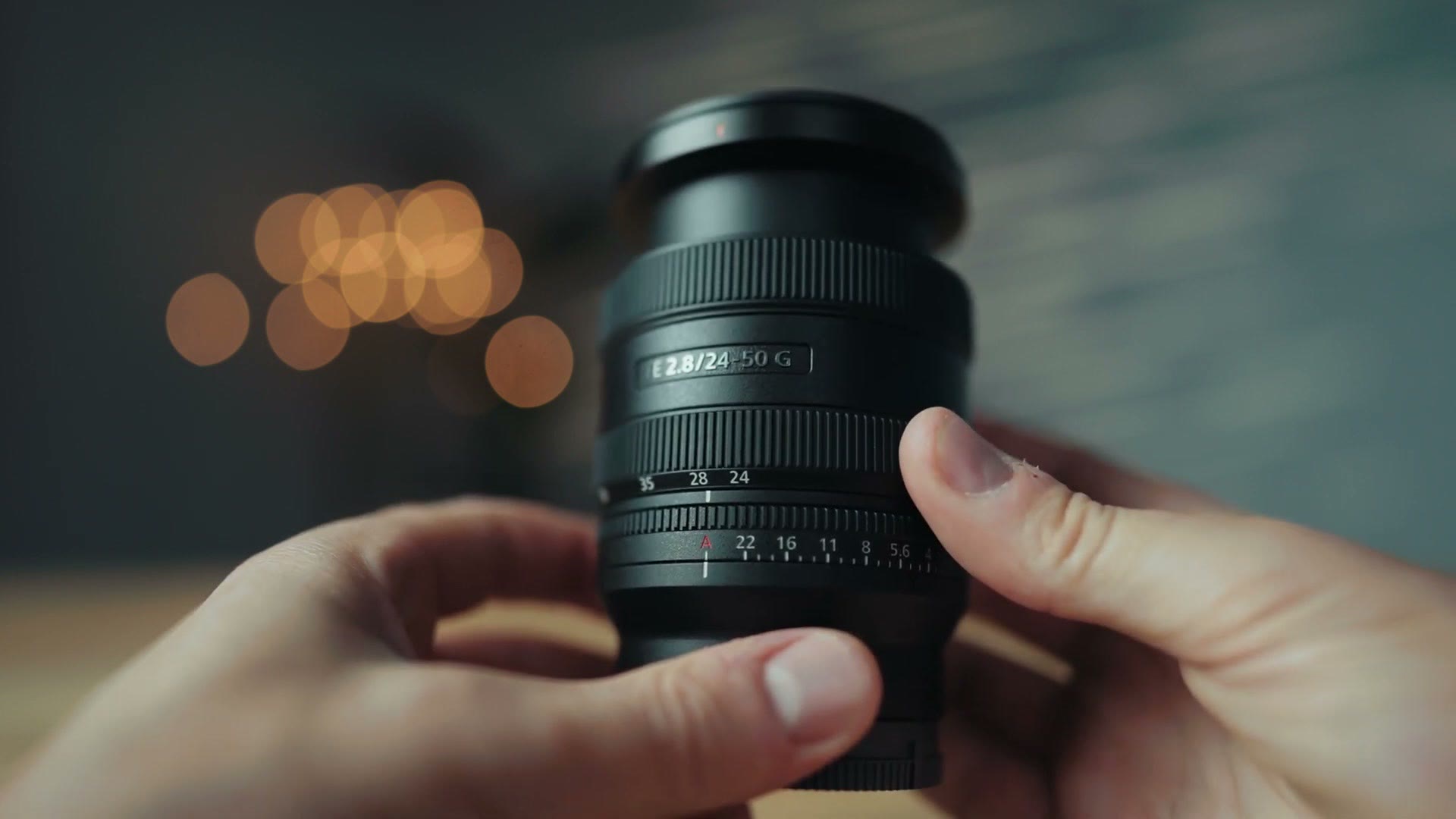
I’m sure there’s some big physics reason why Sony built it this way, but to my brain it makes more sense for a lens to be more compact at 24mm and then extended at 50mm. But whatever. It doesn’t extend a ton, and if you’re going to be balancing it on a gimbal I would just sit it in the middle at about 35 or so, balance it there, and you’ll be set.
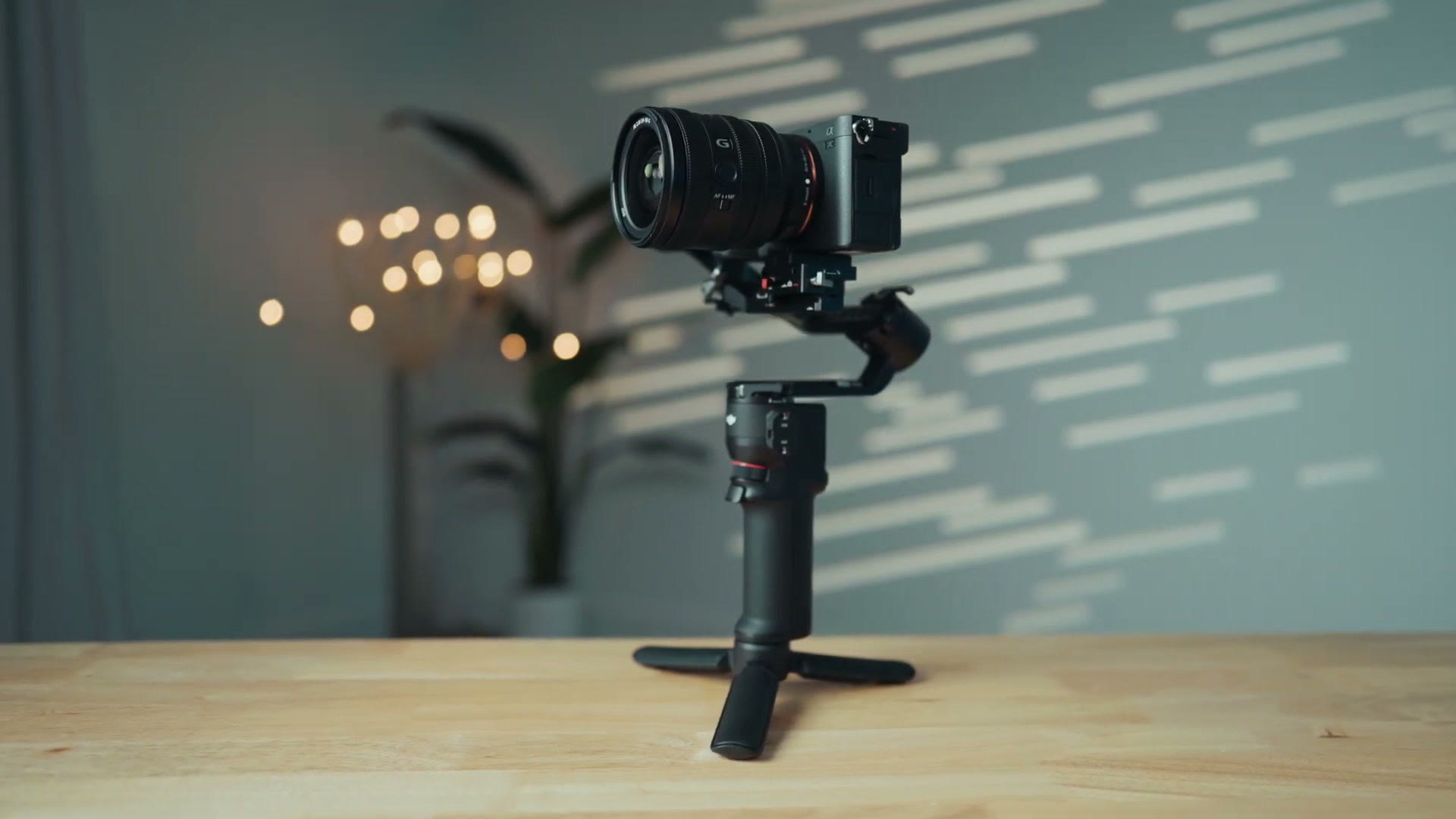
Just know that the lens extending this way is a little bit weird. That said, this is a nontraditional lens, so a nontraditional zoom is pretty par for the course anyways.
One other zoom question worth addressing is whether this lens is parfocal, meaning if you set it to manual focus at 24mm and then zoom in to 50mm, will it still be in focus? The answer is no, not quite. It’s close, but a bit off. So you’ll want to use autofocus whenever you’re zooming.
Lens Breathing
Testing the lens breathing, I find that it does breathe a fair amount.
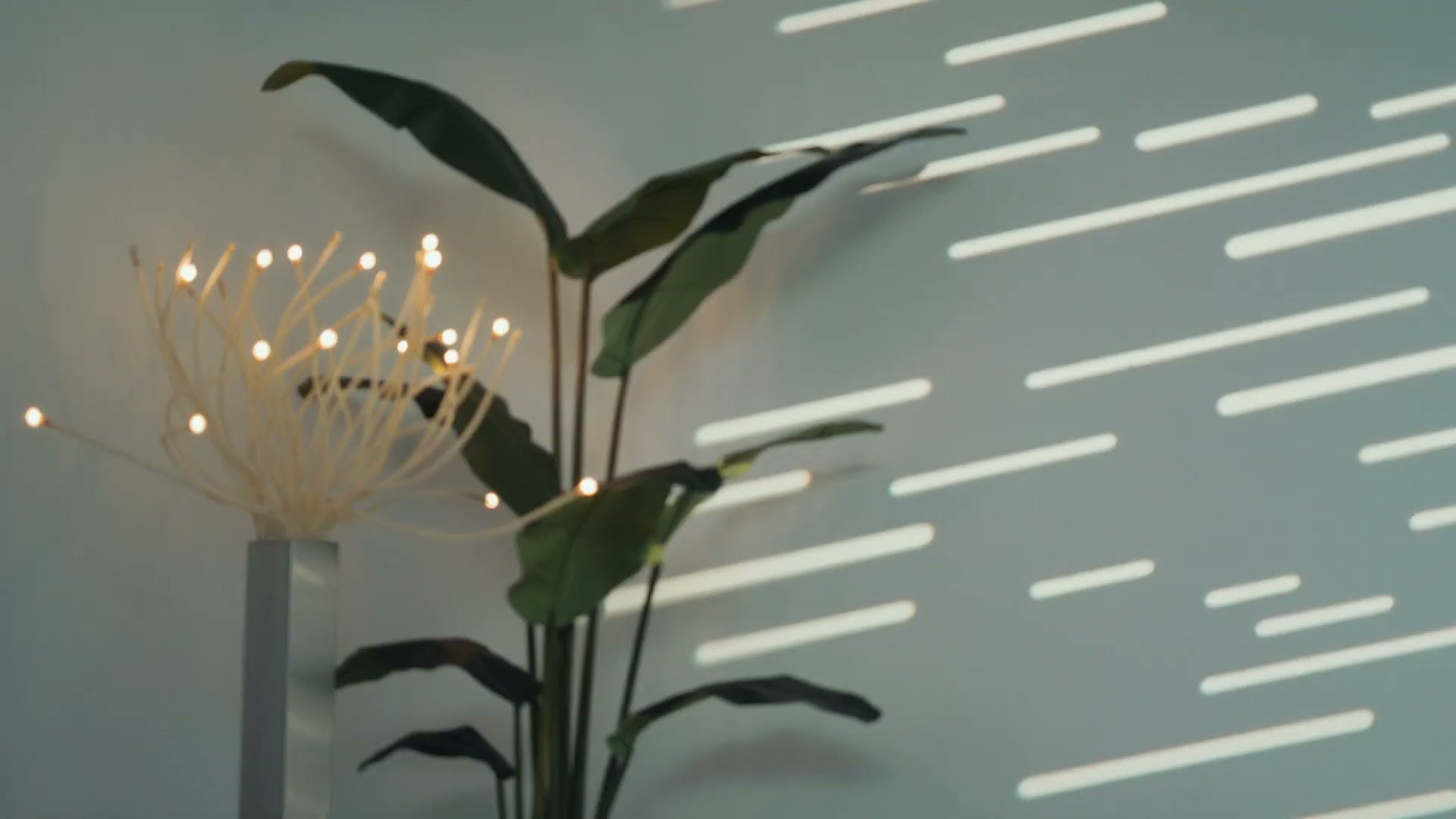
But I do think it’s important to consider the context that Sony is bringing lens breathing compensation to the a7S III, which means pretty much their entire line of new cameras supports the feature, and that basically makes lens breathing obsolete. So I’m not really sure how much Sony is going to care about breathing in their future lenses, considering they’ve basically fixed the issue in software.
Should You Sell Your Primes And Buy It?
Having used this lens for a while, I think that if you’re a wedding filmmaker looking for an ultra compact and lightweight lens that hits two of the best focal lengths in my opinion, 24 and 50mm, while also performing very well as an all around lens that works fantastically on a gimbal or handheld, this 24-50 is a great choice.
In addition, if you’re a brand new wedding filmmaker looking to buy your first lens, and something like Sony’s 24-70 GM is too out of reach for you financially, because let’s be honest, these lenses keep getting more and more expensive, I think this 24-50 could be a fantastic starter lens for you.
And if you’re a wedding filmmaker who wants to improve the quality of your wedding films, I’d highly recommend checking out my Level Up Your Wedding Films guide. It’s completely free.
Thanks so much for reading, and have a great day!