
This is the new Sony 50mm f/1.2 GM. I just got back from filming a multi-day-long wedding with it and I have a lot of thoughts, so here’s a review from the perspective of a wedding filmmaker.
Here’s The Conclusion, In Case You Don’t Want To Read The Rest
To save you time: this lens is very good, but also a bit heavy, and definitely quite expensive. So if you’re okay with the weight and you’ve got some BeardCoin cash laying around in your wallet, in that case I think it’s the best 50mm you can buy from Sony.
Yes, I said BeardCoin. It’s like Bitcoin, but it’s a more stable investment into my facial hair.
The second thing you need to know, for the sake of ethics, is that this video isn’t paid for or sponsored by Sony in any way. They don’t even know I’m making it. I actually paid my own money to rent this lens through my Sony Imaging PRO Support membership, because I really wanted to use it at this wedding and see what all the f/1.2 hype and fuss was about.
I Love The 50mm Focal Length (A Lot)
For those of you who aren’t aware, the 50mm focal length is one of my top two favorite focal lengths ever. Can you have two favorite focal lengths? I do, and mine are 24mm and 50mm. If you’ve watched my Sony 24mm review, you’ll know it’s one of my highest praised lenses and my go-to pretty much any time my camera is on a gimbal. Likewise, whenever my camera is off a gimbal, I usually have a 50mm on it.
Here’s where things get difficult, though. Unlike the 24mm, which is just head and shoulders above every other 24mm I’ve ever used, finding a good 50mm without compromises has been much harder. I’ve used a lot of 50mms, and every one has had a lot of pros and also a few cons that kept it from being the absolute best.
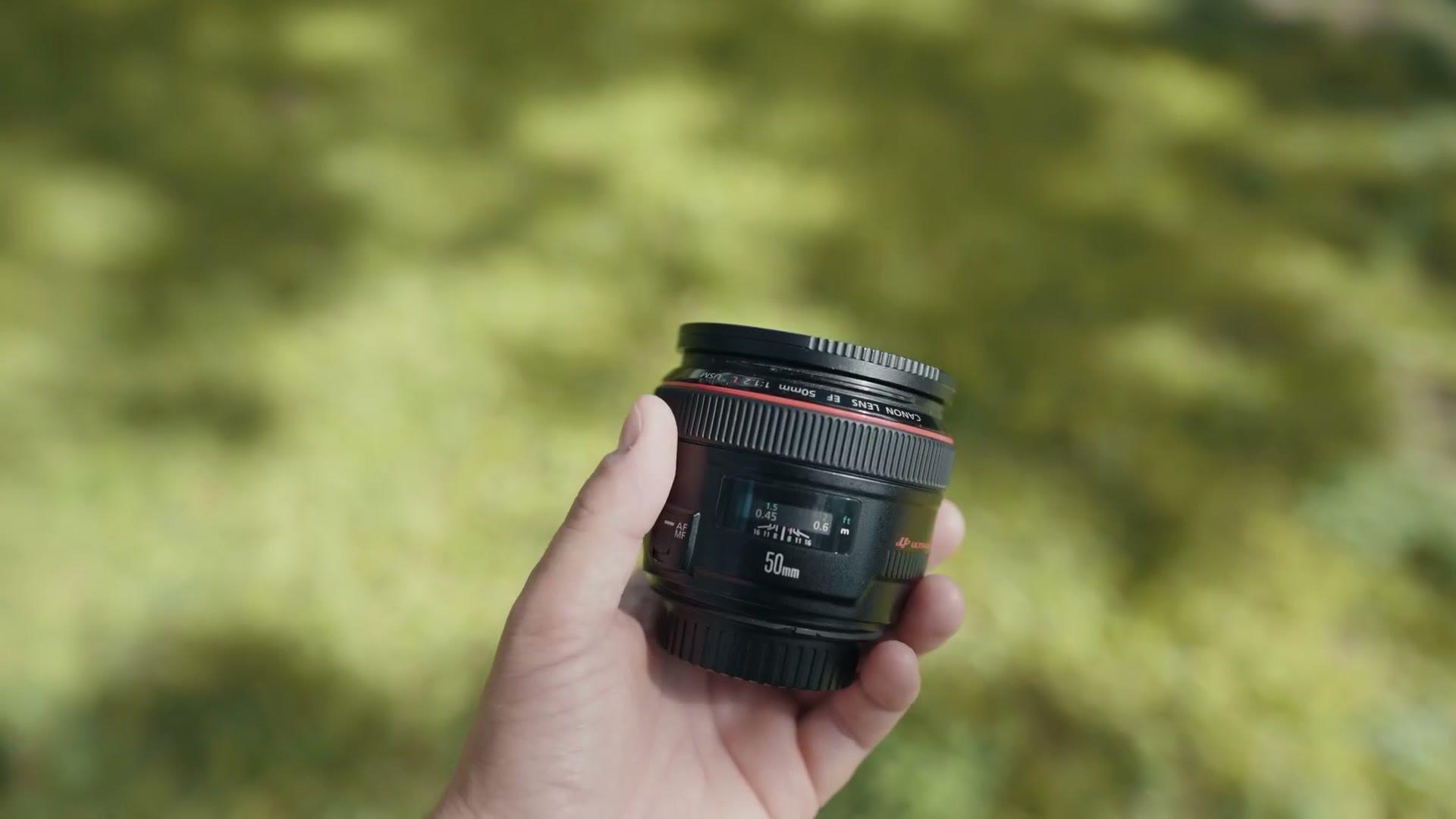
The first 50mm I ever bought was the Canon 50mm f/1.2, and I loved its size and weight. But because I was adapting it to a Sony camera I didn’t have autofocus, and sometimes the adapter could be a little screwy and adjust the f-stop whenever I didn’t want it to.
To avoid the adapter issues I went full manual and invested in a Sigma Art 50mm f/1.4, specifically the Nikon mount version, years before a native E-mount version existed. The Nikon mount gave me manual focus and manual aperture control through an adapter, and it worked well for years. It definitely wasn’t a lightweight setup though.
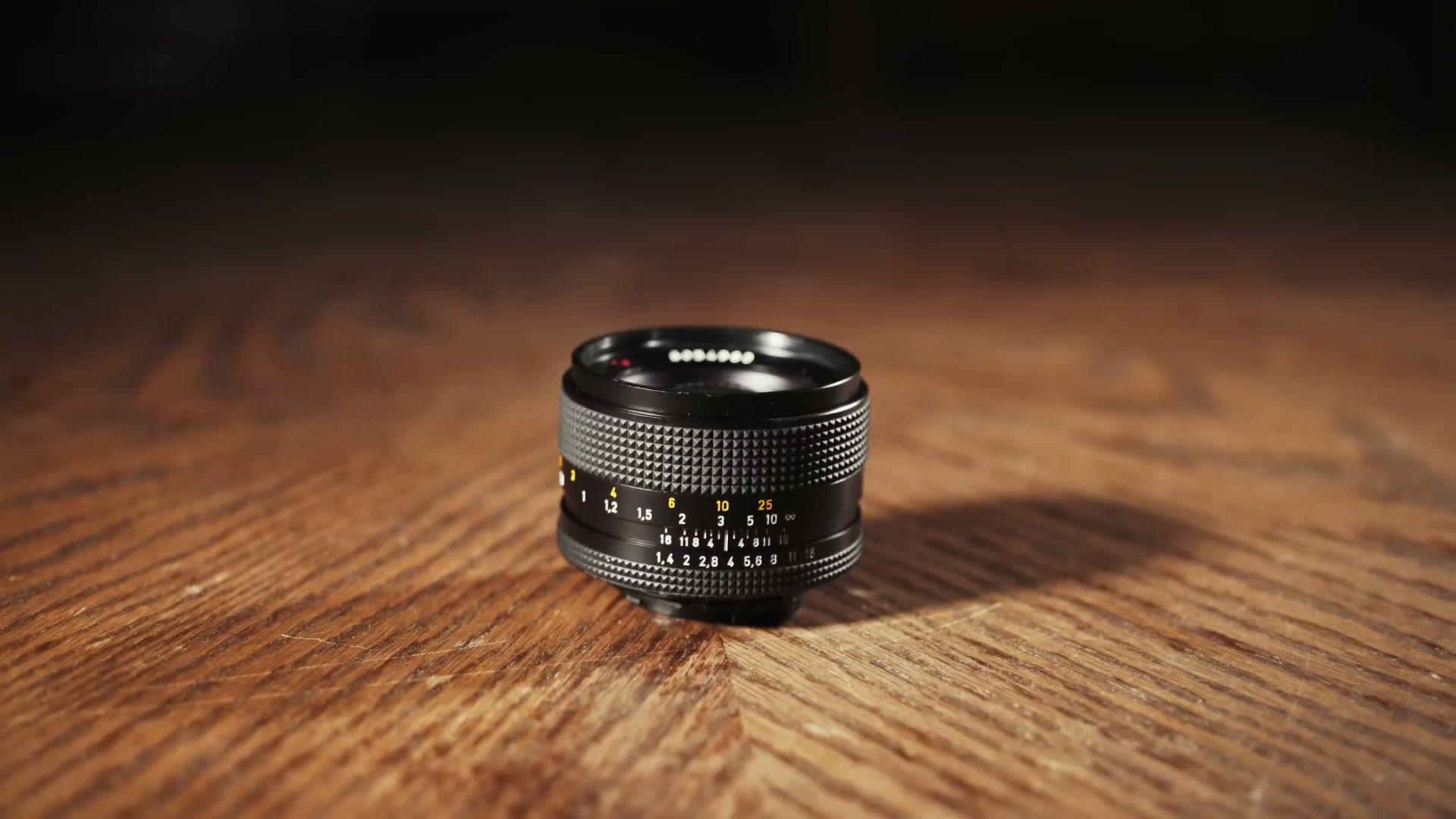
Eventually I switched again, this time to a Zeiss Contax 50mm. Look at this little baby. Still full frame, still full manual aperture and focus, still needs an adapter. But one of the big pros, aside from its beautiful image quality, is that it is incredibly small and light, which makes it very easy to carry around all day at a wedding. That Contax has been my go-to ever since.
I’ve rented others too. The Zeiss Milvus 50mm I really didn’t like, because of its quite chunky weight and size. Sony sent me their new compact 50mm G, which I really like, but it’s limited to f/2.5 and that isn’t quite enough low light for me. And I’ve rented the Sony Planar FE 50mm f/1.4 multiple times, which for all intents and purposes is the predecessor to this lens.
I didn’t hate that Planar. It was just kind of, nah. It was one of the most expensive options at the time at $1,500, it was very large and felt heavy, and with all that weight I was still only getting f/1.4. It also felt a bit too clinical and sterile for me, with no flaring or real character.
So that’s my history lesson with 50mm lenses. I’ve clearly liked and disliked things about every single one I’ve used, and there hasn’t been one that’s head and shoulders above every other option.
Is This Finally The Perfect Lens?
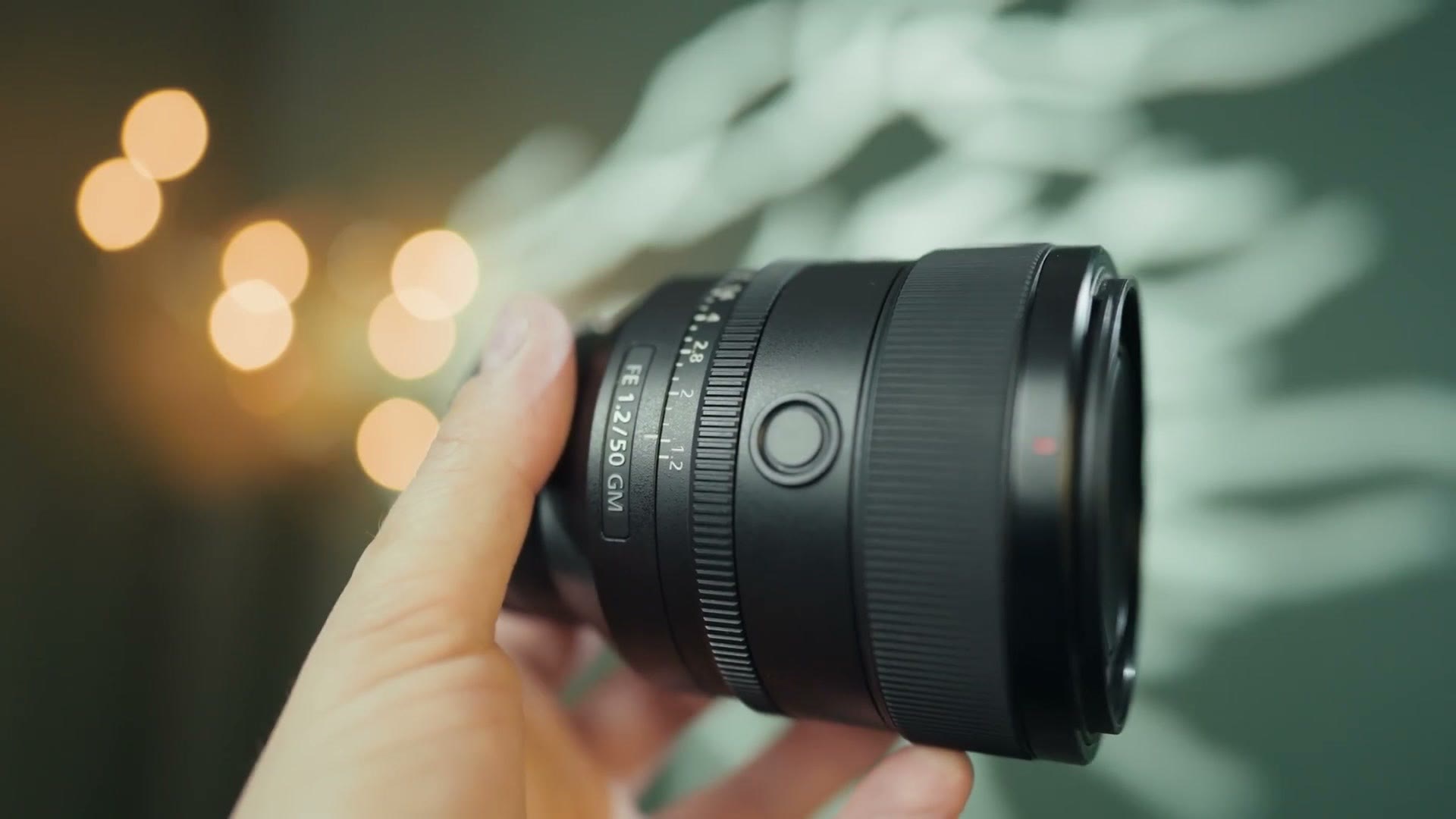
I’ll tell you right now: no, I don’t think so. But I do think it gets closer than any lens I’ve used so far, save for two critical areas we’ll get to in a minute.
Build Quality And Features
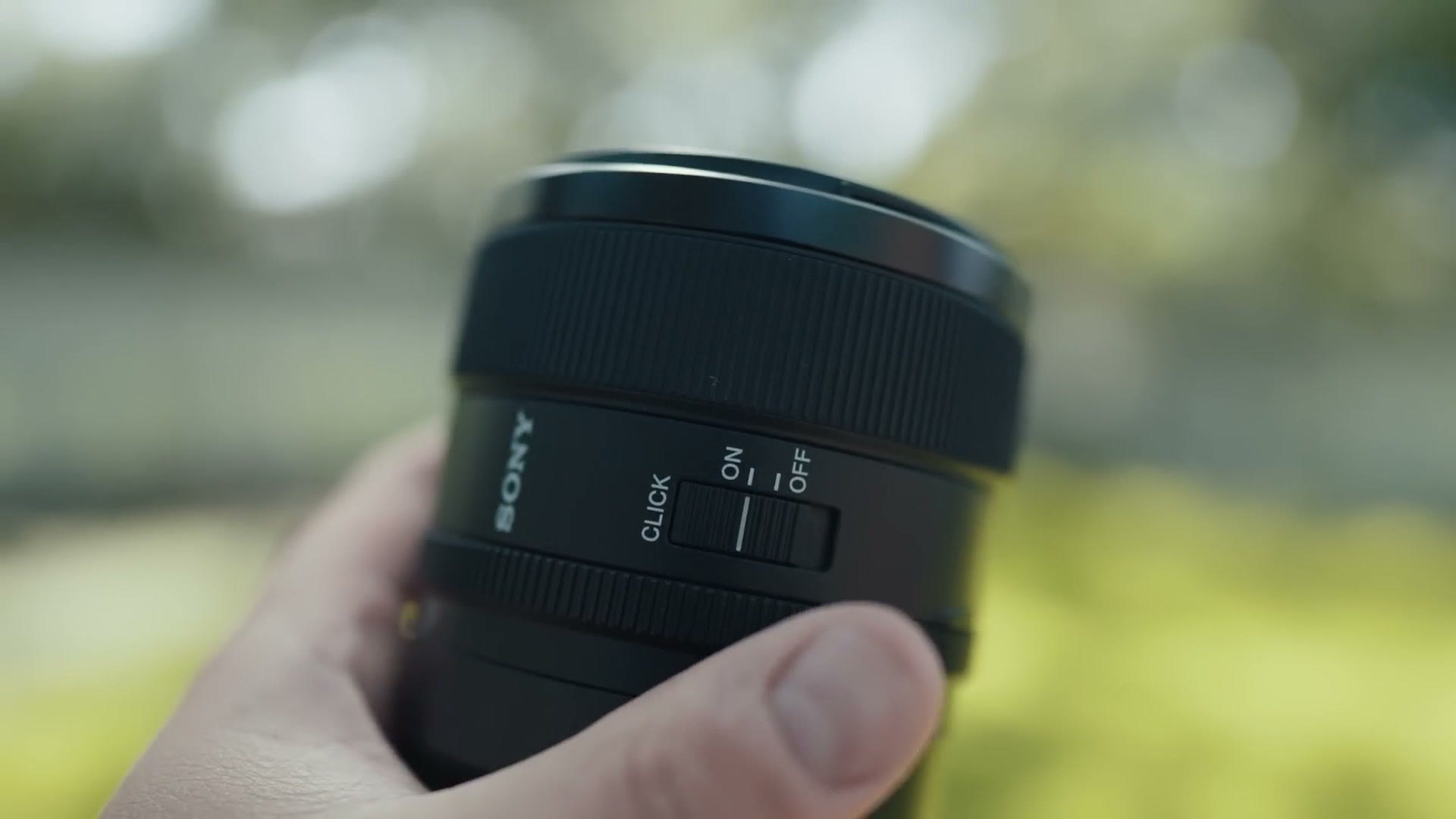
This is an incredibly well built GM lens, meaning it’s sturdy, weather sealed, and comes with all the fun bells and whistles that normally come on a GM. You get an aperture ring with a switch that makes it clickless, an AF/MF switch, and two programmable buttons on the side.
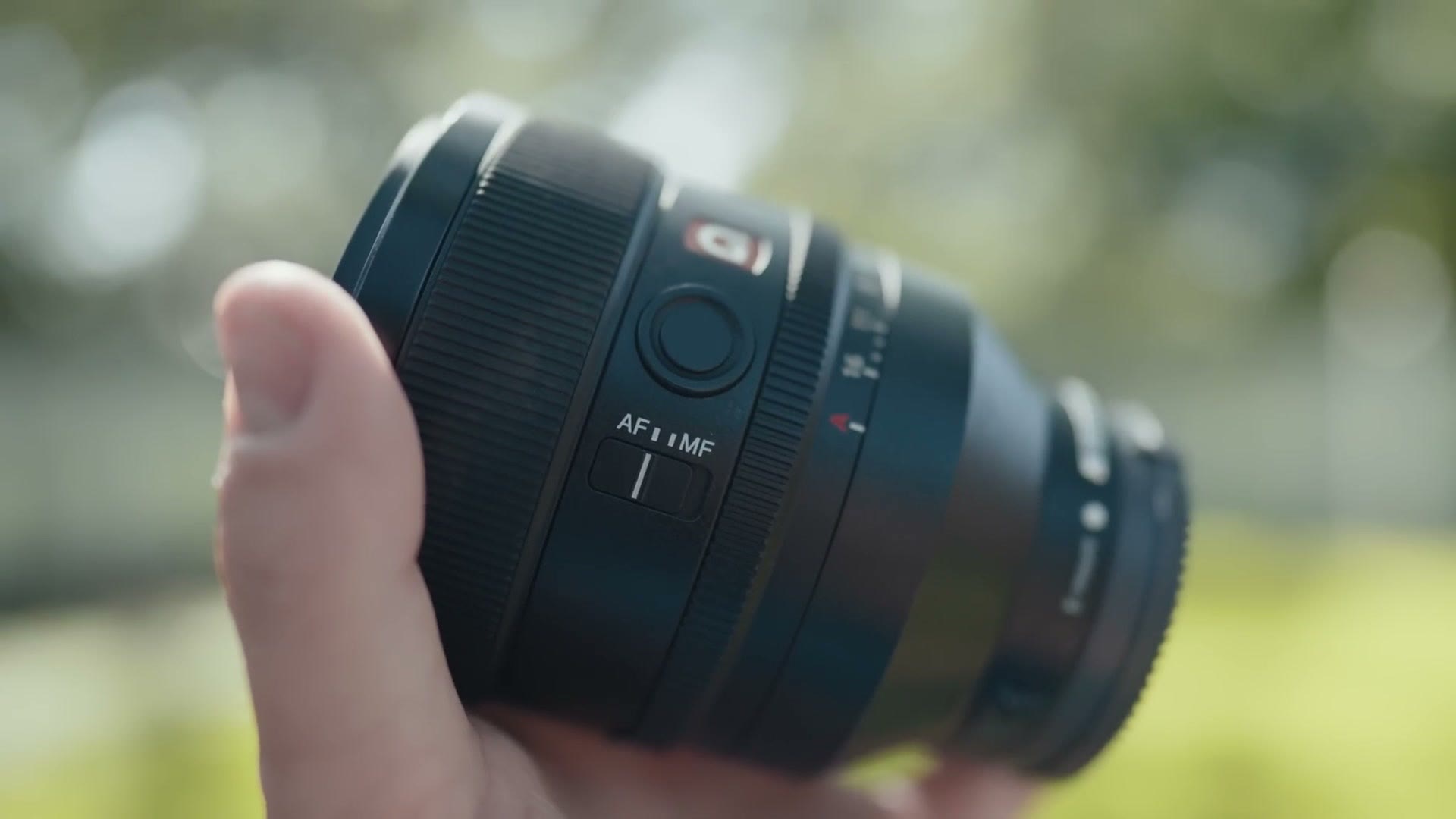
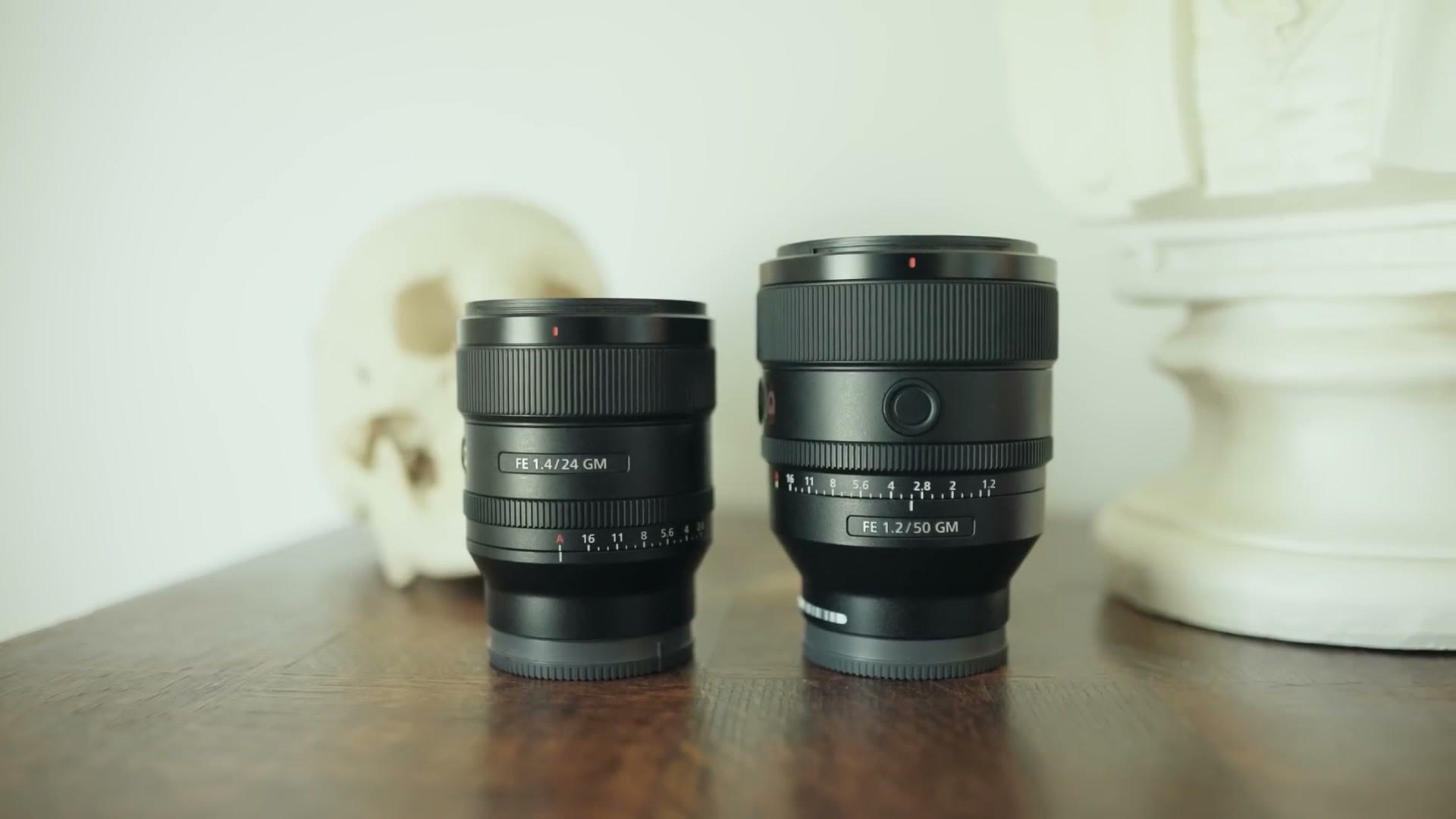
It’s a bit taller and girthier than the 24mm, and it also includes a very interesting concave glass front element that looks different from most other lenses I’ve used. It’s also incredibly sharp, with the punchy contrast and detail you’d expect from a modern Sony lens.
That Big Ole F1.2
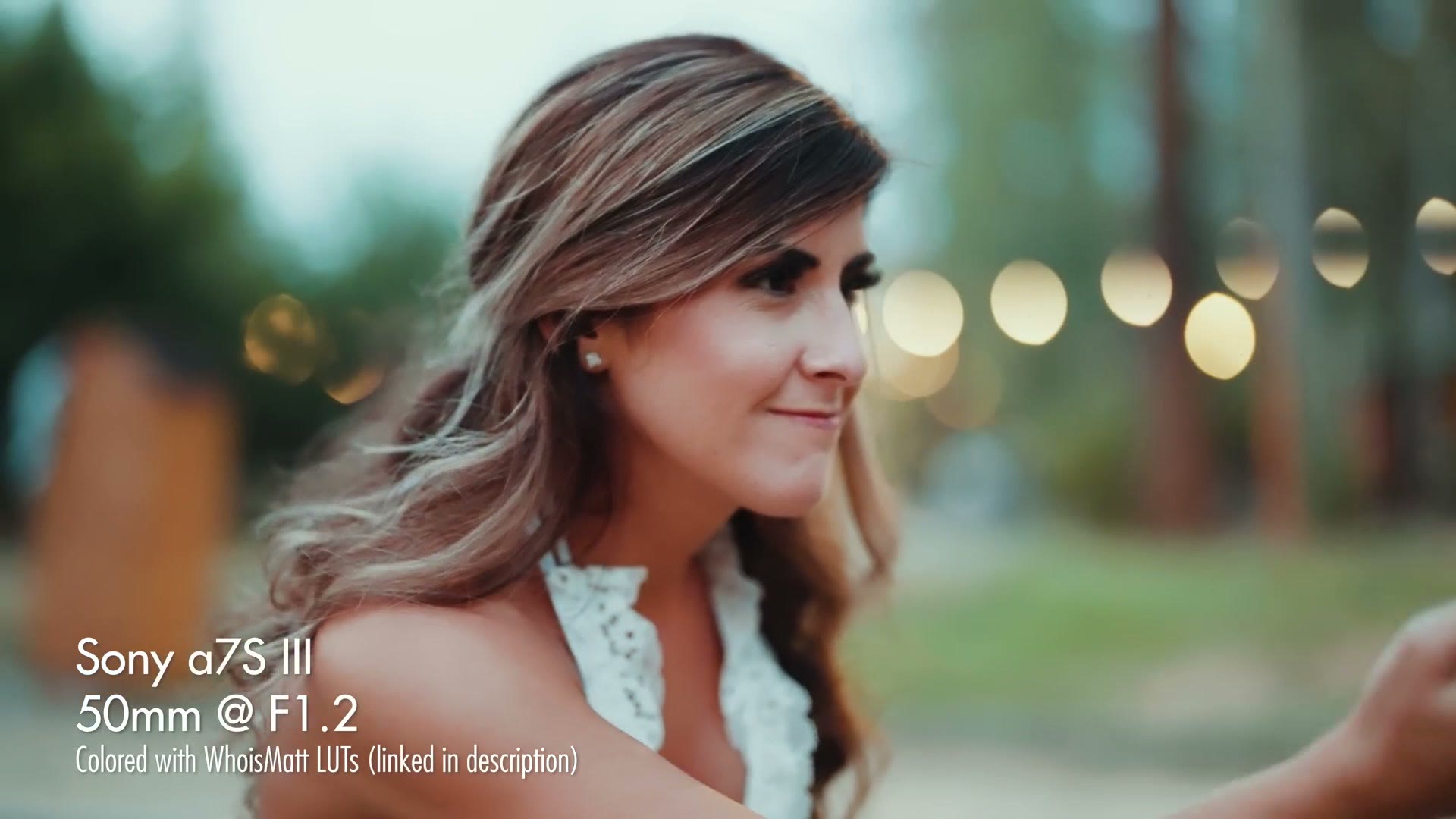
That’s not what you really care about, though. Let’s talk about the most impressive number on this lens.
If you’ve never used an f/1.2 lens, there’s something magical about cranking it wide open and getting that absurdly shallow, razor thin depth of field. It’s such a unique look, it gives you so much separation on a subject, and you really can’t replicate it any other way. I absolutely love it. And I’m so happy to tell you that even at f/1.2 this thing looks so dang sharp to me.
Autofocus And Manual Focus Performance
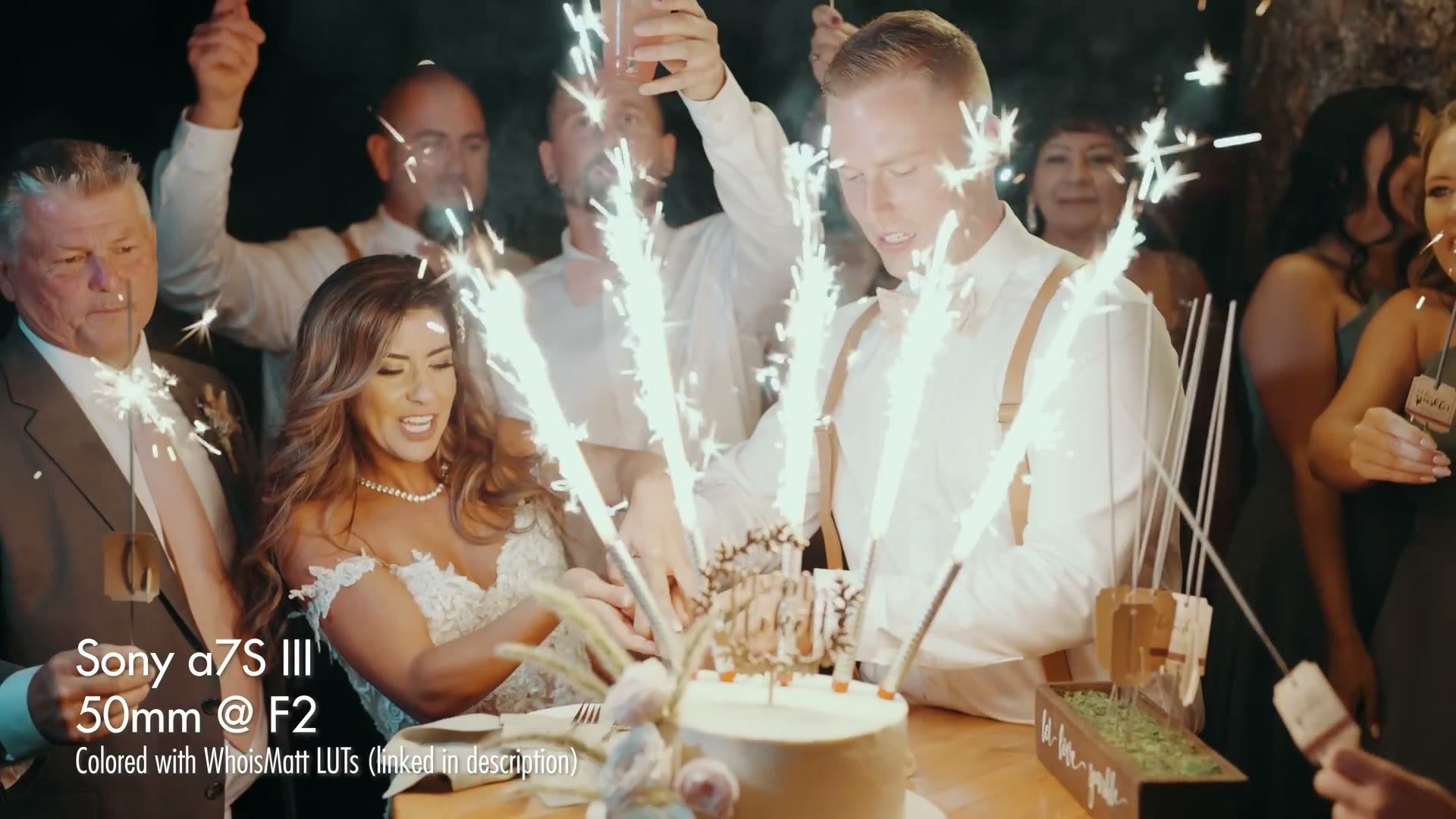
One of the main reasons I wanted to try this lens is that since upgrading to the a7S III I’ve been lured more and more by the promise of high quality video autofocus. Which means that as much as I’ve loved filming with a Zeiss Contax from 1970, it is a manual focus only lens, and if I’m going to autofocus here in the roaring 2020s I’m going to need to upgrade my glass as well.
Good news. This lens has fantastic autofocus that pairs very well with the a7S III. I’ll admit I was a bit worried, because whenever I used Sigma’s 35mm f/1.2, I found that wide open it would tend to get a bit lost sometimes finding focus, especially transitioning from something close to something far away. It would just take a little to find it. I have not experienced any of that lag with the 50mm f/1.2, and I found it quite fast even wide open. And because it uses Sony’s new XD motors, it’s basically silent as well, which is a necessity if you want to record audio while filming.
Manual focus is the same story. This lens is focus by wire like Sony’s others, but for the past couple of years Sony has sped up the processors in their lenses enough that I’ve not experienced any perceptible lag between rotating the ring and the lens focusing. Even with a ton of glass inside, it is not slow to focus either way.
Focus Breathing
Focus breathing is a hot button topic in the Sony lens world ever since the 35mm GM, so I have two scenarios for you.
The first is the real world scenario I experienced filming a wedding with it. When I’m using this lens I’m usually handheld, so I’m always moving a little, and the camera is moving a little, and I’m not usually rack focusing a ton because I’m walking with my feet to get into a new position. Because of that I didn’t see any focus breathing at all, and if you’re filming a wedding or another run and gun event handheld, I doubt you will either.
The second is what happened when I put it on a tripod and filmed myself moving back and forth in front of it. There, you can definitely see some breathing. So if you’re handheld the majority of the time I highly doubt you’ll notice. But if you’re filming YouTube videos or something else with the lens locked off, you may see it depending on the shot.
Con 1: This Lens Is Chonky
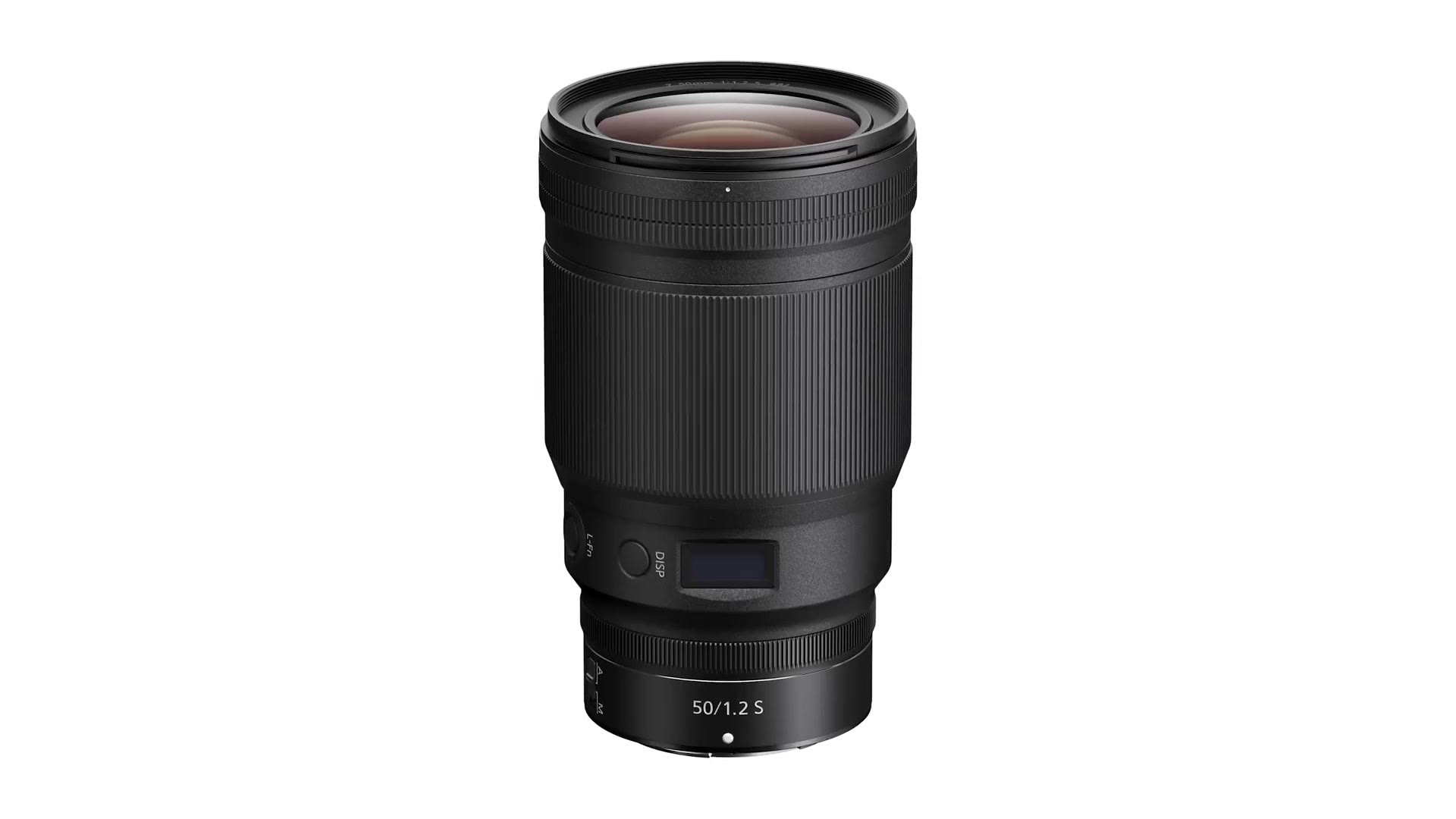
The first con is something you’re going to notice the moment you pick this lens up, and that is that it is hefty.
If you want to go deeper, I’ve also got BEST 50mm Lens Sony Has Ever Made – 50mm F1.4 GM Lens Review For Wedding Filmmakers.
At 1.71 pounds it is definitely not the heaviest 50mm I’ve ever used, I think that goes to the Zeiss Milvus at 2.03 pounds. But whereas Sony has really been pushing lightweight glass with their GM line, the 24mm GM being significantly lighter than the competition, with the 50mm GM you can tell they had to add some glass to hit f/1.2. That said, I do think it’s impressive that this lens is essentially the same weight as their old Planar 50mm f/1.4, except this one is f/1.2.
I do wish it were lighter, but the good news is that the weight does not feel unbalanced on the a7S III. It doesn’t feel too front heavy, and I was still comfortable filming with it handheld all day at a wedding.
It’s also worth looking at the competition. Nikon’s Nikkor Z 50mm f/1.2 is 2.4 pounds, significantly heavier than Sony’s 1.7. Canon’s new RF 50mm f/1.2 is also much heavier at 2.09 pounds. I think this is a consequence of modern lens design, where manufacturers are pushing so hard to create the absolute sharpest lenses they can and increasing the weight to do it.
That’s kind of a bummer to me, because in my perfect dream world Sony would have made this lens even lighter. Look at the Canon EF mount 50mm f/1.2, which is significantly lighter at only 1.27 pounds. In my perfect world Sony’s would be closer to that. But that may be wishful thinking with the way lenses are going these days. Or maybe what I really need to hope for is a Sony 50mm f/1.4 GM, which would bring the weight down closer to the 24mm f/1.4 GM. I think that would actually be my dream lens, and I would be perfectly fine trading f/1.2 for f/1.4 if I could get a lighter one.
Con 2: This Lens Ain’t Cheap
The other con is the price, which comes in at $1,998 as I write this. And just like the weight of newer lenses is increasing as companies put more glass in them, the price is going up as well.
For many years Sony was kind of known as the expensive lens company. They were selling their 50mm Planar f/1.4 for $1,500 while Canon was selling their EF mount 50mm f/1.4 for $400. Quite a price difference, right? Nearly four times the amount. Well, with the advent of all these companies now making mirrorless cameras, they all appear to have taken Sony’s lead and said, let’s raise our lens prices as well. Sony may be charging $1,998 for their 50mm, but Nikon is charging $2,096 for theirs, and Canon is looking down on these comparably cheaper lenses with a near highway robbery price of $2,299.
Wow. Can we get some pricing competition that goes lower instead of higher, please?
Is The 50mm GM Worth It?
That ties into the whole conclusion. In short: if you can stomach the rather eye-watering price of $1,998, and you’re also okay with the extra weight that comes from having enough glass to be f/1.2, then I think this is a good investment.
But if the price and the weight are making you feel skeptical, in that case I’d consider an alternative like the Zeiss Contax lens that I still love and have already made a video about. You will not have autofocus with that one, which leads me to another alternative, because I know people are going to be very angry with me if I don’t at least mention it: the Sony 55mm f/1.8. Heads up: this link goes to the newer Sony FE 50mm F1.4 GM.
That’s a lens a lot of people love, and also one I personally have never used, sorry about that. I’ve clearly tried a lot of 50mms, just didn’t make it up to 55. I’ll get to it eventually. A lot of the reviews I’ve seen for it from other people are very good, and considering it’s under half the cost of the 50mm GM, that 55 should give you a good experience with good autofocus as well.
Everything I Mentioned
- Buy the Sony 50mm f/1.2 GM at Amazon or at B&H
- Buy a Zeiss Contax 50mm on eBay, the cheap little manual alternative I keep coming back to
- Buy the Sony 55mm f/1.8 at B&H
- My Sony 24mm f/1.4 GM review, the other half of my two favorite focal lengths
- My review of Sony’s compact 24mm, 40mm and 50mm G primes
- My favorite lenses for wedding filmmaking
- My Sony a7S III review, the camera this was all shot on
- How to film in SLOG3, which is the profile behind every clip here
- WhoisMatt LUTs, which is what all this footage was graded with
- Join the discussion in my Facebook group
And if you happen to be a wedding filmmaker like me, you probably want to book more couples and film more weddings. To help you out with that I made a free guide that walks you through practical steps you can take right now in your business, and you can download it here.
This review is from August 2021, when the 50mm GM was brand new at $1,998. Every price and weight comparison here is from that moment, and the whole f/1.2 field has moved since, so check the current numbers before you decide anything based on the gaps described above.
Nobody paid for or sponsored this review. I rented the lens with my own money. Some of the links above are affiliate links.