
Perplexingly, Sony recently announced three lenses that on the surface, to a lot of filmmakers, are going to look redundant, more expensive, and possibly not as good as lenses that already exist. In this post I want to talk about why I think Sony made them anyway, and more importantly why I think they may actually be a good choice for you to buy, especially if you’re a filmmaker.
For the sake of ethics, I want you to know this video isn’t paid for or sponsored by Sony in any way. Sony sent these lenses over for me to check out, and they are going back to them in a few days.
Why These Lenses Are Redundant And Expensive
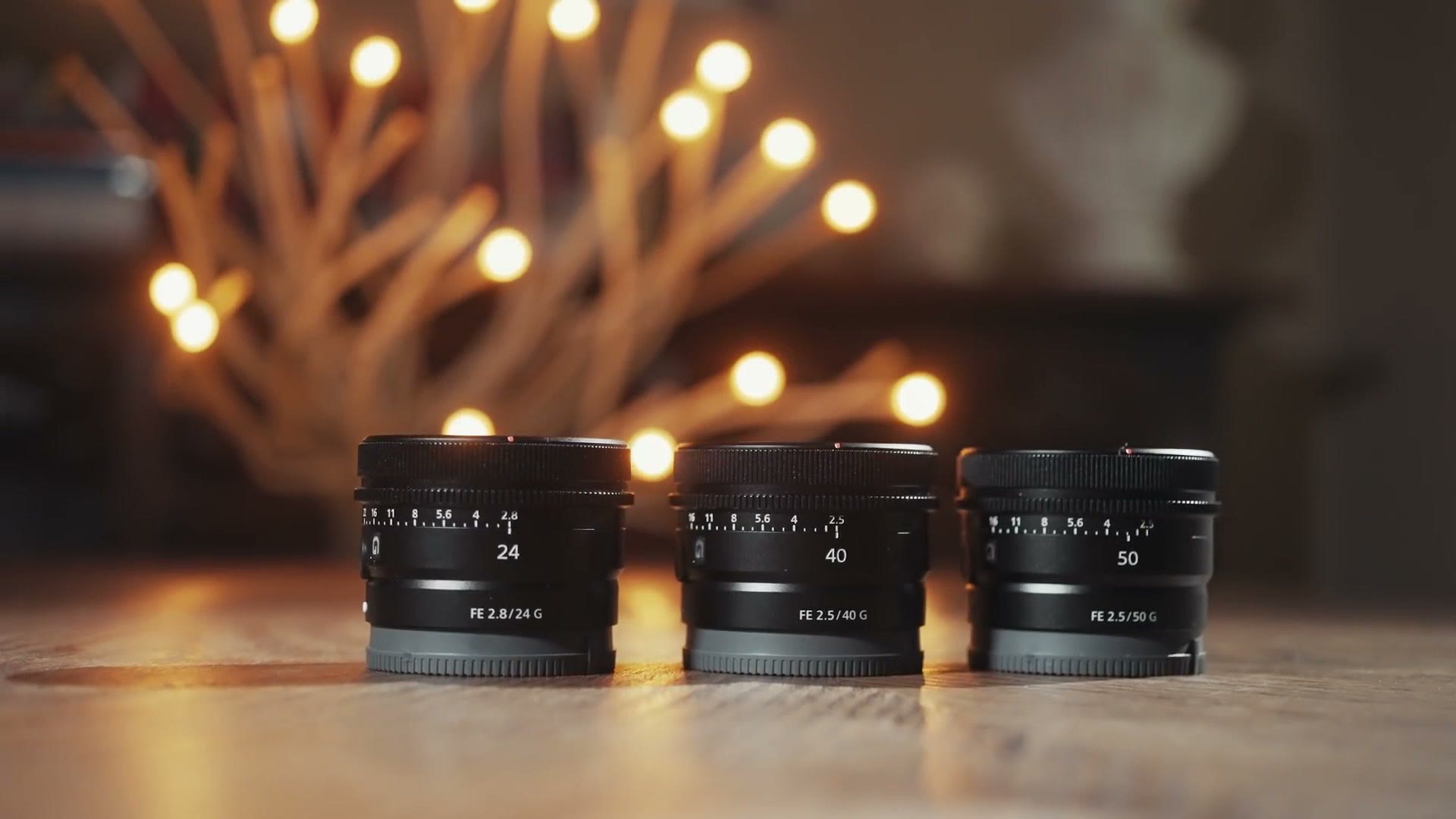
What are they? A 24mm f/2.8, a 40mm f/2.5 and a 50mm f/2.5. And you might be thinking, huh, Sony already makes one 24mm lens and four 50mm lenses, so why are they adding more options at these two focal lengths?
It gets more confusing when I tell you these three lenses each cost $600, which especially puts the 50mm f/2.5 in a weird place, because that is a big price jump over their cheapest 50mm, which retails for 250 bucks and is f/1.8.
The 24mm makes a bit more sense, because its price tag comes in at under half the price of the 24mm GM, which retails for 1,400 bucks. But you also lose a ton of low light performance, since it’s f/2.8 instead of f/1.4.
Then there’s the 40mm, which Sony hasn’t made before, so it isn’t redundant, but it’s close enough in focal length to the 50mm to make you wonder if you could save money and just buy the 50mm f/1.8 instead.
It’s all just weird, right? So let’s look at them.
Lens Size Comparison
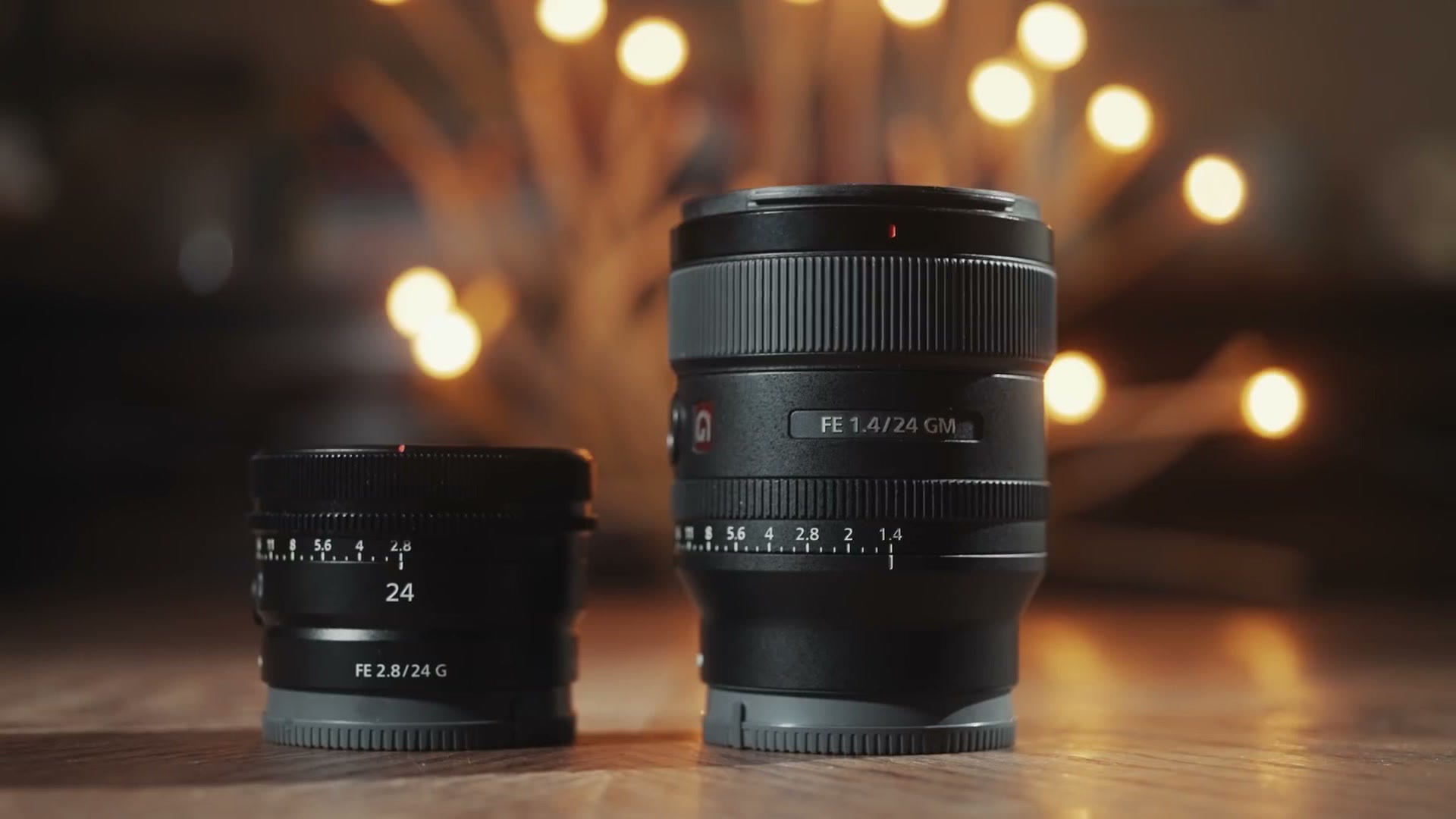
The first thing you’re going to notice is that they are small. They’re not pancakes, but they are little baby lenses. I almost want to juggle them, but that’s a terrible idea, so I’m not going to do that.
All three are the same size as each other. Put them next to the already quite small 24mm GM that I love and you start to get an idea of how compact they are. Put them next to the 135mm GM and they look even smaller. And for good measure, next to the 70-200mm f/4 you need about three of them stacked up to match its height.
I really love the size of these, because they genuinely feel made for a small mirrorless body. Throw one on a full frame camera like the a7S III and you have a very small filmmaking kit. Put one on something even smaller like an a6400 and you’re nearing point and shoot size. So if you film run and gun like I do, where you need a kit that stays out of the way and doesn’t call attention to itself, I would definitely consider these.
Build Quality And Features
I’m sure you’re thinking, Matt, these lenses are small, but the 40 and 50 definitely cost a lot more than the budget 50mm f/1.8. Why would I ever choose these over that?
I think Sony was smart releasing all three at the same time, because even though the focal lengths differ, they otherwise really feel like the same lens. If I have all three sitting in front of me, I have to pick them up and look at the focal length marking to tell which one is which.
Here’s where they start to separate from Sony’s cheaper options. These three carry Sony’s G naming, which stands for Gold, a step below the high end GM line, which stands for Gold Master. They feel sturdy and high quality, and what’s so impressive is that even at this size, Sony still managed to cram in all the features you normally get from a GM lens.
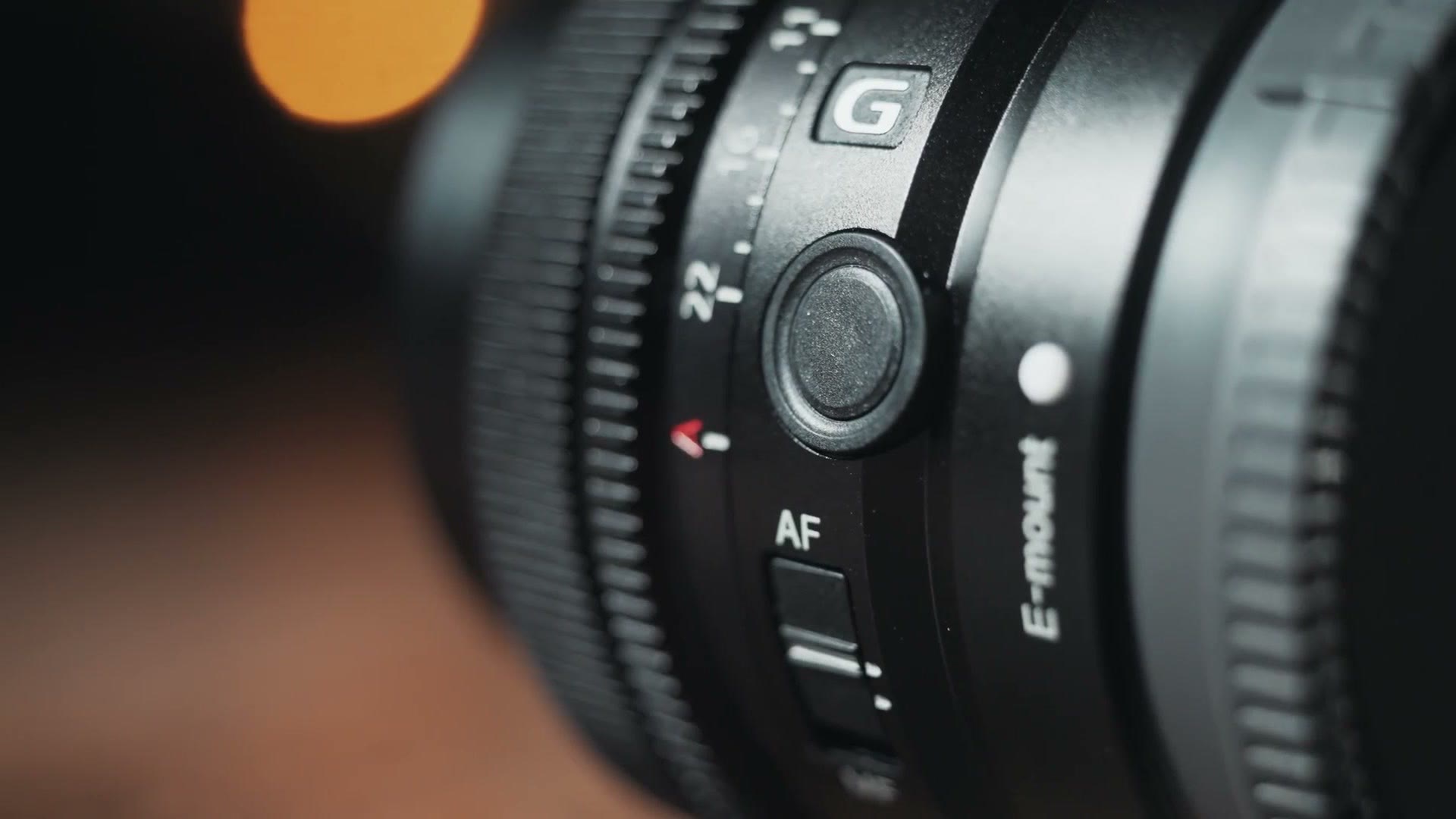
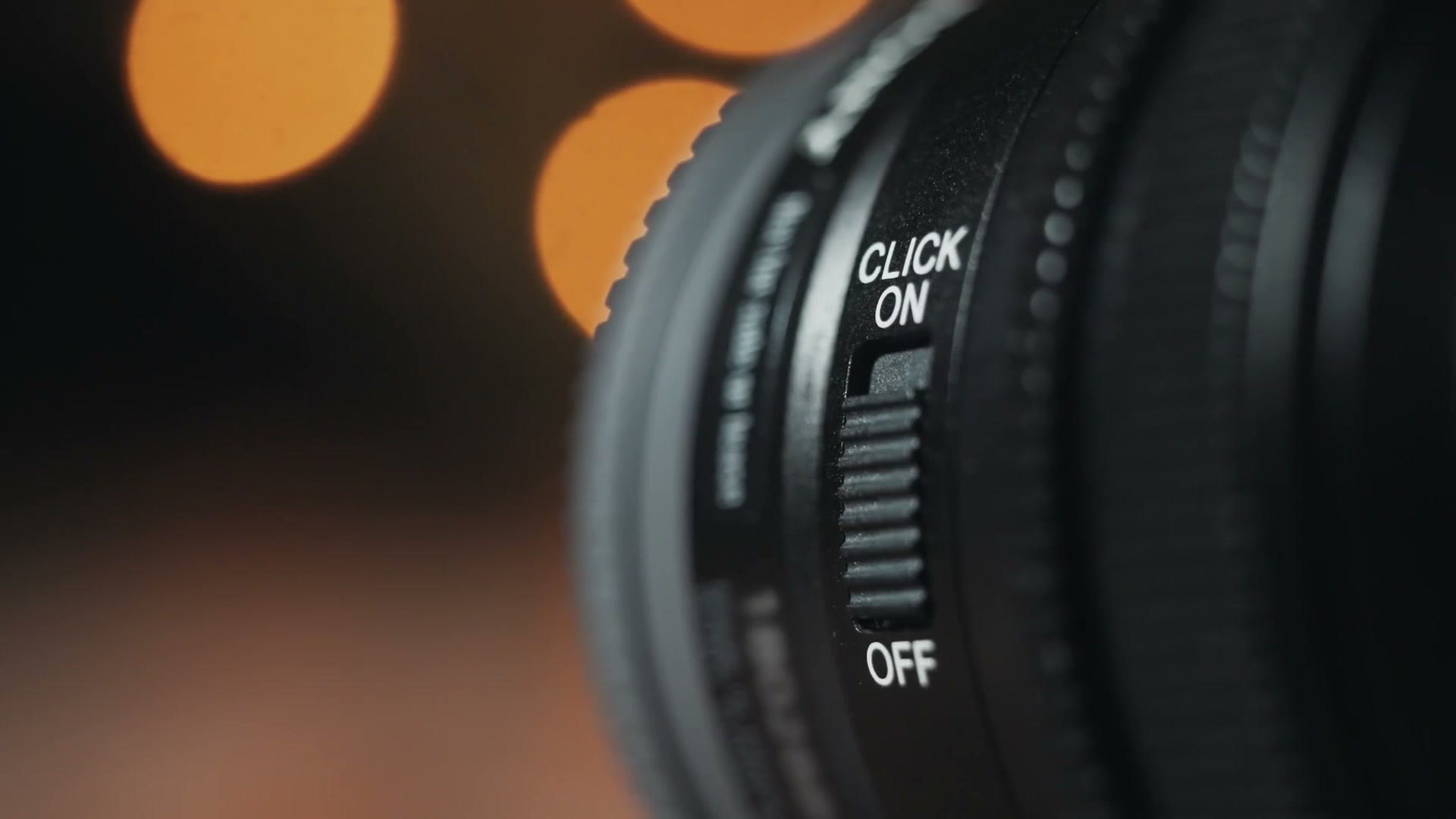
You still get an autofocus and manual focus switch. You still get a focus ring and an aperture ring. And with that aperture ring you even get a switch that lets you go clickless, which is fantastic for filmmaking. Heck, they even managed to put a tiny customizable button on the side. It’s cute. Can you say that about a button? It’s a cute button.
The only real con I found from the size is that everything is quite close together. Sony did a great job giving the focus and aperture rings very different gearing, so it’s easy to tell by feel which one you’re touching. But because the lens is so small, I would constantly find myself accidentally twisting the aperture ring while putting it on and taking it off the camera. So if you’ve got a clickless aperture set to the stop you want, be mindful when you swap lenses, because it’s very easy to rotate that ring without noticing.
Compare this build and feature set to something like the 50mm f/1.8 and you start to see a big gap. The f/1.8 version literally has a focus ring, and that’s it. No other switches, no other way to control the lens. And if you’re a filmmaker, having something like that clickless aperture is very nice. So you can think of these as a middle ground between Sony’s budget and higher end options.
Autofocus Performance
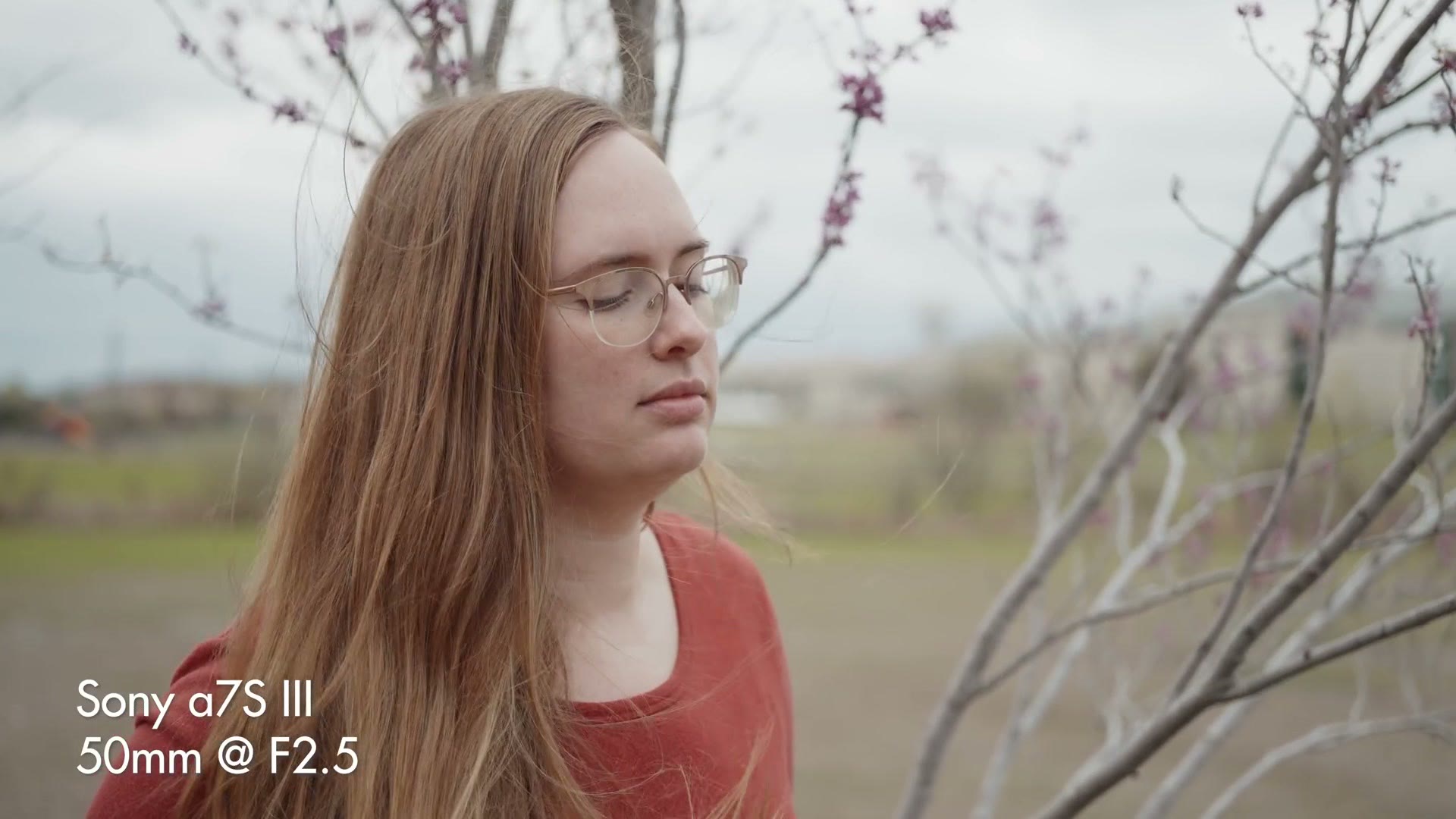
We’re not done with upgrades either. I wish I’d had the 50mm f/1.8 on hand to compare directly, but from my research, which you can confirm or deny by leaving me a comment, the f/1.8 is sharp but suffers from slow and loud autofocus and a lot of focus breathing when shooting video.
Compare that to this new 50mm f/2.5. I found the autofocus speed and accuracy to be just as good on these lenses as on the Sony GM lenses I’ve bought. On my a7S III it’s fast, it’s accurate, it doesn’t hunt around, and very importantly for filmmakers, to my ears it is silent. I have literally turned autofocus on and held these lenses up to my ear while walking around so the focus was constantly changing, and I could not hear them focusing at all. I know they were focusing because I could see the footage in focus, but I ain’t hearing it.
I really thought this might be a weak spot, because in my experience with cheaper lenses that usually means there’s a compromise with the autofocus somewhere. These are rock solid and essentially silent.
Manual Focus Performance
Manual focus is quite good as well on all three. In the past, Sony lenses had issues with lag between rotating the focus ring and the lens actually focusing, because they’re focus by wire. They’ve finally gotten past that, and I’ve not experienced any lag manually focusing with these.
Focus Breathing
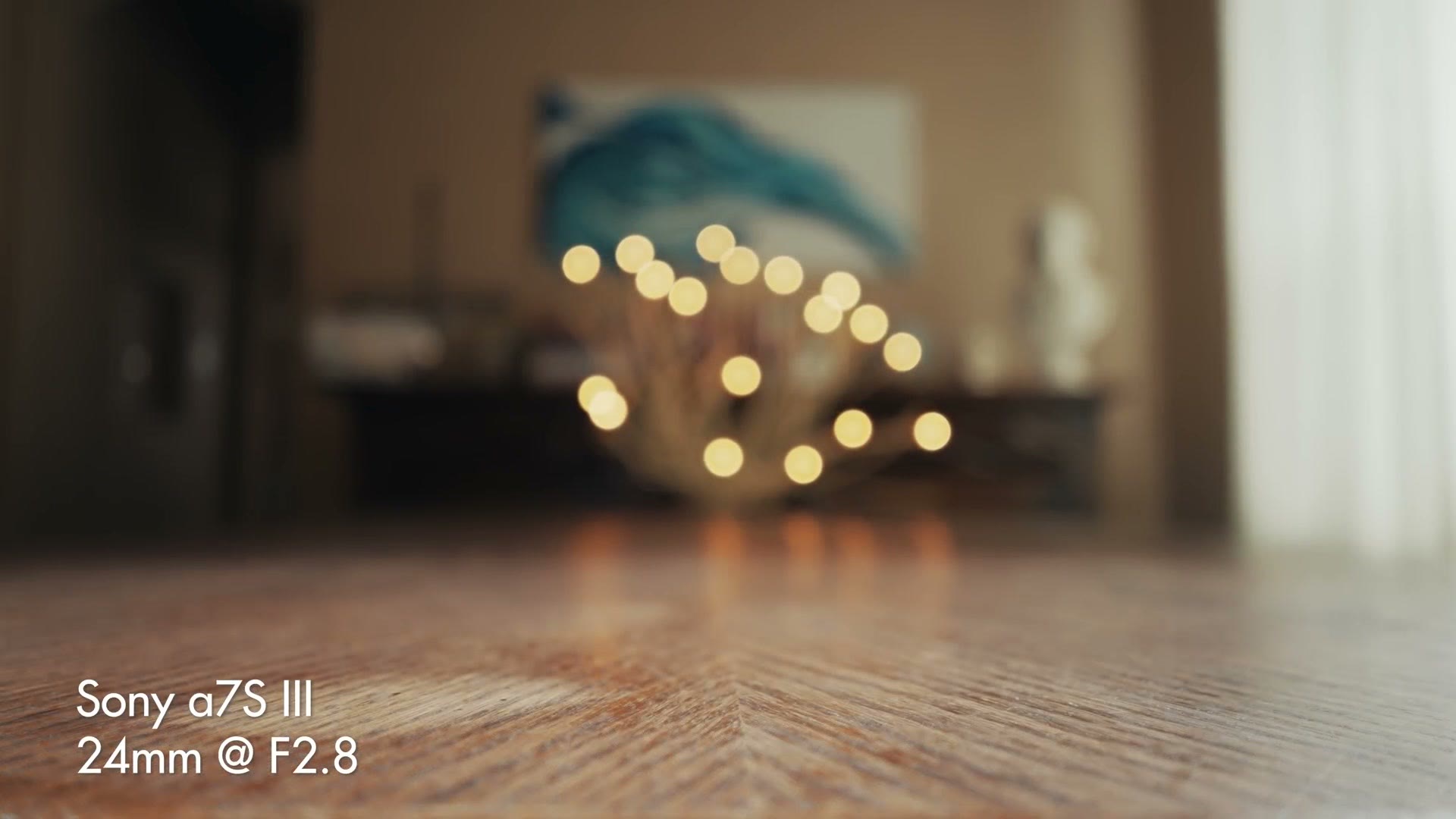
Do these lenses change their focal length whenever you rack focus from something close to something far, or the other way around? In my testing all three breathe some, with the 24mm showing a little and the 40 and 50 showing more. The 40mm definitely looked worse from what I could see.
Personally I don’t think this is a deal breaker, because I don’t do a ton of extreme rack focusing when I film, and don’t forget these are still more affordable than a lot of Sony’s other glass. That said, if you want a tighter lens with less breathing, you may need to pony up some extra money for something like the new 50mm f/1.2.
Image Quality
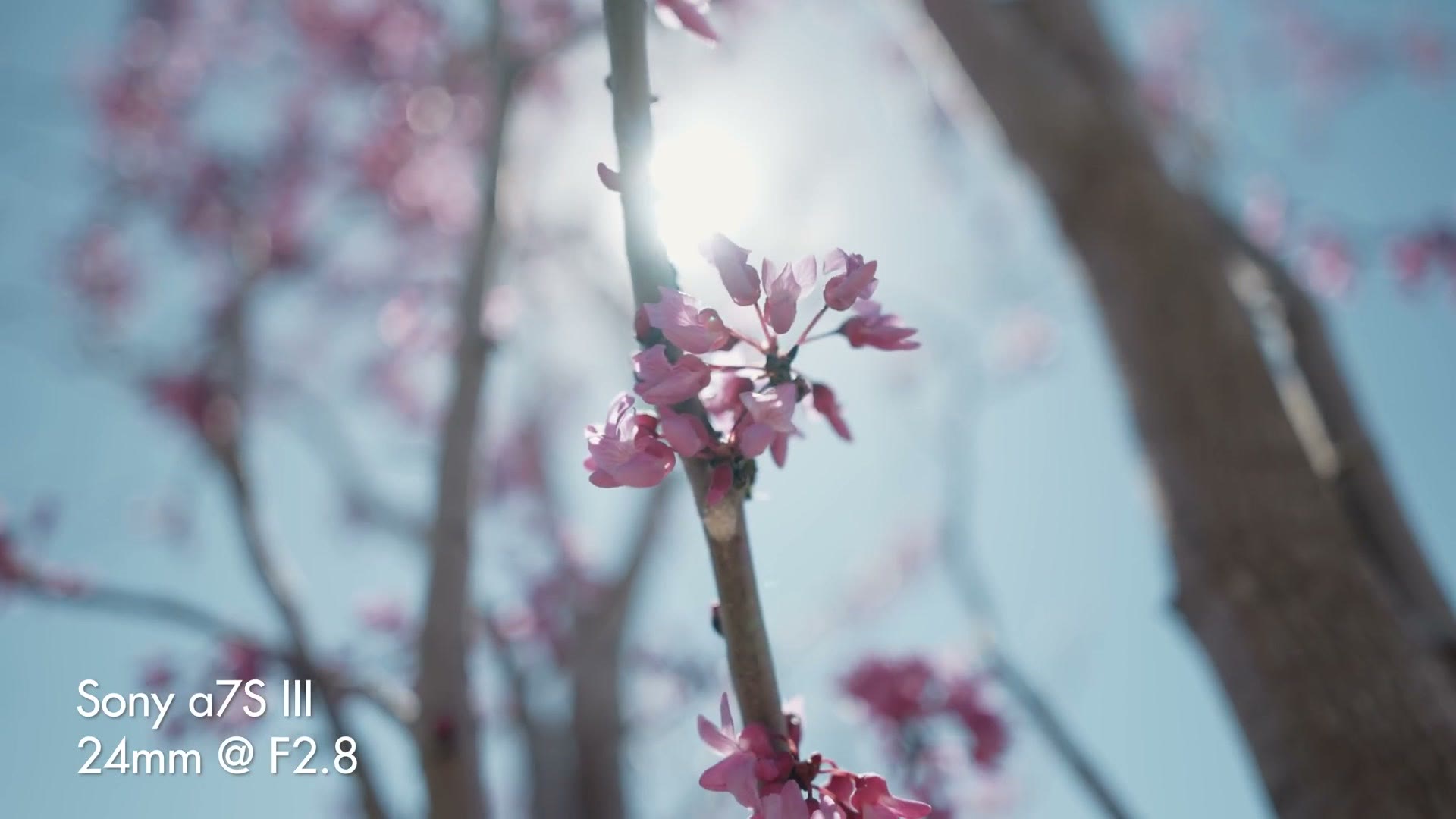
What about image quality? That’s arguably the most important thing, because who cares if you have a compact lens with great autofocus if your footage looks like a turd?
If you want to go deeper, I’ve also got BEST 50mm Lens Sony Has Ever Made – 50mm F1.4 GM Lens Review For Wedding Filmmakers.
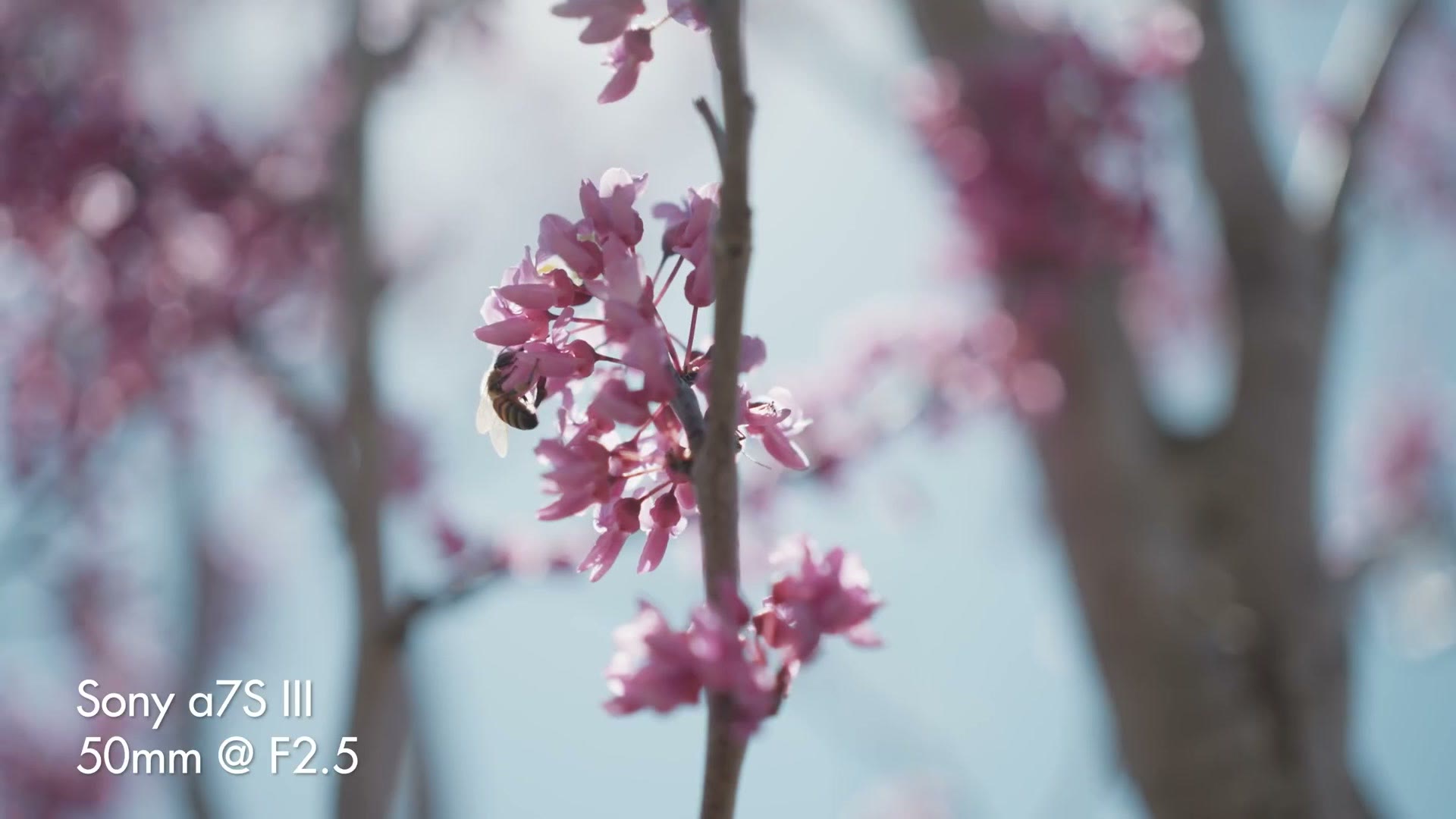
Thankfully the image quality from all three is great. They’re sharp, the colors look nice, and while I don’t think it’s quite as good as what you’ll get from one of Sony’s GM lenses, the fact that they were willing to put a G on the side tells you that you can expect overall good image quality.
Are These Lenses Worth It?
Let’s go back to the beginning. I said at the start that these new lenses appear redundant, more expensive, and possibly not as good as lenses that already exist.
Are they redundant? Yes, for the most part. Sony already makes lenses at 24 and 50mm.
Are they more expensive? That 50mm f/2.5 is definitely more expensive than the cheapest 50mm option.
But are they not as good as the other options from Sony? If you’re a photographer, I’d say buy the cheaper 50mm f/1.8 and call it a day. But this is a review for filmmakers, and I think the added features, the build quality, the clickless aperture ring and the silent autofocus, make a compelling reason for filmmakers to consider these over the cheaper options.
Look at the f-stops and you’re not getting f/1.4 or f/1.8 or even f/2. You’re getting f/2.5 or f/2.8, so you’re losing some low light performance compared to that 50mm f/1.8. But 2.5 and 2.8 still let in a good amount of light, and wide open I think the bokeh still looks quite pleasing.
Should You Buy These Lenses?
Here’s what I would do.
Maybe you’re just getting started in filmmaking, you don’t have a huge budget, and you want a decent, affordable, well rounded lens that will work well for video. In that case I would bypass Sony’s cheaper lenses and go for the new 40mm or 50mm. I actually didn’t have much experience with a 40mm, because I usually find myself on a 35 or a 50, but I was surprised to find that I really do like this focal length. It’s a very subtle difference from the 50mm, but that little bit of extra width is nice.
What about the 24mm? Here’s another scenario. I know there are a lot of filmmakers out there with multiple cameras who like to set one up as a dedicated gimbal camera, where it lives on the gimbal all day with one lens so you always have a camera ready to get a stable moving shot. If that’s you, I would definitely consider picking up the 24mm. Its aperture is only f/2.8, but unless I’m filming in low light I usually have my 24 on the gimbal stopped down to f/2.8 or f/4 or f/5.6 anyway, because I want more things in focus whenever I’m on a gimbal. As a plus, this lens is super light, so you don’t have to worry about your gimbal not handling the weight. I can’t think of a gimbal that couldn’t, aside from maybe a smartphone gimbal. Throw in that it costs less than half the price of the 24mm GM and it sounds like a great deal.
So there you go. Are these lenses a bit unexpected and redundant? Yes. But if I had to pick a relatively affordable native Sony lens for filmmaking, one of these would be it.
Everything I Mentioned
- Buy the 24mm f/2.8 at B&H
- Buy the 40mm f/2.5 at B&H
- Buy the 50mm f/2.5 at B&H
- My review of the 24mm f/1.4 GM, which is the expensive lens I keep comparing the little 24 to
- My favorite lenses for wedding filmmaking, if you want the whole kit rather than one lens
- My Sony a7S III review, which is the camera every frame here was shot on
- Join the discussion in my Facebook group
And if you happen to be a wedding filmmaker like me, you probably want to book more couples and film more weddings. To help you out with that I made a free guide that walks you through practical steps you can take right now in your business, and you can download it here.
This review is from March 2021, when all three lenses were brand new at $600 each. Prices on the whole Sony lineup have moved since, and the comparison lenses have too, so check the current numbers before you decide anything based on the price gaps described here.
Sony sent these three lenses on loan and did not pay for or sponsor this review. Some of the links above are affiliate links.