
Sony has not teased, hinted at, or breathed a single word about a Sony FX6 II, and I am still betting that it is coming. More than that, I am betting it arrives with internal ND filters and in-body image stabilization at the same time, which is a combination that exists in exactly one Sony camera today, and that camera costs $25,000. I think the FX6 II lands at $6,999.
Because I respect your time, that is the whole conclusion up front. Everything below is the evidence, the precedent, and the price math I used to get to that number. For what it is worth, I have been filming weddings for over 15 years and I have had this exact Sony lineup on real jobs the entire time, so this is not a spec sheet guess from the outside.
What the Sony FX5 got right
Sony recently announced the Sony FX5, and it is turning out to be genuinely popular, because it shipped with a pile of features filmmakers have been asking for for a very long time. Internal RAW video. Internal 32-bit float audio recording. Neither of those is a small thing, and together they are why I ended up calling it the best camera Sony has made in five years.
The one thing the FX5 is still missing
There is one thing the FX5 does not have, and it is arguably the thing filmmakers have been begging for the longest: internal ND filters.
Sony’s explanation is that the FX5 body is simply too small to fit them, and as much as I want those pesky laws of physics to get out of the way, that does make sense. Keep in mind Sony still managed to cram in-body image stabilization into that little body. It just could not fit the NDs alongside it. That is one of the entries on my list of ten things Sony got wrong with the FX5, and it is the one I care about most.
The FX6 fixed it, but gave up IBIS to do it
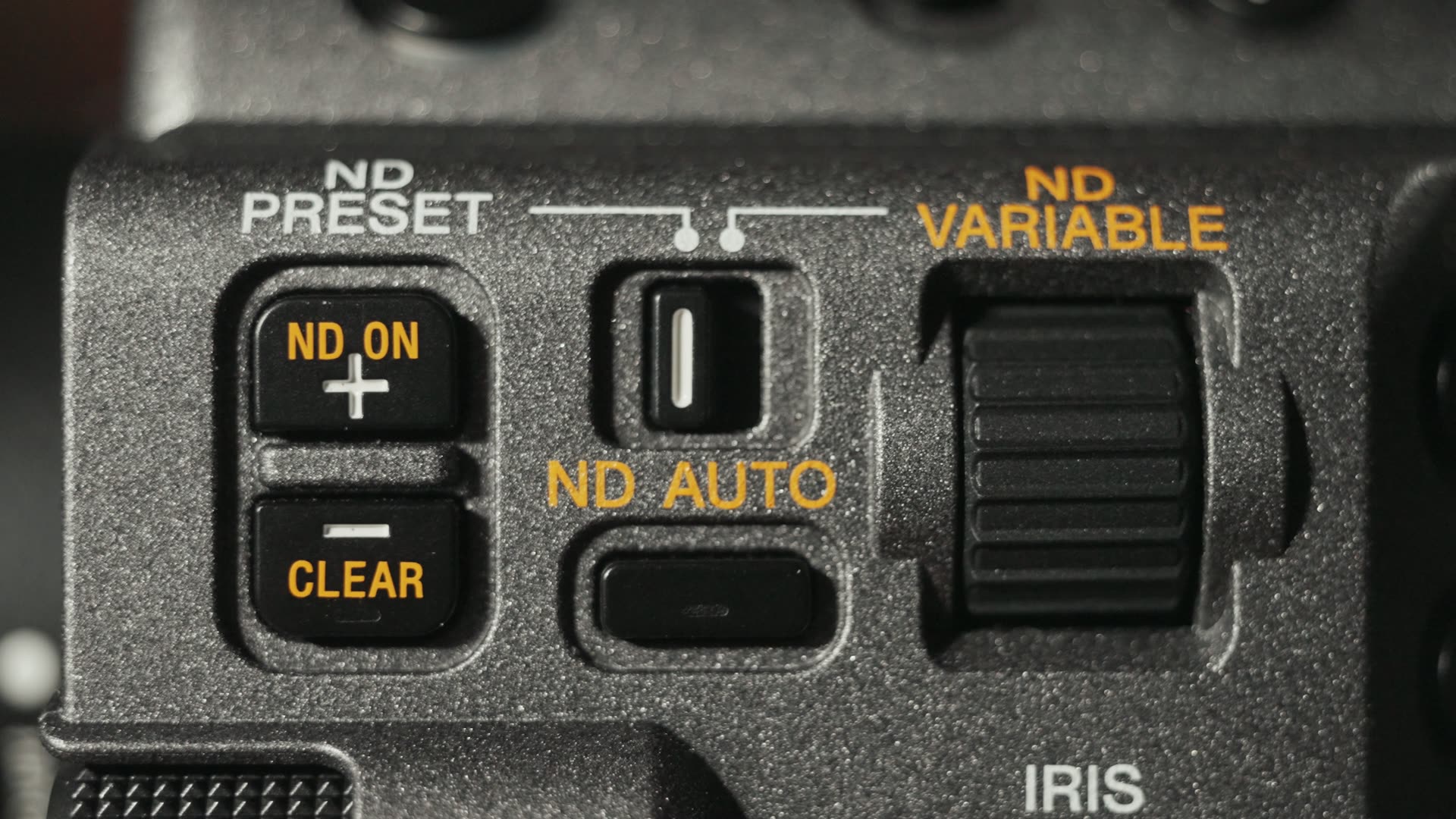
Thankfully, Sony already built a camera that solves exactly this. A few months after the Sony a7S III landed back in 2020, and actually before the Sony FX3 even came out, Sony introduced the Sony FX6. Same sensor as the FX3 and the a7S III, but Sony pulled the in-body image stabilization out and dropped an electronic ND filter system in its place, and that system is very loved by filmmakers. I said as much back when I called it an a7S III in a cinema camera body.
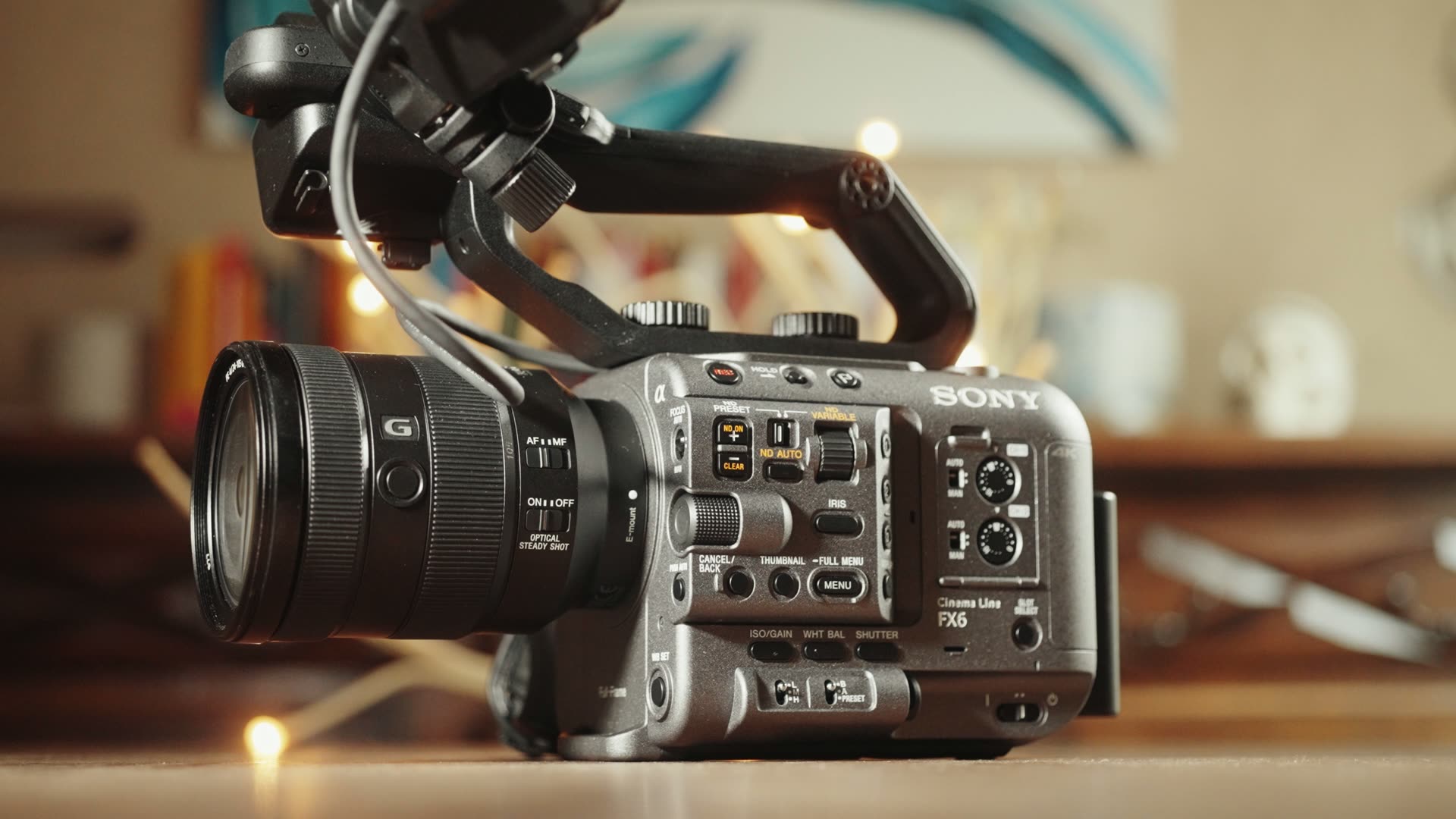
That variable ND panel is the single best argument for a cinema body over a mirrorless one. You are not screwing filters on and off between setups, and you are not stopping down and wrecking the look you wanted. You roll a wheel.
What a Sony FX6 II would actually include
Sony has said nothing. But historical precedent says one is coming at some point, and whenever it does, I think it could be the camera that checks literally every single box filmmakers have basically ever had, even more than the FX5 does. Here is what I expect in it.
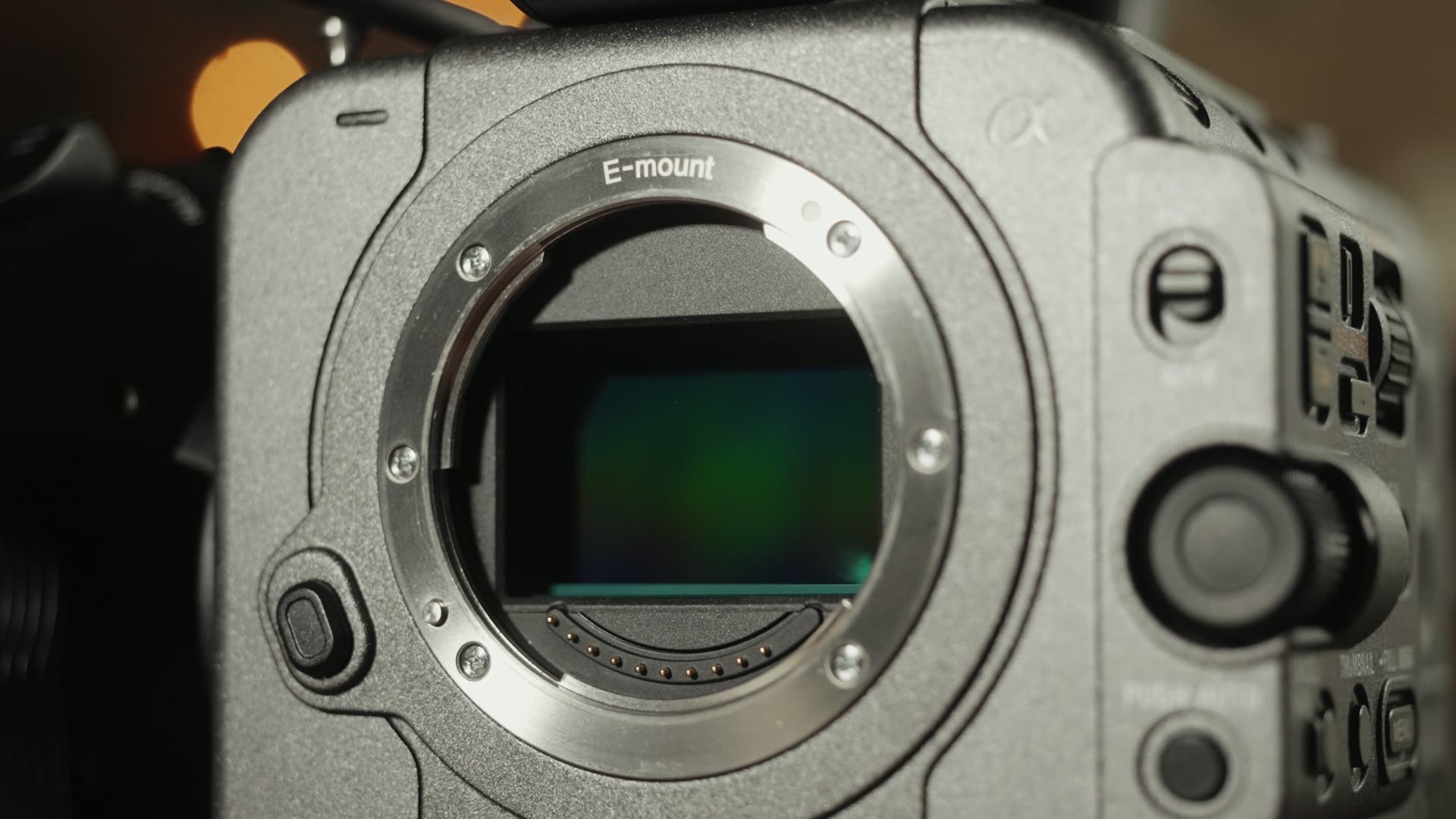
The same sensor as the FX5. Which, by the way, also happens to be the same sensor as the Sony a7R VI, just modified down to 16 megapixels. People online discovered that after the FX5 was announced, so I want to flag it as their finding and not mine, but it makes sense. And it is a great sensor! 5K resolution, triple base ISOs, and it records RAW. Stellar.
A true cinema camera form factor instead of a small mirrorless one. All the modularity you would want, a grip, a handle, and a giant fan to guarantee it never overheats.
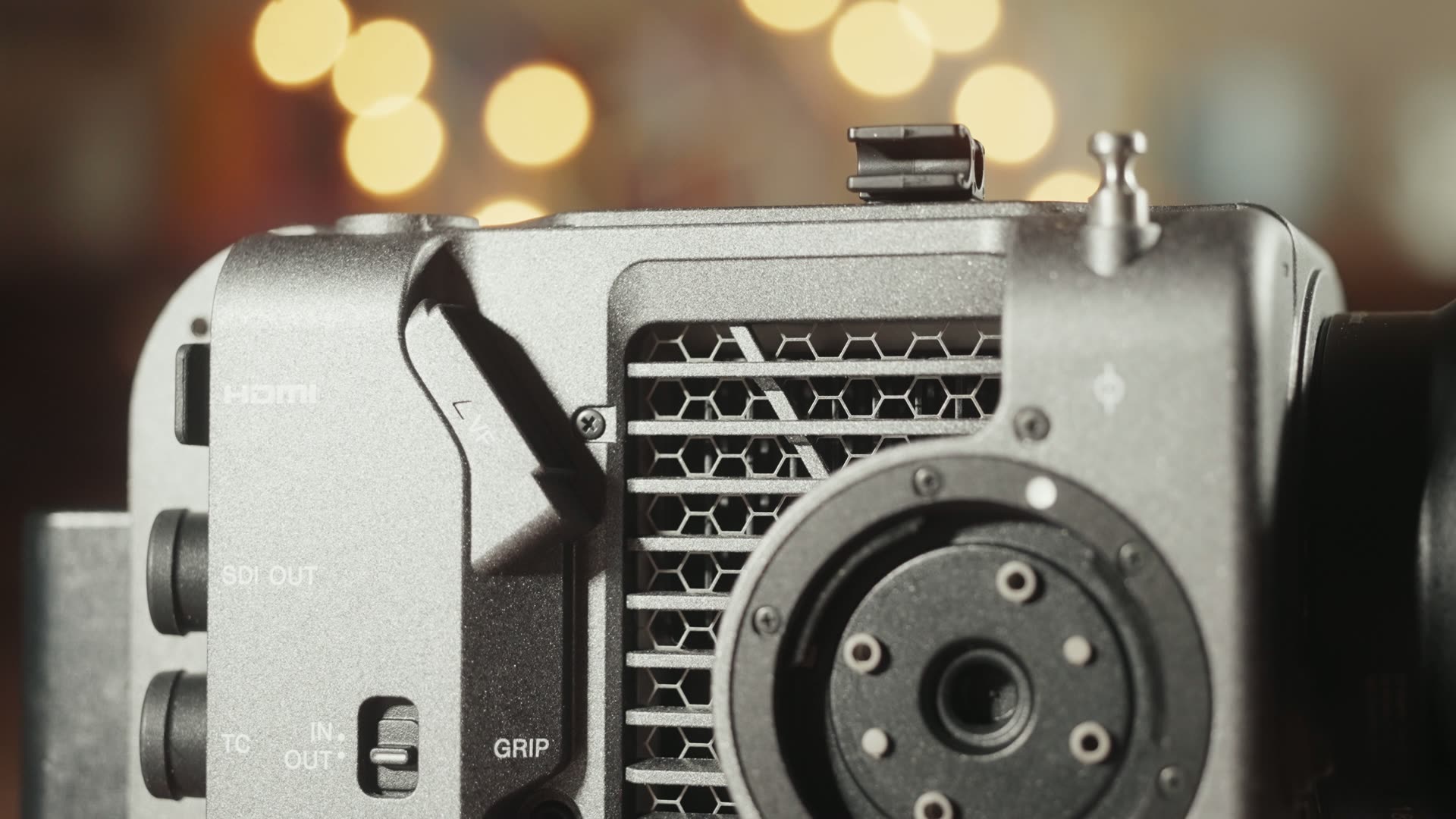
An XLR input on the body itself. This one is a wish more than a prediction. On the current FX6, if you want to use XLR cables you have to attach them into the handle, which is annoying every single time. Maybe Sony actually gives us an input on the body. We can dream.
Sony’s electronic ND filter. Exactly the way the FX6 added the one thing the FX3 was lacking, the FX6 II would add the one thing the FX5 is lacking.
Does the BURANO prove Sony can do both?
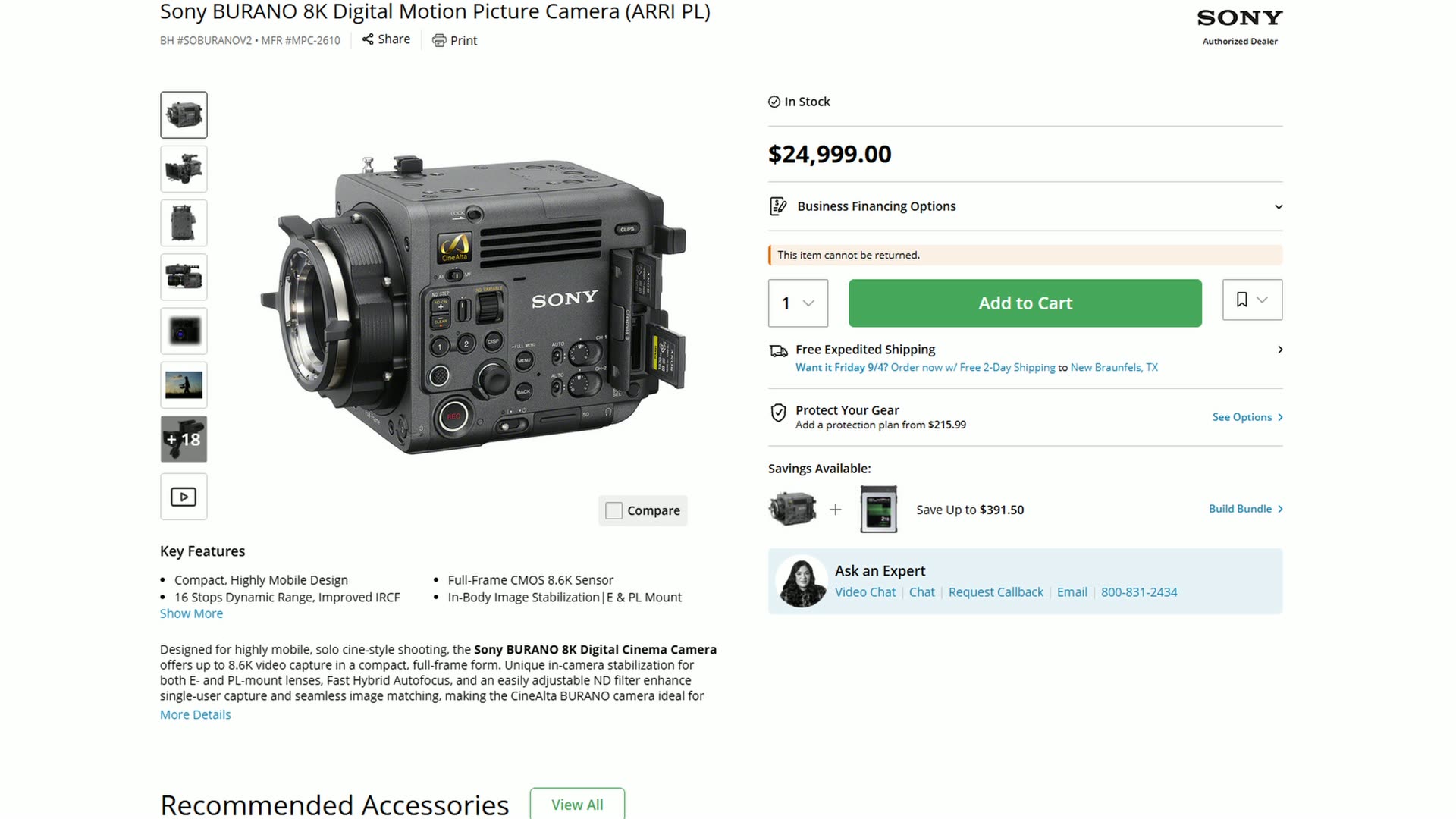
Here is where things take a turn. Remember that to get the ND system crammed into the original FX6, Sony had to remove the in-body image stabilization. But it has been years since the FX6 was released, and in that time Sony made a different camera that has built-in ND filters and in-body image stabilization. So Sony has done this before, and I am betting they can do it again.
That camera is the Sony BURANO, and at the time of its release it cost $25,000, which is a wild sum of money. But is that surprising? Not really. Sony knows it is really the only cinema camera on the market today with IBIS and an ND filter, and I have friends who happily ponied up 25K for that one capability.
Why I keep saying the Sony FX6 II will cost $6,999
Now we need to talk about the biggest argument against an FX6 II getting internal ND with IBIS, and that is the price. When the FX6 was introduced, it was positioned as Sony’s most affordable full-frame cinema camera in a traditional form factor, essentially the little brother to the $11,000 FX9 and a step up from the form factor of the FX3. It only cost $6,000 when it released, and I say only because of that FX9 number sitting right above it.
That price gap is exactly why I keep landing on $7,000. The original FX6 launched around $2,000 more than the FX3, about six grand versus just under four grand. So if Sony keeps that same spacing above the $4,900 FX5, you land at $6,999, which sounds like a price tag Sony would target.
Would Sony really put a $25,000 feature in a $7,000 camera?
I can see a lot of people, possibly you, preparing to type in the comments right now that there is no way Sony takes the defining feature of their $25,000 BURANO and adds it to an FX6 II. And to that, my answer is that they have already done this exact thing once.
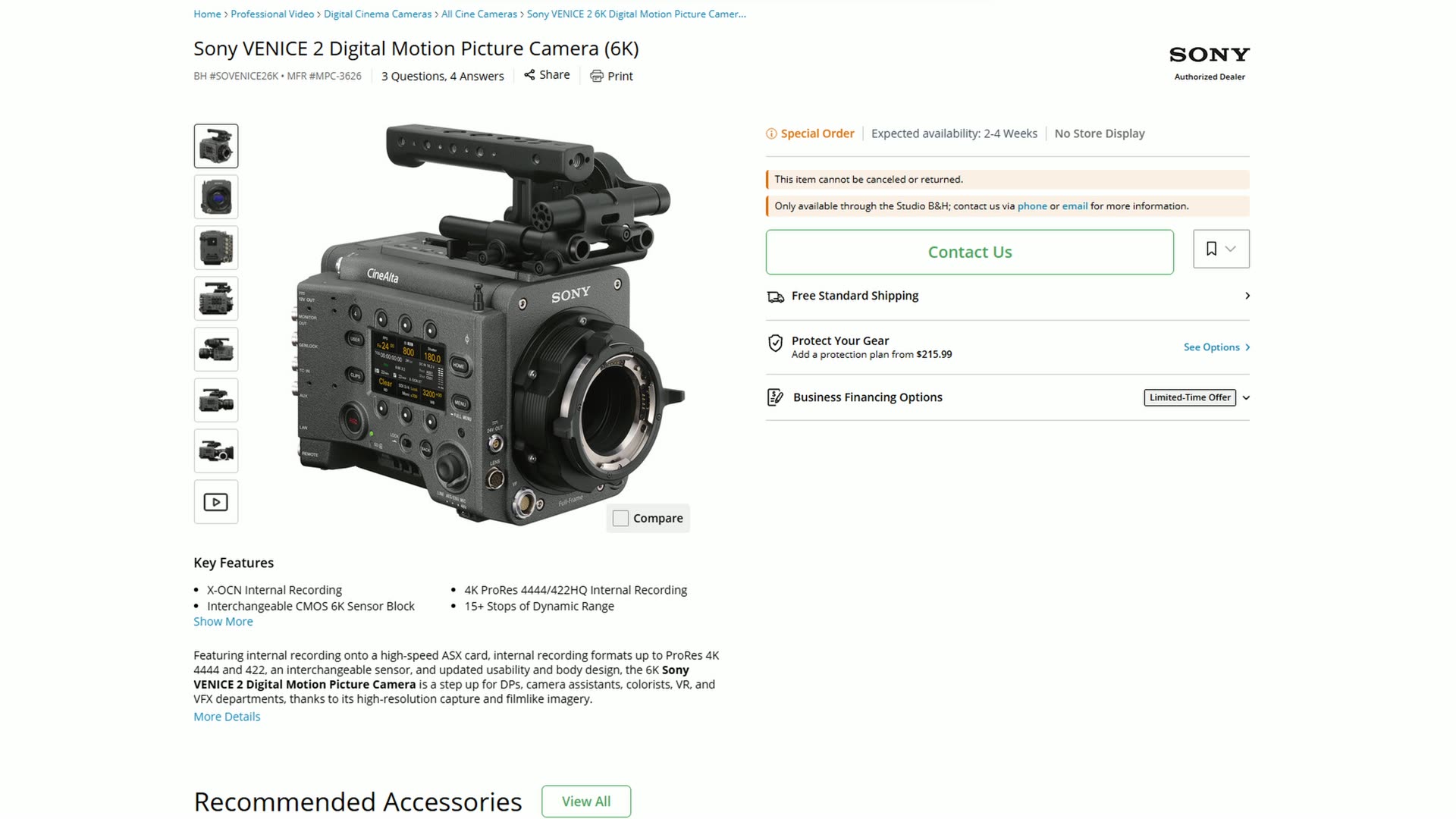
Even at $25,000, the BURANO was dramatically cheaper than the Sony VENICE 2, and it came with IBIS, which the VENICE did not have. And now the FX5 gives you that same internal X-OCN and RAW recording in the LT flavor with the smallest file sizes, and it even beats the VENICE and the BURANO in low light with its triple base ISOs.
So you see what I am saying. It is very much within the realm of possibility, and it follows Sony’s exact business model of trickling camera features down the lineup, which is why I am sticking with my bet. Not only is an FX6 II coming, it is going to include an ND filter with IBIS, essentially creating the dream camera for a lot of filmmakers, checking every single box they want.
Where my argument could fall apart
I would be doing you a disservice if I only made the case for my own bet, so here are the weak spots in it.
- Sony has confirmed absolutely none of this. There is no leak, no teaser, and no spec sheet. This is a prediction built on precedent.
- The $6,999 number is my math, not a rumor. It comes from historical price spacing, and Sony has pushed prices up generation over generation before.
- The body XLR input is a wish. I want it. I have no reason to believe Sony is planning it.
- The whole thing rests on Sony being willing to undercut a $25,000 camera. That is the part a reasonable person can disagree with me about, and plenty will.
If you want to see how this kind of prediction goes when I do it about a camera that is genuinely overdue, I did the same exercise in my Sony FX3 II predictions.
So, would you buy one?
Which brings us back to the question I asked at the start. Would you buy a Sony FX6 II for $7,000? Heck, what about $8,000, or $9,000? I may be wrong about the price, but I do not think I am, and I am genuinely interested to hear where your own line is. Let me know in the comments on the video.
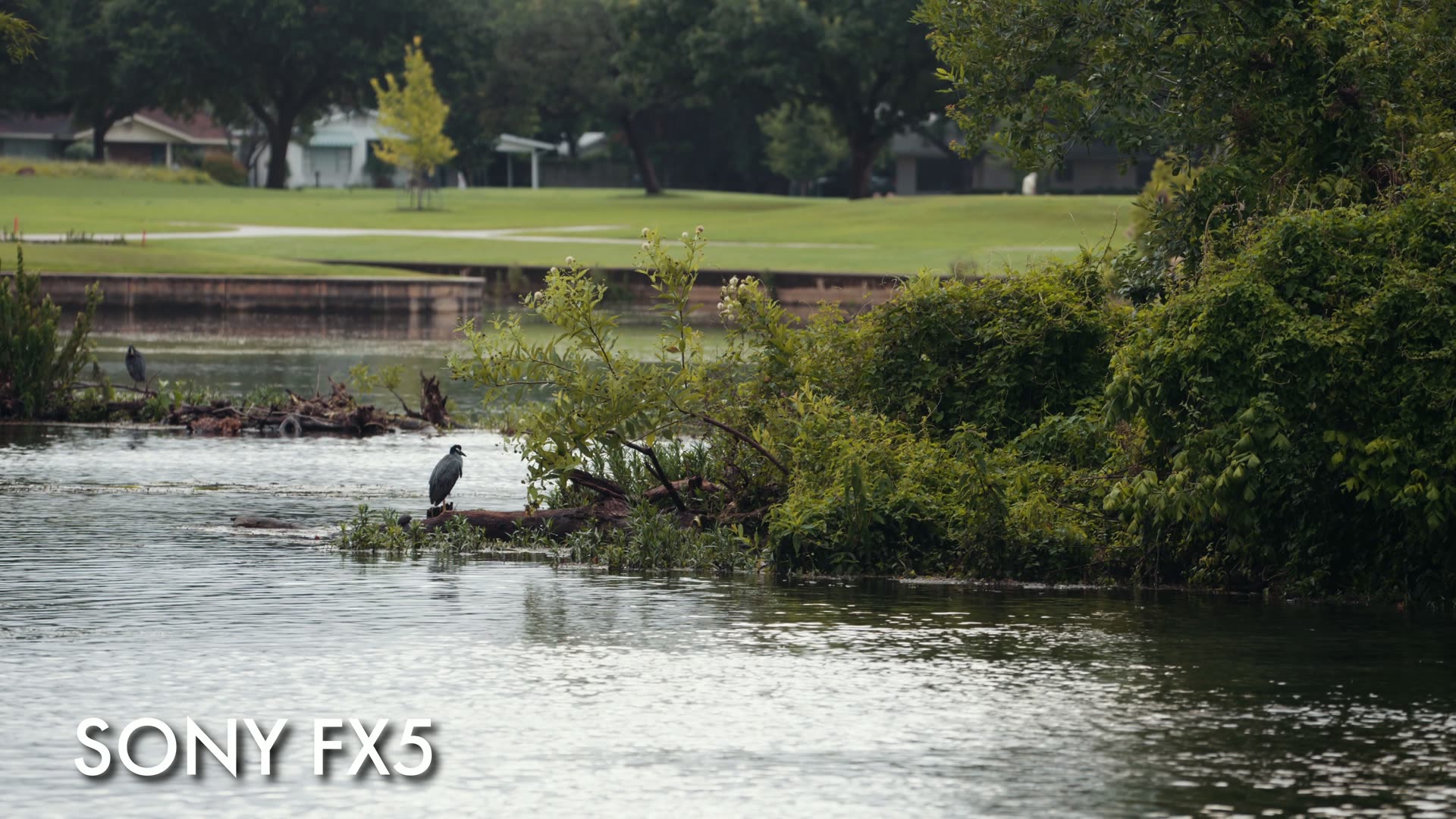
And while you are thinking about it, I put up a batch of my own FX5 RAW clips that you can download completely free. They are the fastest way to see what that sensor actually does, and the fastest way to find out whether your machine can handle X-OCN and RAW at all, which I put to the test in can your computer edit Sony FX5 RAW. There is also my Sony FX5 filmmaking playlist, which is getting pretty long at this point.
One last thing. If the reason you are eyeing a new camera is that you want to elevate your work, the camera is only half of that job. The other half is what you do with the footage afterward, and my free Edit Videos Like A Pro guide covers that side of it.