
Every time I post a wedding filmmaking behind the scenes video I get a pile of shocked comments asking the same thing. How are you using a manual focus lens with a gimbal?
People ask because I still film weddings with a Sony a7S II and an adapted Sigma 24mm in Nikon mount, and that adapter does not support autofocus. So how am I manually focusing on a gimbal, and why on earth would I do that instead of just buying native lenses that autofocus?
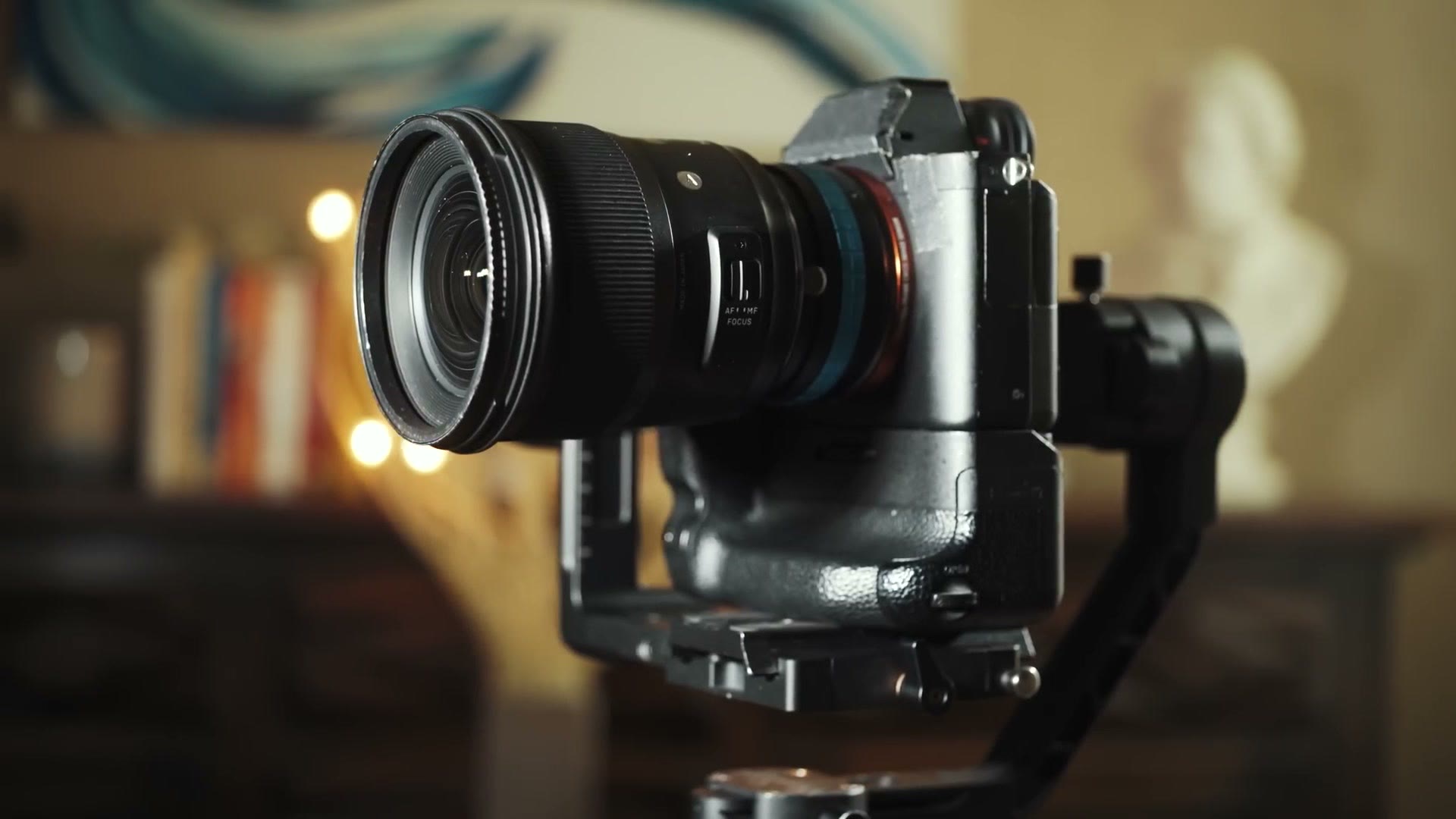
Here are the techniques I use, and then at the end I’ll tell you why I still prefer manual focus lenses when I’m filming.
Overview
My technique is pretty simple and it comes down to three things:
- Shoot with a wider lens.
- Make sure that lens has a closed aperture.
- Keep the same distance away from the subject you’re filming.
Let’s dive into each one.
Wide Lens
I typically use a wider lens on a gimbal, and I love this Sigma 24mm f/1.4.
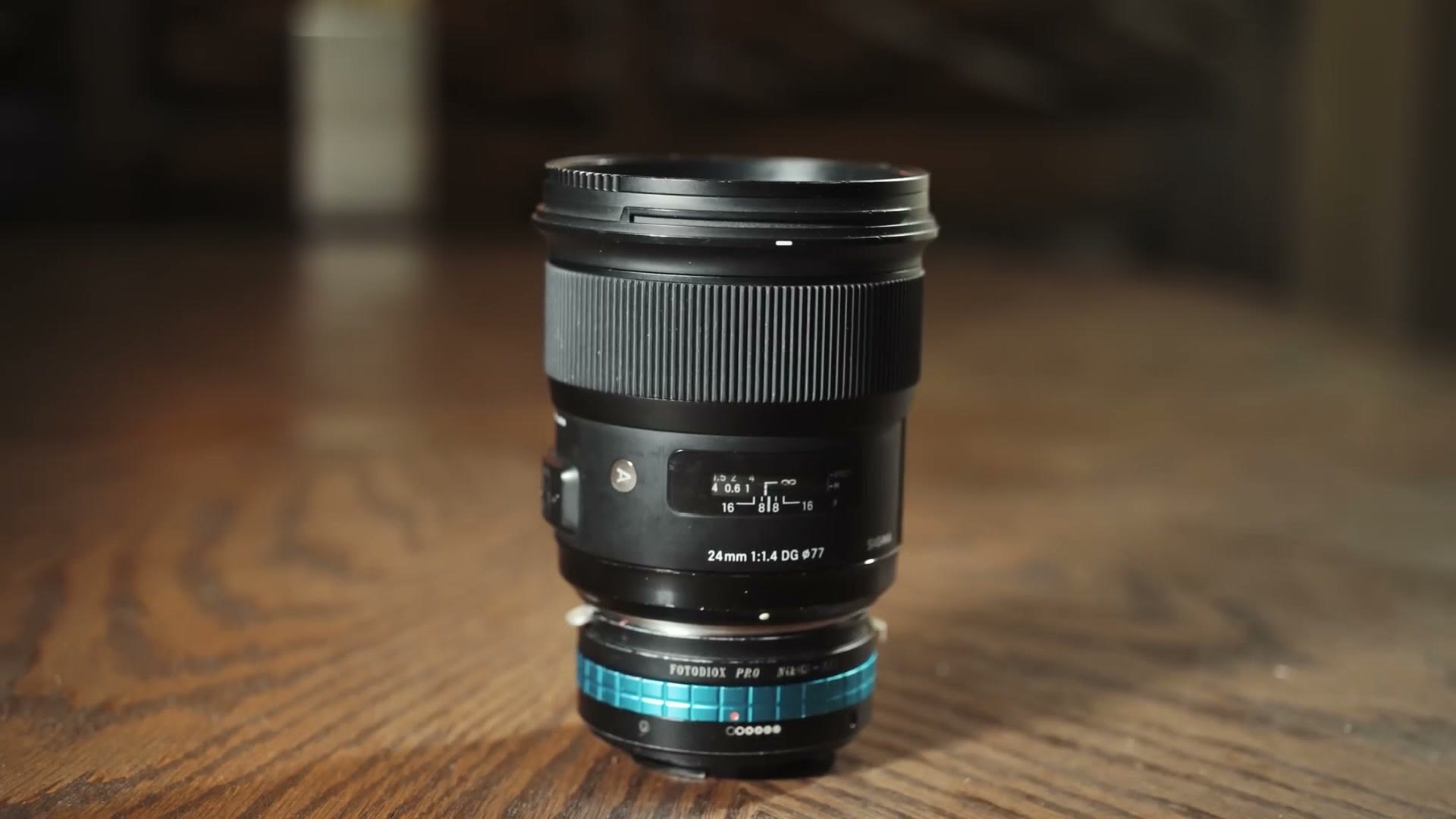
The reason is that the wider your lens is, the more is in focus, even at more open apertures.
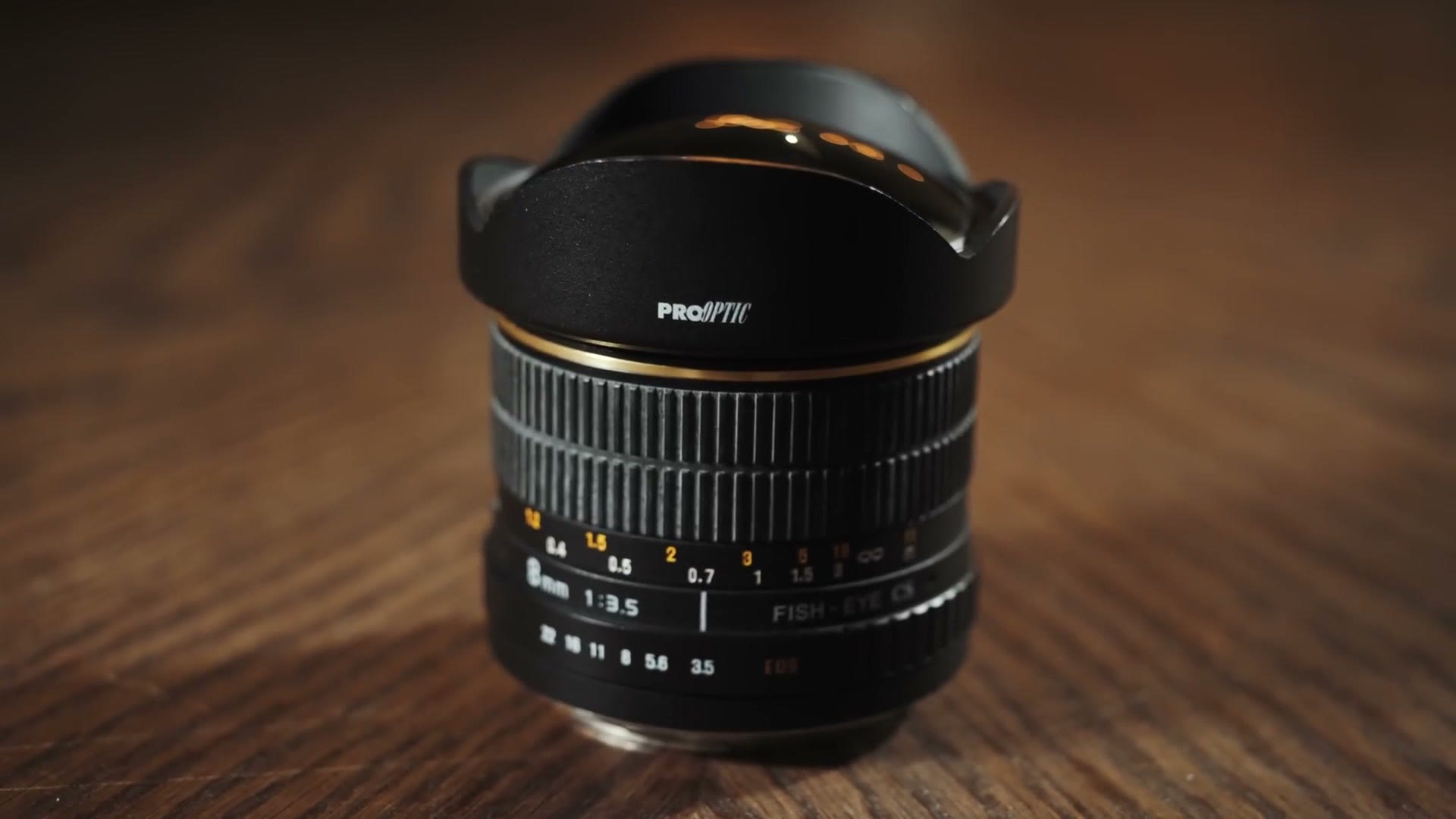
You ever use a fisheye? Heads up: you can't buy the Pro Optic 8mm f/3.5 fisheye on Amazon, so this link goes to an equivalent, the Rokinon 8mm f/3.5 Fisheye for Canon EF. I’ve got an 8mm and I’m not even sure why it has a focus ring, because turning it makes basically no difference to the focus of the image. It’s just that wide.
The Sigma at 24mm is no fisheye, but even wide open at f/1.4, where it’s letting in a ton of light, it’s still wide enough to keep a lot of things in focus. Put a wide lens on your gimbal and you’re going to be able to keep more things in focus.
“I don’t have a wide lens, Matt.” That’s okay. The second technique is going to help you no matter what lens you have. If you are shopping though, the Sony 24mm f/1.4 GM is the native version of this exact idea.
Aperture
The second part is that you want your lens to have a closed aperture.
“What are you saying, Matt? Set my lens to f/22 so everything’s really dark but at least it’s all in focus?” No. Nothing that extreme. But I do want you to be very aware of the aperture your lens is set to while you’re filming.
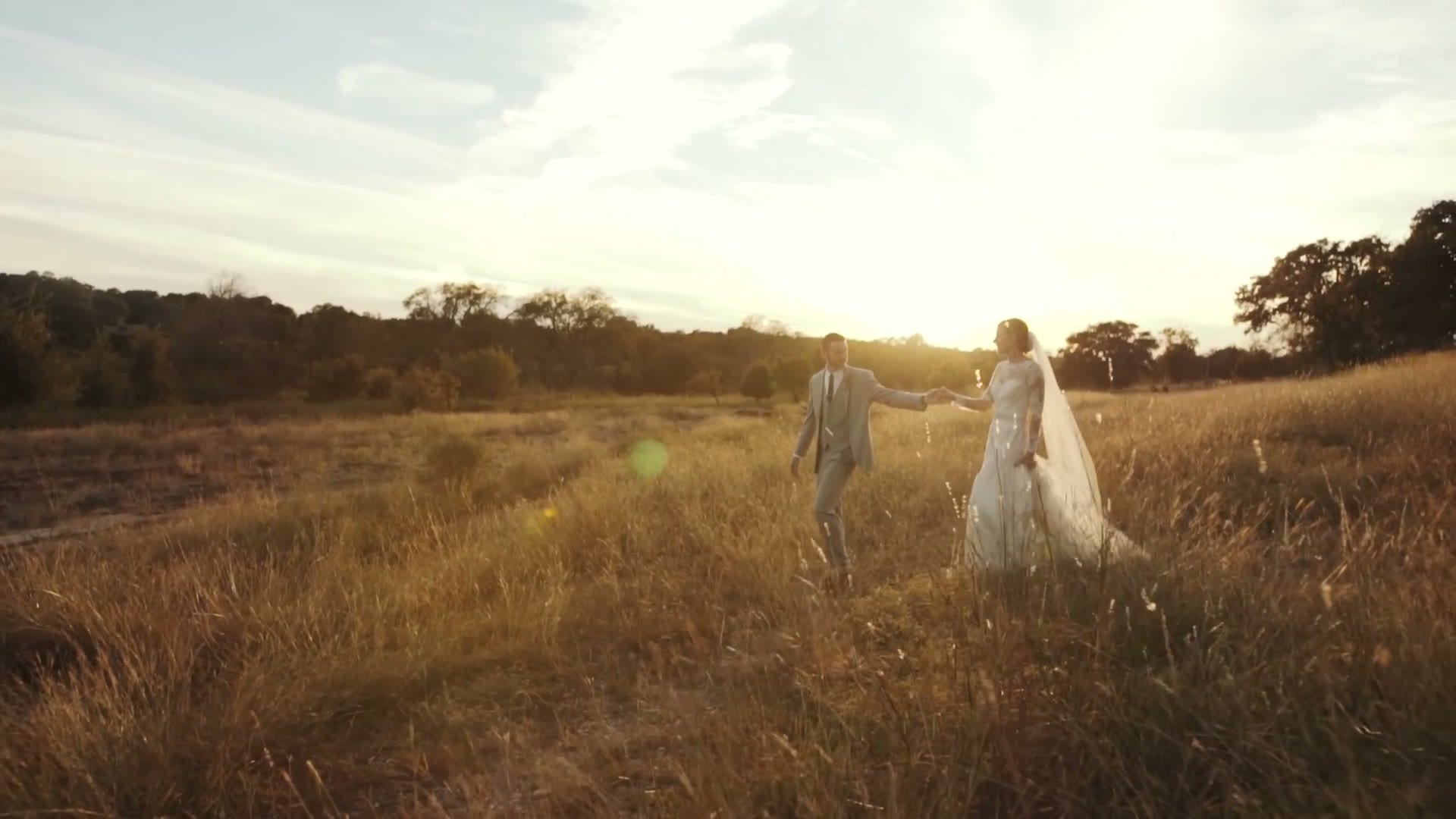
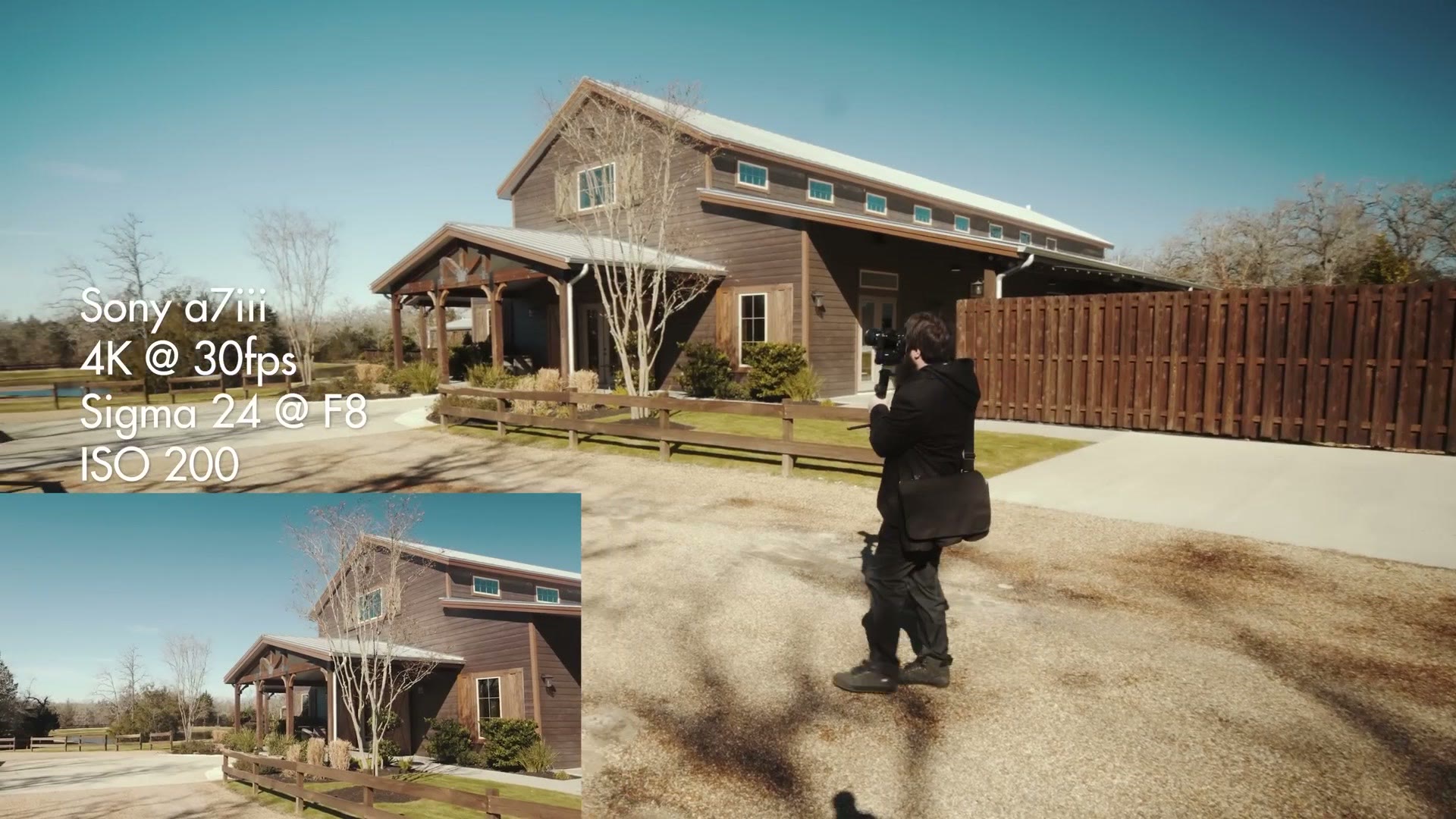
In my experience, on a gimbal you usually want more things in focus anyway. You might be shooting a wide establishing landscape shot, or a wedding couple wide in a field. These are not places where you need to be at f/1.4.
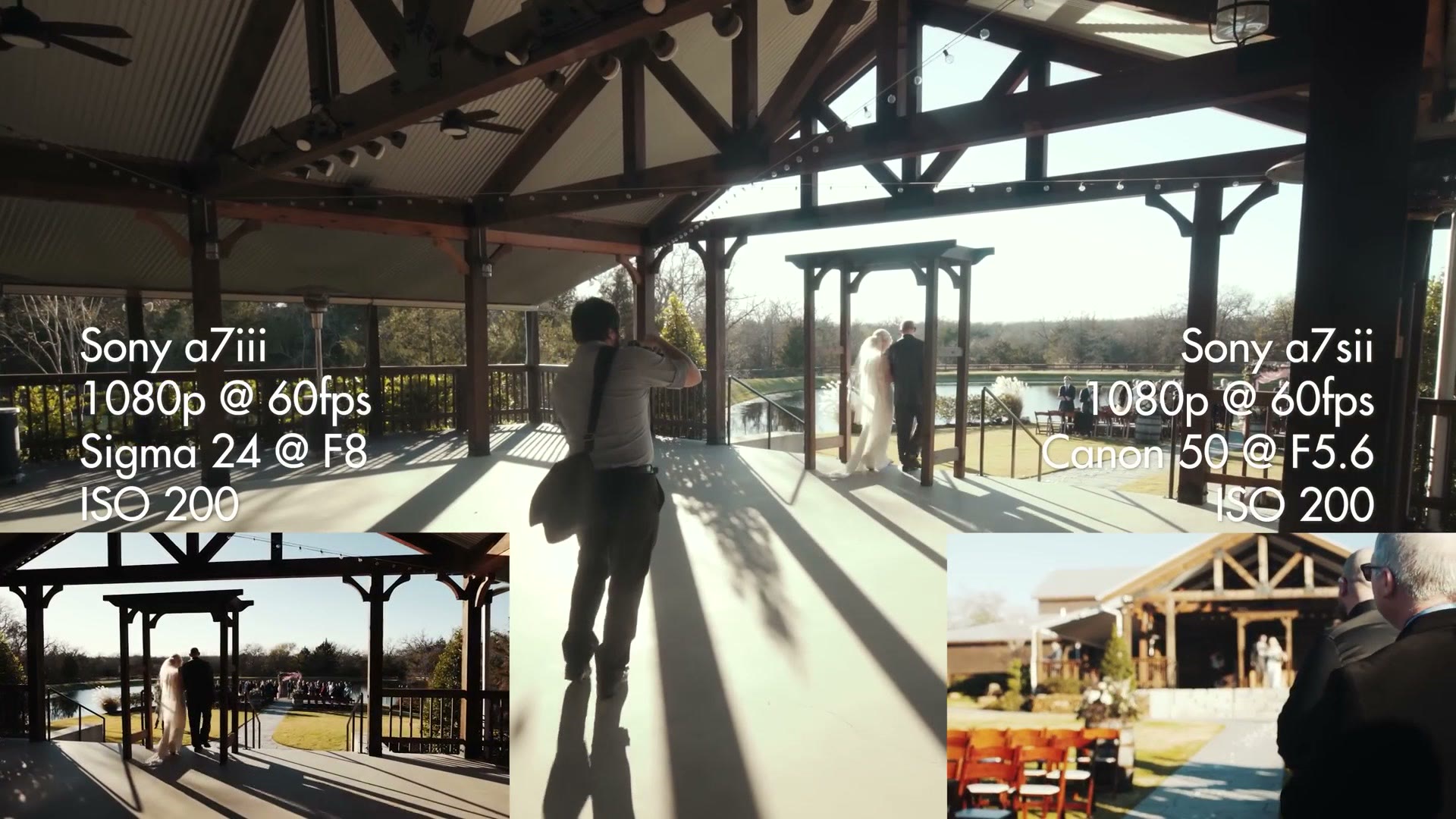
In fact I rarely go down to f/1.4 on a gimbal at all, unless I’m filming a wedding reception exit and I need the light. Most of the time I’m at f/4, f/5.6 or f/8.
Keep The Same Distance
Thinking about a reception exit, with a couple walking toward the camera as they leave the venue, ties in really well to the third part of the technique, which is to keep the same distance away from the subject you’re filming.
All lenses have a plane of focus. Everything inside that plane is in focus and everything outside of it is blurry.
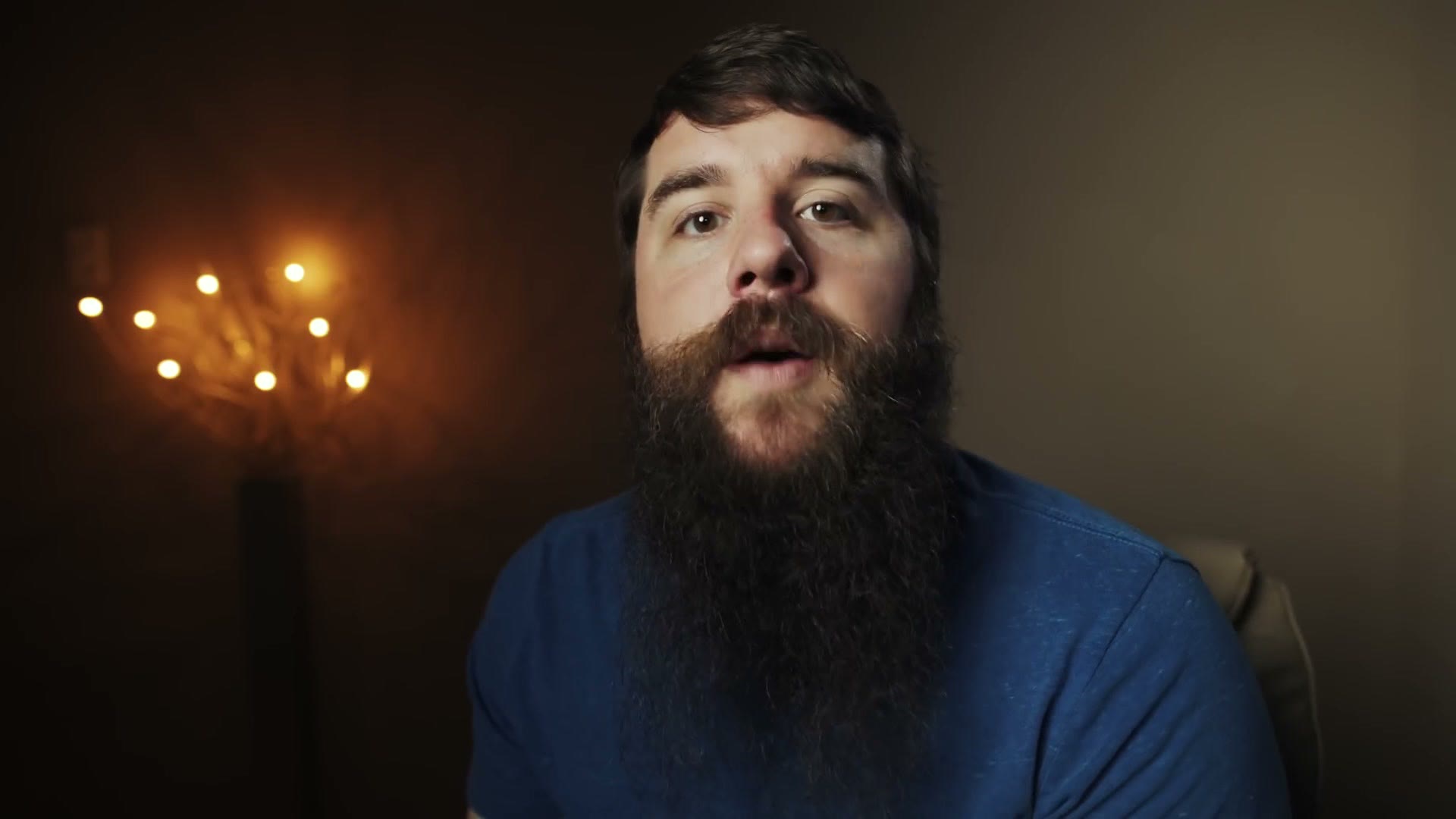
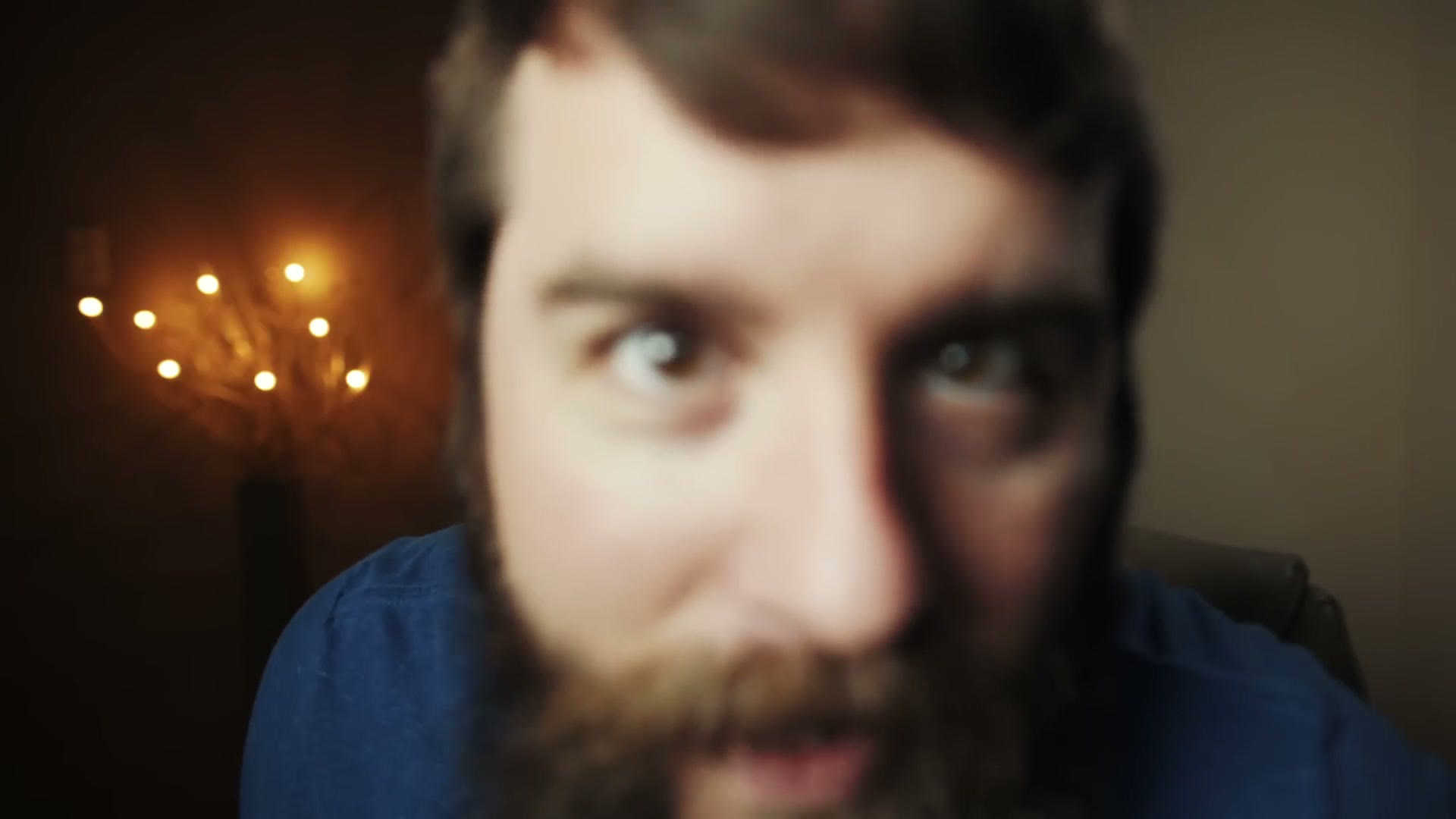
So you are never going to see me filming a shot on a gimbal where I run up to the couple from wide to tight, changing focus as I go. No. Instead I hold the gimbal with one hand and use the other to set focus on the camera manually, and then I always try to stay the same distance away from whatever I’m filming.
Moving
“Well that sounds boring, Matt, the whole point of a gimbal is that you move, and you don’t move.”
No, I move all the time. I’m just very careful about how I move. You’ll often see me moving along with the couple, or in a circle around the couple.
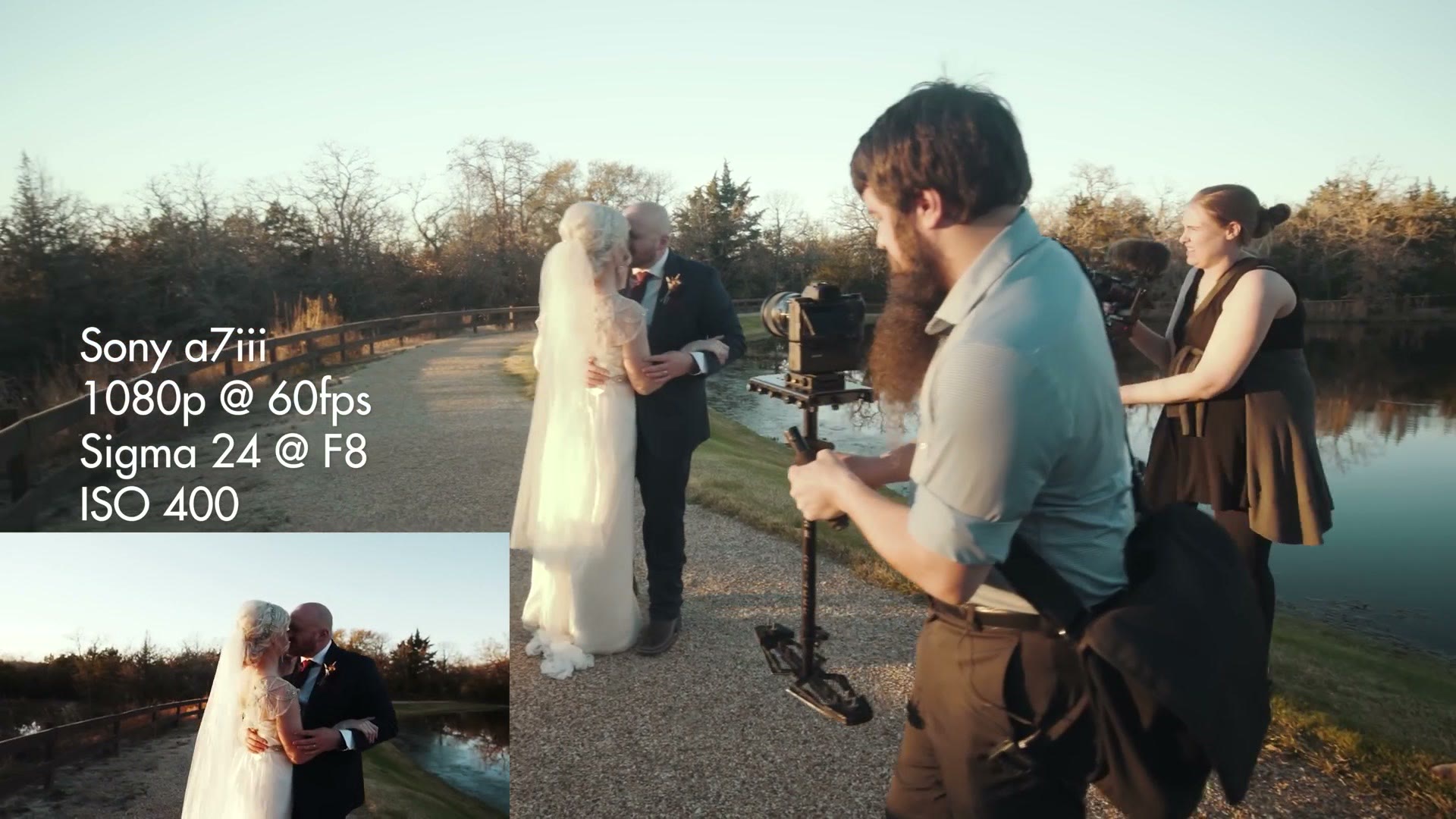
What I never do is move in closer or further away, because then they won’t be in focus. If you stay the same distance from your subject you may need to get a bit more creative with your shots, but you’ll find it’s still easy to keep them sharp.
And those are my three techniques for using manual focus lenses on a gimbal.
Why Use Autofocus
“But why, Matt? Why don’t you just buy native lenses and use autofocus?”
That one’s easy. I still don’t fully trust autofocus yet.
It’s getting so much better with face and eye autofocus, no question. But if I’m filming a wedding that’s full of once in a lifetime critical shots that cannot be missed, my brain already knows what I want in focus, and I can turn the focus ring to make my camera match what my brain wants. With autofocus I just have to hope the camera knows what my brain wants.
Can You Trust Your Camera?
If you’re filming a bride walking down the aisle, or a couple exiting the reception, can you fully trust your camera isn’t going to face detect onto one of the people cheering on the side, or onto the background?
I’ve seen one too many posts online where somebody is begging for help because their camera decided to focus on something other than the subject it was supposed to be on. For that reason I still choose to manually focus.
You may think I’m crazy. If you’ve got a camera where you do trust it, these are the autofocus settings I’d change first.
Conclusion
I hope this has been helpful, especially if you’ve got a drawer full of manual focus lenses and you’ve been wondering whether you can use them on a gimbal. You can.
If you want more on the gear side, I compared the Zhiyun Crane 2 against a Glidecam and a Ronin-M, and if you want to see all of this in a real wedding, here’s how I film a wedding reception. My full wedding filmmaking kit is here, and everything you see in the footage above was graded with my LUTs.
Also, if you happen to be a wedding filmmaker like me, you probably want to book more couples and film more weddings. I put together a free guide with practical changes you can make right now in your business to do exactly that, and you can download it here. If you want the whole thing, my wedding filmmaking courses are here.
This was filmed in 2020 on a Sony a7S II. Autofocus has come a long way since then, but the three techniques still hold.