
Sony just announced a camera that not many people were expecting: the a7R IV. The reason nobody was expecting it, of course, is that we still have not seen an a7S III.
I have another video coming very soon about where the a7S III might actually be. Today I want to go through the video specs of the a7R IV and tell you what I think of them. Keep in mind this camera was announced about five minutes ago, so some of these specs may shift as more information comes out.
Video Specs
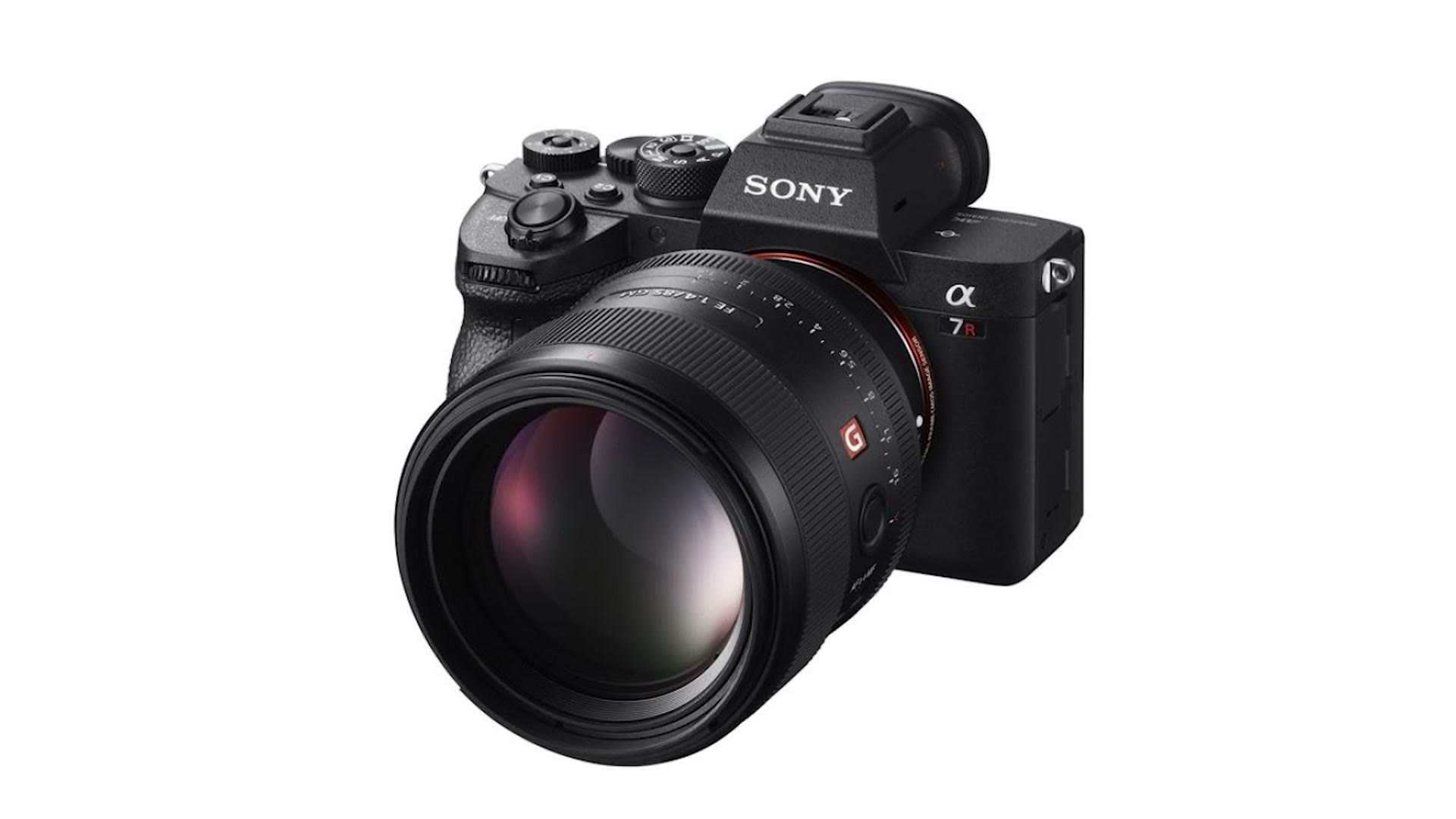
Start with the sensor. This is a new Sony 61 megapixel sensor, and I know years ago everybody agreed megapixels don’t matter, but 61 is a genuinely impressive number that is creeping toward medium format territory.
The reason I care about 61 megapixels as a video guy is that it is well above 8K resolution. If Sony had chosen to enable 8K recording on this camera, that would have been awesome, and there were rumors right up to launch saying they might.
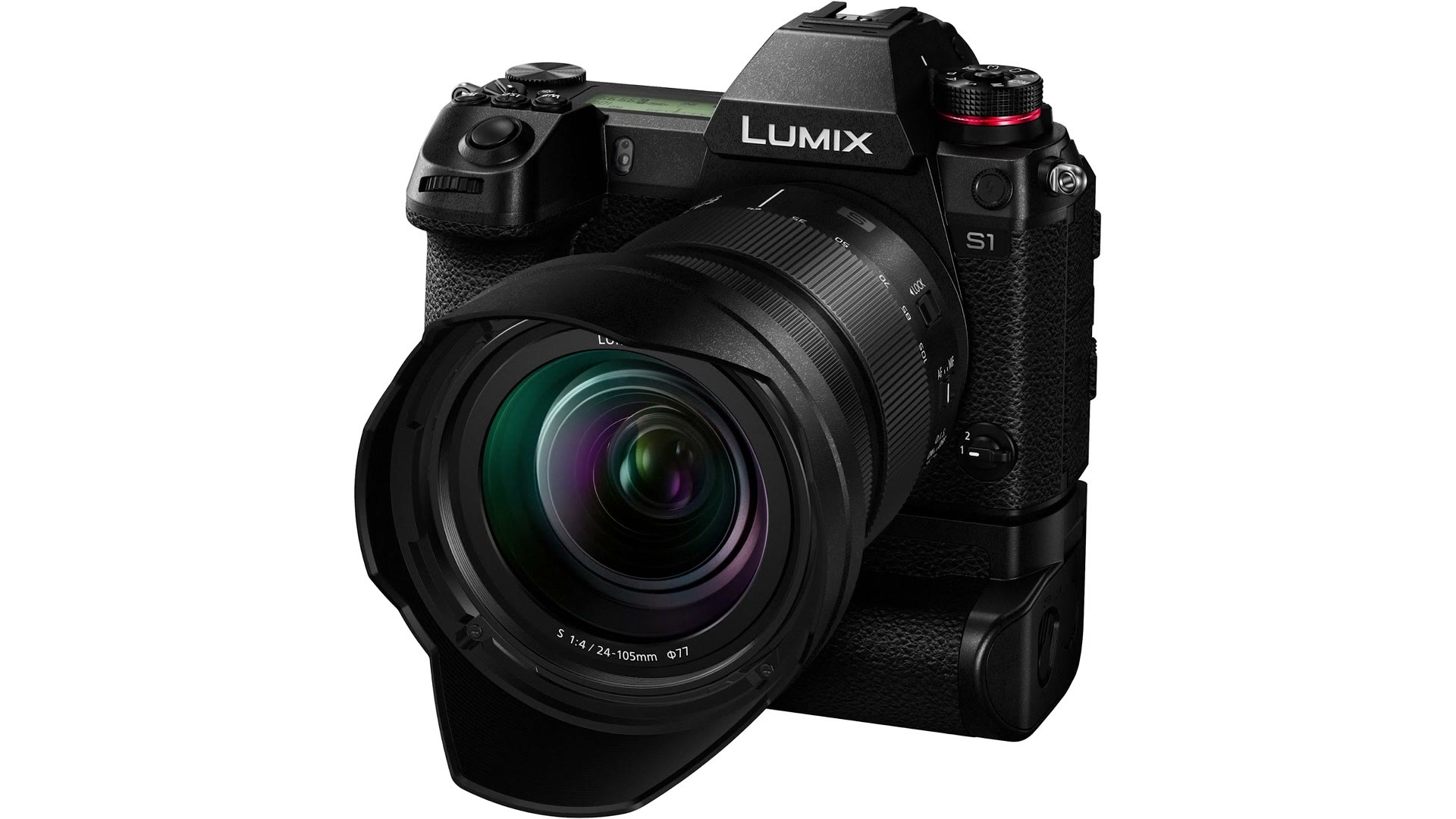
They didn’t. The a7R IV records 4K at up to 30 frames per second in 8 bit, and I really don’t like that being the ceiling. Especially when Panasonic is pushing so hard with the full-frame S1, S1R and S1H, all shooting 10 bit at up to 4K 30, and 4K 60 with a crop.
There is one genuinely exciting thing about this sensor for video though. There is no 8K, but Sony says the camera downsamples 6K to 4K. That means the 4K coming out of this thing should look significantly sharper than any full-frame 4K we have seen from Sony so far.
Remember when the a6300 came out and everyone raved about how much sharper its 4K looked next to the a7S II? Same reason. The a6300 was downsampling from a higher resolution. I am excited that we finally have a full-frame Sony doing it too.
And then, sorry, back to Panasonic again. I am aware I keep doing this in a video about a Sony camera, but the context matters right now. The a7R IV downsampling 6K to 4K would be a lot more exciting if Panasonic had not just announced the S1H, which simply records in 6K. No downsampling required.
Video Autofocus
Here is where Sony is going to beat Panasonic and, honestly, pretty much everyone else, including Canon and their legendary dual pixel autofocus.
The a7R IV has 576 phase detect autofocus points covering 75% of the full-frame sensor, and it supports touch autofocus on the back screen, which works very well for video.
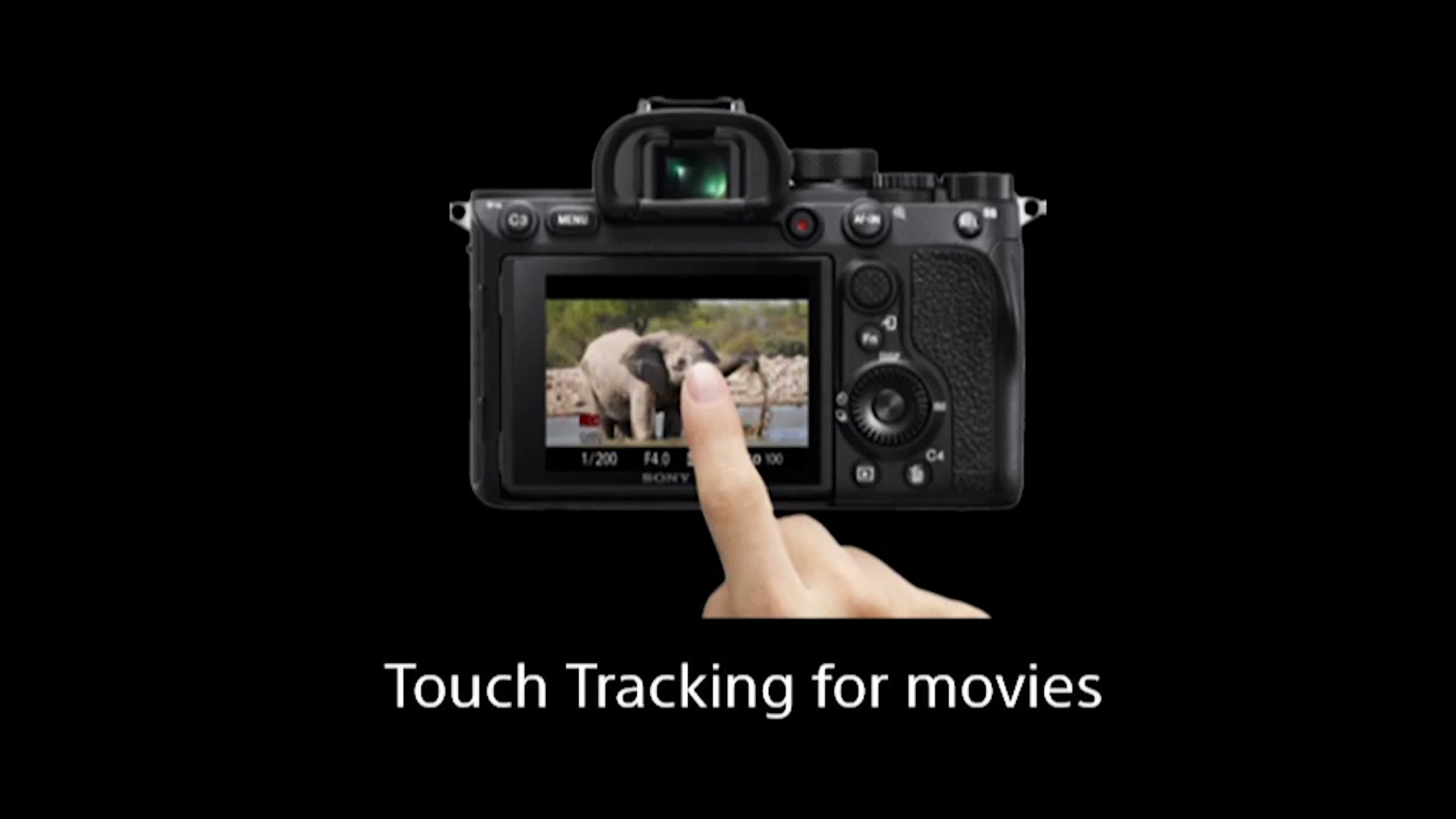
The bigger news is that for the first time ever, Sony has brought eye detect autofocus to video. I have been waiting on this for a long time.
Why does that matter? Picture one of the hardest shots at a wedding: the bride walking down the aisle. You are positioned at the front, she is walking toward you, and you are rack focusing the whole way. Some brides walk fast, and keeping a face sharp as it closes on you is tough even with autofocus. Eye detect for video means the camera tracks her eye the entire walk. That is going to be so useful, and I cannot wait for it to reach other Sony bodies. Hopefully the a7S III.
Digital Audio
The other thing Sony leaned into hard at this event was audio, which is a little strange for a camera this photography focused. They spent a real chunk of the presentation on it. But hey, I am a video guy, I like audio, no complaints from me.
The headline is that the a7R IV’s hot shoe can now carry a digital audio signal. On every other mirrorless and DSLR, a mic on top plugged into the mic jack sends an analog signal, and the camera then converts it to digital. Sony is now offering a fully digital path instead.
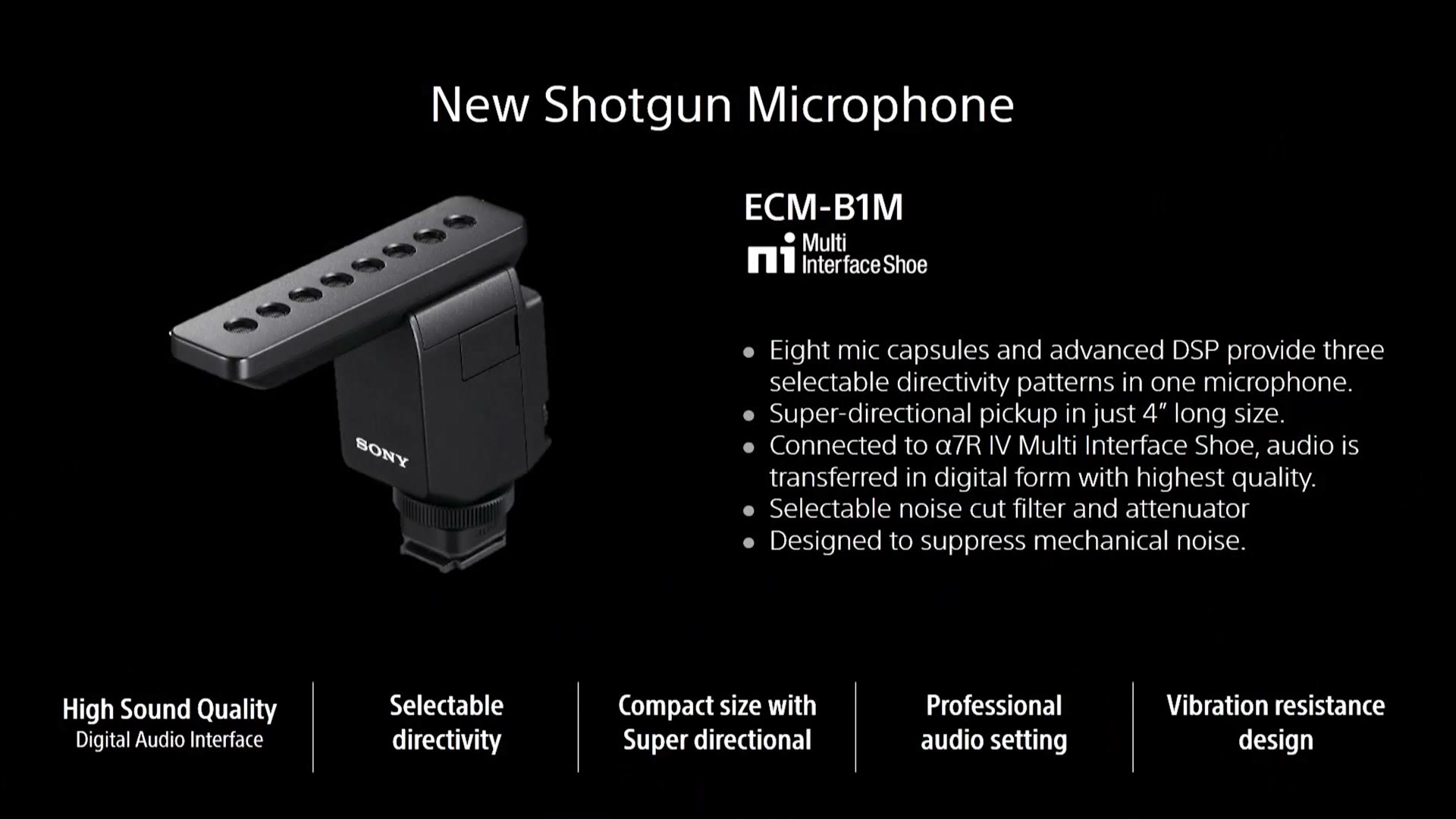
The two accessories that do it are the ECM-B1M shotgun and the XLR-K3M adaptor kit. The ECM-B1M packs eight mic capsules and DSP to give three selectable directivity patterns in one microphone, with super directional pickup in a body only four inches long, plus a selectable noise cut filter and attenuator. The XLR-K3M gives you two XLR/TRS combo connectors and a 3.5mm stereo mini jack, runs off the camera without separate power or cables, and can be mounted off-camera on an extension cable.
Sony claims the digital path means higher quality audio with less noise. I am curious to hear it.
Speaking of which, Panasonic S1 & S1R Video Specs Breakdown and Panasonic S1H Video Specs Breakdown – 6K RESOLUTION?! are worth a look too.
Additional Features
A few more quick things.
New body, bigger grip. It definitely looks chunkier than previous a7 bodies. I am looking forward to something easier to hold, but more than that I want a bigger camera because a bigger camera dissipates heat better. I am betting Sony reuses this body for the a7S III, and if that camera is doing 4K 60, the extra size is going to matter.
Improved IBIS, according to Sony. I am not going to get my hopes up about it matching Panasonic, because Panasonic’s is very good, but any improvement is welcome.
S-Log2 and S-Log3 for up to 14 stops of dynamic range, plus HLG.
Dual UHS-II card slots. The a7R III had one UHS-II and one UHS-I, so this is a real step.
Save your settings to the SD card and load them onto another body. This might be my favorite thing on the list. As someone who owns two a7S IIs, being able to configure one camera and copy it to the other would save me a genuinely stupid amount of time. I really hope this comes to future cameras.
The a7R IV ships in September 2019 for $3,500. You can pre-order it at B&H or pre-order it on Amazon.
Conclusion
So those are the notable video specs. This is a camera nobody was really expecting right now, especially with no a7S III in sight. It is a weird time to be a Sony shooter.
If this had come out a year ago I would be much more excited about it. But Panasonic has already shipped the S1 and S1R, and it is hard to cheer for a camera that still tops out at 8 bit 4K 30.
If you are primarily a photographer who shoots video on the side, the a7R IV and its 61 megapixels will be amazing for you. For me, I am still waiting on the mythical, endlessly rumored a7S III, and hoping that when it lands it can actually compete on video with what Panasonic is doing in full frame.
If you want to see the rest of what I shoot with, my favorite filmmaking gear is listed here.