
Panasonic just announced that this autumn they’ll release the S1H, a more video focused version of their popular S1, which also happens to come with a much higher price tag. So here’s every video feature they’ve revealed so far and what I make of it.
Keep in mind Panasonic said themselves that they aren’t revealing all of the video features yet, so some of this is going to change.
6K, Full Frame, No Crop
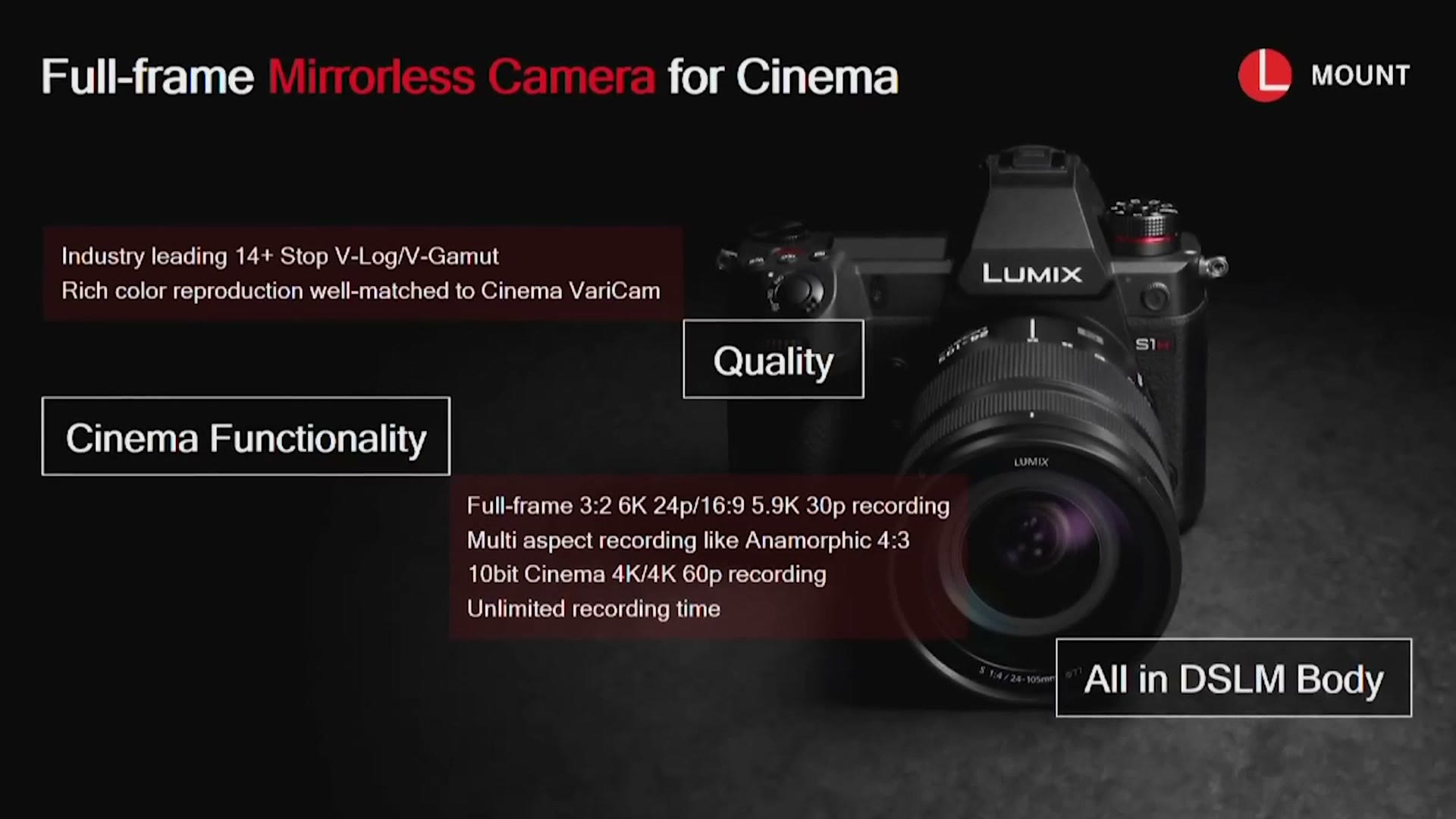
The headline. This camera records up to 6K in 3:2 at 24fps, and 5.9K in 16:9 at up to 30fps. It’ll also do 6K in 4:3 if you want to shoot anamorphic. And Panasonic have specifically said the 6K is full frame with no crop, which is very impressive.
I can hear some of you already. Matt, why would I need 6K, my computer can barely edit 4K as it is. Same reason you deliver in 1080p but shoot 4K: you get room to crop in and move things around in post. Shoot 6K, deliver 4K, and suddenly you can reframe anything you like. That’s an awesome feature to have.
Uncertainty
Now let me temper that excitement. Panasonic has not said whether the 6K modes record in 10 bit. They may only be 8 bit. We don’t know.
The other big one is 4K at 60fps in 10 bit. Up to this point the GH5 and the S1 could only do 4K60 in 8 bit color, so 10 bit at 60 is going to be huge for a lot of people. But again, we don’t know if there’s a crop. On the S1, shooting 4K60 gives you a 1.5x crop. On the S1H, Panasonic has not said.
V-Log
One clean win: the S1H comes with V-Log preinstalled. On the S1 and the GH5 and other Panasonic bodies you have to buy a software license upgrade before you can shoot a flatter profile. Here you just get it.
You’re also getting the things the S1 was already good at. The excellent in-body stabilization, great battery life, unlimited recording time, and a body built like a tank. This is going to be a great tool for filmmaking.
Unknowns
So, to be clear about what we still don’t know:
- Is there a 1.5x crop at 4K60?
- Is the 6K recorded in 10 bit?
- What bitrates is it hitting in 6K?
- What about overheating? Panasonic said in an interview that while the camera has unlimited recording time, it may shut down if it gets too hot. Which means you may not be able to shoot an outdoor wedding in 6K in the Texas heat, something I am about to be personally experiencing as summer rapidly approaches.
Price

Aside from the unknowns there’s one thing we do know that I think will keep a lot of filmmakers away, and that’s $4,000. This is not a cheap camera, and it lands at a moment when there are so many good options from so many manufacturers at such good prices.
Speaking of which, Sony A7RIV Video Specs Breakdown: Falling Behind Panasonic? is worth a look too.
- The Sony a7 III is $2,000. You could buy two of them for the price of one S1H.
- The Blackmagic Pocket Cinema Camera 4K is $1,295 and records gorgeous raw.
- The Fuji X-T3 is $1,500.
- Even the S1, this camera’s younger brother, is $2,500 and has many of the same features.
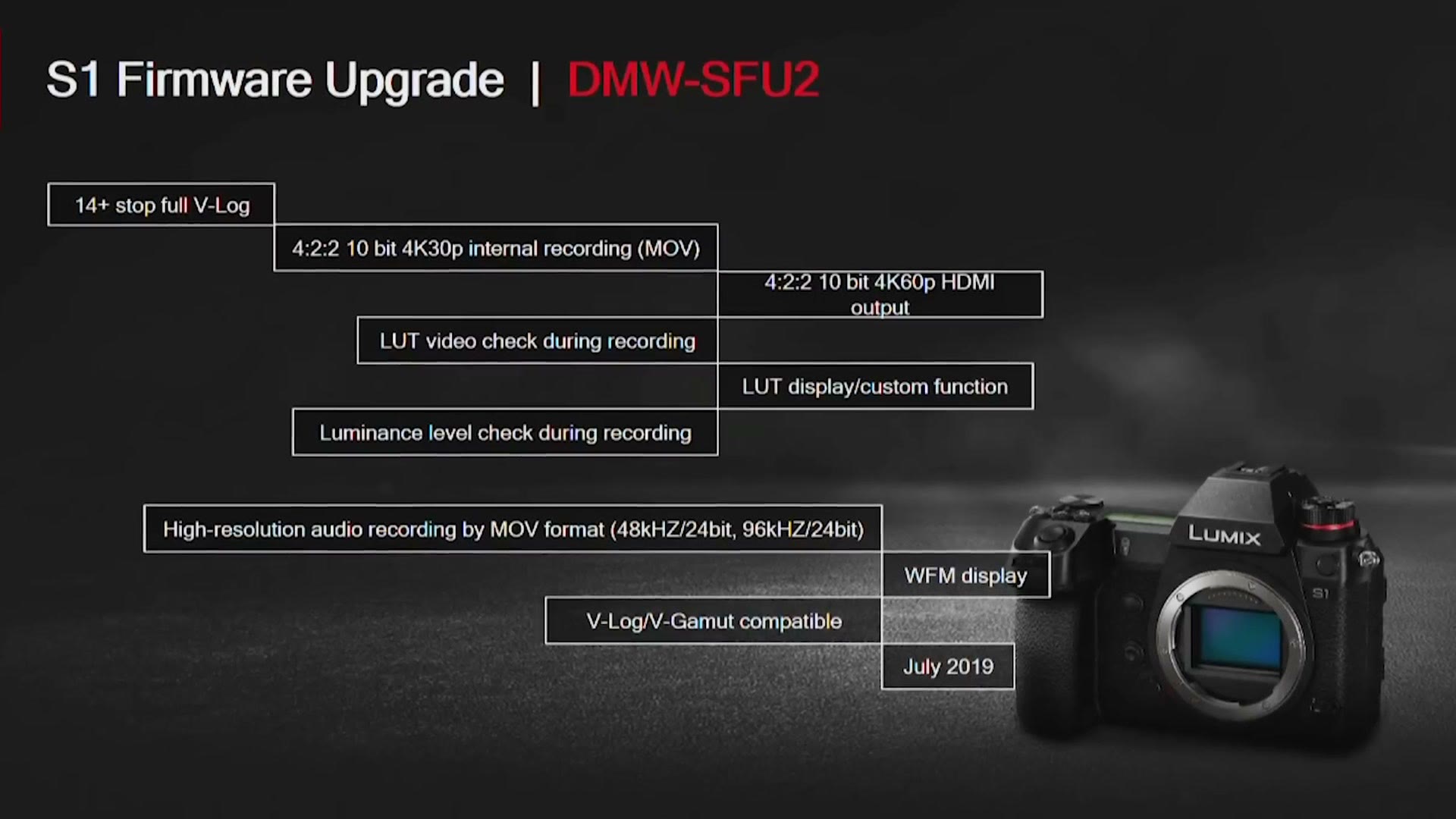
And at this same event Panasonic announced a July 8th firmware update for the S1 that adds 14+ stop full V-Log, 4:2:2 10 bit 4K30p internal recording, 4:2:2 10 bit 4K60p out over HDMI, LUT display, a waveform monitor and high resolution audio. It costs $200, and even with that added on, the S1 is still far cheaper than the S1H.
Conclusion
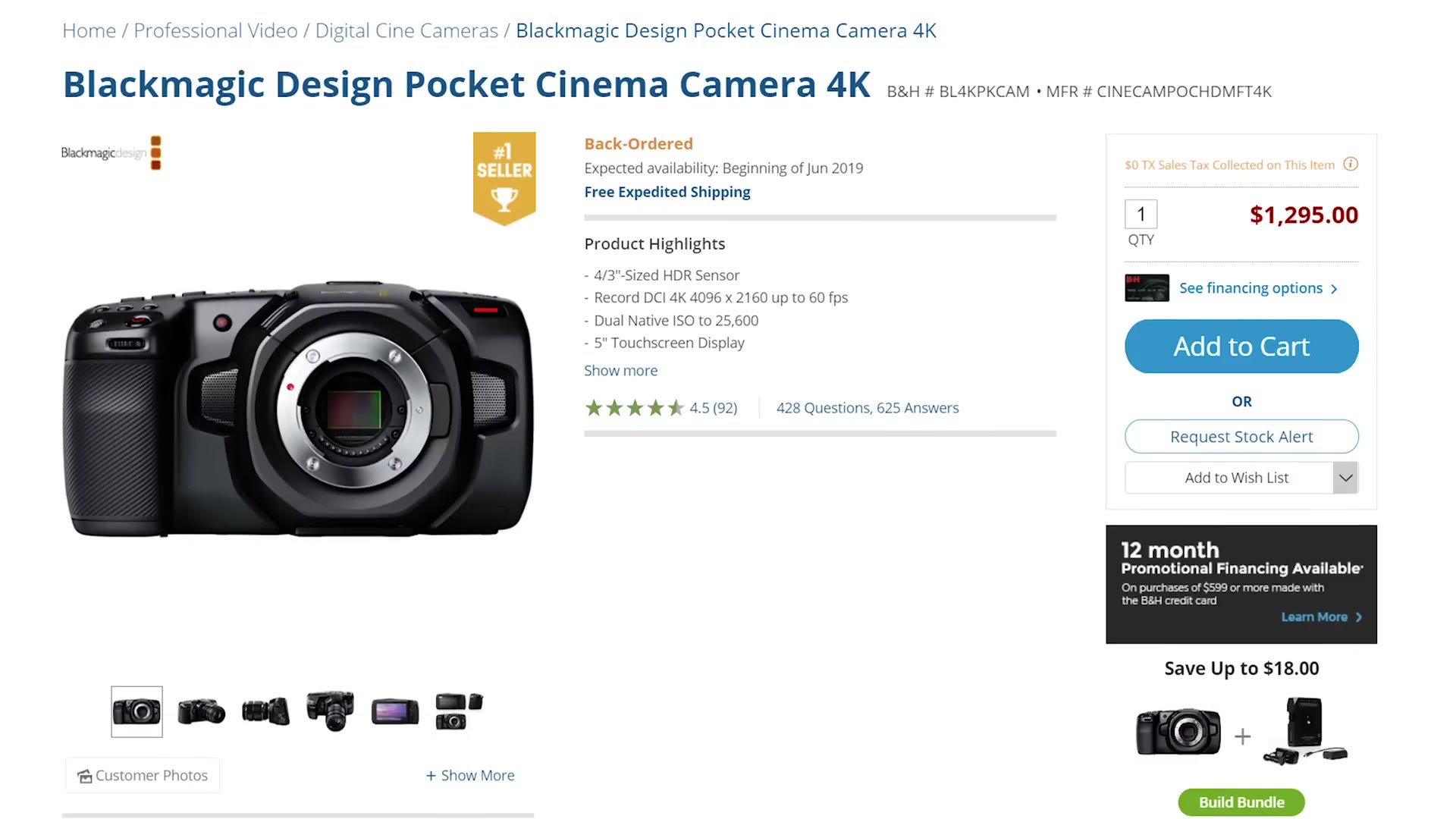
My point is that we are living in the golden age of video cameras, with more options from more manufacturers at lower prices than we’ve ever had. So whenever I look at the S1H with its $4,000 sticker, I can really only recommend it to you if you specifically need full frame 6K.
For me, I’m still shooting on the Sony a7S II and I love that camera. But come this fall, if Sony hasn’t released the a7S III by then, and it doesn’t match or beat these specs, I might jump to Panasonic.
If you want to read further, News Shooter’s S1H article goes deeper into the body and accessories than I do here.
Everything on my channel is graded with my LUTs. If you film weddings and want to book more of them, here’s a free guide, and if editing is where you get stuck, that’s what my wedding film editing course is for.