
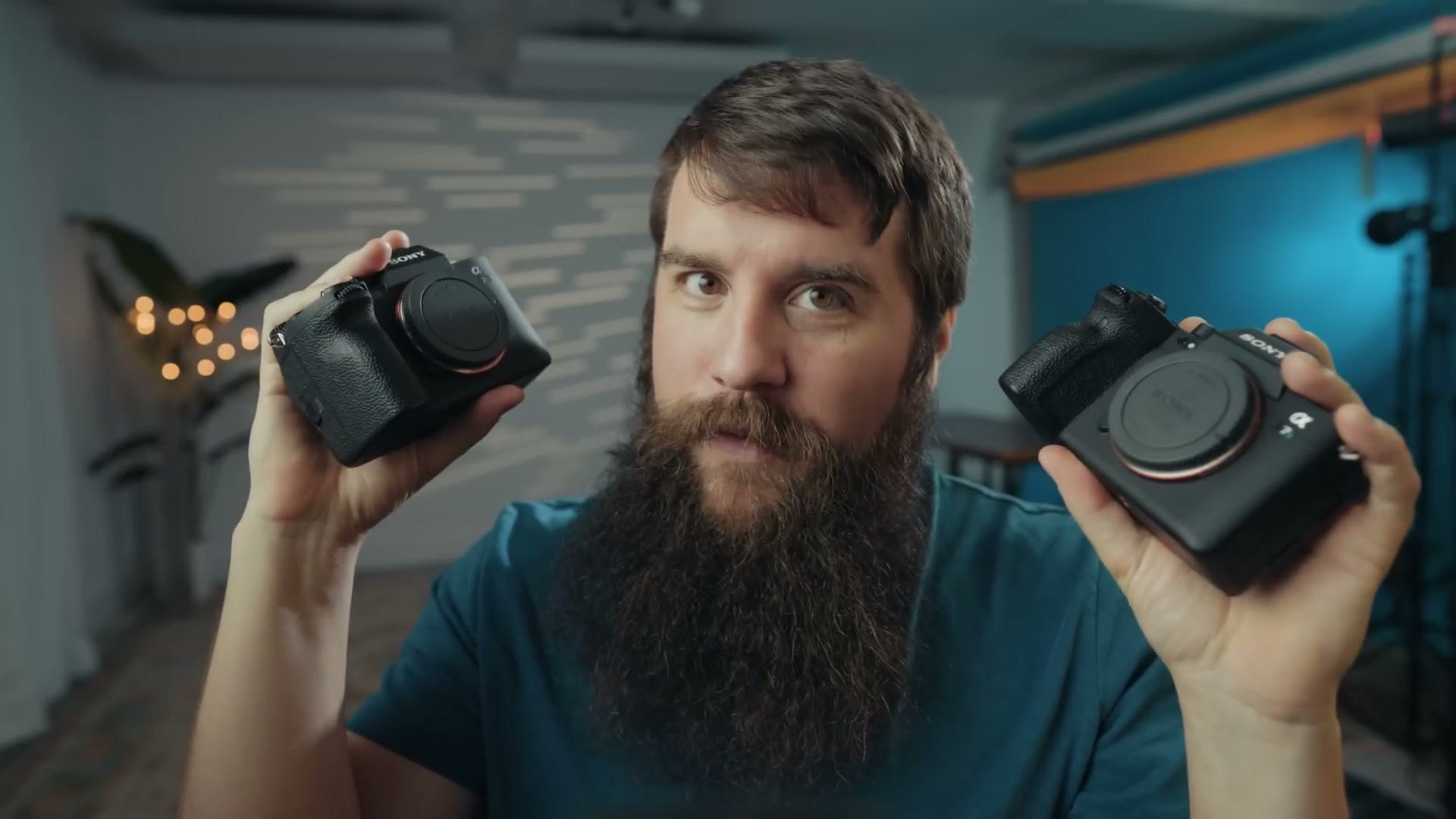
This is the Sony a7 IV. This is the Sony a7S III. And if you film weddings or documentaries or anything else in that world, you have probably been staring at both of these cameras for a while now trying to figure out which one you are supposed to buy, because they look almost identical, they share most of the same menu, and one of them costs a thousand dollars more than the other one.
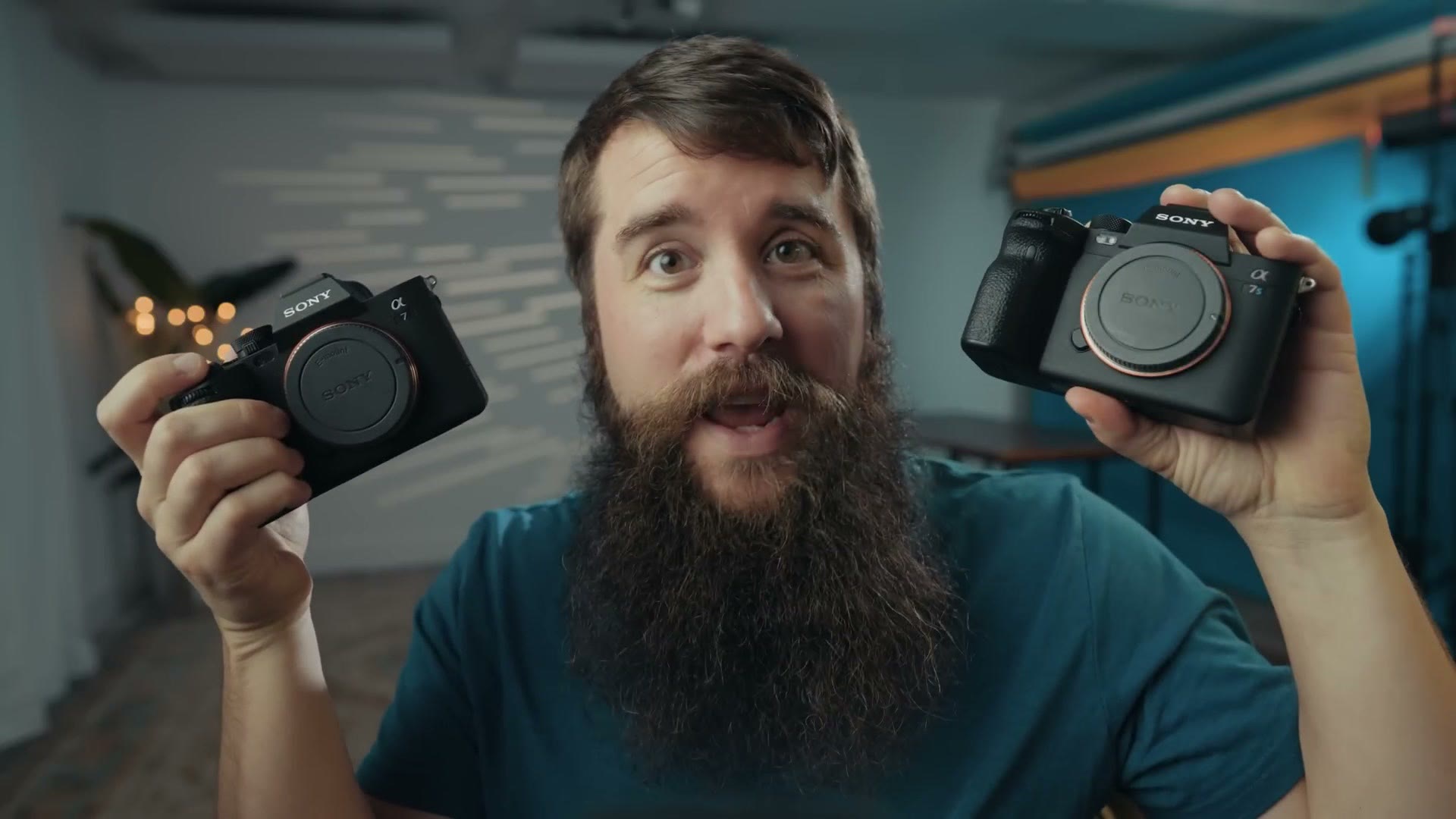
My name is Matt Johnson, and today I want to break down the actual differences between these two cameras and help you figure out which one belongs in your bag.
Quick thing before we get into it. If you have already bought either one of these and you just want it set up properly for video as fast as humanly possible, I made setup guides for both of them, and both come with preset files you can download and load straight onto the camera so you are not sitting there tapping through menus for an hour:
Alright. Jumping right into it.
Camera Similarities
The first thing you notice picking these two up is that the size, the weight and the body style are all incredibly similar. Heck, looking at them from the front you cannot really tell which one is which without reading the label.
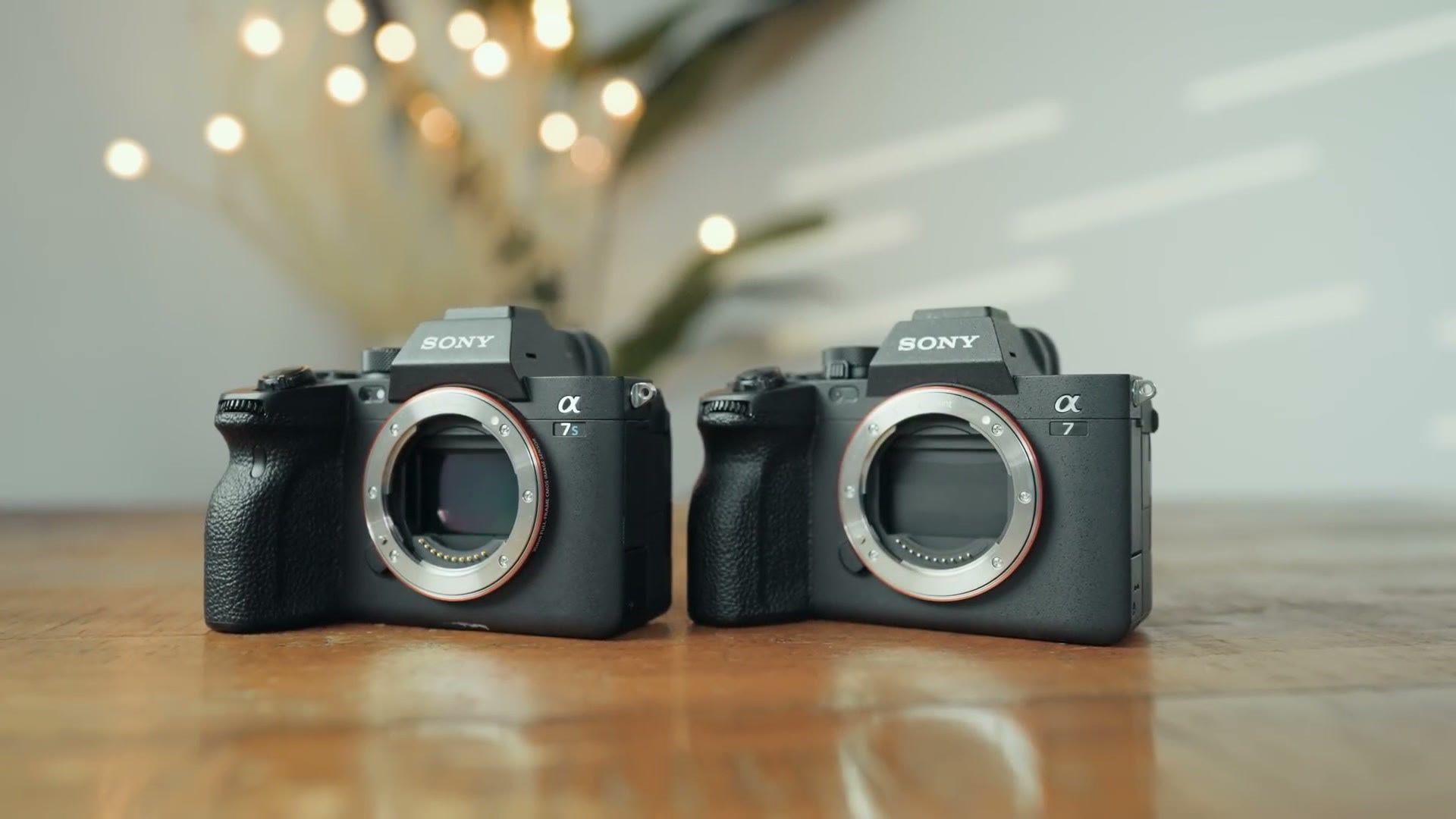
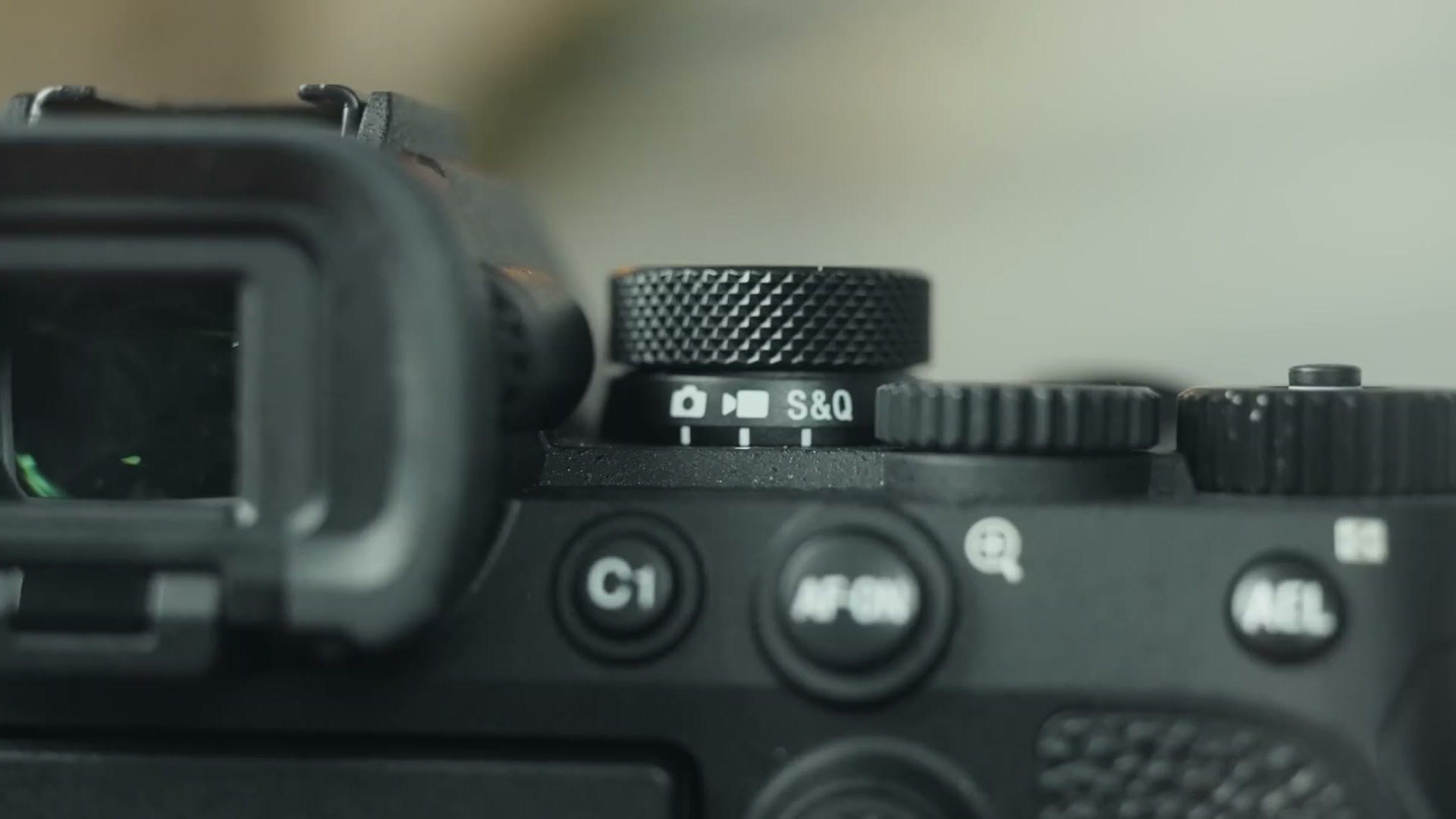
You have to look at the top to spot the new mode dial and the locking exposure wheel on the a7 IV.
Or take the lens off, and you will see that the a7 IV closes its shutter when you power the camera down, which keeps dust off the sensor whenever you are swapping lenses.
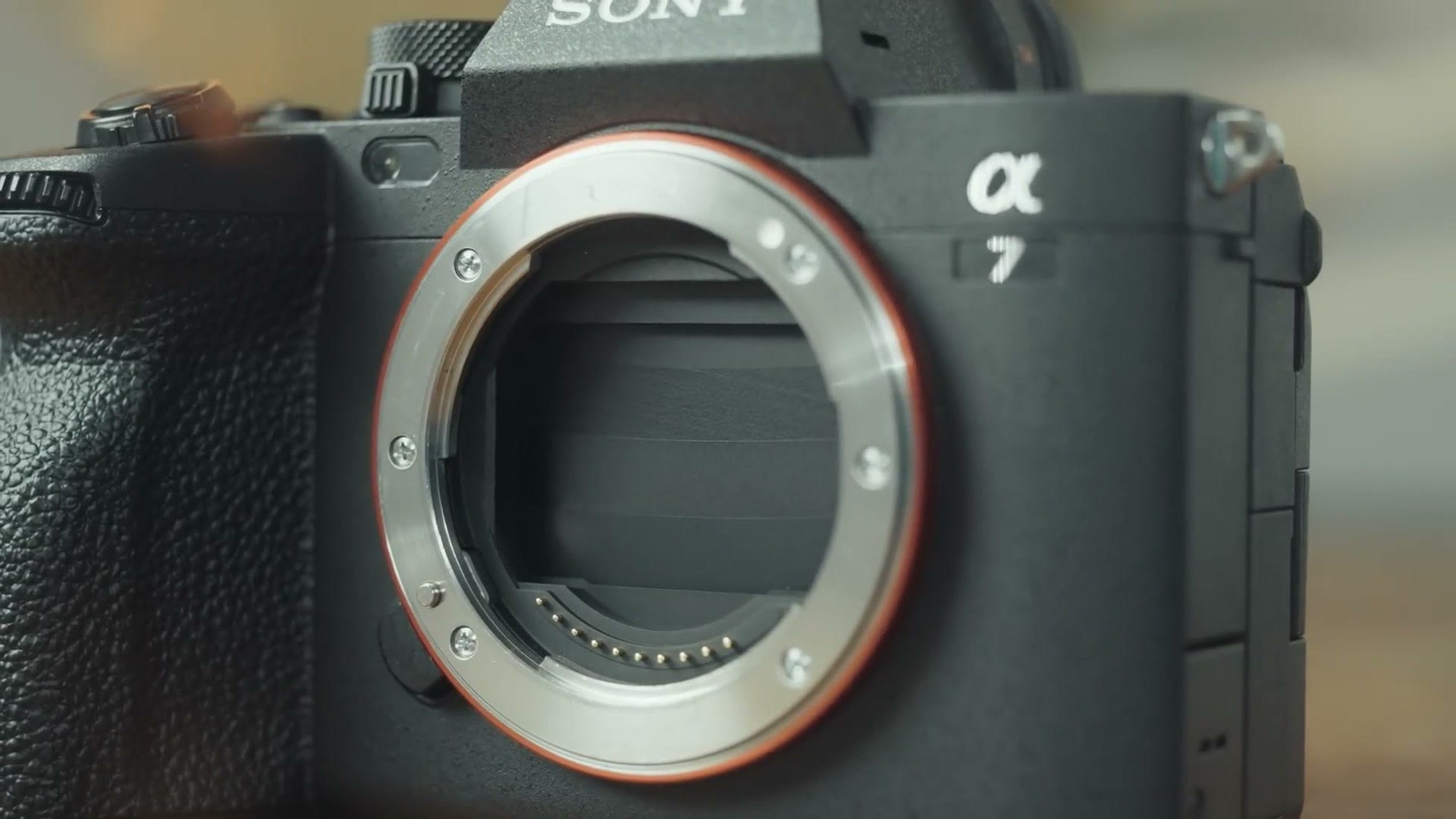
The a7S III just leaves the sensor sitting there, exposed to whatever is floating around in the room.
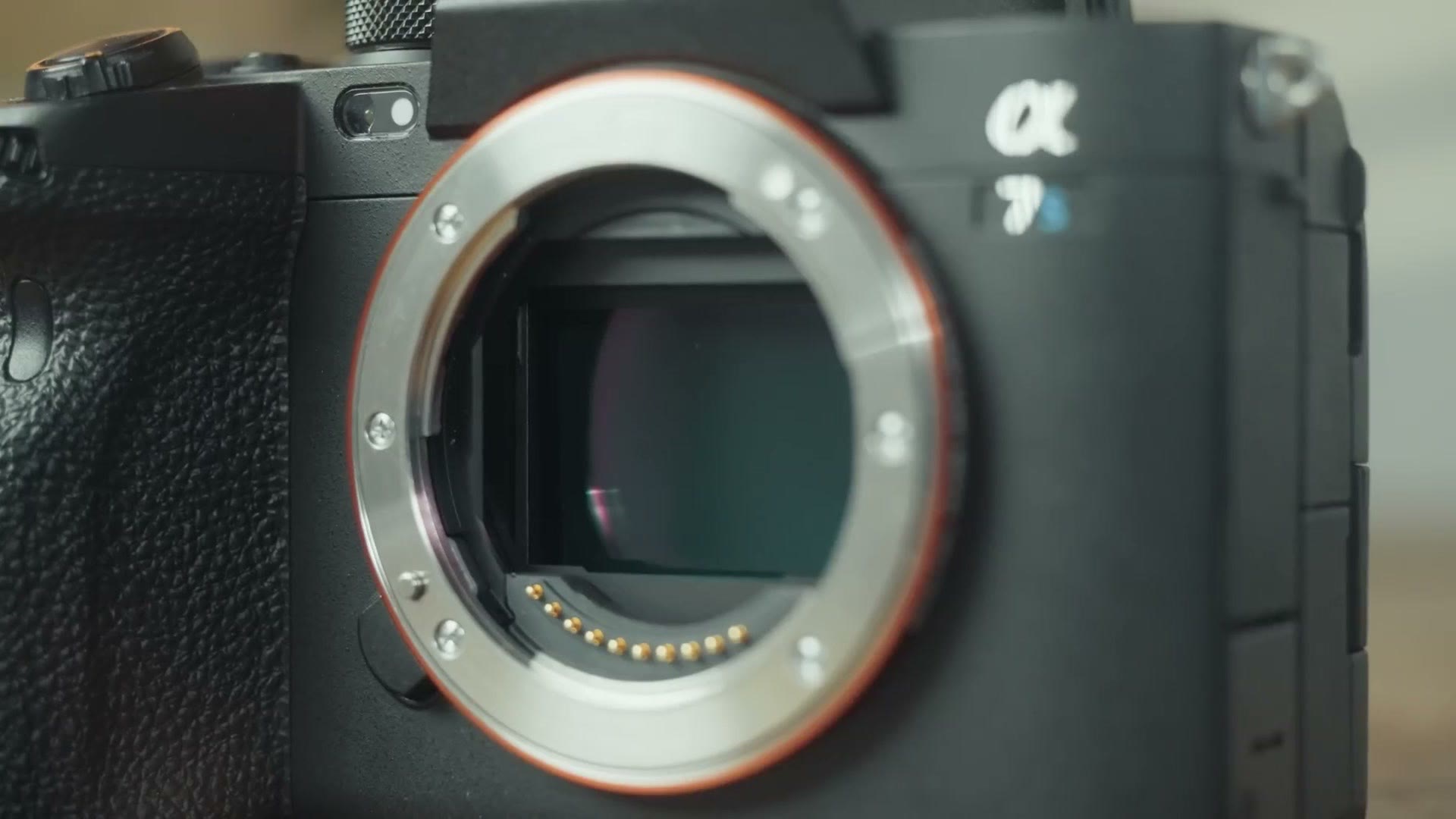
These are all great improvements, especially that closed shutter, but they are not dramatically different, and honestly that is a good thing. Sony did a really great job with the a7S III body, and it is a great body for the a7 IV to copy.
The similarity keeps going when you turn them on, where you get nearly the exact same menu system and interface on both. Sony added a handful of new features to the a7 IV that we are going to talk about, but for the most part, if you know one camera you know the other one.
Megapixels
So what are the big differences then? Well, by far the most noticeable one arrives with everybody’s favorite buzzword. Megapixels.
The a7S III has a 12 megapixel full frame sensor. The a7 IV has a much higher 33 megapixel full frame sensor.
People typically think of megapixels as a photo thing and not a video thing, and we are focused on video here, but there are two things I want you to keep in mind.
First and most obvious, if you are a photographer who dabbles in video and you regularly find yourself printing very large images, get the a7 IV. Those megapixels are absolutely going to help you.
Second, and this is the one almost nobody talks about, those extra megapixels help you as a filmmaker too. Whenever you film 4K at 24 or 30 frames per second, the a7 IV uses that whole sensor and downsamples the video internally from 7K to 4K, which means a7 IV footage is genuinely a little sharper and a little better looking than a7S III footage. If you film 4K at 60, it oversamples from 4.8K, which is still a slight bump.
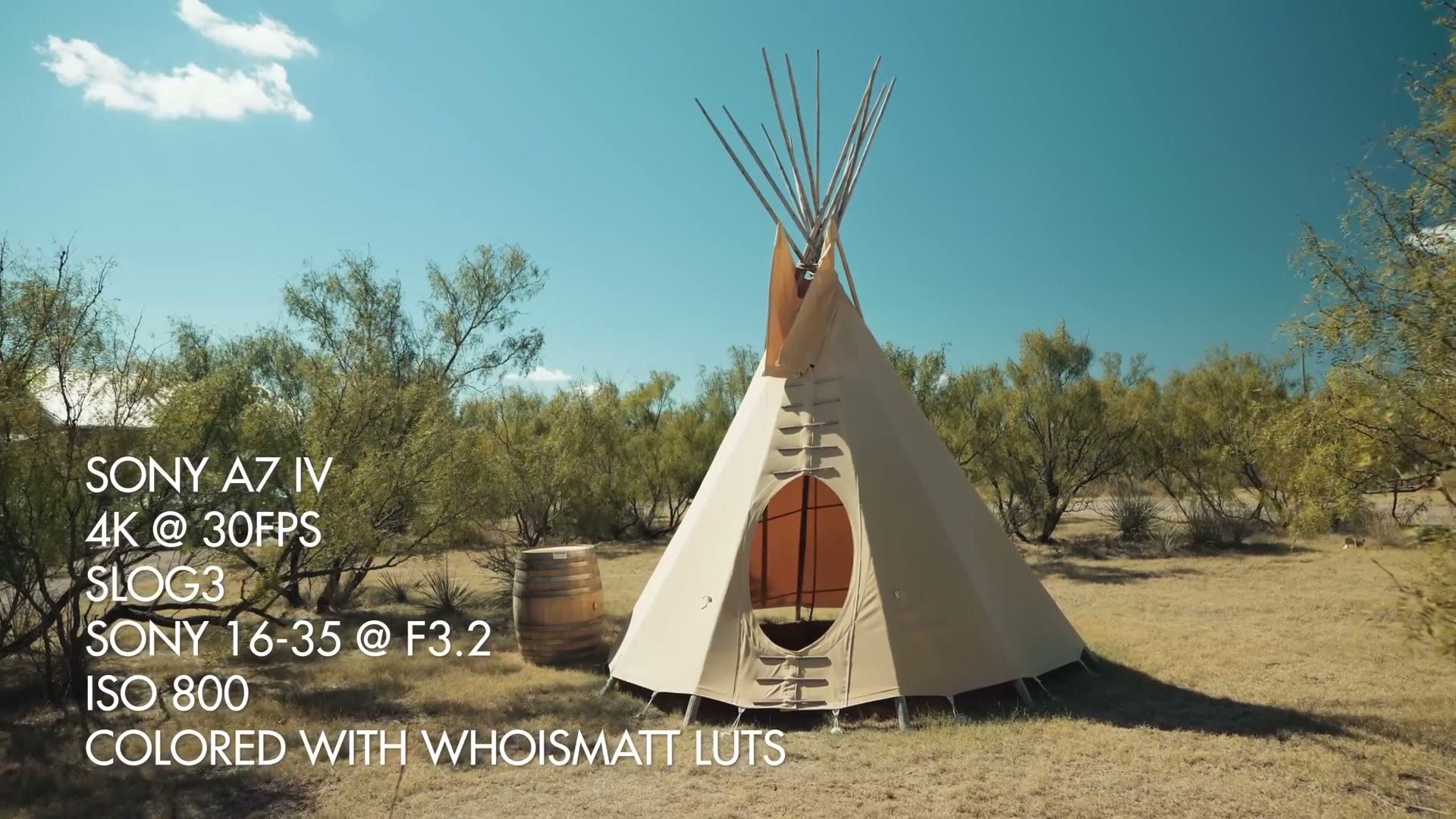
To be very clear though, you are not going to see a huge difference in image quality between these two cameras. They are both very good. I would not base your purchase around this. It is just a nice bonus I want you to know about.
Frame Rates
And speaking of resolution, this is where the two cameras stop being twins.
If you film at 24 or 30 frames per second, they are basically the same camera. But the second you want higher frame rates, they diverge fast, and the biggest difference is this: whenever you switch to 60 frames per second, the a7S III keeps right on truckin’ with its full frame sensor. The a7 IV adds a 1.5x crop.
That is significantly tighter, and you are going to need wider lenses to compensate if you find yourself living in 4K 60 the way a lot of wedding filmmakers do. As for why Sony did it, there are a bunch of theories floating around, including the cynical one where Sony deliberately hobbled the a7 IV so filmmakers would spend more on the a7S III. I really think it came down to the fact that they crammed all those extra megapixels into the a7 IV and then could not hit the heat levels and the price they wanted while also doing uncropped 4K 60.
Wrapping up frame rates, the other big one is the ceiling. The a7 IV maxes out at 4K 60. The a7S III goes all the way to 4K at 120 frames per second.
The a7S III also records 1080p at up to 240 frames per second, while the a7 IV tops out at 1080p 120. So you are getting a whole extra tier of slow motion with the S III.
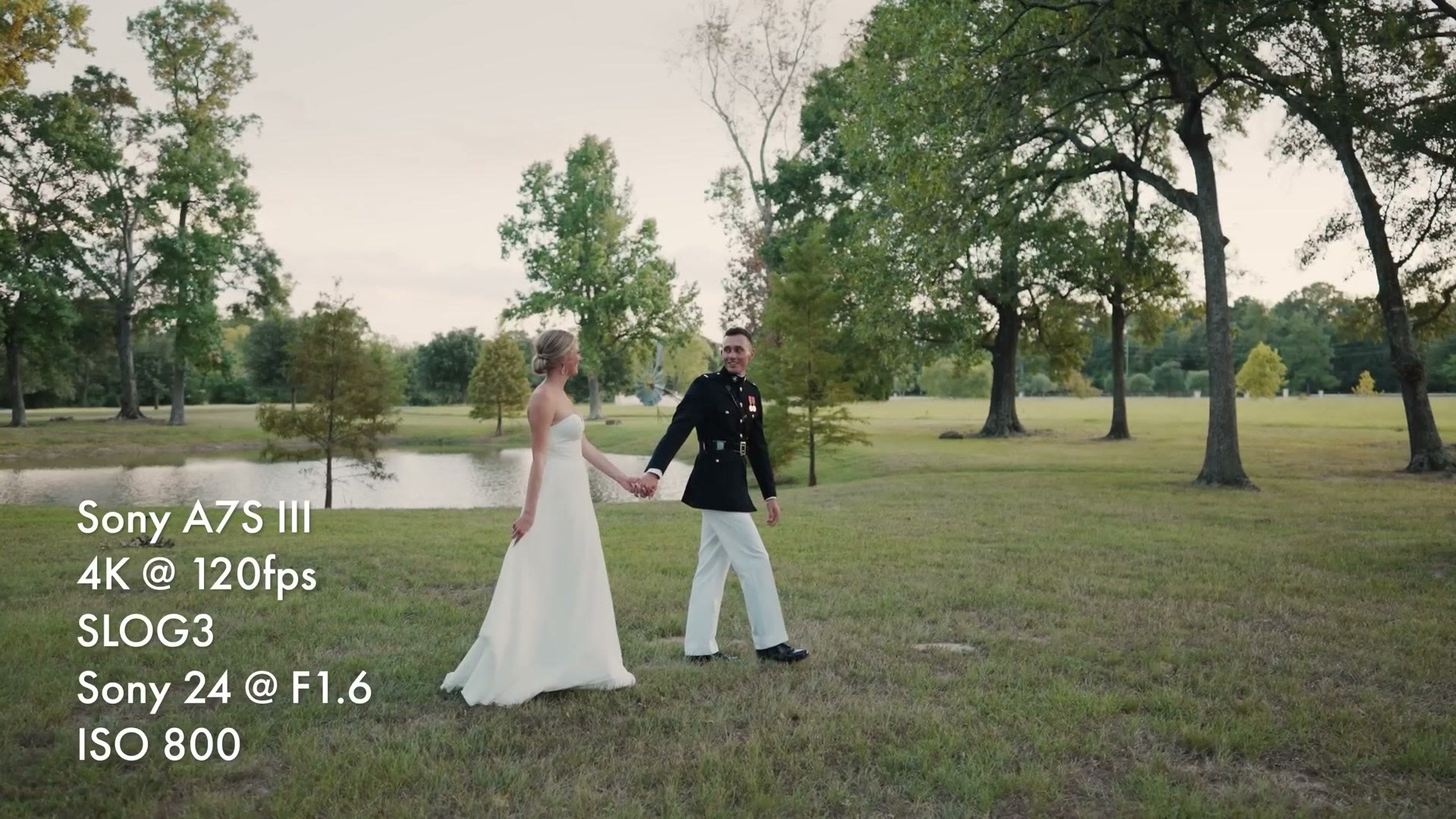
If you love filming super slow motion, that alone is a good enough reason to go S III.
And lastly, the a7 IV has worse rolling shutter than the a7S III, most likely because of that higher resolution 33 megapixel sensor. So if you are someone who films shaky handheld all day long, the a7S III is going to treat you better.
Video Quality
Frame rate and resolution differences aside, I want to make this very clear: from a pure video quality standpoint these two cameras are still quite similar. Both record very high quality 10 bit video, with the same bitrates, the same formats, and the same picture profiles including S-Log3.
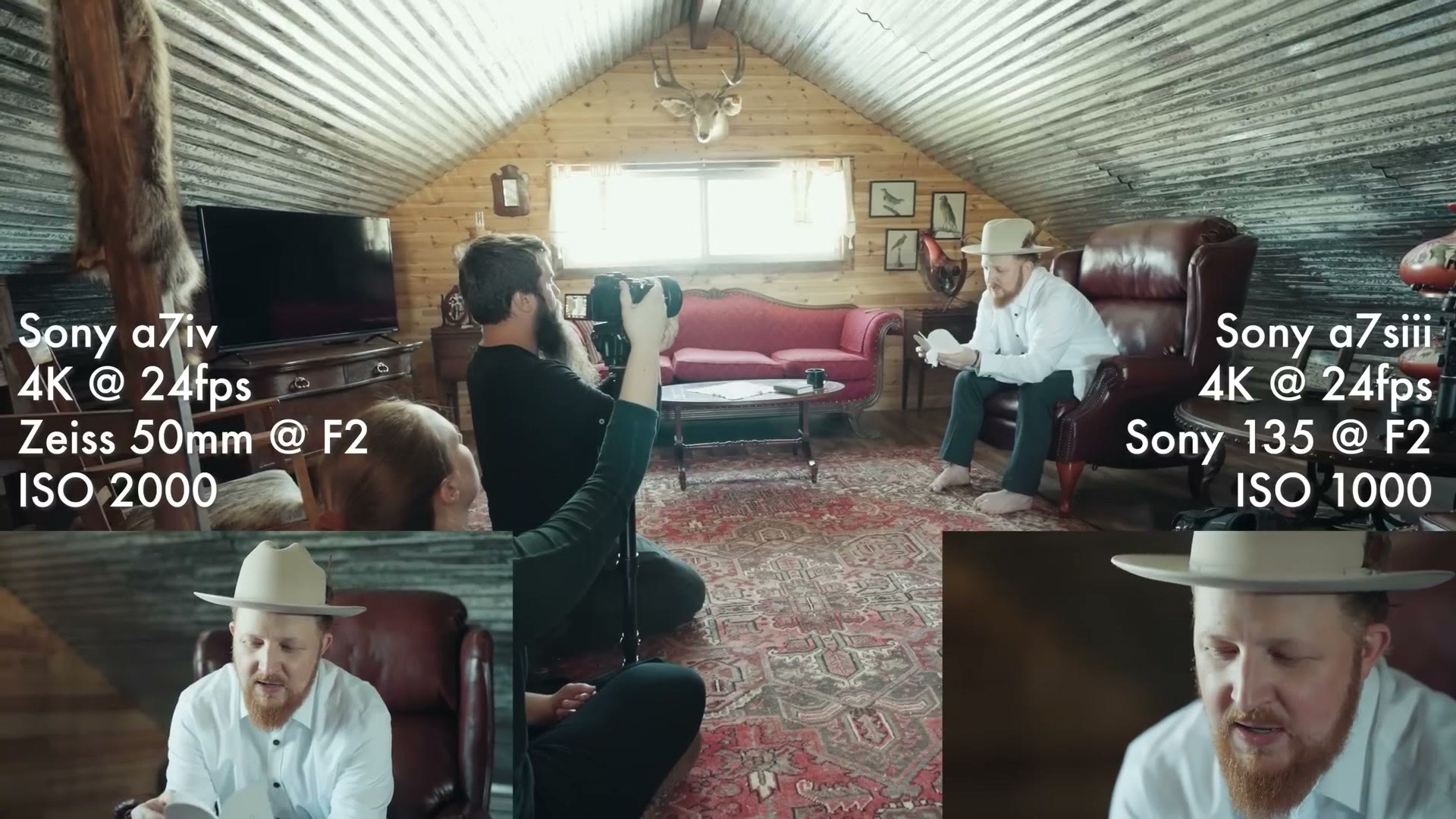
The quality is close enough that it is going to be virtually impossible for anyone to tell which of the two you filmed on, especially once you start mixing footage from both. I have done exactly that on real jobs, and to my eye they look the same.
Low Light Performance
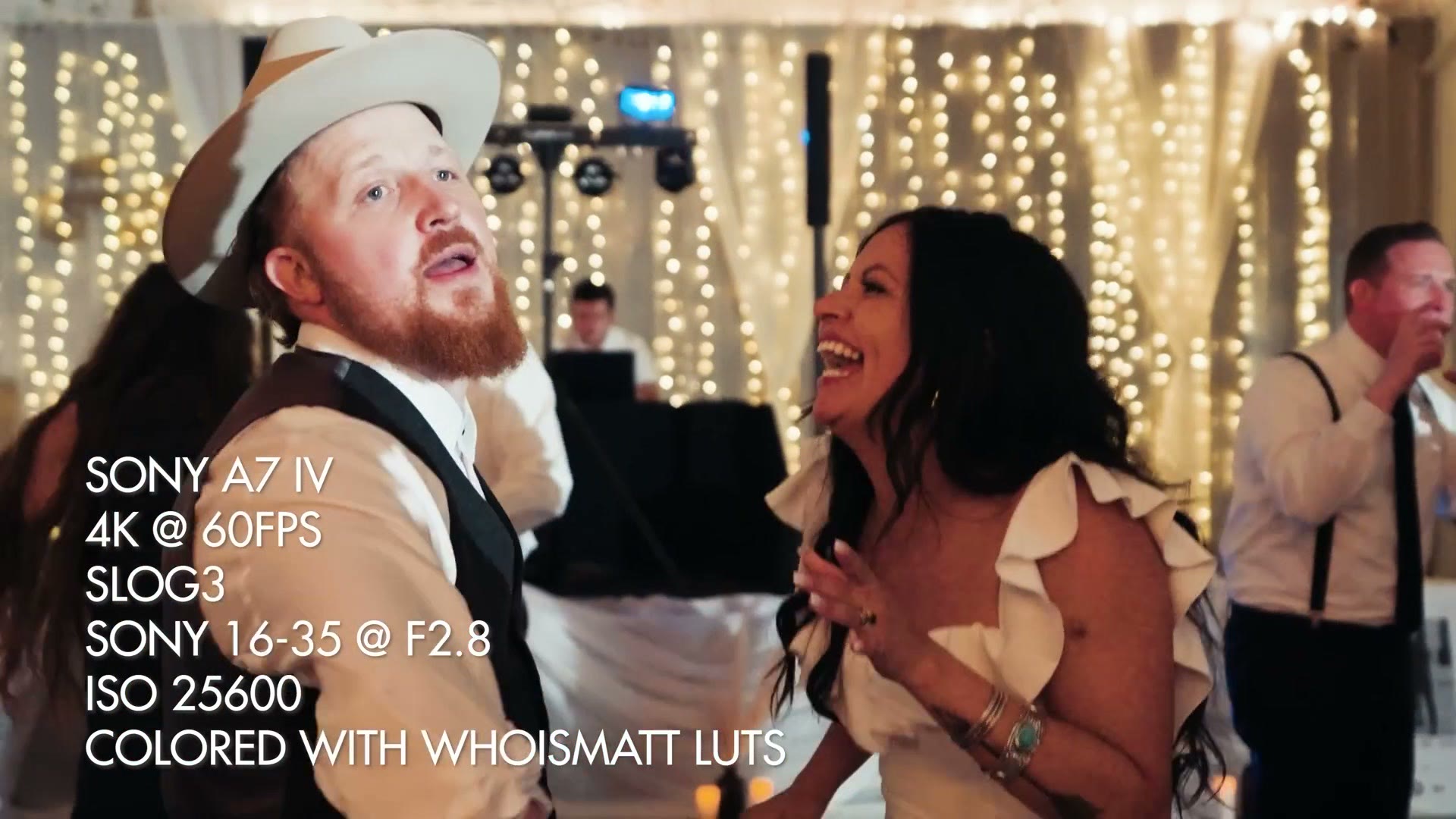
There is a bit of a difference in how these two handle low light. I say a bit on purpose, because the a7S III is still very clearly the low light king, but it does not really start to pull ahead of the a7 IV until you get above ISO 25,600 or so.
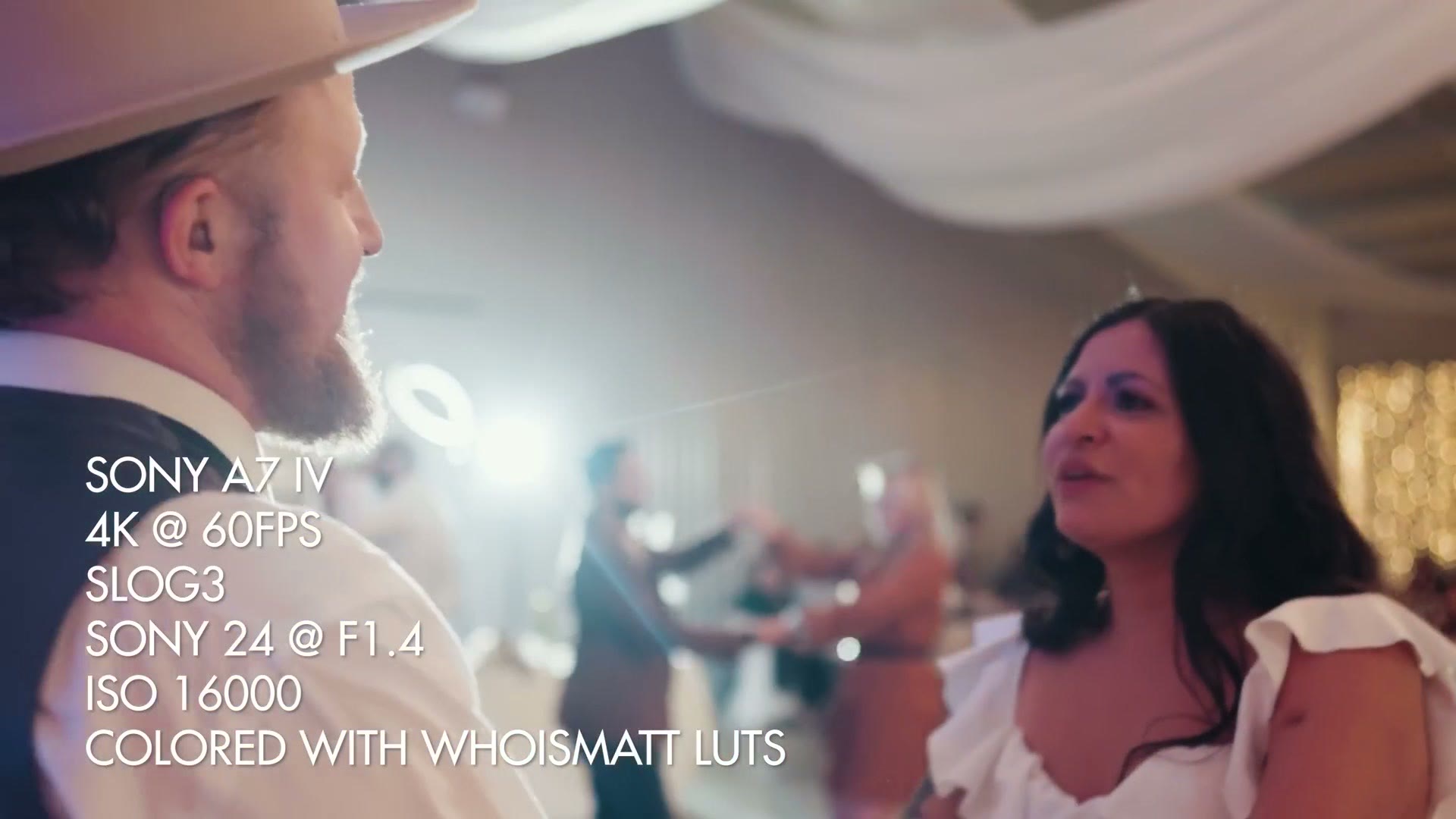
Which means that if you do not commonly find yourself pushing past that number, you can feel completely confident filming in dark conditions with either one of these cameras.
Memory Cards
Here is one that will absolutely affect you if you dual record to two memory cards so you do not lose a wedding to a card failure. Which, for the record, I always recommend. Always.
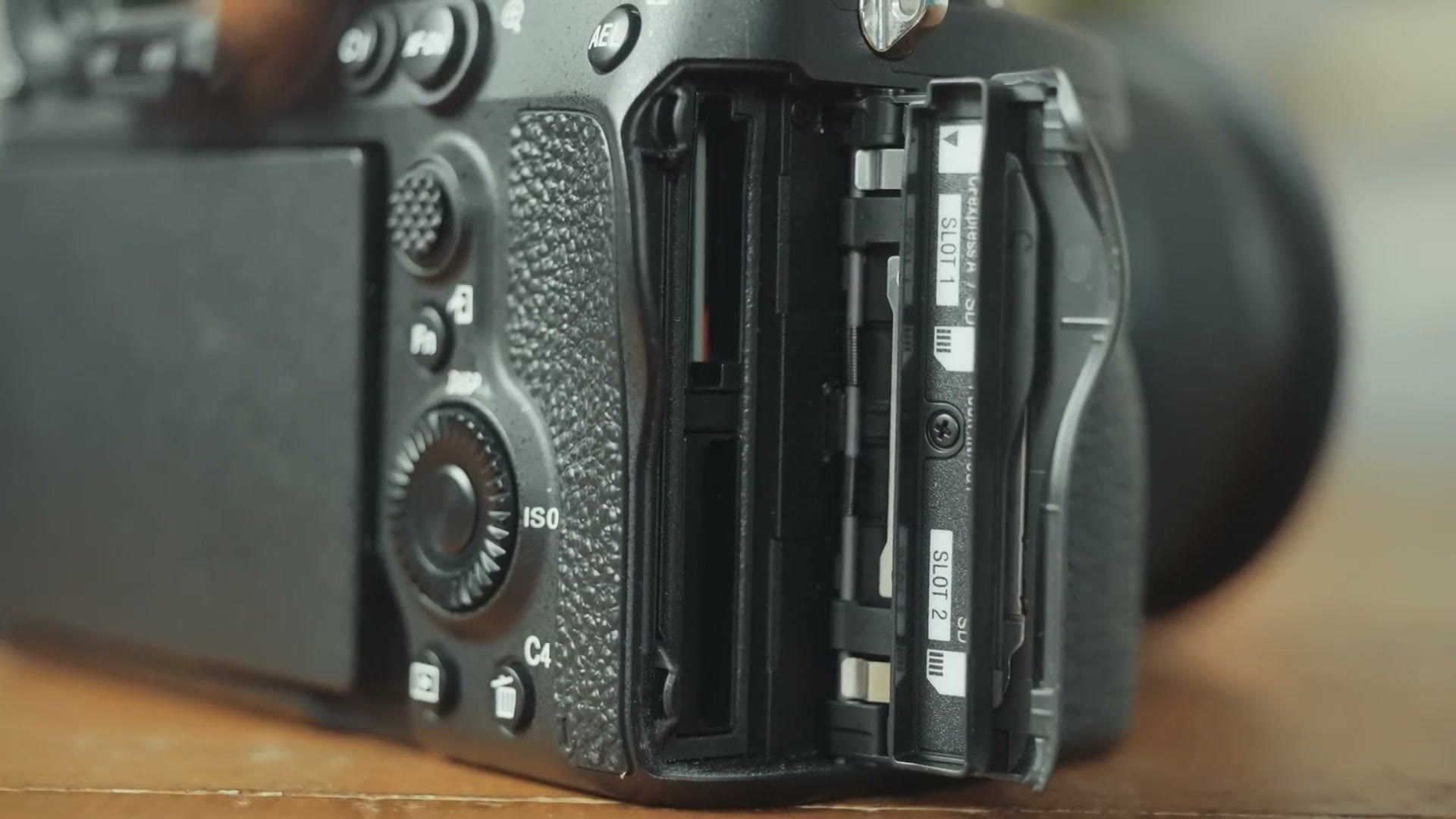
The a7S III has two card slots and both of them take SD cards or CFexpress Type A cards. The a7 IV has one slot that takes SD or CFexpress Type A, and a second slot that is SD only.
So if you want to dual record on an a7 IV, you are going to be using two SD cards, not two CFexpress cards. Thankfully the vast majority of bitrates and resolutions on the a7 IV are recordable to SD anyway, so this is not the dealbreaker it sounds like. You mostly do not need to worry about CFexpress on that camera at all.
If you want to know exactly which cards to buy and which ones will work with every setting on the camera, I made memory card guides for both:
a7 IV Features Not On The a7S III
Talking in favor of the a7 IV for a second here, Sony added four genuinely cool features to it that the a7S III does not have:
- Animal eye detect autofocus for video
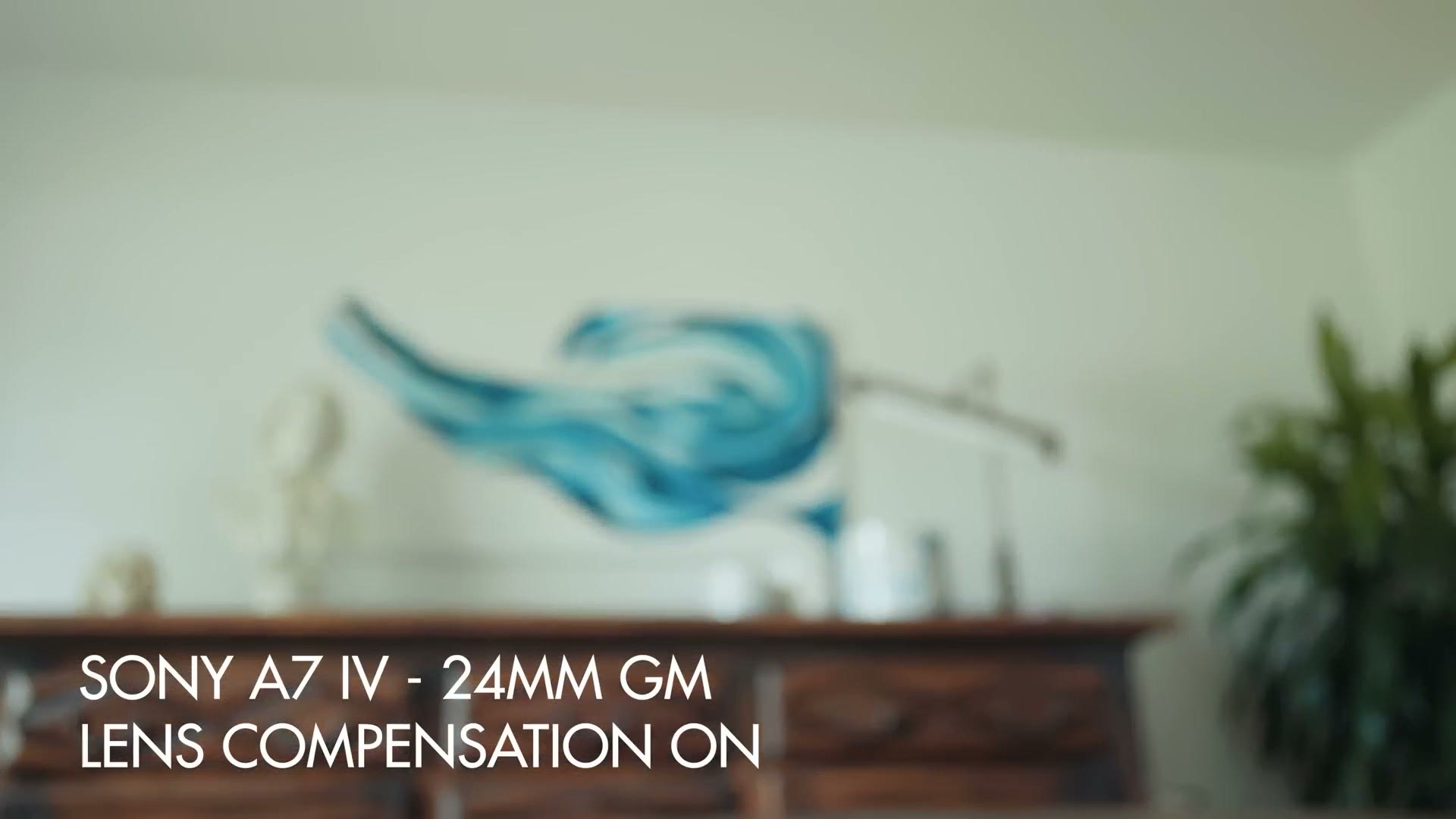
- Focus breathing compensation for lenses
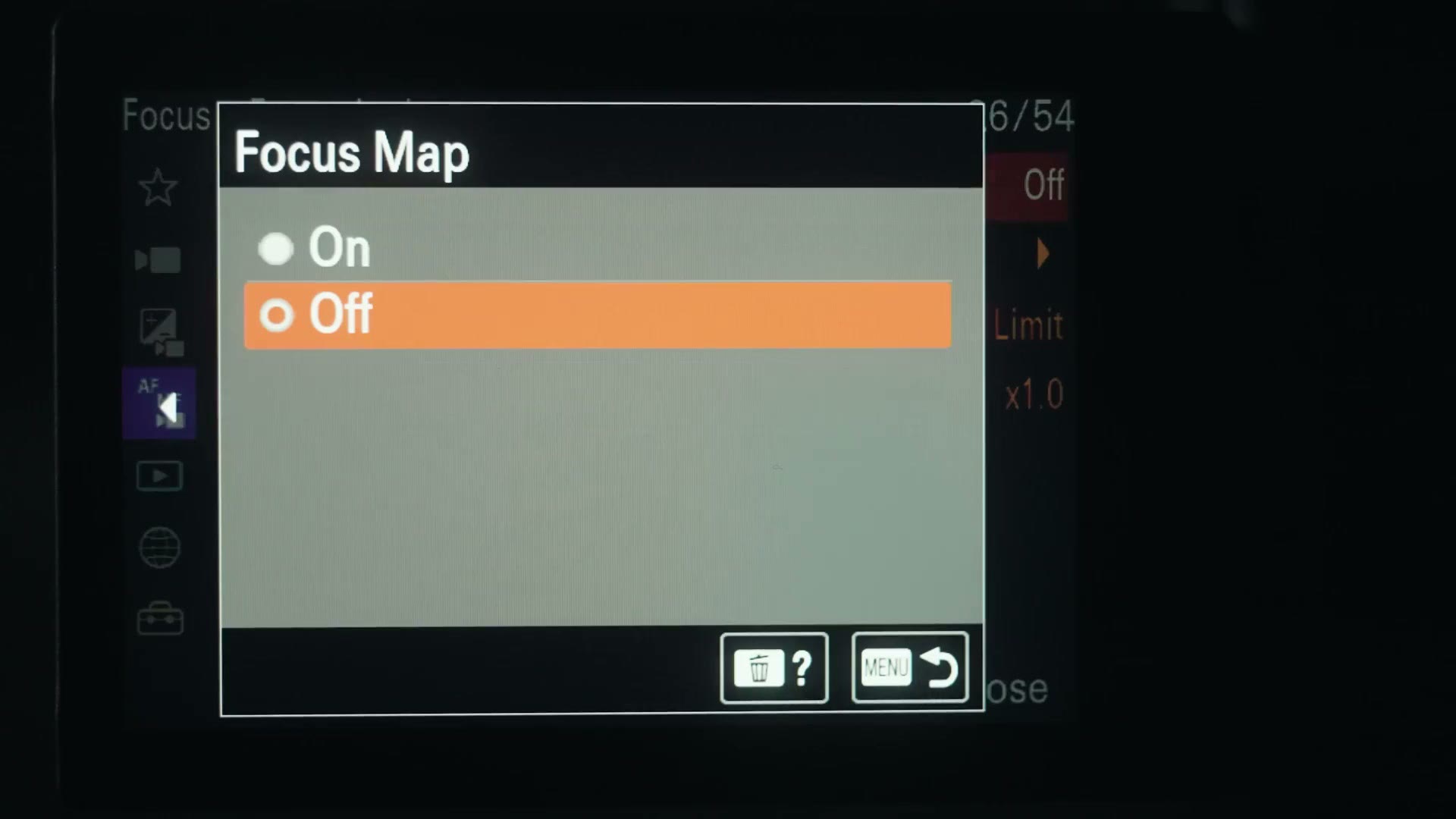
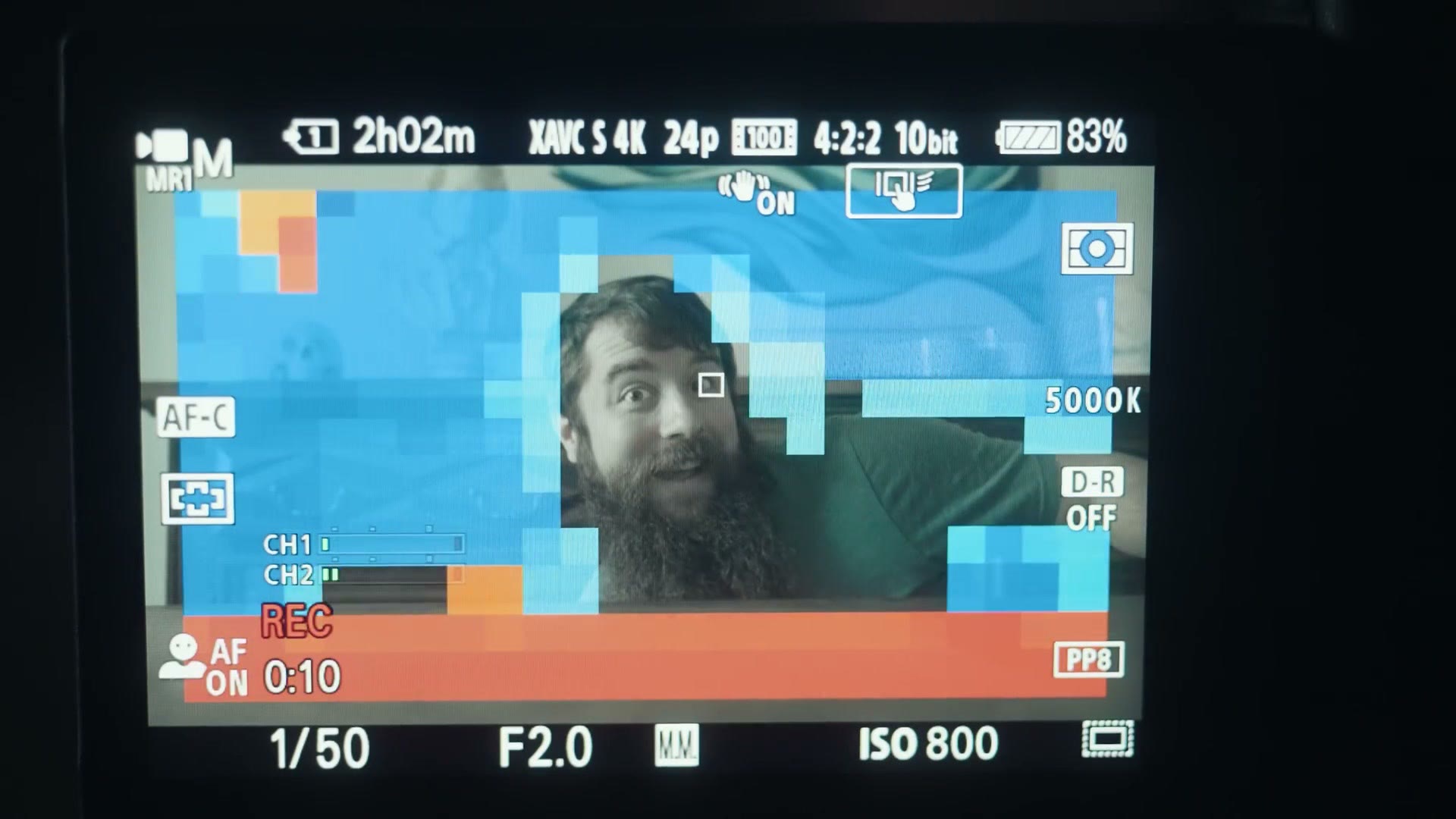
- A focus map to help with manual focus
- A variable anti flicker mode
If you film animals often, you are going to love the animal eye detect. And if you use Sony lenses that breathe a lot, like the 35mm GM, the focus breathing compensation on the a7 IV is something you are going to want turned on all the time. It is pretty magical.
If you pull focus manually, you may get some use out of the focus map, which paints the parts of your frame that are in front of and behind your focus plane so you can actually see where your depth of field lands.
And if you shoot in a lot of low light with flickering lights in it, and if you film receptions you absolutely do, that anti flicker feature is really nice to have.
These are four great features that I am hoping and dreaming Sony adds to the a7S III one day. But I do not think they make the a7 IV a must buy over the S III. That is, unless you exclusively film animals, at which point, yes, go for the animal eye detect.
Overheating
Now here is one big difference we do need to talk about.
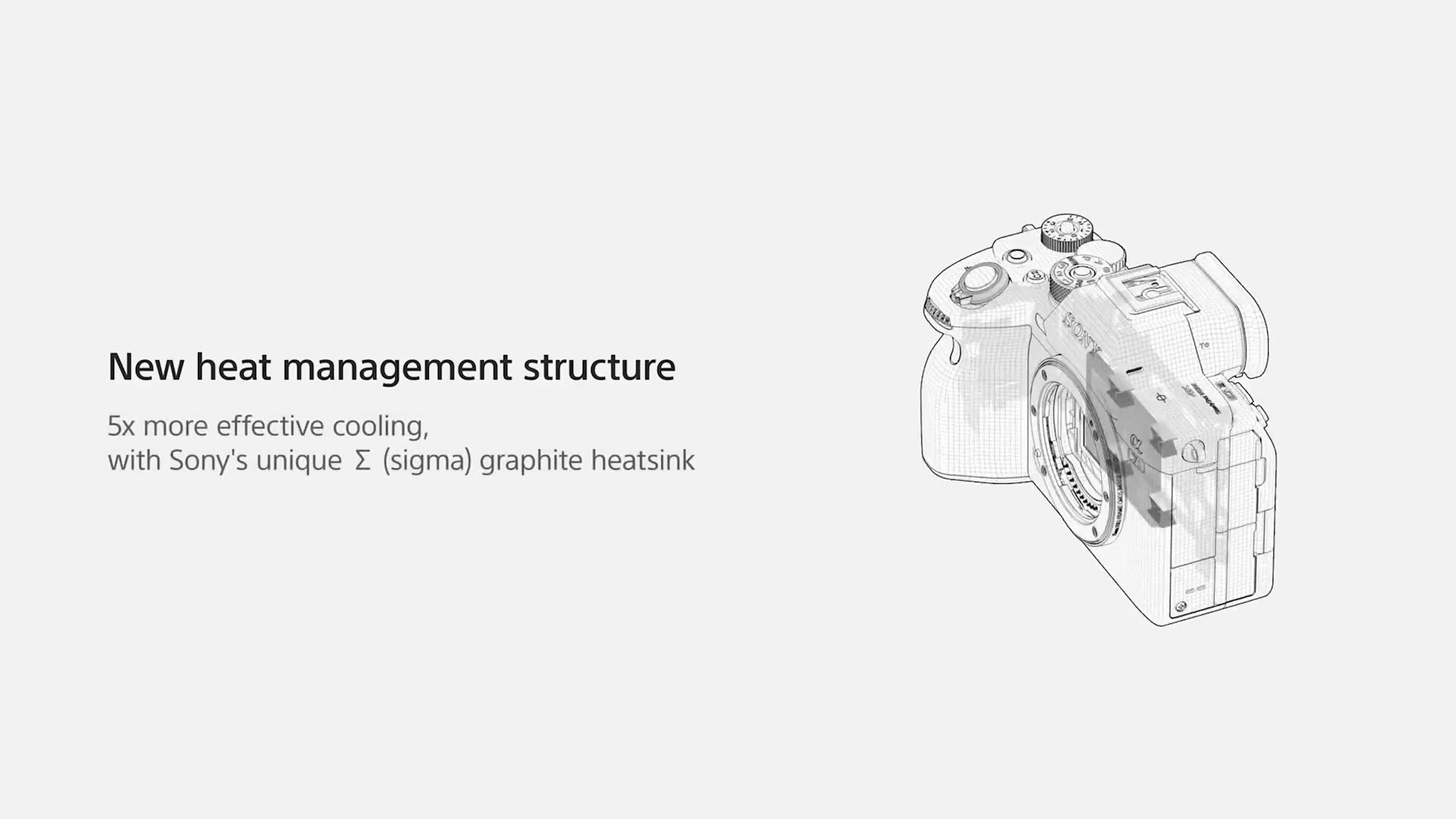
Both cameras have the same passive cooling system inside. But because the a7 IV has a higher megapixel sensor that requires more processing, it is more susceptible to overheating than the a7S III.
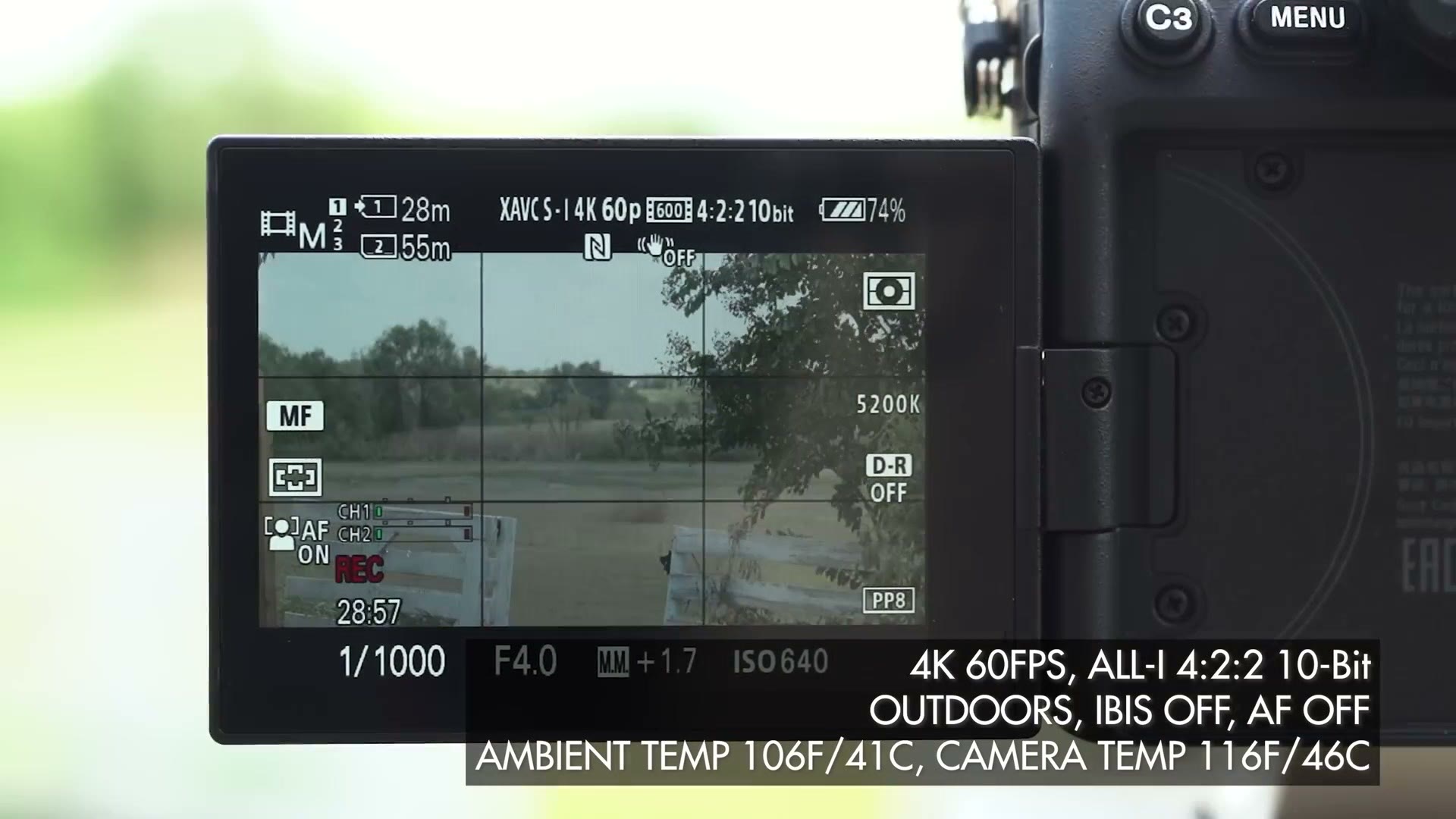
Whenever I tested the a7S III, I left it outside in blazing 100 plus degree Texas heat and it recorded 4K at 60 frames per second indefinitely. It just would not quit.
With the a7 IV, I personally have not been able to make it overheat while filming with it. But I have heard reports from other filmmakers who have. So if overheating is a real concern for the kind of work you do, I would look at the a7S III. And if you want to guarantee you will never overheat, even in 4K 120, go S III.
If overheating is the thing keeping you up at night, I also put together a whole video on why Sony cameras overheat and what you can actually do about it, which covers the battery grip and dummy battery tricks that fix it on the bodies that do struggle.
Which One Should You Buy?
Let’s talk price, which is definitely the thing that decides this for most people.
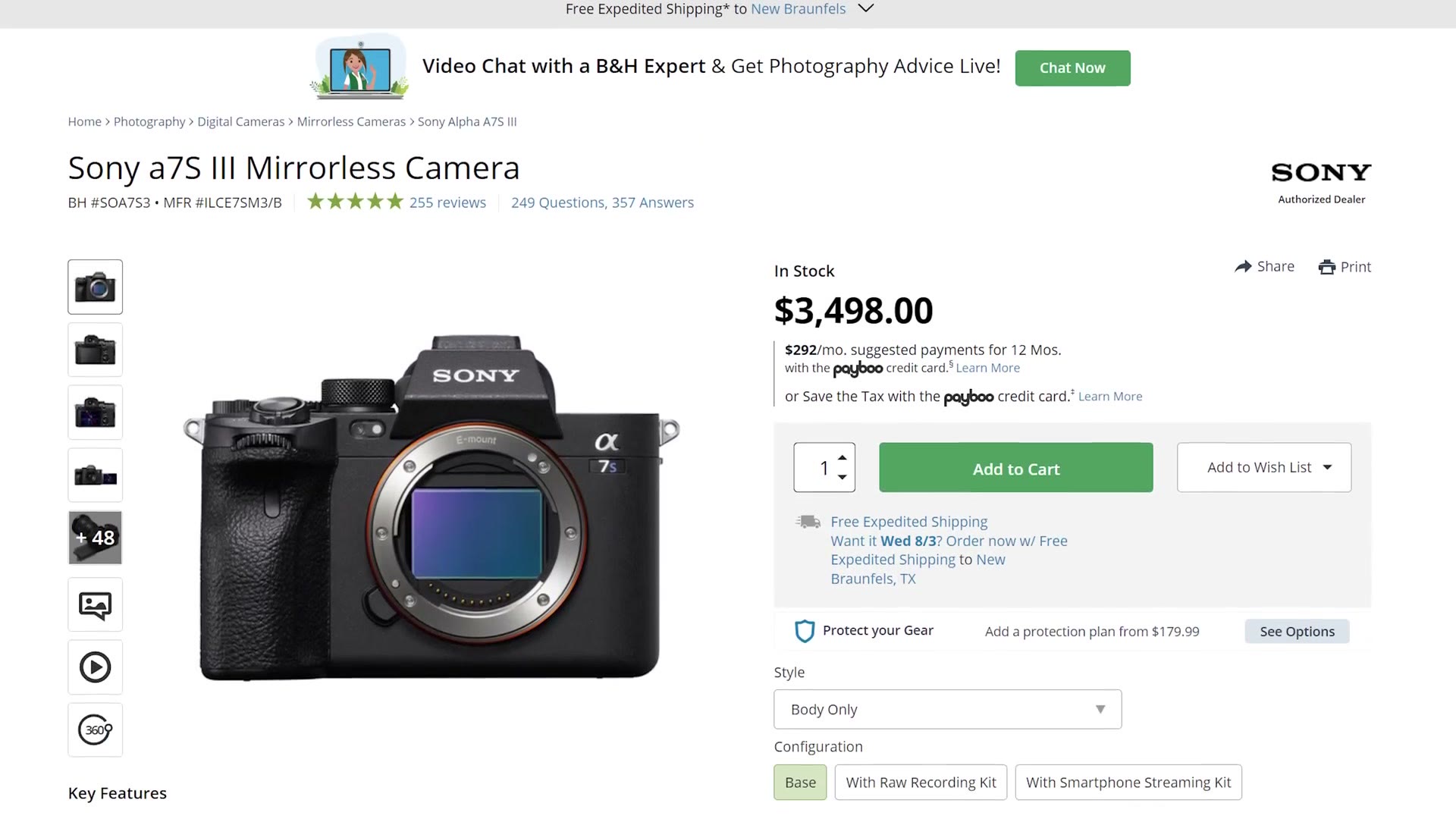
At the time I am making this, the a7S III is selling for about $3,500.
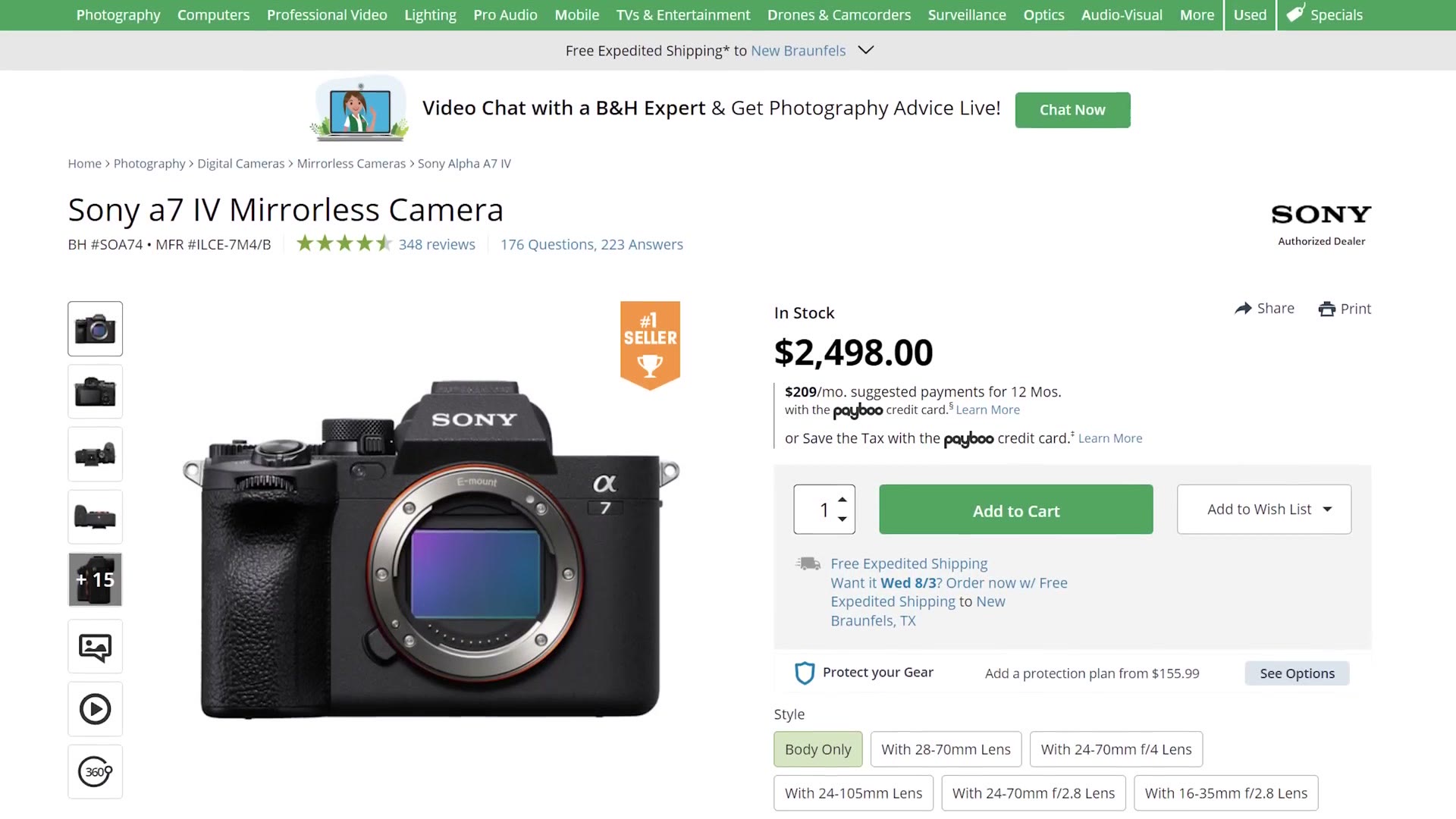
And the a7 IV is significantly cheaper at about $2,500.
So after everything we just went through, there are real differences between these two cameras, but they also have an enormous amount in common, which means the whole thing comes down to one question. Is the a7S III worth a thousand dollars more than the a7 IV?
That is ultimately up to you and your budget. But having used and loved both of these cameras, here is what I would do.
If you are just getting started and you are still building out your kit, and you have lenses and tripods and gimbals and a hundred other things left to buy, saving that thousand bucks and going with the a7 IV is a great choice. Especially when you consider how similar the picture quality actually is. That thousand dollars buys you a really nice lens, and a really nice lens will improve your films more than the sensor swap will.
If you do a mix of photo and video, the a7 IV is a fantastic all around camera and I would go that direction too. Thirty three megapixels versus twelve is not a close call on the photo side.
But if you focus primarily on filmmaking, and you want high frame rate video with amazing low light performance and no overheating anxiety, I still think the a7S III is completely worth it. This is personally the camera I use day to day.
Film Weddings?
I have touched on weddings a bit throughout this, and if that is what you use your camera for, I would love to help you out more than a spec comparison can.
I made a free guide called Level Up Your Wedding Films. If you want to improve the quality of your films and book more work, regardless of which camera you end up buying, this guide walks through the biggest and most important things you can do when you are making wedding films. You can download it for free right here.
I will also point you at my color presets, which work amazingly with both of these cameras. I have tested them extensively on both and they look great, and as a bonus they work whether you are filming in a standard picture profile or in S-Log3.
A few other things that might help you here:
- Sony a7S III video formats explained, if the XAVC alphabet soup in the record menu is confusing you.
- My full filmmaking gear list, which is everything I actually carry to a wedding.
- My filmmaking courses, if you want to go deeper than a single article.
Thanks so much for reading, and have a great day!