
I have always been a big advocate of using ND filters when you film, so that your image is properly exposed even in bright sunlight. As a wedding filmmaker though, that presents a problem, and the problem is time.
There is nothing worse than being indoors filming a couple and the photographer goes, hey, let’s all head outside. And you go hold on a second, I have to get my ND on, it’s really bright out there, don’t kiss or anything, just give me a second. It sucks.
Which is why a lot of wedding filmmakers skip NDs entirely and just crank their shutter speed to control exposure instead. That gets you jagged, overly sharp movement, especially at 24 frames per second. I will be the first to admit I have cheated and done exactly that when I really should have put a filter on. But I would rather use NDs every time.
So here are two tools that let you expose properly as fast as possible. One I have been using for years and somehow have never talked about, sorry for keeping secrets. The other is brand new and genuinely impressive.
Before we get into it, for the sake of ethics, I want you to know this video is not paid for or sponsored by either of these companies. One of them did send me their product. The other one I have spent literally hundreds upon hundreds of dollars on over the years. Neither of them has any say in what I am about to write, and the first time they see it is the same time you do.
Xume Adapters Put On ND Filters FAST
This is a Xume adapter, spelled X-U-M-E, and I hope I am pronouncing that right.
It solves the single biggest problem filmmakers have with ND filters: the time it takes to get one on and off. Through the power of magnets, it takes you from slowly screwing on a filter and praying you don’t cross-thread it, to this:
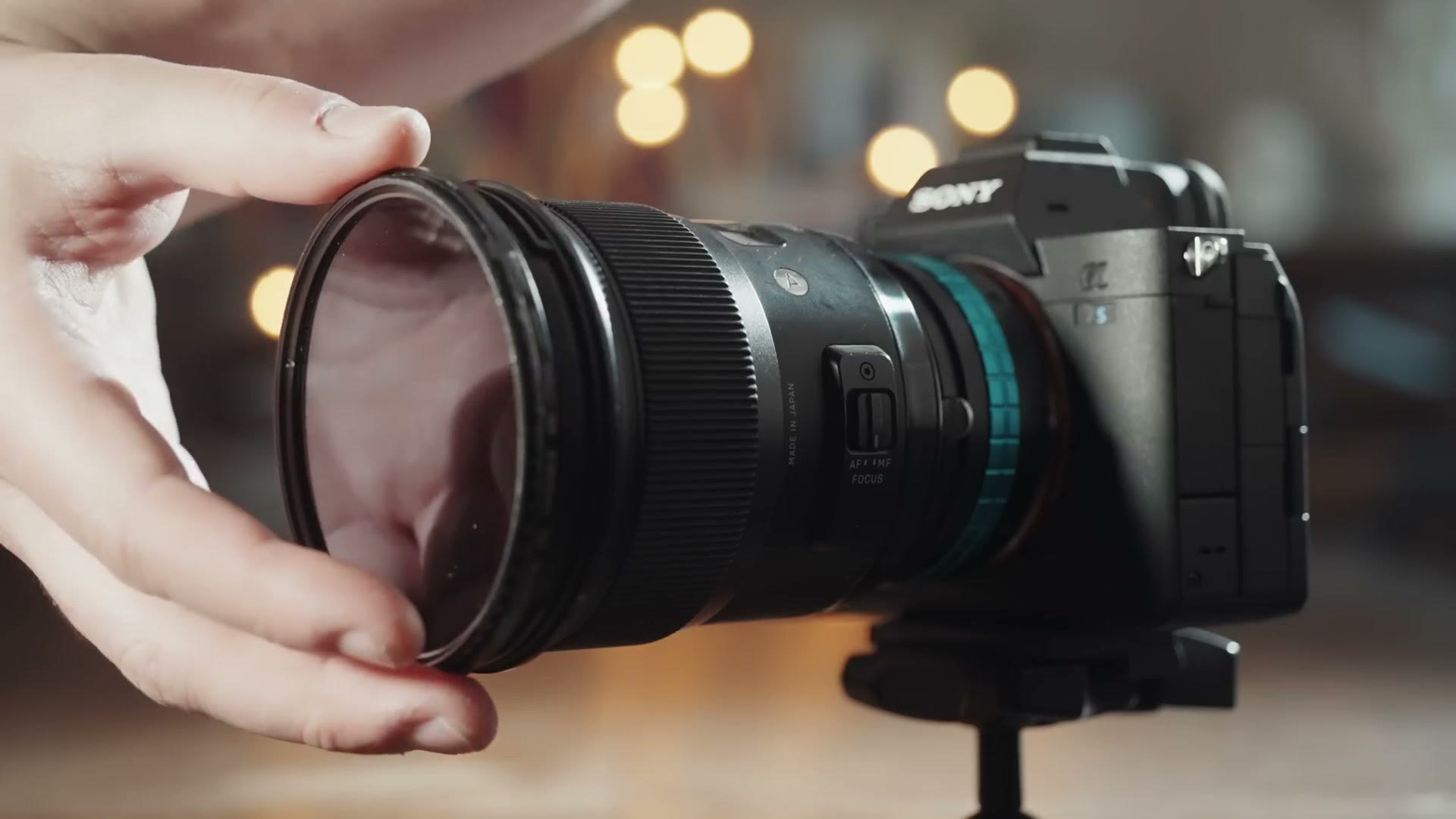
Ready to film. The first time I saw that I genuinely went, what? Magic. No. Magnets.
Xume adapters are simple magnetic rings that come in two parts. The first part has filter threads and a magnet and screws onto your lens, where it can live permanently. The second has a metal ring and more filter threads and mounts onto a filter. Put one on the lens, one on your ND, and you have instant filtration whenever you want it.
It is such a simple value proposition that it has been easy to recommend for years. I have a set on every single lens and every single filter I own.
Cons Of Xume Adapters
That said, there are some things you need to know going in.
They are not cheap. $34 for a lens adapter and $14 for a filter holder, or $55 for a kit with a lens adapter and two filter holders. That adds up quickly if you have a lot of lenses and filters. In fairness, they are very well built, and in six or seven years of using them I think I have managed to break exactly one.
Vignetting. Any time you add anything to the front of a lens you are risking vignetting, and the Xume adapter adds length before you have even added the filter. Expect some, especially on wider lenses.
You lose your lens caps. Because of the shape of the magnetic adapter, I have never had any luck getting a traditional lens cap to work. Xume sells their own magnetic caps and they work well, but they are $16 each, which is a lot more than a generic cap online.
It is not one size fits all. Your lenses and your ND filters have to be the same thread size, or you are buying step-up rings to make everything play together.
Okay Matt, that sounds like a lot of cons. And honestly, I had never listed them all out before, and yes, that is a lot. I will still maintain the benefits have far outweighed them for me, and I have used these for over six years without complaint.
The RevoRing Is Revolutionary
But what if there was something with all of the pros and none of the cons?
Introducing the RevoRing: a combination step-up ring, polarizer and ND filter. It does the lot. My friends at H&Y sent this one over and it is very impressive.
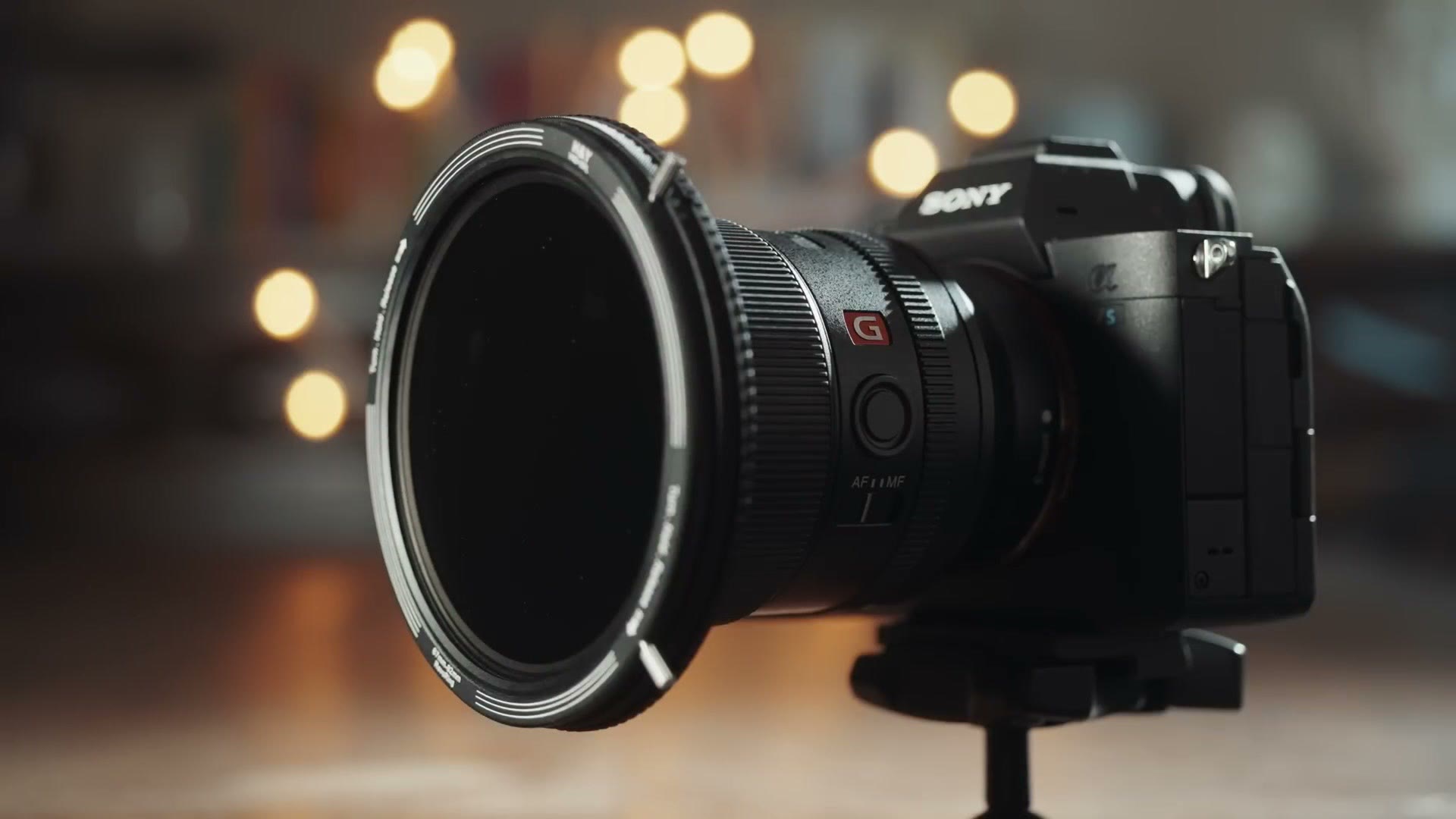
It works like a Xume adapter in that it goes on and comes off fast, but with no magnets involved. You hold it up to the lens, twist, and it is attached. No time lost screwing anything on.
Unlike a Xume adapter, which is just a magnetic ring you still have to buy a filter for, the RevoRing has a high quality variable ND built in. It blocks up to 10 stops depending on the lens, and in my testing the footage still looks sharp with no color cast I can see.
Oh, and there is a polarizer in there too, which is excellent for killing reflections. Both the ND and the polarizer adjust independently using little guide pins.
One improvement over a lot of the competition: there are markers on the side so you actually know how much filtration you are dialing in, and hard stops so you don’t turn a variable ND far enough to get that horrible X pattern.
It also comes with a magnetic lens cap, so you don’t have the cap problem you get with Xume. And because you can pull the whole RevoRing off as fast as you put it on, you can just use your normal caps too.
RevoRing Step Up Features
I saved the best part for last.
For the longest time I got lucky. Almost every lens I owned had a 77mm filter thread, so I never needed step-up rings to make an ND work across the kit.
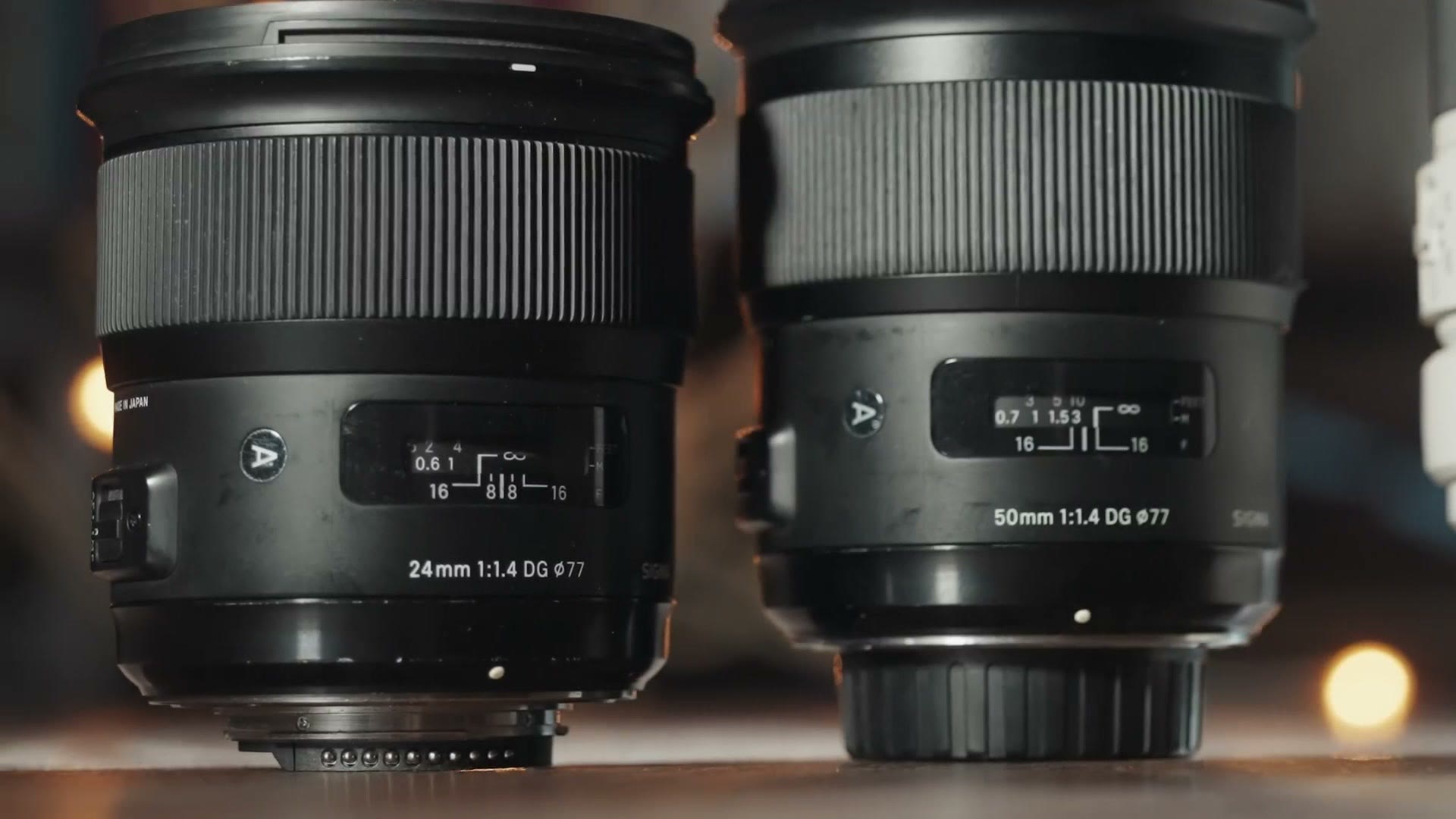
Then I upgraded to the a7S III and started replacing everything with new autofocus lenses, and that fell apart fast. I still have 77mm threads, but now I also have 67mm, 72mm and 82mm.
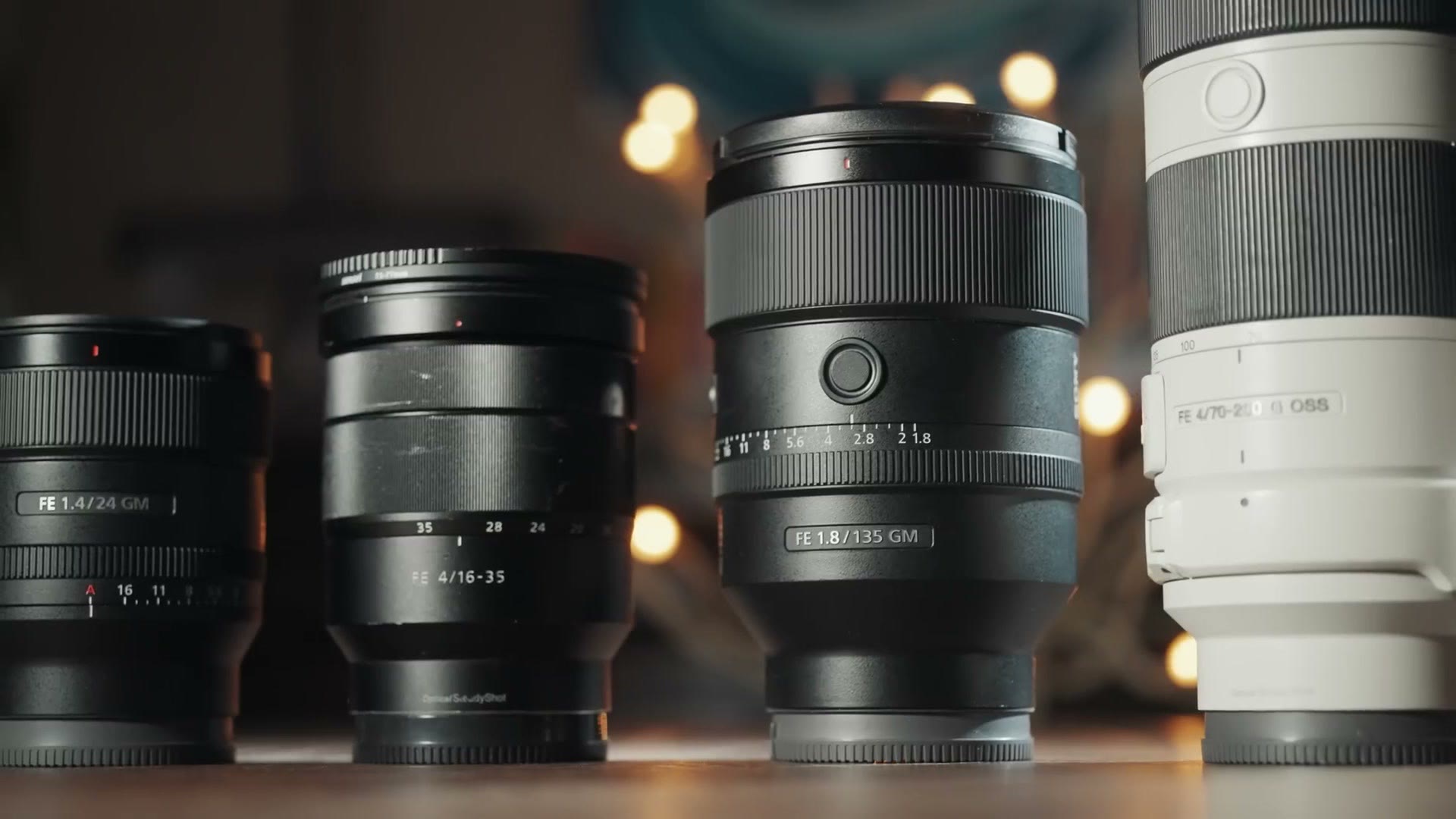
Here is where the RevoRing earns its money. Instead of buying step-up rings for all of those, plus new Xume adapters so my filters still work, plus a new 82mm ND filter, I can spend $219 once and have an ND that fits literally any lens with a filter thread between 67mm and 82mm. I have paid more than that for a single standard ND before.
As a bonus, because the RevoRing mounts straight to the lens rather than sitting on top of an adapter, it is closer in and should vignette less. That will depend on your lens, but the geometry is on your side.
Conclusion: Which Should You Buy?
If you want a fast way to get NDs on and off, both of these are a great choice. Which one comes down to how many lenses you own and what thread sizes they are.
If you already own an ND filter and all of your lenses share one thread size, like mine used to, Xume adapters are the easy choice and they will not break the bank. They are also at B&H here.
If you have a spread of lenses with a spread of thread sizes, the RevoRing will be faster and quite possibly cheaper than kitting out every lens with adapters and step-up rings. It is a great all-in-one.
Heads up: at the time of writing the RevoRing is very new and only available to pre-order, but it should be shipping soon.
And if you are a wedding filmmaker like me, you probably want to book more couples. I put together a free guide with practical steps you can take right now to do that.