
Is it time for you to film with anamorphic lenses? My name is Matt Johnson, and today I am going to answer that question and review an anamorphic lens, because I have been filming with this Sirui Saturn 35mm anamorphic for a while now and I think it’s pretty cool.
Before we get started though, for the sake of ethics, I want you to know that Sirui did send me this lens, but they sent it to me in exchange for me posting an Instagram reel about it, which I happily did. After I posted that reel, Sirui did not ask me to do anything else, so I am making this video purely because I want to and because I think anamorphic lenses are cool. I am not getting paid for this by Sirui or anyone else, and they do not even know I am making it.

What Is An Anamorphic Lens?
In essence, an anamorphic lens is a lens purpose built to distort the image your camera is recording. Unlike a normal camera lens, like the Sony 24mm I am using to record this video right now, where you can put it on a camera and get a nice wide angle field of view that looks great straight out of camera, an anamorphic lens means your camera is actually going to record a distorted version of the image, where everything is squeezed together horizontally.
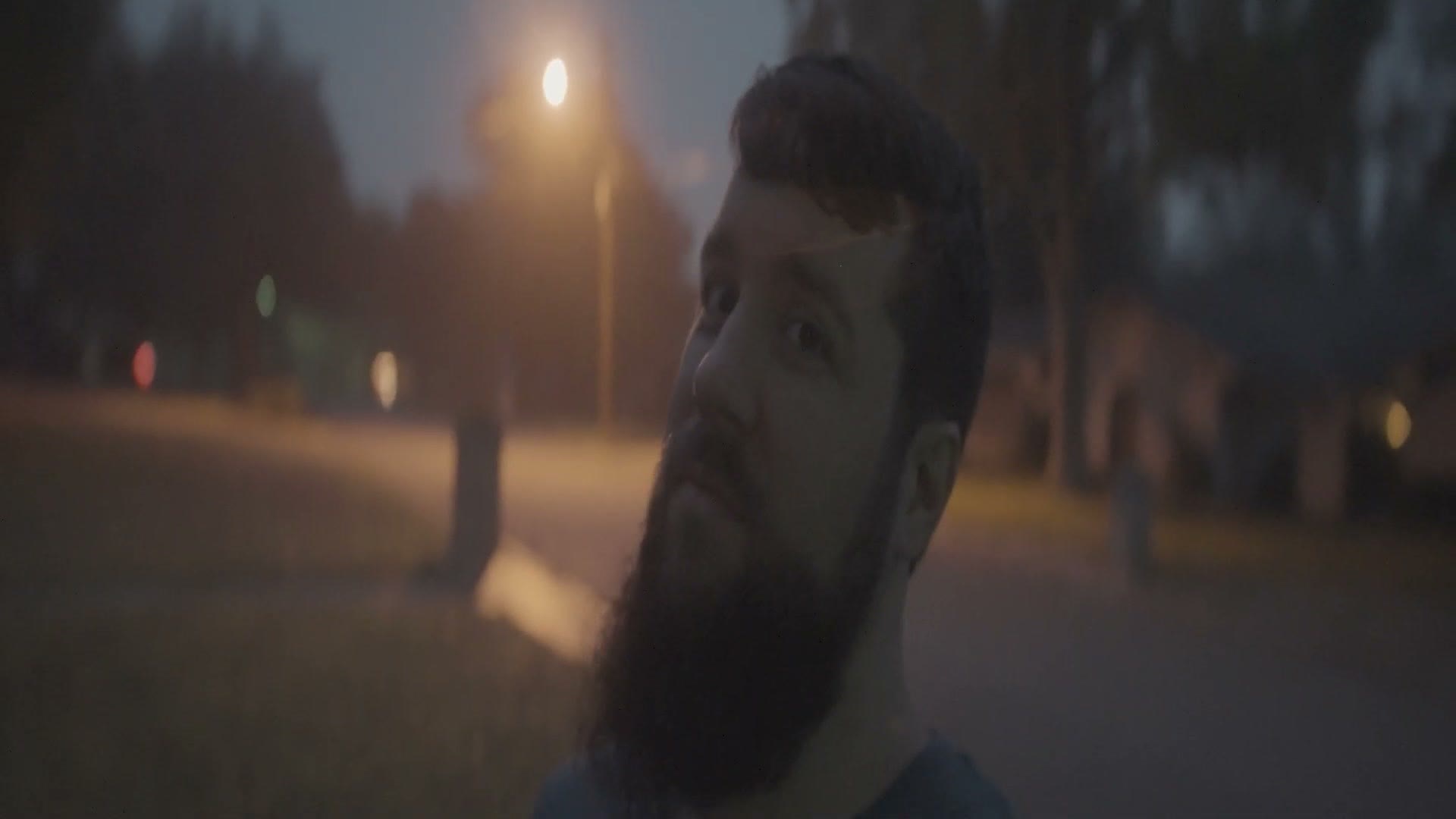
How much squeezing happens, and how distorted the image is going to be, depends on how the lens is manufactured, with all anamorphic lenses having a number associated with them, such as 1.6x or 1.8x or 2x. All of those numbers are really telling you the ratio of how squeezed the image is going to be horizontally versus vertically. So for example, a 1.8x anamorphic lens will give you 1.8 times more horizontal information than a traditional lens.
Side note, by the way, a lot of older anamorphic lenses are actually made to be used with cameras that can record in the 4:3 aspect ratio, which is going to record an image that looks like it is made for an old TV that is not widescreen. But there are now newer lenses like this Sirui that are made for full frame cameras that do not give you the option of recording in 4:3.
De-Squeeze Time!
Cool Matt, I got this anamorphic lens and recorded this distorted footage that has a lot more horizontal data than a normal lens. What do I do with it now?
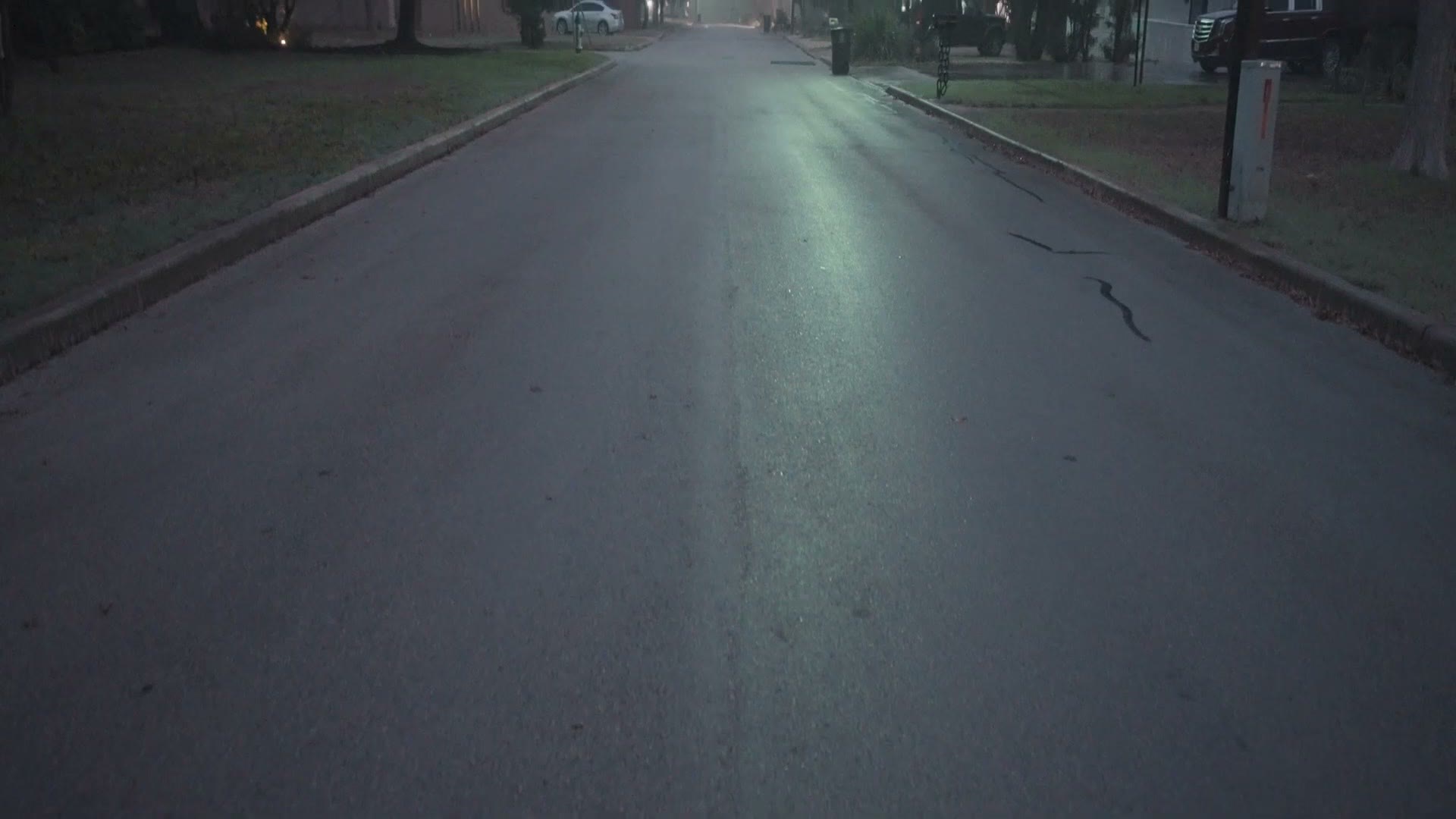
Well, here is where things get cool, because you now need to un-distort the image through a process called de-squeezing, which you can do in any of the major video editing programs today, either manually by using a horizontal stretching effect, or by using the presets that are included in most editing software.

De-squeezing is a really fun process, and to me it gives a similar feeling of satisfaction that I get whenever I am color grading a log image. Just like how it is satisfying to see the colors you filmed go from super flat and desaturated to super contrasty and colorful, you get the satisfaction of seeing all of your footage go from squeezed and distorted to suddenly stretched out and correct. It is really cool, and I could de-squeeze things all day.
This de-squeezed image is going to give you a look that is iconic in Hollywood. Over the years so many movies have been filmed in anamorphic, and so many viewers are used to seeing their films presented this way, so filming in anamorphic is just another way to immerse your viewers in the video you are creating.
The Cost Of Filming In Anamorphic
One thing I am sure you may have noticed about the de-squeezing in the examples I am showing you is that de-squeezing comes at a cost. Namely, you are going to see black bars appear at the top and bottom of your footage if you are working on a normal 16:9 video timeline.
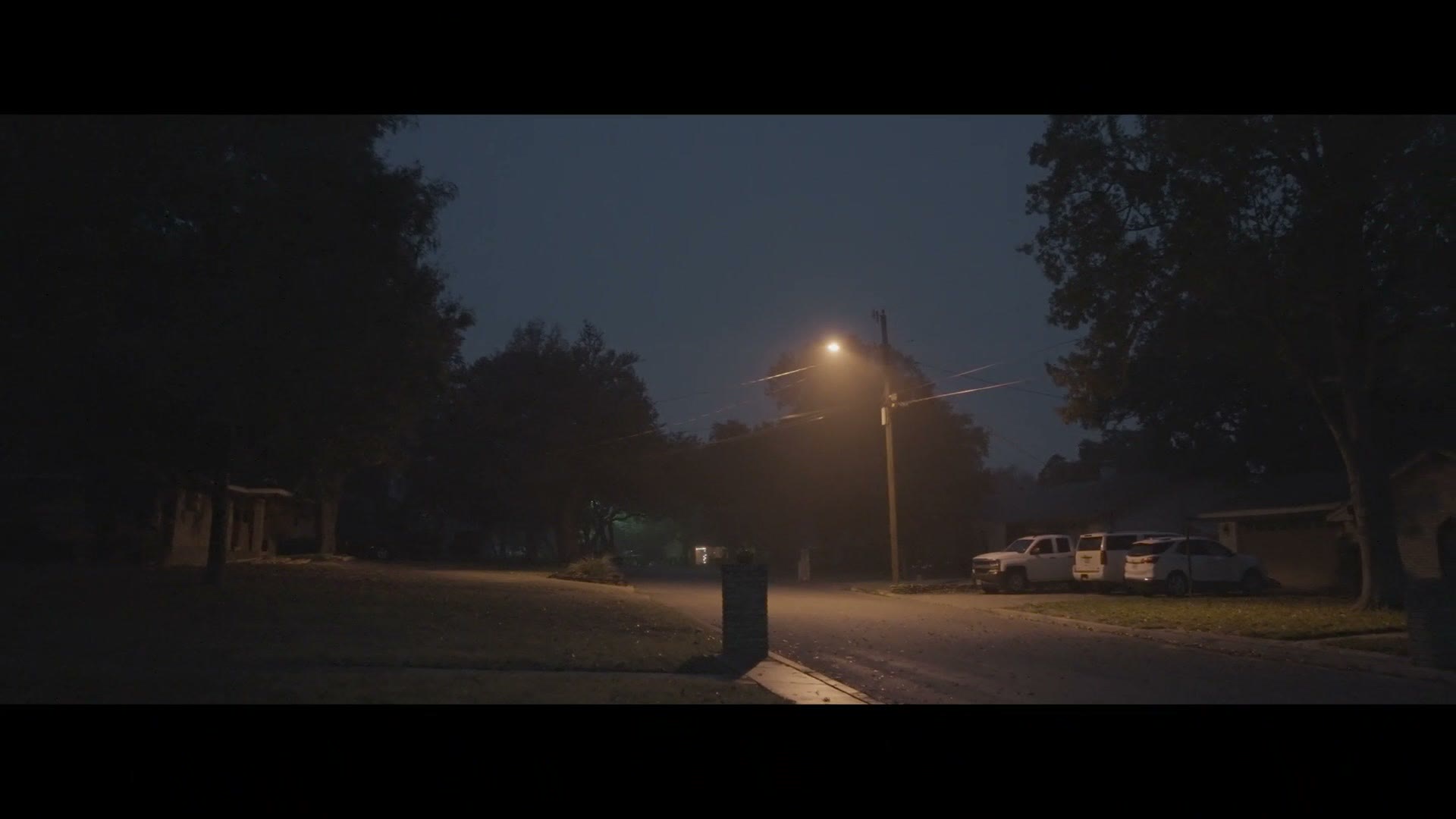
So this is something that may blow your mind, but the reason a lot of Hollywood films are presented in a wider aspect ratio than a typical 16:9 video, meaning that whenever you watch a Hollywood film on your TV and it has bars on the top and bottom, the reason you are seeing those bars is because many Hollywood films have been shot with anamorphic lenses, which then need to be de-squeezed and result in those black bars.
Yes, what I am saying is that unlike many of us on YouTube who have to add those black bars in post to make our videos look more cinematic and copy Hollywood, if you are filming with an anamorphic lens you do not need to do that. The black bars come with the lens. It’s pretty cool!
Remember earlier when I said that different anamorphic lenses apply different amounts of distortion, those 1.6x, 1.8x and 2x numbers? Well, the higher that number is, the more distortion is applied to the footage, and the more distorted the image, the larger the black bars are going to be whenever you de-squeeze it. So the main thing you need to keep in mind is that if you decide to film in anamorphic and you decide to use more than one lens, I would definitely make sure all of your lenses match up in terms of how much they are squeezing your image, because otherwise either your bars are going to be different sizes, which can be really jarring, or you are going to need to crop off the edges of some of your clips so everything matches up.
The Part J.J. Abrams Loves
Distortion is one thing that makes anamorphic lenses unique, but there is one other big reason to film anamorphic, and it is the reason I am betting you have noticed, especially considering how many different companies are selling anamorphic lenses these days and advertising the features of them. That big other feature is anamorphic lens flares.
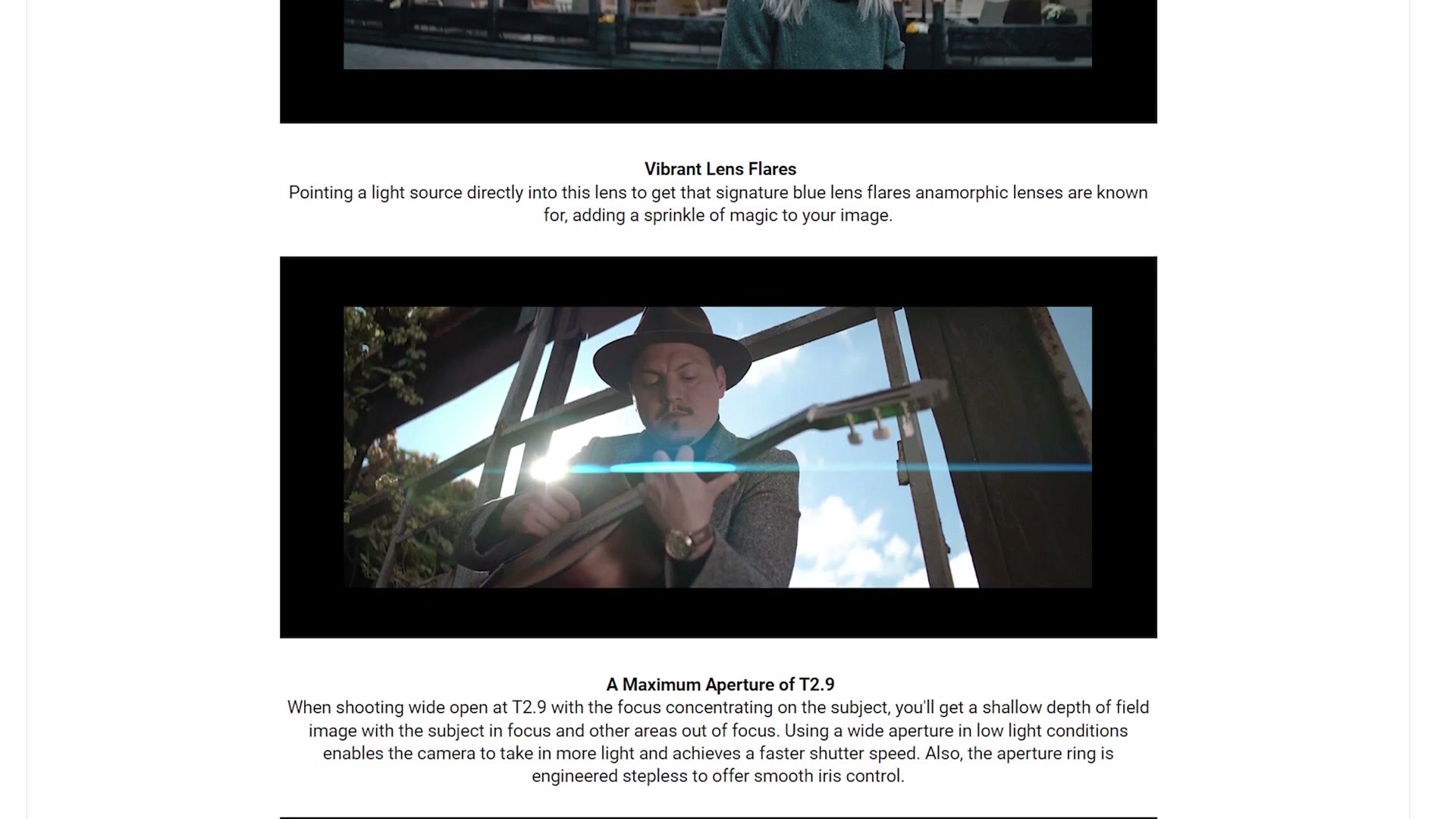
Yes, if you have watched any J.J. Abrams film like Star Trek, or had the opportunity to use an anamorphic lens before, I am sure you know what I am talking about. These are those massive blue or orange flares that reflect across your shot and look super dramatic.
Here is where we get to talk about personal preference, because these anamorphic flares have been a point of contention for many filmmakers. Some filmmakers love the colorful flare look, cannot get enough of them, and are throwing up lights in their videos to make even more flares, while other filmmakers want a cleaner, simpler aesthetic and find imperfect lens flares to be distracting. Whether you like them or not is really going to be up to your personal preference.
The Cool Flare Feature Of This Sirui Lens
But I do want to point out something really interesting and exciting about this Sirui lens in particular that I really like. See, typically whenever you are purchasing an anamorphic lens, the manufacturer is going to put a lens coating on the glass that dictates the color of the flares you get from it. For example, most anamorphic lenses are going to have a blue coating on them that makes the flares blue.
This brings us to this new 35mm from Sirui, and what I love about it is that instead of limiting you to a blue flare, they also give you the option of selecting a natural flare color, which means that whatever color the light source is in your video that your lens is picking up, the lens is going to make the flares that color.
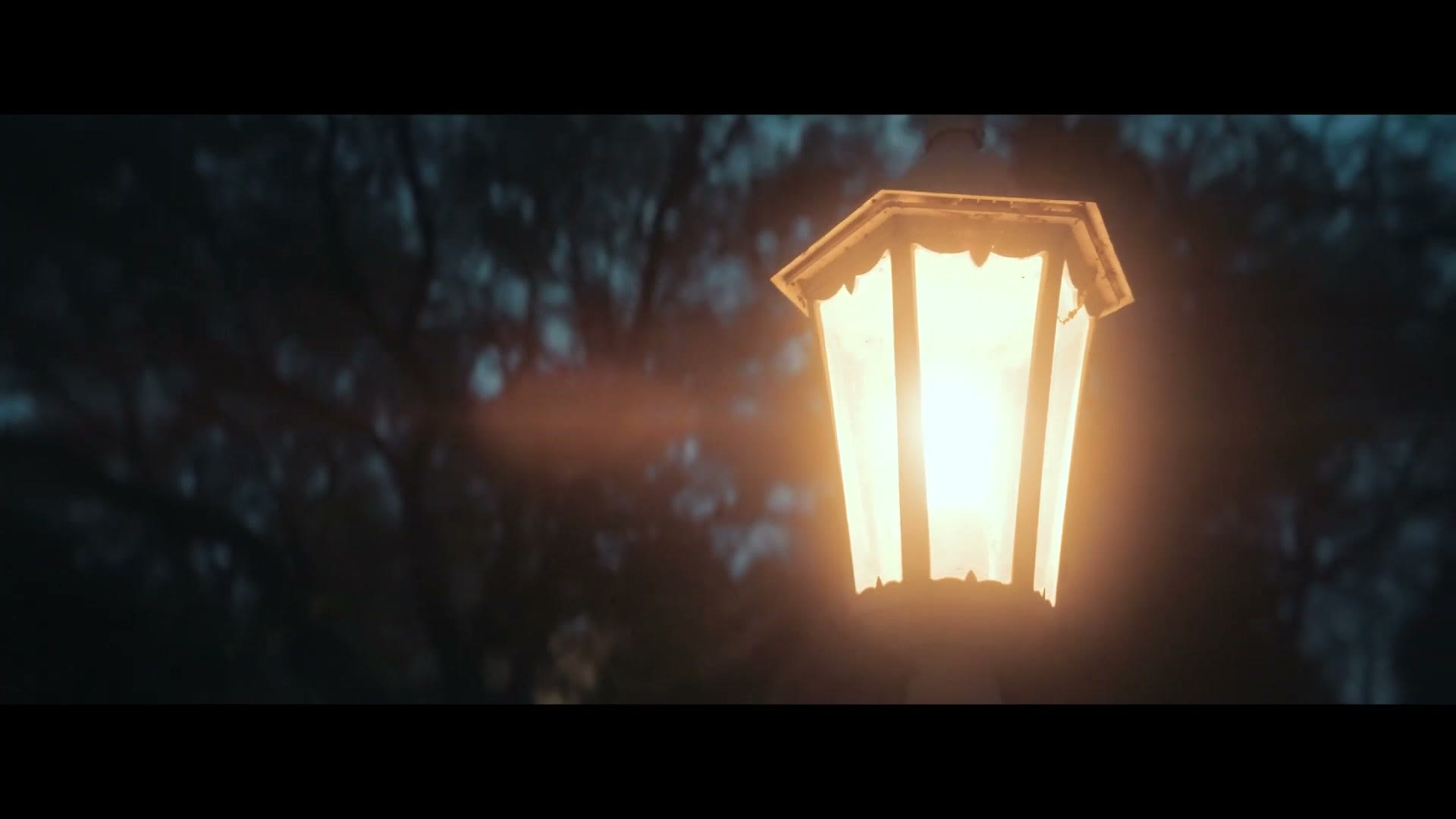
There is no more requirement for you to have blue flares in your films. Instead you can use this anamorphic lens like any other lens you normally use and let the lighting you are using dictate the color of the flares. I personally love this, because I am the kind of filmmaker who always found anamorphic flares to be a bit distracting, especially whenever they were super blue, because half the time I felt like I was not watching the video, I was watching the lens flares. They were distracting because they were such bright colors that did not match the rest of the scene. But with this 35mm things are different, because now the flares are going to match with whatever you are filming, and I think it’s pretty cool.
Why Anamorphic Lenses Were A Pain To Film With
So that is what an anamorphic lens is and what makes them special, but we still have to answer the question. Is it time to start filming your videos in anamorphic? Here is where things get really interesting, because in the past, for most situations, I would have said no. There are two big reasons why.
The first reason is the complexity of the setup. In the past, anamorphic lenses have been pretty rare and difficult to find, because there are not many companies making them anymore. In addition, using some anamorphic lenses required you to essentially mount an anamorphic lens onto a more traditional camera lens and use a dual lens setup to film in anamorphic. This got really complicated really quickly, because you would attach the anamorphic lens to a traditional camera lens, set the traditional lens focus to infinity, then use the anamorphic lens for focusing, all the while hoping the focus was working right, dealing with a softer image at times, or with focus planes not lining up perfectly. Worse, a decent amount of these anamorphic adapters only worked with much tighter lenses, limiting you to filming anamorphic at tighter focal lengths only. In short, it was a big pain, and I never really found it worth it.
Sirui 35mm Features And Sharpness
That all changed a few years ago, whenever we started to see companies like Sirui offering new anamorphic lenses that removed the vast majority of these complexities and compromises that older anamorphic lenses had, and I have got to say, this new 35mm is the cream of the crop.
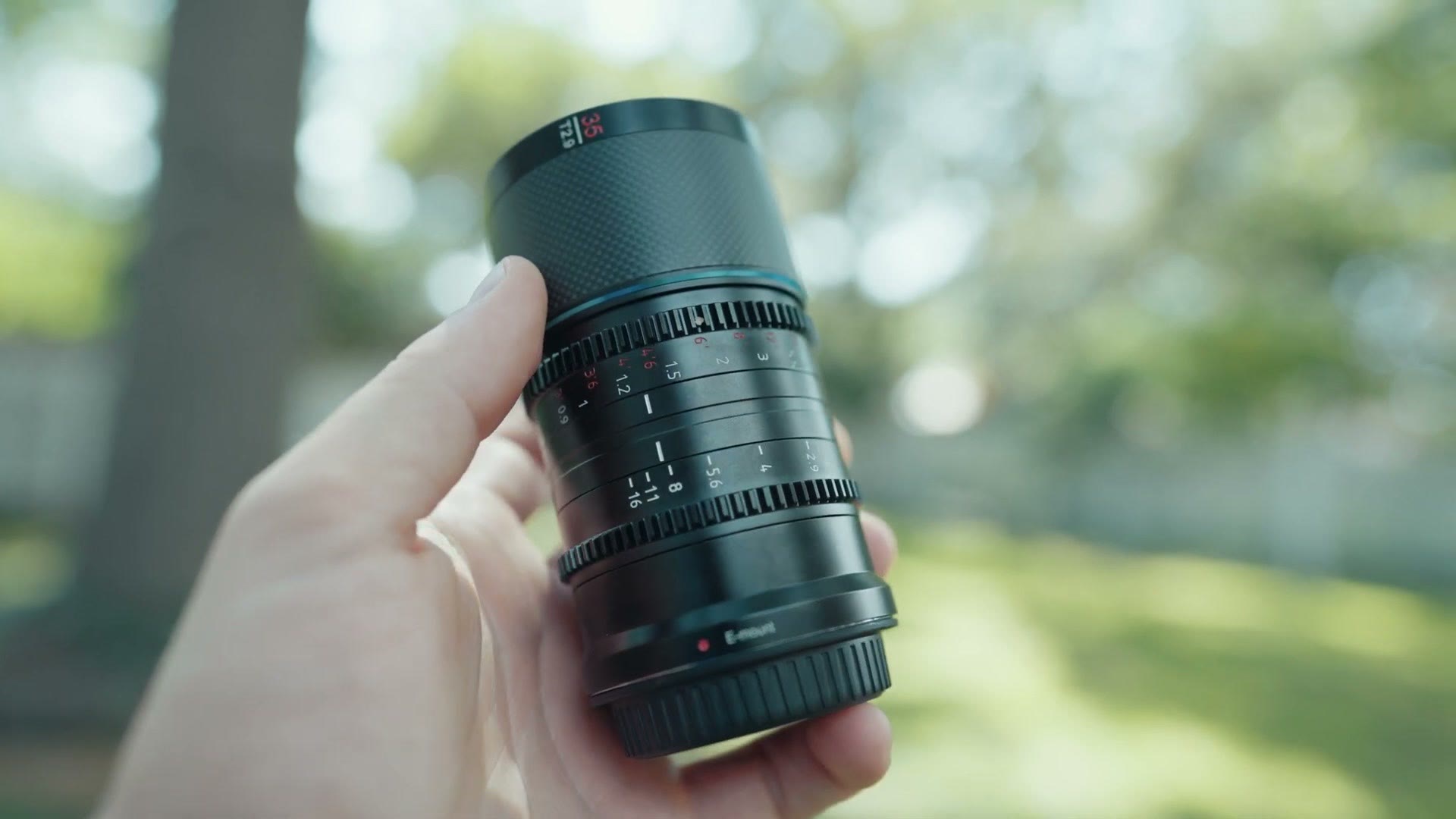
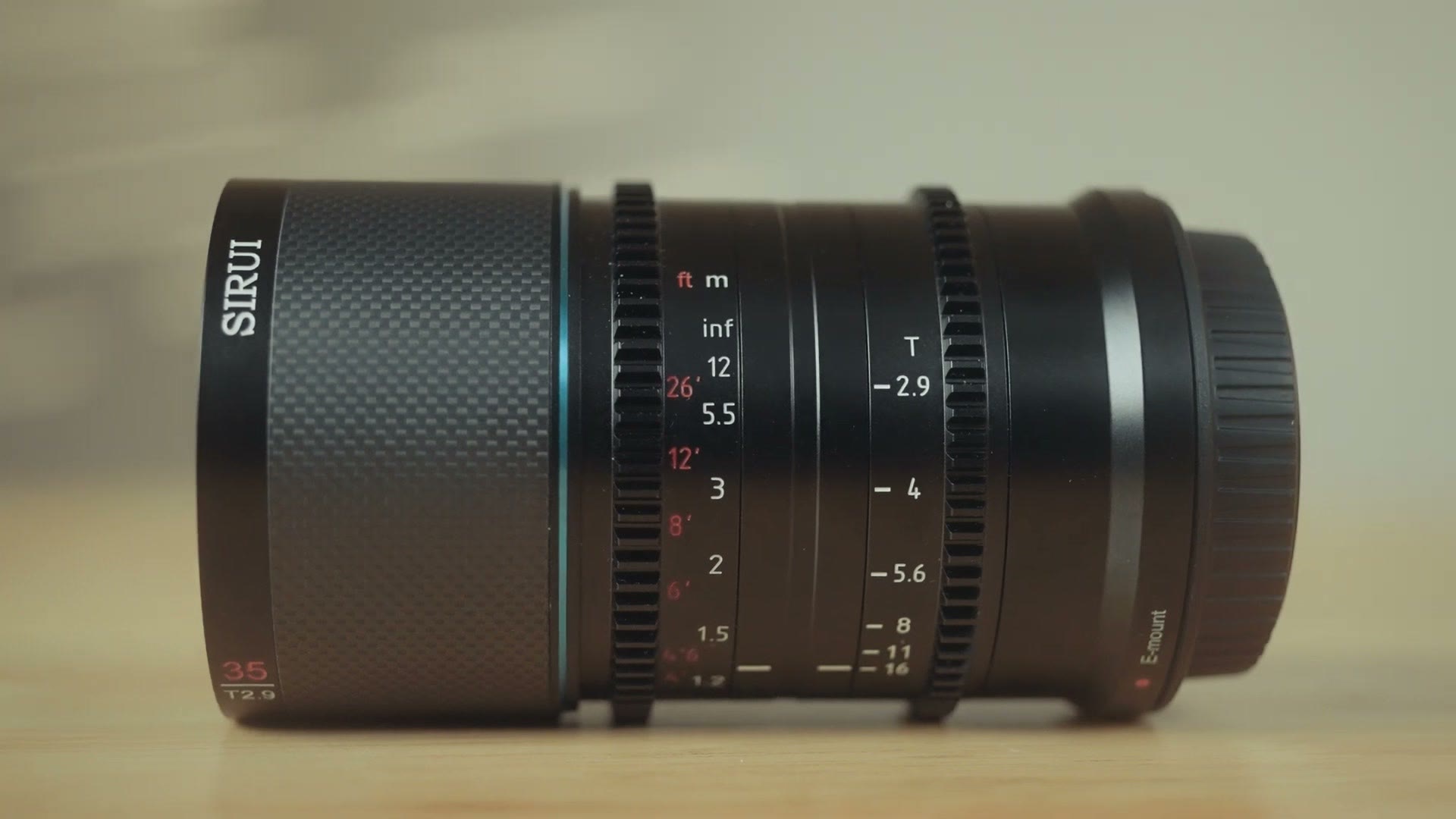
Not only is this lens incredibly compact and lightweight, it is also sharp. It attaches to your camera just like any other normal full frame lens, it has a normal focus ring just like a traditional lens, and you get clickless aperture control.
Downsides Of This Lens, And The Workarounds
Overall I have only really found two downsides to using this lens. The first is not a huge deal, and I am sure you are not surprised to hear it, but this lens does not have autofocus. It does have gearing if you want to attach a follow focus. I do not think I have ever seen a native autofocus anamorphic lens, but I bet we might in a few years.
The other con of this specific lens is a little bigger and something you are definitely going to want to be aware of, and that is that this lens is not very good whenever it comes to minimum focusing distance. Unfortunately this 35mm has a minimum focusing distance of about three feet, which is pretty far away, especially for a 35mm, which is a lens you usually want to get pretty close to people with. That means that out of the box you are not going to be able to use this lens for close ups.
It is a bummer, but there is a workaround, and I want to give a huge shout out to Brandon Li, who first showed me this lens whenever we hung out in New York City, because he made a video about the lens where he showed off a really cool workaround for this minimum focus distance issue.
Brandon’s recommendation was to invest in a set of diopters, which I purchased as well. If you put one of these diopters on the end of your lens, it essentially gives this 35mm nearsightedness. The lens will have a much closer minimum focusing distance, but it will lose the ability to focus to infinity. So if you are filming a talking head, for example, and you really want to film your interview in anamorphic but you are stressing about not being able to get the subject close enough to fill up the frame, throw one of these diopters on your lens and you are going to be able to focus much closer and get a much shallower looking depth of field, which is great.
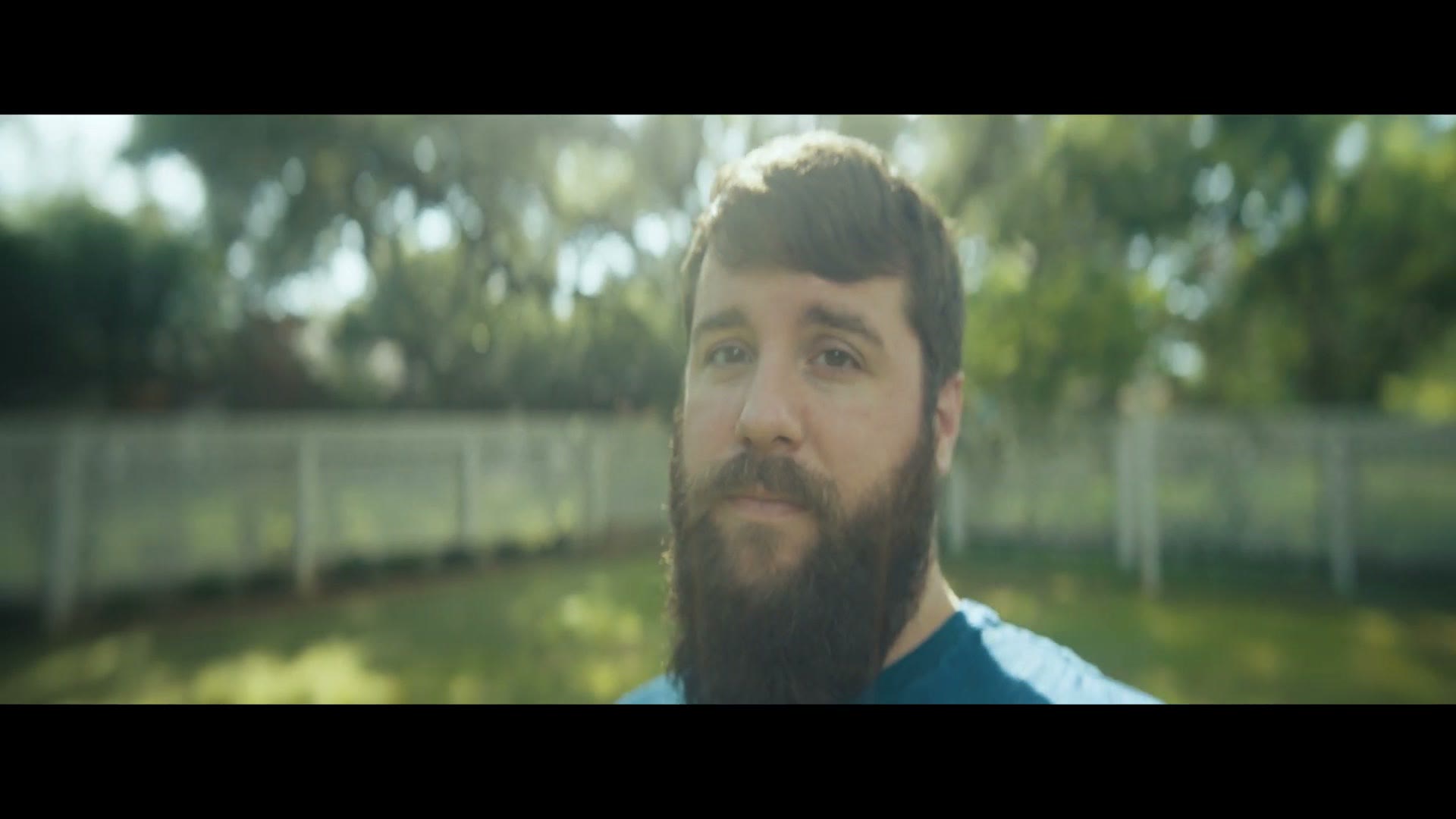
Oh, and by the way, this lens is a T2.9, which is pretty good, but it is definitely not going to give you the same amount of bokeh as, say, an f/1.4 lens, so keep that in mind.
How Is The Price?
As you can see, this 35mm really solves a lot of the complexities and issues that come from filming with an anamorphic lens, and there is really only one other thing we need to talk about that has kept me from recommending anamorphic lenses in the past. That one thing is the price.
Look, I think we can all agree that most lenses these days are expensive. I feel like lenses were getting cheaper toward the end of the popularity of DSLRs, but then all of the camera manufacturers discovered they could make mirrorless cameras and charge dramatically more for their lenses, and suddenly we are seeing lenses that cost 2,000 plus dollars all the time. I have got to say though, I wish some of the older and higher end anamorphic lenses out there only cost $2,000, because you are looking at spending 9,000 plus dollars for some of them. And there are even more specialty anamorphic lenses, like those from Cooke, where you are looking at spending $30,000 or more just to rent them. That is what they want, they want you to rent them. Do not go buy a Cooke lens. I mean, you can if you want to. Let me borrow it and I will review it. That would be fun.
Anyways, my point is that anamorphic is a niche type of lens that has always been expensive, unless you find a fantastic deal on eBay. Thankfully things are finally changing, because I am happy to tell you that this new Sirui 35mm does not cost tens of thousands of dollars, or even a few thousand dollars. They priced it at 1,300 bucks, which I feel is pretty reasonable.

You can buy the Sirui 35mm anamorphic at B&H, at Amazon or at Adorama.
So, Is It Time To Film In Anamorphic?
At that price point, with this lens, Sirui have really made me rethink my position on anamorphic lenses. They have simplified a lot of the complexity that comes from filming in anamorphic, they have made the pricing so much more approachable for a lot of filmmakers, and they have made the flares less glaring. So all we have left to do is answer the question.
If you like the thought of getting black bars on your footage naturally instead of having to add them in post, while also getting some really killer lens flares, then I would say yes, it is time to film in anamorphic.

Guess what though? You are also going to need to edit in anamorphic, and to help you out with your editing, regardless of whether you are editing anamorphic or traditional footage, I have put together a free guide for wedding filmmakers you can download. I also colored everything you have seen here with my color presets.
If you want to go deeper, I have filmmaking courses here, and here is my full list of filmmaking gear.
Thanks so much for reading. I’m Matt Johnson with an anamorphic beard, whatever that means. Have a great day!