
The Tamron 28-75 G2 is all that you need for filming weddings.
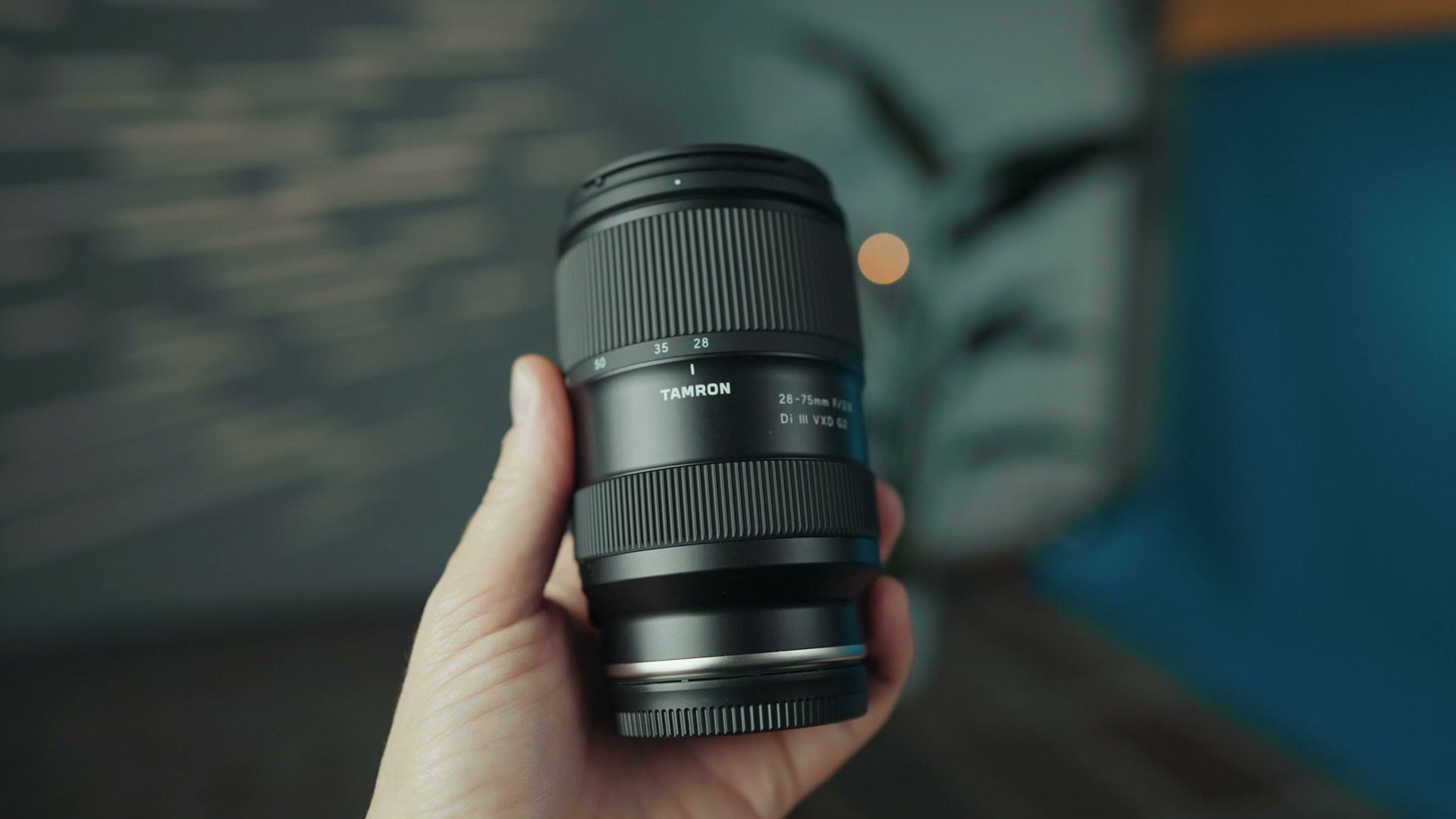
Seriously. We’re in an age where it feels like camera lenses keep getting more and more expensive. It really feels like all the camera manufacturers realized they can make mirrorless cameras and charge significantly more for the glass, and they’re doing exactly that.
But Tamron is different. They’re over here saying, hey, do you want to save some money and still get a great lens? We’ve got what you need.
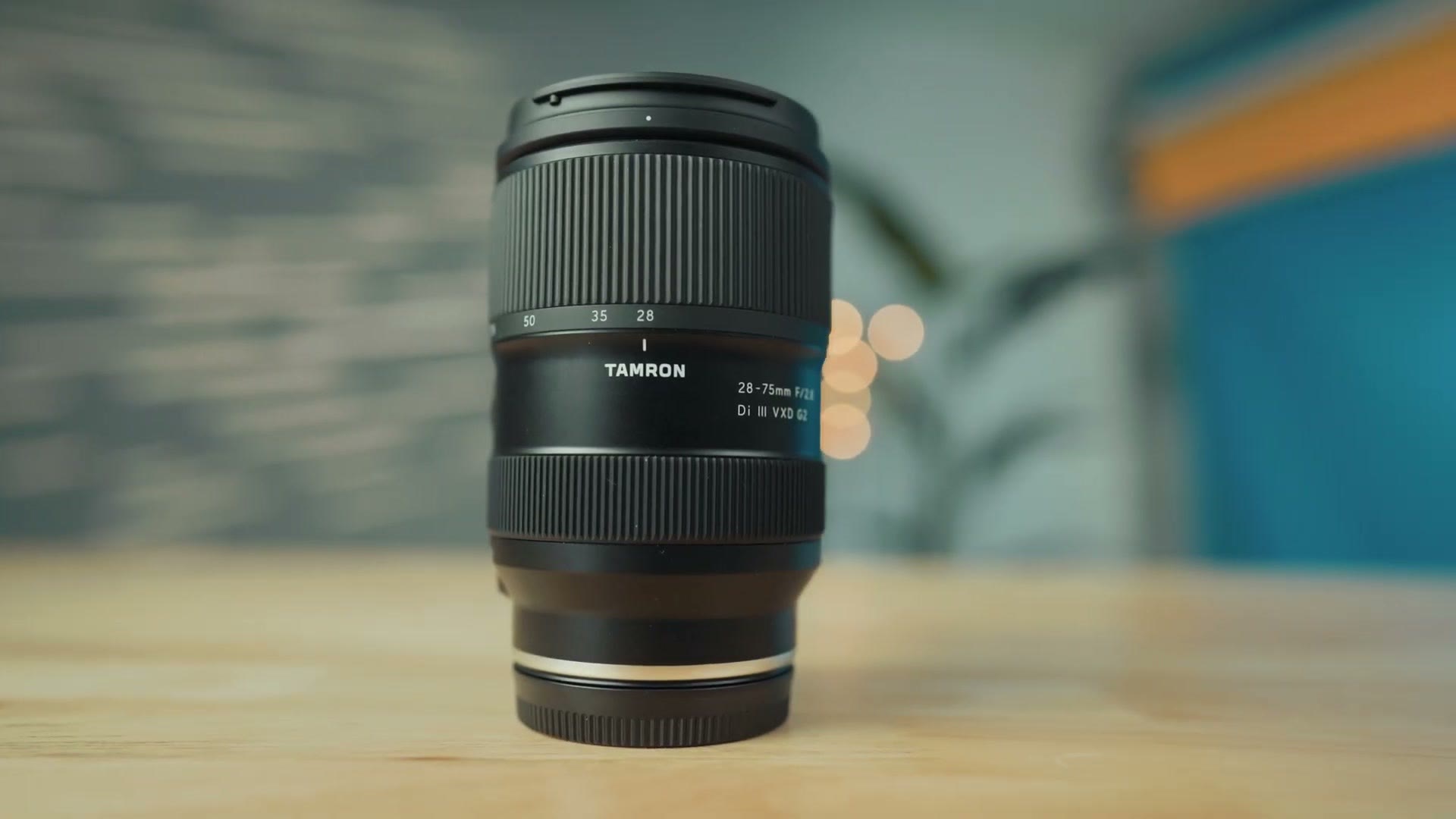
This is the Tamron 28-75 G2 f/2.8, and if you’re a wedding filmmaker looking for a versatile all in one lens that will look great and not break the bank, you need to heavily consider it. I’m reviewing it from the perspective of a wedding filmmaker and telling you whether it’s a good choice if you film weddings. Spoiler: it is.
Also, for the sake of ethics, I want you to know this video is not paid or sponsored by Tamron, but they did loan me this lens so I could make this review, and I have to send it back to them very soon.
Size & Weight
The first thing you’ll notice is that while this lens is not the smallest, it is definitely one of the most lightweight zooms I’ve used in a while, at only 540 grams. That doesn’t mean it feels cheap, though.
Being lightweight can be a good thing, especially if you’re balancing on a gimbal, or filming a wedding all day and you don’t want your arms completely dead by the end of the night. I love lightweight lenses.
Focal Length Vs 24mm
Another reason this lens is lighter comes down to focal length. Traditionally lens companies have made lenses in the 24-70mm range, whereas this one is four millimeters less wide at 28mm.
Four millimeters may not seem like much, and here’s a comparison between 28mm and 24mm. As you can see, it is a difference, but it’s not a massive one.
What’s most important about that difference is that the wider a lens is, the more glass is typically required to make it work well, and more glass adds more weight. Think about it. Sony recently introduced a 20-70mm, which is significantly wider than this lens, but to keep the weight down they made it an f/4. This Tamron on the other hand is an f/2.8, which lets in significantly more light and will get you much more buttery bokeh as a result.
So you’re losing a bit on the wide end, but in return you get a very lightweight setup that’s still very good in low light with an f/2.8 aperture. It’s pretty great.
Buttons & Switches (Or Lack Thereof)
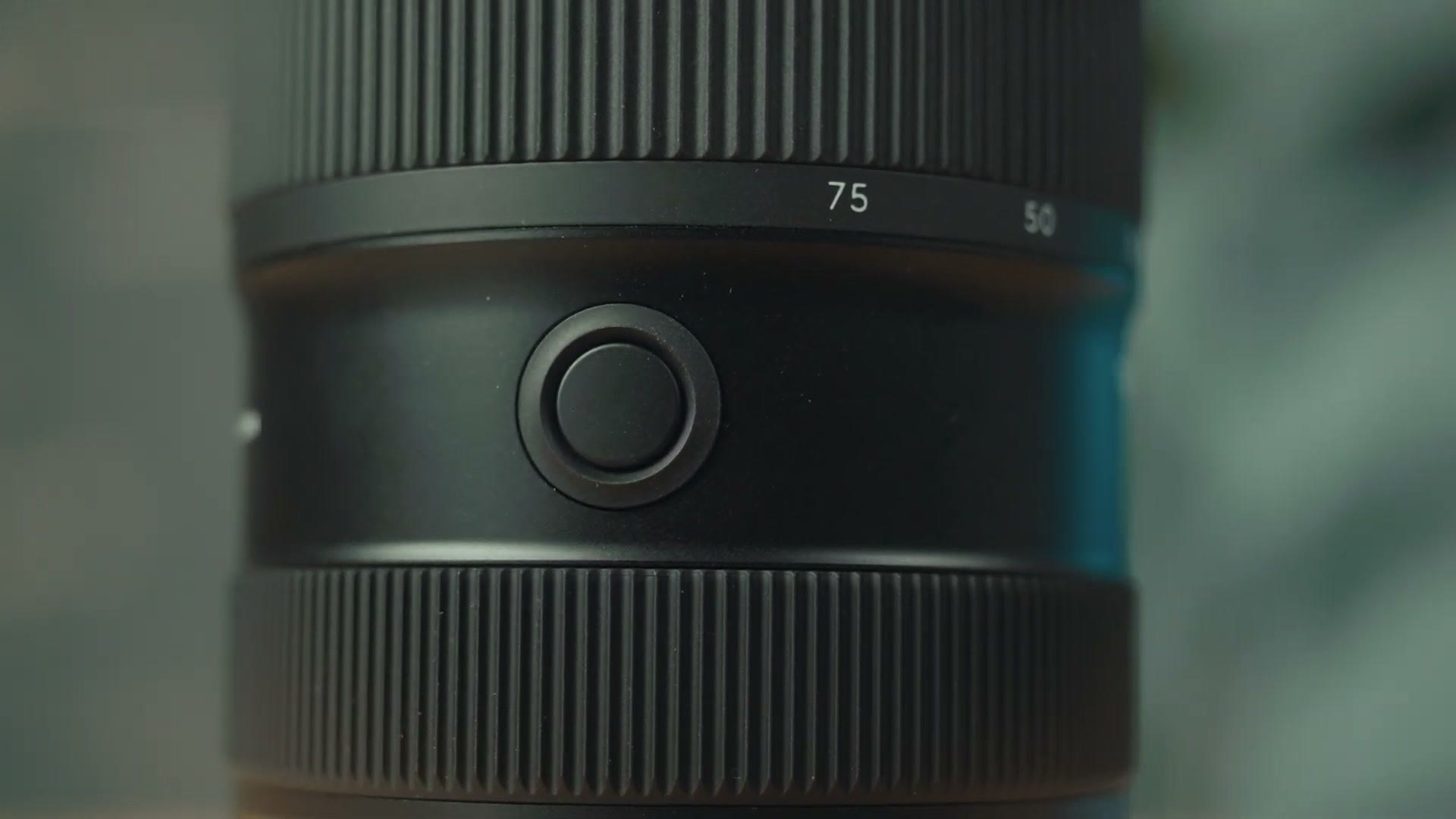
Unlike, say, Sony’s native GM lenses, there are significantly fewer switches and buttons here. And when I say significantly, I really do mean significantly.
There is one button, which you can program in your camera settings, and one USB-C port you can use to customize the lens settings using Tamron’s software. There’s no autofocus/manual focus switch, no zoom lock, and no manual aperture ring. This lens is stripped down and basic. It actually reminds me of the early Sony Zeiss lenses, where you were lucky if they had anything on them either.
Thankfully, with modern Sony cameras you don’t really need switches on your lenses. If you follow my setup guides for the a7S III and FX3, you can switch between autofocus and manual focus with a single button press on the camera body.
So the Tamron 28-75 is very simplified, but I don’t think that’s a bad thing. For one, it helps keep the price down. And honestly, whether a lens has extra features and switches doesn’t matter very much, because at the end of the day what matters is how the lens looks.
Video Quality, AF, MF And Breathing
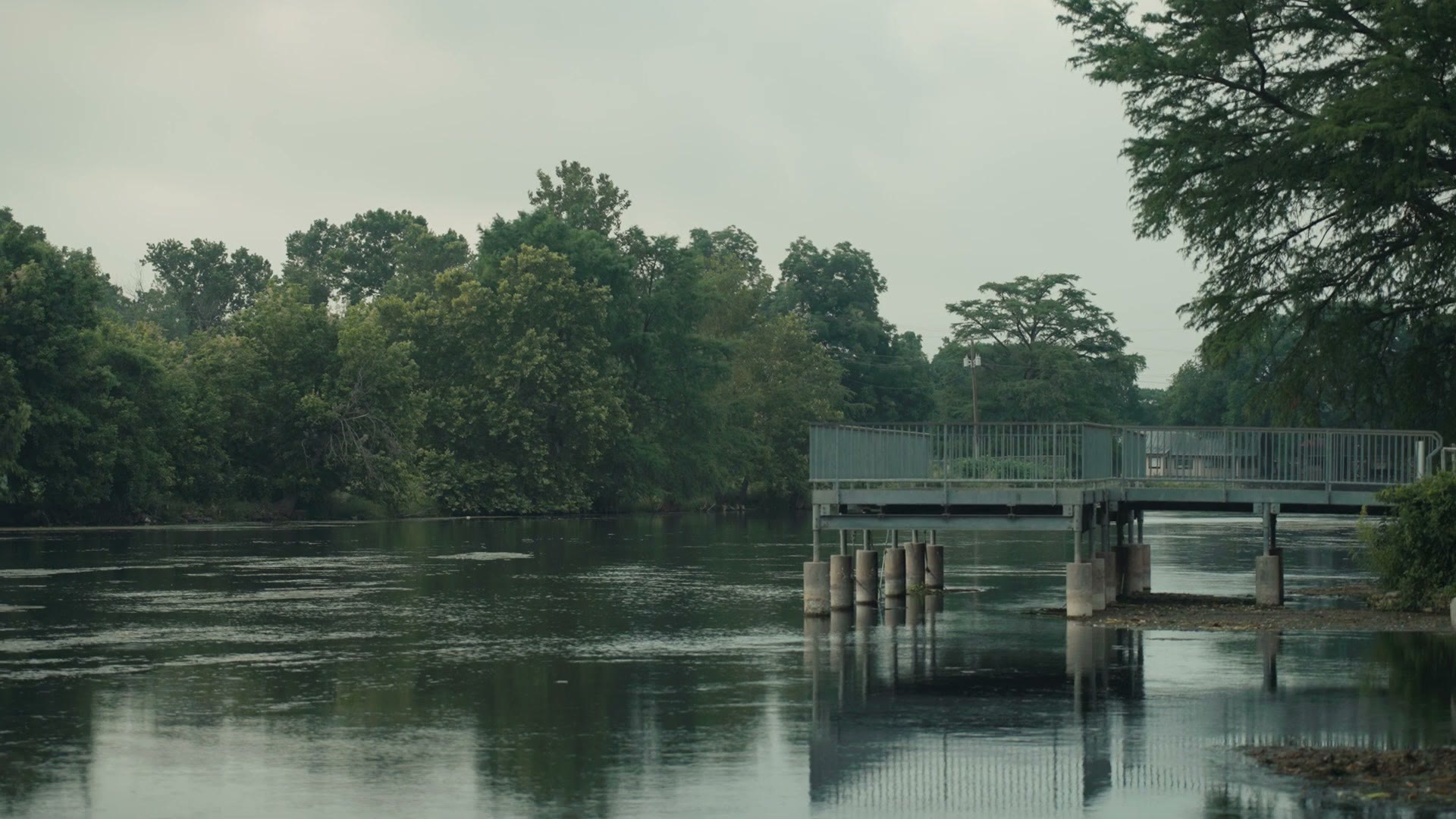
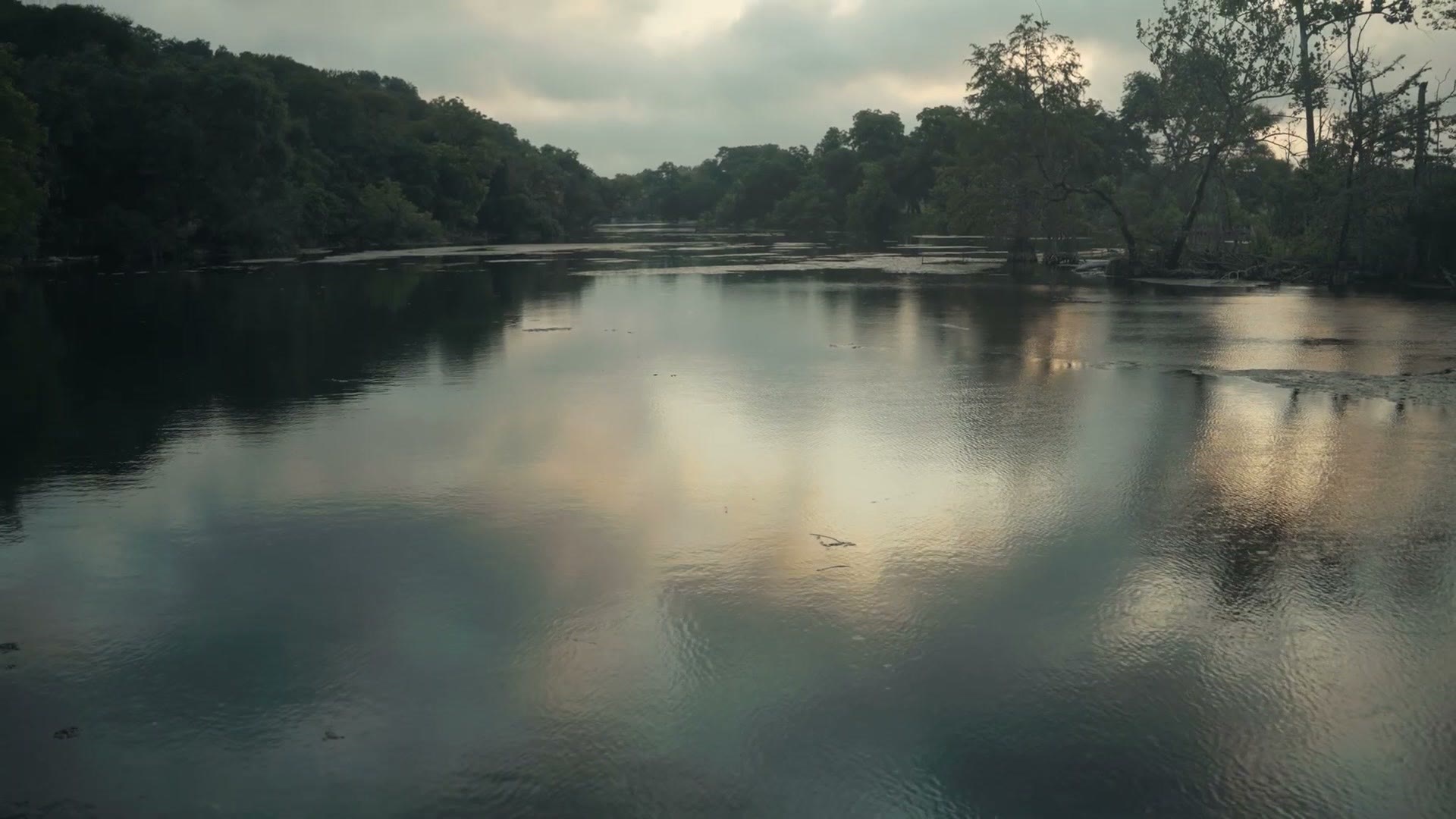
So I do not speak lightly whenever I say I am very happy with the footage I filmed with this lens. It looks really good.
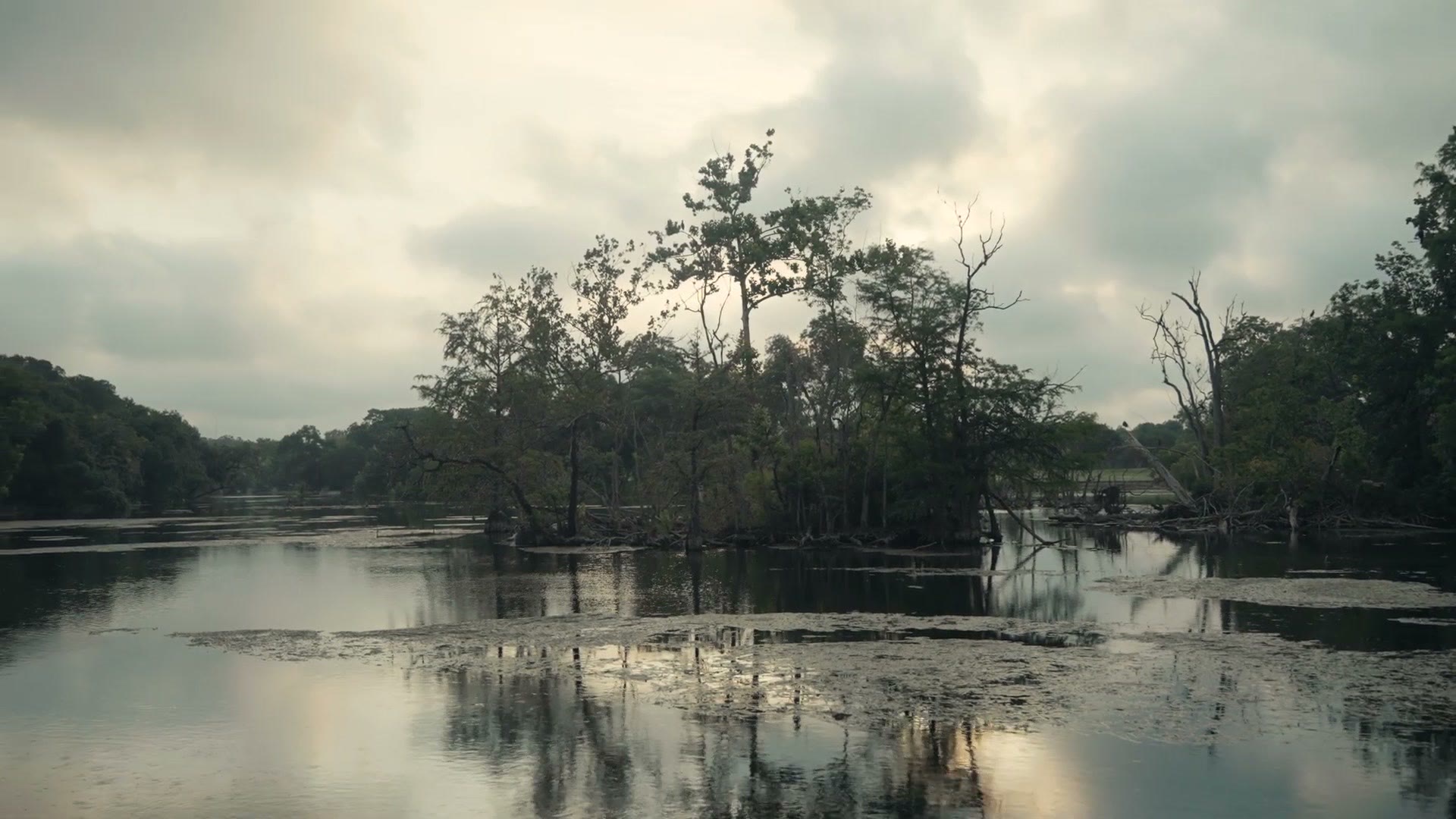
To be clear, I’m still a die hard prime lens fanboy, but I think you’ll be very happy with the sharpness here, because it’s quite good, especially for a zoom.
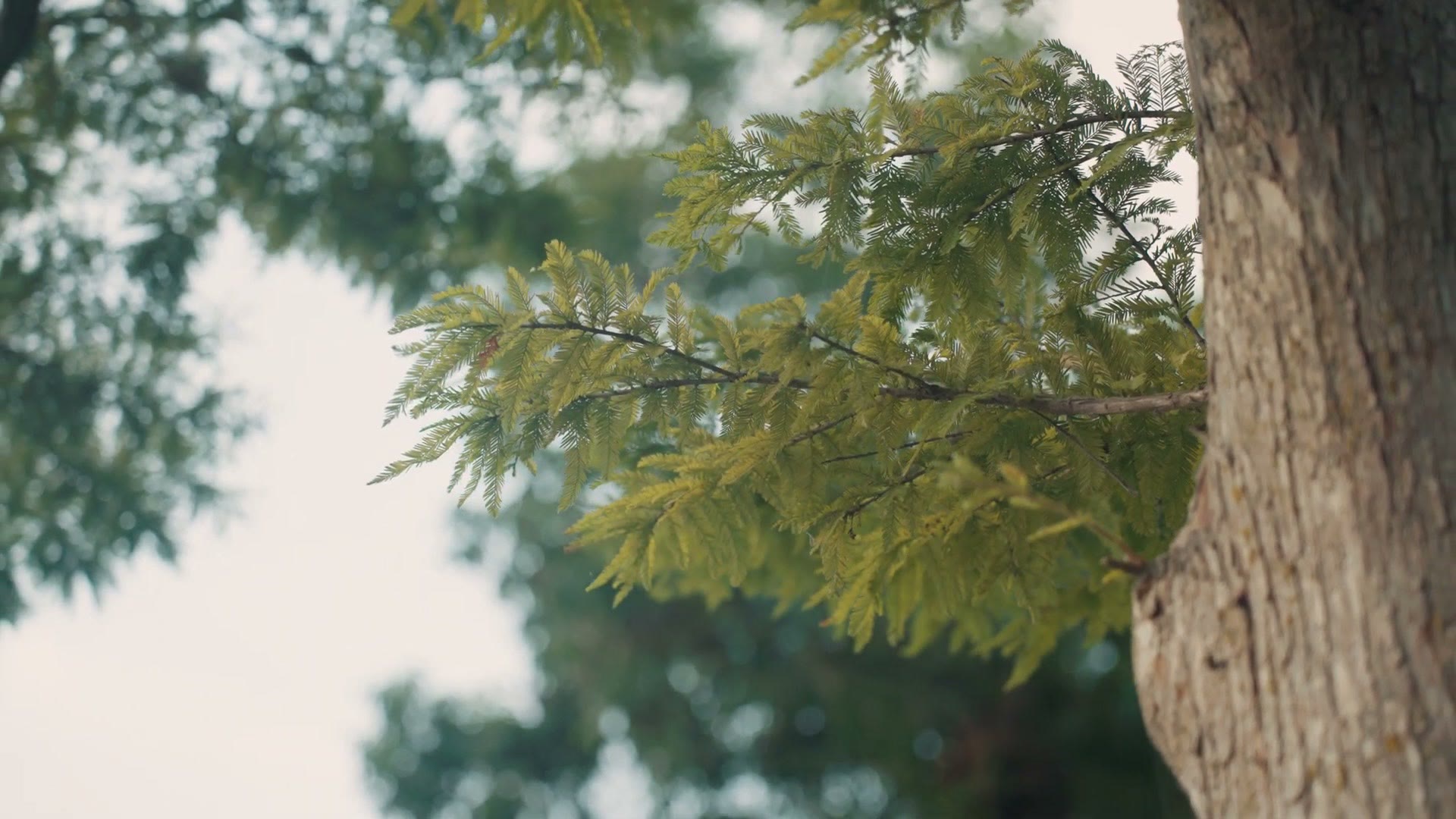
I’m also happy to tell you that while this isn’t a Sony branded lens, Tamron’s autofocus performance is very quick and responsive. Whenever I tested it I didn’t experience any hunting or searching. It locked on with my a7S III and worked great.
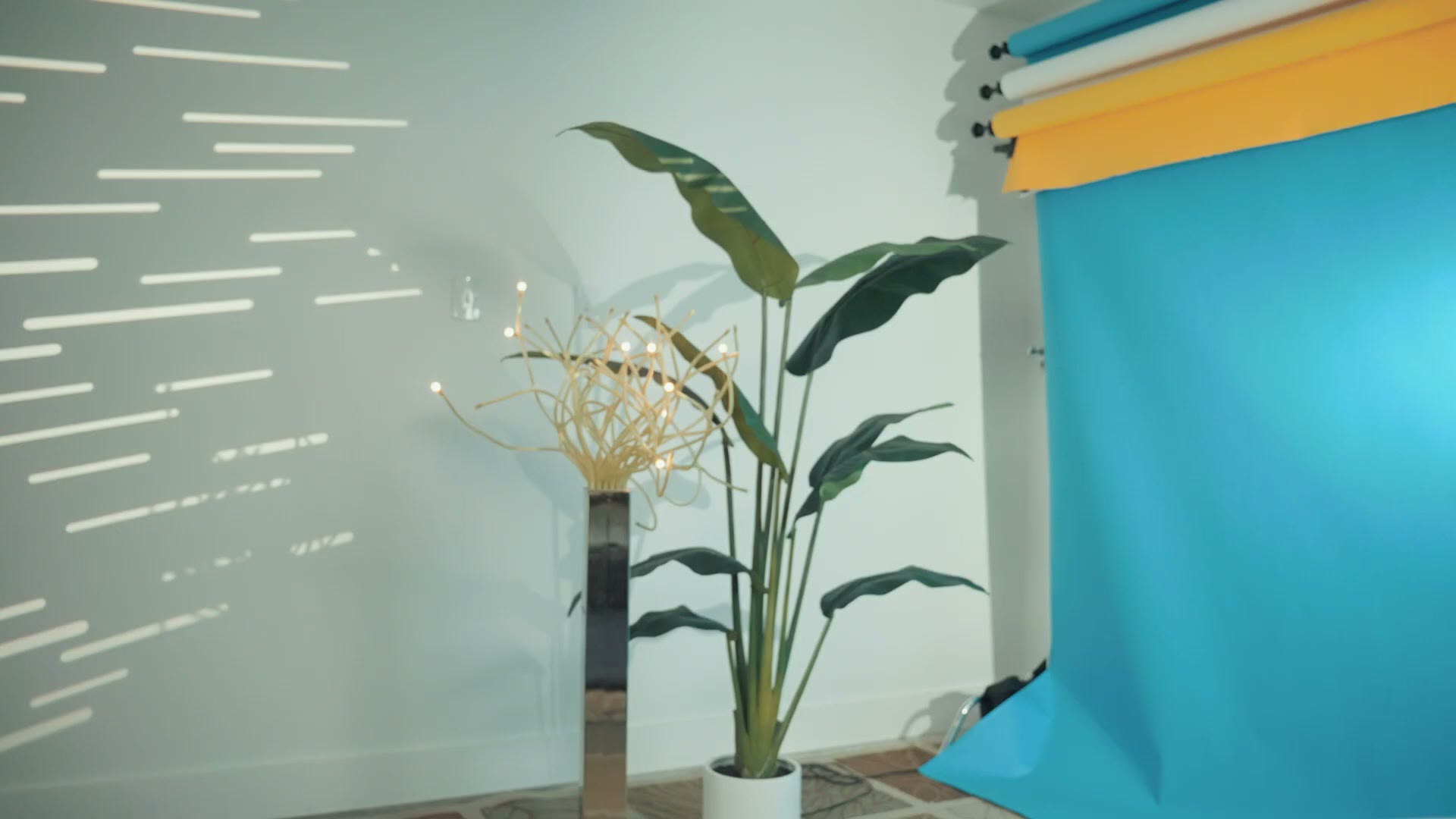
Focus breathing was also kept pretty well in control, so if you’re someone who films talking heads on a tripod, this should work very well for that too.
The Compelling Price
Here’s where this lens gets especially compelling. Remember how at the start I said it feels like lenses just keep getting more expensive? In an age where it’s not uncommon to see glass that costs easily one to two thousand dollars and up, this Tamron 28-75 retails for $900. And I’ve seen it on sale for even cheaper.
Should You Buy It?

Here’s the deal. I’m typically someone who uses prime lenses to film weddings, because I love having a very shallow depth of field, and I usually film weddings with my wife, which means we’re running two lenses at two different focal lengths at the same time so we never miss a moment.
But if you’re a brand new wedding filmmaker just getting started and looking to buy a lens, I don’t think a prime is necessarily the best choice for you, especially on a full frame camera. As a solo filmmaker you need to film quickly, and you don’t want to miss a moment because you’re busy changing lenses. Which is a great argument for investing in a zoom.
And here comes Tamron with a lens that’s significantly less investment than the competition but still gives you a ton of quality and versatility.
In short, I am incredibly impressed by the Tamron 28-75, and if you’re looking for an all in one lens you can use to film weddings at a great price, I think you’ll be very happy with it.
If you’re looking for something still incredibly versatile that gets even wider, here’s my Sony 20-70mm review.
Bonus For Wedding Filmmakers
If you like the colors in this video and you want them regardless of whether you’re filming on a Tamron or anything else, my color presets get you there in as little as one click.
And if you’re a wedding filmmaker, which, considering this is a review of a lens for wedding filmmakers, you might be, I’d love to help you get more views and bookings for your wedding films on YouTube. My YouTube tips for wedding filmmakers guide is completely free.
Thanks so much for reading, and have a great day!