
I filmed an entire wedding with the Sony a7S III. Not a demo, not a styled shoot in a parking lot, a real Saturday wedding in Texas in September, in 4K at 24, 60 and 120 frames a second, all the way up to ISO 40,000.
For the sake of ethics, I want you to know my friends at Sony sent me an advance copy of this camera. It’s a full production model on final firmware, and they didn’t pay me for this video. They just handed me the thing, and I immediately wanted to know one thing: can I shoot a wedding with it?
Driving To The Wedding
Here’s how fast this came together. I was eating biscuits and eggs with my wife and my baby, I got a text from a friend at Sony saying “hey, you want to try out the a7S III,” I said yes of course, and he said “cool, when can you pick it up?” So I picked up the camera, and then I called my friend Phil and asked whether he had any weddings coming up. He said, how about tomorrow.
So the next morning I’m in the car at 8:59am driving to a wedding with a camera I have had for roughly one day. Temperature is 93 degrees. Humidity puts it at a feels-like of 106. And this is the start of the day, so it is guaranteed to get hotter. Great. Love it.
The a7S III wasn’t the only new thing I was testing either. I also had the Zhiyun Crane 2S with me, which balances the a7S III beautifully, even with the battery grip on.
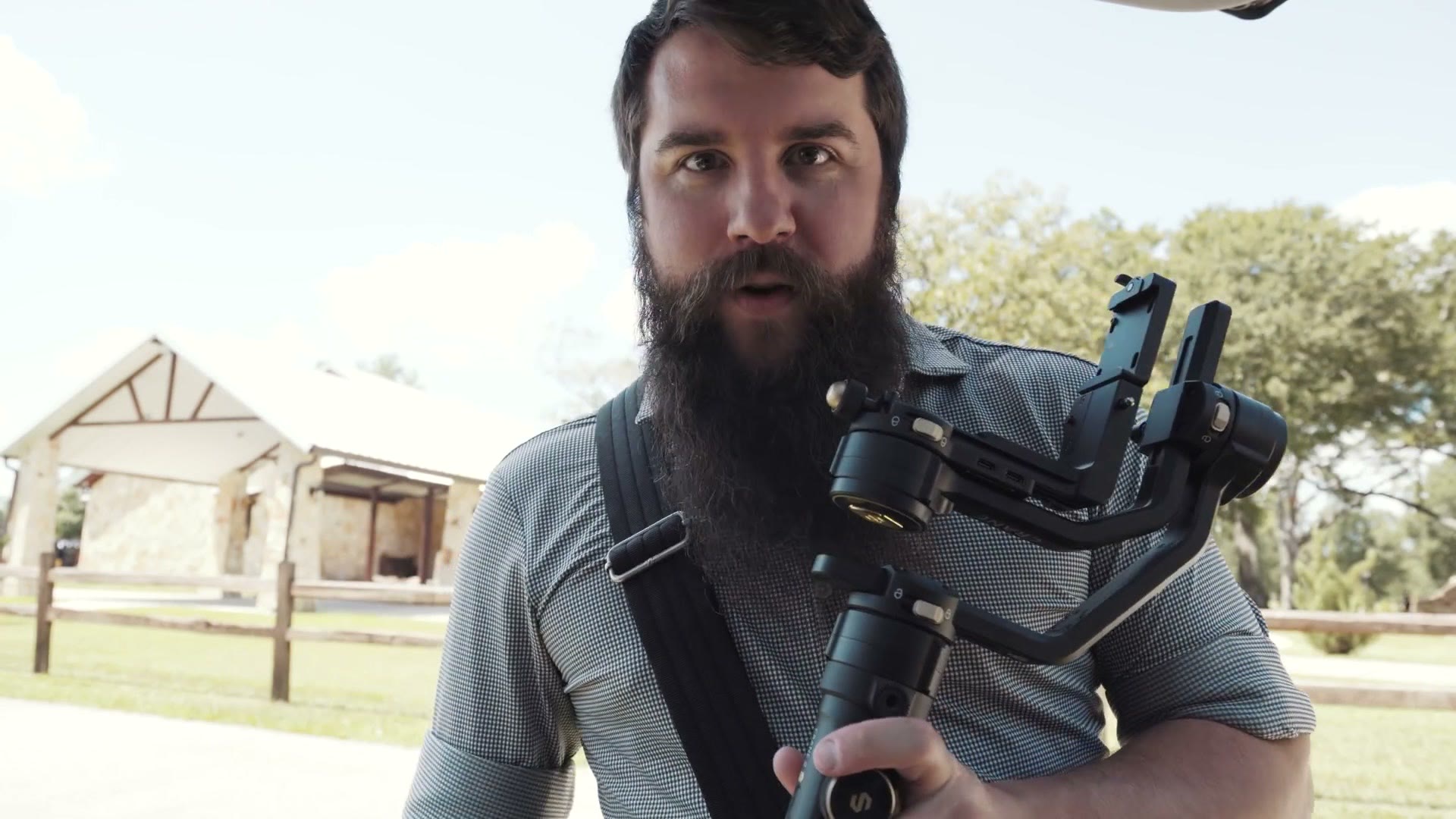
Somewhere on the drive the eye autofocus came very close to locking on to the Buc-ee’s beaver. I kid you not.
Filming Establishing Shots
The venue is out northwest of Houston, and it is gorgeous. Trees, a fountain, a pond with a little bridge across it, a stone chapel. Nothing fancy going on with the shots here, just ambient stuff, details, establishing, pretty straightforward.
But my goodness, the dynamic range. Sky properly exposed, shadows properly exposed, clouds not overexposed. I’m shooting a building against a bright Texas sky and I’m not blowing out the clouds behind it, and the shadow detail is holding on in the same frame.
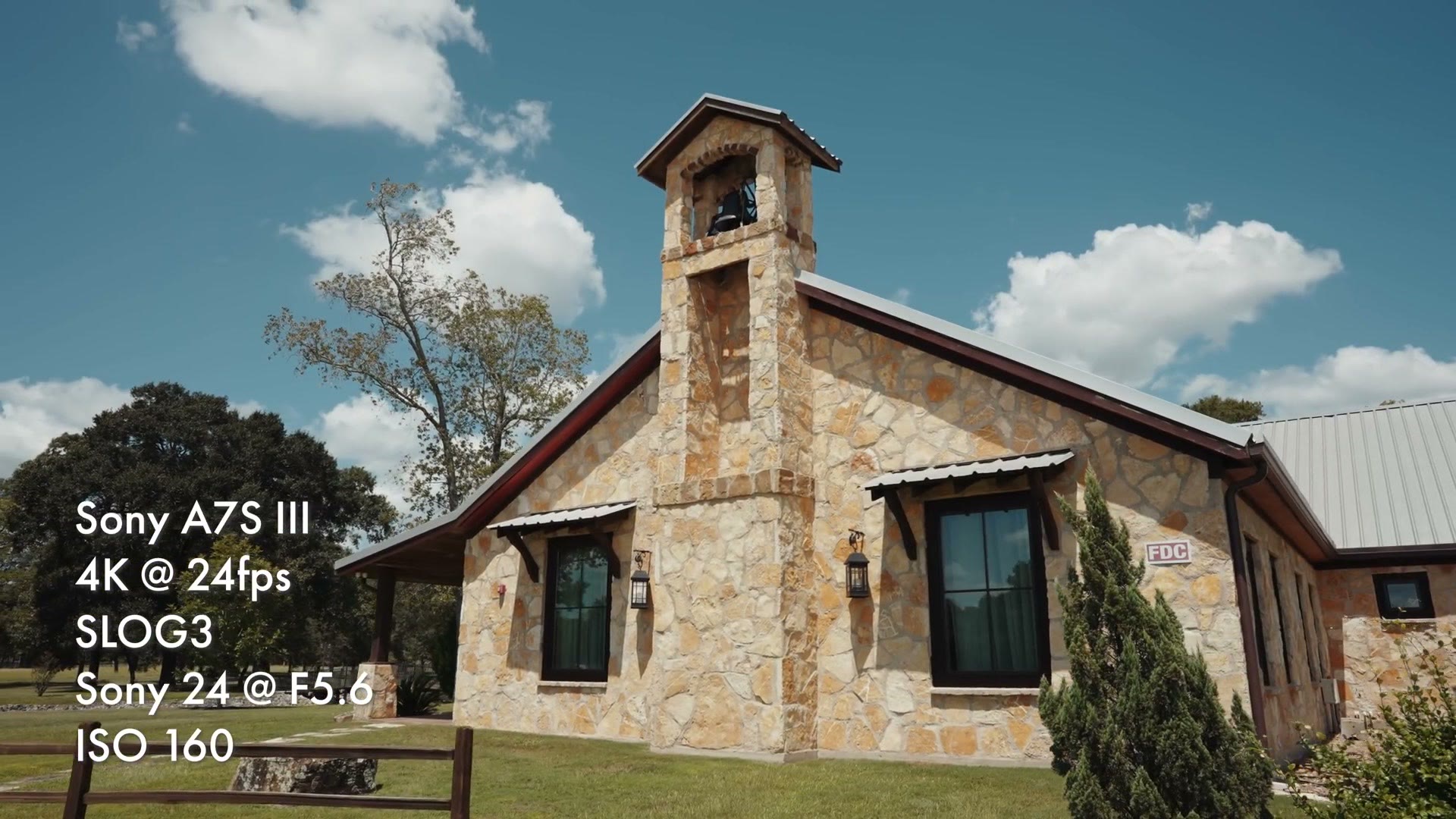
This is XAVC S-I, 240 megabits per second, 4:2:2 10-bit, and you can feel the difference in the room the file gives you. There’s a push across the bridge where you get really nice parallax movement in the foreground and all this detail sitting in the shadows behind it that I fully expected to lose.
Groom Dressing
Inside the cottage the light gets moody in a hurry. There’s a big window throwing dramatic light across the room, and I wanted to see how the a7S III handles that highlight and shadow roll off indoors, on a dark dress uniform no less.
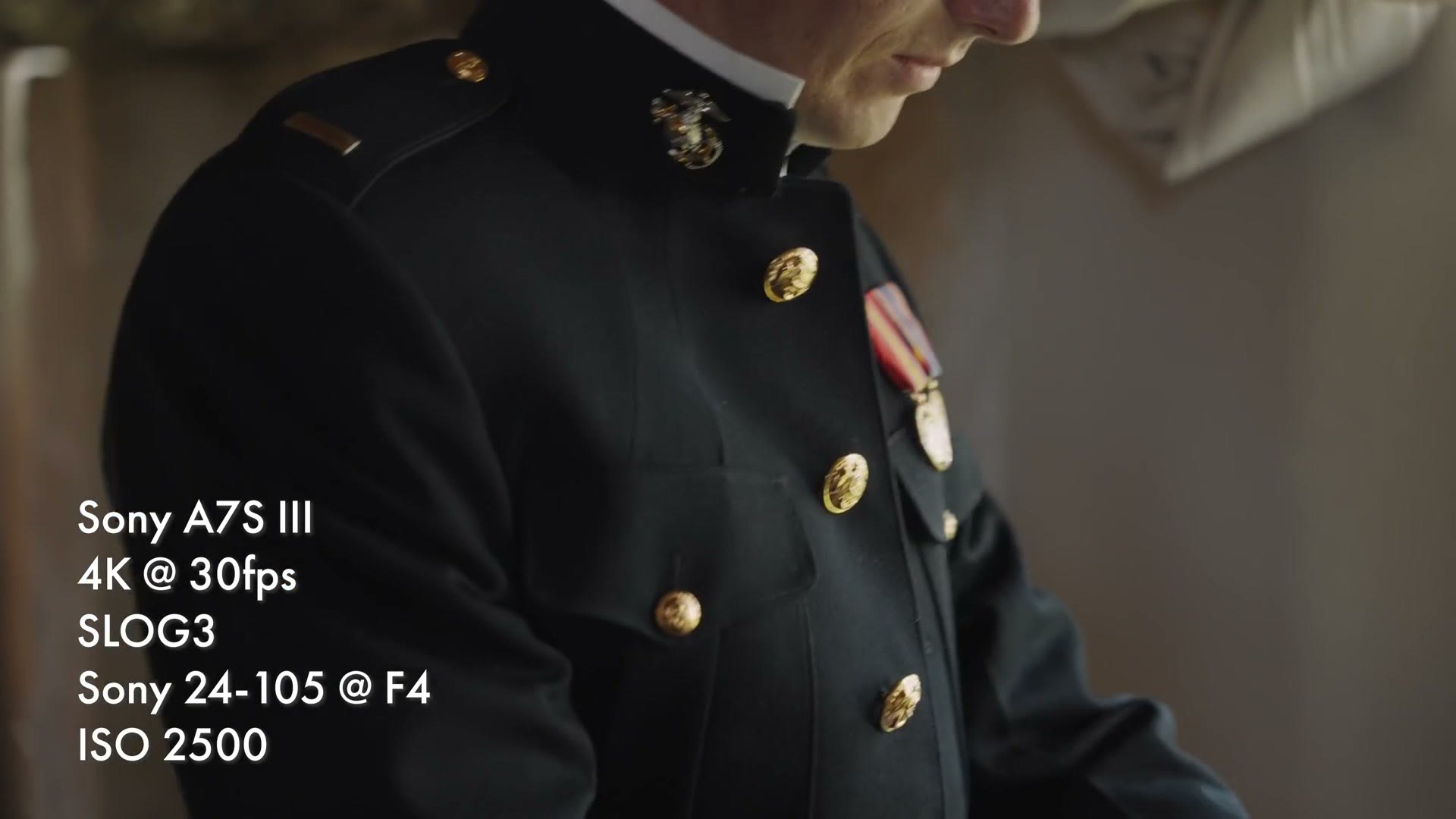
The other thing I was watching for here is green. There’s a lot of it bouncing in off the grass outside, which is the kind of thing that used to be a fight in post, so I was very interested to see what the color science does with it.
Wedding Ceremony
Here’s the test everybody actually cared about in 2020. I set the camera up and let it record the whole ceremony, which ran about 15 minutes.
Zero sign of overheating. The camera got slightly warm, and I’d say not any warmer than my a7S II gets. But I want to be honest with you about what that proves, because this was an air conditioned building, and my a7S II survives hours-long weddings indoors in 4K with air conditioning too. So it is not exactly revolutionary that the a7S III can also record 4K indoors in air conditioning. It’s a data point, not a verdict.
One thing I did learn that I wasn’t expecting: the a7S III eye detect autofocus works on people wearing face masks. Whenever you’re filming a wedding where guests are masked, you can still get that focus.
Beer Burros (Very Important)
Most important photo of the day, and I never thought it would be of burros.
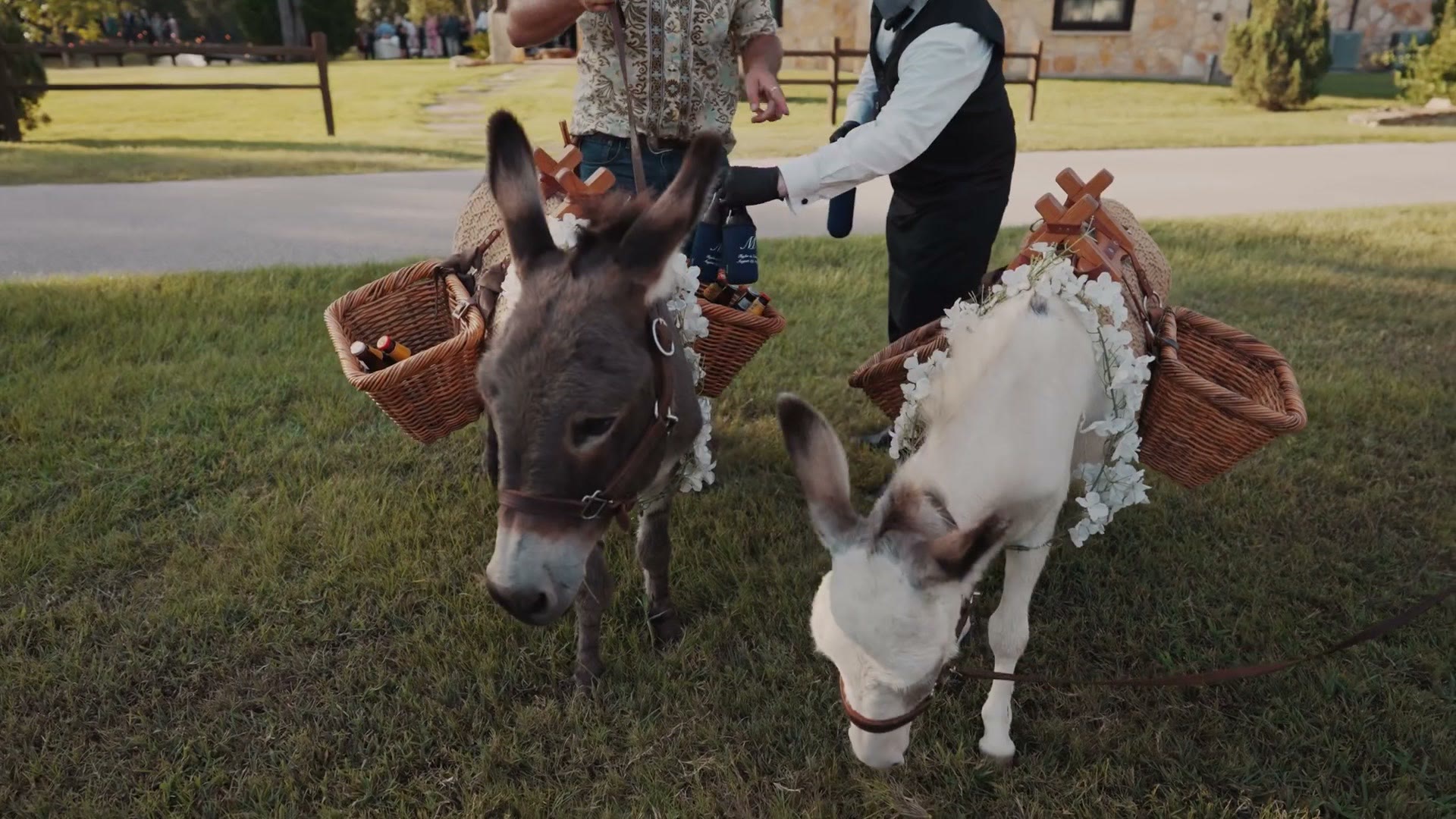
If you’re not aware, one of the best parts of filming a wedding in Texas is the beer burros. Little donkeys that turn up at a decent number of the weddings I film, wearing baskets full of beer. Hence the name. I love it. I love them. I want to take one home with me. My baby could ride them.
Couple Shots At 4K 60 And 4K 120
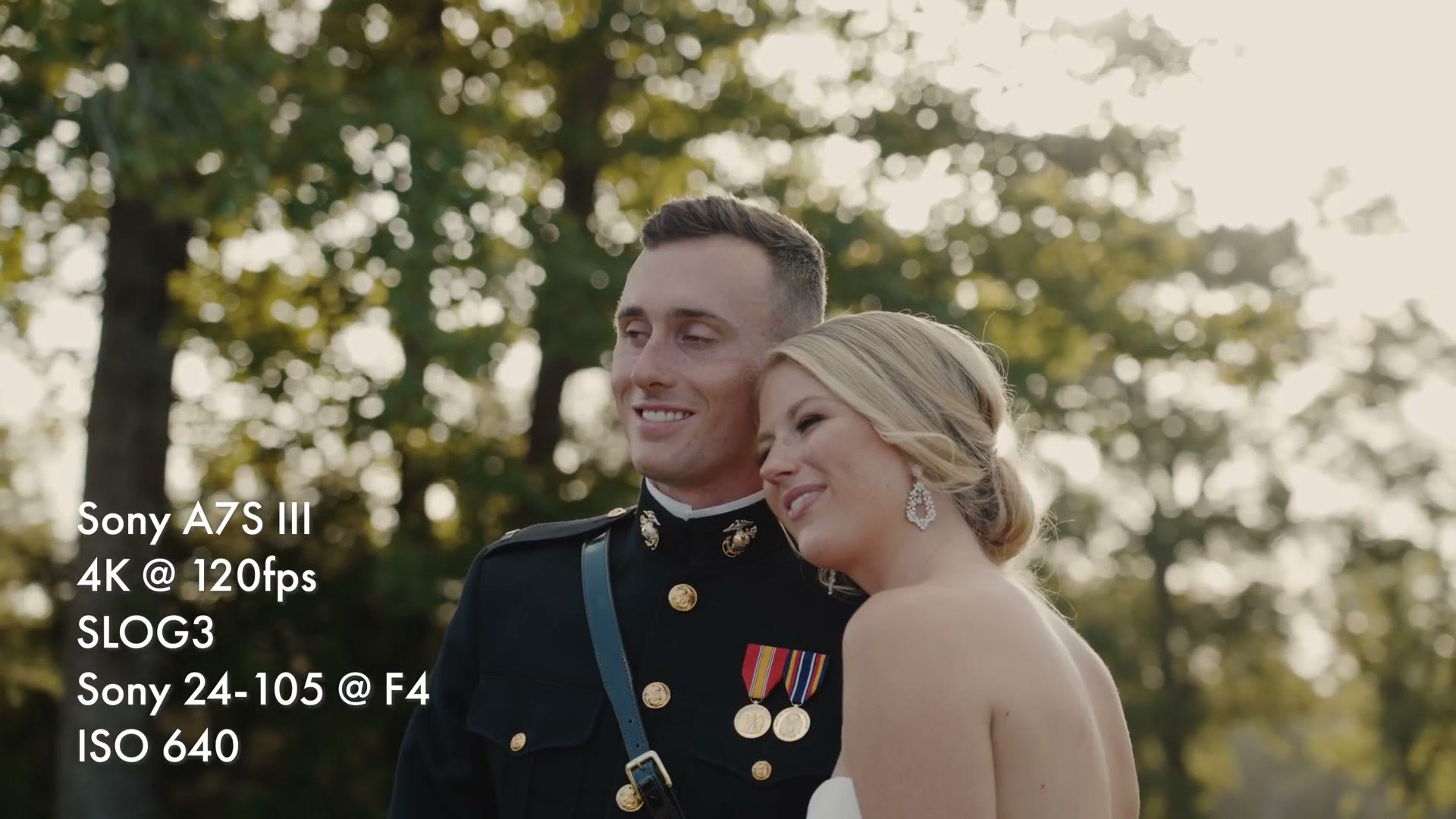
Golden hour portraits, and this is where I really started leaning on the frame rates. Same camera, same card, dropping between 4K 60 and 4K 120 without changing bodies or crop.
Reception Entrance And Cake Cutting At ISO 40,000
Then a whole lot of things happen back to back to back to back. The couple comes in, straight into first dance, all the formal dances, dinner. The a7S III handled every bit of it flawlessly. I just kept looking at it lovingly. It’s so good. It’s wonderful. It’s amazing.
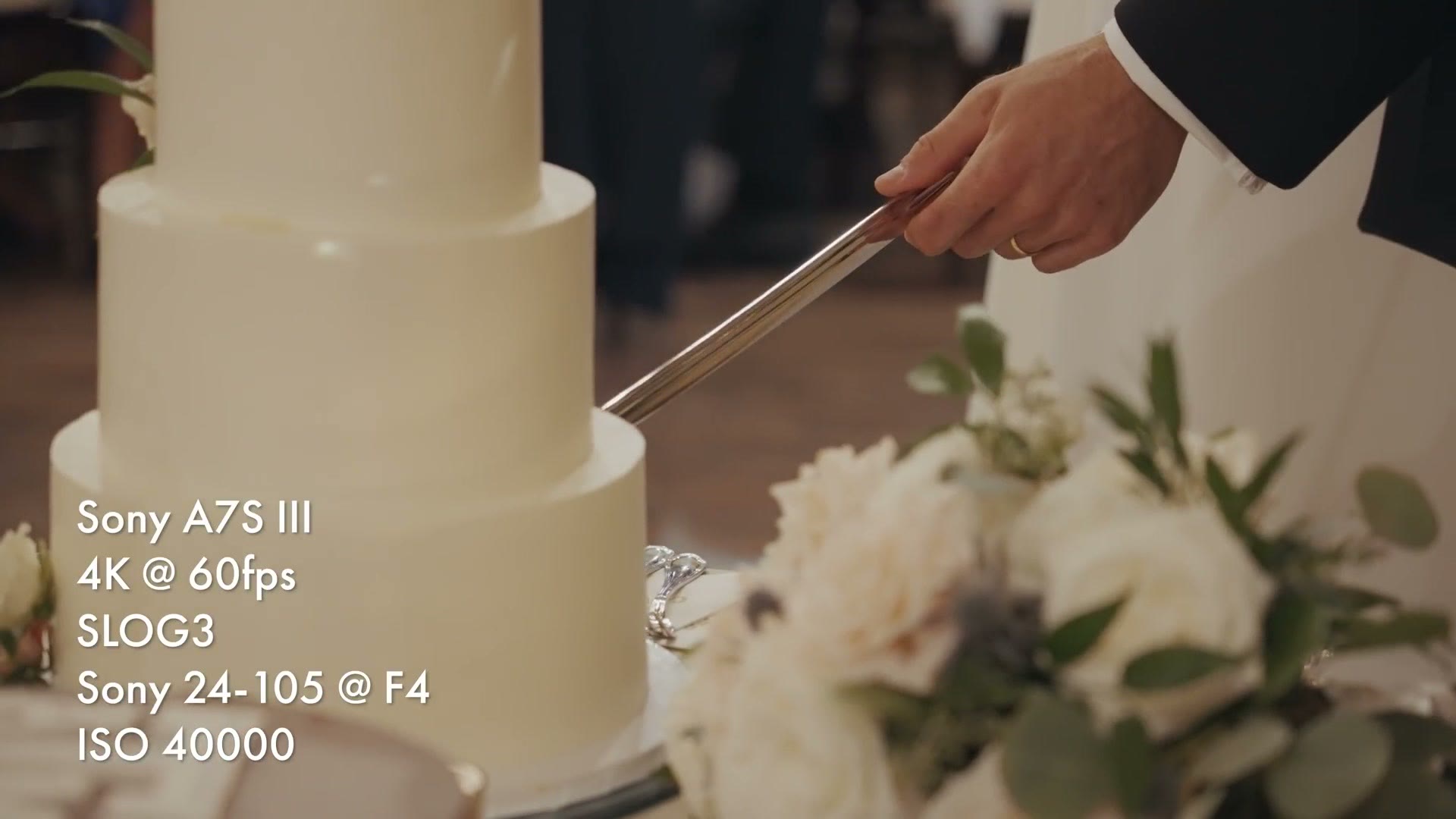
The reception is where this camera stops being a nice upgrade and starts being a different job. Champagne details at ISO 25,600. The entrance at 12,800. The cake cutting at ISO 40,000.
Sparkler Exit
A little bit of Rolls Royce sitting out front, guests lining up with sparklers, and the exit shot in 4K 120 at ISO 10,000.
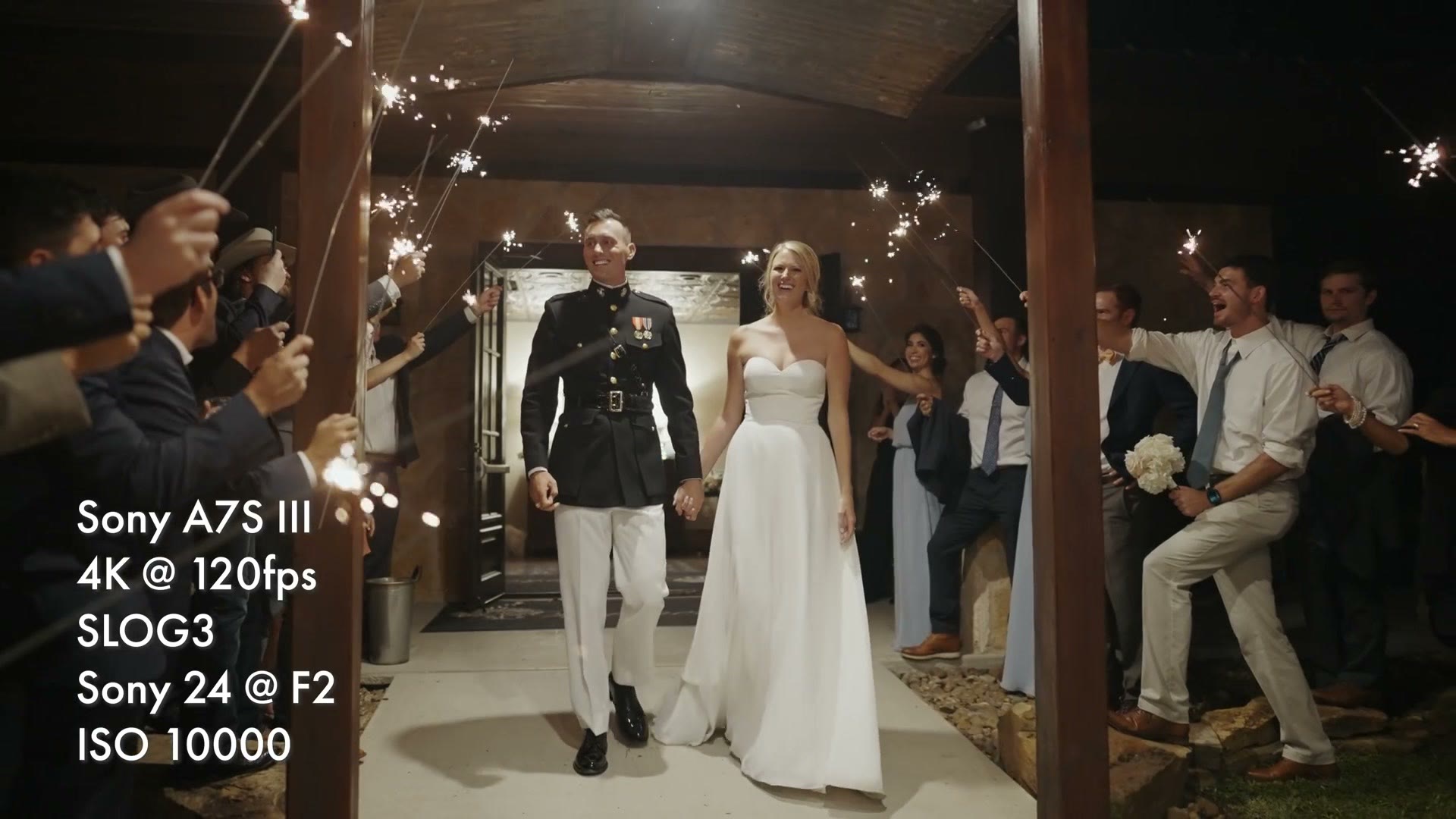
Slow motion, in the dark, at a frame rate I would not have attempted on the a7S II. That single shot is most of the argument for this camera.
Final Thoughts
This camera is, in one word, incredible, and I’m so excited to film many more weddings with it. I’ve since put it through a proper teardown in my a7S III review for wedding filmmakers, which goes through the things a day like this can’t, and if you want to see what a full wedding day looks like on the older body for comparison, there’s a behind the scenes I filmed on the a7S II as well.
Huge shout out and thank you to my friend Phil for letting me tag along to this wedding. Thanks Phil.
And if you happen to be a wedding filmmaker, which, this was a wedding BTS, so it would make sense if you were, you probably want to book more couples and film more weddings. I’ve written a free guide that walks you through practical steps you can take right now in your business to do exactly that. It’s a free gift to you, so go get it.