
There are three audio cables every wedding filmmaker needs. If you have these three, you are going to be prepared to plug into basically every sound system out there at any wedding, whether it’s a DJ’s board, the sound board at a venue, or a closet in the basement of a Catholic church where you have to go find the sound system. With these three cables you’re all set to record high quality audio.
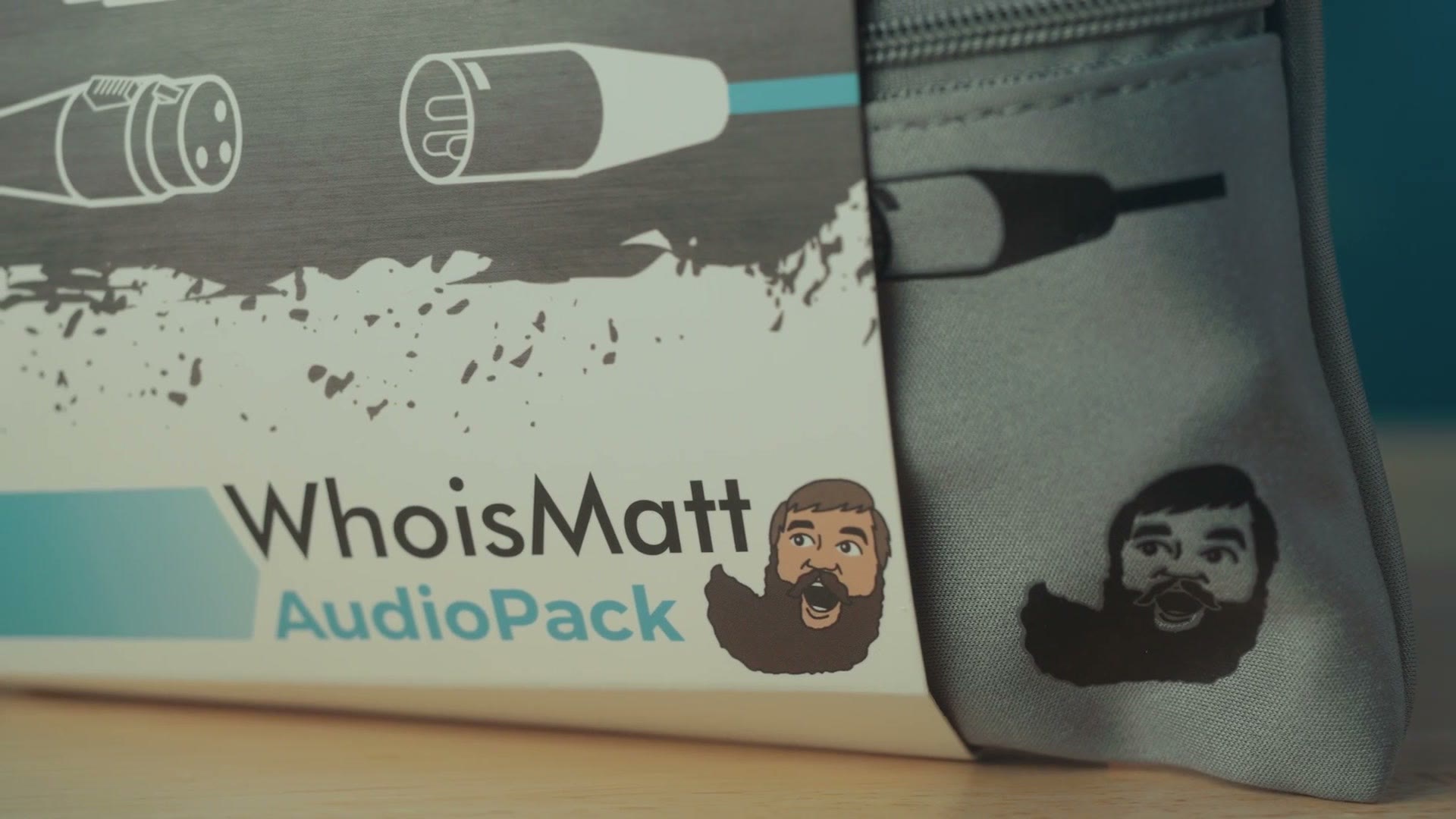
I’m going to share those three cables with you. But because I’m about saving you time and helping you be a faster, more efficient wedding filmmaker, I’m extremely excited to tell you that I partnered with my friends at Kondor Blue and we made the WhoisMatt Audio Pack.
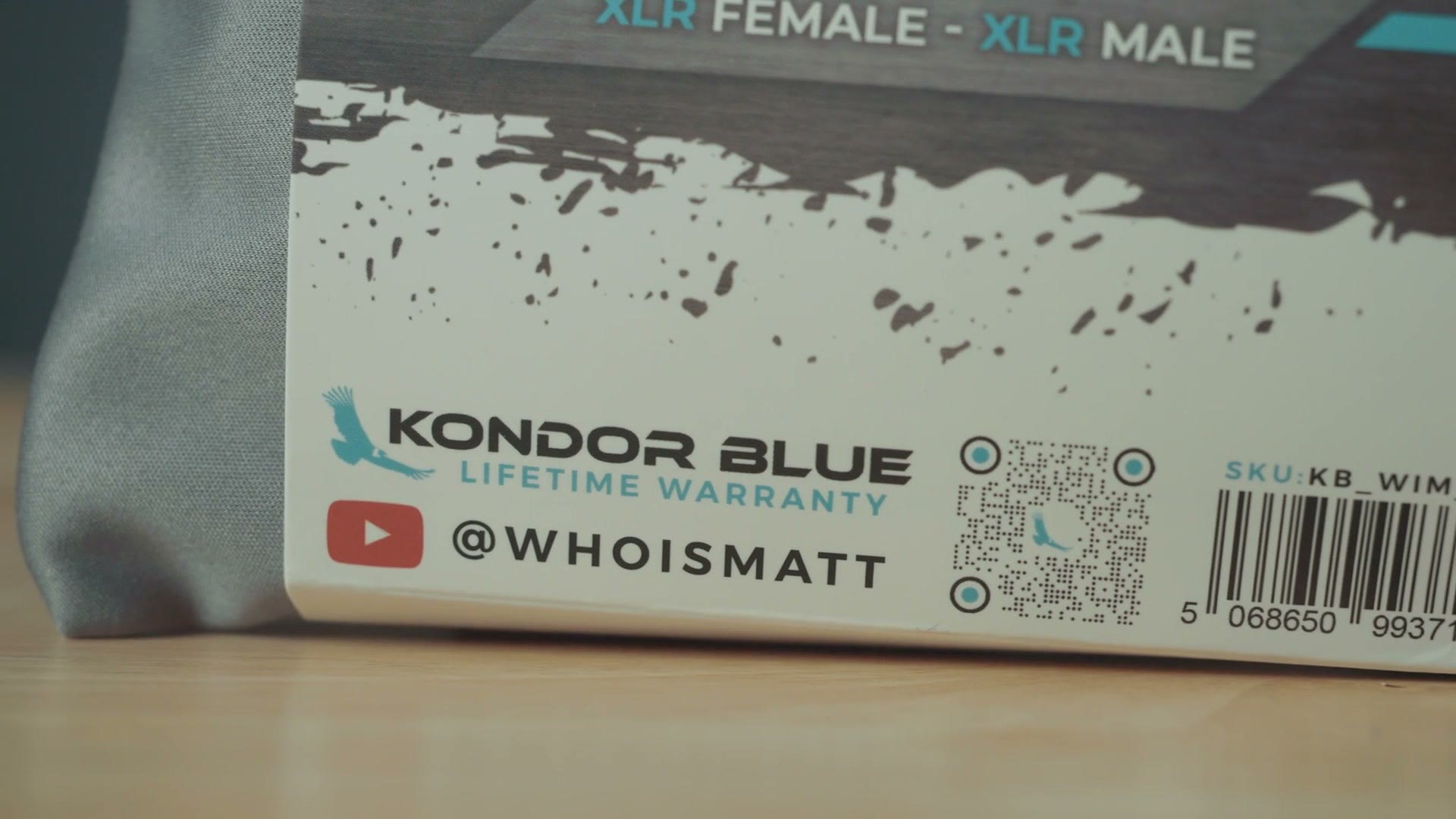
In this pack you get all three of the cables you need plus a super convenient carrying pouch. These cables are incredibly high quality with a lifetime warranty, and my goal when putting the pack together was to make sure they’re compatible with the widest variety of sound boards and audio recorders on the market. So regardless of what sound system you’re plugging into or what recorder you own, you’ll be able to use them.
If you don’t want to stress about audio on a wedding day, or overthink your cable setup, just get the pack, bring it to a wedding, and you’re ready to record.
Cable One: XLR Female To XLR Male
Let’s start with by far the most common, an XLR cable. Specifically you want one with a male and a female connection, because you use the female end to plug into the soundboard and the male end to plug into your audio recorder.
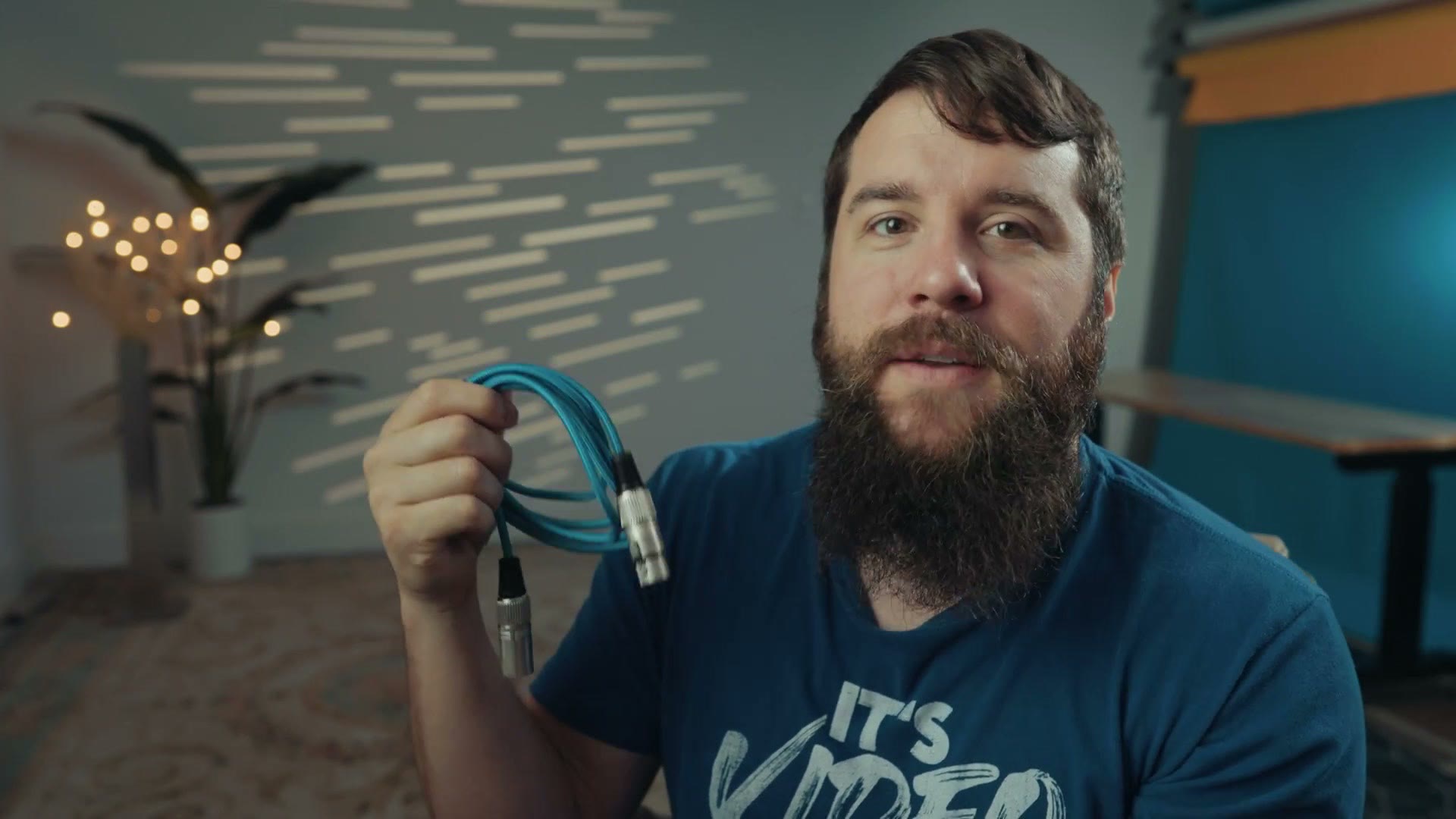
You also ideally want one that’s at least six feet long, which is the length of all the cables in my pack. That’s the perfect length in my opinion, because if you plug into the DJ’s board you’re not going to have a ton of cable dangling off the side of their table cluttering things up. But more importantly, if you need to plug into the back of a speaker, six feet keeps you from having to plug in and then dangle your audio recorder precariously off the back of that speaker, which I have definitely had to do before with shorter cables.
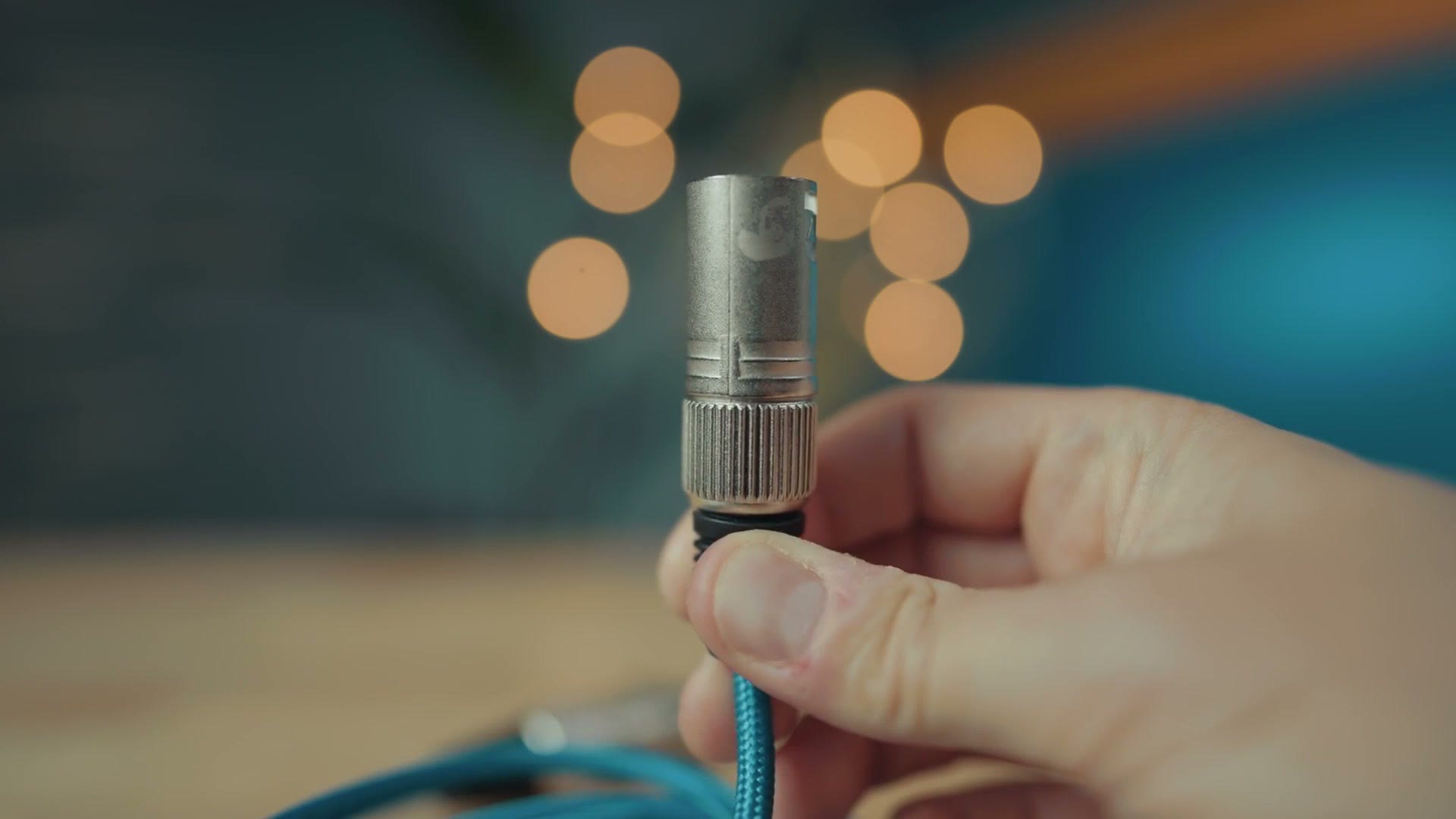
Lastly, make sure your XLR cable is balanced, meaning it’s capable of transmitting a cleaner audio signal and won’t cause interference with the other cables that may be present on the soundboard. More importantly, a balanced cable also helps prevent your audio from picking up unwanted noise or interference, which means cleaner audio for you. So it’s really worth getting balanced cables, which is what all three of the cables in my pack are.
Cable Two: Quarter Inch To XLR Male
Now we’re getting a bit fancier. The second cable you need is a quarter inch to male XLR. The male XLR end, as before, plugs into your audio recorder. But it’s the quarter inch end where things get more interesting, because that gives you a lot more versatility.
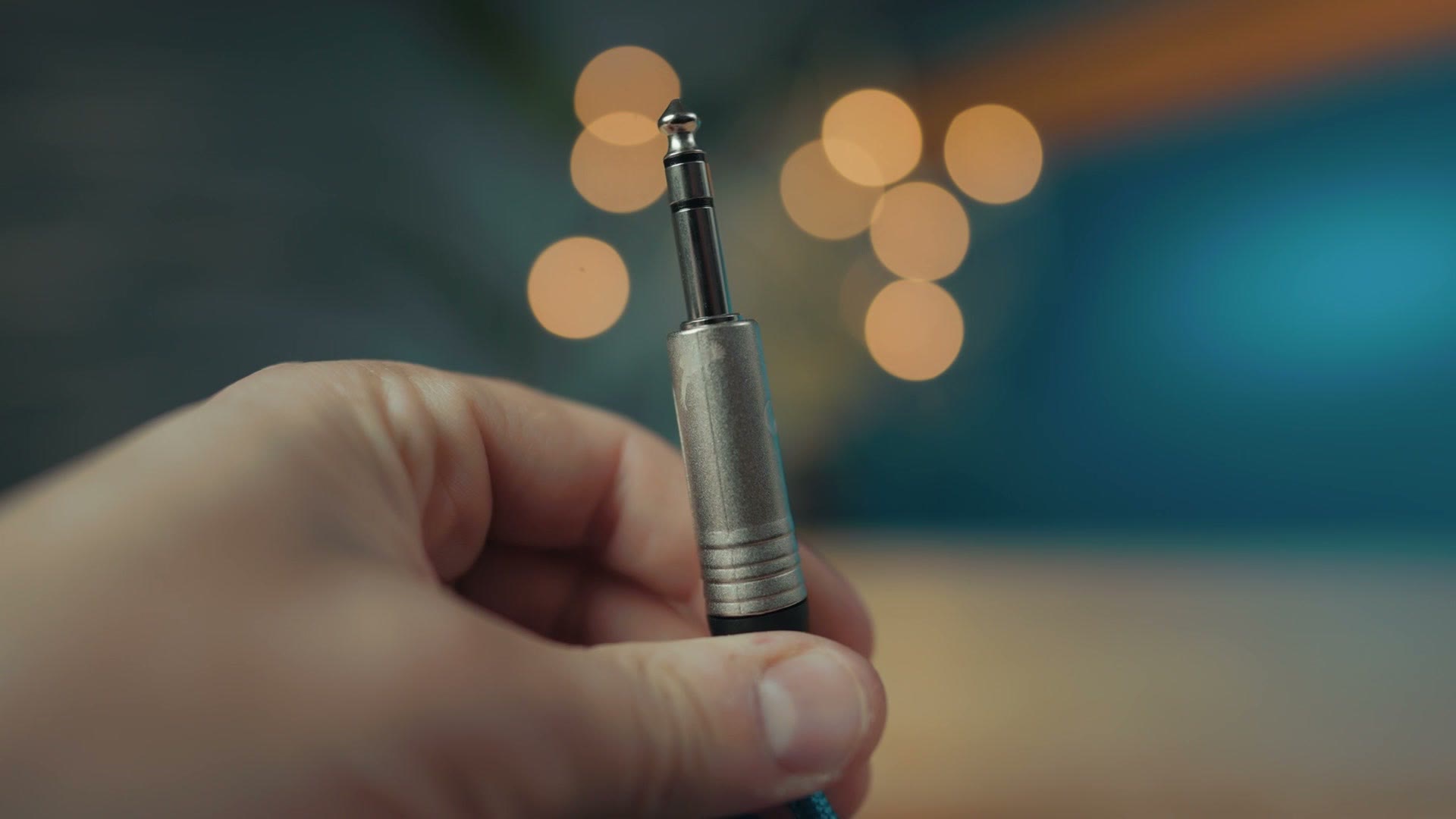
First, some DJ or church sound boards will have their XLR outputs already full, connecting to speakers and so on, meaning there’s nowhere to plug in a female XLR. But there’s oftentimes a quarter inch output on most boards you can use instead.
Second, and this is the big one. If you want the best possible audio quality you can get for the reception or the vows during the ceremony, I recommend bypassing the DJ’s board completely and looking at the rear of the wireless microphone receiver instead.
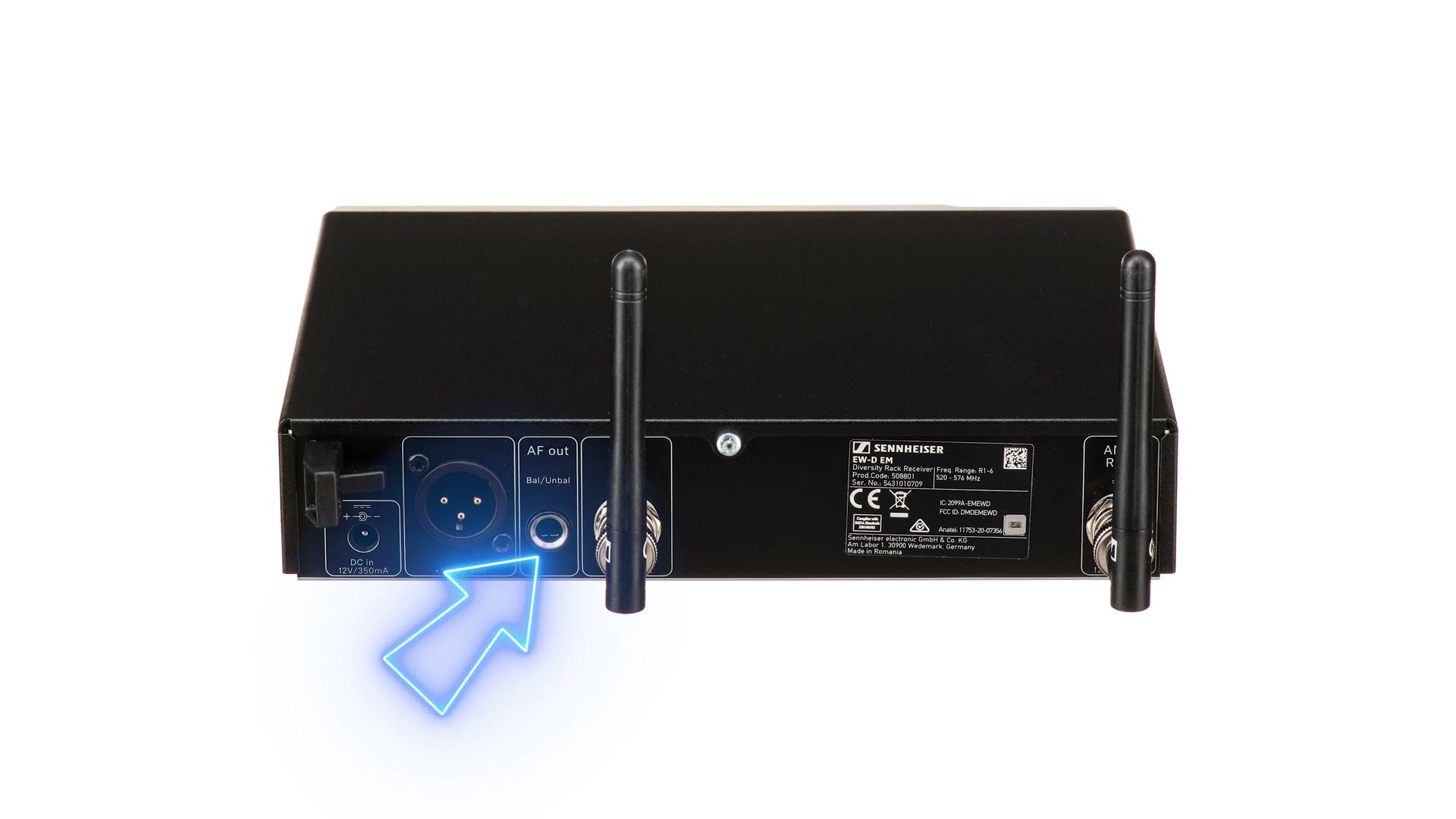
That receiver usually has two outputs on the back, an XLR and a quarter inch, and typically the DJ is only using the XLR, leaving the quarter inch free for you. So with a quarter inch to XLR cable you can get a super clean feed straight from the microphone receiver into your recorder, which keeps you from dealing with any issues from the board, where the gain could be set too loud or too quiet, or there could be effects applied that ruin the audio.
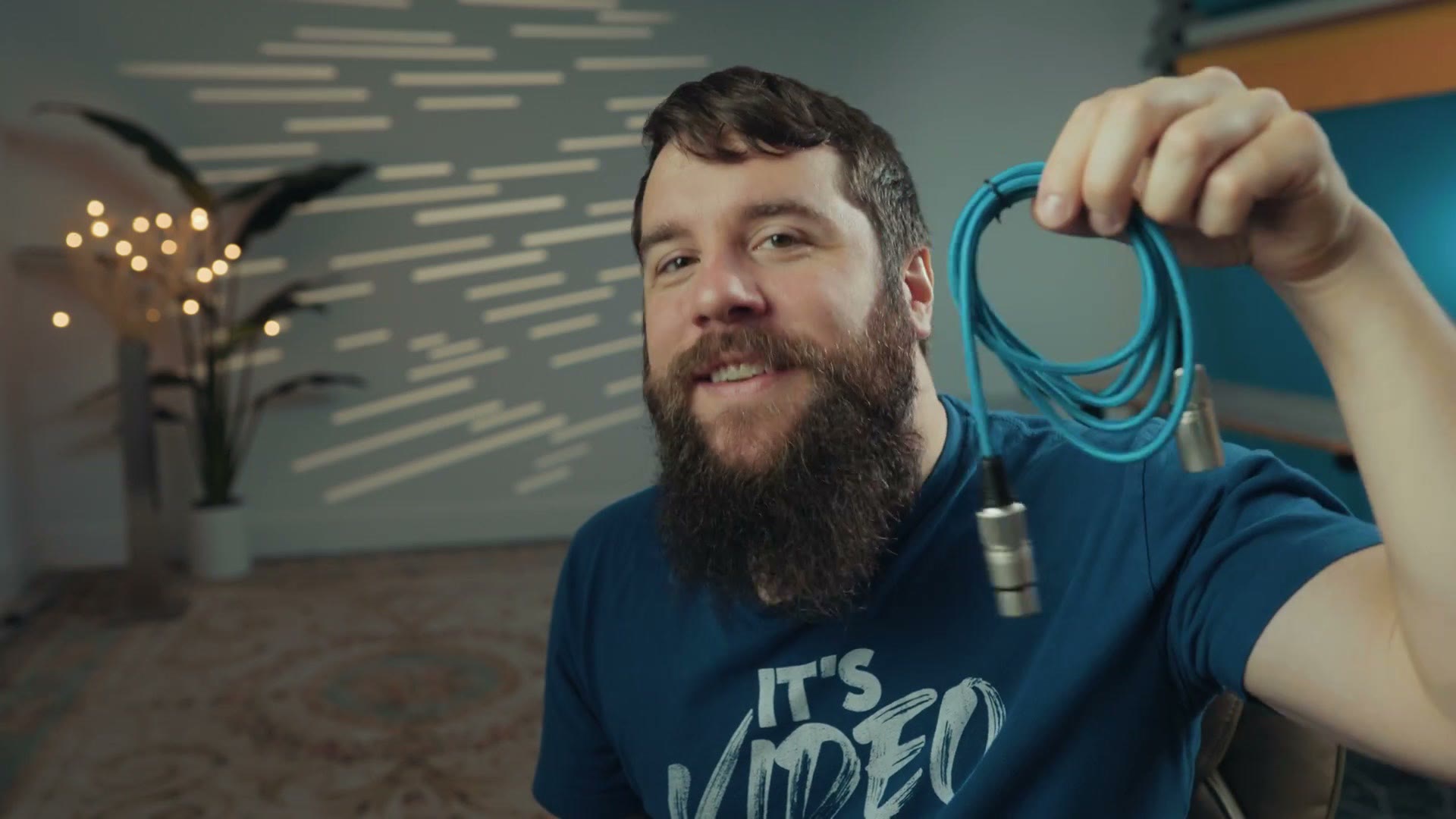
Let me put it this way. I said the XLR cable is the most popular because pretty much every soundboard has one. But in terms of my preference as a wedding filmmaker, I’m going to grab the quarter inch to XLR and plug into the back of the microphone receiver every single time if I can. Or heck, you can be fancy and do both, where you plug one cable into the back of the receiver and another into the soundboard for redundancy. If you have the cable pack you’ll have everything you need to do that and still have backups, which are so important when filming anything.
Cable Three: RCA To XLR Male
This one is incredibly important to have as well, because you’d be shocked how often an XLR or quarter inch output is not available, especially on newer boards.
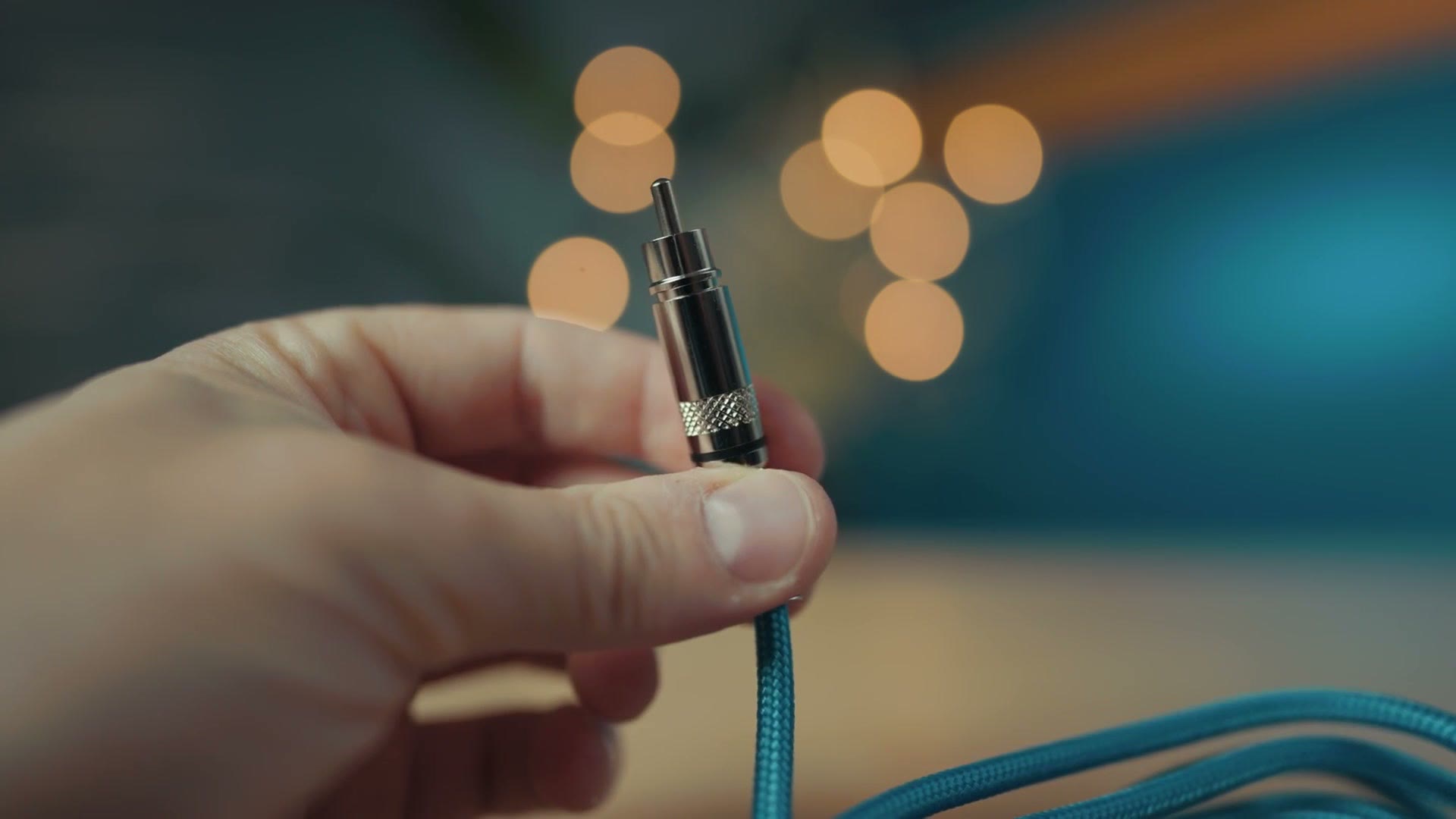
Just like the others, the male XLR end goes into your recorder. But the RCA connection on the other end may be your saving grace. If you have no other options on the board, look for an output labeled Record Out. Or, on older boards, Tape Out. Yes, literally like tape recording from back in the 80s and 90s.
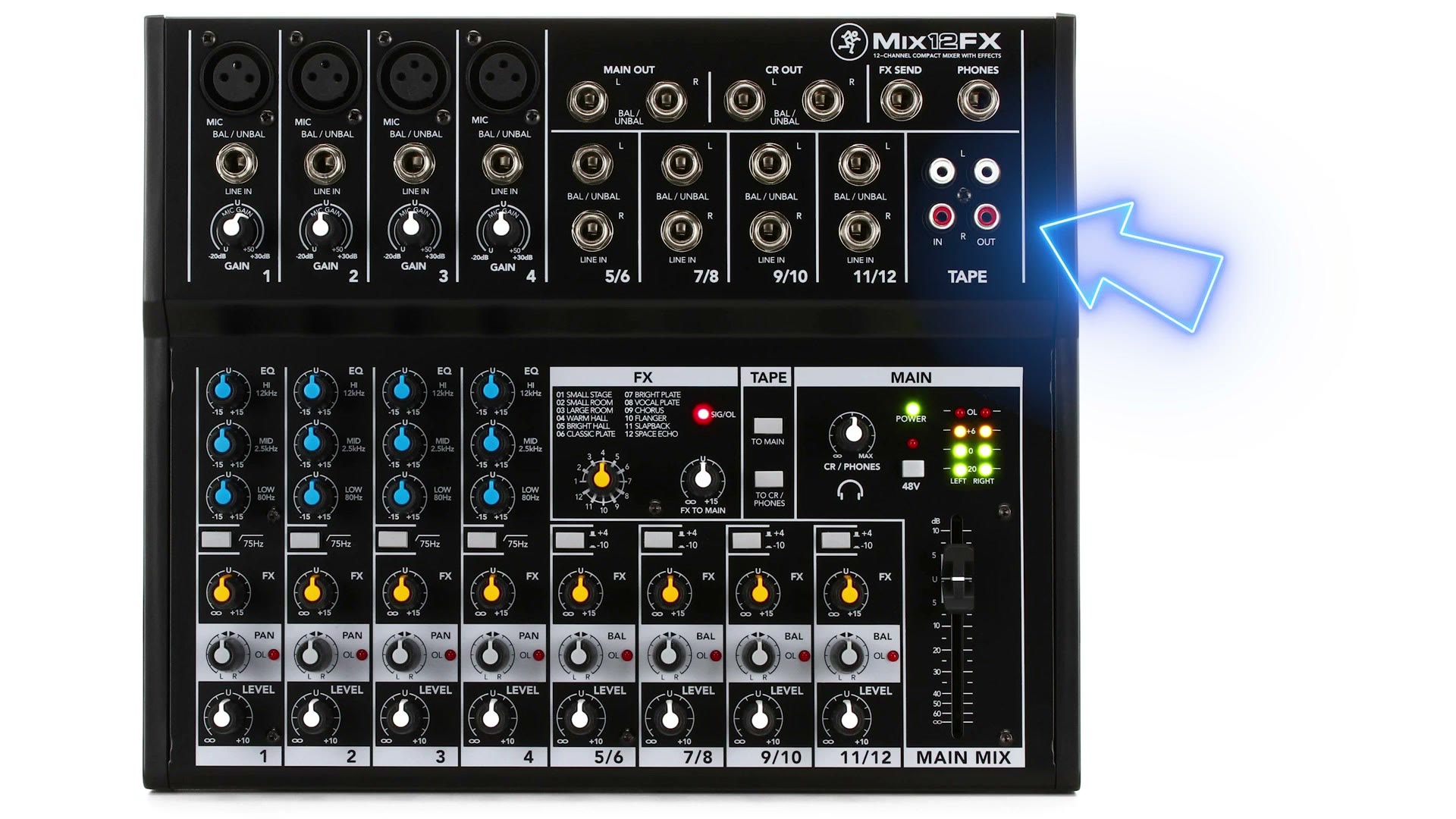
That record out or tape out is pretty much always an RCA connection, and there’s usually a red output and a white output, either of which you can plug into with an RCA to XLR cable. One of the benefits of using the RCA output is that there’s often a separate gain knob you can use to adjust how loud the audio is being sent, just for your recorder. It’s great.
Why there’s only one RCA cable in the pack
You’ll notice I only included one RCA cable, which may be slightly confusing, especially since RCA cables online usually come as a stereo pair, one for the left channel and one for the right.
Because I’m trying to make things as simple and easy to use as possible, there’s only one RCA to XLR cable, and you can plug it into the red or the white output. It doesn’t matter which.
Why? Because whenever you’re plugging into a soundboard at a wedding, you don’t want the audio of the toast or the ceremony recorded to two separate inputs as stereo on your recorder. You want it recorded as mono, which makes editing much easier and means anyone speaking at the wedding comes out of both speakers at the same volume. So just know it doesn’t matter which RCA output you plug into. Red or white, record out or tape out, you’re going to be recording high quality audio from the board.
That’s The Whole Kit
If you have a female XLR to male XLR, a quarter inch to male XLR, and an RCA to male XLR, you’re prepared for pretty much any sound board you come across.
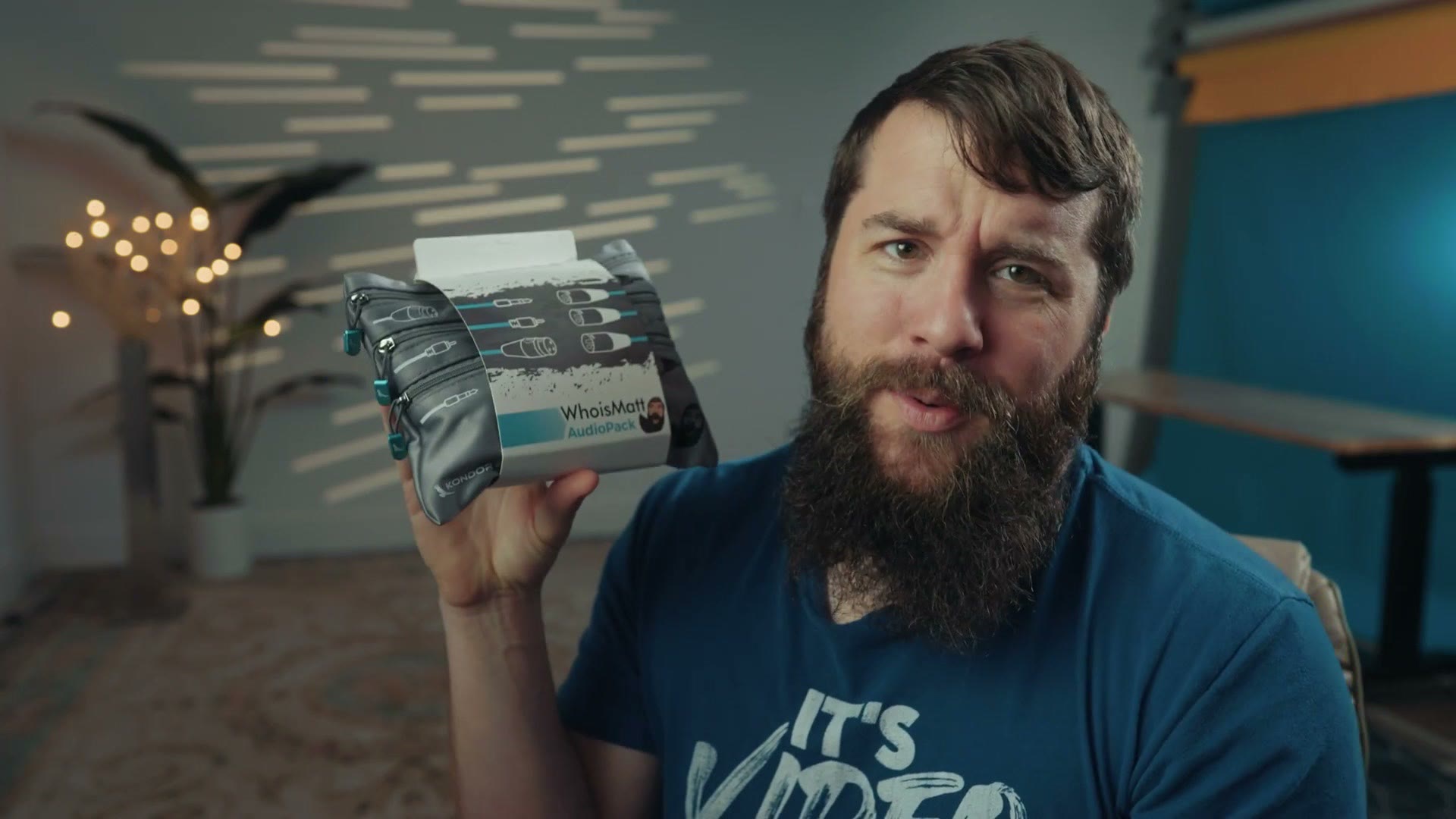
And if you want to save time and get all three in a convenient carrying pouch, so you don’t have to wad your cables up and throw them into a Pelican case where they’re all super disorganized, and you know who you are if you do that, because that used to be me too, I’d love for you to check out the WhoisMatt Audio Pack I made in collaboration with Kondor Blue. I’m super proud of it, and I think it’s going to make the audio cable part of your wedding filmmaking a whole lot easier.
And if there are any other audio cables or variations you’d love to see me make with Kondor Blue in the future, I have a lot of ideas but I’d love to make what you want, so let me know.
Thanks so much for reading, and have a great day!