Last week in Seattle I had the chance to go skiing at the Summit at Snoqualmie, and I took my new GoPro HD up the mountain with me.
It rained. Not a light mountain drizzle either, actual rain, all day, on a ski hill, which is its own kind of miserable. I still came home with some good footage, and I still think it was worth strapping the camera on, but I want to be honest with you about what this looks like before you scroll down and see it for yourself.
Rain On The Lens
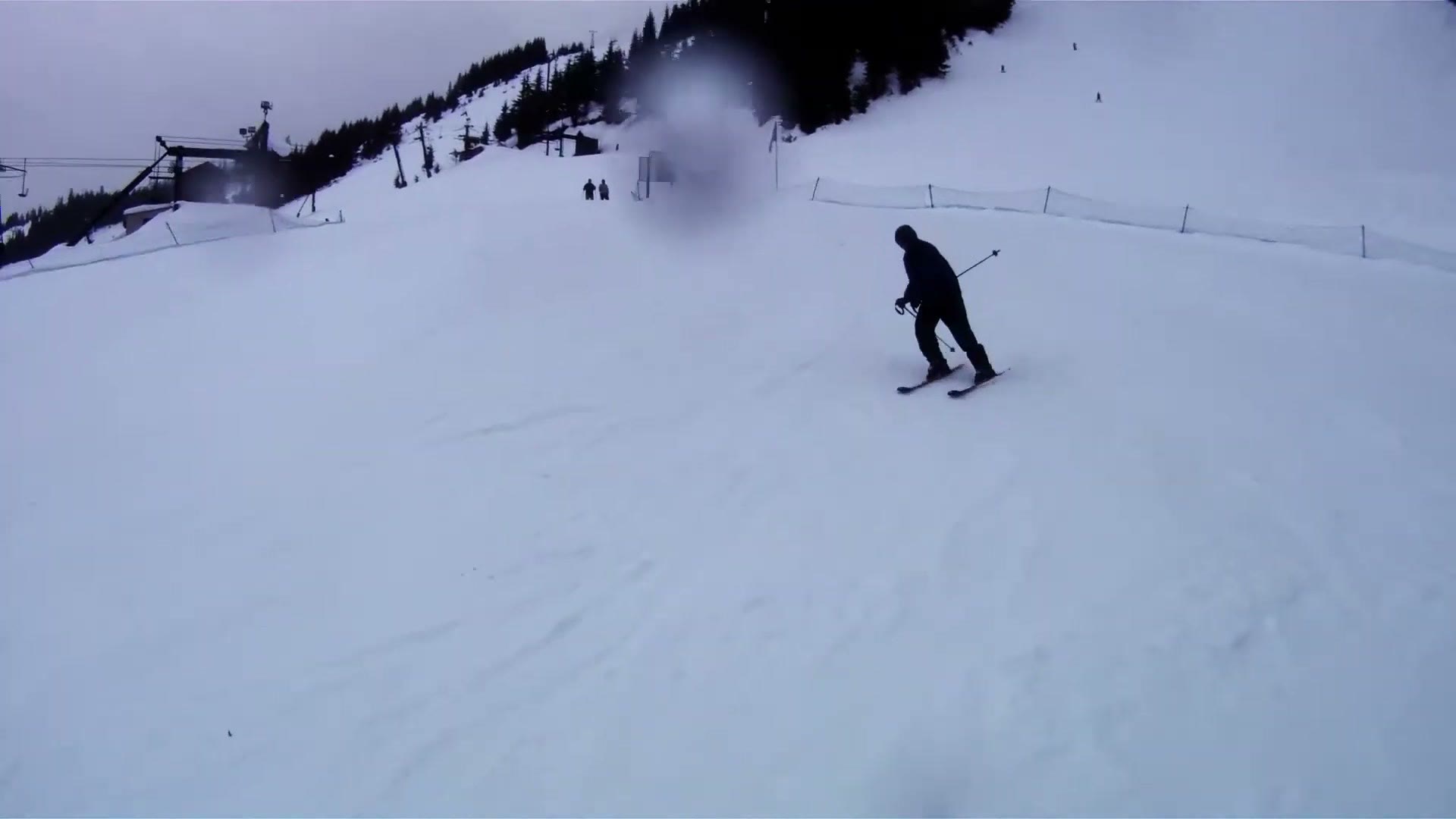
Here is the thing nobody tells you about a waterproof camera. Waterproof means the water does not get inside it. Waterproof does not mean anything at all about the water sitting on the front of the housing, and that water is between you and every single frame you are about to shoot.
You can see it in almost every shot in this film. Beads on the port, a permanent soft smear across one corner, and a general milkiness over the whole picture like somebody breathed on it. The camera was fine. The camera was completely fine. It just spent two hours filming through a wet window.
And the part that makes it genuinely hard is that you cannot check it. The camera is on your helmet. There is no screen. You will not find out that half your runs are ruined until you are back inside with a laptop, which is a lesson I only needed to learn once.
So if you are taking one of these out in the wet: wipe the port at the top of every single lift ride, whether you think it needs it or not, and carry something dry to do it with, because your glove is already soaked and your jacket sleeve is worse.
A Helmet Cam Points Where You Point
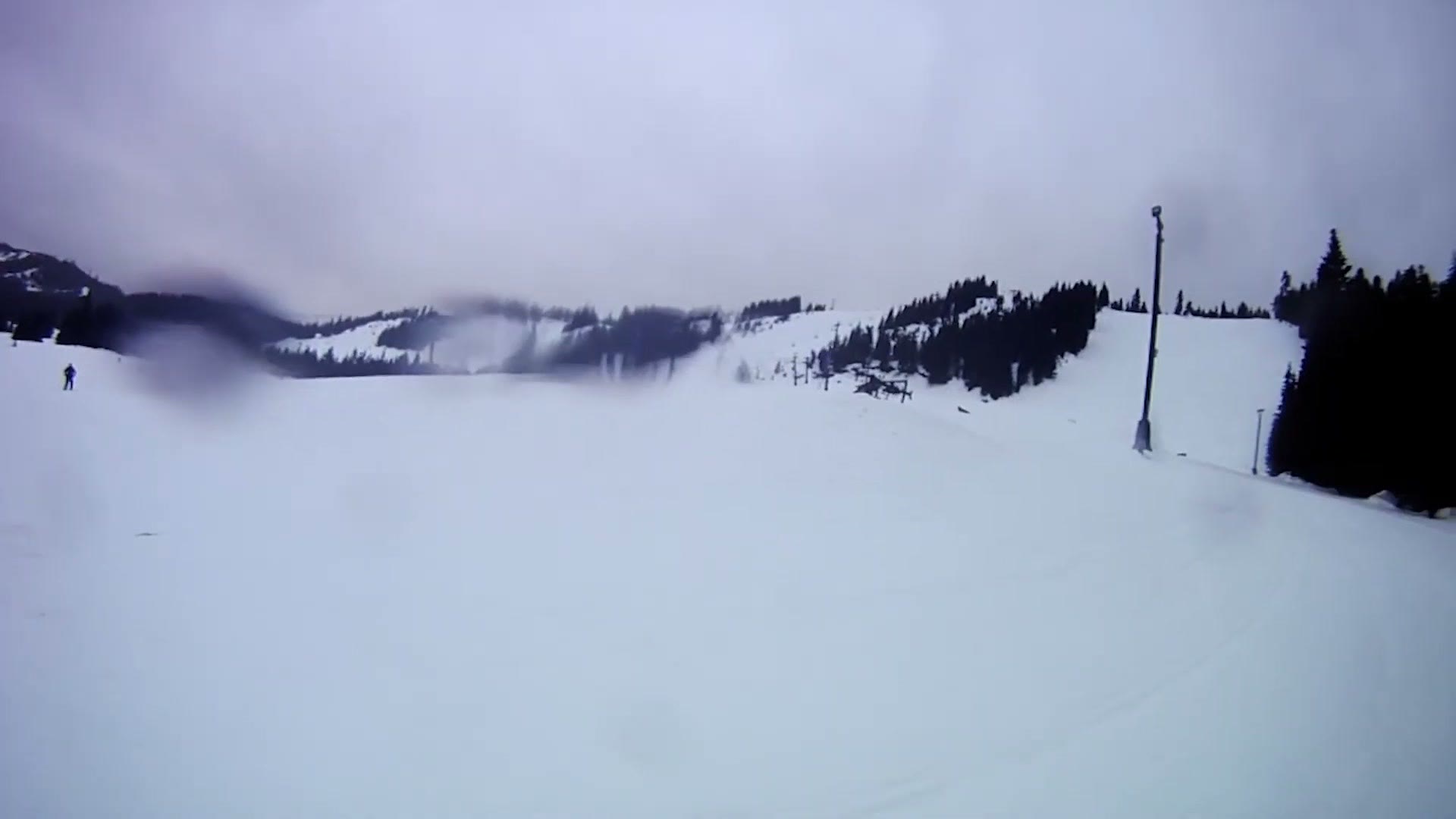
The other thing you learn fast is that a helmet cam is not really a camera you operate. It is a camera you aim by looking, and you spend a whole run looking exactly where a skier needs to look, which is at the snow about fifteen feet in front of you.
Which means the default helmetcam shot is a lot of empty white slope and not much else, and you can see plenty of that in here too. The frames worth keeping are almost all the ones where I happened to turn my head: at the lift, at the trees, at somebody else coming down past me. Whenever you wear one of these, remember to actually look around occasionally. Your footage is your eyeline.
Night Skiing
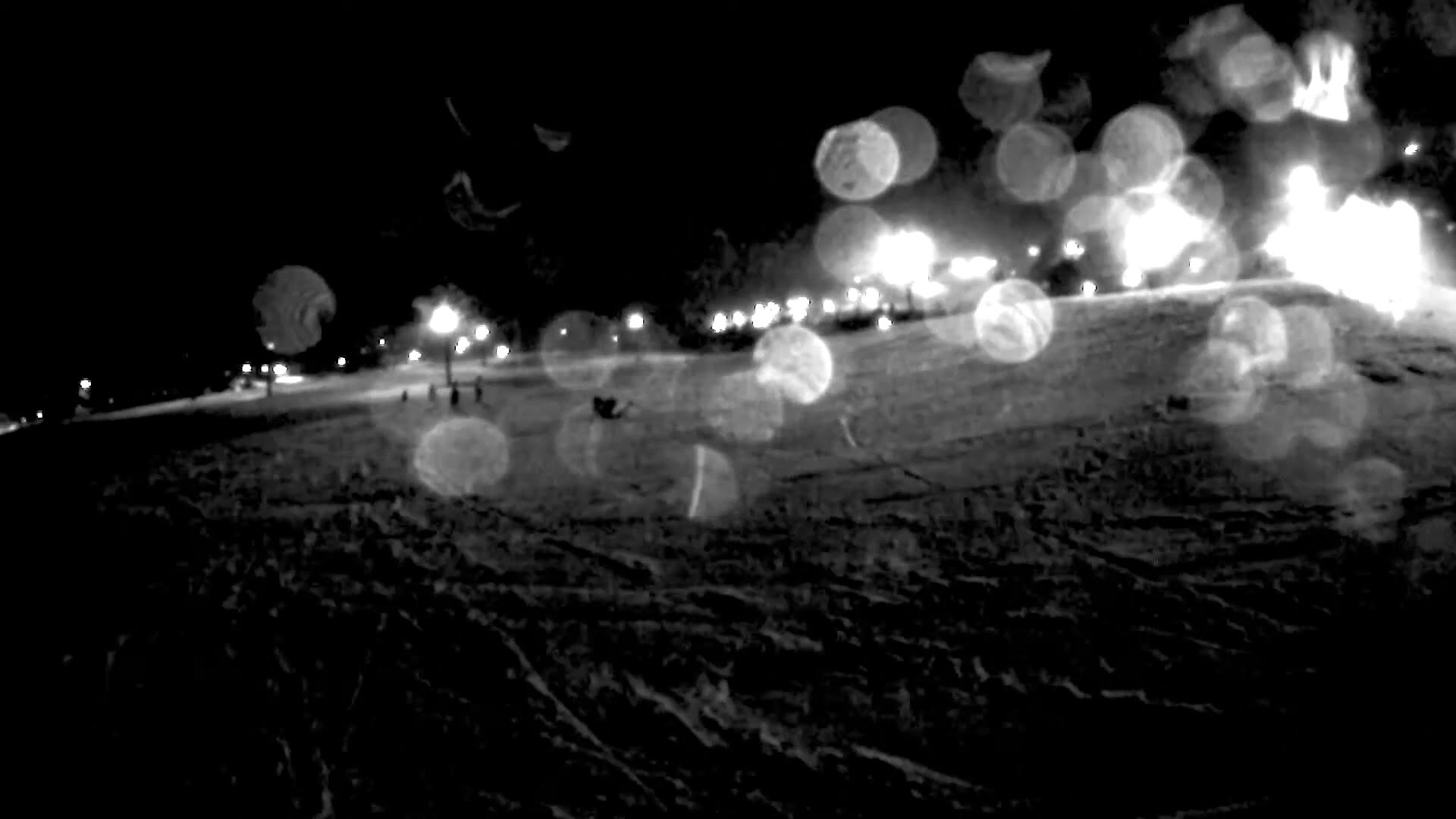
The best looking part of the whole thing is at the end, and it is the part I did the least work for. Snoqualmie runs its lifts after dark, so the last stretch is shot under the floodlights with the hill going away into black on both sides.
The rain is still all over the lens. But at night every one of those beads catches a floodlight and turns into a soft ball of light, so the exact thing that was wrecking the picture in the daytime is what makes the night shots look good. I would love to claim I planned that.