
At about 5am my time this morning, Panasonic officially announced the full spec list for the S1 and S1R, their new full-frame mirrorless cameras. Some of it is genuinely exciting for filmmakers.
There are a lot of articles about these cameras already, but most of them are written from a photography angle, so that is what they lead with. I want the video specs. So I spent about an hour and a half reading through all of it and pulling the video side out into one place. Some of this is certain to shift before the cameras actually ship.
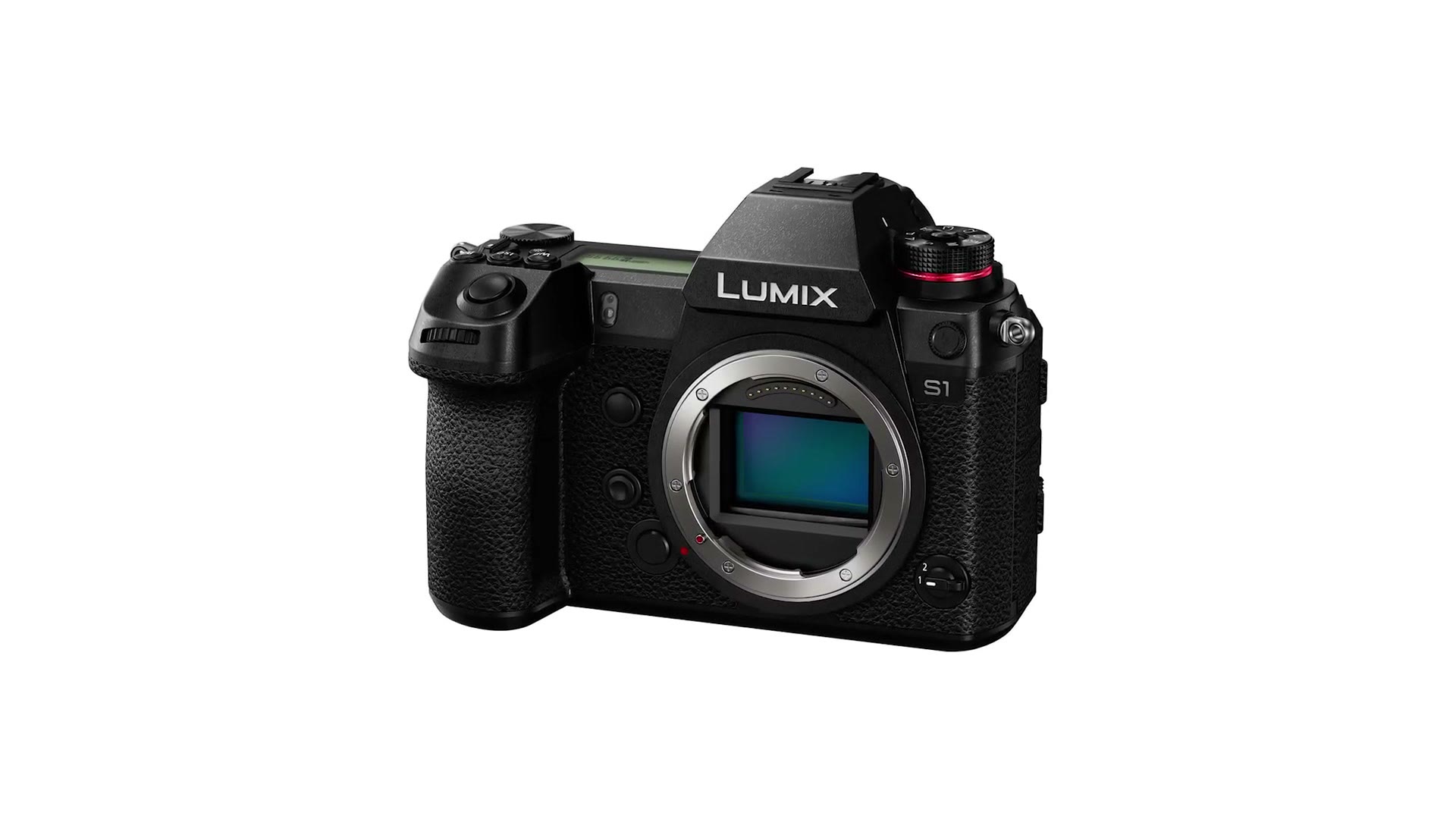
4K Video
Both the S1R and the S1 shoot 4K at up to 30 frames per second. Which is great, Matt, but cameras have been doing that for a while now, so what else have you got?
Both of them shoot 4K at up to 60 frames per second. That is very impressive. It also comes with compromises, and they are different compromises on each body.
- S1R at 4K 60: a 1.09x crop. Small, but a crop. More importantly it gets there using pixel binning, so expect more image degradation.
- S1 at 4K 60: a bigger crop, all the way down to APS-C size, so roughly 1.5x. But it is not pixel binned, so the quality should be better.
It is a bummer that both of these had to compromise this much to hit 4K 60. I was really hoping one of them would be the first full-frame camera to do it uncropped. Help us, Sony a7S III, you are our only hope.
Video Recording Limits
Good news first: neither camera has a recording limit at 4K up to 30 frames per second.
At 4K 60 though, the S1 has a 30 minute limit and the S1R has a 15 minute limit. I assume that is down to file size and heat. Panasonic also admitted in the press release that the camera may overheat during extended 4K 60 recording, which is worth knowing before you plan a shoot around it.
Frame Rates
Both cameras go up to 180 frames per second, and both apply a 1.5x APS-C crop when they do. Whether there is also a crop at 1080p 60 or 120, I don’t know yet. We will have to wait for more information.
10 Bit
10 bit is one of those things people said could not be done in a small camera until the GH5 did it. Worth remembering though that the GH5 is Micro Four Thirds, so a much smaller sensor than this.
The S1 will record 10 bit internally, up to 4K 30. You cannot do 10 bit at 60. And the S1R will not do 10 bit at all.
There is a catch on the S1 as well: 10 bit is not there at launch. It comes in a later firmware update, which will also add V-Log. And as always, Panasonic is going to charge for that update, because they always do. I do not understand why they cannot just be like Sony and hand you S-Log with the camera. No price announced for the upgrade yet.
That same update will also add 4K 60 in 10 bit over HDMI, so if you have an external recorder, that opens up.
IBIS
No, not irritable bowel syndrome. In-body image stabilization. Both cameras have it, and Panasonic claims up to six stops. For comparison the GH5 was rated at five. Six is more than five, so hopefully it is better.
Low Light
High ISO has been a sore point for Panasonic in the past, particularly with the GH5. Both of these go pretty high: the S1R tops out at ISO 51,200 and the S1 at ISO 204,800. Not bad at all. I don’t think it is going to be quite a7S II good, but we will see.
Power Features
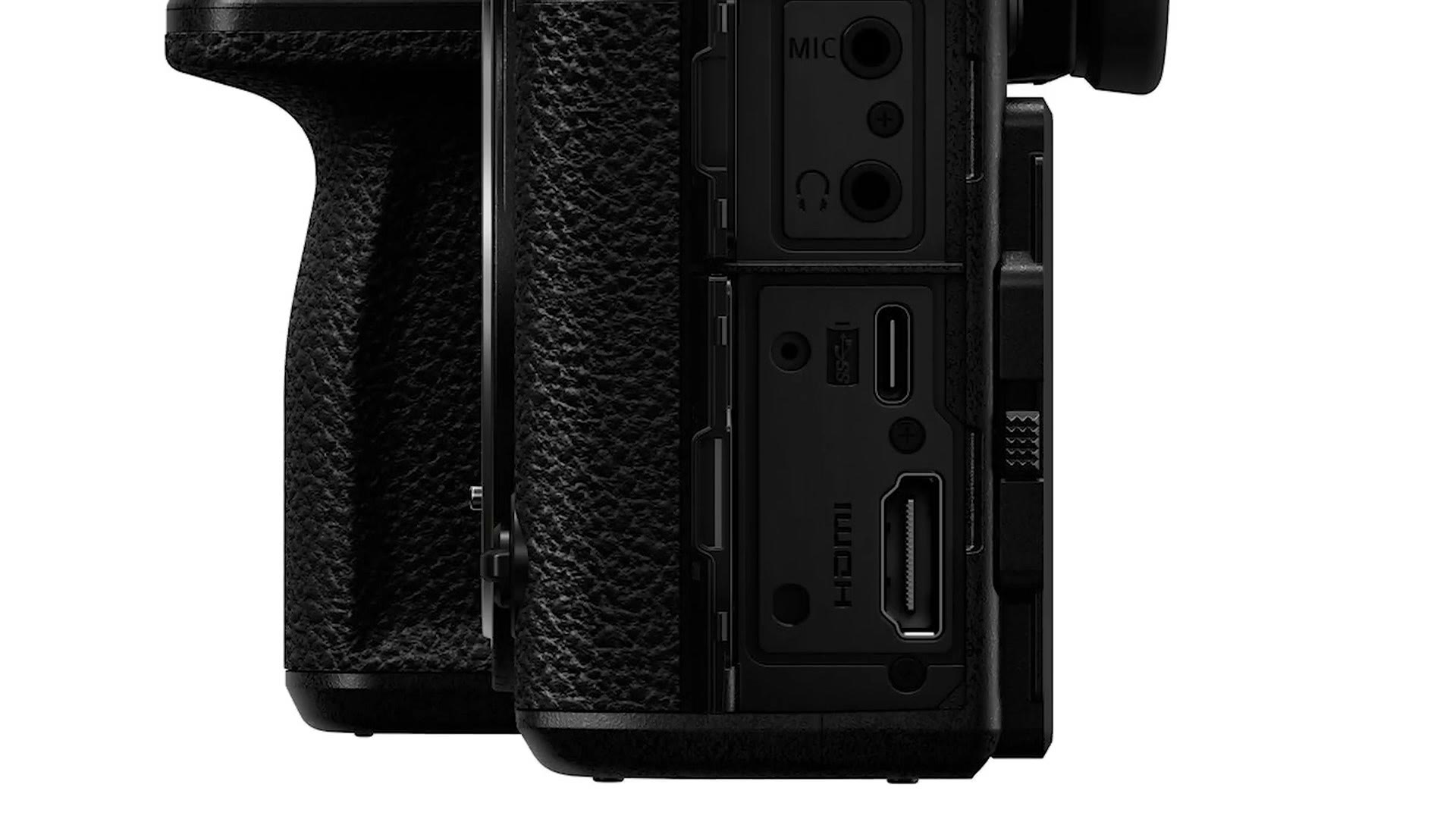
Both cameras have a USB-C port, so you can now run the camera off an external battery pack. That is a great feature to have on a long day.
And apparently there is a battery percentage indicator in the menus. No more staring at two bars on a Panasonic going, well, that’s two bars, I wonder what that means in minutes. An actual number. Finally.
Flip Around Screen
There isn’t one. Sorry fellow YouTubers, sorry vloggers, you are not going to be able to see yourself while you record on this camera.
Speaking of which, Sony A7RIV Video Specs Breakdown: Falling Behind Panasonic? is worth a look too.
Autofocus
Panasonic claims it is improved, but I have not seen a single test of the video autofocus yet, and that is the one that matters here. Hopefully those turn up soon. My honest guess is it will not be as good as Canon’s dual pixel and not as good as the very solid autofocus on the a7 III. But we will see.
Price
The S1 is $2,499 and the S1R is $3,699.
Honestly those feel about right to me, especially the S1. Look at the full-frame competition: the a7 III is $2,000. An extra $500 for 10 bit recording and cropped 4K 60 sounds pretty reasonable.
You can pre-order the S1 on Amazon, the S1R on Amazon, or the S1 and S1R at B&H.
Shipping Date
Both ship on April 4th, just in time for NAB.
Lenses Are The Real Problem
I am sure you want to know whether I am buying one. I currently shoot on the a7S II, I am recording this video on it right now, and I love it. But the S1 in particular looks like a big upgrade over the a7S II, and honestly an upgrade over the a7 III too, because you are getting 10 bit, 4K 60 and better stabilization.
There is always a but though, and the but here is glass.
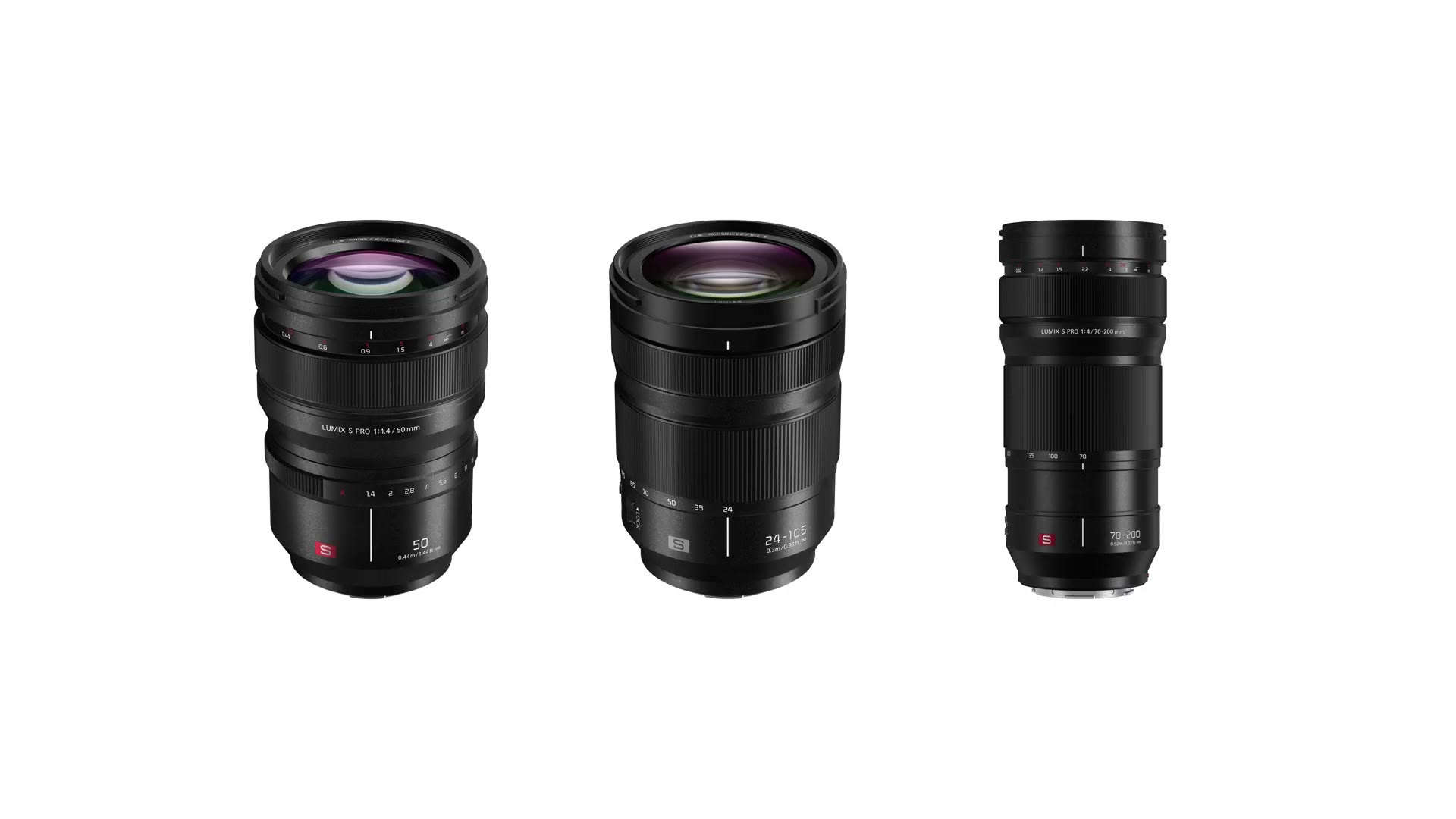
Alongside the cameras, Panasonic announced three new lenses: a 50mm f/1.4, a 24-105mm f/4, and a 70-200mm f/4. Beyond those three, there are some L-mount lenses from Leica, and Sigma has promised L-mount lenses are coming.
Here is the issue. This is a new mount, so there are not many lenses, and there are not even adapters for other manufacturers’ lenses yet. When I switched from Canon to Sony there were already plenty of adapters. I put my Canon glass straight onto an E-mount body and it worked. That is not an option here.
And the bigger version of that problem belongs to existing Panasonic shooters. Every one of them is on Micro Four Thirds right now, with lenses built for a Micro Four Thirds mount, the vast majority of which will not cover a full-frame sensor. Everybody buys new glass. And until Sigma brings the Art line over to L-mount, that glass is not going to be cheap.
Summary
The specs on these two are very compelling, and they come with real compromises. That said, I have not been this excited about a camera release in quite a while.
As always, watch more reviews than just mine before you buy anything. And rent one first if you can, just to see whether you actually like it.