
The Sony a7S III has grown to almost mythical status. It is the camera that is going to exceed every filmmaker’s expectations and usher in a new era of cinematic quality, or at least that is what a lot of filmmakers want to believe. So with all that demand piled up behind it, will it actually live up to the hype?
I made a video a little while back with my theory about why Sony is taking so long to release the a7S III, and I want to go deeper here. I want to talk about what Sony themselves have said about this camera, and why I think they may have engineered themselves into a corner on the video specs.
The Quote Everything Hinges On
I want you to read this whole thing through the lens of one quote. During an interview in late 2018, one of Sony’s senior managers said that Sony wants the a7S III to “go beyond the customers’ expectations.”
Keep that phrase in your head, because the whole problem is hiding inside it. Expectations are not a fixed number. They move. And they have moved a lot.
2016 Was The Year
Let’s go back to 2016, one year after the a7S II came out. In my opinion that was the best year Sony could possibly have released the a7S III, and it is not close.
Riding hot off the success of the a7S II, the only real demand anybody was making at the time was 4K at 60 frames per second. Heck, it could have been 4K 60 with a crop and I think most filmmakers would still have been happy. Expectations were low. That camera would have sold like hot cakes with one improvement.
The GH5 Changed The Math
Then in March 2017, Panasonic released a little camera called the GH5, and that turned the video spec war up to 11.
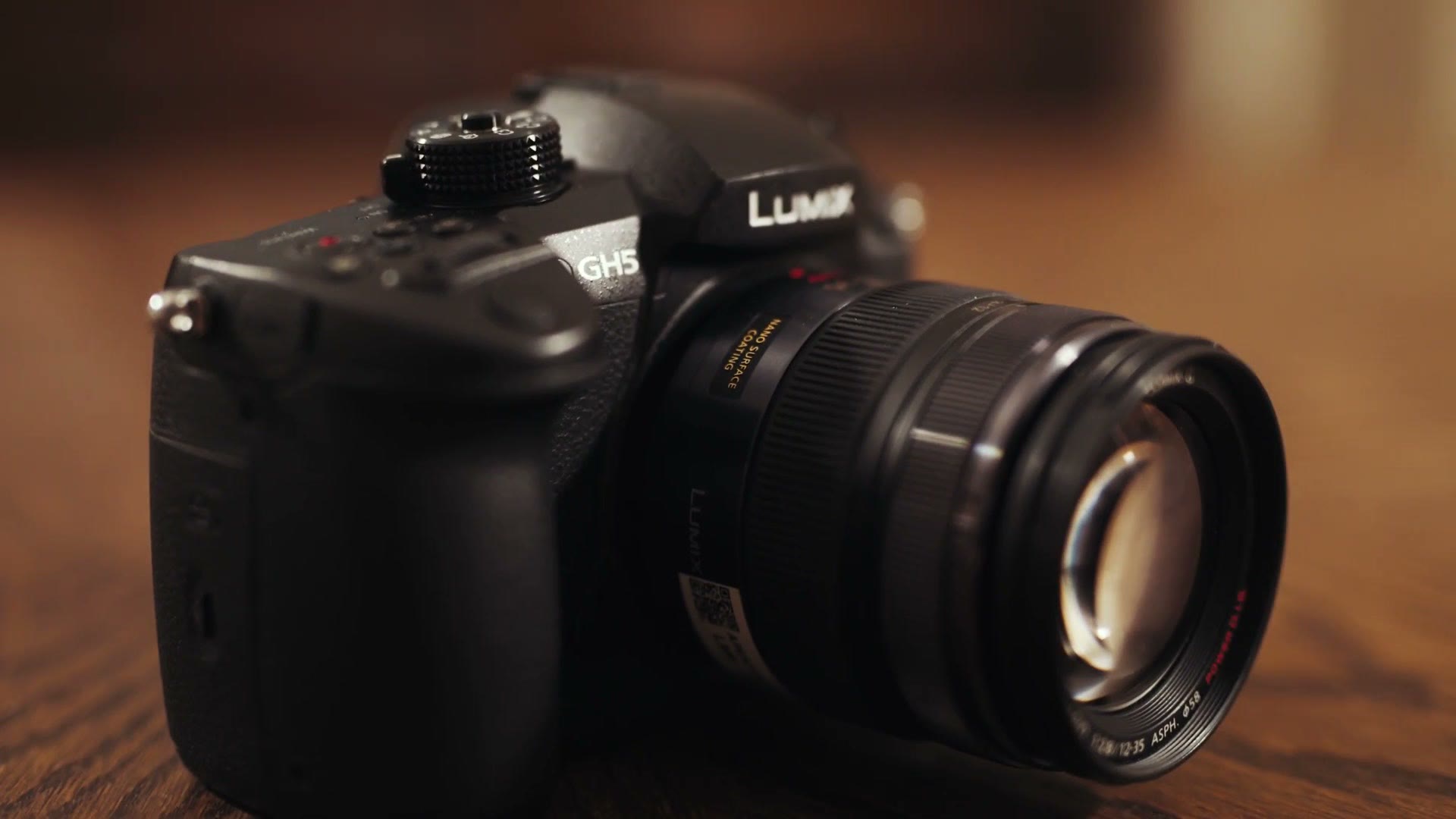
4K at 60 frames per second. 10 bit video. Rock solid in-body image stabilization. Dual card slots. And it didn’t overheat either. These were features usually reserved for much more expensive cinema cameras, definitely not a $2,000 mirrorless body.
I remember having conversations with other filmmakers in 2017 where we all said the same thing. Sony has to release the a7S III by the end of the year, and it is going to match or beat every GH5 feature. That didn’t happen in 2017. It didn’t happen in 2018 either. And we are halfway through 2019 and it still hasn’t happened.
What The a7 III Actually Changed
In 2018 Sony released the a7 III, and it does improve on a lot of the shortcomings of the earlier full-frame mirrorless bodies. Better battery life, dual card slots, much improved autofocus, the HLG picture profile, and so on.
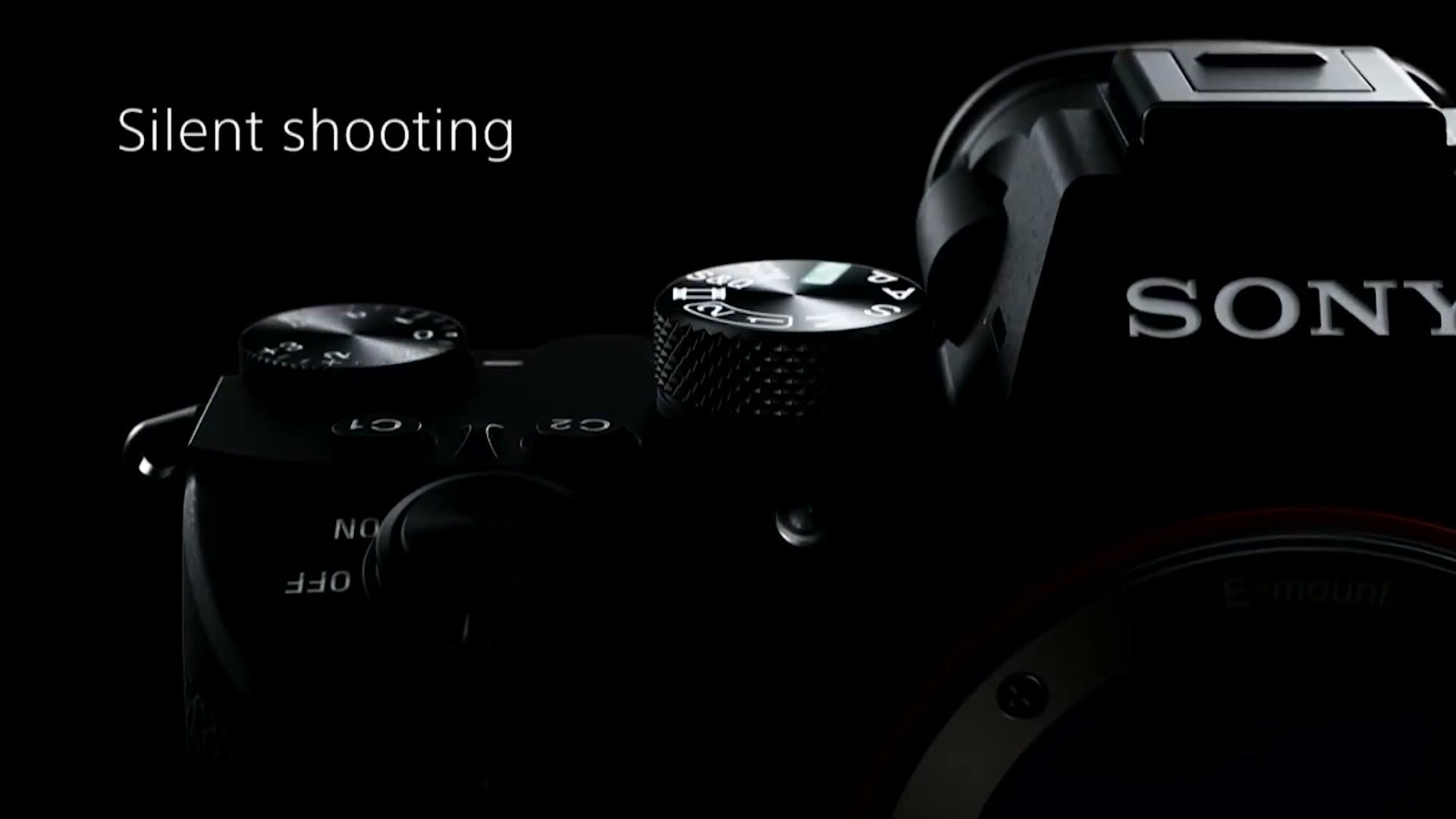
But look at the video side. It is still essentially recording the same 4K 100 megabit codec in 8 bit color. Sony has not made an improvement to video frame rate, resolution, or bit depth since the a7S II came out in 2015. That is four years.
What Everyone Else Is Shipping
Now compare the video features of the a7 III, and even the a7R IV that just came out, to what you can walk into a store and buy from somebody else right now.
- Blackmagic has the Pocket Cinema Camera 4K, which records 4K 60 in raw.
- Fuji released the X-T3, which shoots 4K 60 in 10 bit.
- Panasonic announced and released the full-frame S1 and S1R, which record 4K up to 30 frames per second in 10 bit color, and 4K 60 in 8 bit with a crop.
- The Panasonic S1H is coming later this year and records in 6K.
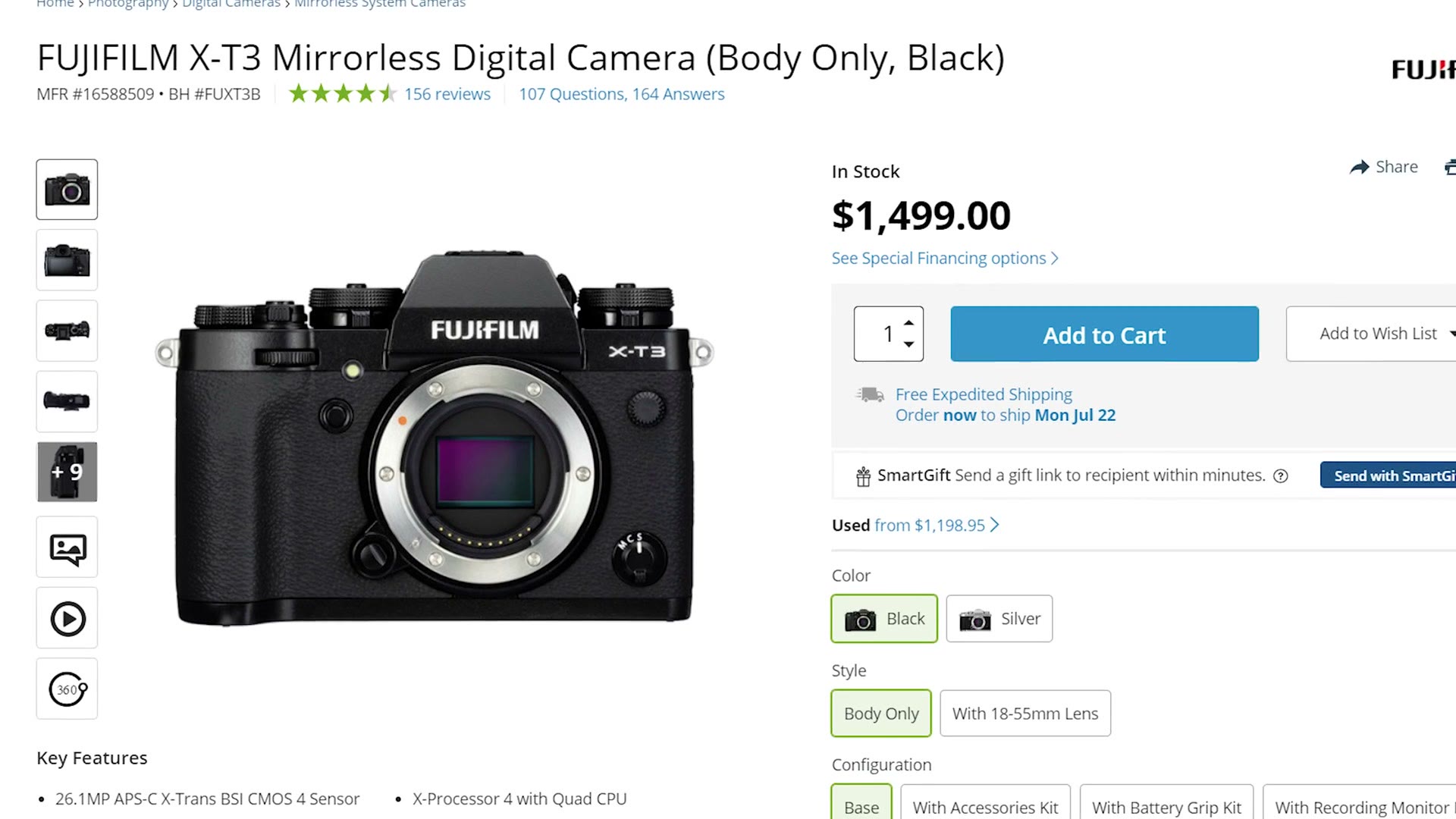
The X-T3 is $1,499 body only at B&H as I write this, with a 26.1MP APS-C X-Trans sensor. That is the price of admission for 4K 60 in 10 bit right now, from a company that was not even in this conversation a few years ago.
These companies are pushing the envelope of what is possible for video on a mirrorless camera. Filmmakers’ expectations for what their cameras can do have never been higher.
What Exceeding Expectations Costs Now
So go back to that senior manager. Go beyond the customers’ expectations.
In 2016 that meant include 4K 60. In 2019 it means beat all of these other manufacturers on their own impressive feature lists. If the S1H shoots 6K, then 6K is now an expectation for the a7S III. Does that mean it has to record 8K to exceed expectations? I honestly don’t know.
Thankfully, no camera manufacturer to this day has released a camera that records 4K 60 without a crop. So at the very least, if Sony ships that, it will exceed expectations. But there is more. Filmmakers are going to want 10 bit color, ideally while shooting 4K 60. Better in-body stabilization. Faster dual card slots. No overheating. Maybe a flip-out screen. You see where this is going.
In 2016 Sony had a very short list of expectations to exceed. In 2019 the list is very long, and I am frankly skeptical they can pull it off. My fear is that the a7S III has built up this mythology around it where it has to meet or beat every single spec from every other manufacturer before anybody is actually satisfied.
The a7R IV Is Not Encouraging
Can Sony do it? If any company can, it is Sony. They are the largest sensor manufacturer in the world. But then I look at their latest and greatest, the a7R IV, and I am not so sure.
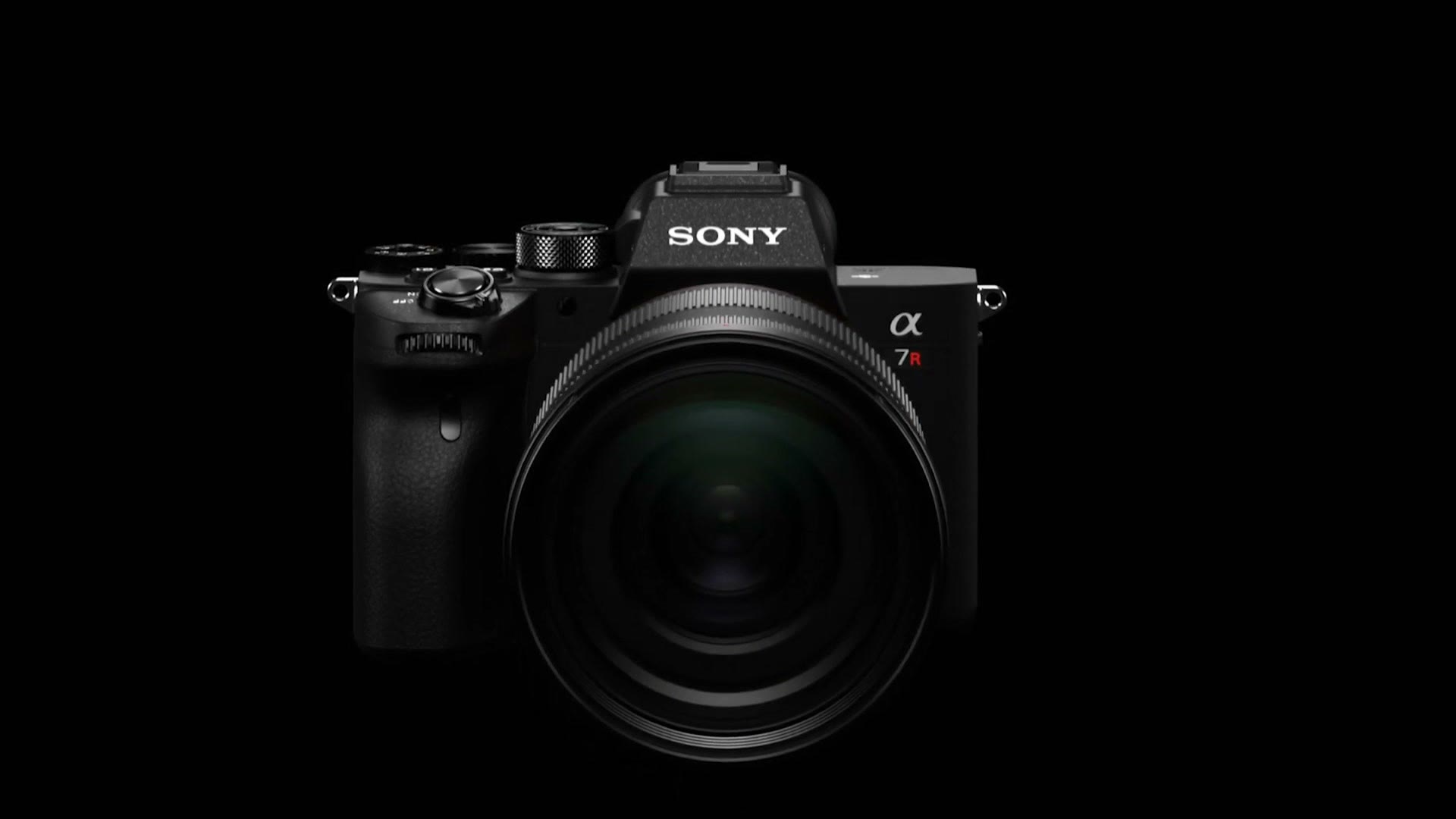
4K at 30 frames per second in 8 bit color. From a brand new flagship, in 2019. That is pretty underwhelming from a video spec standpoint, and it is the freshest data point we have about where Sony’s head is at.
How Long Am I Waiting?
For me, Sony is running out of time. If the a7S III isn’t released soon, the Panasonic S1H is calling my name.
There is reason for hope though. Rumor sites are saying more Sony cameras are coming soon, and there is precedent for it. Sony released the a7R II in mid-2015 and then the a7S II only a few short months later. The a7R IV is also the first new sensor in the a7R line since 2015. I am really hoping we get a repeat of that, where the a7S III turns up a few months behind the a7R IV with a sensor that blows everyone away.
If you are reading this a few months after I posted it, you may already be holding your a7S III thinking everything is fine, Matt, don’t worry about it, this camera is great. For me, I am going to have to wait a little bit longer.
Update from the future: the wait went on quite a bit longer, and the camera did eventually turn up. Here is my a7S III review for wedding filmmakers, so you can see how much of the above I got right.
If you want to see what is actually in my bag instead of what I am waiting on, my favorite filmmaking gear is all here.