
With the announcement of the a7R IV, I feel like Sony has confused a lot of video shooters, myself included, with the math they’re using to number their cameras. So today I want to talk about the mythical a7S III, and share my theory about where it is and why we still haven’t seen it.
Put your tinfoil hat on with me.
Sony Math
When Sony first launched the a7 series they followed a very set order. The a7, then the a7R, then the a7S. About a year later, the a7 II, the a7R II, then the a7S II. All was right in the world.
Then in October 2017 Sony broke the entire order by announcing the a7R III first. They got back on track fairly quickly, because in mid 2018 they announced the a7 III, so all logic says the next camera should be the a7S III.
Instead, on July 16th 2019, Sony announced the a7R IV. Which as you can now tell has broken the math for all of us. At this point I wouldn’t put it past them to pull a fast one, skip the a7S III entirely and just release an a7S IV, the way Apple went from the iPhone 8 straight to the iPhone X.
History
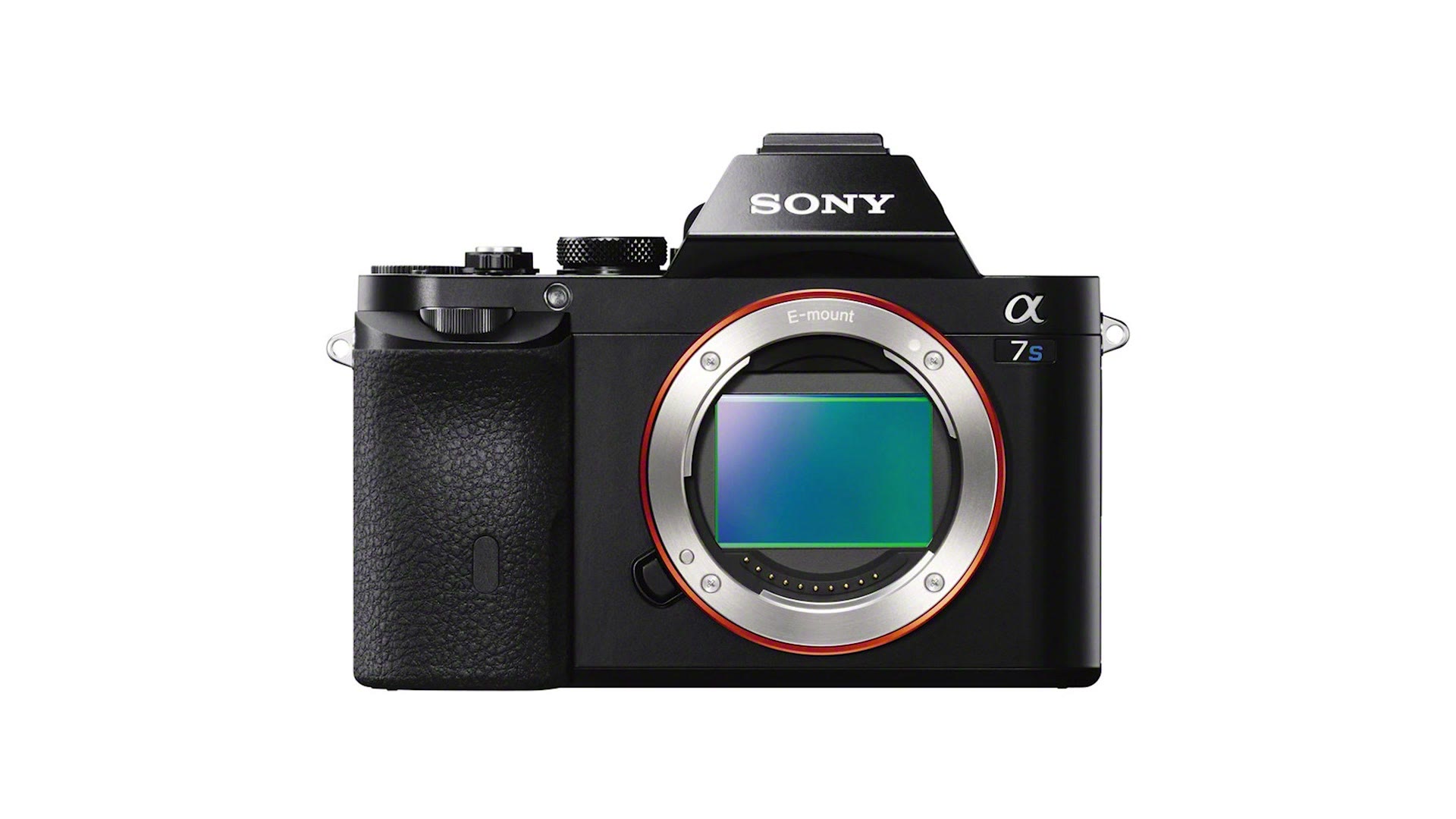
Go back to 2014, when Sony announced the first a7S. It recorded 1080p internally and 4K only with an external recorder. A little over a year later, in 2015, the a7S II arrived using the same sensor but recording 4K internally at up to 30fps.
The Golden Age
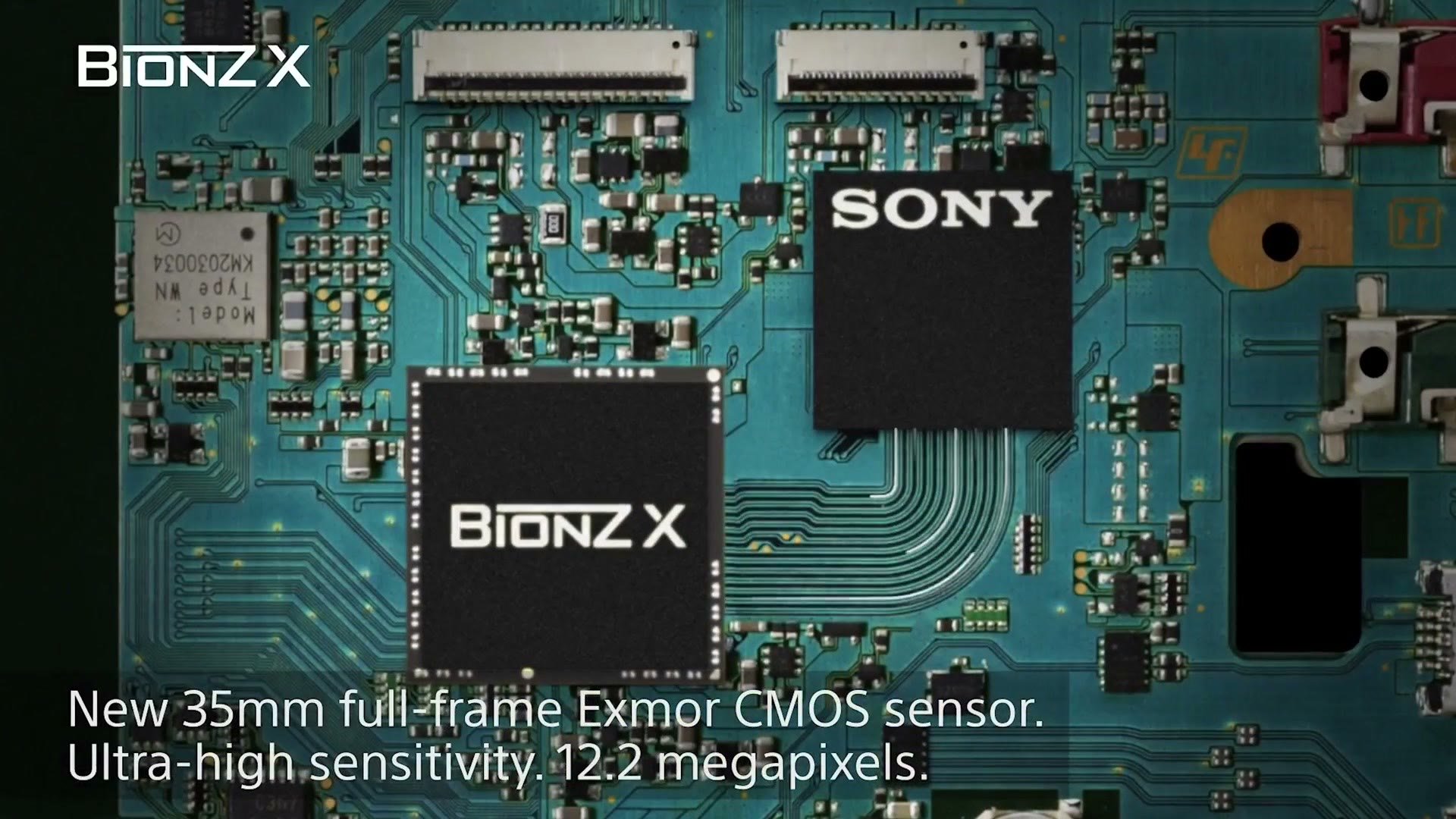
2014 and 2015 were the golden age of Sony, in my opinion, because they were releasing and innovating at such a pace. Several new full frame bodies every year, constantly, and it was so exciting. Sony felt unstoppable. You assumed this was just the new normal and there would be new features and better image quality every single year.
The Dark Age
Then literal disaster struck in April 2016, when a magnitude 7.0 earthquake hit Sony’s sensor factory in Kumamoto, Japan. Look at the photographs of the aftermath. That was a huge blow to Sony’s sensor business and it was clearly going to take time to recover.
If 2014 and 2015 were the golden age, 2016 through roughly today are the dark ages from a video standpoint. In that time Sony released the a6500, the a9, the a7R III and the a7 III, and while all of those cameras got new features, none of them were revolutionary for video. Maximum frame rate, resolution and bitrate have all sat unchanged since the a7S II.
My theory is that the Kumamoto earthquake put a significant delay on the development of Sony’s sensors, and they still haven’t fully recovered from it.
Other Proof
Bold claim, Matt. What else have you got?
Come back with me to 2017 and the a7R III. Remember how the a7S II reused the sensor from the original a7S? The a7R III did exactly the same thing, reusing the sensor from the a7R II released in 2015. Sony loves this pattern: launch a camera with a brand new sensor, then a year or two later release an updated body around the same sensor with more features built out.
Here’s the thing I want you to focus on. Since 2015 we have not seen a genuinely new sensor from Sony other than in the a9 and the a7 III. And Sony clearly treats the a9 as a separate high end photo camera, because it has the same video specs as their 2015 mirrorless bodies and doesn’t even have S-Log. The a7 III does use a newer sensor, but its video quality, frame rate, bitrate, bit depth and resolution are all identical to the a7S II from 2015.
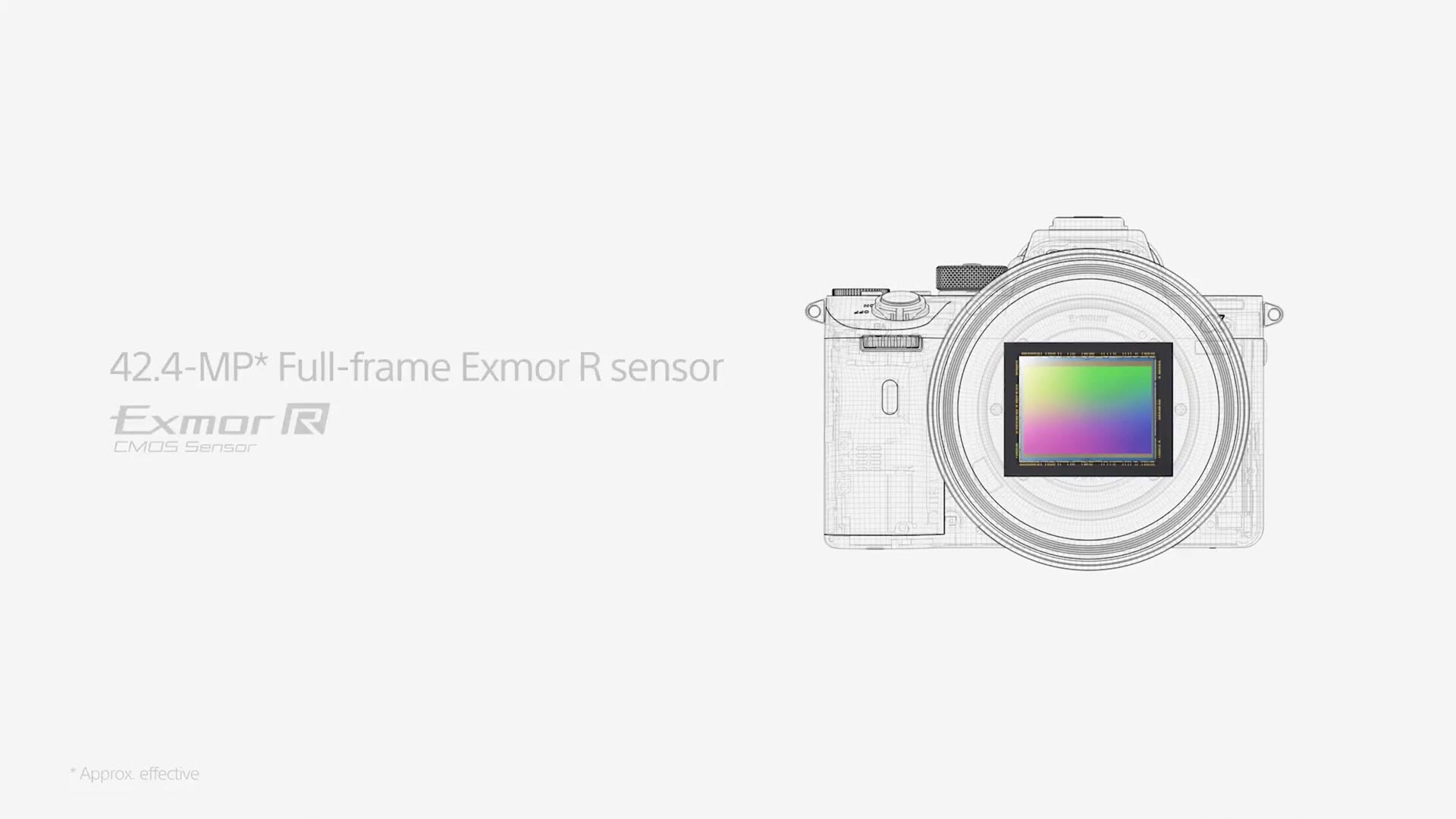
So it has effectively been four years since Sony shipped an updated full frame sensor. The a7R IV announced this July is the first new sensor in an a7R body since 2015, which is to say since before the earthquake. It took four years, and my theory is that Kumamoto is why.
The Hole In My Theory
There is one, and it’s a real one: the a7R IV does not actually improve on the video specs of the a7S II from four years earlier. It still shoots 4K at 100Mbps, up to 30fps, 8 bit.
But remember Sony likes to put one sensor in multiple bodies. I would not be surprised at all if they’re deliberately holding the a7R IV’s video capabilities back so it doesn’t steal the a7S III’s thunder. If the a7R IV had turned up shooting 8K, Sony would sell an enormous number of them and far fewer people would want the a7S III afterwards.
Which also means we may see an a7R V in a year or two, same sensor, massively better video specs. Only time will tell.
Tell me in the comments why you think the a7S III hasn’t shown up yet. I realize my version may be a little crazy.
Update from the future: it did eventually arrive, and here’s my review of it.
The Kumamoto factory footage in this video came from this video. If you film weddings and want to book more of them, here’s a free guide, and if editing is where you get stuck, that’s what my wedding film editing course is for.