
My two favorite focal lengths for wedding filmmaking are 24mm and 50mm. Find me on a wedding day and 90% of the time one of those two lenses is on my camera.
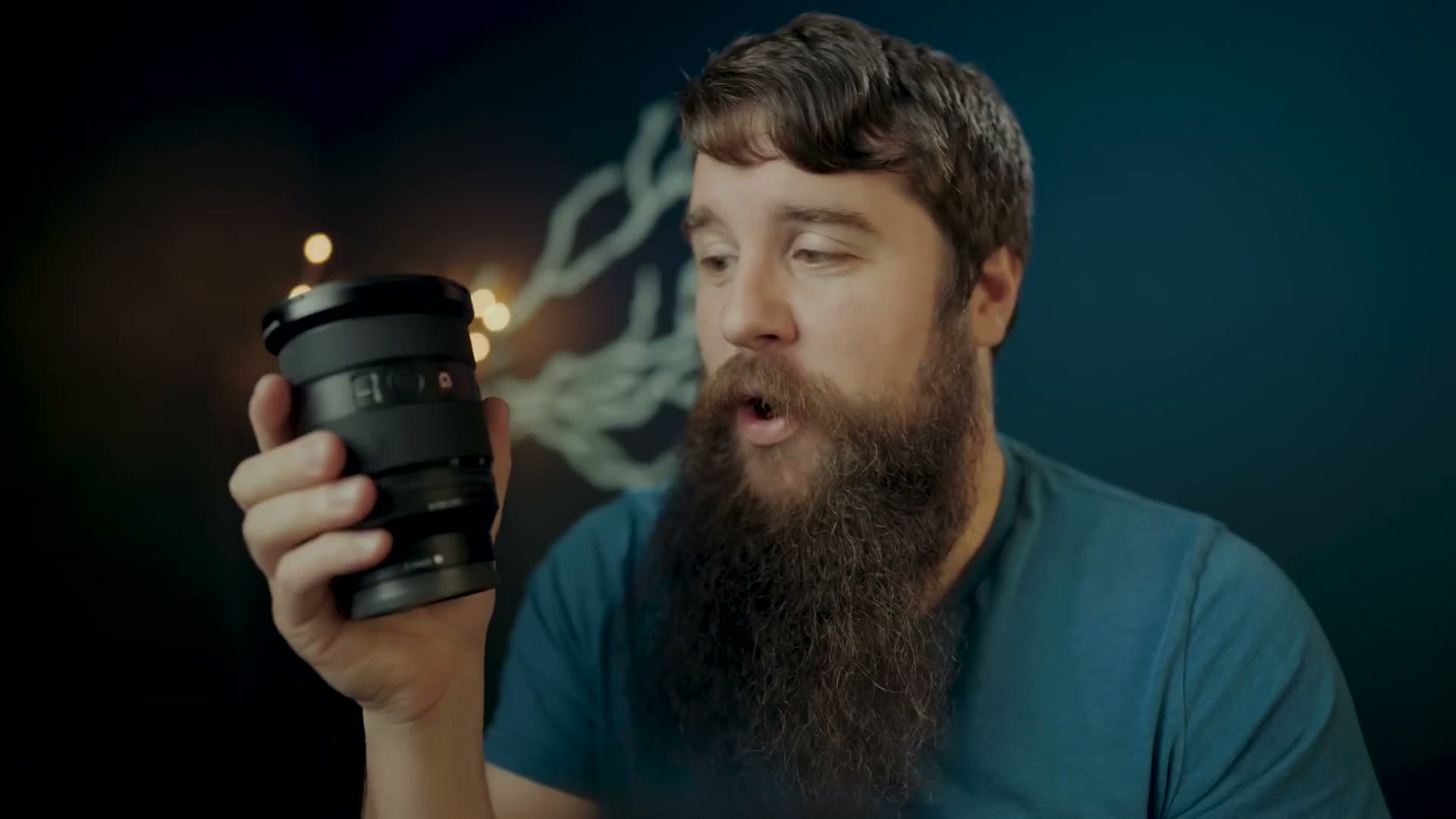
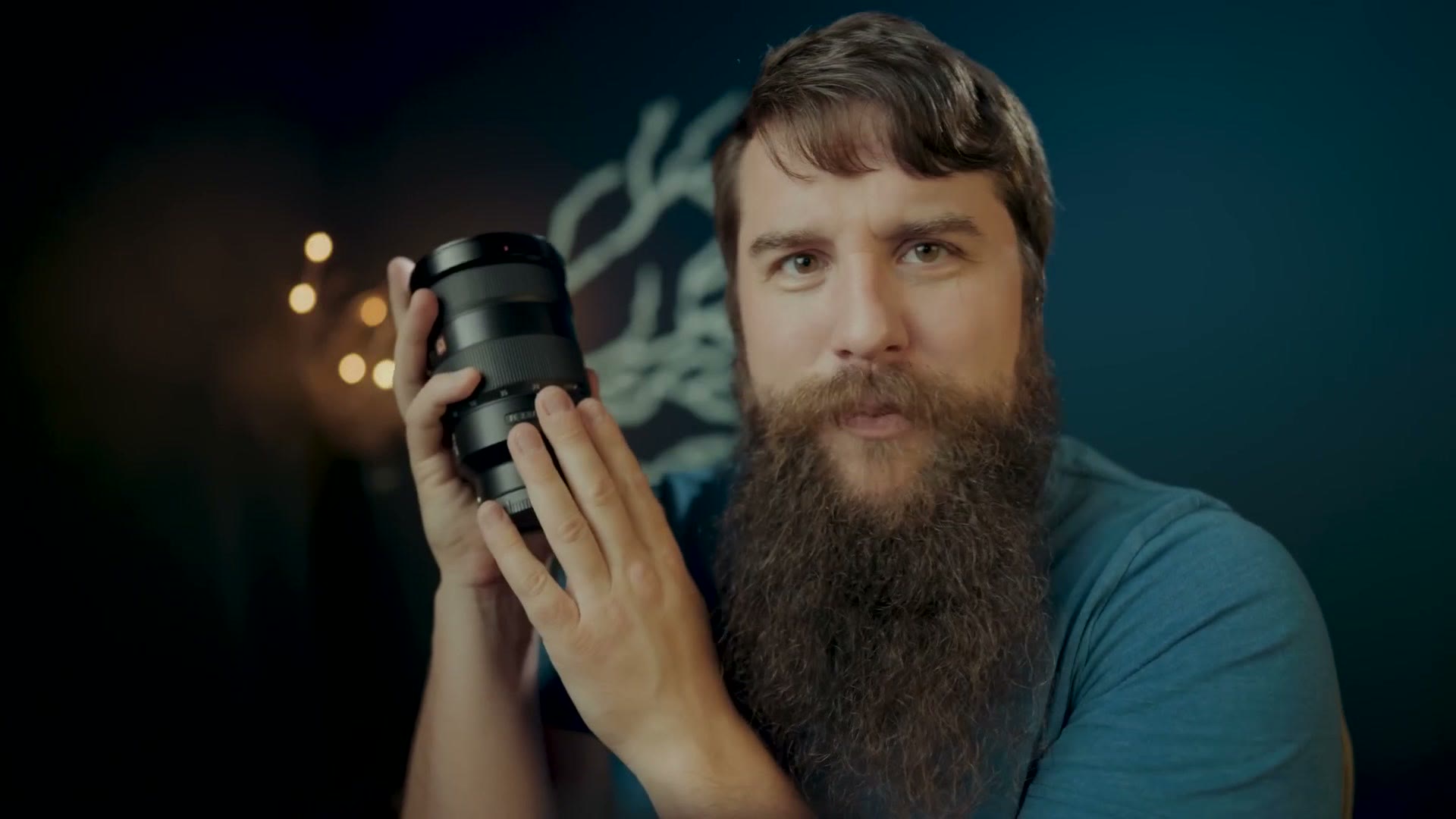
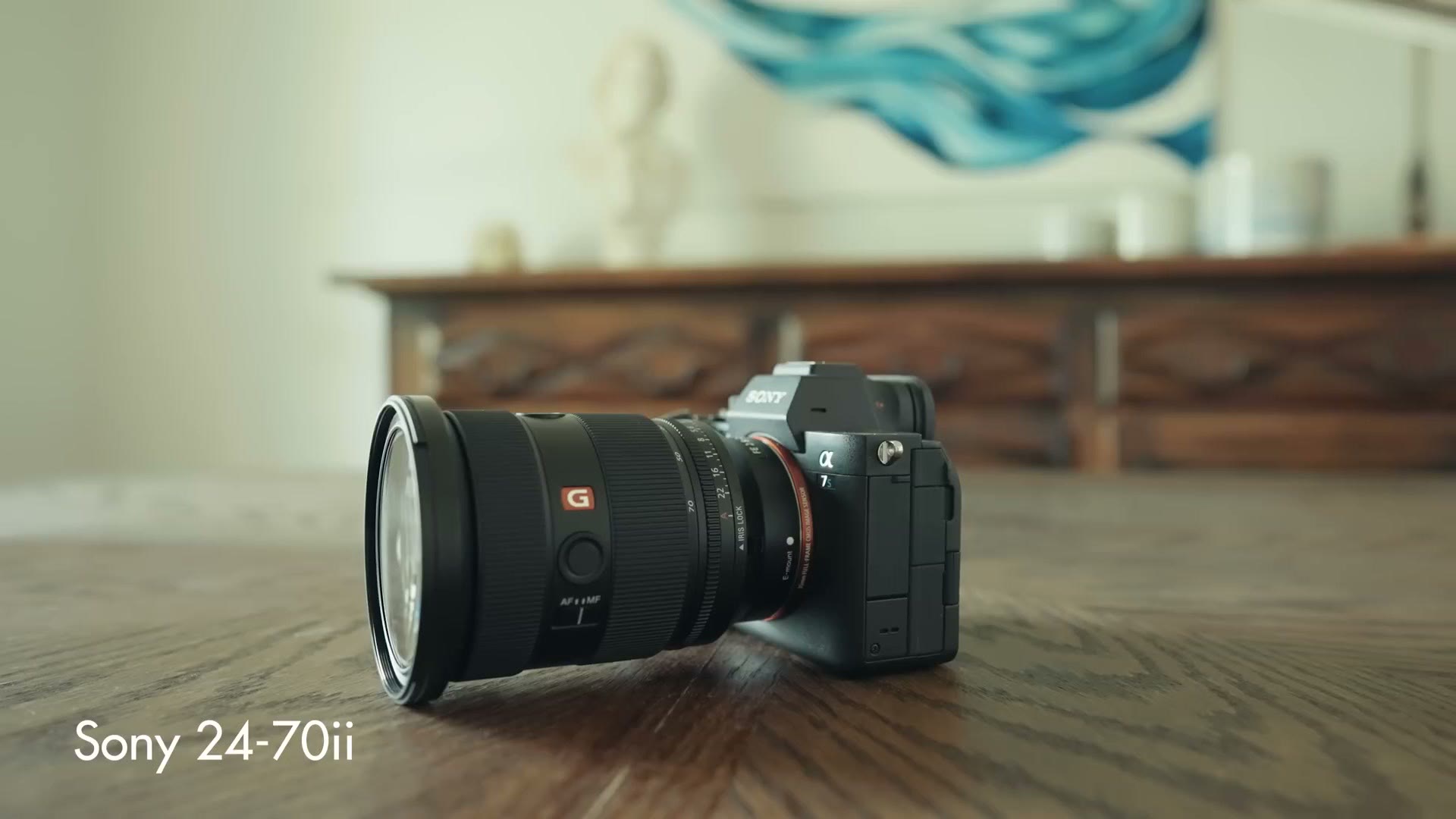
This is Sony’s new 24-70mm GM Mark II, and as the name indicates, it hits both the 24mm and the 50mm I love, plus everything in between and beyond. Is that enough to lure me away from my prime loving ways? Let’s review it from the perspective of a wedding filmmaker, or anyone else filming run and gun documentary style videos.
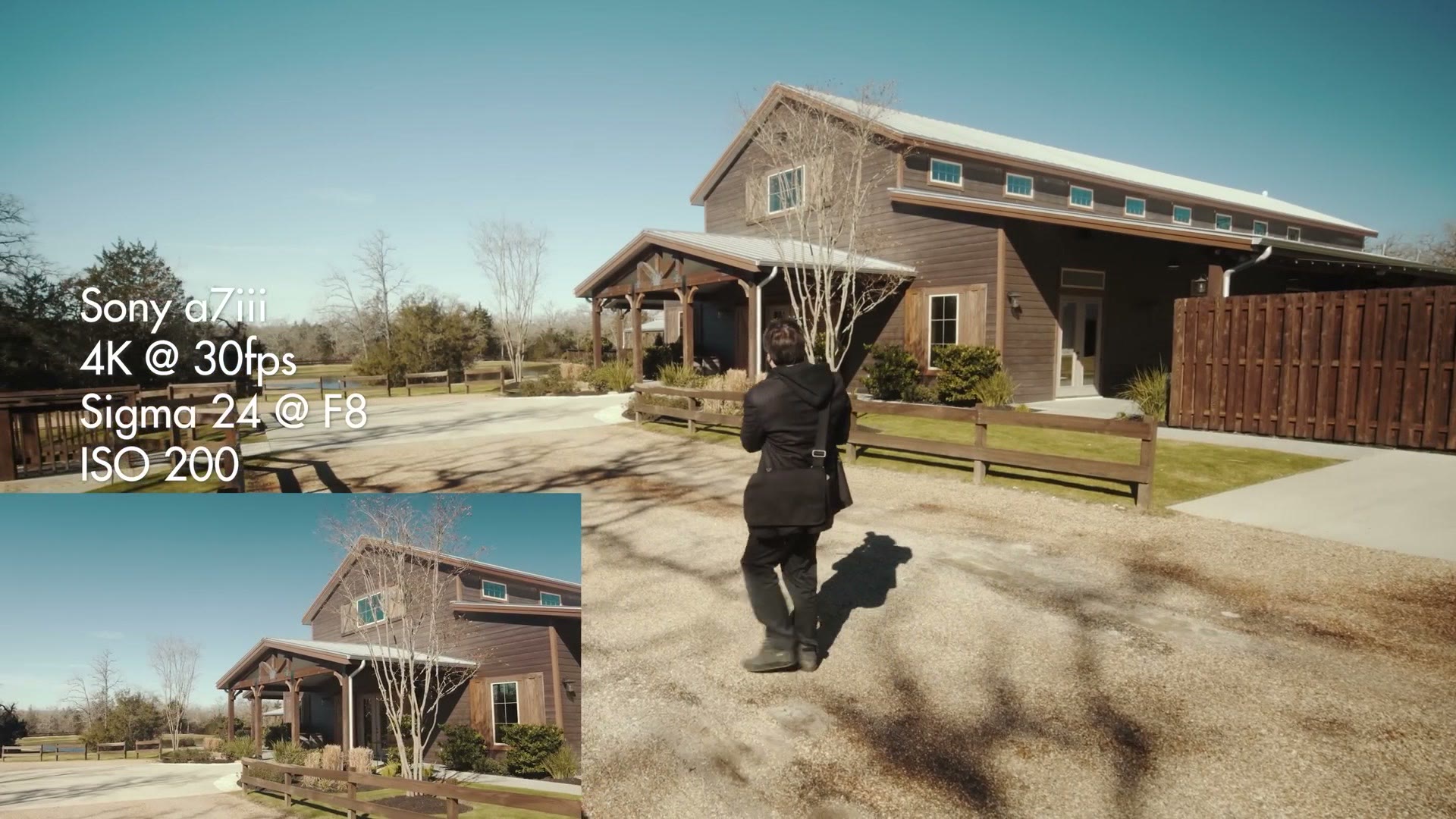
Also, for the sake of ethics, I want you to know this video isn’t paid or sponsored by anyone at Sony. The first time they see it is the first time you see it, and this lens is going back to them very soon.
Why I’m Not A 24-70 Lens Guy
I’ll be honest, I’ve never been a 24-70 guy. I don’t know if that’s a type of guy or not, but if it is, that ain’t me.
One of my first ever gigs was making marketing videos for my college, Texas A&M, and with that gig came access to the cutting edge at the time, a Canon 5D Mark II and a Canon EF 24-70mm. Beautiful full frame bokeh with comparatively soft 1080p video that was still light years ahead of anything else on the market. And after filming with that setup a lot, I found myself loving the camera and disliking the lens.
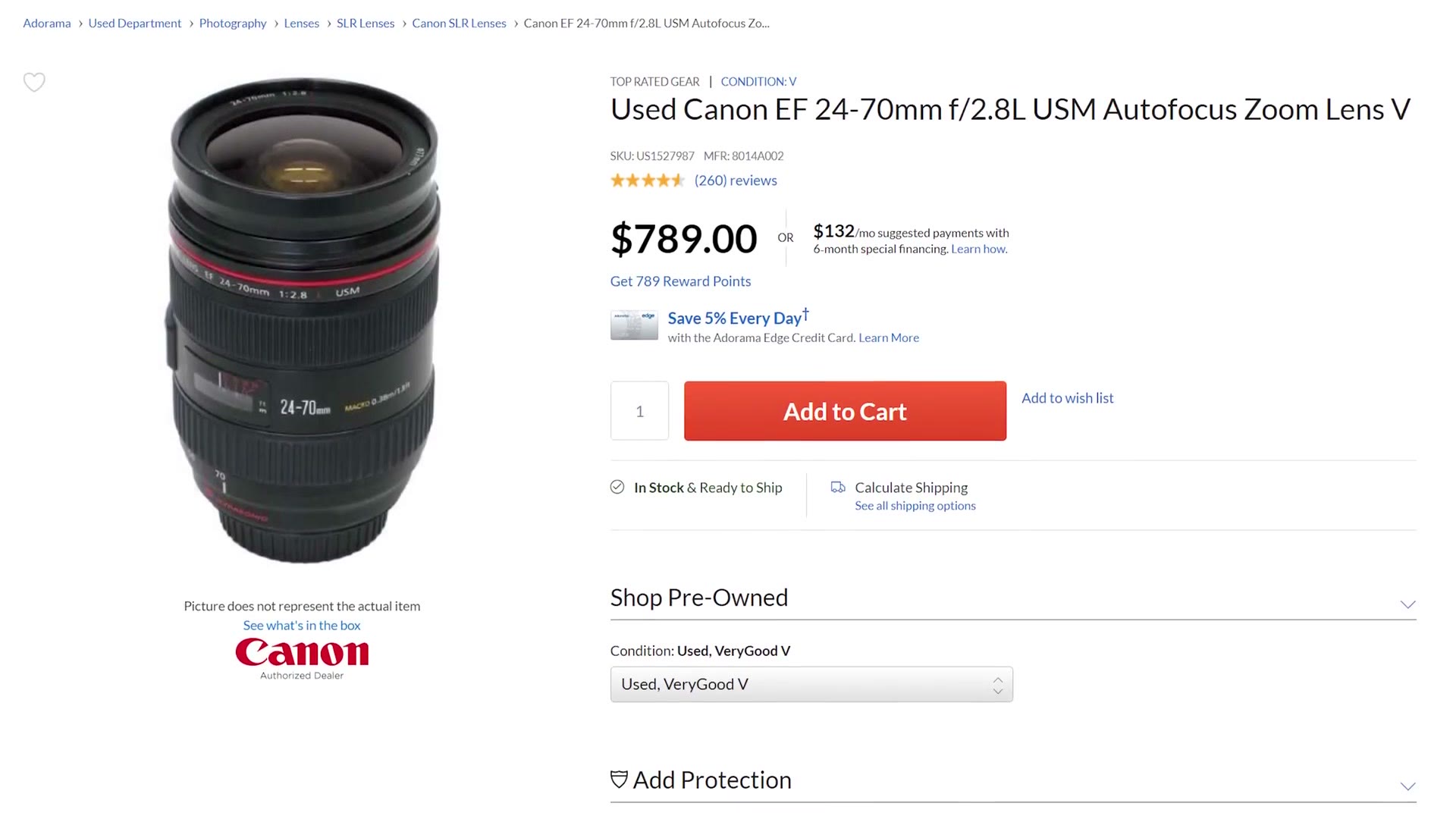
It came down to two things. I didn’t like the size, and I didn’t like the f/2.8 aperture.
On size, that Canon was big, bulky and heavy at 950 grams, which is over two pounds. Throw it on your camera and you could feel your arms tilting forward from the weight, especially with the lens extended. And it was weird about that too. At 24mm the lens was extended, and then whenever you zoomed in it got shorter. It’s like reverse world for Canon or something. I don’t know why they did it that way, but it was bizarre.
Anyways, I was starting to experiment with prime lenses at the time, which were significantly lighter and smaller, and putting that big 24-70 on my camera, even though it was a versatile zoom, made me feel like I was filming slower, because I had to work around the size and weight of it.
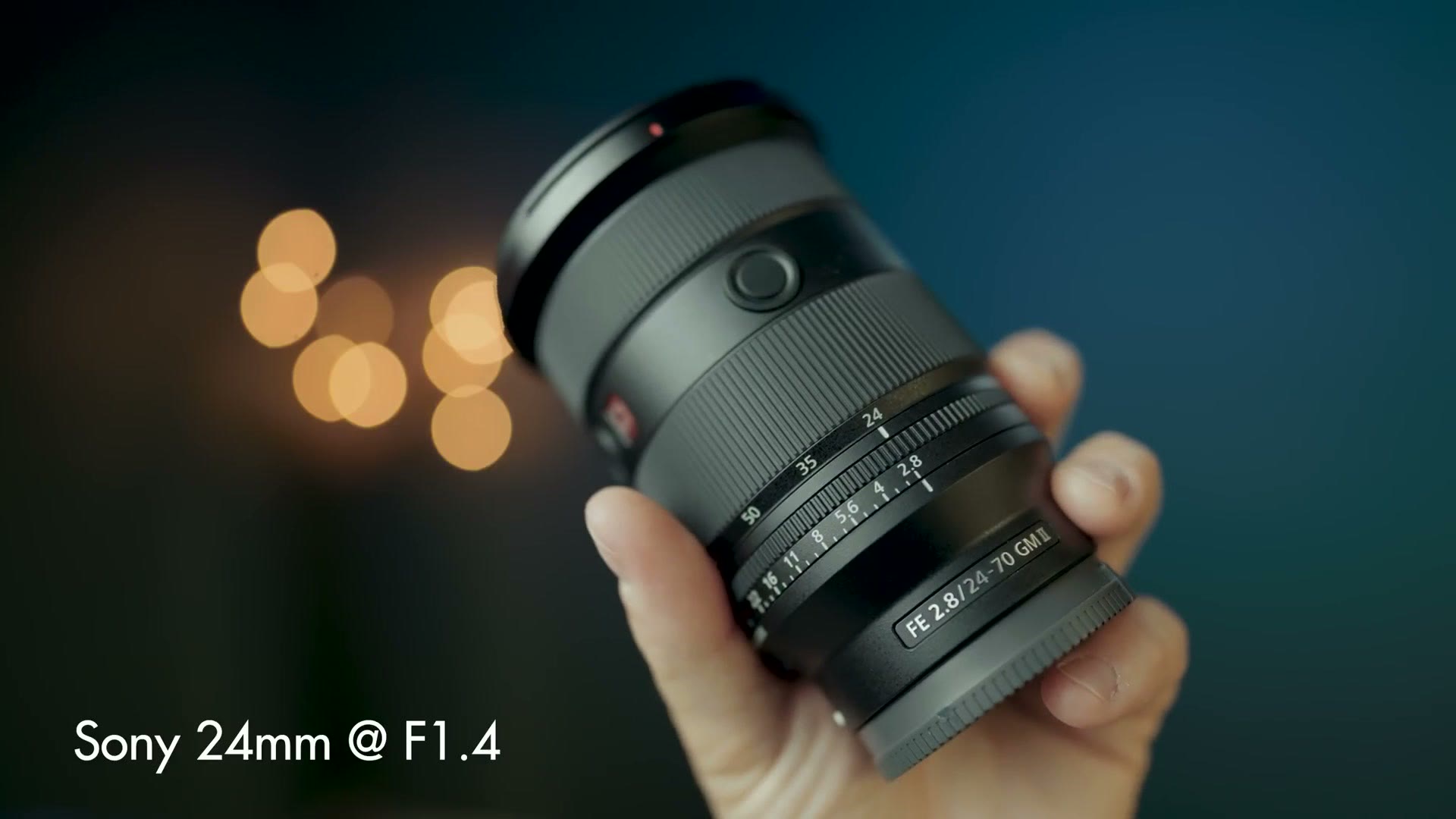
My second issue was that f/2.8 aperture. And look, f/2.8 is reasonably wide, especially compared to something like f/3.5 or f/4 or f/5.6. But once you start playing in the world of f/1.4 primes, f/2.8 isn’t nearly as fun.
So for the last decade plus of filming, I have actively avoided 24-70s. The last time I can even remember bringing one to a wedding was whenever I photographed a wedding for a friend back in 2011, and that was their lens that they wanted me to use.
24-70 Size & Weight
So imagine my surprise whenever Sony reached out and said hey, we have a brand new 24-70. Cue my skepticism. But then they said this is the smallest and lightest 24-70 available on the market today, and suddenly they had my interest, because half of my hangup about this focal length, and the reason I’ve never really recommended it to filmmakers, is the size and weight. If they fixed that, this might be a much more viable all around option that I can actually get behind.
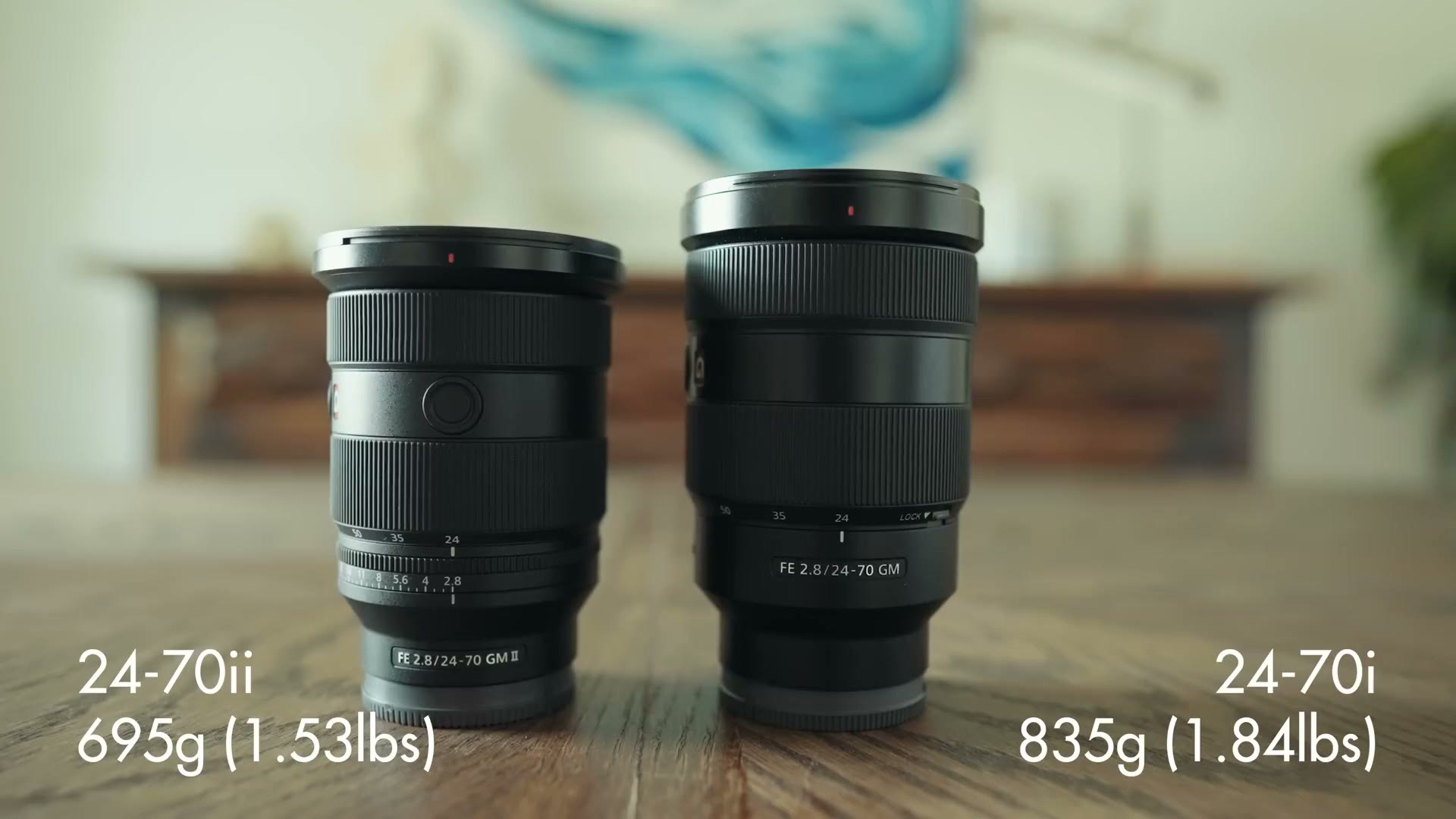
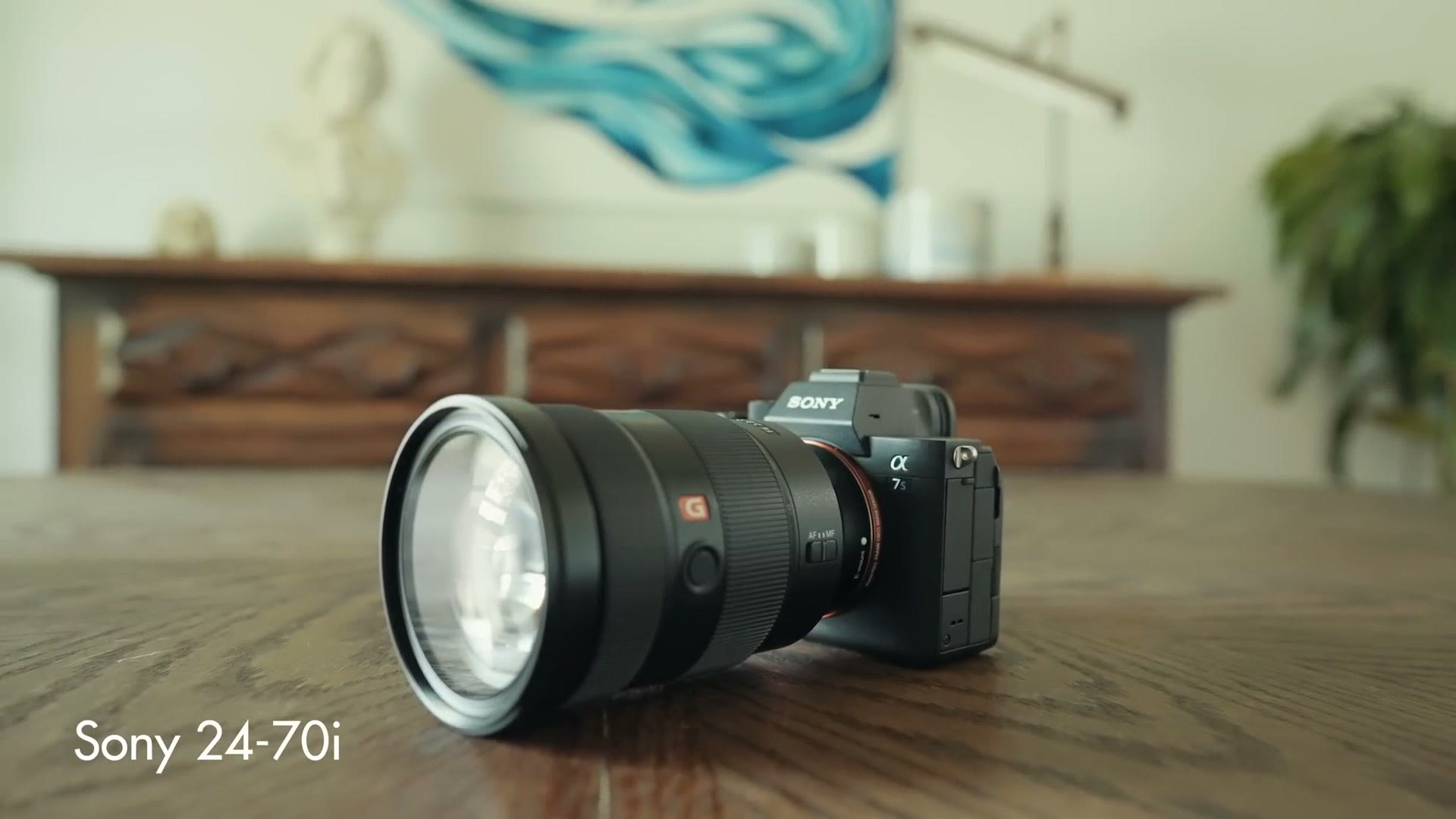
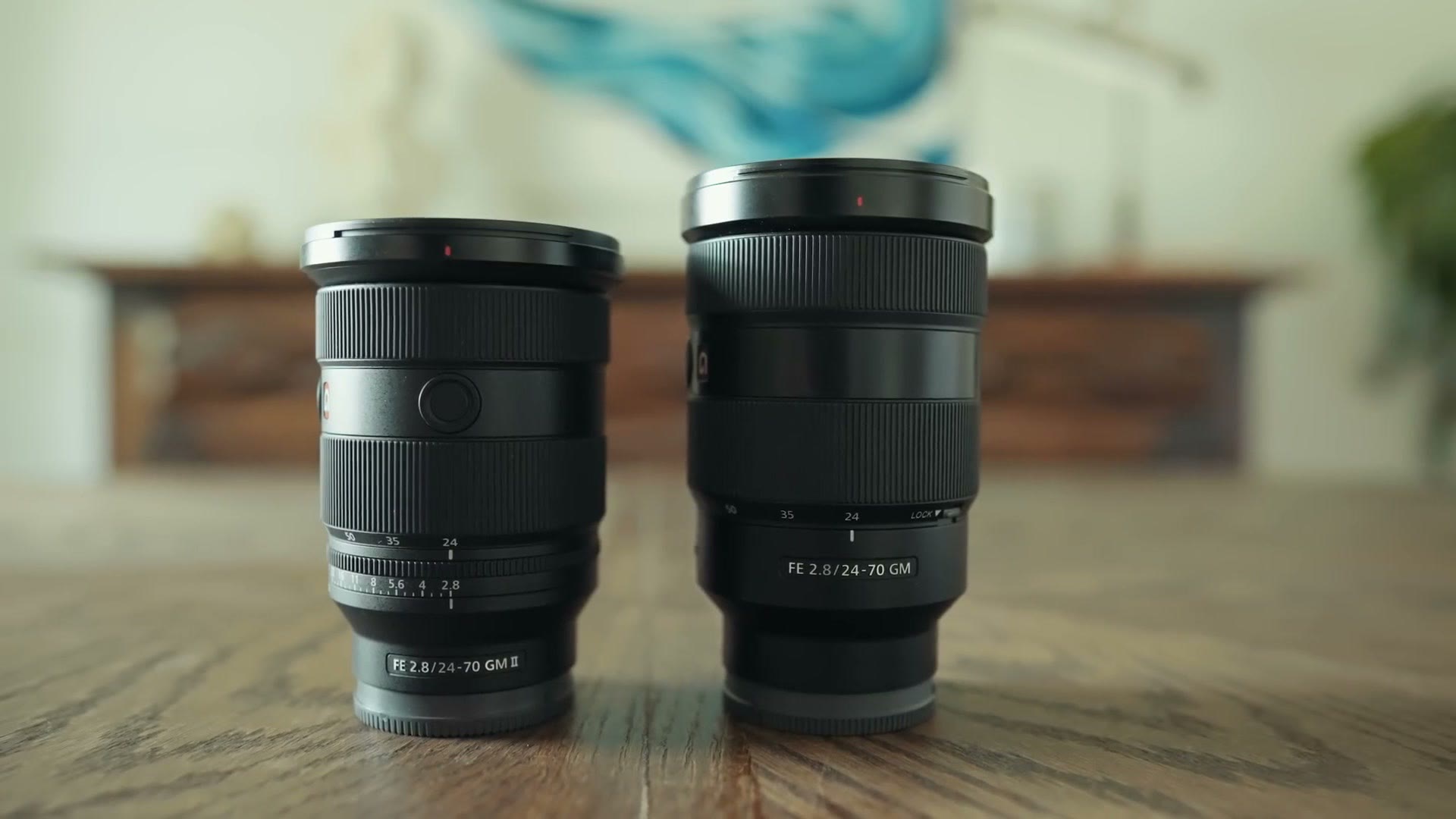
I don’t still have that Canon to compare against, but I do have something close, which is the Mark I version of the Sony 24-70. And as you can see, that lens is pretty big. It’s also heavy at 835 grams, and I’m not in love with the idea of having it attached to my camera all day.
Here’s the Mark II next to it. It’s about 20% smaller, less bulky, and it comes in at only 695 grams.
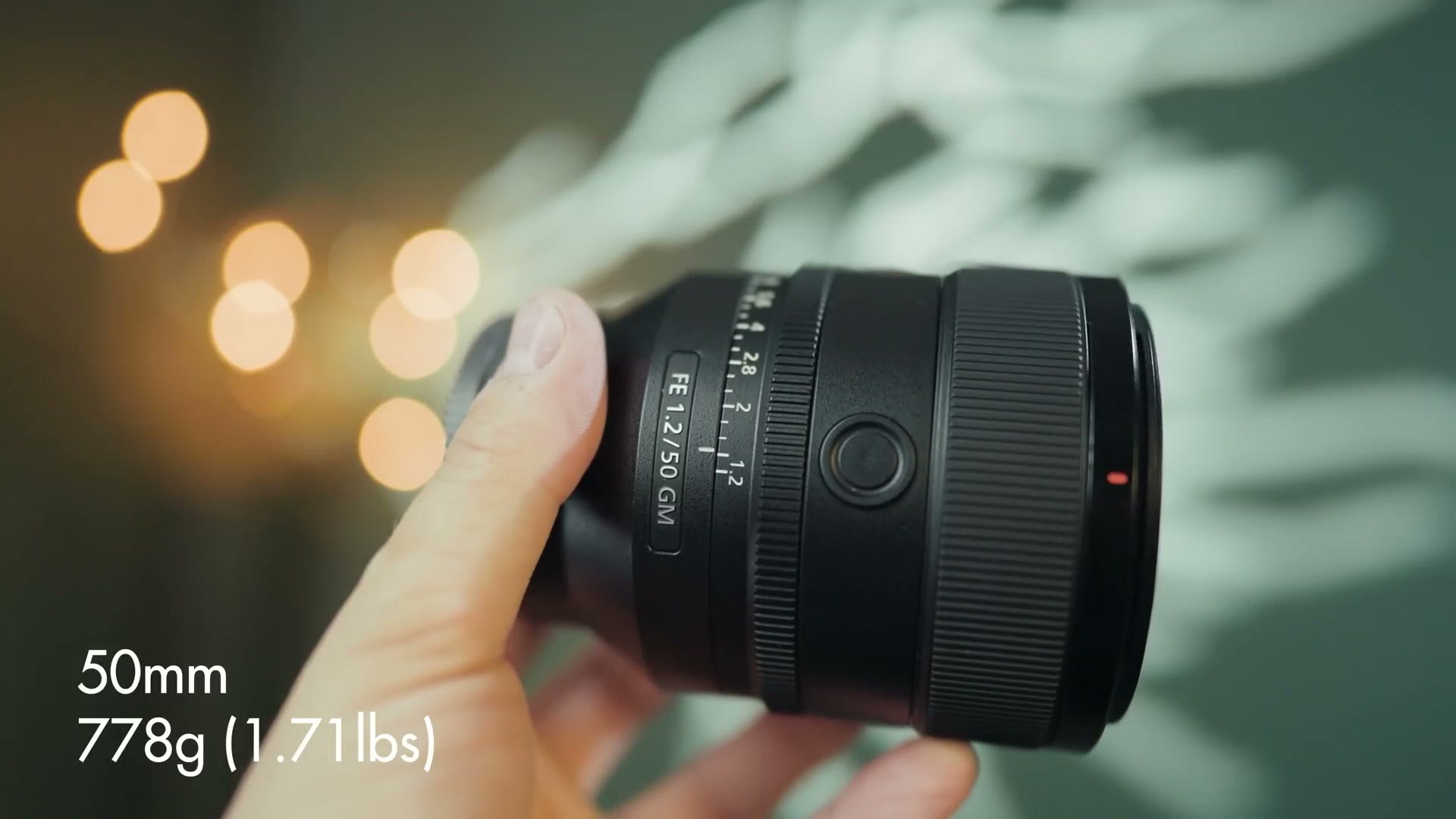
That’s a really nice reduction. For context, even Sony’s new 50mm f/1.2 comes in at 778 grams, so this zoom is nearly a hundred grams lighter than that prime.
And all of that goes a long way toward changing how the lens actually feels to use. With the older Sony 24-70, and with other 24-70s I’ve used, the size made the whole rig feel really front heavy, and I found myself using two hands pretty much the entire time.
With the Mark II it actually feels comfortable to hold in one hand, because the weight is distributed more evenly between the camera and the lens. To be clear, fully zoomed to 70mm you’re going to want two hands. But if you’re filming a wedding all day and you don’t want your arms to be exhausted, this goes a long way toward making your job easier.
Fancy New Features
This lens also has all of Sony’s newest technology that they’ve been putting in their newer GM lenses. So you get a manual aperture ring with a switch to make it clickless, and two programmable buttons.
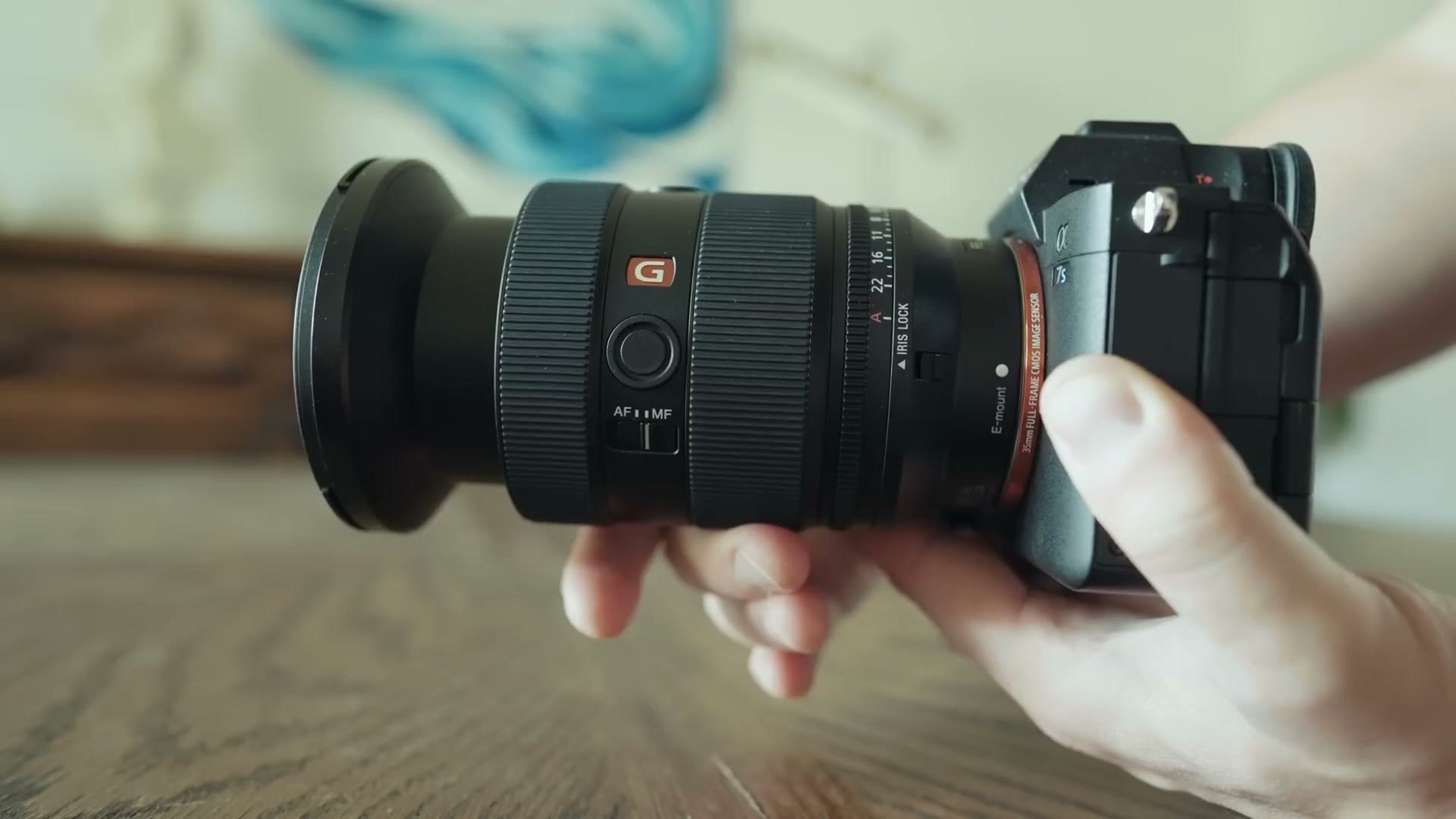
Like so many other lenses now it’s focus by wire with electronic focus, but it’s incredibly fast and I never noticed any lag using it.
On focus breathing, this lens supports Sony’s rather magical breathing compensation function found in the a7 IV, which completely removes any breathing with a minimal crop. If your camera doesn’t have that function, in my testing I did see a bit of breathing, but it really wasn’t bad and the lens is totally usable for pulling focus.
Here’s the genuinely new one though. There’s a switch on the side that adjusts how smooth the lens is when it zooms. To be clear, this is not an electronic zoom like Sony’s new 16-35. But with the switch set to Smooth, the zoom ring turns very easily, and with it set to Tight you have to apply a lot more force.
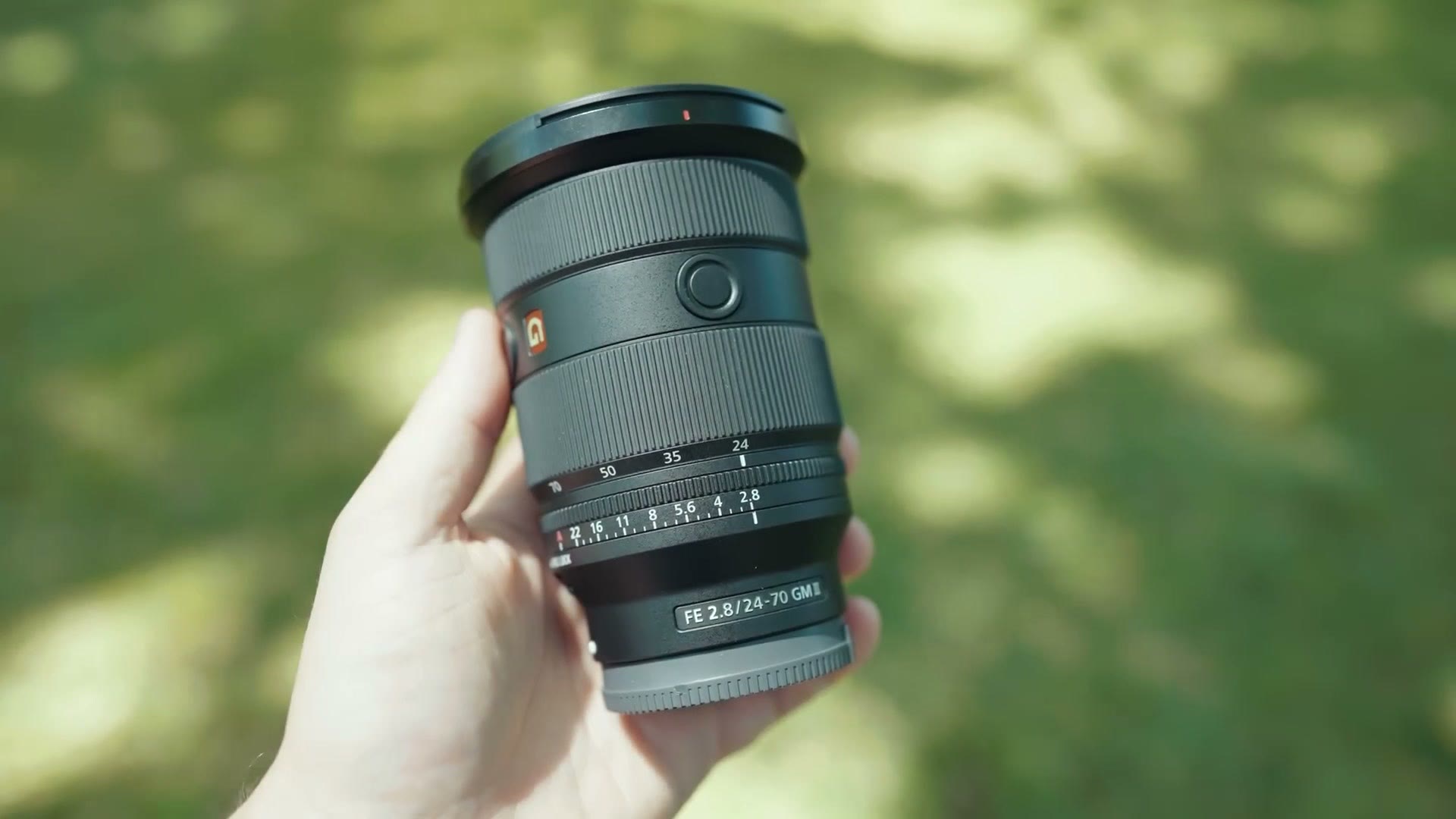
That is really useful for filmmakers, especially if you film in a shaky handheld style, or if you often point your lens up at the sky or down at the ground. With the zoom set to smooth, if I shake the lens a little you can see the focal length actually change on its own, because the zoom is that loose. Flip it to tight and the ring takes significantly more force, which stops the zoom from being changed unintentionally.
And if you like zooming in and out of your shots and you want that zoom to be very smooth, flipping to tight actually gets you a much more controlled zoom transition than you can get on other lenses without this feature.
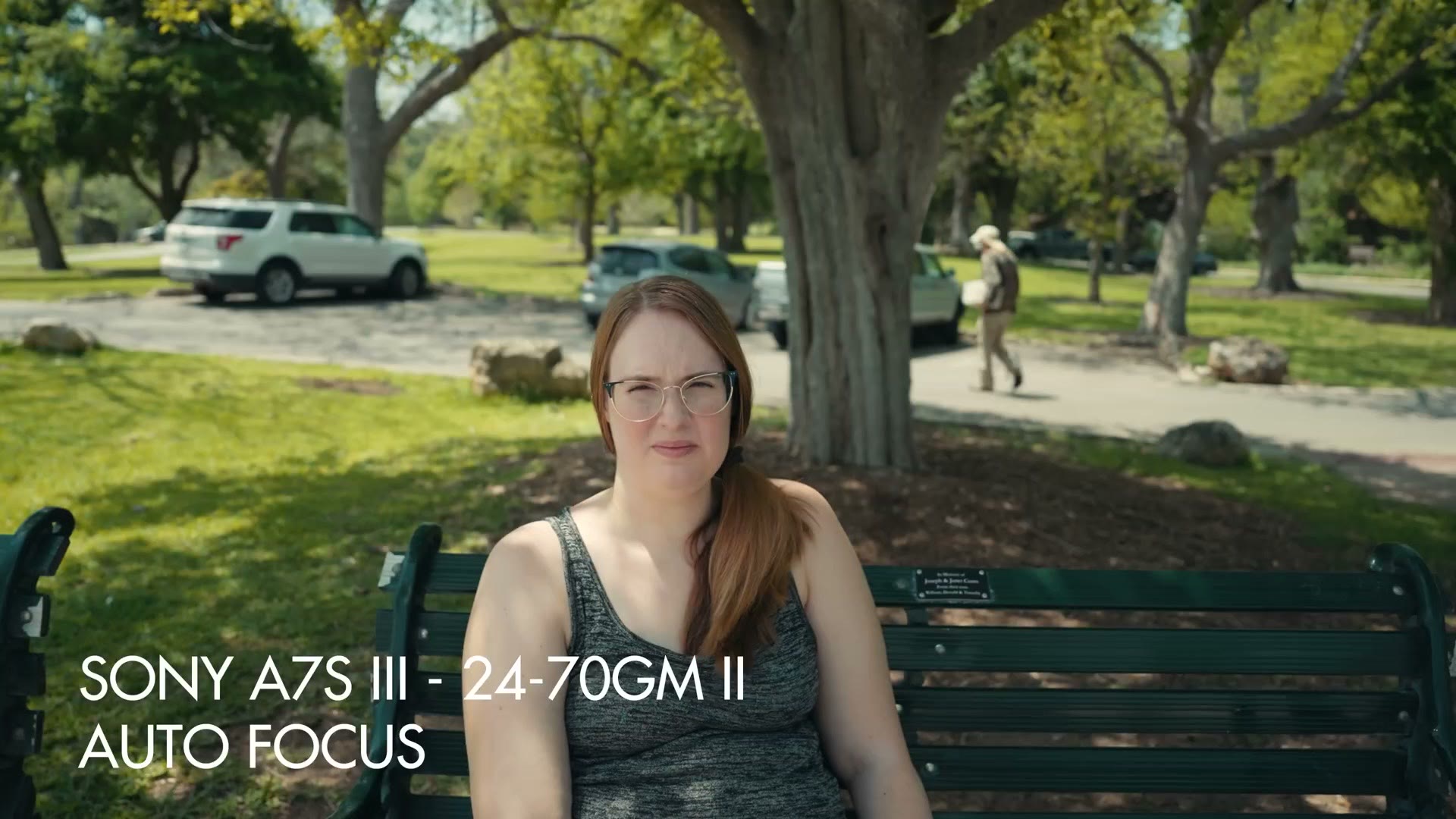
Speaking of autofocus, it’s very fast and accurate with Sony’s newest motors, and it’s great. And filming wide open at f/2.8 it was incredibly sharp, as I’d expect any new zoom to be. Quite crispy.
Con Of The 24-70
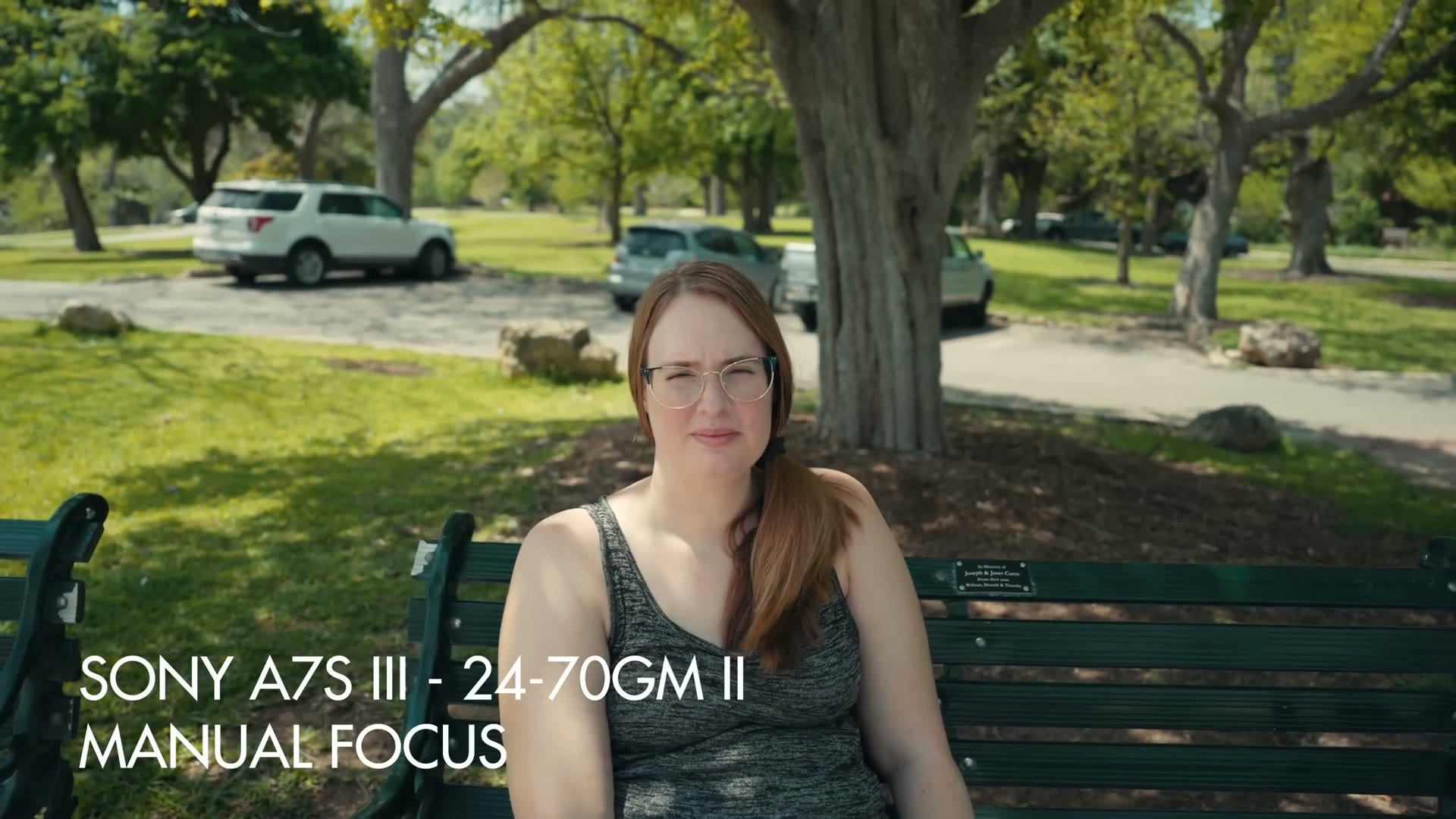
In my testing, this does not appear to be a parfocal lens. What that means is if you set your lens to manual focus, focus on your subject, and then zoom in on them, the shot will not still be in focus once you’re fully zoomed, and you’ll have to adjust to get it back.
Thankfully that only applies to manual focus. With autofocus turned on, the lens keeps your subject in focus throughout the zoom.
Price & Competition
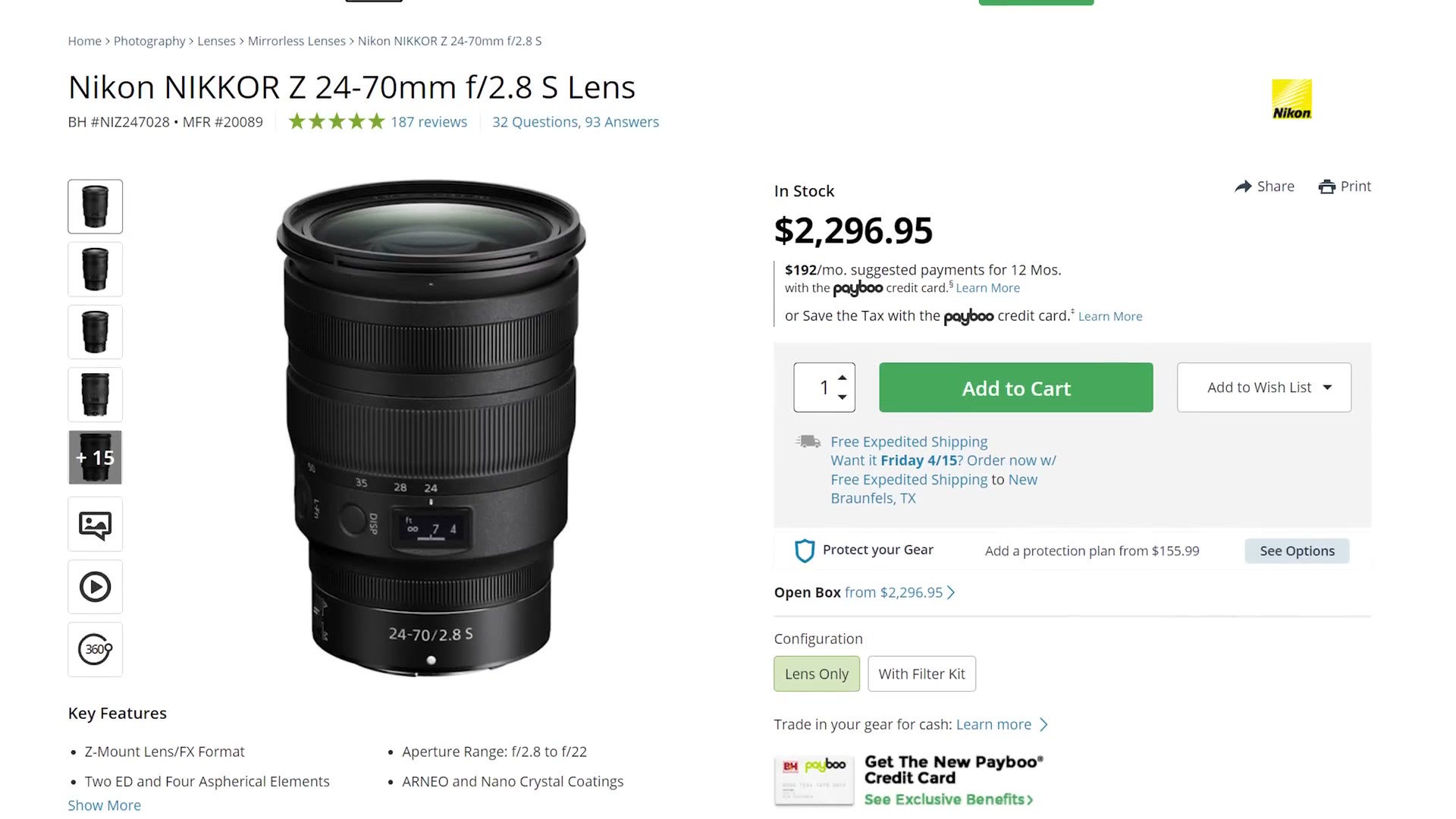
Sony told me this new 24-70 GM II is going to cost anywhere from $2,200 to $2,500. And as I already said, it’s the lightest and smallest 24-70 you can buy today. Whenever you compare it to similarly specced lenses, Sony has priced it right in line with what Canon and Nikon are asking, so I think that’s fair.
Should You Buy It?!
But do I love this lens, as a self proclaimed 24-70 hater who has avoided zooms like this in favor of primes for about a decade now?
I have to say Sony has done a lot right here. Minimizing the size and weight has a big effect on how the lens feels on a camera, and that alone has gone a long way toward convincing me I should consider using a zoom like this in the future.
So should you buy it? This focal range is very versatile, and if you’re someone who films weddings or other documentaries and events solo, where you don’t have the luxury of time to change lenses and you need to move fast, or if you just don’t want to carry multiple lenses and you want one good all in one you can throw on a gimbal to get wide shots and then zoom in for tight shots without ever taking it off the gimbal, which is genuinely possible now because of the size and weight, then I think this is a great choice. Honestly, it’s the best 24-70 you can buy today.
You can grab it at B&H, Adorama, or Amazon.
What About Sigma & Tamron?
The main thing you’re going to have to decide is whether you want the best of the best or whether you’d rather make some compromises to save money.
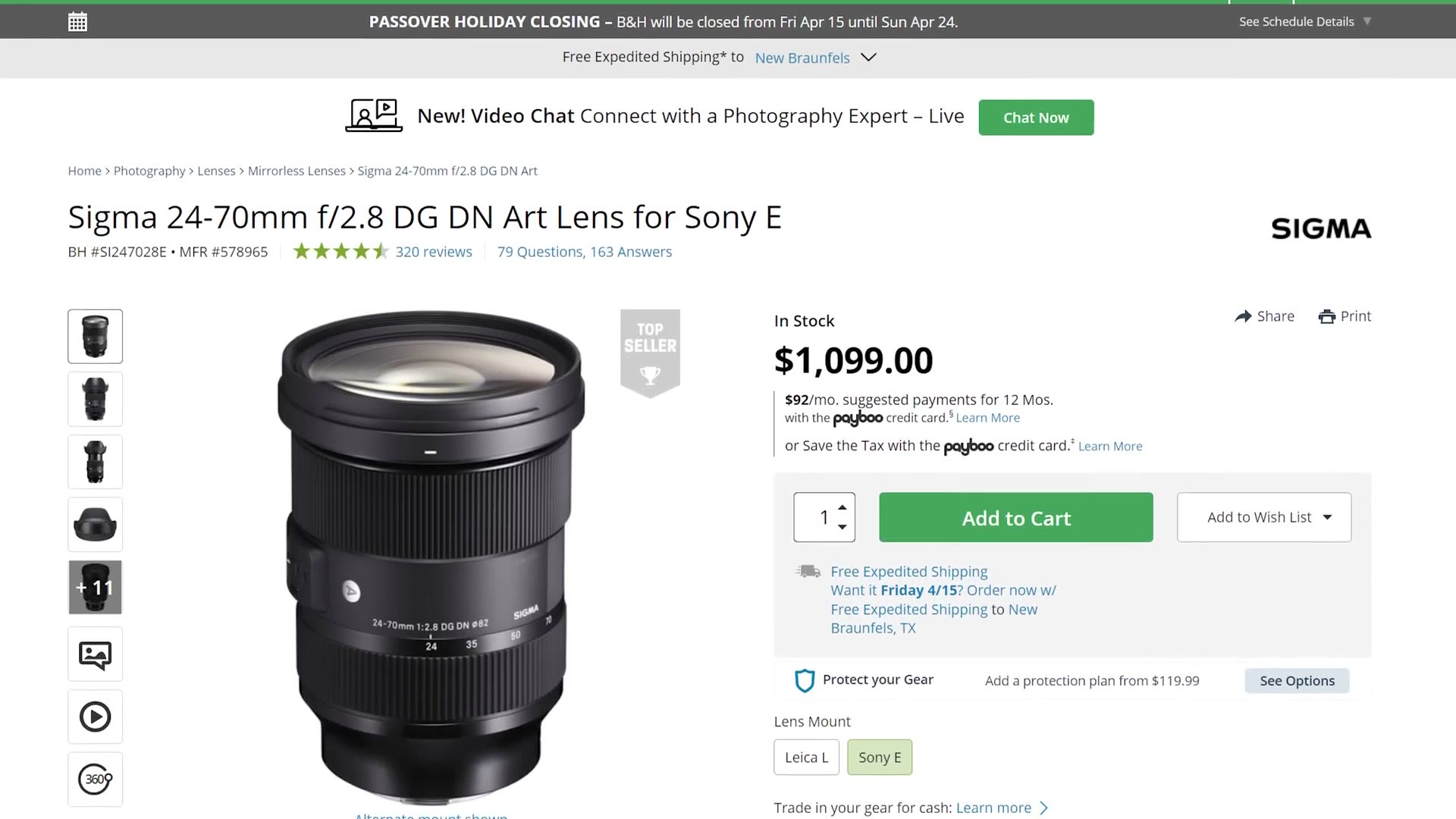
For comparison, the Sigma 24-70mm f/2.8 is about half the price at $1,100, but it weighs significantly more at 835 grams while also being larger overall.
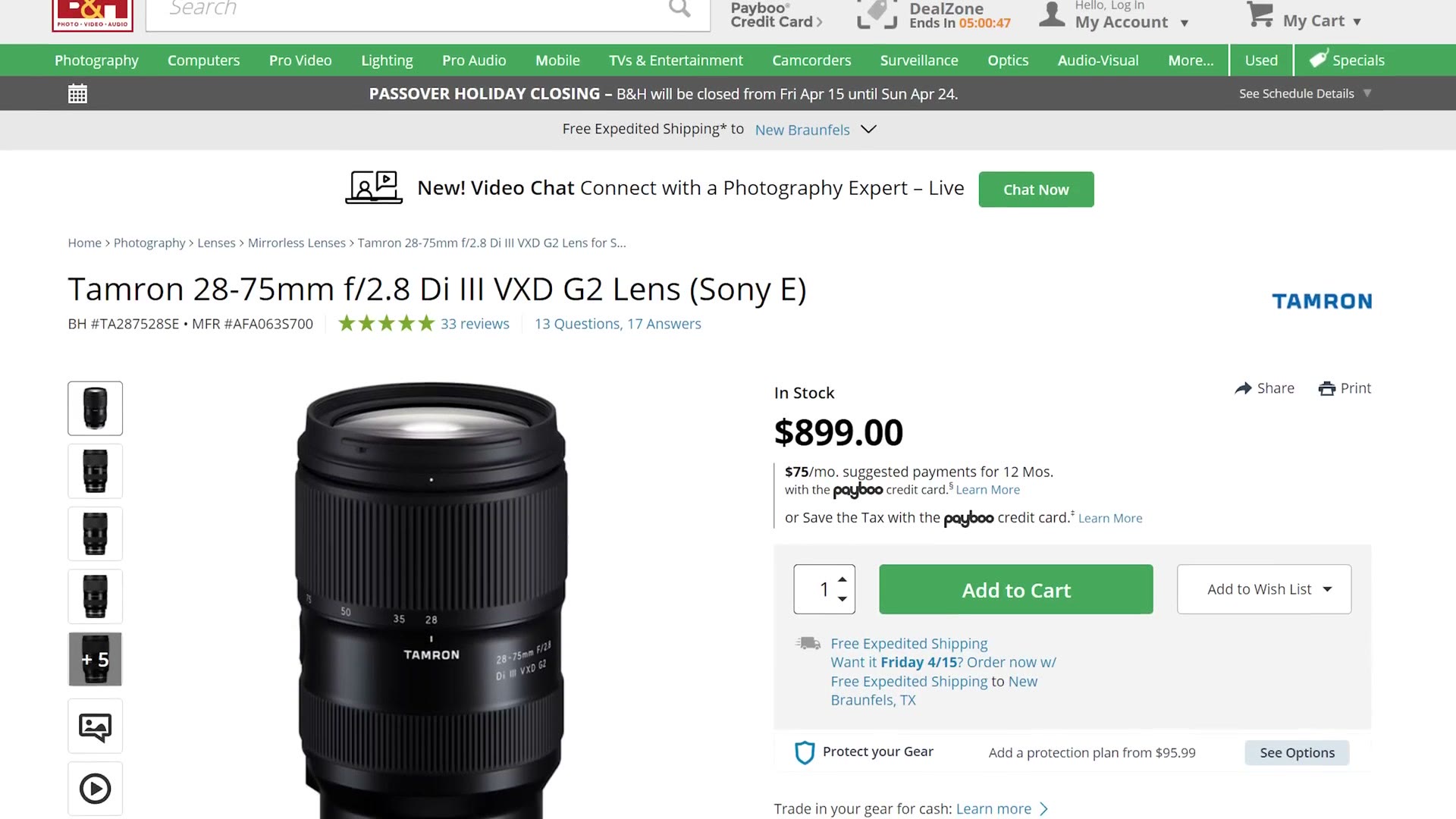
Or you have the Tamron 28-75mm f/2.8, which I know people are going to ask me about so I have to mention it. That one is cheaper at $900 and lighter at 540 grams, but you’re losing four millimeters on the wide end, which is a pretty significant compromise if you want those wide pretty gimbal shots.
So what you buy is going to be up to you. But like I said, I think this new Sony 24-70 is the best 24-70 you can buy today, and it is light years ahead of that old Canon EF 24-70 I started on.
Do You Film Weddings And Use YouTube?
If you’re a wedding filmmaker who uses YouTube like me, and considering you found this post I’m going to assume you do, I’d love to help you out even more. I’ve made a free guide called YouTube Tips For Wedding Filmmakers that walks you through the biggest techniques I use to get more views, subscribers and bookings for my business through YouTube. You can download it completely for free right here.

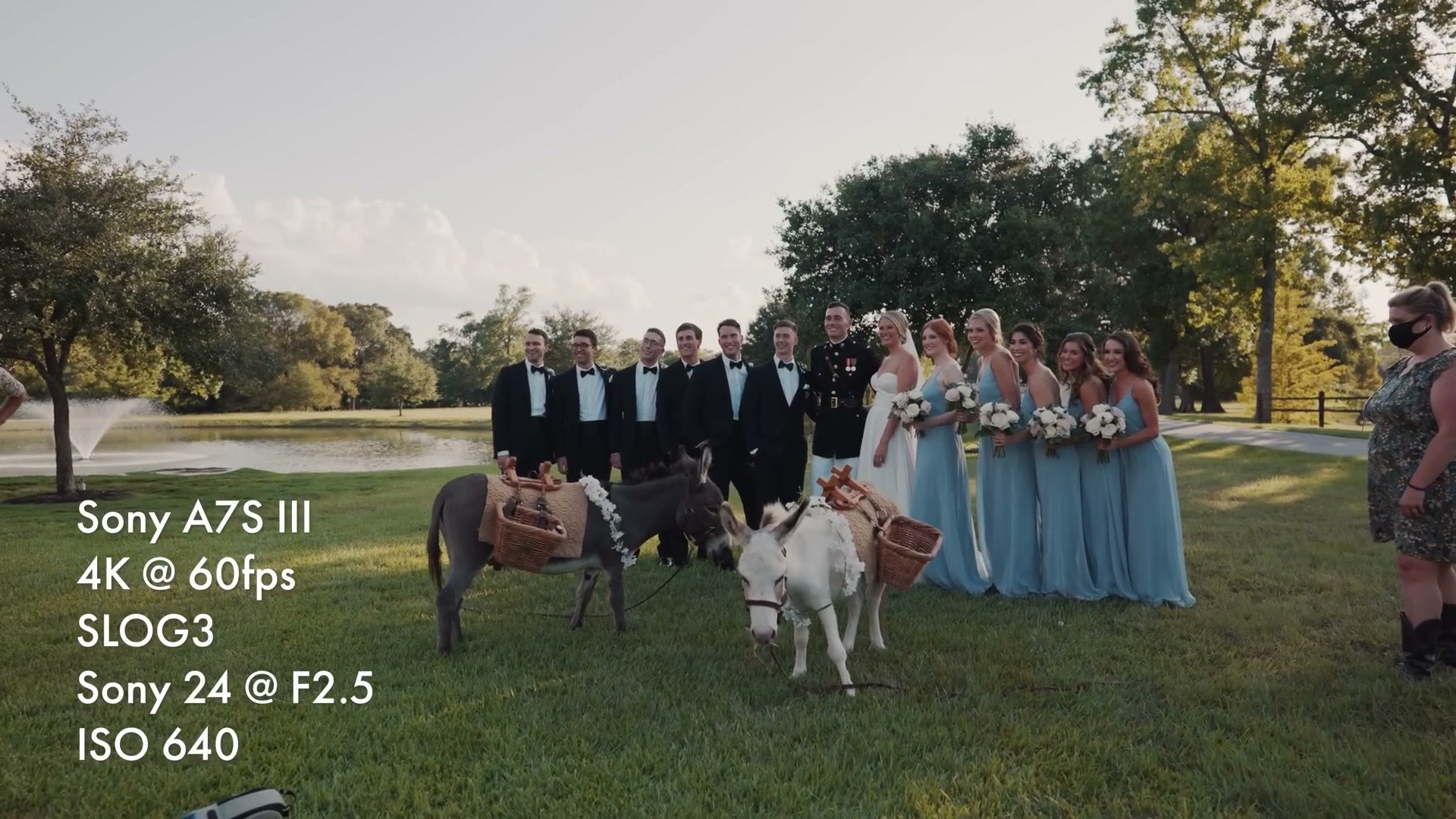
The footage here is graded with my own color presets, which live at whoismatt.com/luts. My full gear list is on kit.co, and I have filmmaking courses if you want to go deeper.
Thanks so much for reading, and have a great day!