
I recently got back from a few days in New York City where I had the chance to get hands on with the new Sony a7R V, so of course I wanted to do a low light test and see how this 61 megapixel, 8K filming beast performs in the dark.
First though, keep in mind that YouTube compression is notoriously awful, and the frames below have been pulled from that compressed video, so treat them as a guide to how bright and how clean each ISO looks rather than the final word on the noise. If you want the real answer, download a few of these clips uncompressed for free and pixel peep them yourself.
Camera Settings And Lenses
I filmed all of this from my hotel room at about 1 a.m., so this is about as dark as New York City gets. Everything was shot in 4K XAVC HS at 24fps with a 1/50 shutter, in S-Log3, with a vintage Zeiss Contax 50mm at f/1.4.
I could have filmed in 8K, but I feel like 99% of filmmakers are going to be using 4K and I wanted this to be as real world as possible. And I know these shots are not pushing the dynamic range at all, so S-Log3 is not strictly necessary, but considering most people are buying this camera to film in S-Log3, it made sense to test in it.
ISO 800 To 2000
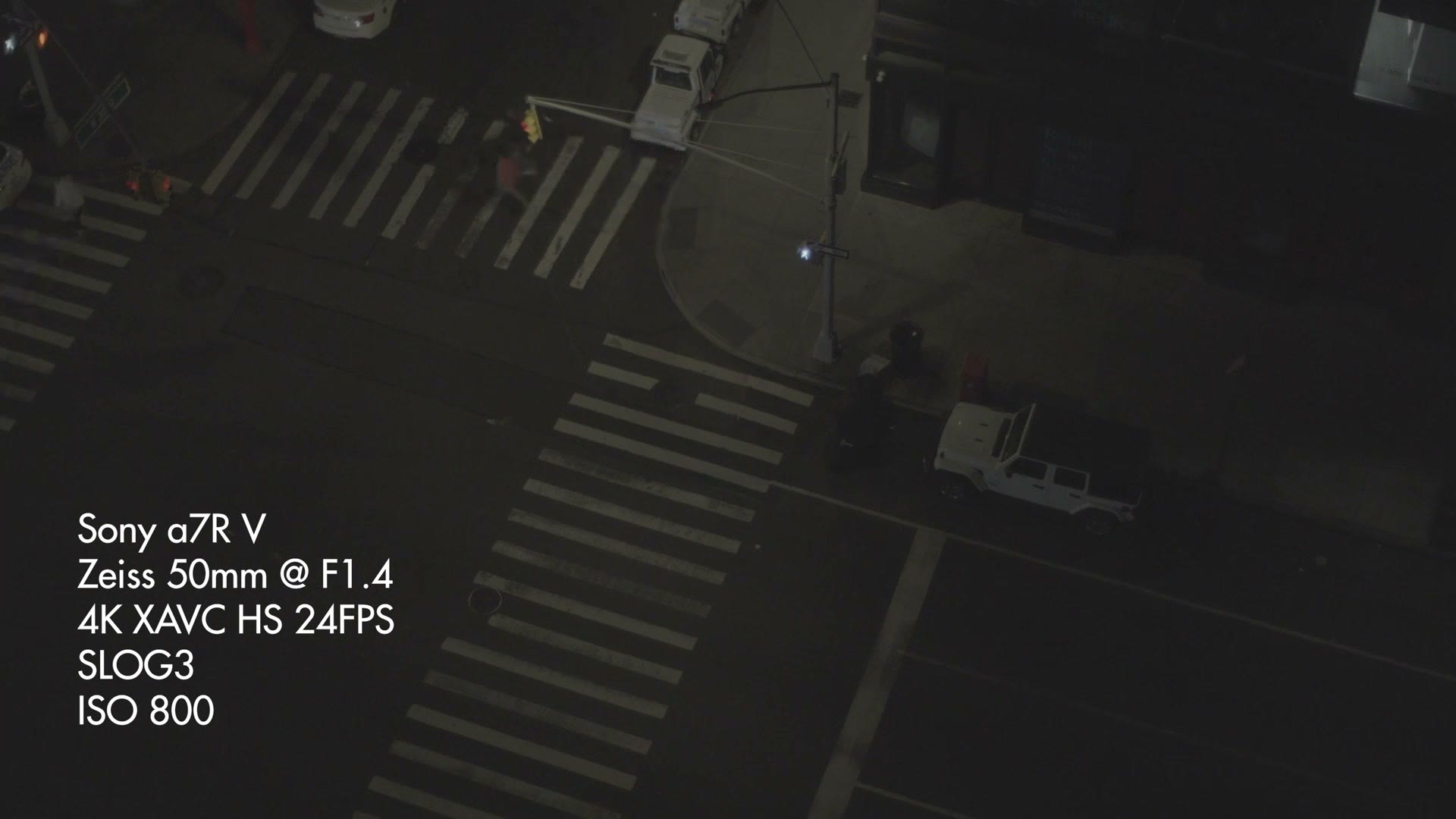
ISO 800 is one of the two base ISOs of this camera, and it is quite clean but also quite dark. Let’s bump up the brightness.
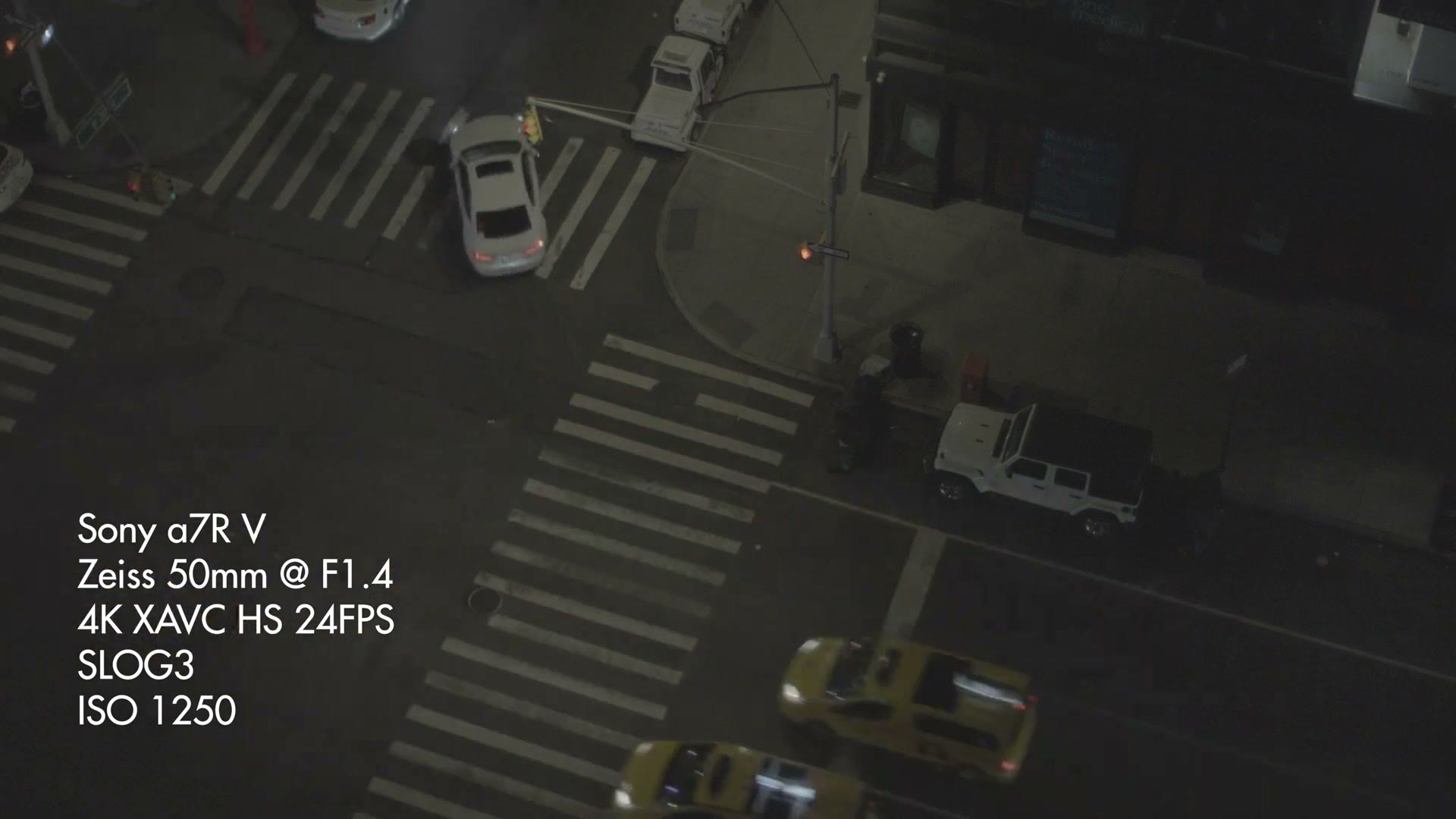
ISO 1000 is still dark. ISO 1250 seems to be working better with the car headlights driving through.
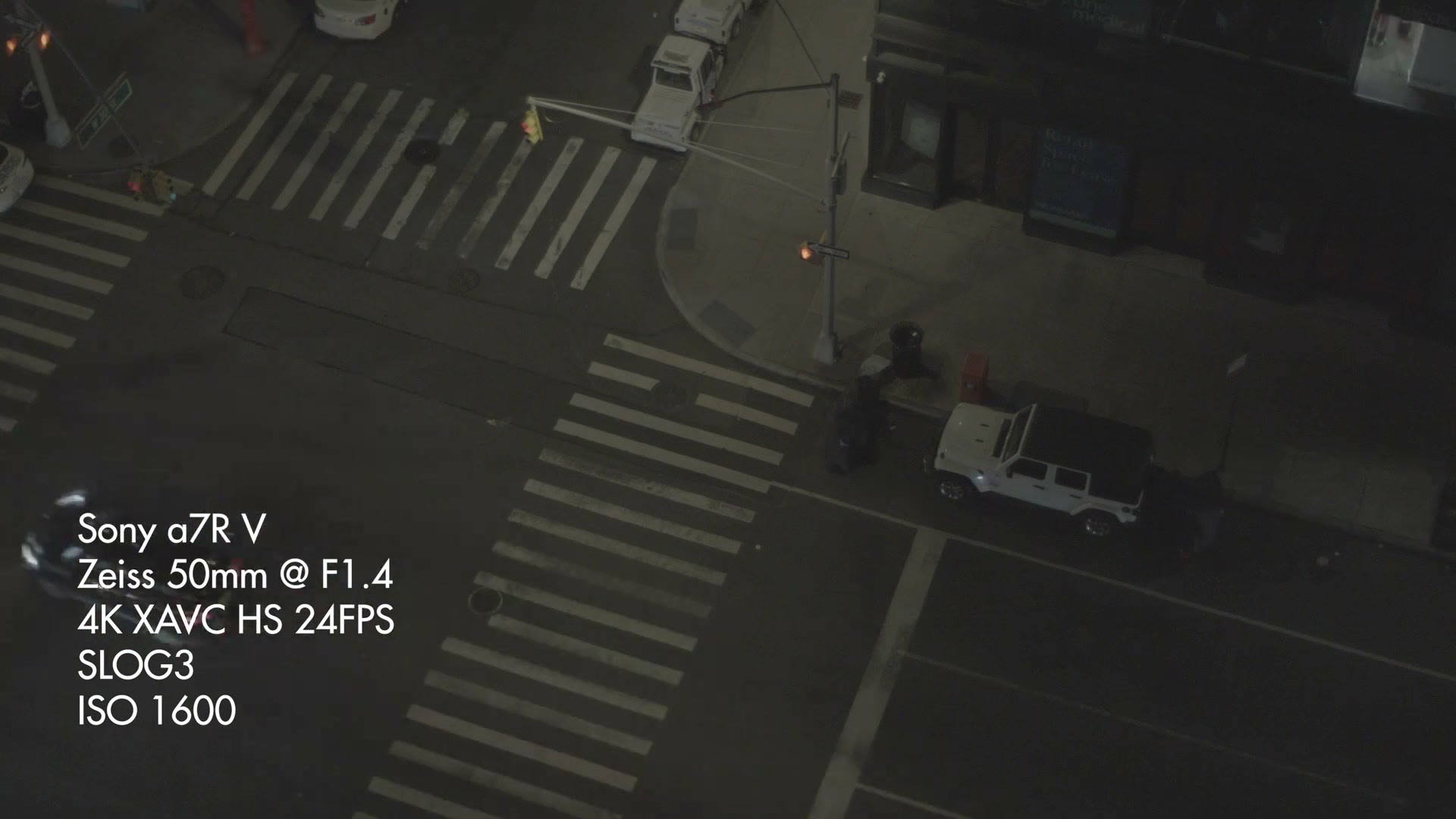
ISO 1600 is still looking clean.
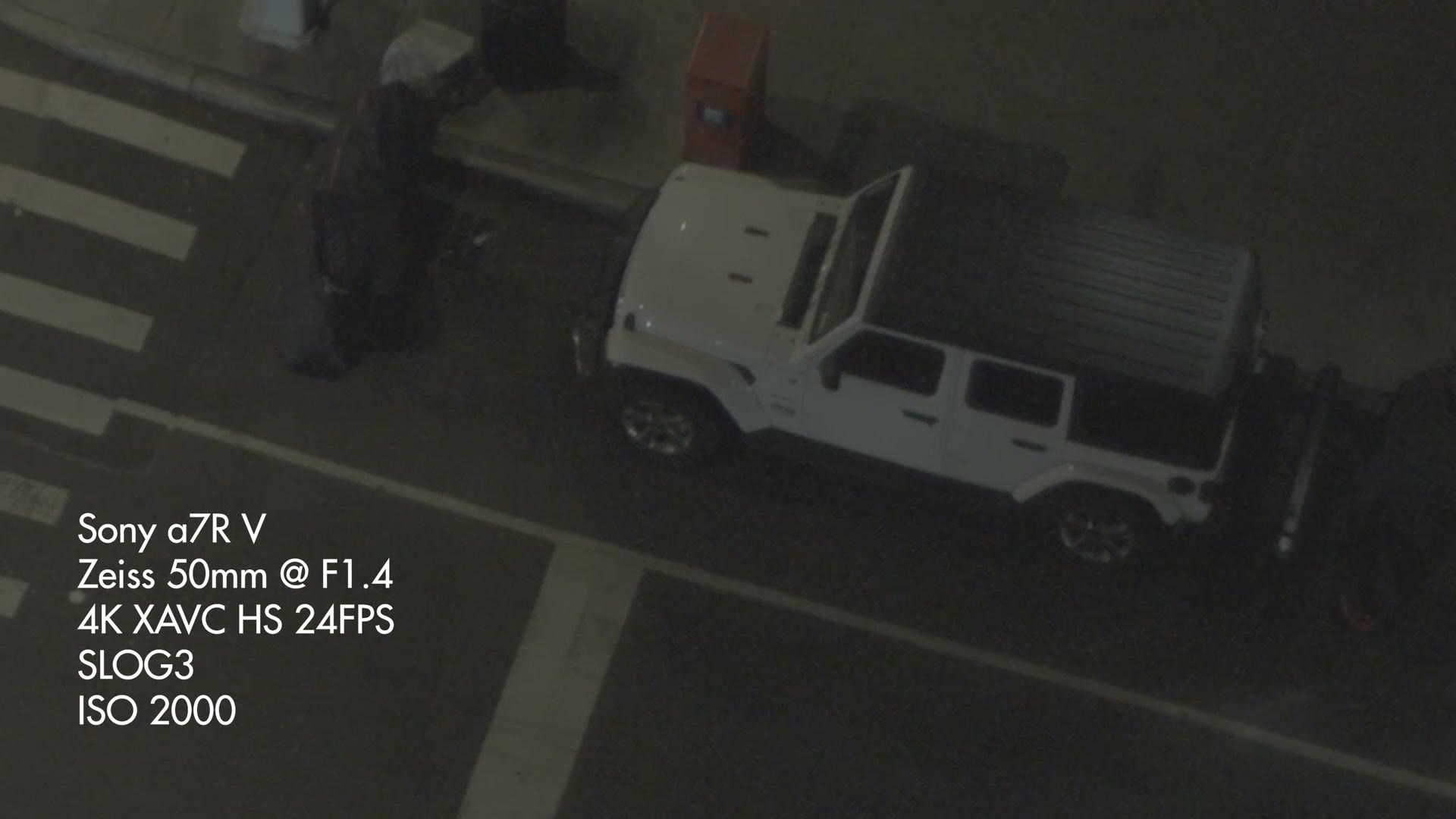
And then ISO 2000, which happens to be right below the second dual native ISO of this camera at 2500. So if you are going to pixel peep for noise at the lower ISOs, this is the level I would do it at. To me it still looks good and relatively noise free.
ISO 2500, The Second Native ISO
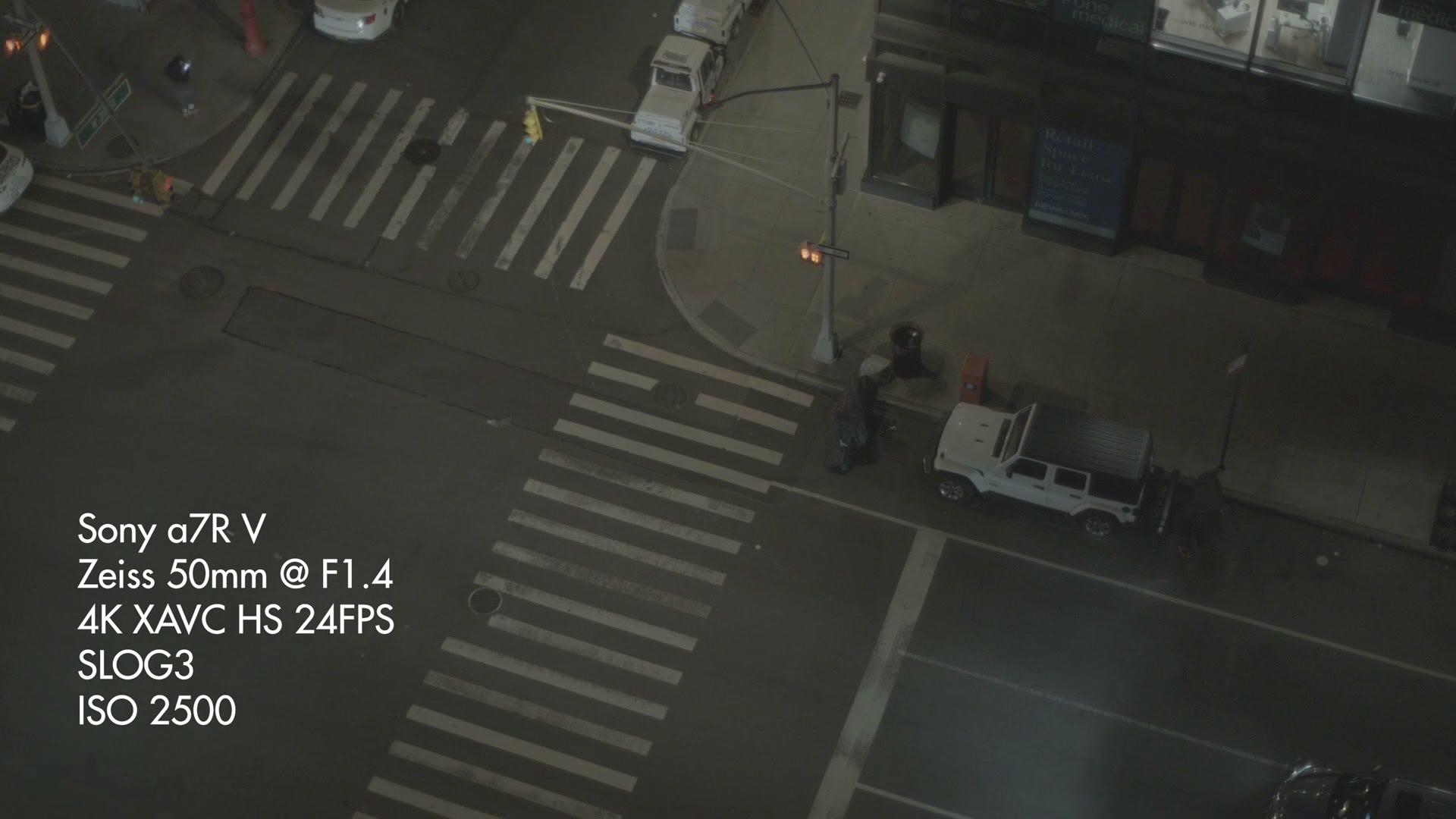
Next we get up to the second native ISO, 2500, which looks very clean. No complaints about this level at all. Things are still pretty dark, but it is definitely usable. So let’s go brighter.
ISO 3200 To 10,000
ISO 3200 looks great.
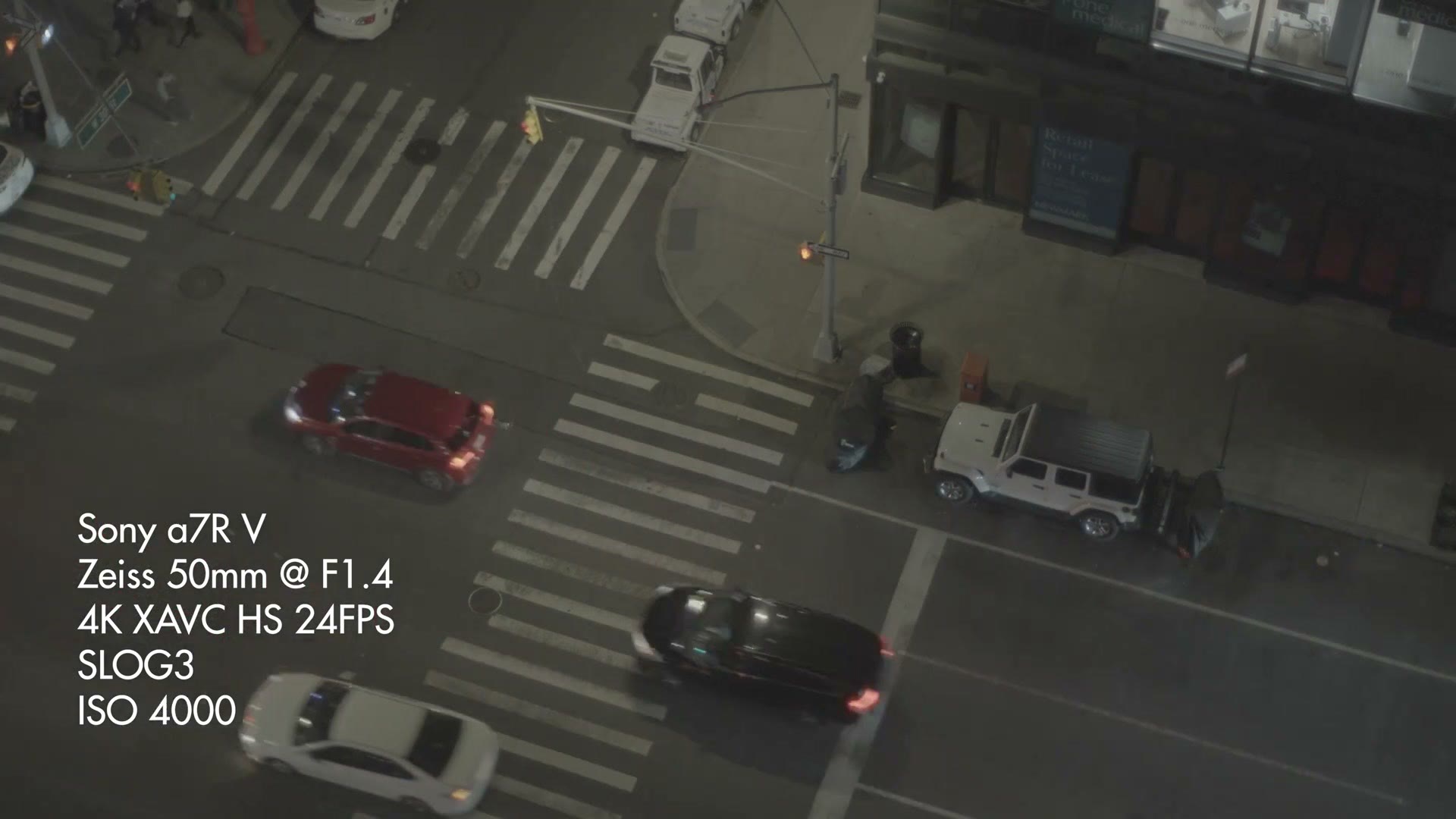
And here comes ISO 4000, which to my eyes is finally giving us some detail in the shadows in the upper right of the image. This is probably the minimum I would expose this footage at if I was actually trying to film with it.
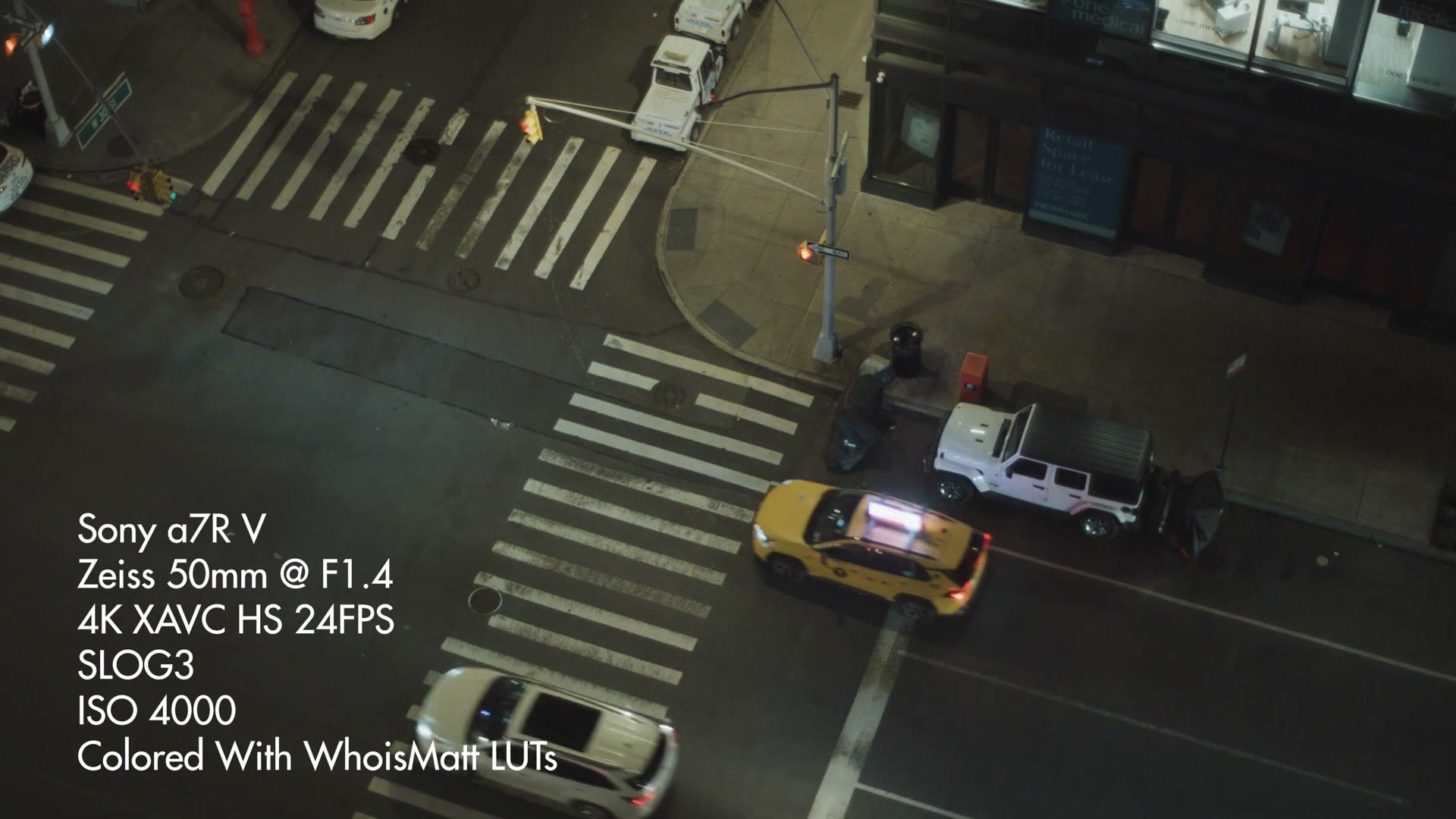
Let’s put a grade on it. In this case that is one of my color presets, and while things are still a bit dark, the colors are looking good.
ISO 5000, back to the ugly ungraded image, and I am still not seeing a ton of noise, which is great.
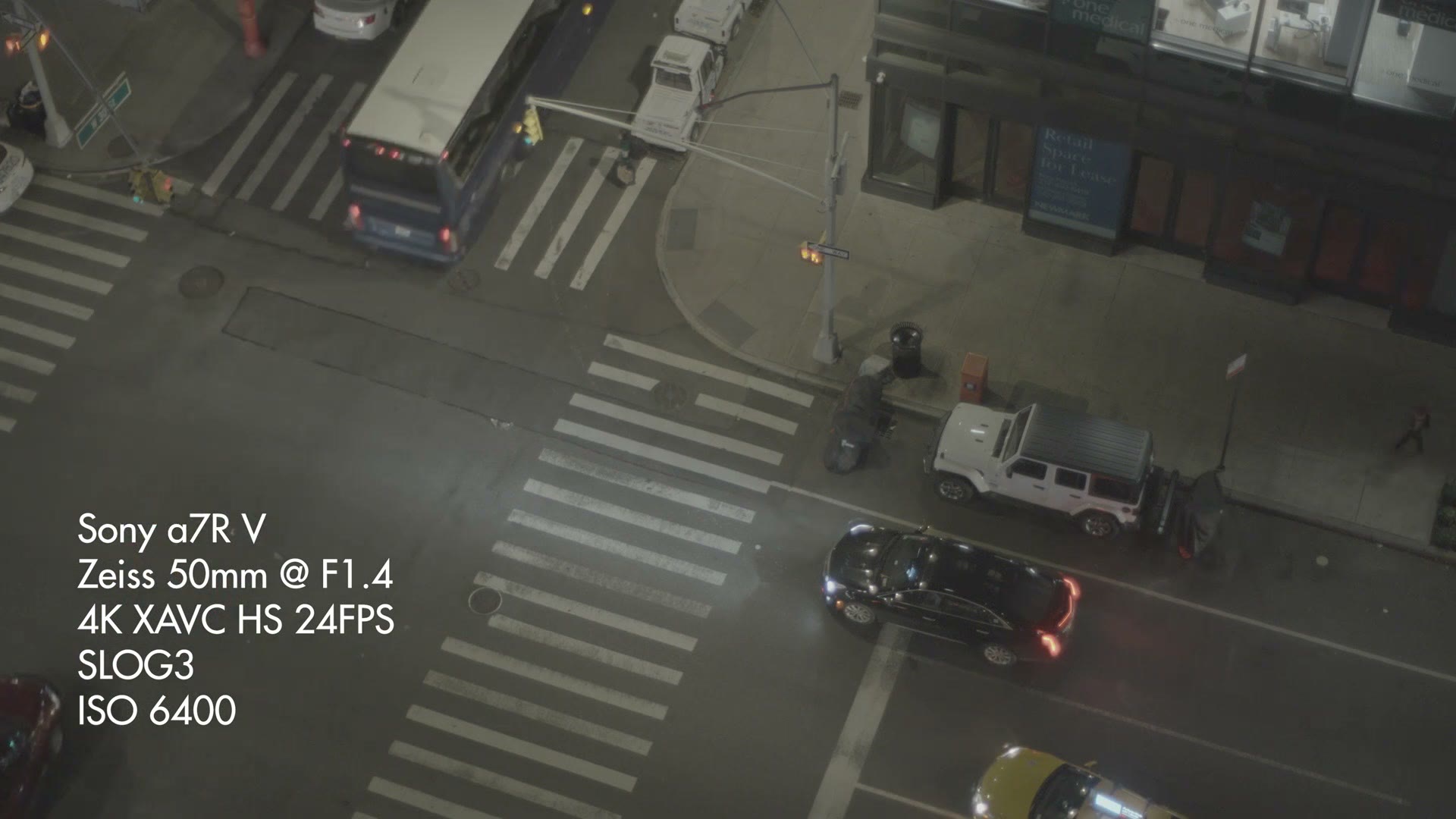
ISO 6400 is here, and it is funny, because I remember my old Canon 7D, which maxed out at ISO 6400 and had the most disgusting noise at that level. Here we are a decade and a few years later and things have really improved, with this ISO being completely usable.
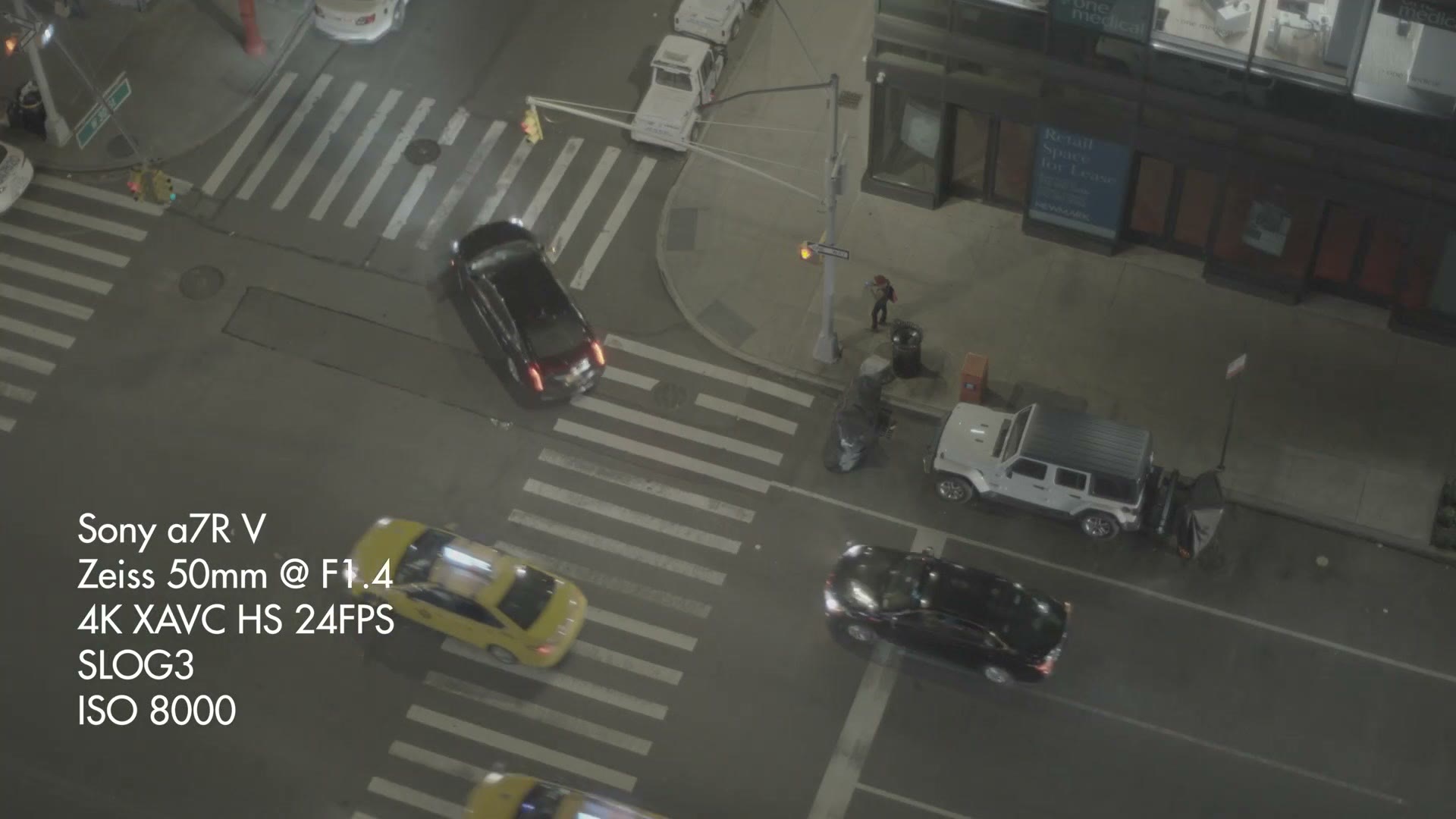
ISO 8000 is also great to my eyes, and I would have no qualms about using it either.
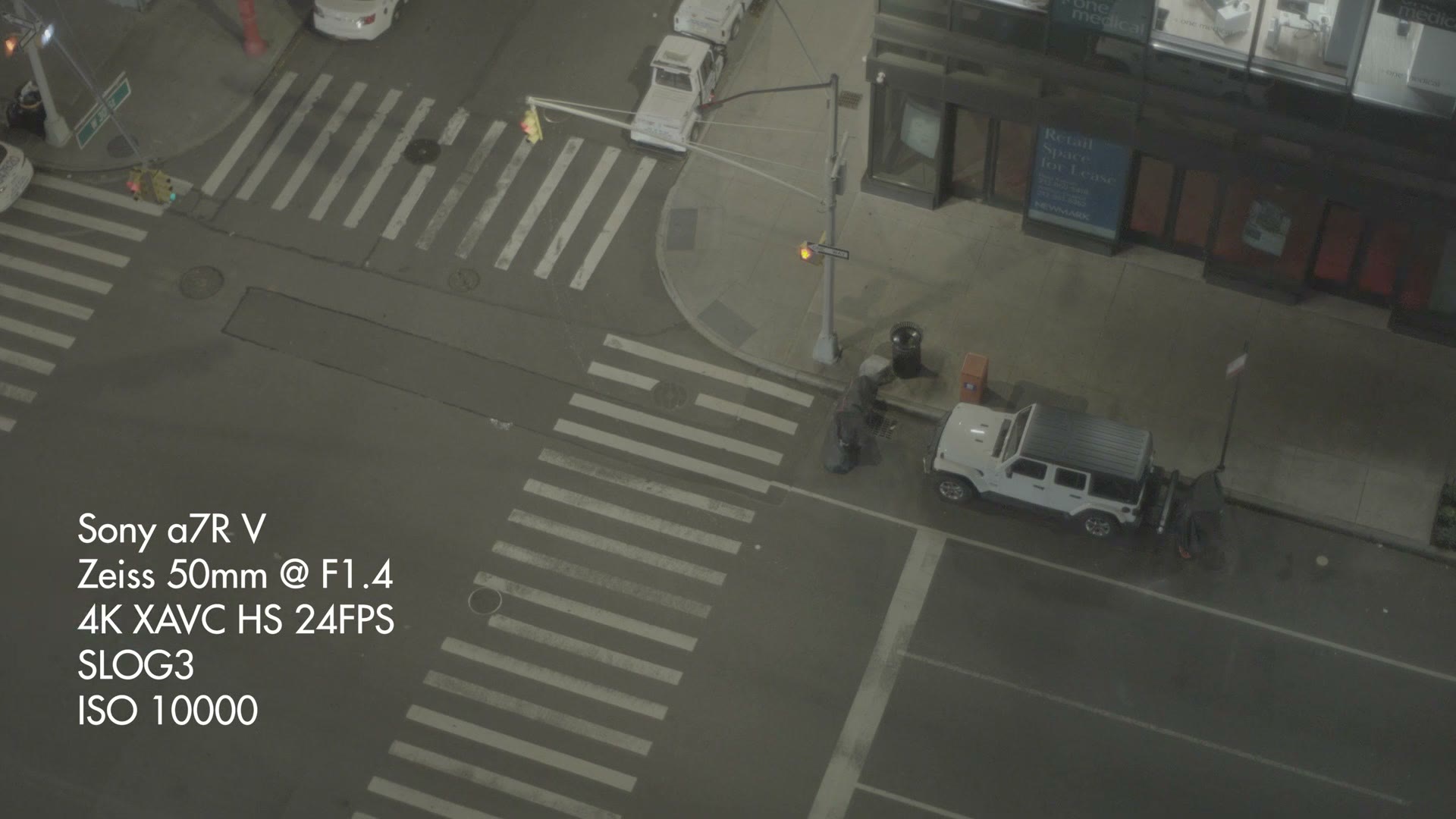
ISO 10,000 is pretty universally regarded as one of the ugliest ISOs on the a7S III and FX3, because it is the last one before those cameras’ dual native ISOs kick in. But on the a7R V, which has already far surpassed its second native ISO, this still looks pretty good.
This is the point where we start to see some noise creeping into the shadows though. Look at the windows of this Jeep, for example. Thankfully, slapping my color grade on it again crushes the noise down a bit, and I think it looks great.
ISO 12,800, The Maximum I Recommend
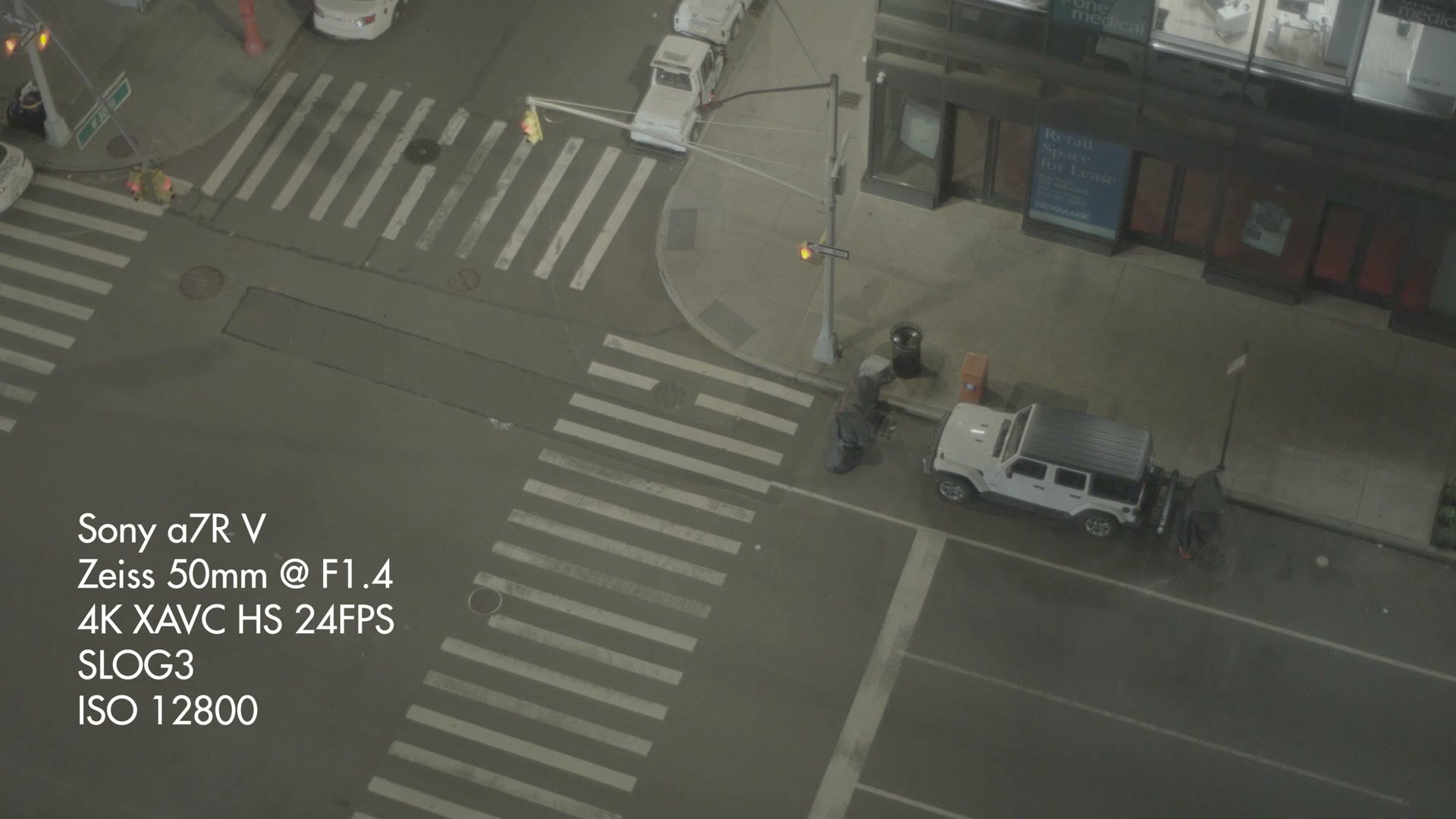
ISO 12,800 is where we hit my maximum recommended level for this camera. The noise is there, but it is not overwhelming.
And do not get me wrong, you can go higher than this and still get a usable image. But unlike the a7S III or FX3, where the second base ISO is 12,800 and you can honestly go dramatically higher, and where I have easily hit ISO 32,000 or 64,000 and still had usable footage, with the a7R V this is really where you start to see the limit of cramming 61 megapixels into a full frame sensor.
ISO 16,000 To 25,000
Let’s see how dirty things get.
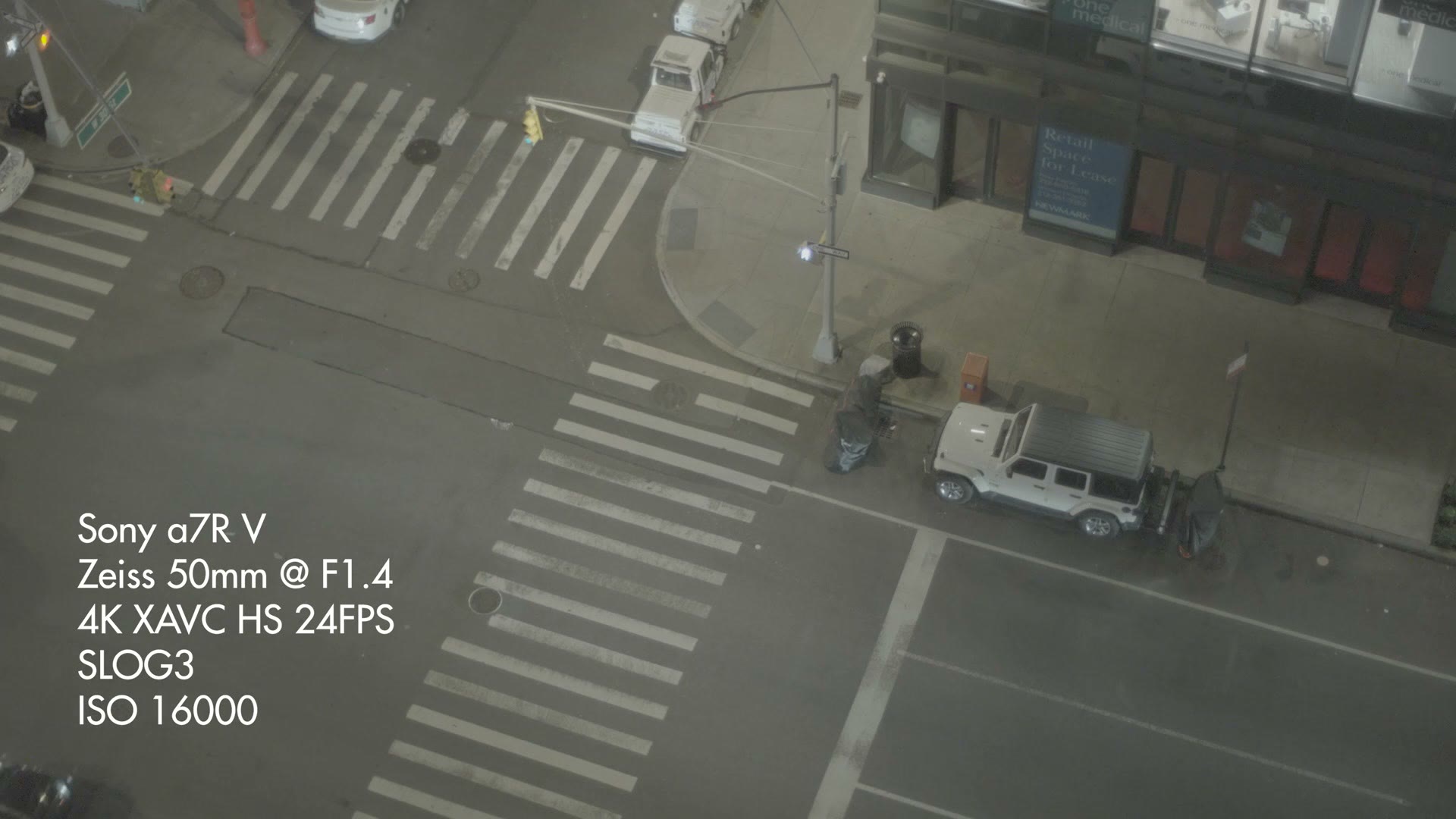
Here is ISO 16,000, which is really where the noise starts to jump up as the sensor is pushed toward its limit. I would still use this in a pinch if I was filming a darker wedding reception, but I would also be getting a bit nervous.
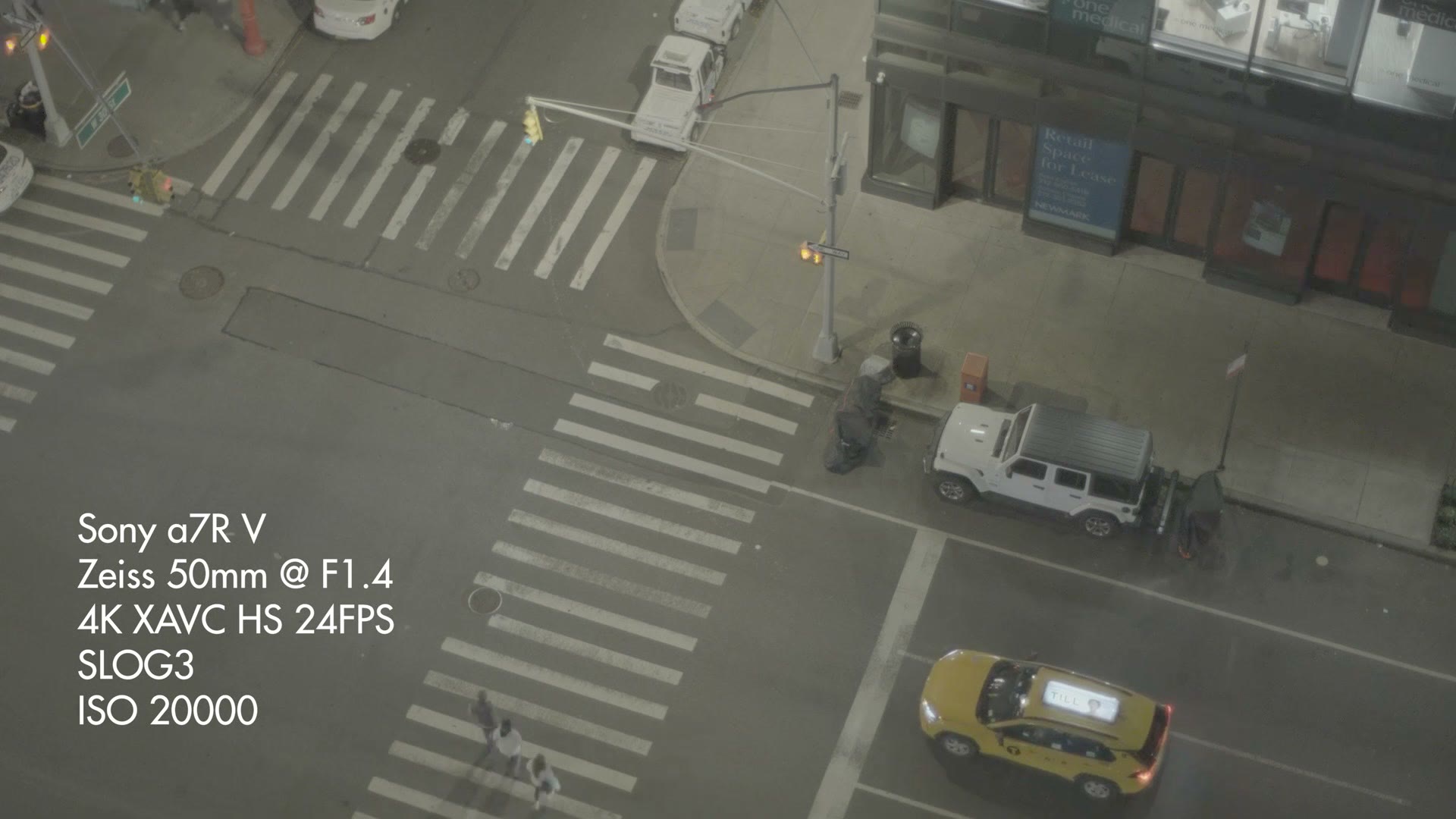
ISO 20,000 adds even more noise, and it is at this level that I feel like we are finally seeing that characteristic S-Log3 gray. Things are bright enough now that the shadows and the bright spots all look flat, and there is plenty of noise all over.
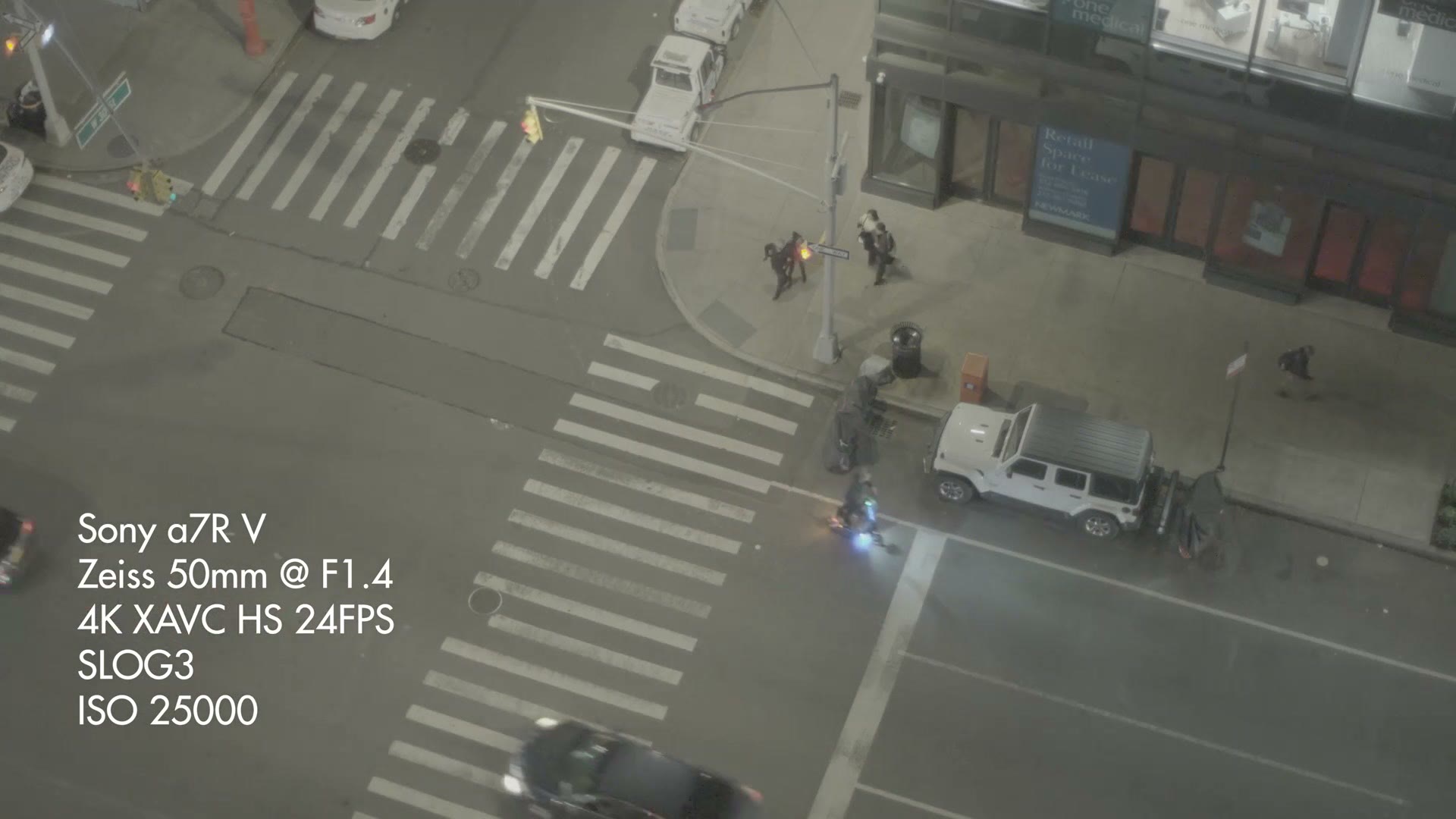
ISO 25,000 gets noisier still. But look at how bright this image is. If I told you it was 1 a.m. you might not believe me, because everything is so well lit.
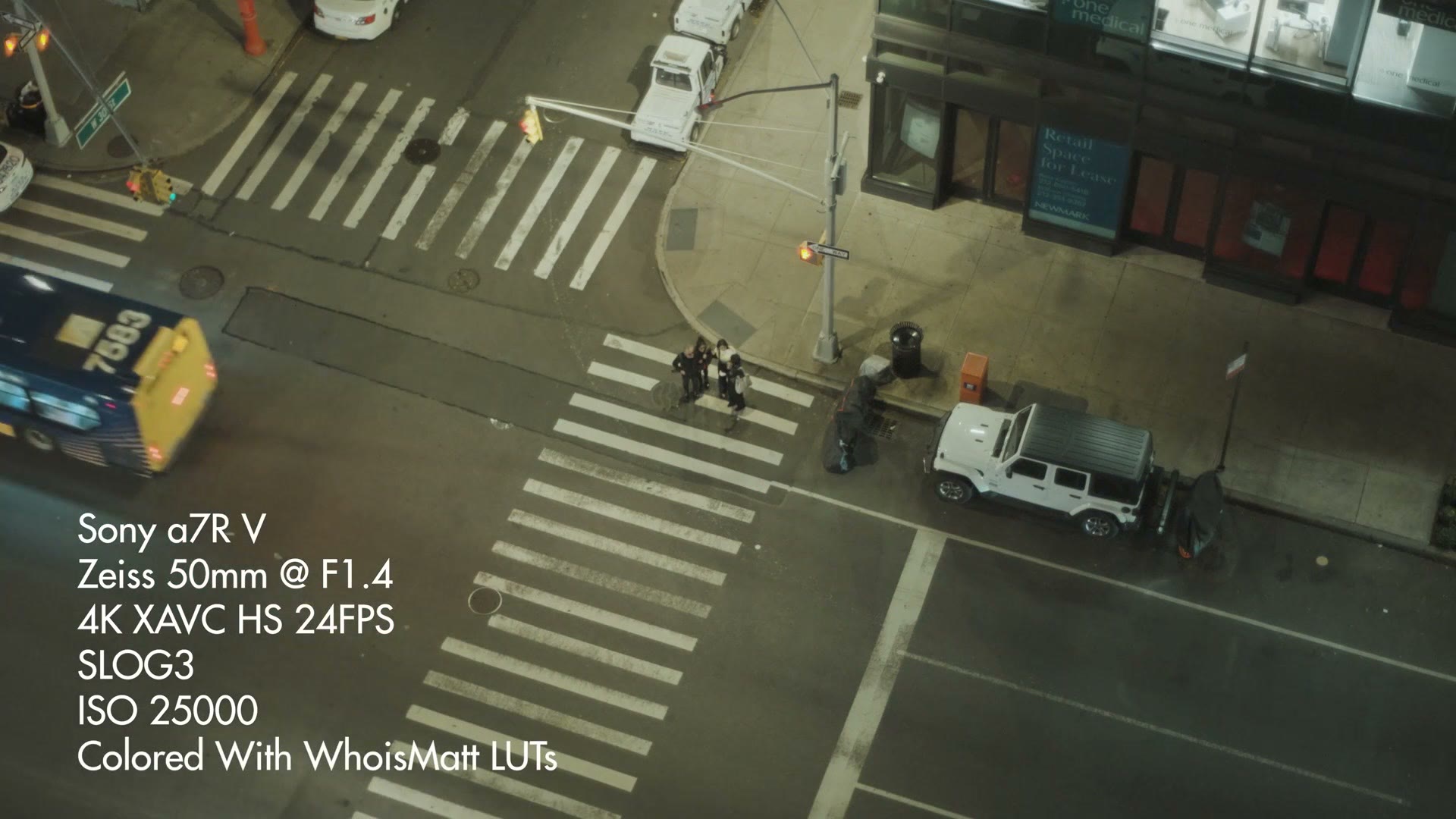
Of course there is noise, but let’s throw a grade on it. Not bad, honestly, especially once you throw some YouTube compression on top.
ISO 32,000, The Maximum
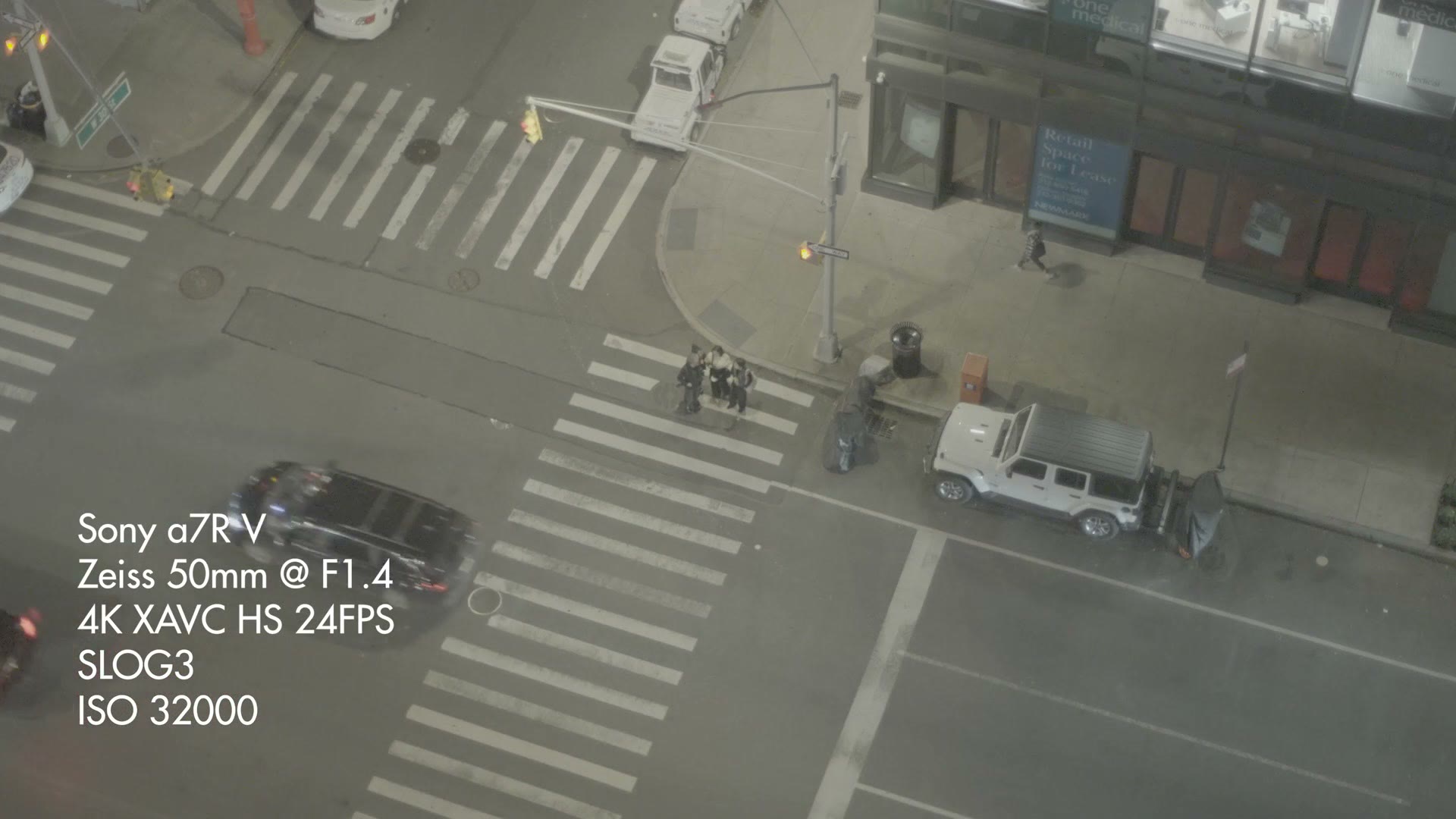
Lastly we have reached the max. Here is ISO 32,000. It is big, it is bad, it is bright. There is plenty of noise, but it is not the worst I have ever seen, and it is still light years ahead of some of my older cameras.
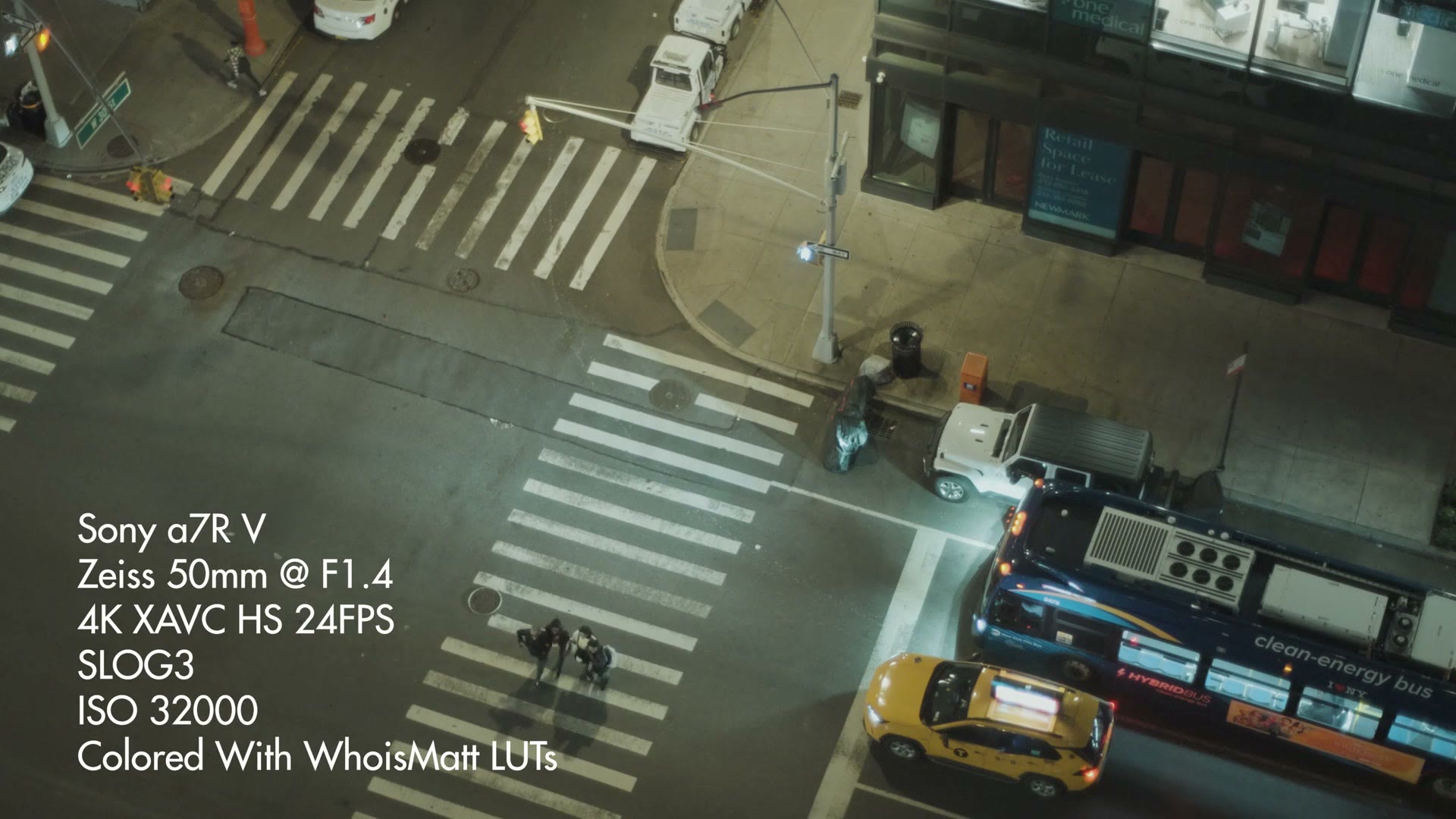
Throw one of my color presets on it and, dang, I had to lower the brightness a bit because the shot is just so bright. But there you go. To me it still looks good, and if I did not know it was ISO 32,000 I might have guessed it was lower. You can tell me if I am crazy in the comments.
So How Does It Do?
That is how the a7R V performs in low light. For a camera with this many megapixels, it is very impressive, and 12,800 is a genuinely comfortable ceiling. Just do not expect the a7S III’s party trick of shrugging off 32,000 and 64,000.
I also tested this camera’s new in body image stabilization on the same trip, which you can see here, and I have since put together a full a7R V review aimed at helping you decide whether to invest in it for wedding videography and photography, or any other documentary style work where you need a very well rounded camera.
You can buy the Sony a7R V at B&H or Amazon. And if you want that untouched a7R V footage, it is free to download.
Thanks so much for reading, and have a great day!