
The a7R V’s IBIS is almost good enough to replace your gimbal. What?
I recently got back from New York City where I had the chance to use the Sony a7R V for a day, and in addition to doing a low light test, I was pretty impressed by the in body image stabilization and we totally need to talk about it.
Incidentally, if you want some straight out of camera clips I filmed with the a7R V, you can download them for free here.
One thing up front: this is a video about how footage moves, and still frames cannot show you that. The screenshots below are here to show you the conditions and settings each test was shot under. To actually judge the stabilization, watch the video.
Camera And Lens Settings
Sony has made a big deal about improving the active image stabilization mode on the a7R V, claiming it now offers up to eight stops. That is big. For context, up until this point Sony’s stabilization has kind of been the laughing stock of Panasonic filmmakers, who have rather legendary performance on the GH5, GH6 and S5. Heads up: the Panasonic GH5 link goes to the newer Panasonic GH7. Heads up: the Panasonic S5 link goes to the newer Panasonic S5 II. But I think Sony might finally be catching up.
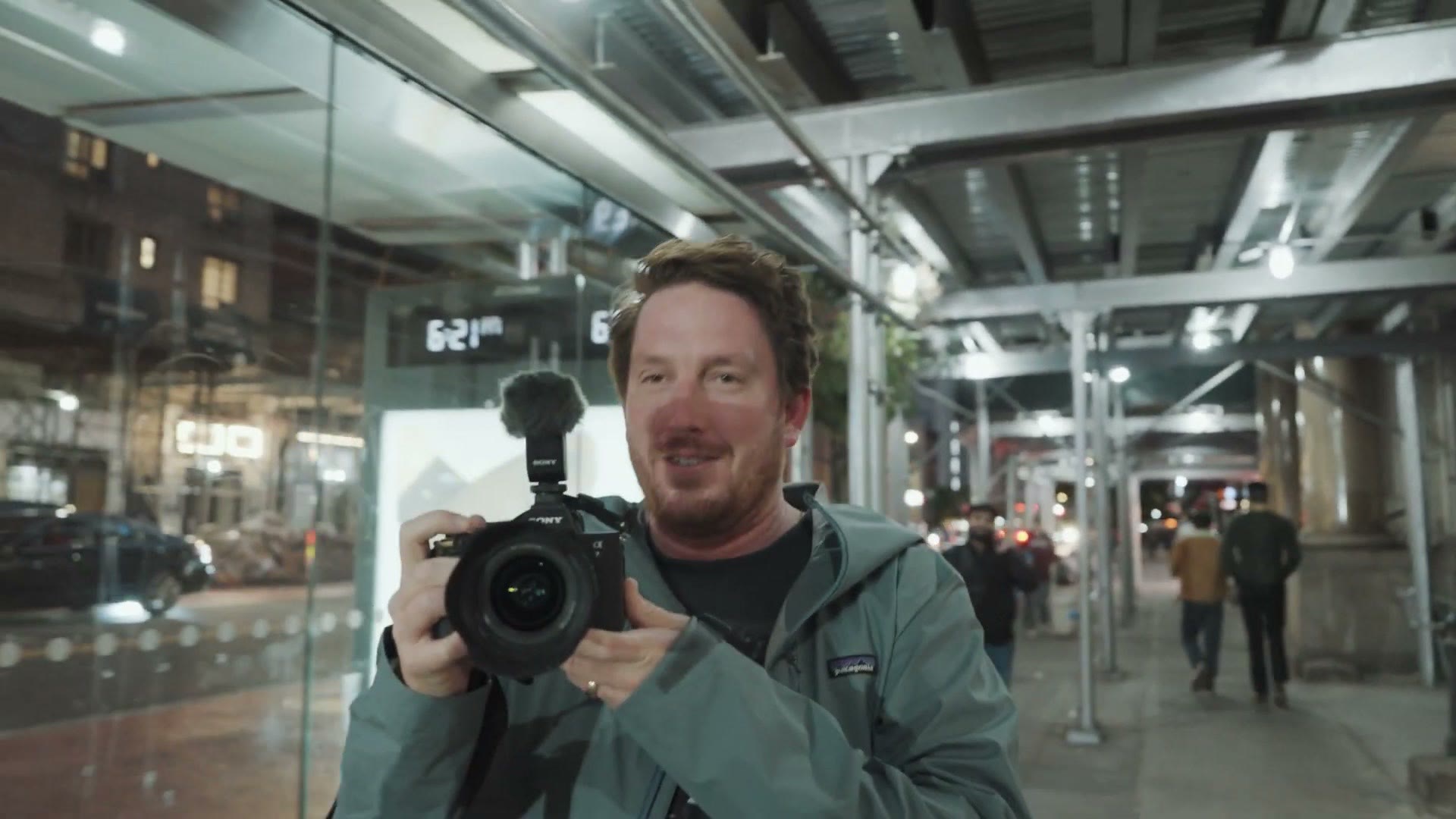
I took the a7R V out on the streets of New York City at twilight with the lovely and oh so talented Taylor Jackson, to push both the high ISO capabilities of this camera and the new IBIS system.
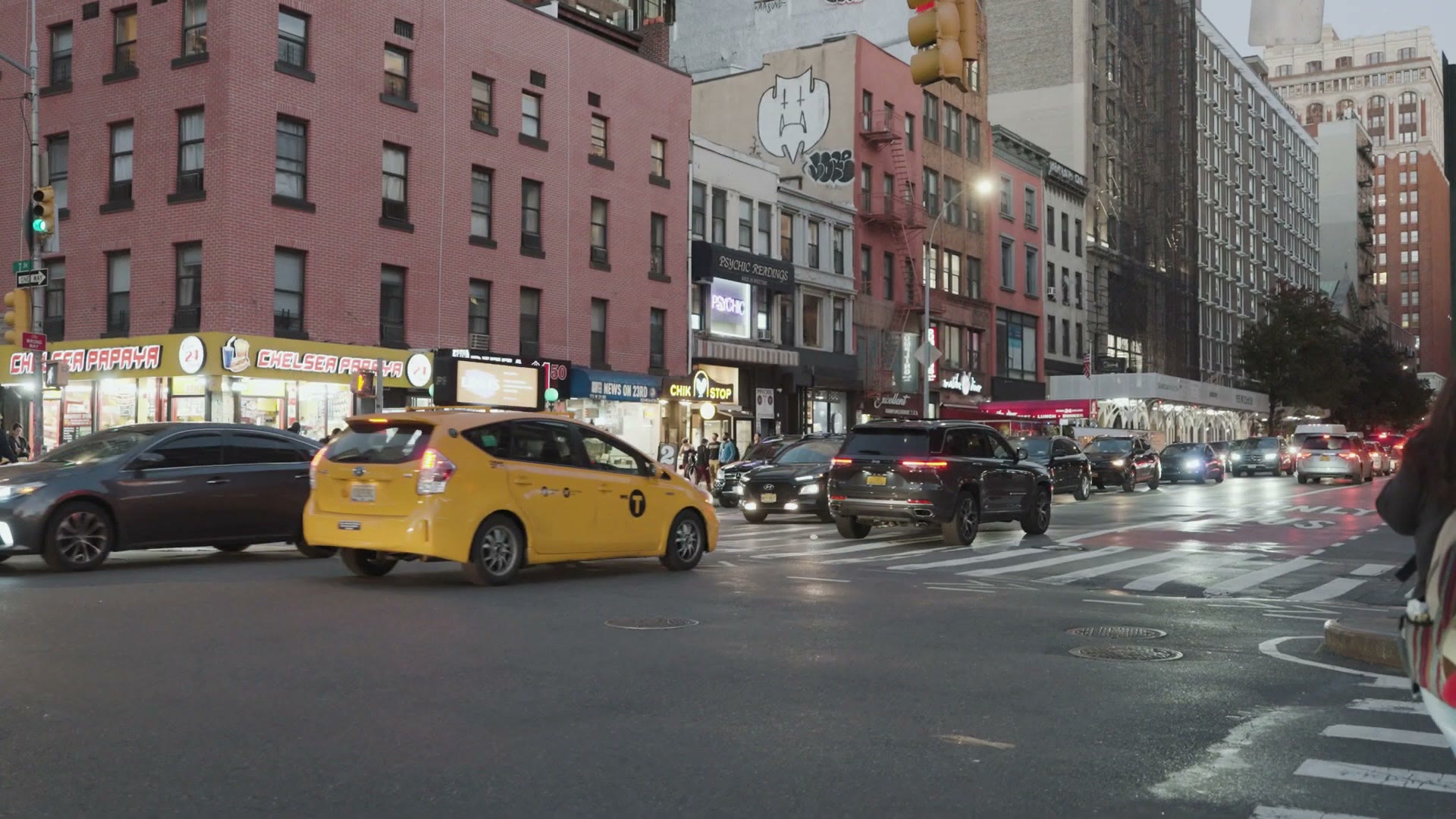
I was filming a mix of 8K and 4K in S-Log3 with active IBIS enabled, on a Sony 24-70 Mark II that Sony loaned me, and I wanted to see whether this camera’s stabilization could replace my gimbal.
Keep in mind I am already working at a disadvantage here, because while Sony claims the a7R V offers great in body stabilization, if you use a lens with optical stabilization built in it should be even better. And the 24-70 Mark II does not have optical stabilization. So please take all of this with a grain of salt, and with the knowledge that the results should actually be better than what you are seeing.
The 8K Stabilization Test
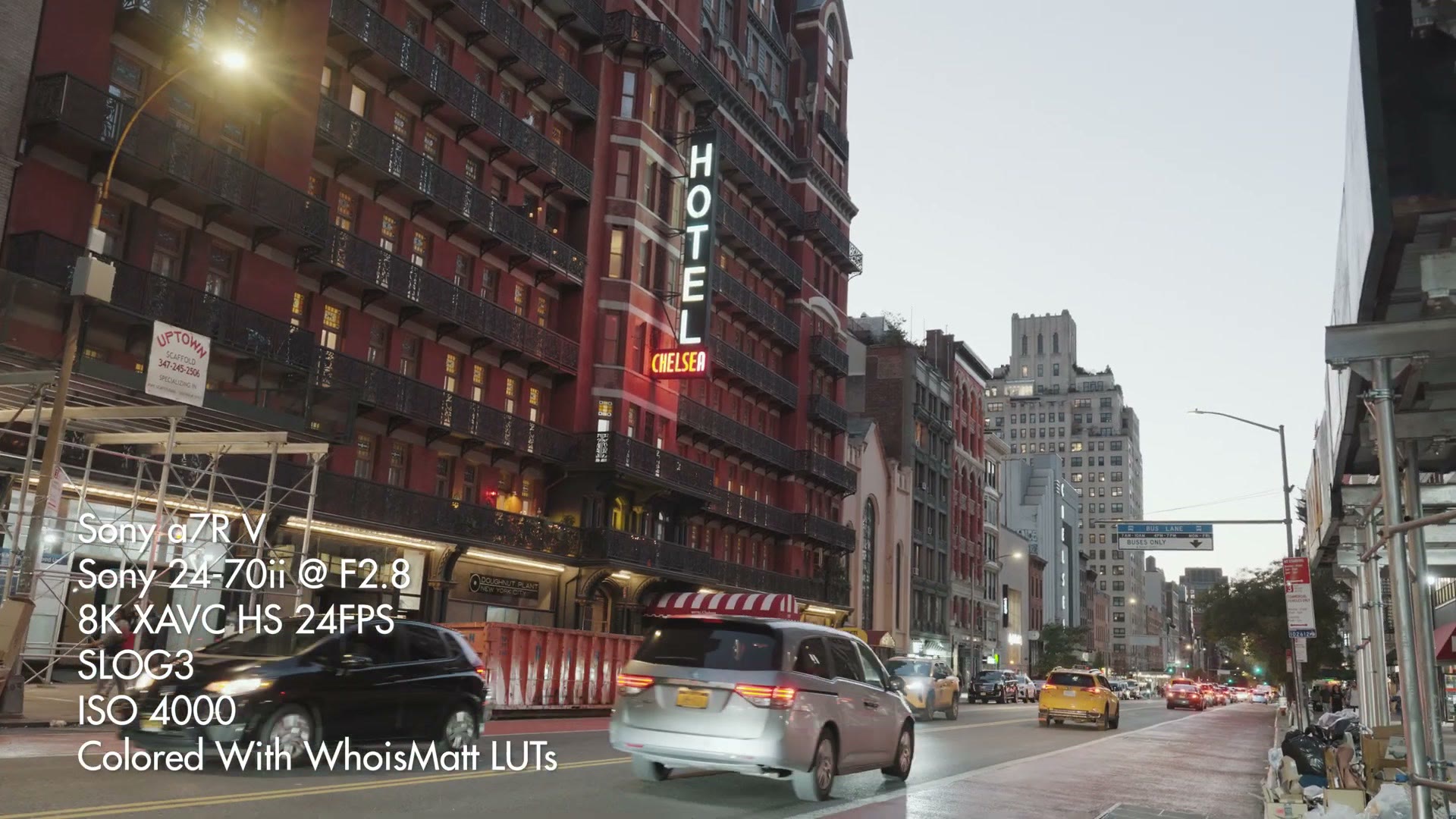
I first tested this while recording 8K at 24fps, which also happens to disable active image stabilization. So I was already setting myself up for a bad time.
I started by walking normally. I did not roll step, or ninja walk, or smooth out my steps at all. I wanted to see how the camera performed if I walked exactly the way I usually would.
In short, it was an unmitigated disaster. Between the IBIS desperately trying to keep up with my arm movements, the heavy steps I was taking, and the rolling shutter ripple you get from this camera in 8K, it was basically unusable.
So for the next test I opted to smooth out my shots. I called upon my near decade of experience walking with a Glidecam and other gimbals and tried to walk as smoothly and steadily as I could while minimizing camera shake. Suddenly things were looking a lot better.
What was this feeling I was experiencing while filming? Was it cinematic inspiration? No, it was actually the slices of pizza I had for lunch.
But this was the point where I got really impressed, because playing the footage back on the small camera screen it looked very smooth. Of course, viewing it on a bigger screen, like you most likely are, there is definitely more noticeable shake. Honestly though, it is not that bad.
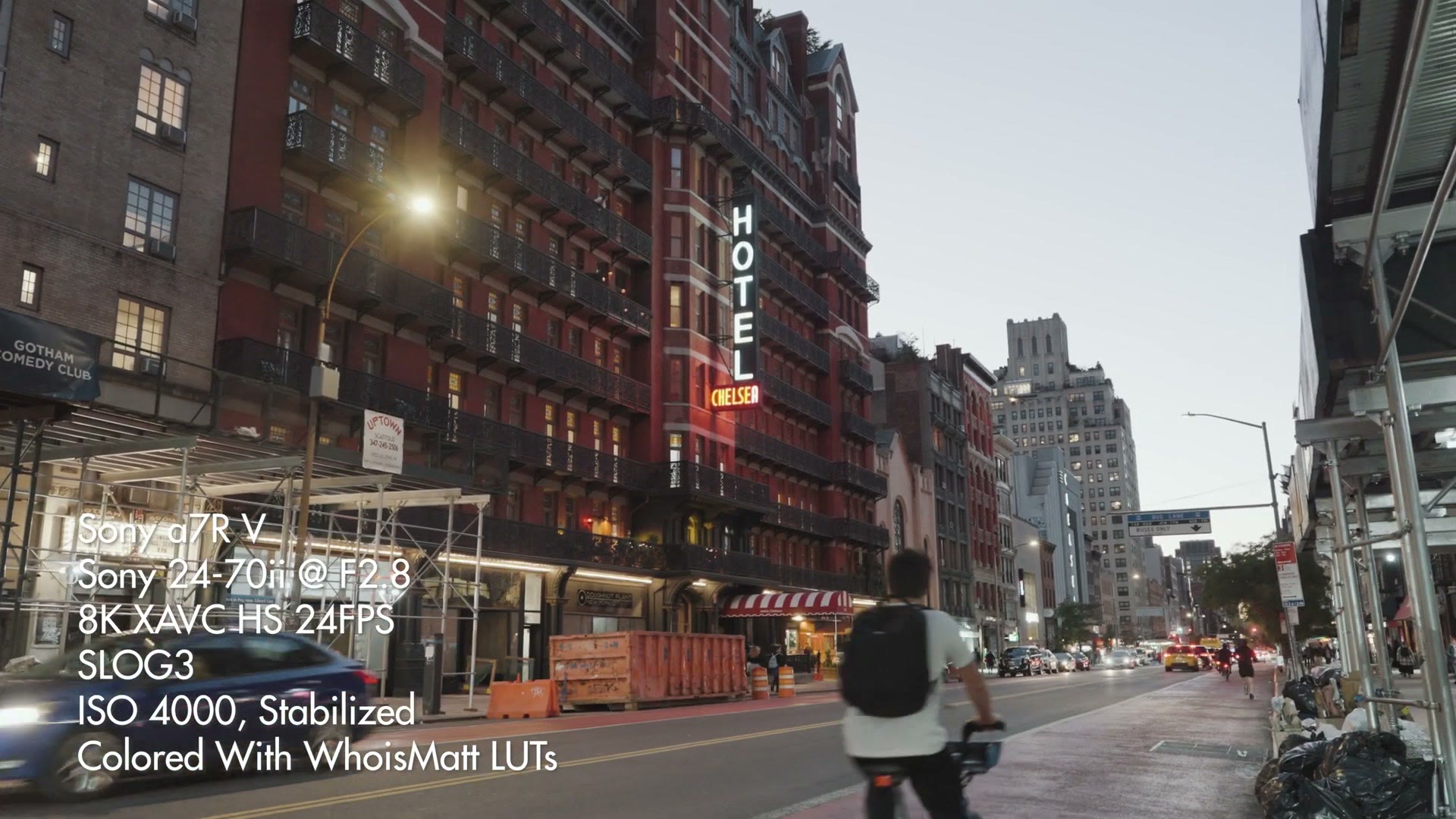
And then adding some stabilization in post smooths it out further, which is certainly looking really good. Quite usable, in my opinion.
The 4K Active Stabilization Test
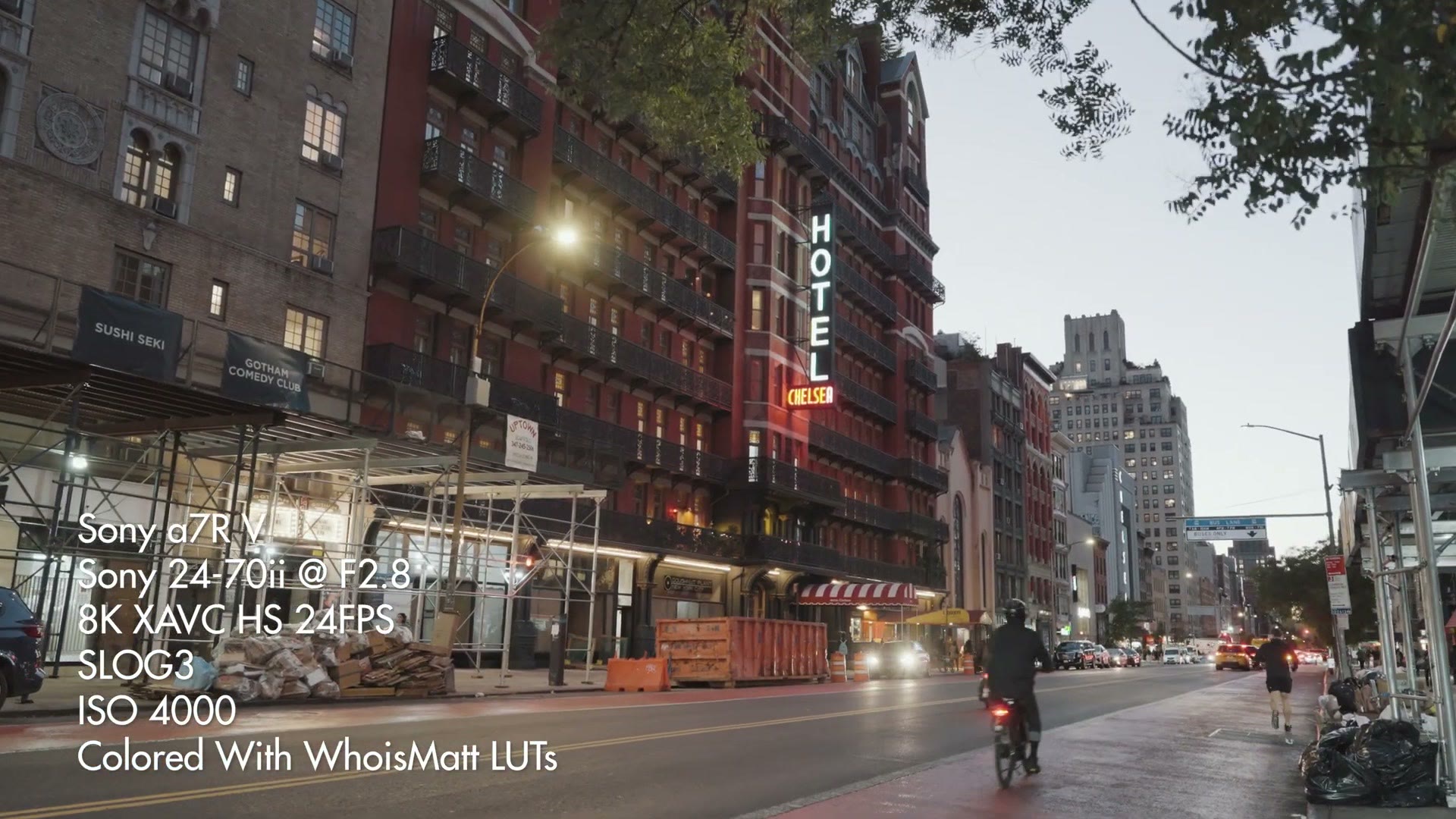
Then I switched to 4K at 24fps with active stabilization mode enabled, which was a big help. Once again I started by walking normally, and honestly, with active IBIS I was pleasantly surprised. Is the footage perfect? No. But it gives you hope that a smoother step might make it smooth enough.
Cue me ninja walking again, as smooth as I could while holding the camera steady, and suddenly this IBIS is looking really impressive. It is clearly improved over previous Sony cameras, and there is dramatically less rolling shutter in 4K than in 8K, which helps a ton.
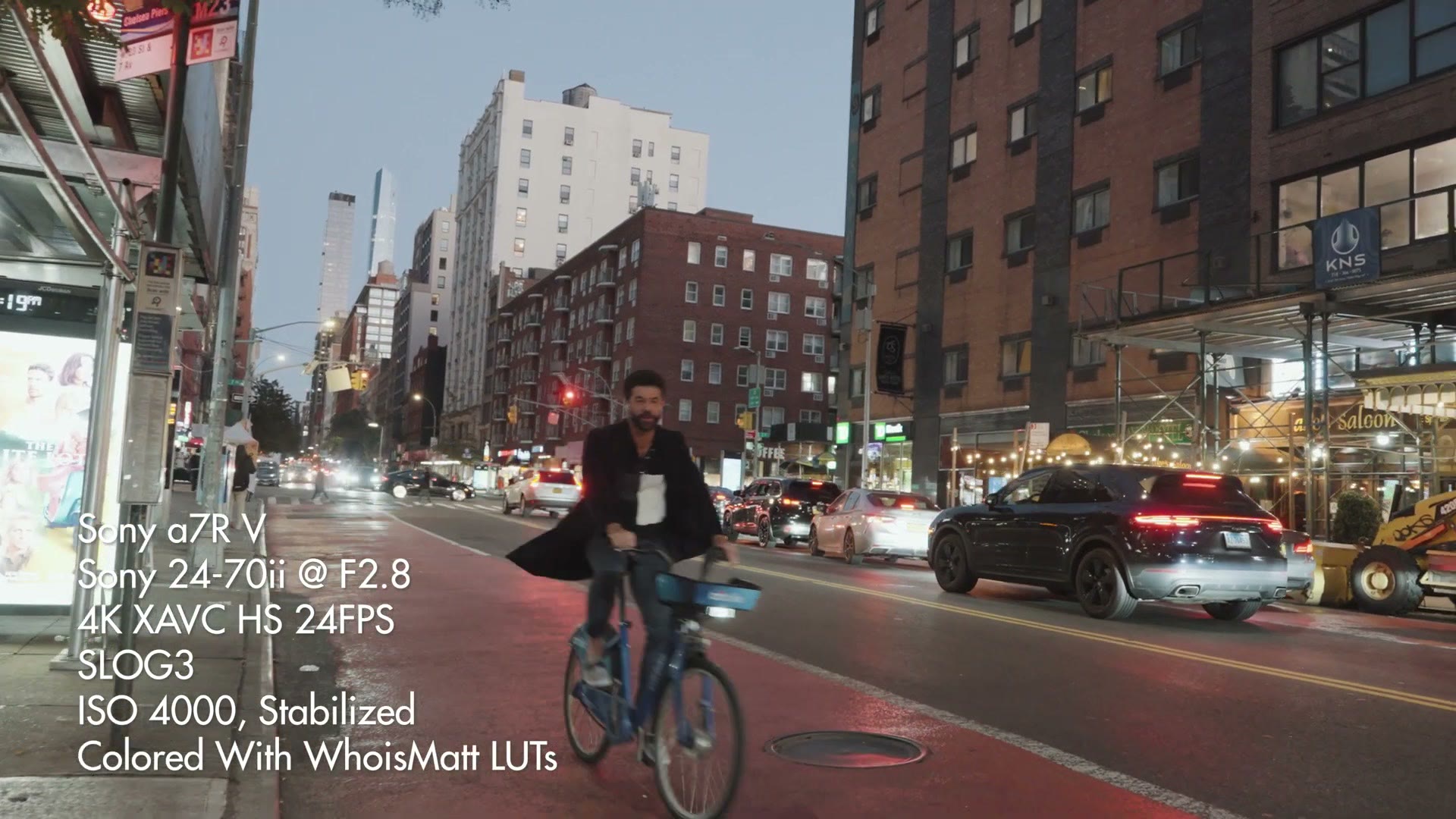
Finally, throwing some stabilization on in post smooths it out even more. You could totally use this footage in a video. Plus keep in mind this is all 24fps, and if you filmed at 60 or 120 it would be smoother still.
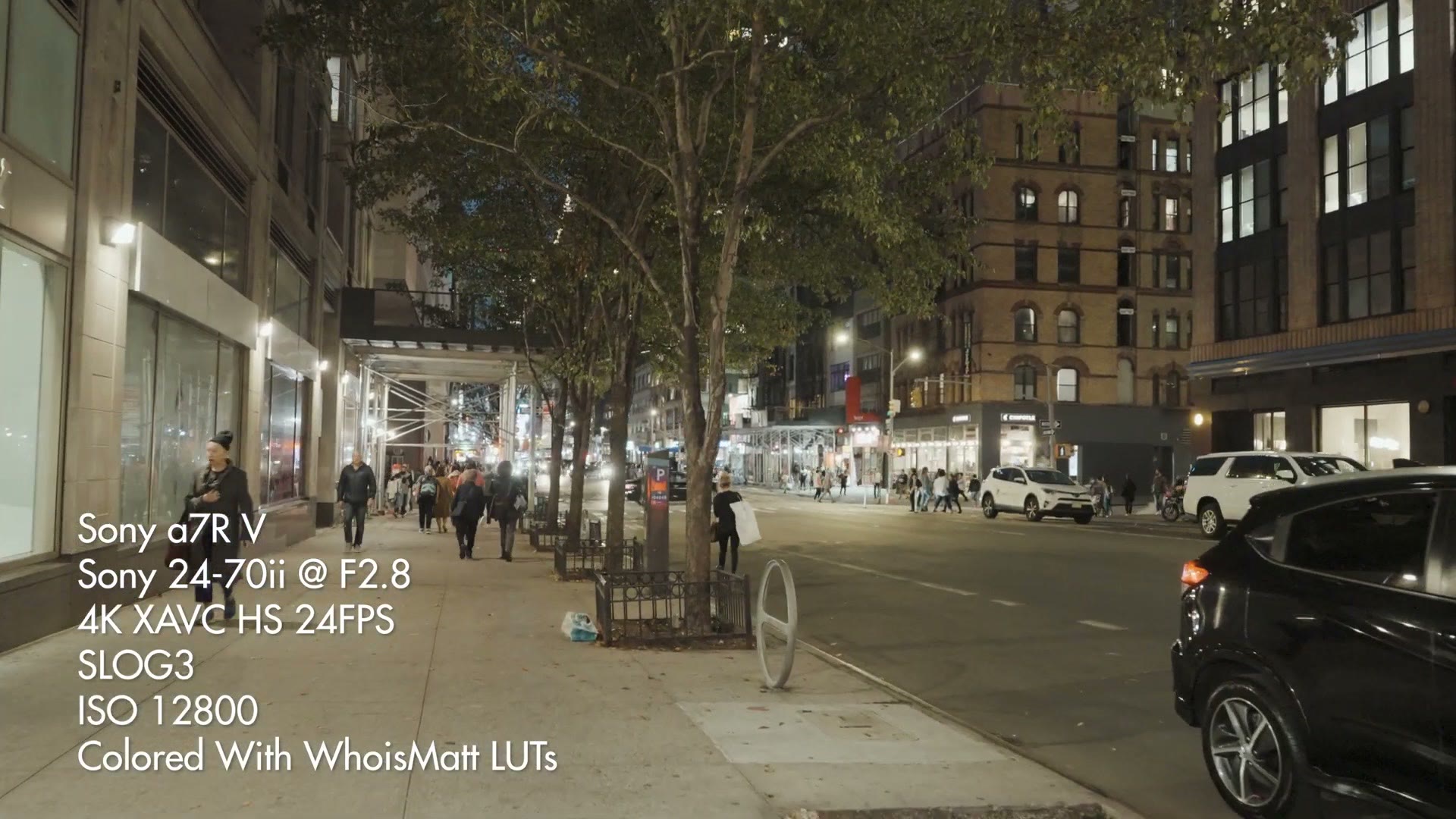
Is It Time To Get Rid Of Your Gimbal?
Keeping in mind that I was not using a stabilized lens, so this could be even smoother, and especially considering how good stabilization is getting in editing software now, I do think we are getting close to filmmakers being able to get rid of their gimbals. At least for some shots.
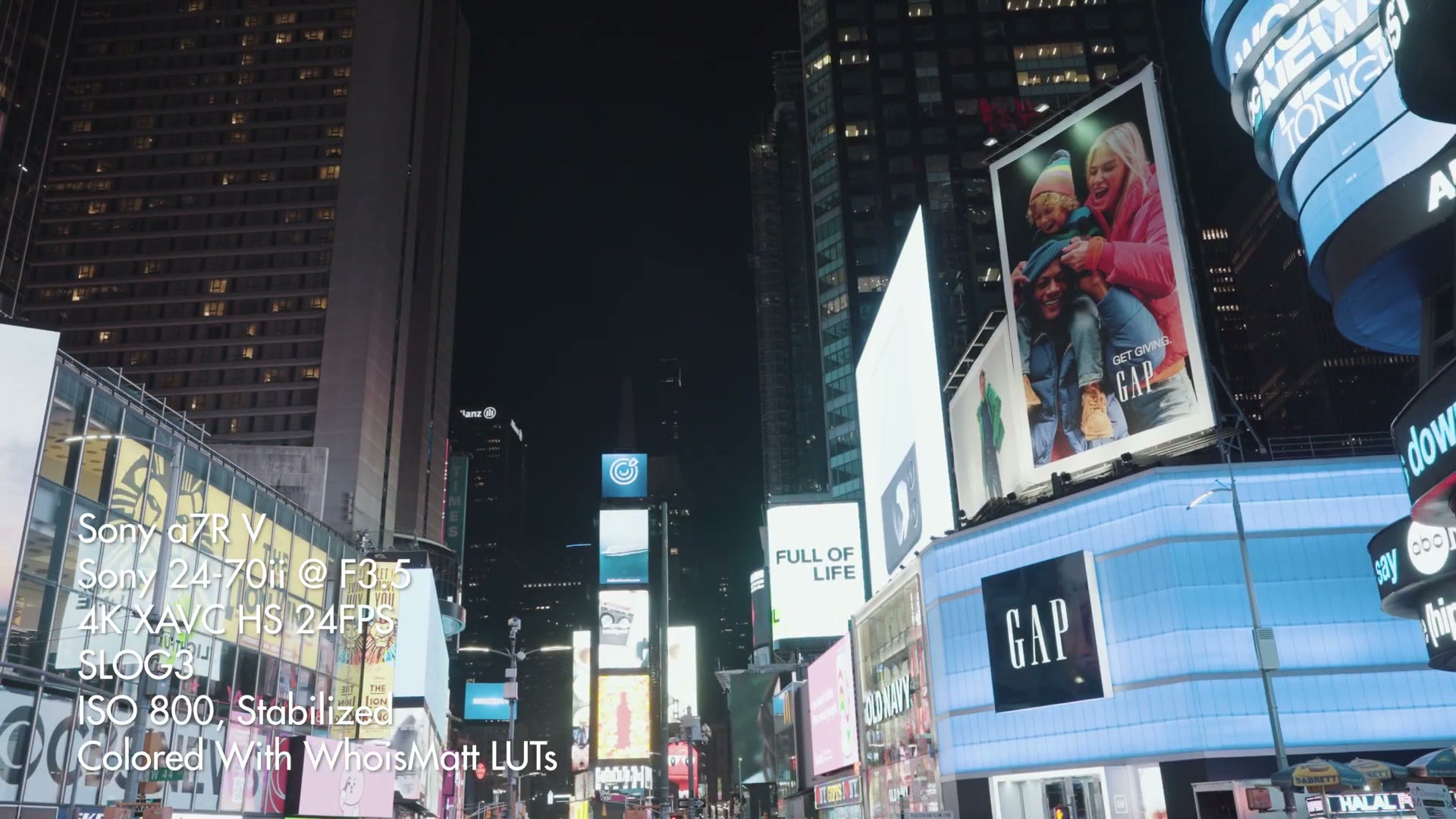
If you are trying to get a smooth, slow shot where you are walking slowly on relatively even ground and you do not have to watch your footing too much, I think it is entirely feasible now to get gimbal-like movement out of the a7R V. Of course, the moment you need to move faster or run, even the best in body stabilization is going to fail you and you are going to need a gimbal.
But as someone who loves to film as lightweight and compact as possible on a wedding day, or any other shoot for that matter, the thought of walking around handheld without a ton of gear is really compelling to me. I cannot wait for Sony to put this improved stabilization in future cameras like the a7S IV, whenever the heck that comes out. And I am really glad to see Sony competing with the likes of Panasonic here.
You can buy the Sony a7R V at B&H or Amazon.
Remember, those straight out of camera clips are free to download if you want to check them out yourself. And if you liked how the colors look here, I graded this with my color presets.
Thanks so much for reading, and have a great day!