
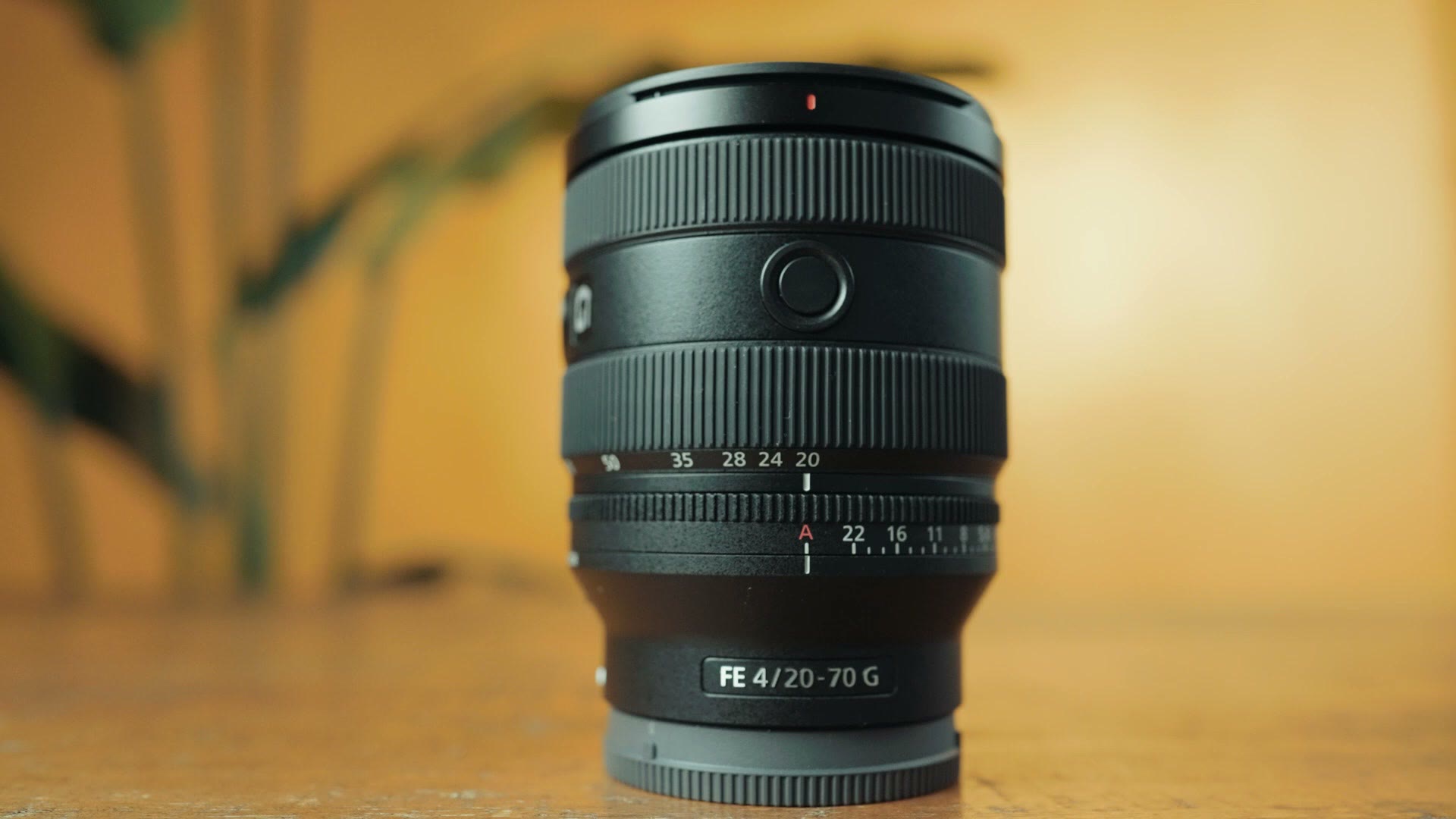
This is the new Sony 20-70mm F4, and I want to review it from the perspective of a wedding filmmaker and tell you whether it is a good choice for you if you are filming weddings or documentaries or anything in that world. And because I respect your time, I am going to spoil the conclusion right now: this lens is fantastic for gimbal work, it is lightweight enough that you can balance it on a gimbal easily, and it still gives you a great zoom range. In short, if you are looking to buy your first lens for a Sony camera, I think this is a great choice.
I am sure you want more details than that, so let’s get into it. And I want you to know this post is not paid or sponsored by Sony. The first time they see this review is the same time you do.
This Lens Is Tiny
The very first thing you are going to notice about this lens is that it is tiny. It is a great companion to Sony’s other new F4 lens, the 16-35mm F4, which is also just a cute little baby of a lens. But the 20-70 is not only small, it is lightweight too, at only 488 grams.
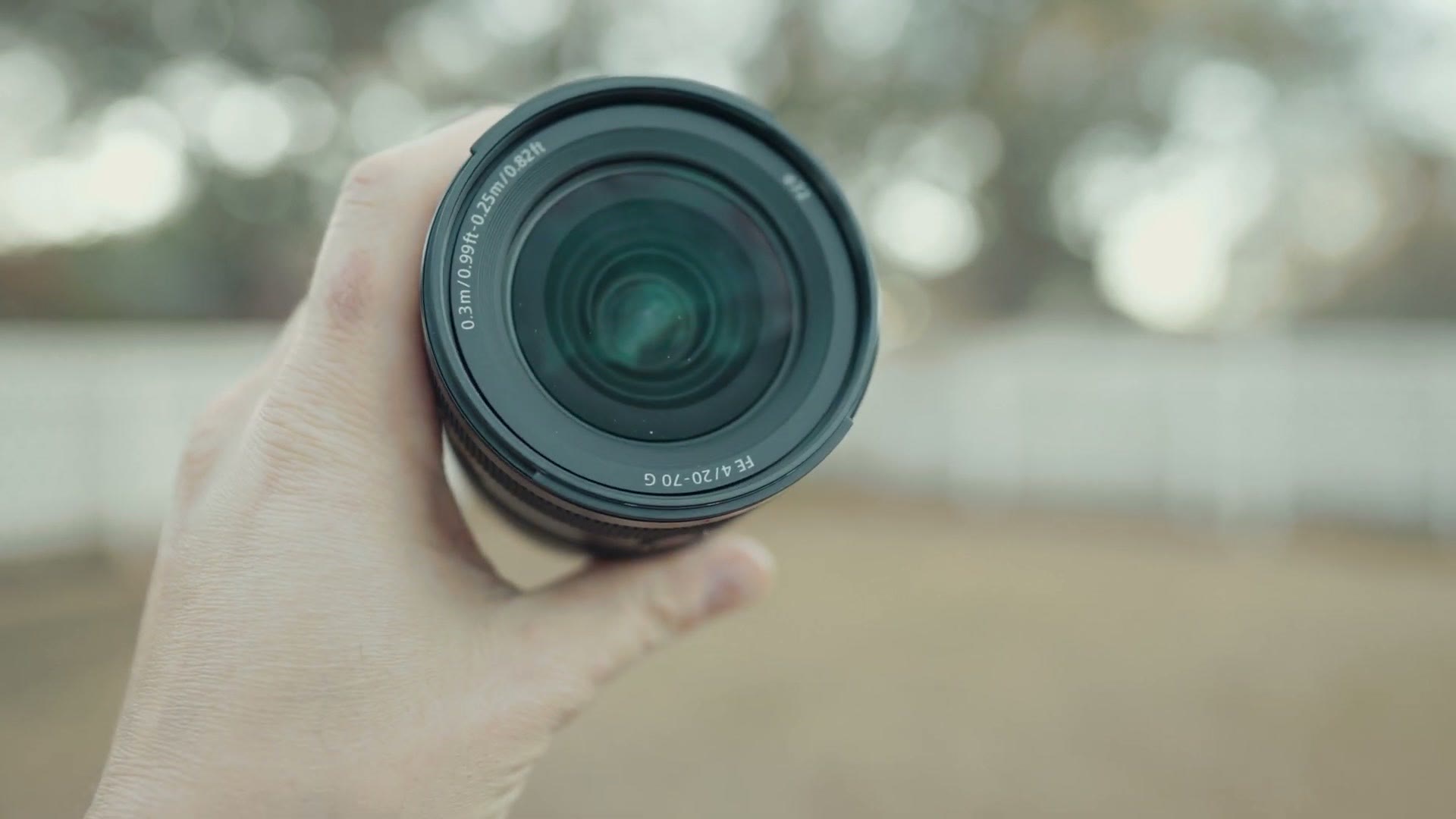
For context, one of my favorite lightweight lenses is the Sony 24mm F1.4 GM, and I am using that lens to film this video right now, and it is only 445 grams. So it is pretty crazy to see a zoom lens with this focal range come in only barely heavier than a prime.
As a wedding filmmaker who carries a camera around for at least eight hours and oftentimes twelve or more at a time, I am a huge fan of lightweight lenses, so if you find your arms getting tired on a wedding day, this lens may genuinely help with that. And like I said, it is going to be great for gimbal work, because it is light enough that pretty much any gimbal these days can handle it. I do want you to be aware that the barrel extends pretty far whenever you zoom in, but it is still so light that you probably will not need to worry about it messing with your balance too much.
The Focal Length Versus The Competition
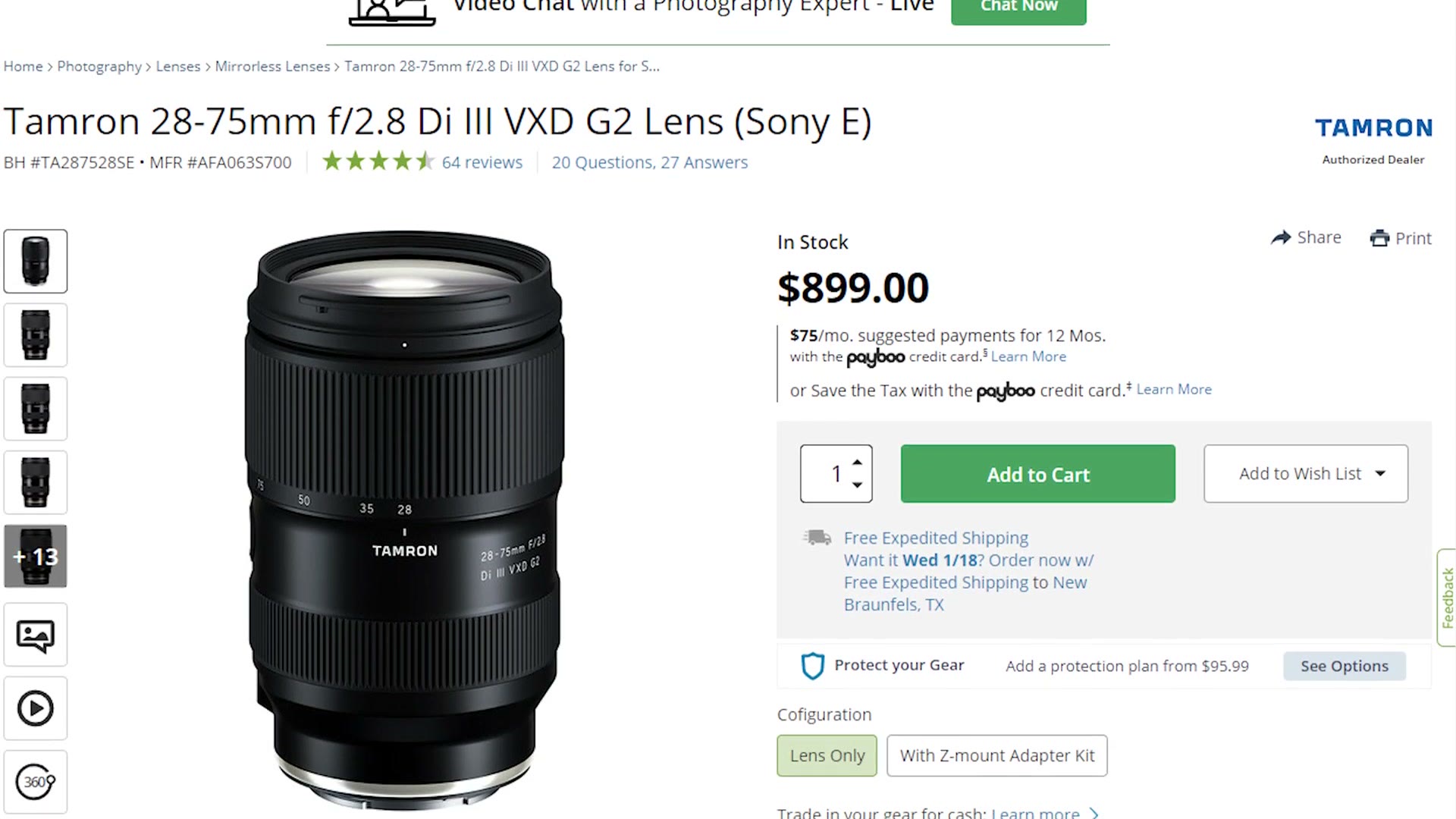
The focal length is the thing that is most compelling about this lens. We have seen a ton of competition in this space, with basically every single camera manufacturer out there making a 24-70mm or something equivalent to it, and a lot of the more budget friendly manufacturers going even shorter, like Sigma making a 28-70mm and Tamron making a 28-75mm.
Sony went the opposite direction of their competition and made this lens wider rather than tighter. They stayed at 70mm on the long end but pushed the wide end out to 20mm. Now to be clear, that is only a four millimeter difference between 20 and 24. But whenever you start getting into that ultra wide category, even a few millimeters makes a huge difference in how wide your shot looks and feels.
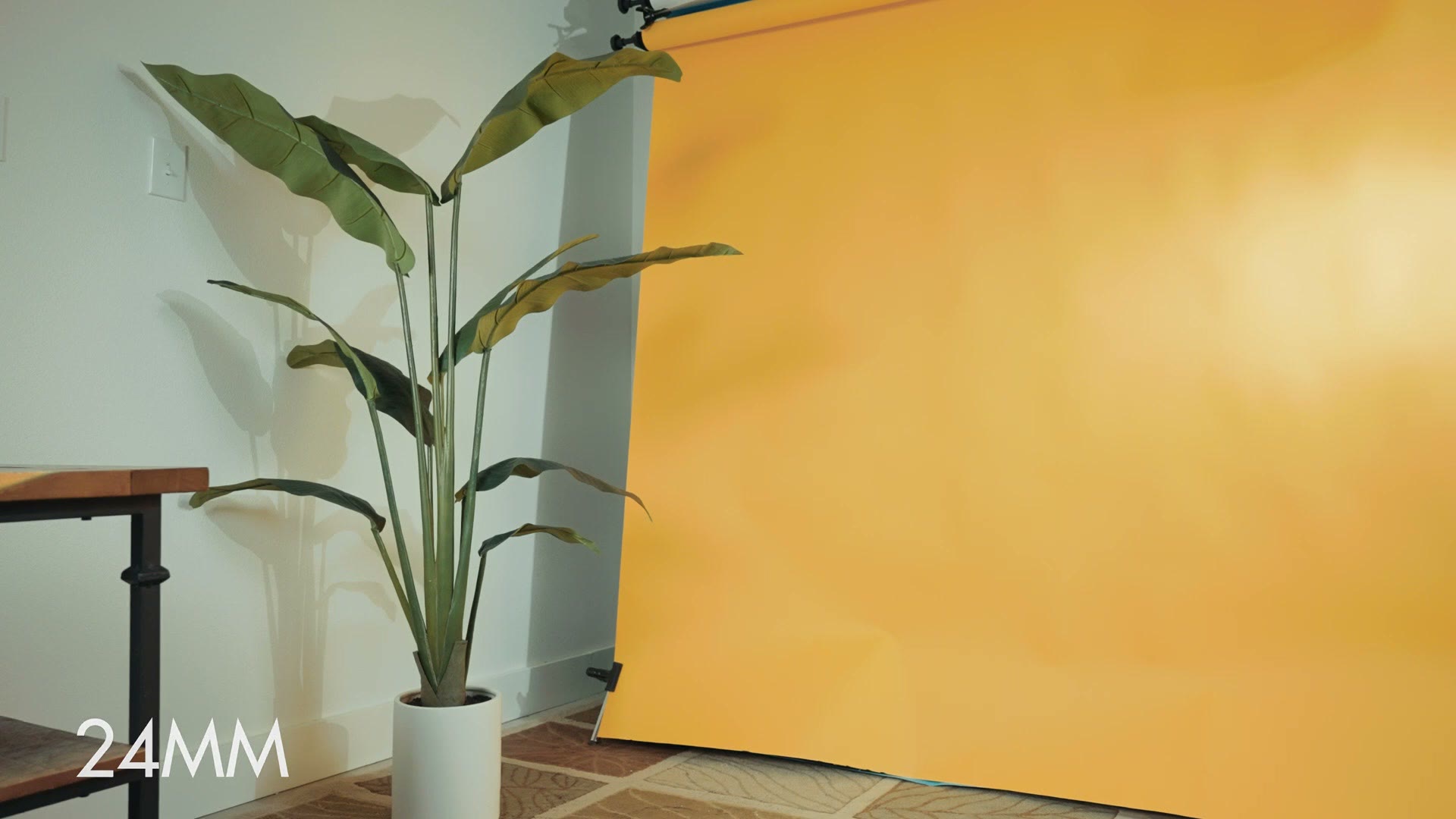
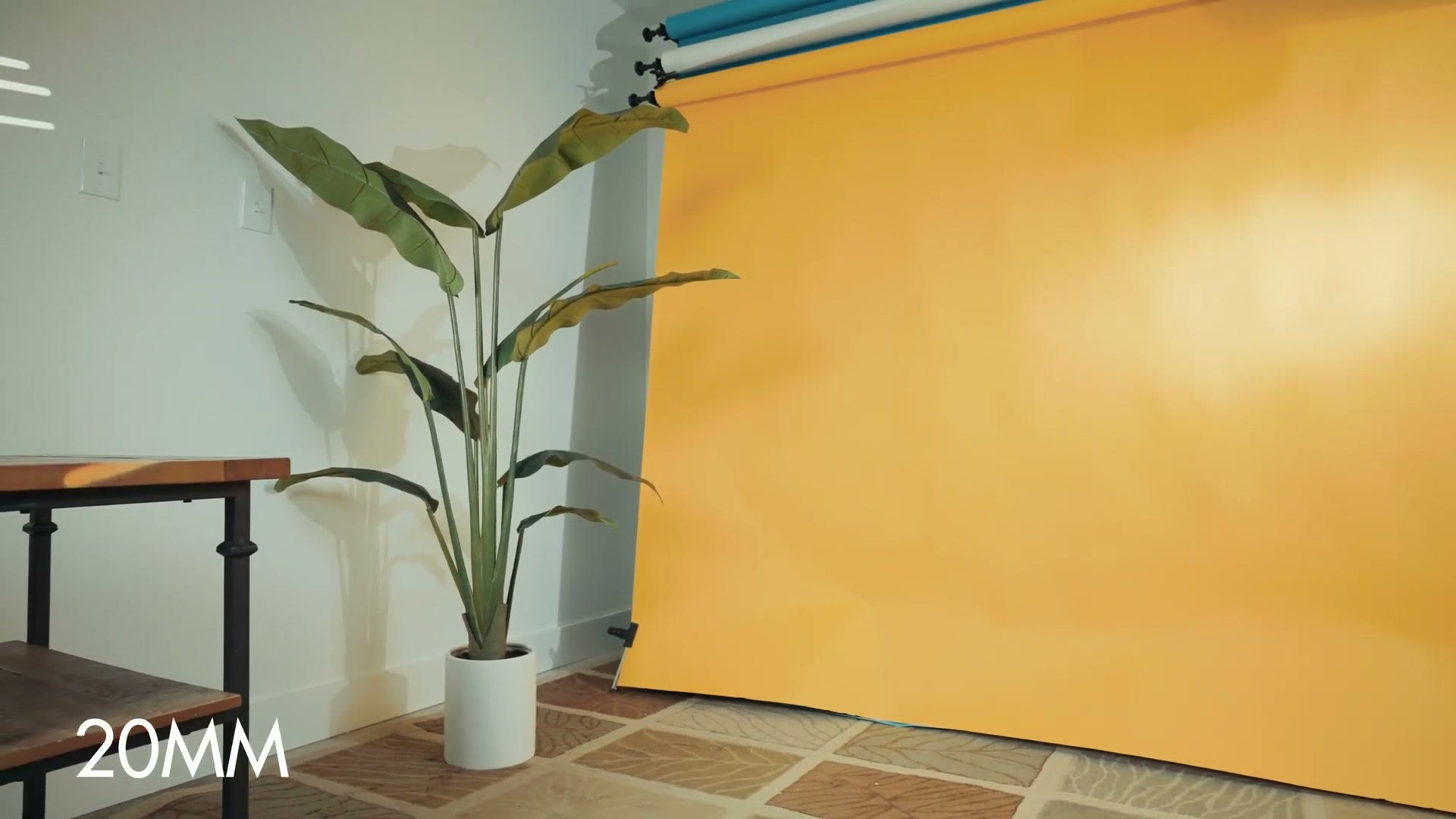
Which brings us right back to gimbal work. I am a huge fan of Sony’s 24mm, and that is the lens that lives on my gimbal the most, but I know a lot of other filmmakers prefer something wider for their gimbal, like a 16-35mm, which is great, do not get me wrong. But with a 16-35 you lose the versatility of being able to zoom in tight when you need to, because let’s face it, 35mm is still pretty wide.
So the 20-70 sits in this really interesting middle ground, right in the Goldilocks zone, where it is not quite as wide as 16mm but it is definitely wider than 24mm. And I have got to say, I oftentimes think 16mm is a bit too wide for gimbal work, at least in my opinion. But 20mm looks pretty dang good.
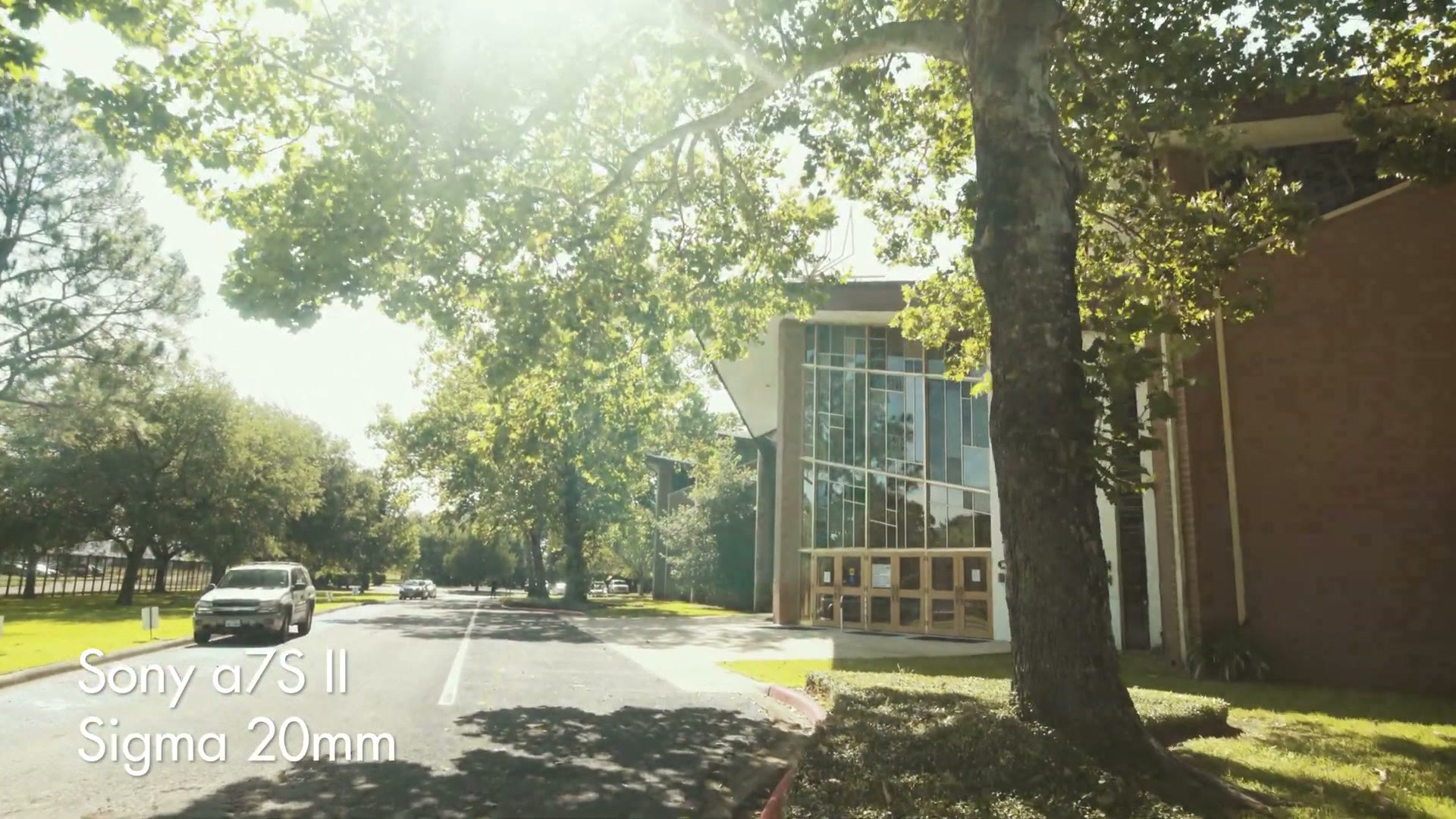
Heck, I remember renting a Sigma 20mm to film a wedding because I was not sure whether I wanted to film wider than 24mm with my gimbal. And while I loved that 20mm focal length, the weight of that Sigma lens was exhausting. Couple that with the fact that I was using a Glidecam at the time instead of an electronic gimbal, so I was holding everything one handed, and you can probably understand why that 20mm was almost killing me. With this Sony you get that wider angle without the weight, plus the versatility of a zoom on top of it.
Does The F4 Aperture Matter?
Which leads us into the next part, because I am sure you are already preparing to furiously type on your keyboard that the reason this lens is lighter is that it is only an F4, and that Sigma 20mm I rented was an F1.4, and that is a huge difference. And you are right! But here’s where it gets interesting, because for me as a wedding filmmaker, whenever I am using my gimbal, unless it is super dark and I am filming a reception exit, ninety percent of the time I have that Sony 24mm on my camera I am not shooting it at F1.4. I am not even close. I am at F2, F2.8, F4, F5.6. Because for gimbal work you are usually not looking for an extremely shallow depth of field, you want more things in focus. So yes, this lens is an F4, but I would not necessarily let that deter you.
But the low light, Matt! Okay, I hear you there too, and you are right, some weddings can be really dark, which is why I have always recommended you invest in some prime lenses that can handle darker conditions. That said, I have filmed weddings with F4 lenses before. In fact, the very first wedding I ever filmed with the Sony a7S III, I filmed with a 24-105 at F4, and it was fine, because that camera is so good in low light that I could compensate for the slower lens even in a pretty dark reception.
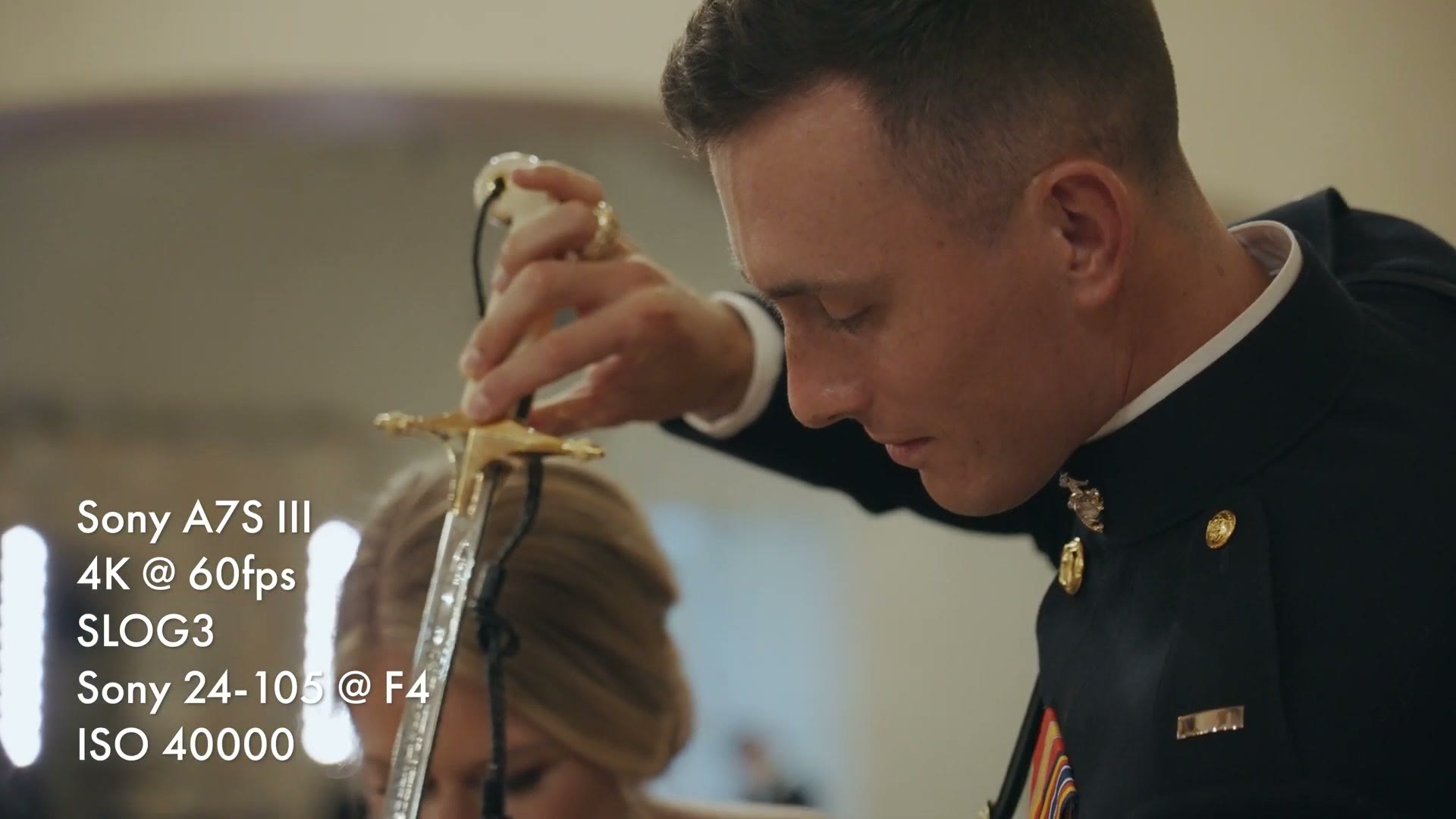
Heck, I was filming the bride and groom cut the cake with that 24-105 at F4 and my ISO was set to 40,000. Totally usable. So my point is that an F4 aperture is not as bad as it used to be, because camera sensors have gotten so much better in low light.
Of course, if you are filming with something like a Sony FX30, which to be clear has decent low light performance but is still a crop sensor, that camera cannot get anywhere near an ISO like that, so I would avoid trying. In your case I would probably look for a lens that is at least F2.8, if not F1.4.
Overall though, I think Sony had a decision to make about whether they wanted this lens to be a really compact and cute F4 or a gigantic F2.8, and I am betting they could have made it an F2.8. But whenever you start dealing with that focal range at F2.8 or wider, lenses start getting bigger and beefier in both size and weight.
Go Follow Sidney
Anyways, one more note about the width of this lens. I am not somebody who vlogs often, but whenever I was talking to Sidney Diongzon about this lens, and if you do not follow him on YouTube he is fantastic, the first use case he immediately thought of was vlogging.
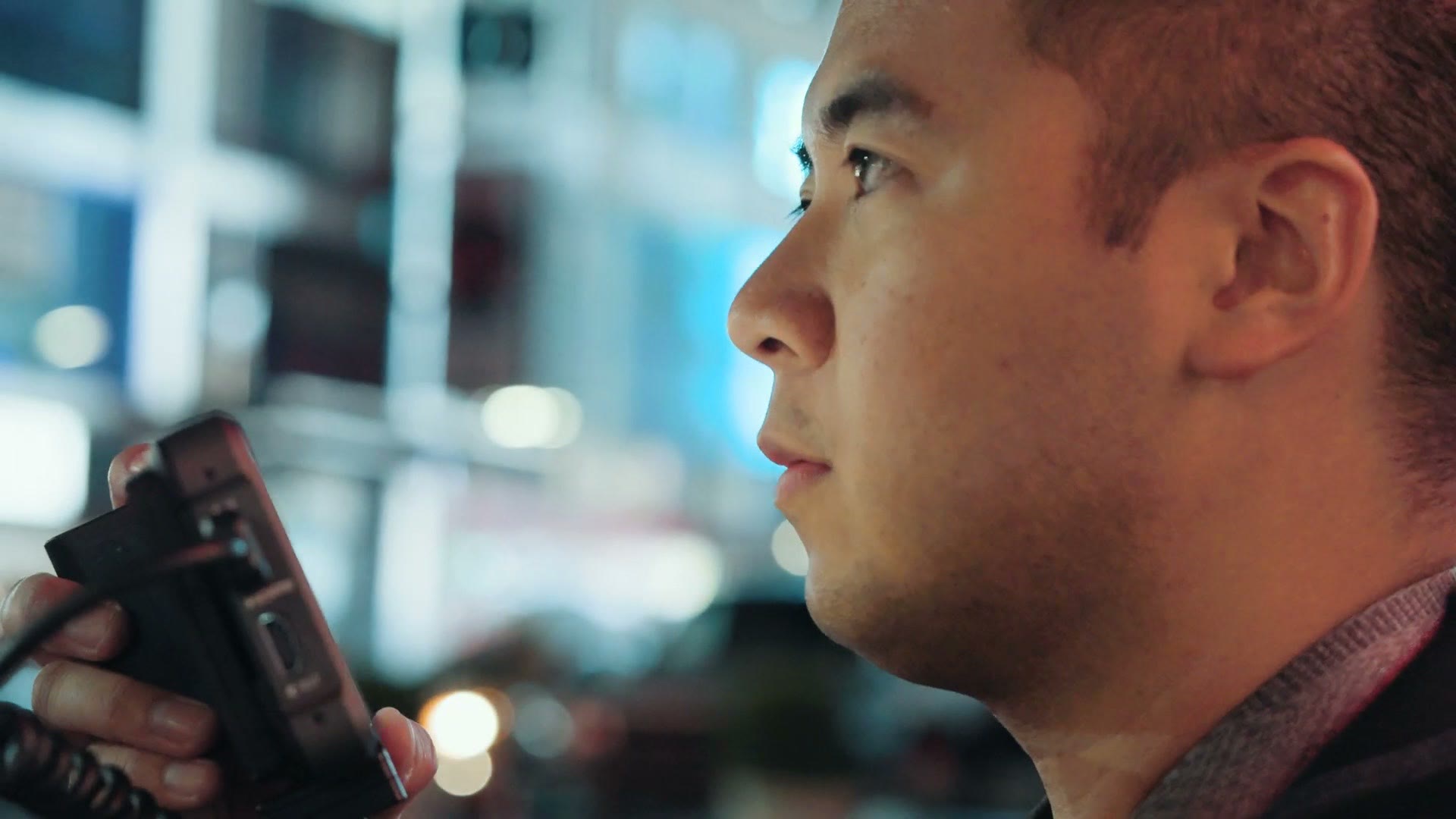
Because oftentimes whenever you vlog you want a very wide angle lens so you can hold the camera out in front of you while you are filming. Traditionally vloggers have gravitated toward wide angles like a 16-35, which is great, but if you want a lens that gets close to that at 20mm while also giving you a lot more versatility on the tight end, it will work for way more things than just vlogging. That is where this 20-70 really shines. So yeah, if you want to vlog, take this lens out.
Fancy Lens Features
Sony says the lens is dust and moisture resistant, which is great, and just like all of Sony’s newer lenses it has the features you have come to expect and love.
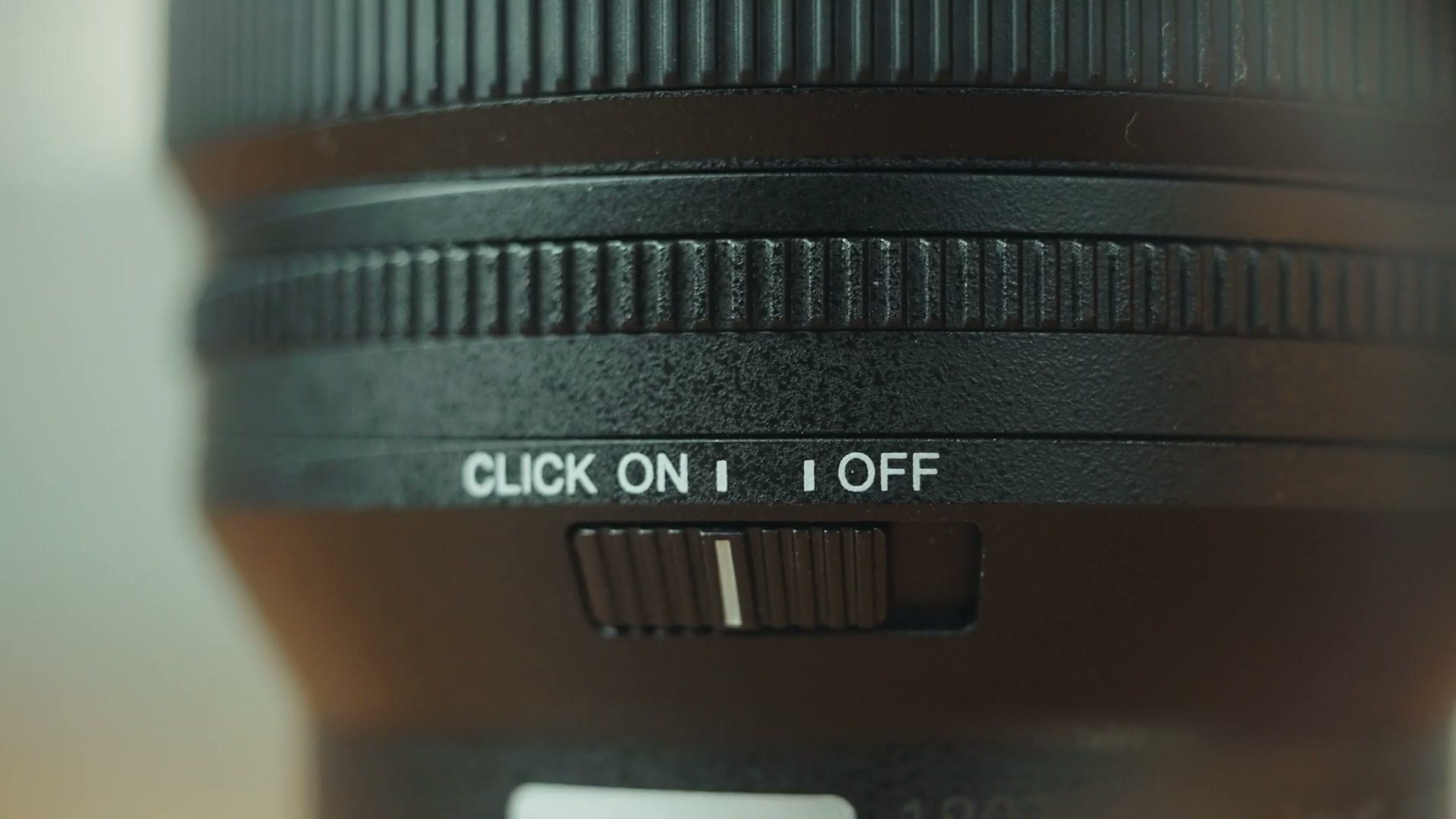
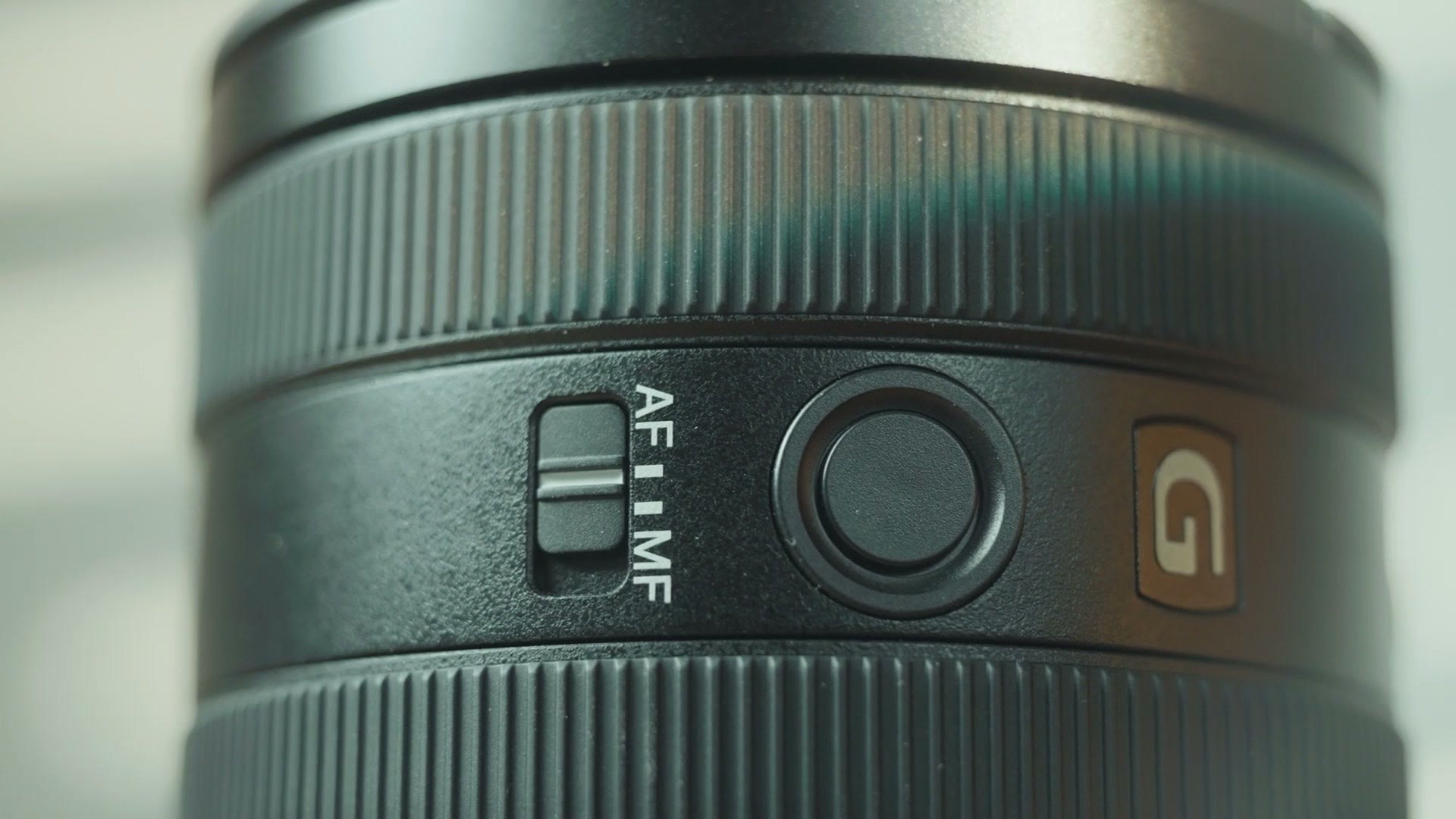
There is an aperture control ring with a switch to make it clickless, which is amazing for video, plus an autofocus and manual focus toggle, programmable buttons, and all those other nice new Sony lens touches.
Sharpness And Focus Breathing
In my testing, and I am sure you have been able to see it from the test footage, this lens is quite sharp at F4 and I think it looks great. Another key note is that it has very good focus breathing performance, where you can see a little bit of it but it is very minimized, especially compared to other Sony lenses. So if you rack focus your shots a lot you are going to love this, and especially if you pair it with the lens breathing compensation feature on Sony’s newer cameras, you should not be dealing with focus breathing at all.
Autofocus, Parfocal Performance, And Macro
Speaking of focus, I am very pleased to tell you this lens has very fast autofocus, and it is very close to parfocal, meaning that if you have it set to manual focus and you are zoomed out at 20mm and then you zoom all the way in to 70mm, the subject you are filming is going to stay in focus. That is rare for lenses to support these days, so I am really happy to see it.
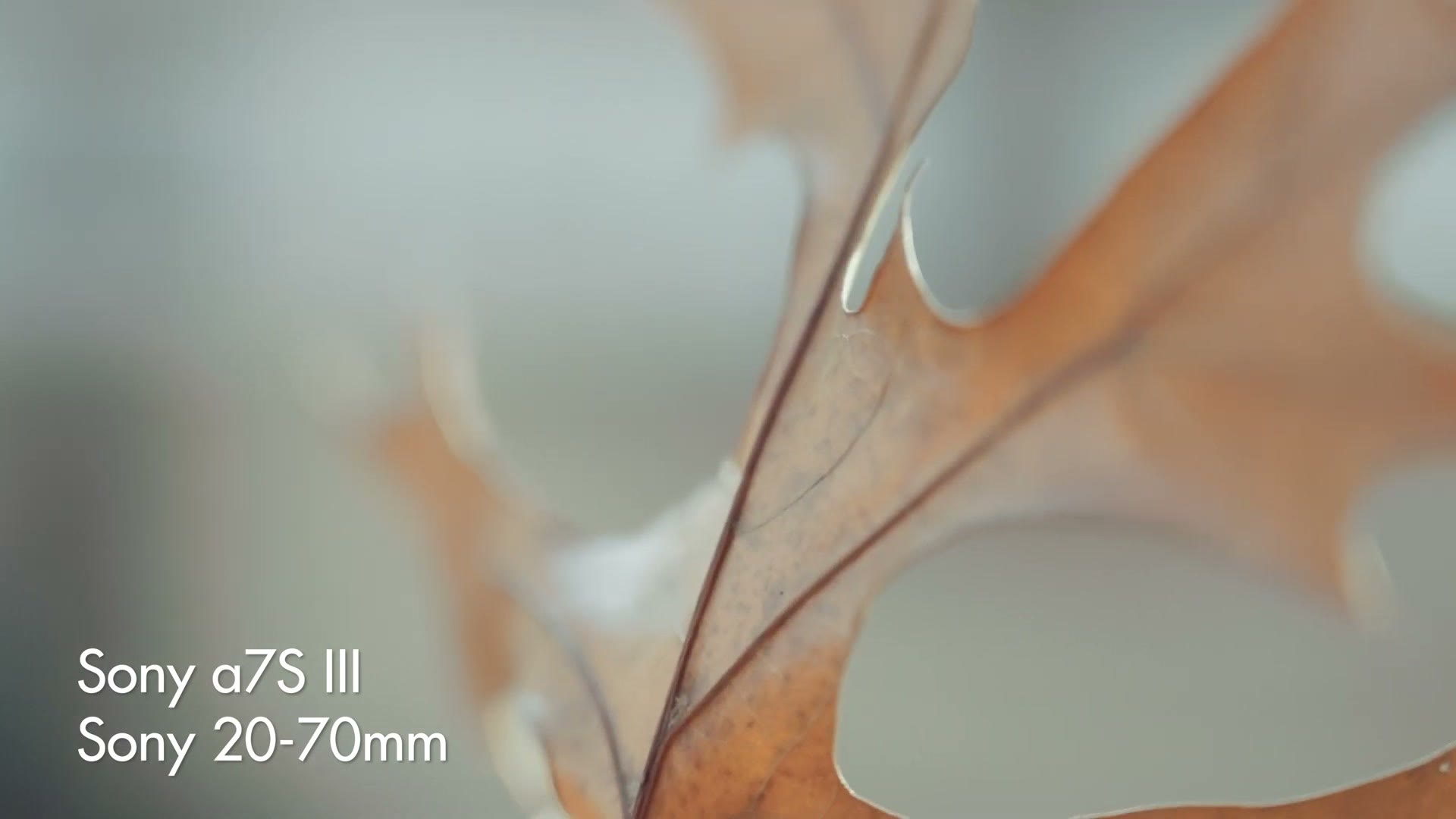
Also in regards to focus, this lens has a really great minimum focusing distance. It is not quite macro, but it is pretty close. Unlike some other lenses I have tested where it feels like you have to be pretty far away before you can get focus, with this one you can be about ten inches away and still focus.
The Price: Should You Buy It?
Sony has told me this lens is going to retail for $1,099, and in an era where it feels like so many lenses are $2,000 or more these days, it is a bit refreshing to see a price point closer to 1,000 than 2,000.
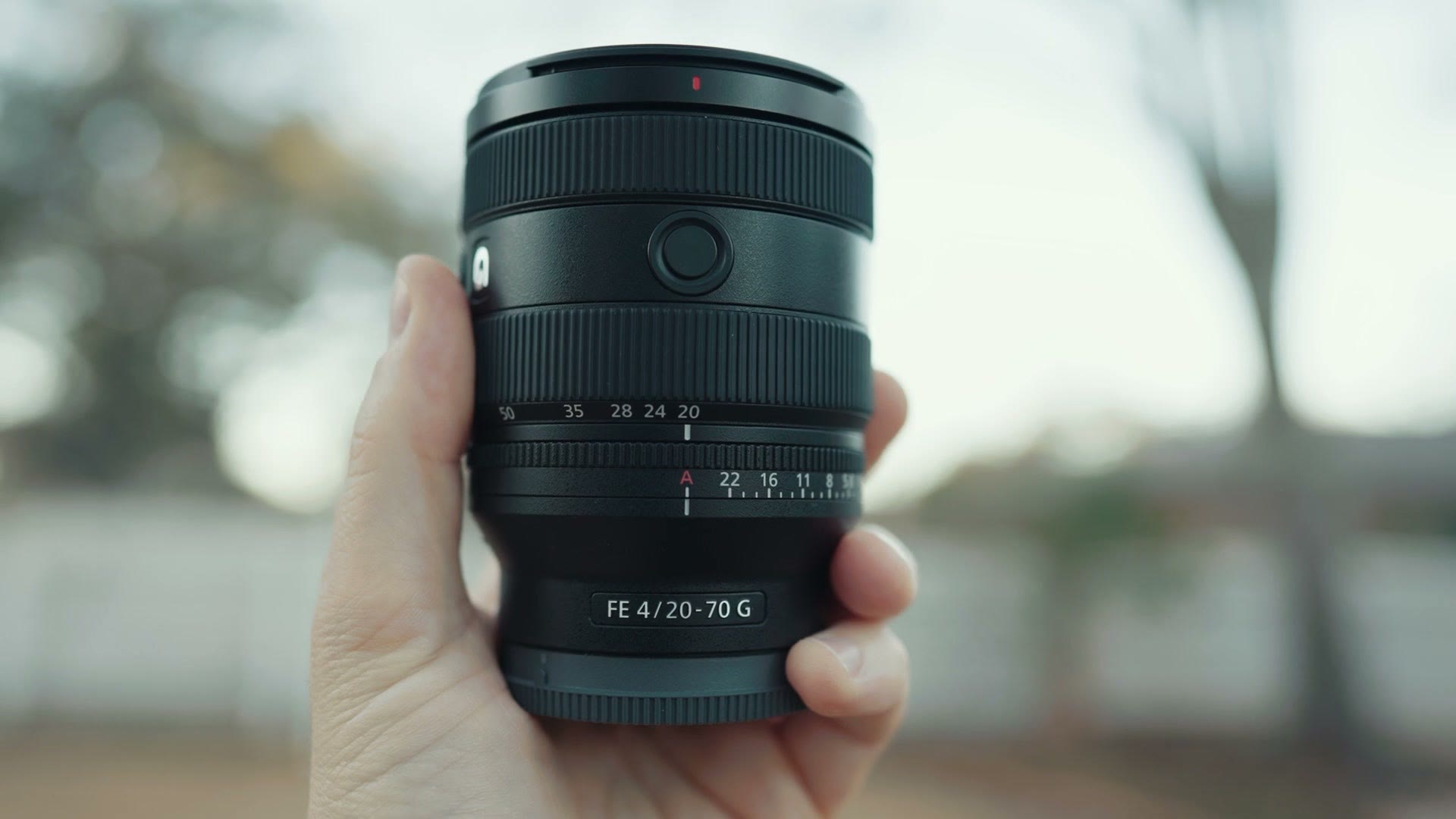
But the age old question: should you buy it? I will make this decision simple for you. If you are a brand new wedding filmmaker looking for your first lens to purchase, this is going to be very versatile. And if you just bought a gimbal and you need a lens for it, it is going to work great there too. I think this new Sony 20-70 is a very versatile choice that works great on a gimbal, works great handheld, and gives you a lot of flexibility when you are filmmaking.
You can buy the Sony 20-70mm F4 at B&H here.
Speaking of flexibility, if you are a wedding filmmaker like me, you have got to be flexible and use YouTube to promote yourself and your business. To help you out with that I have put together a free guide called YouTube For Wedding Filmmakers, and it is going to help you get more views, more subscribers, and more bookings on YouTube. You can download it completely free.
Thanks so much for reading, and have a great day!