
The lens I am reviewing today feels like it should not exist. But it does, and you can buy it today. I am speaking of course of the Sigma 60-600mm f/4.5-6.3, which I am filming this video on right now.
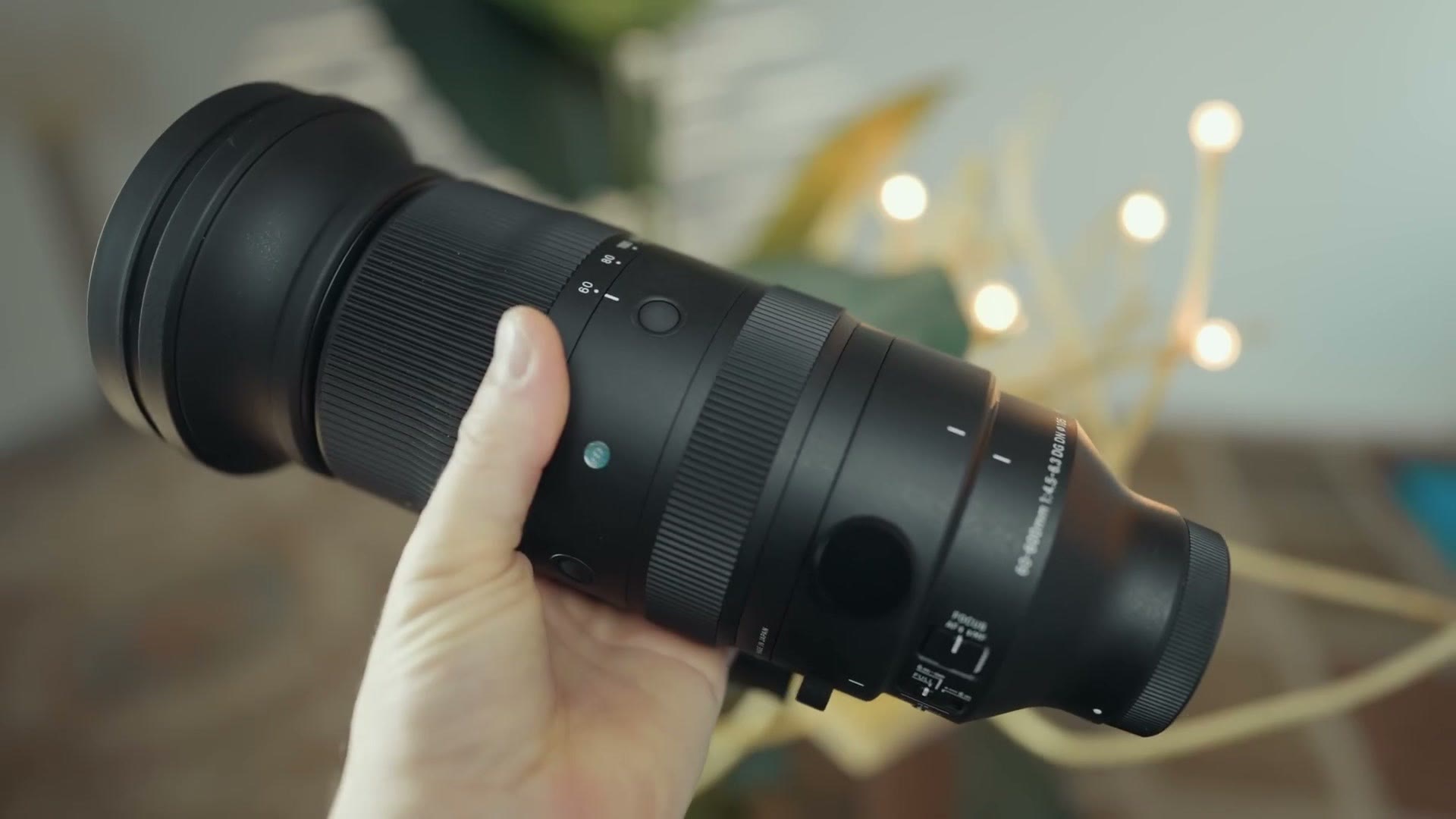
In this video I am going to review this lens from the perspective of a wedding filmmaker and tell you why this magical lens is, in my opinion, the ultimate wedding ceremony lens, one that can handle pretty much any wedding you throw at it.
At the risk of spoiling this review’s conclusion, think about it. Most wedding filmmakers film a ceremony using a 70-200mm, because that lens can be used for ceremonies where you are close to the couple but also ceremonies where you are stuck further away, like in a church balcony. Nothing against the 70-200. But what if you had a lens that was not only wider at 60mm, where you could set up even closer to the couple if you needed to for a smaller ceremony, but that you could also zoom in to 600mm if the couple was getting married in a sports arena and you were stuck a quarter mile away from them? If we are talking versatility, this is arguably the most versatile lens ever made.
Before we go further, for the sake of ethics, I want you to know this video is not paid or sponsored by Sigma. I reached out to them so I could borrow this lens because I think it is super cool. I mean, look at it. And I have to send this bazooka back to them very soon.
So Big It Comes With Its Own Case
The first thing you are going to notice about this lens whenever you get it is that it comes with its own case. I know it is really common for 70-200mm lenses to come with cases too, but this case is massive. It is large enough that if you wanted to take this lens with you on a trip, the bag that just holds the lens would count as your personal item on a plane. Thankfully, with the large size, it is a very protective case that I feel like will keep your lens safe if you are traveling with it.
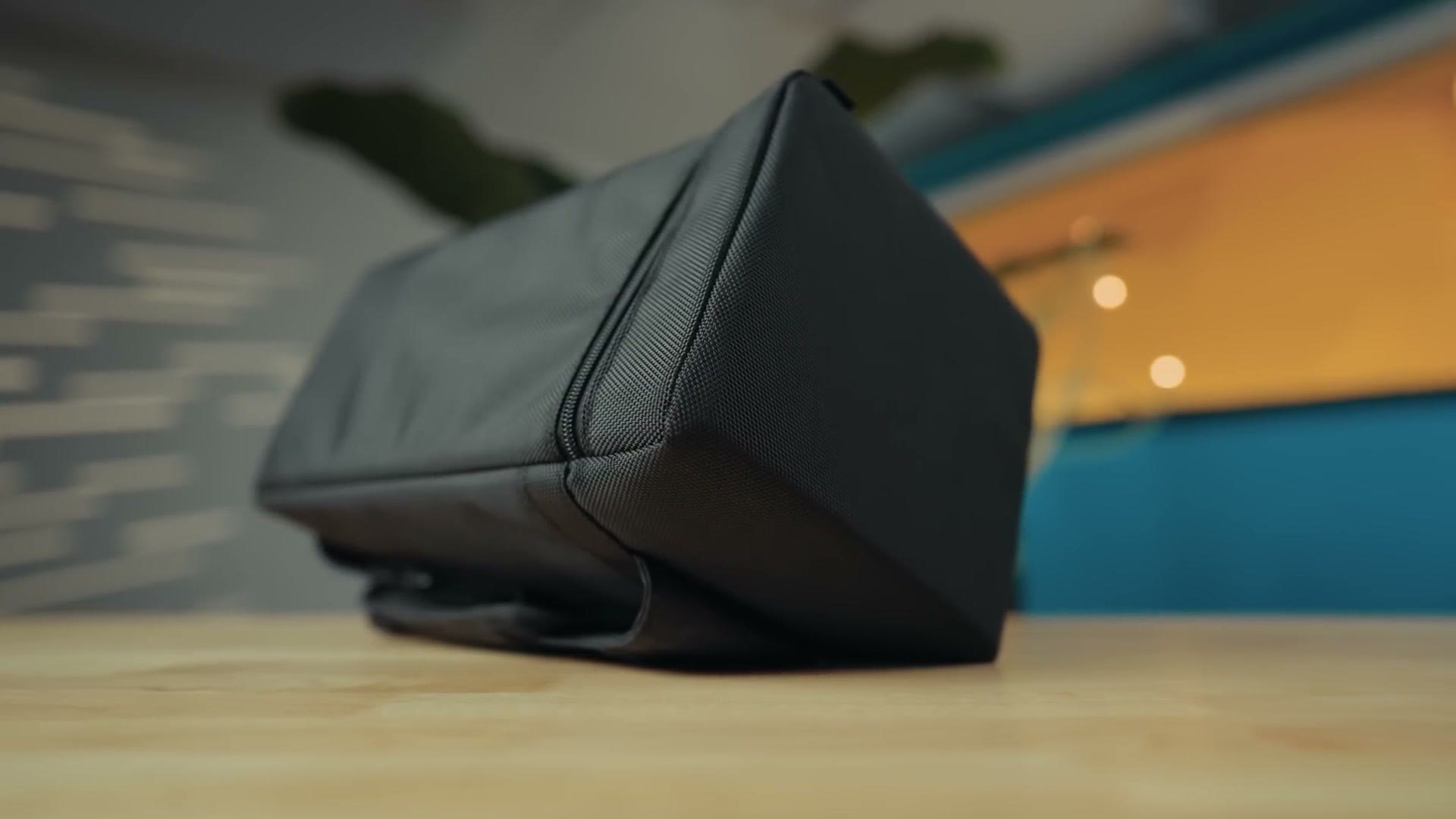
Once you open up that case, you are going to be struck by the sheer massiveness of this lens. For context, my brother owns the sibling to this lens, the Sigma 150-600mm, and that lens is also a beefy boy. I wish I had it here to compare the size, but if I had to compare the two from memory, the 60-600 is definitely thicker and girthier than the 150-600. It is also heavier.
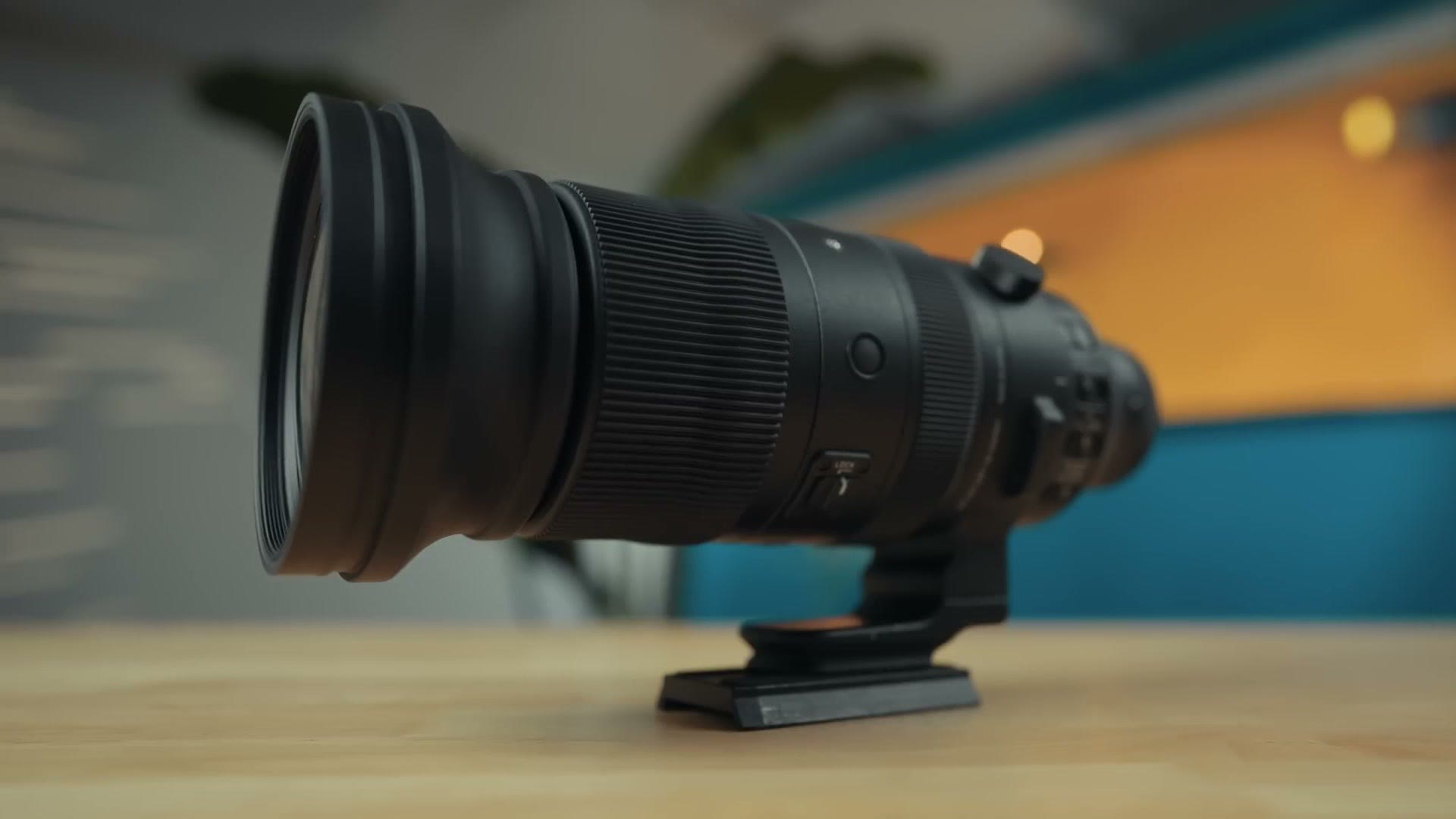
I remember filming with my brother’s lens and thinking you could get away with handholding it if you absolutely needed to for shorter shots, but with this 60-600 that feels pretty much out of the question. This lens is heavy enough that you are going to want it on a tripod or a monopod, and most importantly, you are going to need to make sure that tripod is heavy duty. I have these Manfrotto Befree tripods that I love, but they are mostly plastic, and if you are someone who uses lightweight tripods like those, I would not recommend using them with this lens. This lens needs a big, sturdy tripod so it is not going to tilt or fall over. So if you have dreams of using this lens handheld as an all in one monster, I am sorry, but you are going to need some help keeping it stable.
Stabilization And Autofocus Performance
Speaking of stable, I am happy to tell you this lens does have optical image stabilization built in, with two modes. Mode one is best if you want to minimize shake while attempting to use this lens handheld, and mode two is a panning mode that is better if you are, as the name implies, panning. So if you are using this lens during a wedding ceremony and you need to pan to film the bridesmaids walking down the aisle, I would select mode two.
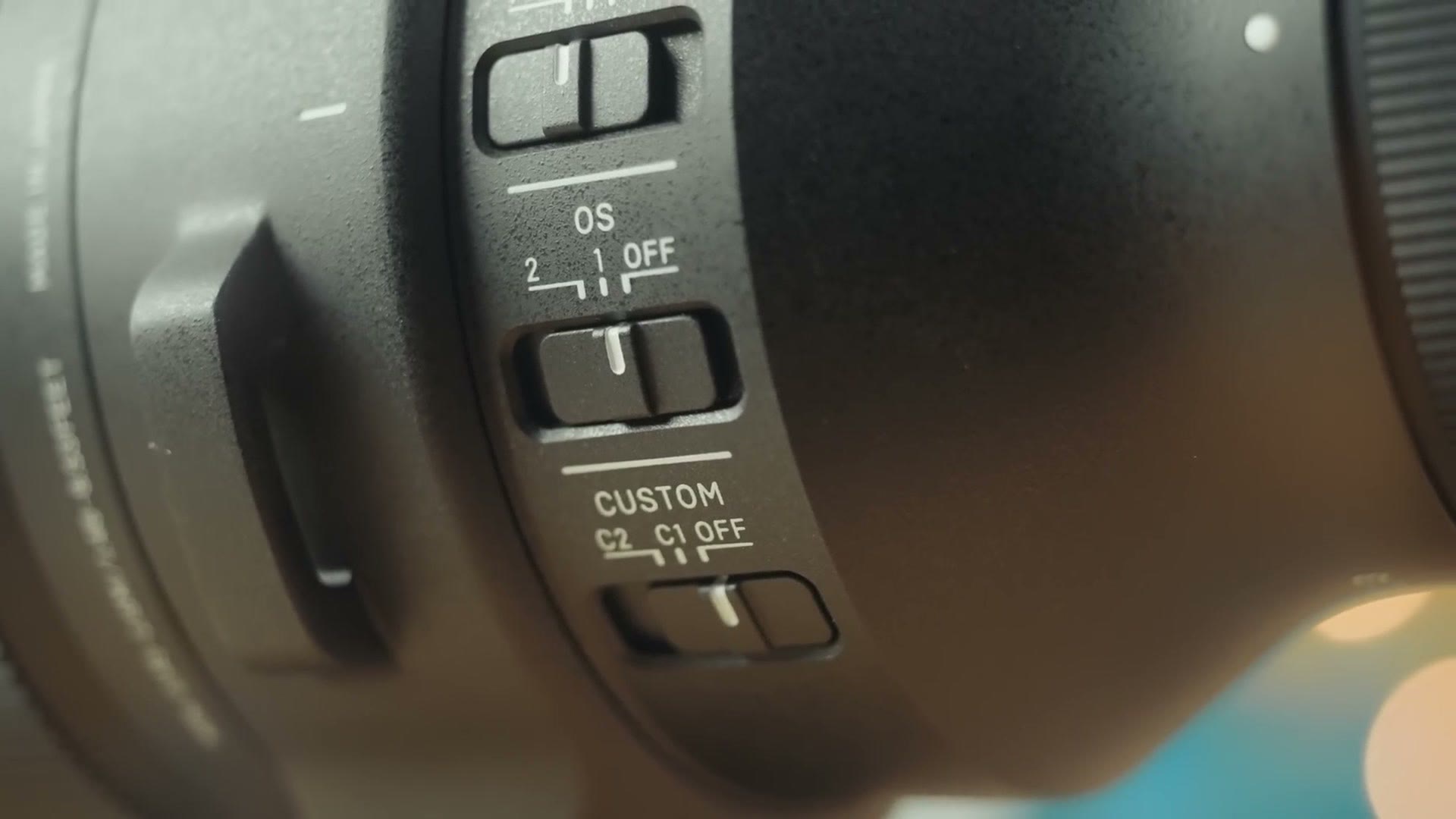
This lens also has a switch that lets you limit focus to 0.6 to 6 meters if you are filming something close, or 6 meters to infinity if you are filming something that is not close, or just the full range from 0.6 to infinity if you want. It is nice to have these options, and these settings will help with autofocus, which I am pleased to tell you this lens does support and is good at, even at this size. Manual focus feels great as well, and is fast and responsive.
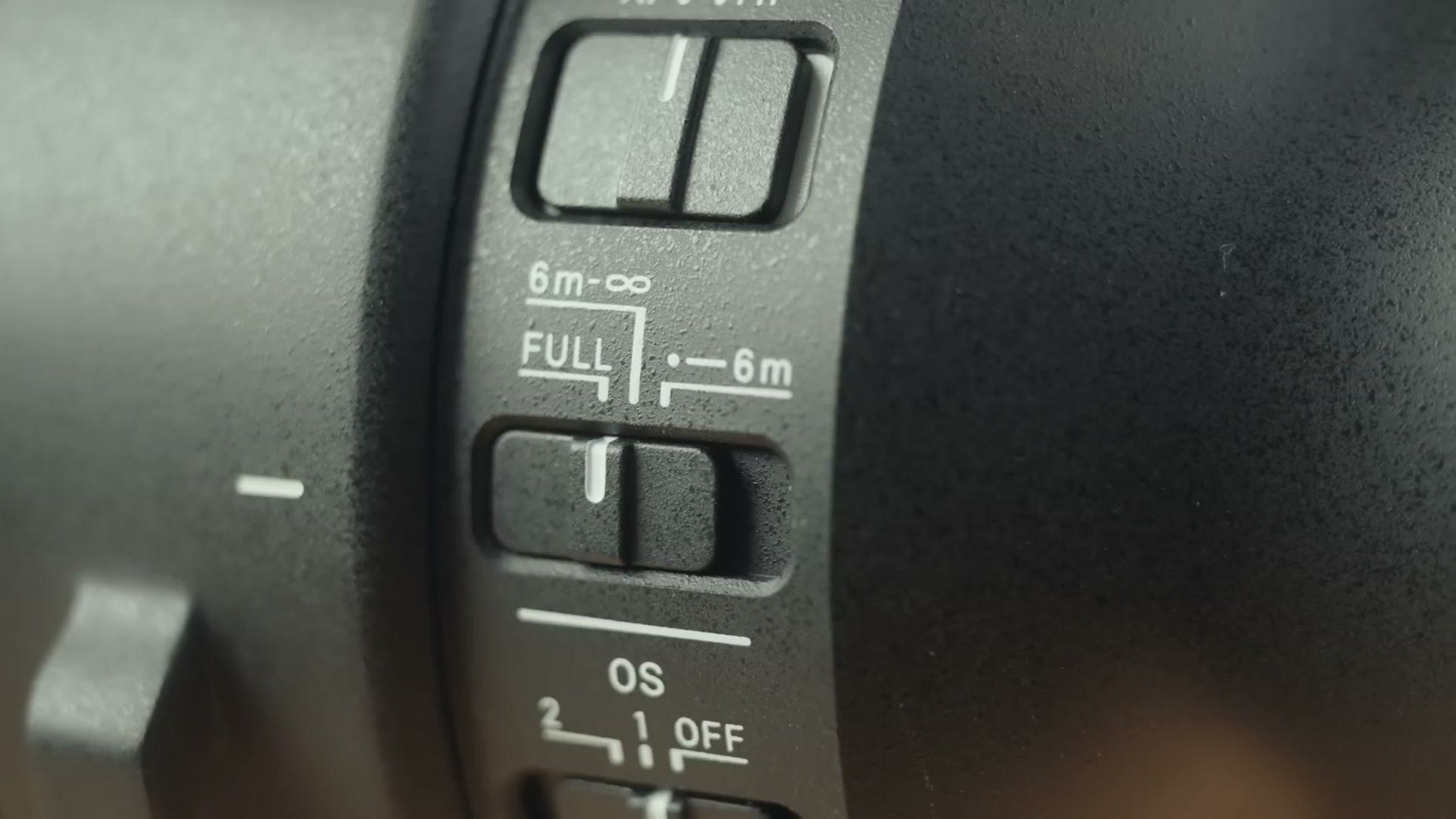
It also has two programmable buttons and a custom switch on the side that you can set up if you buy Sigma’s USB dock to adjust this lens. And most importantly, at least in my opinion, there is a lock switch on the side which prevents the lens barrel from extending. This is super important, because the front section of this lens is heavy, and if you tilt the lens downward it is going to want to extend on its own. By engaging this lock, you can prevent it from extending unless you want it to.
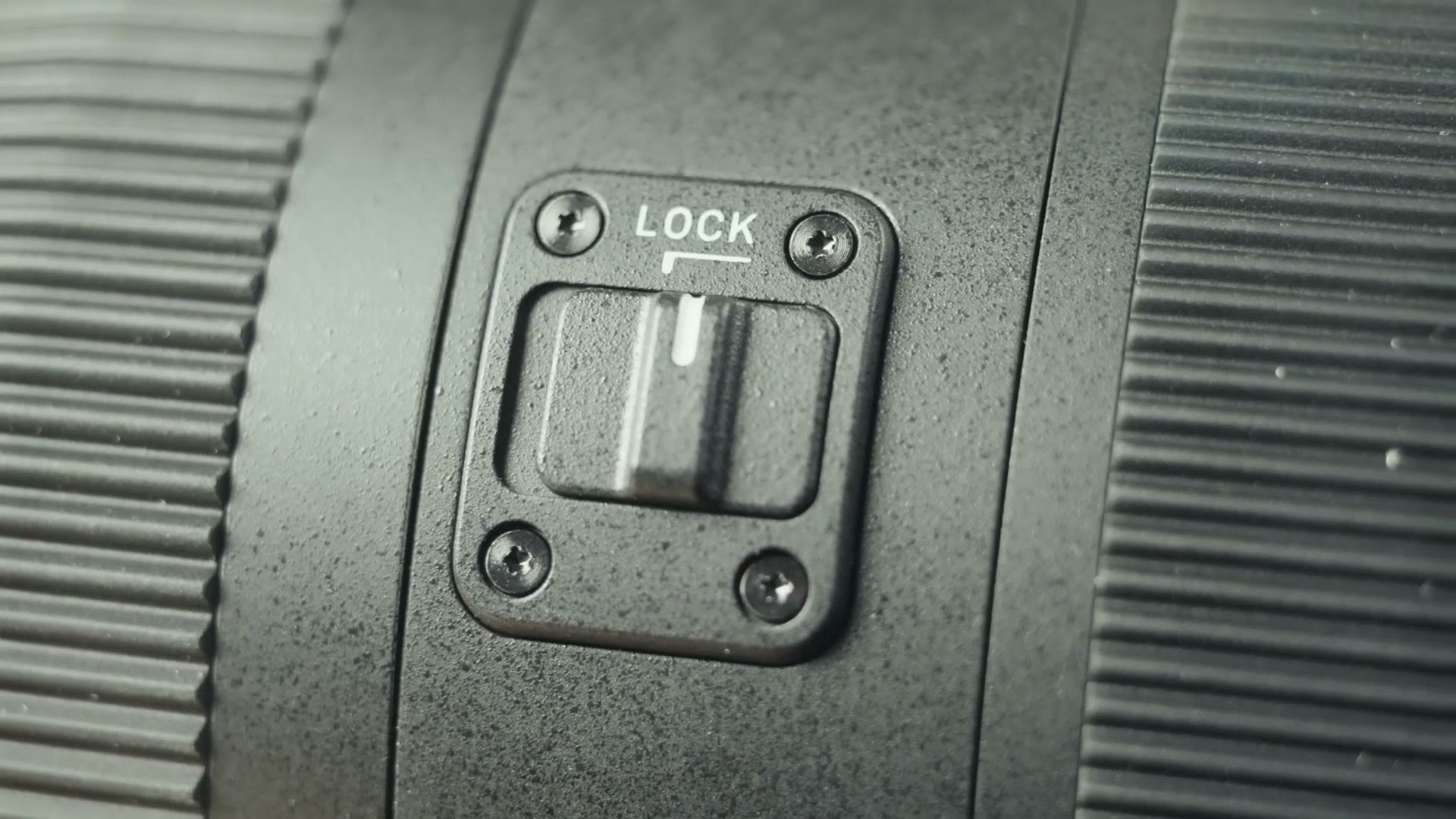
To be clear though, that looseness of the lens barrel whenever it comes to extending is by design, because Sigma built this lens so you can zoom either by rotating the zoom ring or by grasping the front of the barrel and pushing forward or pulling back to adjust the zoom. That makes a lens of this size even easier to use, and I like it. But remember to use the zoom lock if you do not want the lens to get away from you.
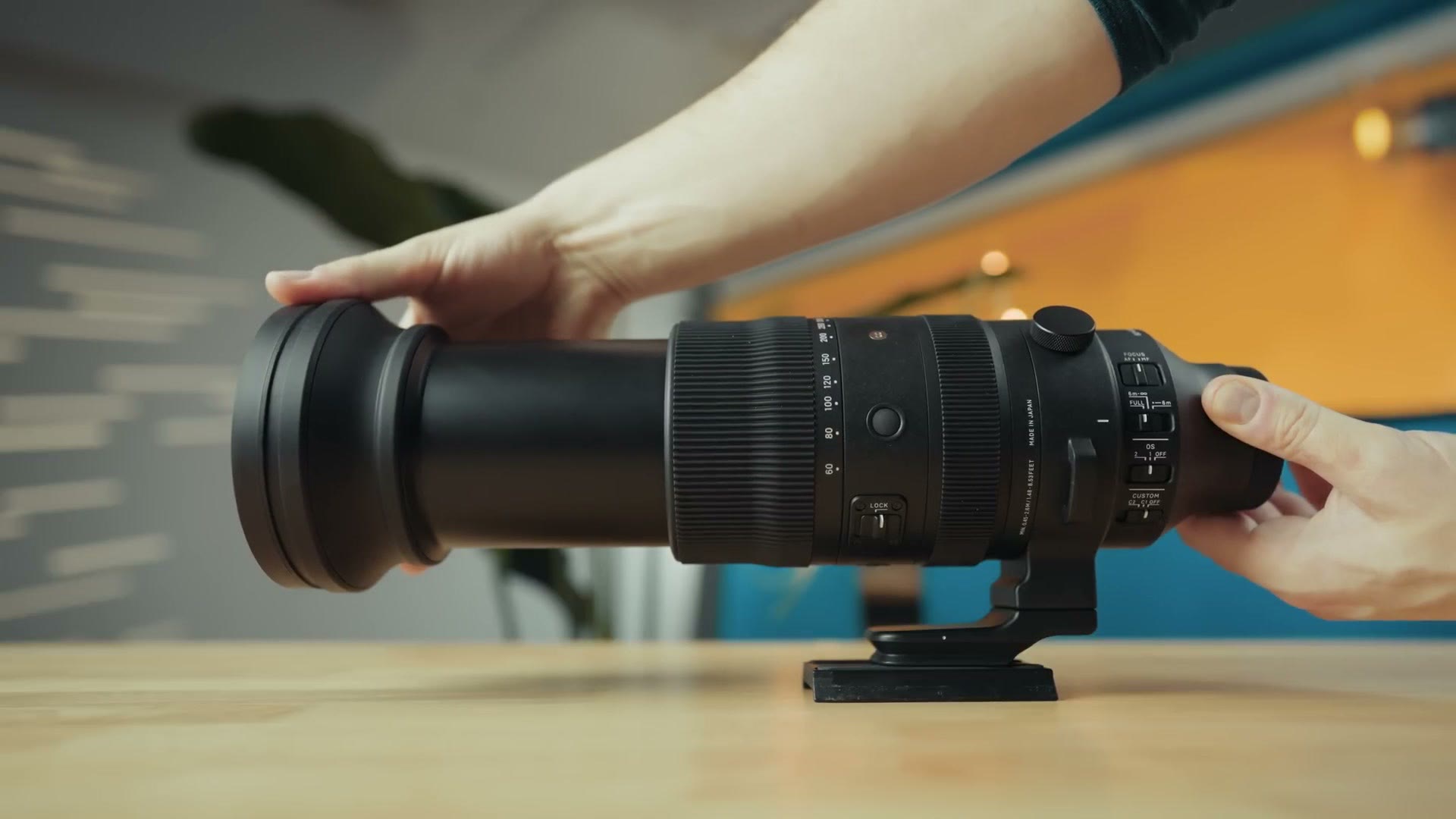
The one thing I really wish this lens had would be an aperture control ring, which Sigma has been including on some of their other lenses. But that might not have been possible considering this is a variable aperture lens, meaning the closer you zoom in, the more closed the aperture is going to be, and they would have to rig up some sort of electronic way for the aperture to be adjusted as you zoom. It would be cool, but I feel like you would just make this lens heavier and more expensive.
As a workaround, if you are filming something and you know you are going to need to adjust the zoom while recording, say that shot where the bridesmaids are walking down the aisle and you zoom out as they walk in, in that case I would set the aperture to f/6.3, which I realize is dark, but that is going to prevent the lens from adjusting its aperture as you zoom in and out.
Why This Lens Is So Versatile
Sigma has overall created a really well built lens, and like I said at the start, this is definitely a lens reaching the border of lenses I am not sure should really exist. What I mean by that is that this 60-600mm focal length is just so versatile, because it is such an incredibly wide 10x zoom range.
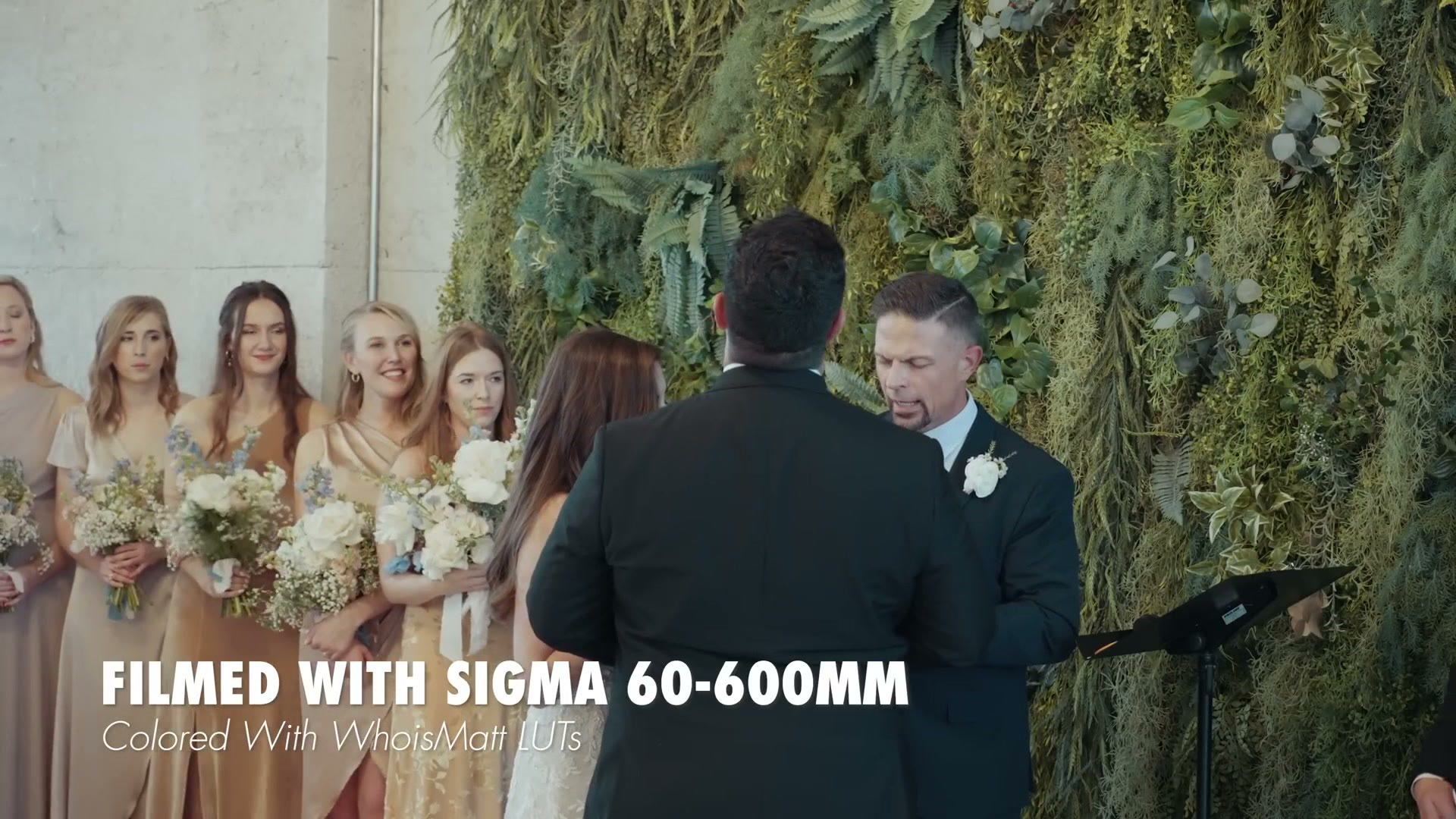
If you are someone who films wedding ceremonies where you need to be able to film from a variety of distances, or if you film talking heads at conferences where you are not sure if you will be up close to the person speaking or if they are going to stick you in the back of a really big hotel meeting room, my point here is that with this lens you are ready for pretty much anything. If you are stuck in the back of a room, you can zoom all the way to 600mm and film essentially the nose hairs of the person talking.
Alternatively, and this is something I was not able to do with my brother’s 150-600mm, you also have a ton of versatility on the wider side of things. With that 150mm you still had to be a decent ways away from someone speaking to be able to record them properly, but with this 60-600 it is actually wider than a 70-200mm, which means you can film even closer if you need to.
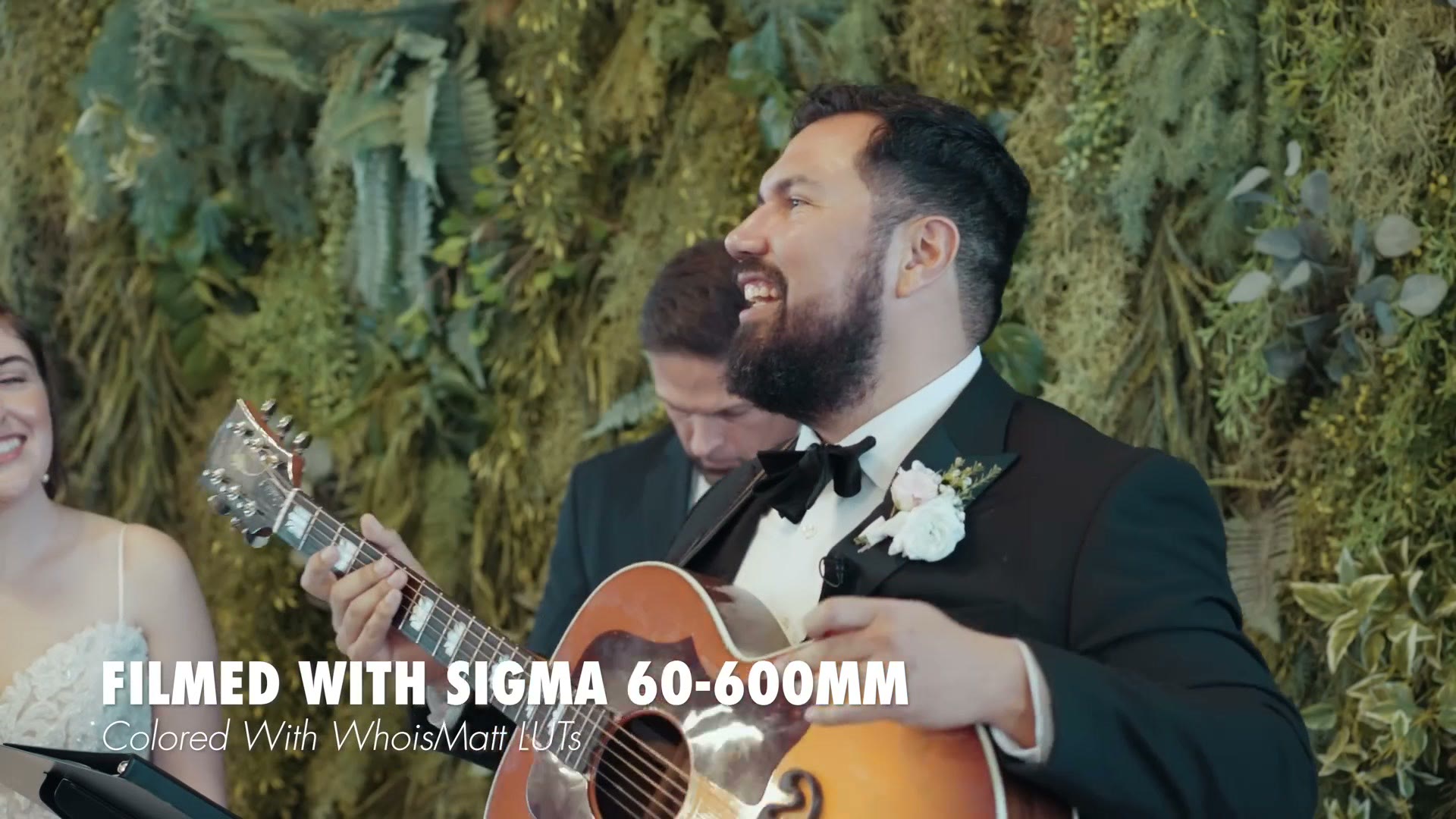
Whenever I tested this lens at a wedding, I was not sure what the ceremony was going to look like until 15 minutes before it began. True story. The wedding day was raining off and on and the coordinator did not make a decision on whether the ceremony was going to happen indoors or outdoors until right before it started. They set all the chairs up outside, and then they said, guess what everybody, we are all going to stand inside because it is raining.
If I had been filming that wedding outdoors I was going to need to be pretty far away from the couple as they gave their vows, but I knew that if we were indoors it was going to be a much more cramped situation and I was going to be much closer. Thankfully, with this 60-600, I knew I had literally everything covered. The ceremony ended up happening indoors, but filming with this lens made it easy, because I kept it more on the 60mm part of the zoom range during the ceremony while still easily being able to punch in and film tighter whenever I needed to. It was awesome.
While you’re here, take a look at This Lens Is Impractical… I love It! Sigma 200mm F2 Review and This Lens Is Worth Your Attention Sigma 28-105 F2.8 Review.
The One Con Of The 60-600
Going back to what I said at the start of this review, where this feels like a dream lens that should not exist because it has such a massive focal range, there is one area where the laws of physics do start to drag this lens back down to the ground a bit, and that is the aperture this lens is able to obtain.
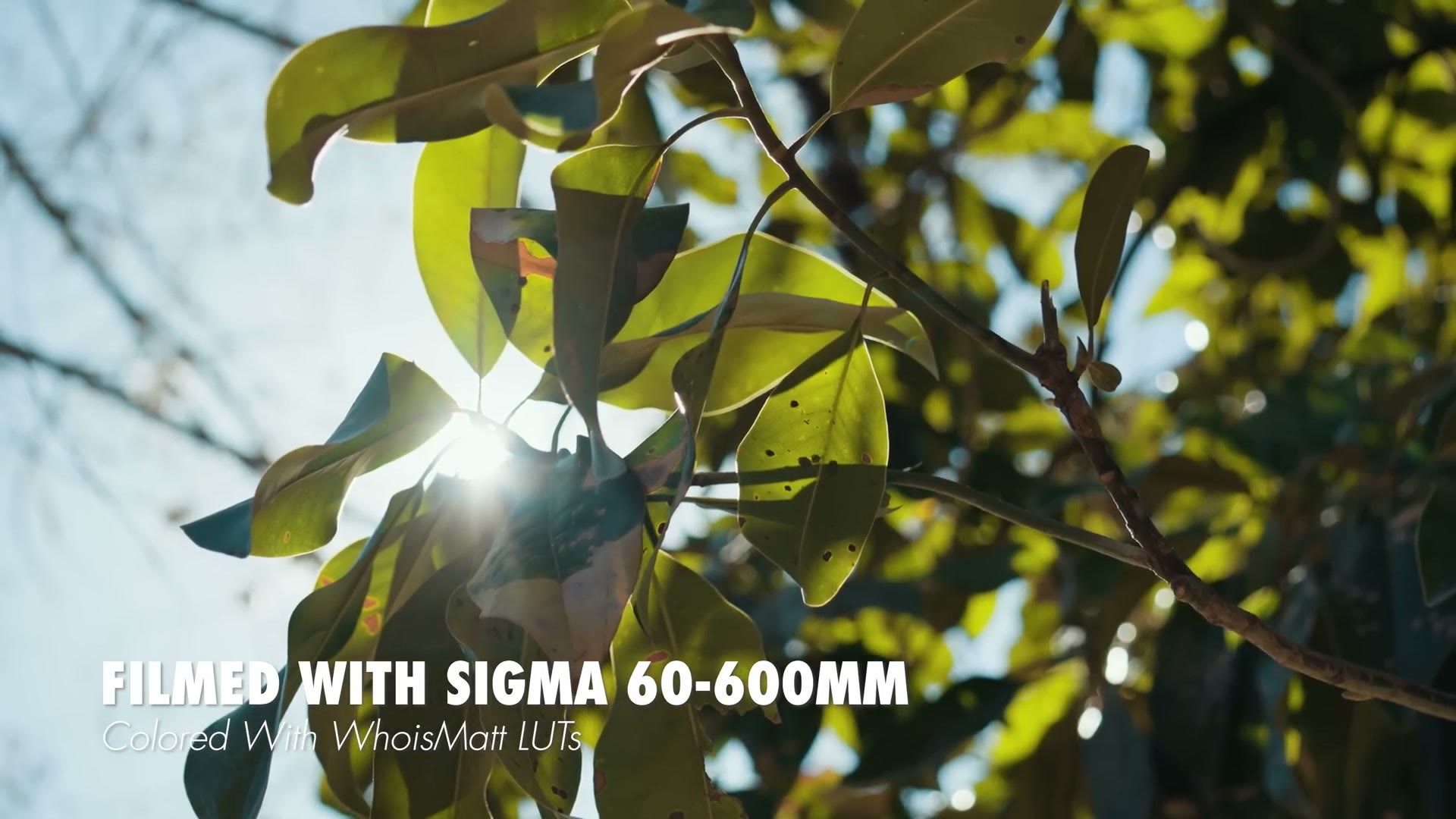
As it is, this lens is an f/4.5-6.3, which is not bad at all for a lens of this size. But I want you to be aware that if you are filming zoomed in and closer to that 600mm range, the bokeh is going to look fantastic because things are so compressed, whereas if you are filming much closer at roughly 60mm, that f/4.5 aperture may not end up looking as pretty as you would normally expect from a 70-200 set to 70mm at f/2.8, for example.
Just be aware that in general, the closer you zoom with this lens, the better it is going to look. To be clear, it still looks sharp to me throughout the zoom range, but the bokeh is going to be on a sliding scale from “and that’s okay” to “wow, that looks fantastic.”
The Price Is Interesting
Now we have got to talk about the price, because that is where this lens gets super interesting. At the time of making this video, Sigma has priced this lens at $2,000, which, if you consider the versatility you are getting, I think is a surprisingly good deal.
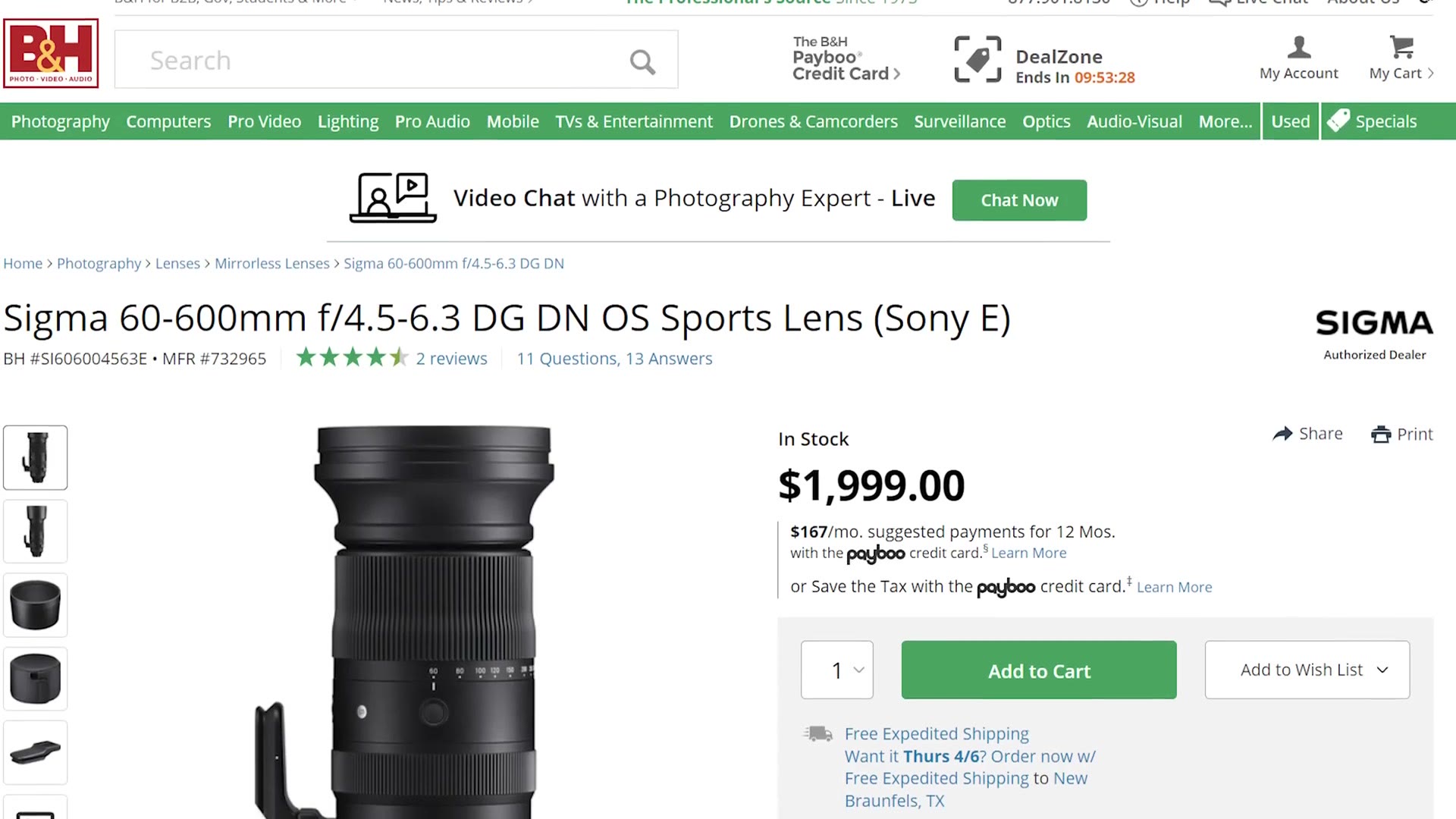
Looking at the competition, the first lens that comes to mind for me is Sony’s 200-600mm, which is an f/5.6-6.3, and I have to say, it is a truly massive difference going from 60mm wide to 200mm wide. Right? And guess how much that Sony 200-600 costs. $2,000. So at the same price, with this Sigma you are getting a lens that is dramatically more versatile, which I think is pretty awesome.
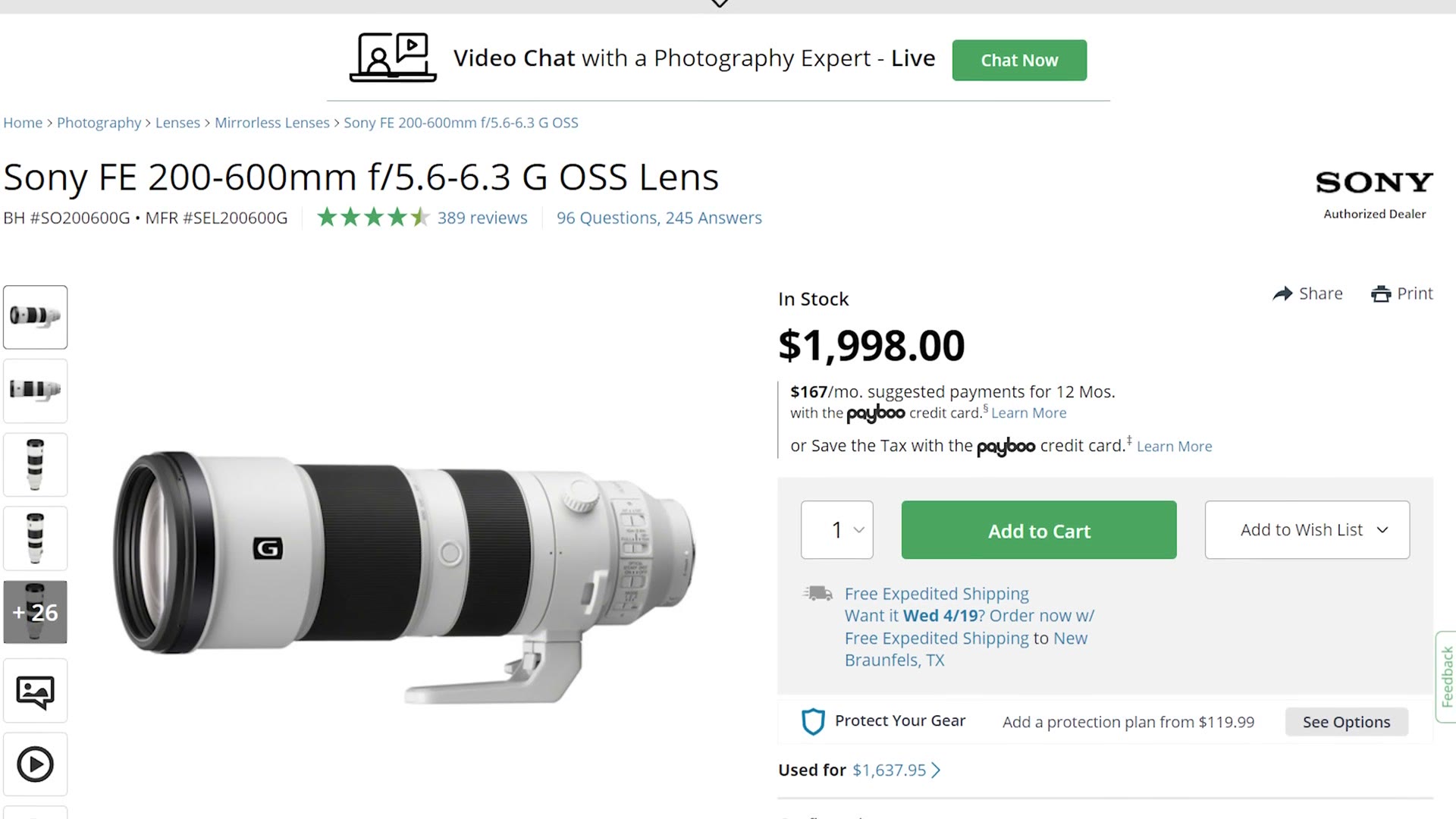
Not to mention, because this lens is so wide, even wider than a 70-200, you can also compare it to 70-200mm lenses from the competition. Granted, this Sigma is dramatically larger and heavier.
You can buy the Sigma 60-600 at B&H, at Amazon or at Adorama.
Should You Buy It?
Here is how I think you should think about it. If you are a wedding filmmaker or a documentary filmmaker, or someone who films a ton of talking heads from a significant distance away like you would during a wedding ceremony, and if you are also someone like me who has 70-200mm lenses but only breaks them out for the ceremony, and if you have the space in your bag and you want to invest in a lens that is more versatile than the 70-200 and will cover you whether you have a wedding where you are close to the couple or a wedding where it feels like you are a quarter mile away in a church balcony, this Sigma 60-600mm can handle it all.
That is why I believe this lens is the ultimate wedding ceremony lens, and it is definitely worth the investment.
Like The Colors In This Video?
Speaking of being worth an investment, do you like the colors here? I have a set of color presets I made called WhoisMatt LUTs that I used to color this video, and if you like these colors you can make an investment too and get them in your own videos.

And if you do not want to spend any money, which I totally get, how about I help you out for free? I have put together a guide that will actually help you make money. It is called YouTube Tips for Wedding Filmmakers, and it is going to show you the exact steps you should take to get more views, likes and bookings, to make you more money using YouTube as a wedding filmmaker. This guide is completely free.
Here is my full list of filmmaking gear as well.
Thanks so much for reading, and have a great day!