
It feels like I’ve reviewed both of these cameras before.
This is the Sony a7C II and the a7C R, and at first glance both of them look incredibly similar, not only to each other but also to the a6700 I recently reviewed. Internally, they share essentially the same sensors as the a7 IV and a7R V as well. But both of these are significantly cheaper, which is definitely intriguing.
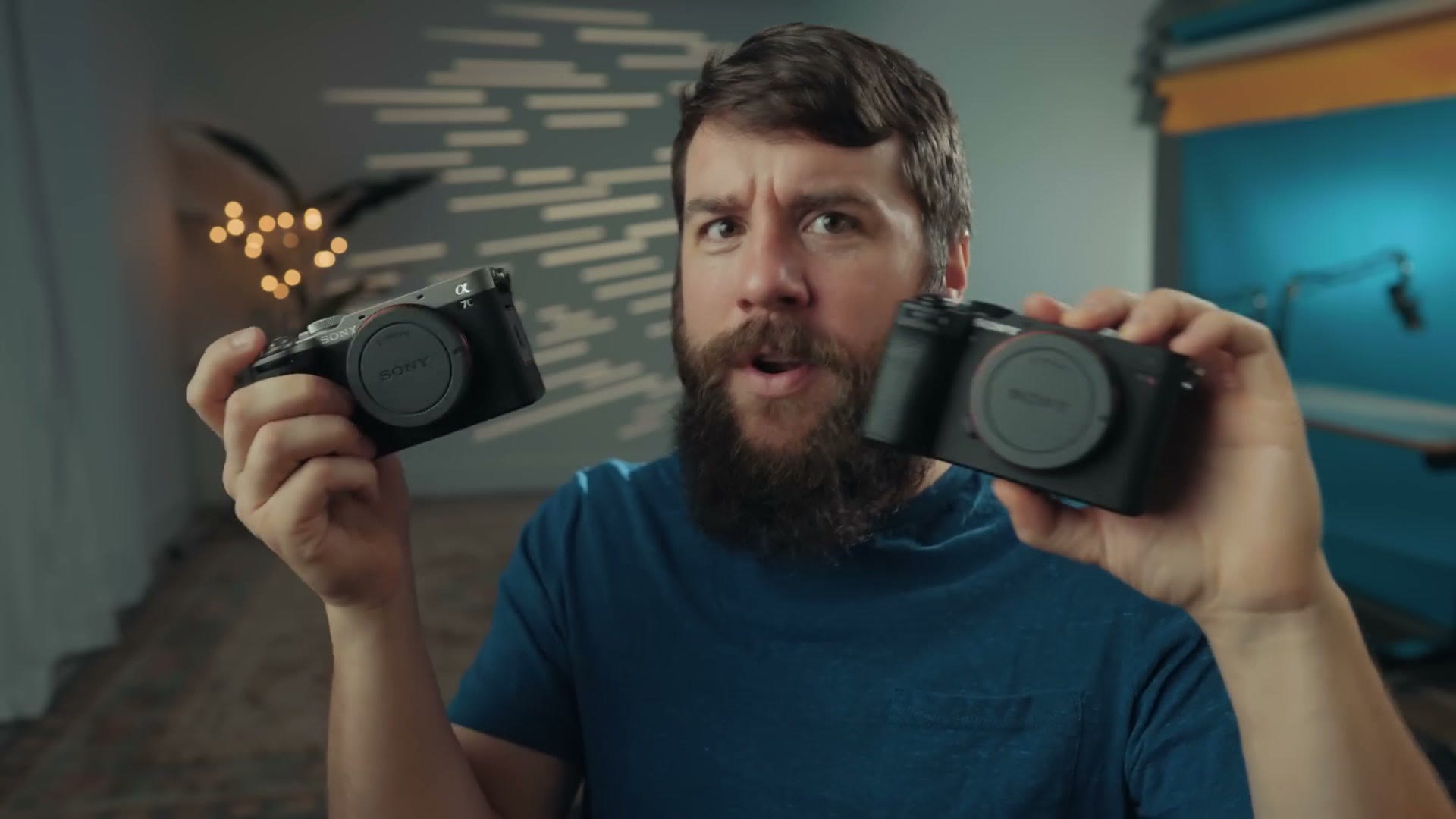
Today we’re talking about the similarities and differences, and I’m reviewing them from the perspective of a wedding filmmaker. So if you film weddings or documentaries or do commercial work and you’re thinking about an ultra compact, high quality camera for video, you’re going to like this one.
Also, for the sake of ethics, I want you to know this video isn’t paid or sponsored by Sony.
Similarities To The a6700
Both of these are incredibly similar to the new a6700, which Sony announced a short while before announcing these. That’s not a surprise, because Sony has done this many times, releasing one body type and then putting different sensors into it to save on development cost.
So much of my a6700 review applies here too. These cameras are roughly the same shape, the grip is similar, and the controls and buttons are similar. As a plus, if you have bigger hands, Sony has reintroduced an extension grip that gives your pinky a little more room to rest on. I love this thing.
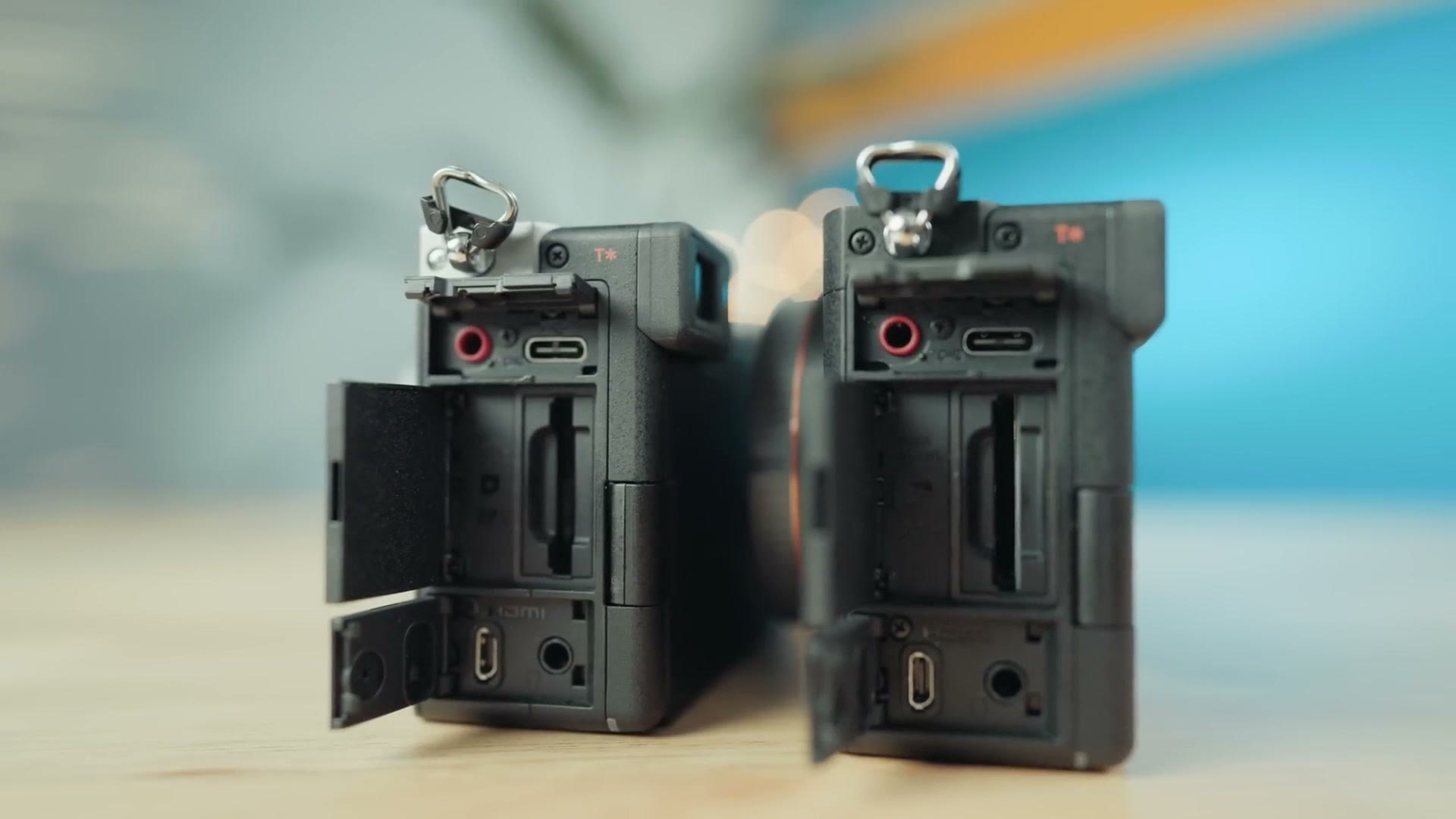
Unfortunately, we need to talk about something I do not love, which these also took from the a6700. The micro HDMI output, and a single SD card slot.
This sucks. And just like I said with the a6700, if you’re filming critical one-take events like weddings where you don’t get any do-overs, and you have the extra budget for a camera like an a7 IV or a7R V, those are the cameras I’d go with instead.
How Sony Is Differentiating Camera Models
This gives you a really interesting insight into how Sony has chosen to separate their cheaper and more expensive models.
In short, if you want to save money you can buy an a6700, a7C II or a7C R and get an incredibly compact camera with a ton of amazing features. But these cameras make compromises in two areas: memory card slots, where you get one instead of two, and overheating.
I experienced the a6700 overheating in as little as 10 minutes 30 seconds recording 4K 60. Side note, I saw other reviewers test that camera and get longer times. That could be the obscenely hot Texas summer heat where I do my testing, which is easily over 100 degrees. Or it could be a manufacturing difference between review samples. I’m not sure.
a7C II & a7C R Overheating Tests
I took both of these out into the blazing Texas summer heat, put them outdoors in direct sunlight while it was approximately 100 degrees Fahrenheit, pulled out both screens and set the auto power off temperature to High.
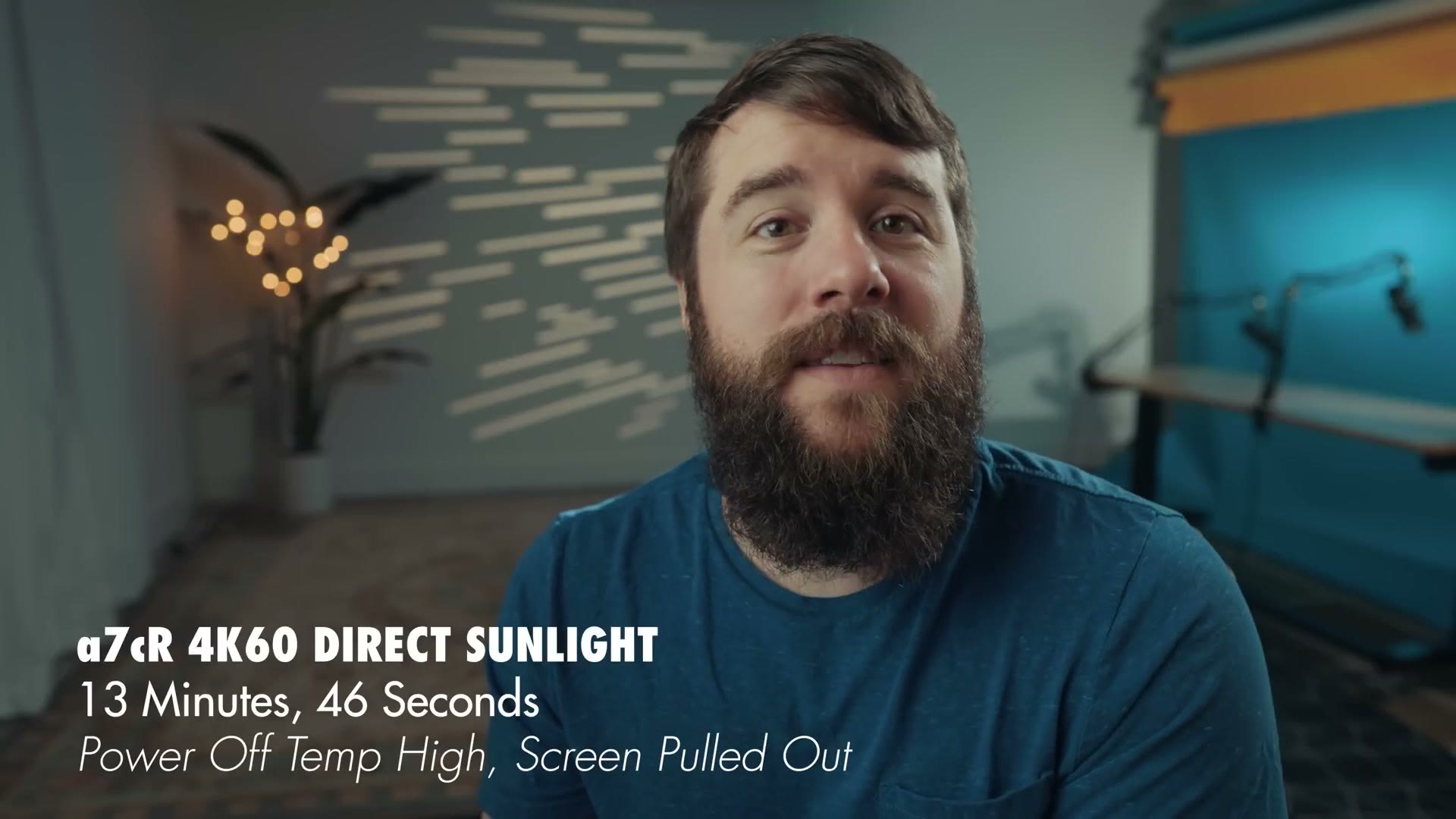
I’m sad to report that while both performed better than the a6700, it wasn’t by a massive margin. Recording 4K 60 in direct sunlight, the a7C R lasted 13 minutes 46 seconds and the a7C II lasted 8 minutes 11 seconds.
Then I brought them inside, gave them plenty of time to cool completely, took them back out and changed to 4K at 24 frames per second, to mimic what you’d be using to film an outdoor wedding ceremony. That sadly wasn’t much better, with the a7C R lasting 8 minutes 34 seconds and the a7C II lasting 20 minutes 58 seconds.
Of course I ran these indoors as well, in an air conditioned 72 degree room. At 4K 60 the a7C R lasted 58 minutes 40 seconds before overheating, while the a7C II lasted 1 hour 18 minutes 56 seconds. Much more impressive, but still a bummer that they eventually gave out.
Lastly I let them cool one final time and recorded 4K 24 indoors, and both of them ran until the battery died without overheating at all, with the a7C R lasting 2 hours 10 minutes 41 seconds and the a7C II lasting 2 hours 18 minutes 59 seconds.
So overall, from an overheating standpoint, both of these perform similarly to the a6700, and it’s very hard for me to recommend them if you’re looking for a camera that can survive filming an outdoor wedding ceremony in a hot climate.
In that case you may want to look at the FX30, which is APS-C but has a built in fan, or the FX3, or even the a7S III, which I tested in temperatures even hotter than this and it didn’t overheat at all. Some magic they put in that camera. I love it.
Other than those two differences, memory card slots and overheating risk, there aren’t many differences between the a7C II and the a7 IV, or the a7C R and the a7R V. So it appears Sony has chosen to differentiate mostly with pro features. If you want dual card slots so you’re protected when a card fails, or a camera significantly less likely to overheat, they want you on an FX series body for video, or a full fat a7 IV or a7R V for hybrid shooting.
So be aware that while you’ll save a nice chunk of change buying one of these for pro work, spending the extra money may be worth it anyway.
Frame Rates & Resolutions
While the exteriors look similar to the a6700, take off the lens cap and you’re presented with a much larger full frame sensor on both.
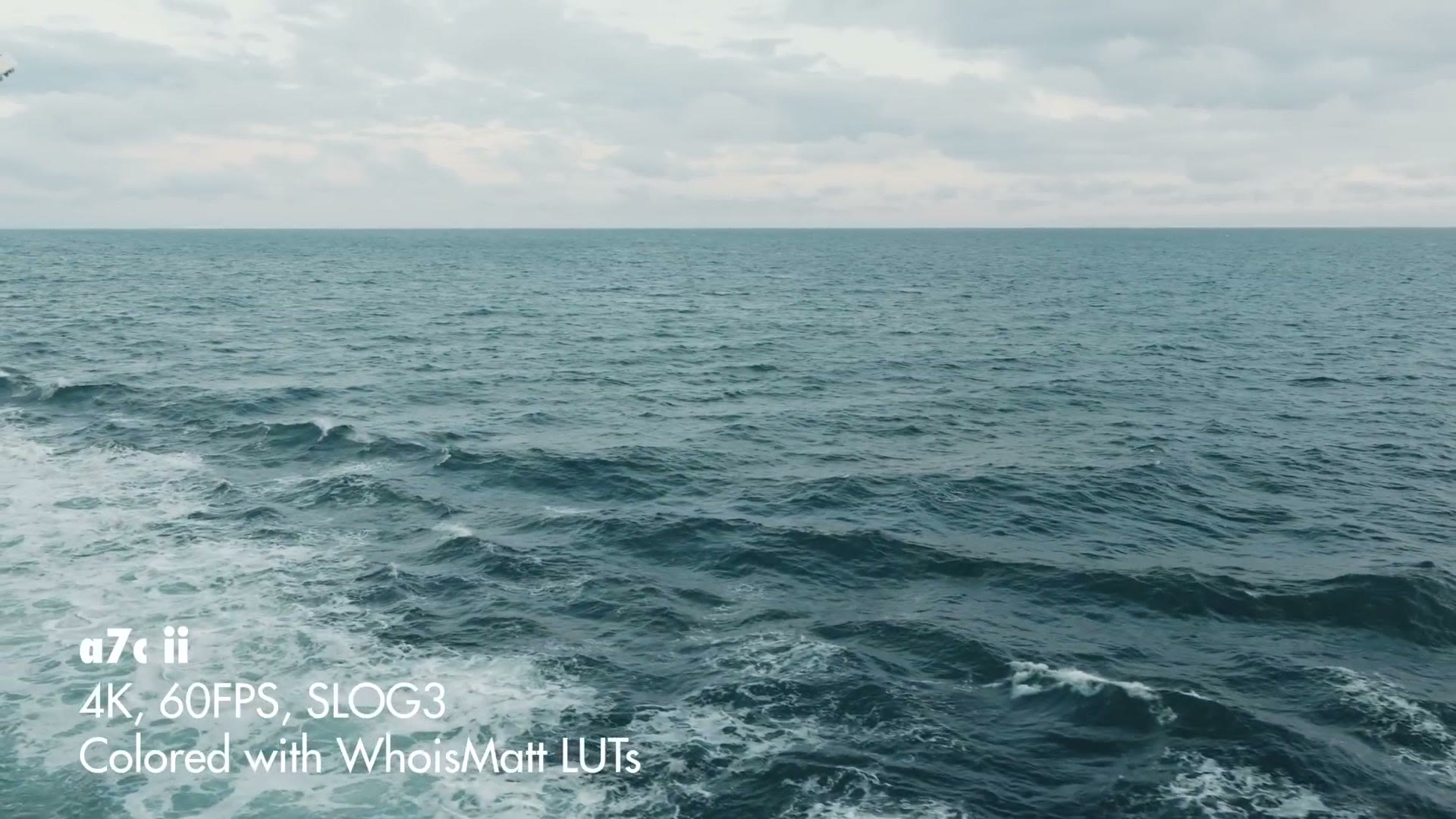
With the a7C II, just like the a7 IV, you can record 4K at up to 30fps full frame and 60fps with a 1.5x crop. And the a7C R records 4K at up to 30fps full frame and 4K 60 with a small crop.
And I’m sure you’re thinking, wait a second Matt, the a7R V can record up to 8K, what happened to that? Yes, unfortunately that’s another difference between the a7C R and the a7R V.
If I had to guess, I’m assuming Sony’s engineers tested 8K recording in this camera and, with an even smaller body, ran into more overheating issues, so they opted to leave 8K out of the a7C R.
I don’t think that’s a massive compromise, because many filmmakers aren’t filming in 8K yet. But otherwise we can consider 8K to be a pro feature, so just like dual memory card slots, it’s something Sony limited to the a7R V.
Video & Timelapse Quality
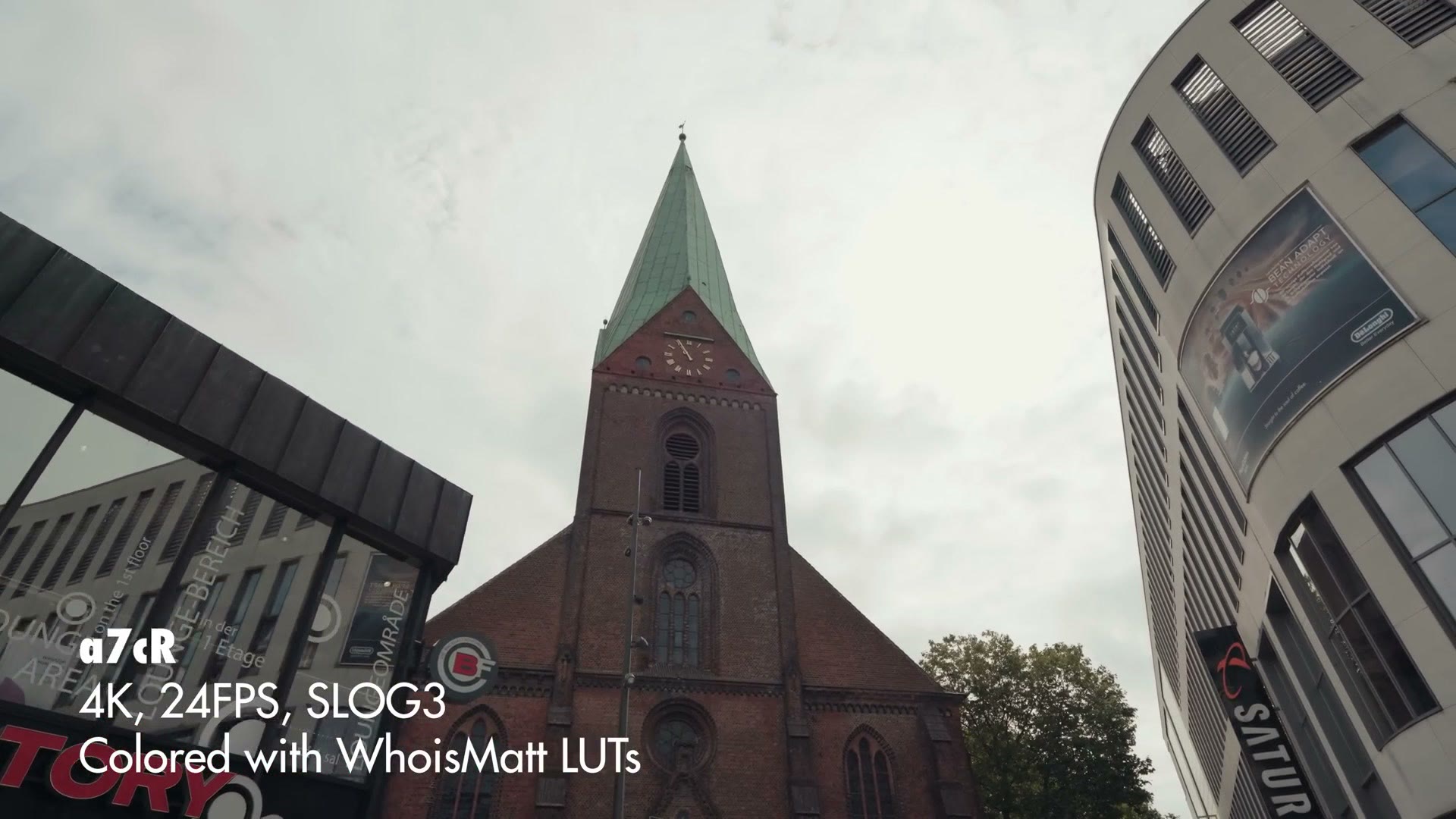
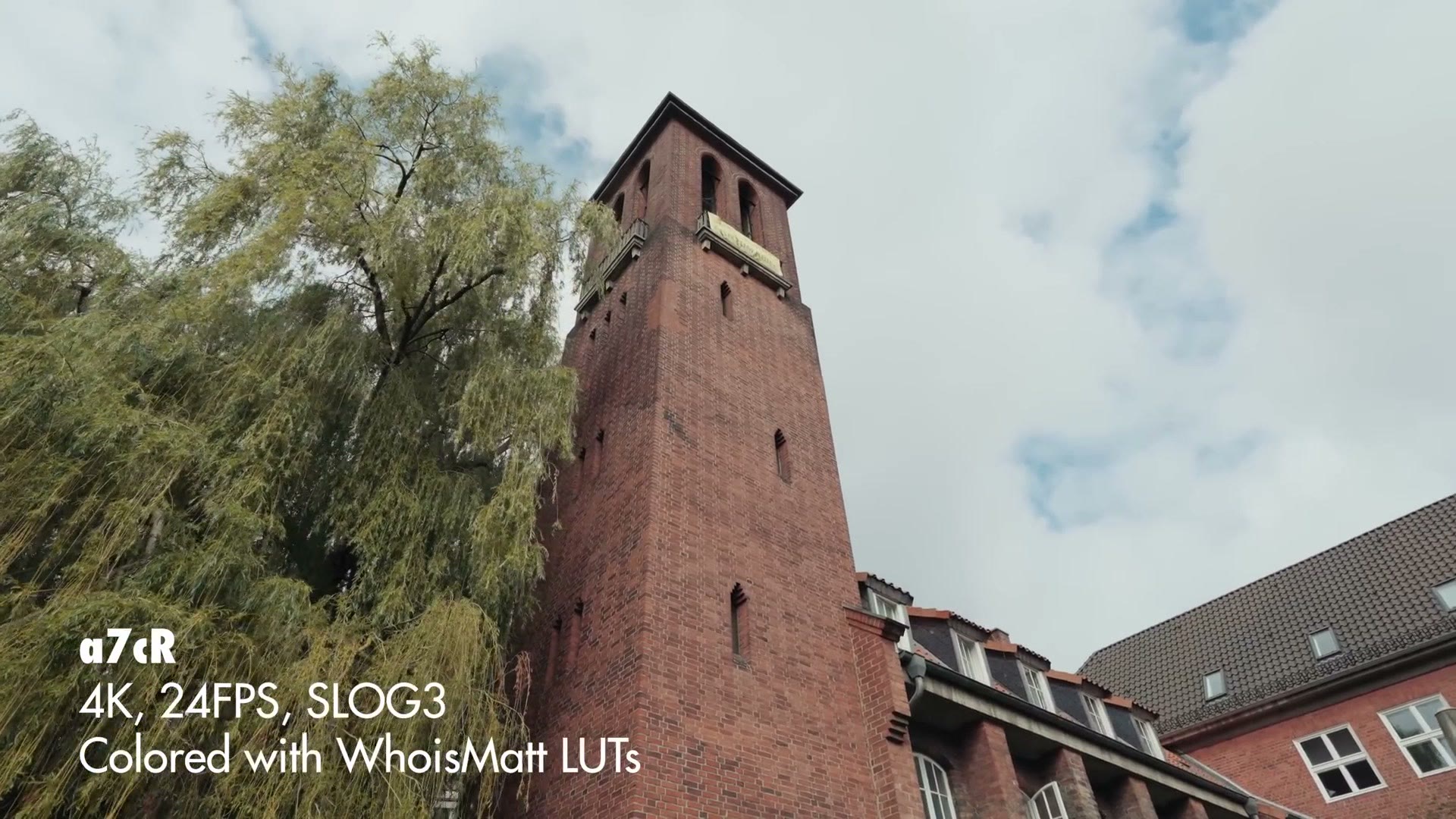
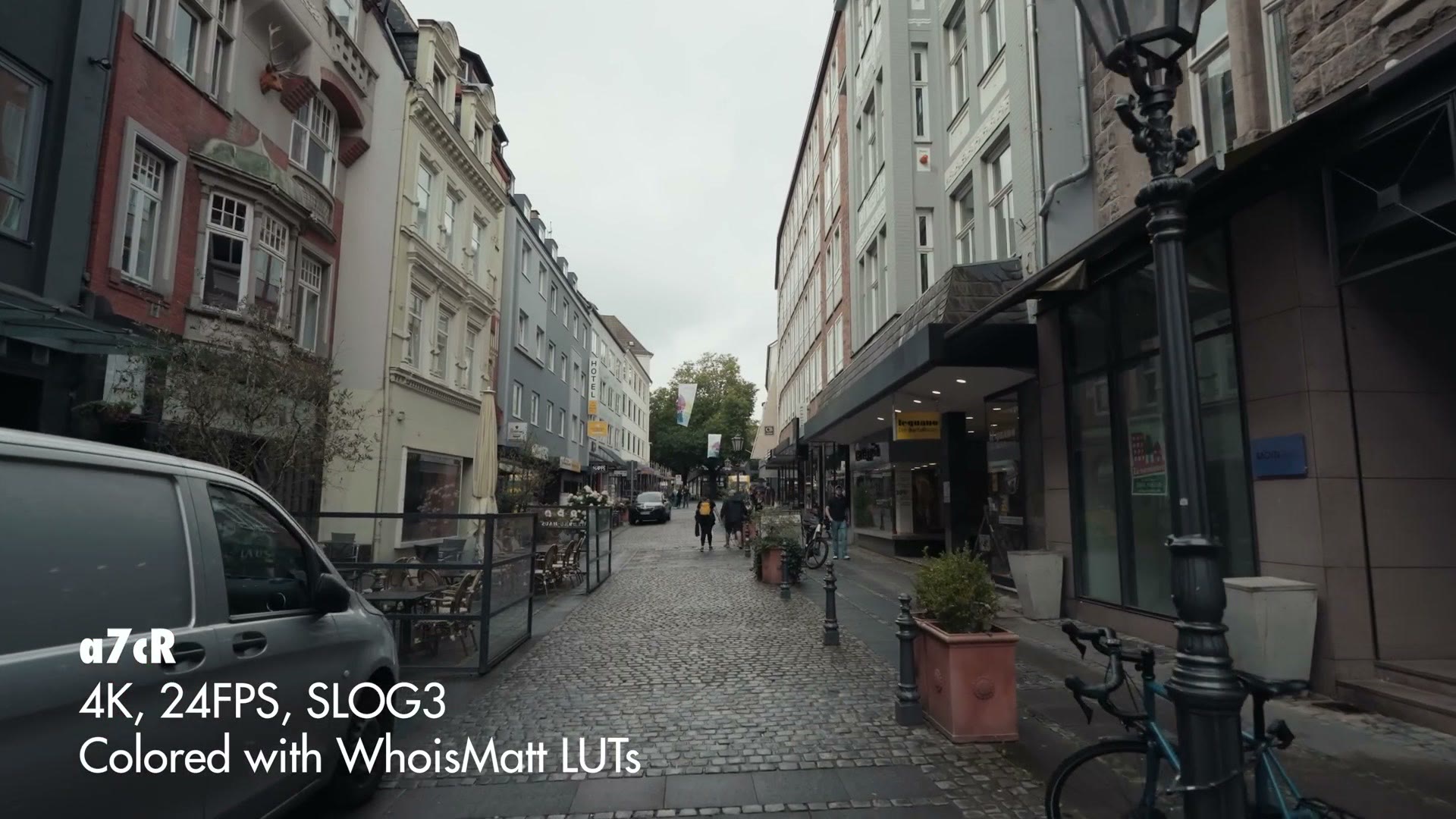
Other than that resolution change, you’re getting essentially all of the same video quality and features you’d expect from a new Sony camera. 10-bit video, pro picture profiles like S-Log3, the AI autofocus features. There’s a ton here, and in my testing all of it works great.
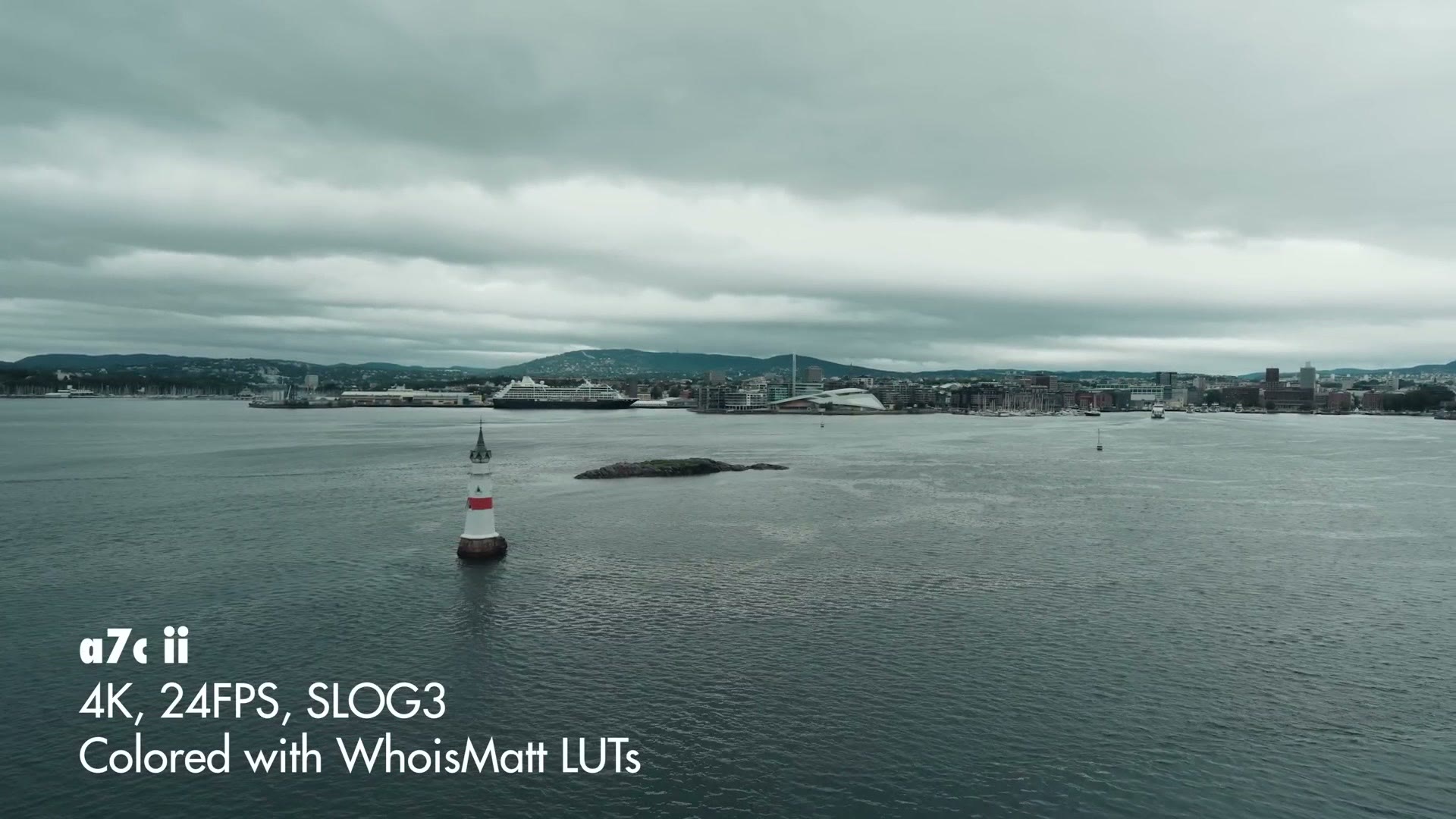
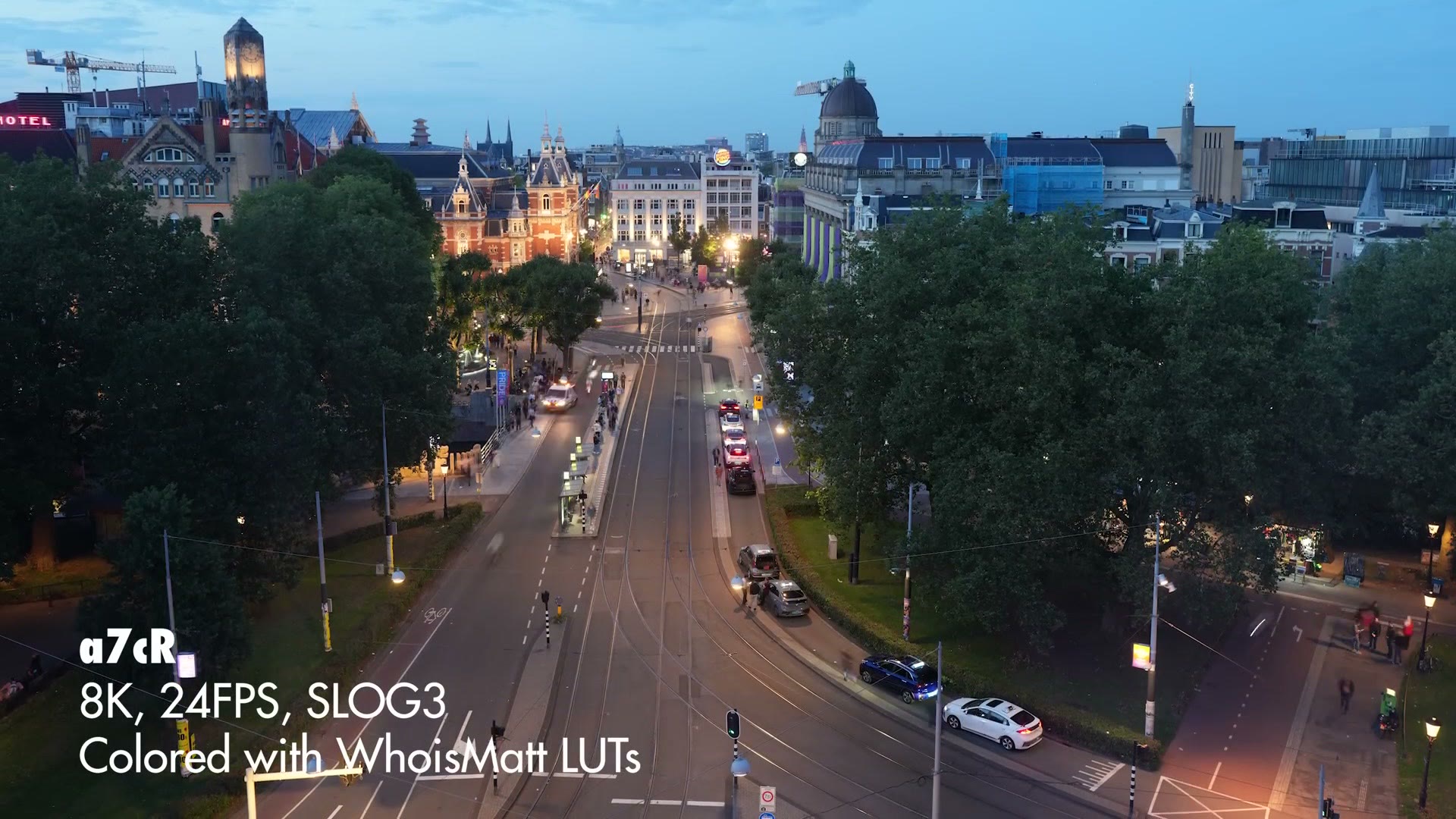
The video quality is excellent and virtually identical to what you’d get from the a7 IV and a7R V. I’ll also say I really enjoyed filming timelapses with the a7C R and its massive 60 megapixel sensor. It was, in a word, stellar.
As far as low light goes, in my testing these perform incredibly similarly to the a7 IV and a7R V. No surprise there, and I have a low light test of the a7R V if you want to see that.
One difference Sony told me about is that the a7C R has slightly less powerful IBIS than the a7R V. So if you watched my video about how good the a7R V’s IBIS is, this isn’t going to be quite as good. In my testing though, it was still quite good.
Price & Should You Buy?
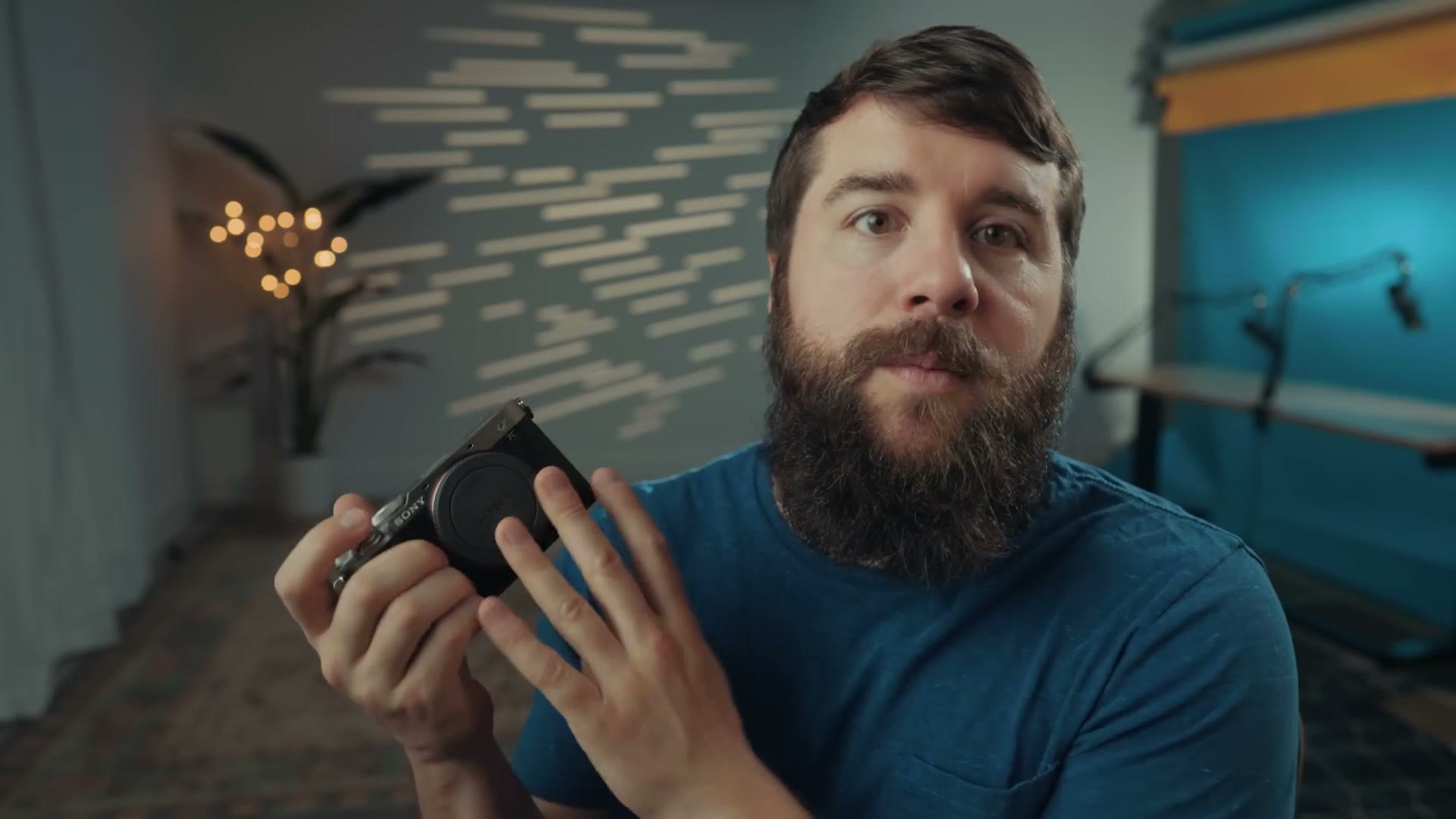
Overall these two essentially provide a cheaper entry into the full frame world. Sony told me they’re going to retail for $2,200 for the a7C II and $3,000 for the a7C R, which is nicely competitive, especially whenever you consider the higher prices of the a7 IV and especially the a7R V.
So should you buy one? If I were you, I’d consider what you’re filming. If you’re looking to purchase your first full frame camera for filming weddings or other important events, it’s hard for me to recommend one of these, due to the single memory card slot and the greater overheating risk.
But if you’re not filming things like that, or you’re a filmmaker looking for a B or C camera to run alongside your main one, and you’re willing to take the risk of a card failure or overheating because it isn’t your primary body, that is the situation where one of these could be a really great purchase.
If you want amazing colors in your videos, check out my color presets, which work with all cameras from all manufacturers, not just Sony.
And my free wedding filmmaking gear guide lays out what cameras to buy, gimbals, tripods, sliders. Do people use sliders anymore? There aren’t going to be sliders on the list, I’m sorry. But drones, those are on the list. If you’re confused about pricing and gear and options, this guide lays it all out, and it’s completely free.
Thanks so much for reading, and have a great day!