
This $999 Sony camera is very impressive, and if you are a new filmmaker looking for a budget camera that punches way above its asking price, you need to heavily consider the Sony ZV-E10 II.
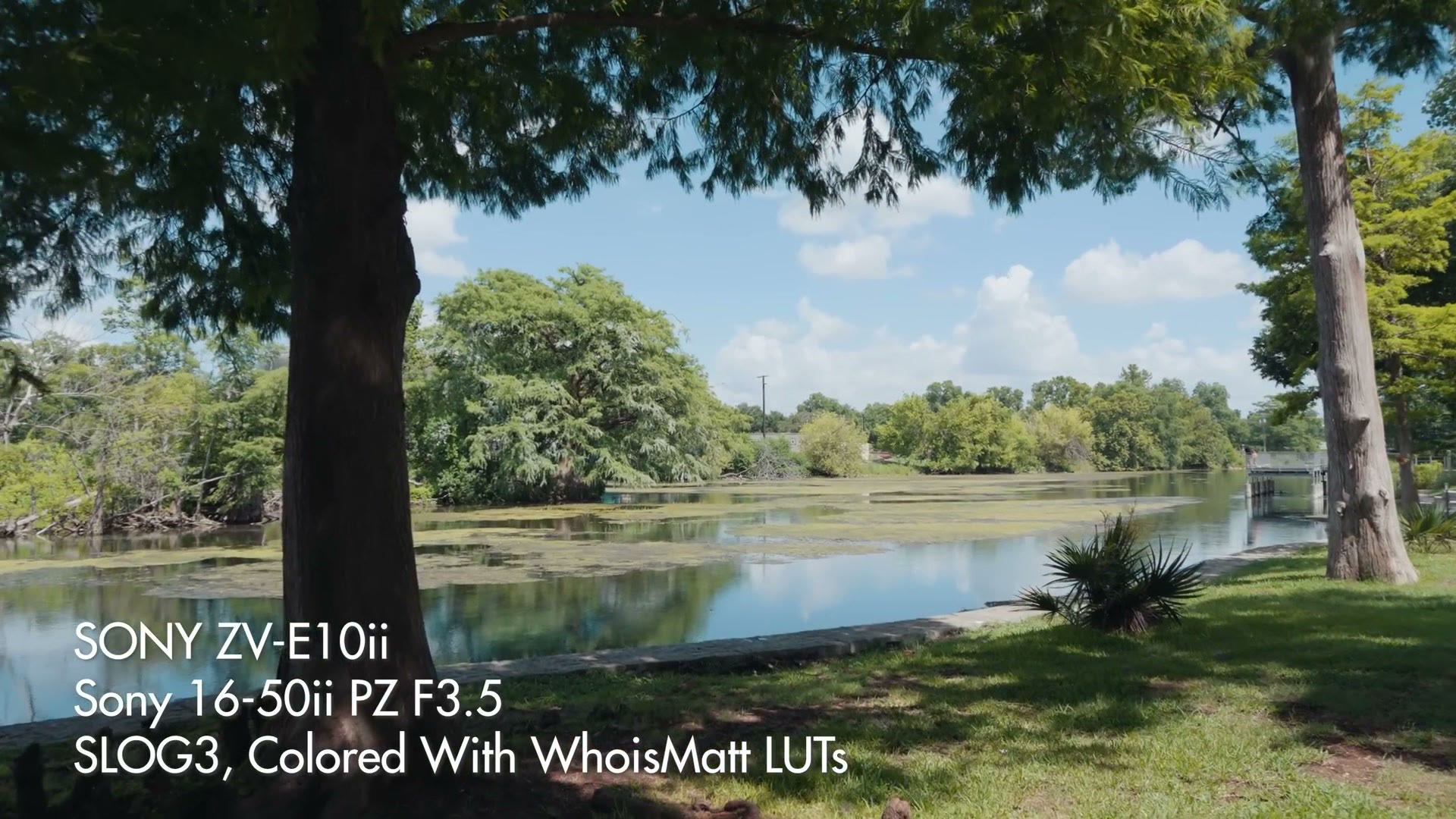
I am going to be giving you an early review of this camera from the perspective of a wedding and professional filmmaker, so if you film weddings or corporate or commercial videos, or really if you are a professional or you want to be a professional and start making money using a camera, this review is for you.
For the sake of ethics, I want you to know this video is not paid or sponsored by Sony, but they did loan me this camera. And the reason I am calling this an early review is that I have only had it for a few days, so please watch more reviews than just mine if you are thinking about buying it.
I Have Reviewed This Camera Before
Here is the deal. I feel like I have already reviewed this camera twice before, at two much higher price points. Let me explain. The ZV-E10 II has the exact same APS-C sensor as the $1,400 a6700, which I reviewed in mid 2023, and it also shares the same sensor as the FX30 that cost $1,800, which I also reviewed back in 2022.
So from an image quality standpoint you are getting a very high quality 10-bit image that works with S-Log3 and S-Cinetone and will match any other modern Sony camera. Tons of dynamic range, beautiful colors, 4K at 60 frames per second, full HD at 120, focus breathing compensation supported in camera, the same low light performance, you name it. You are getting that exact same sensor as those two other cameras, but now in this one for only 999 bucks. Yes, really.
This Review Is About What Sony Removed
If you want to see more quality tests, including a styled engagement shoot I did, go watch my FX30 review, because the image quality is going to be virtually identical. With that in mind, this review is not so much about the image quality of this camera, because you already know that is going to be stellar. What it is really about is what Sony has taken away to hit that $999 price point, and whether you as a filmmaker are okay with what they removed. Because if you are, then I think this is a super compelling camera, and if you are brand new to filmmaking and you do not have a huge budget but you think, hold up, I could probably swing about a thousand bucks, this really may be the camera for you.
Body And Build Quality
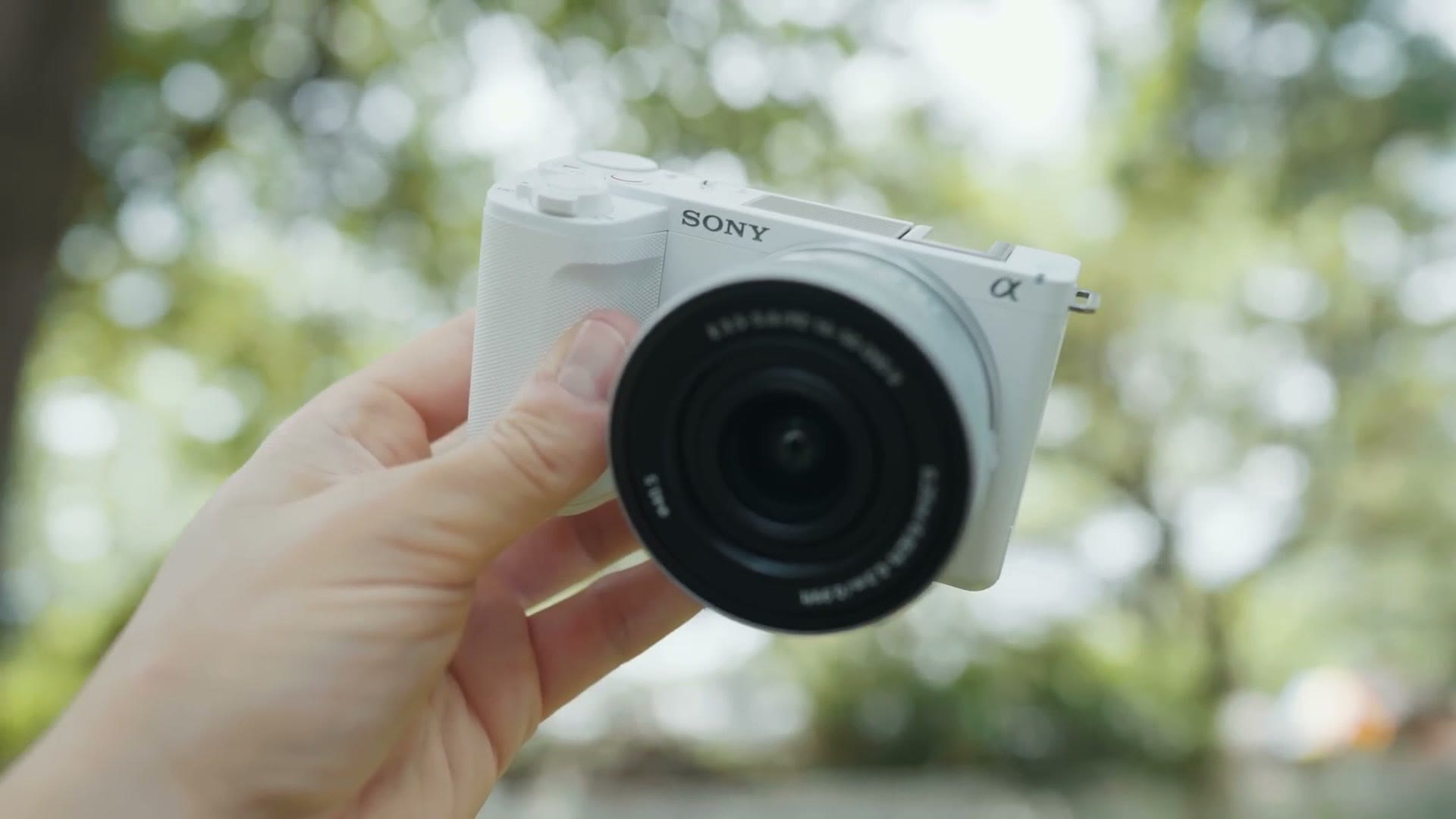
Looking at the body, the ZV-E10 II pulls a lot from other Sony vlogging focused cameras. Remember, they have a whole series of these things, from the fixed lens ZV-1F to the ZV-E1 that has the same sensor as the a7S III and FX3 inside. Also, because I know you are probably wondering, yes, Sony sent me the white version of this camera. That was the only one available. There is of course a black version as well, which is what I would probably choose for professional work like filming a wedding.
It looks to me like the cameras in this lineup have sold well, because Sony has figured out that if you pair a great sensor with some stripped back features that are still video focused, it is still enough for most people. That is the same story with the ZV-E10 II.
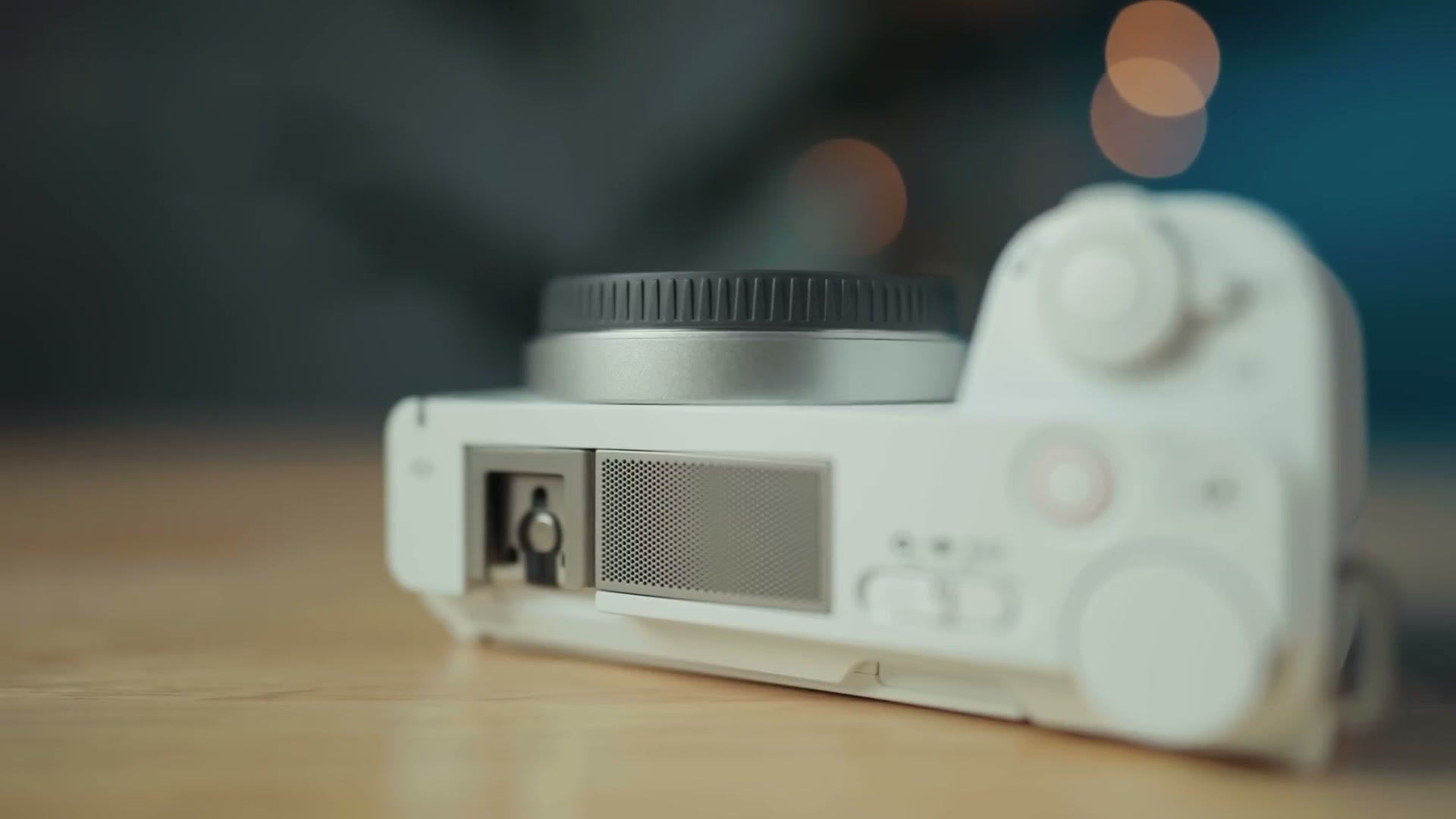
In this compact and very lightweight body you get a micro HDMI port, the newer NP-FZ100 battery, a flip out screen, and a rather large microphone on top that is capable of having its direction changed, which is really nice for ambient sound. So if you do not want to put a microphone on top of your camera, you are still going to get decent quality scratch audio. I would not recommend using this microphone for recording something like a professional interview, but it is still better than most built in microphones on mirrorless cameras these days.
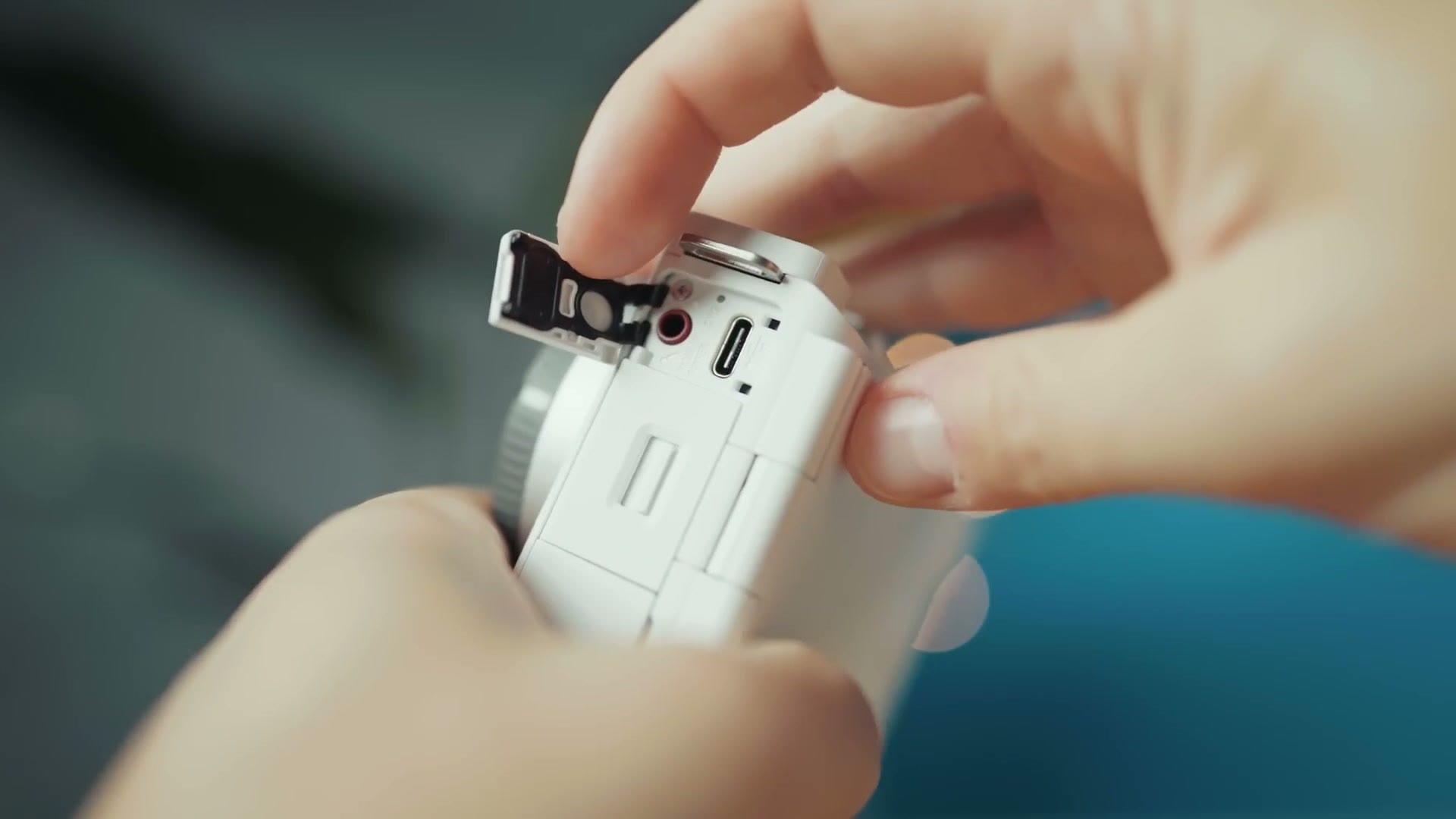
As a plus, if you want to use an external microphone with this camera, not only does it have a headphone jack, but it also uses Sony’s Multi Interface Shoe, which means it is compatible with a ton of different shotgun microphones they sell that are powered and record audio directly through the camera’s hot shoe. They are really high quality. I have loved almost every single one I have used, and that is great to see.
The Best New Feature You Will Want
I know we are supposed to be talking about features Sony has removed to hit this price point, but before we get to that we actually need to talk about one feature they have added. As soon as Sony told me they would be adding this to this camera, I knew pretty much every filmmaker and photographer would be literally begging for them to add it to other Sony cameras with a firmware update, and I told that to Sony. So just know I have already made that demand. If you already have a Sony camera, they already know, but by all means continue to complain and demand it as well.
The ZV-E10 II now supports vertical menus, meaning the camera’s gyroscope will sense whenever you rotate it vertically, and when you do, all of the camera menus will rotate as well and reorient themselves in the vertical position.
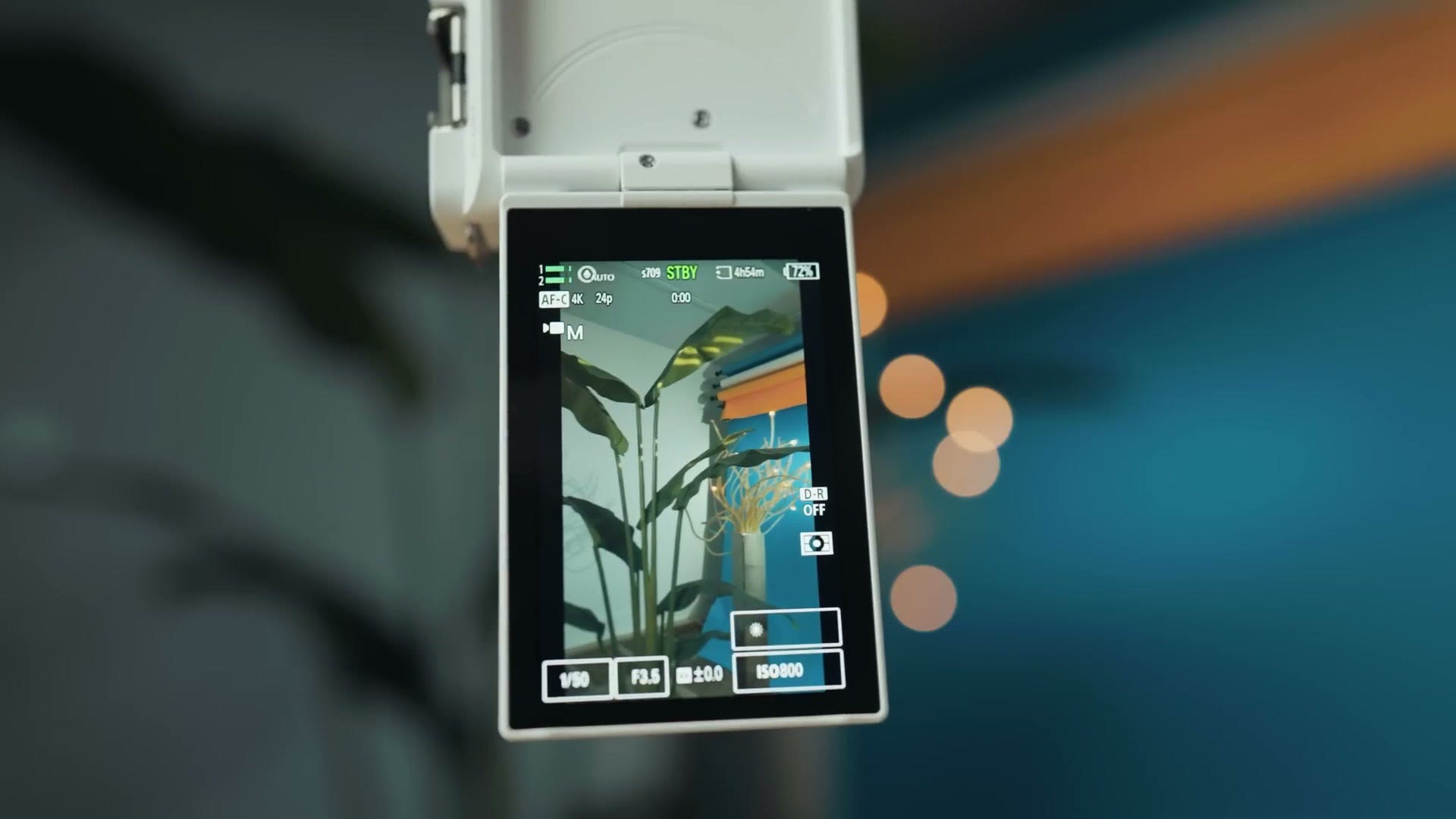
So if you are someone who films a lot of vertical portrait video, which, like it or not, is getting more and more popular every day, this may be enough of a reason for you to buy this camera right here, because all of the settings are going to properly rotate whenever you rotate the camera. It is pretty darn awesome to see, because I have lost count of the number of times I have had to turn my head sideways to read the settings. And do not worry, because I am sure this may be stressing somebody out, there is a setting in the menu you can toggle to lock the orientation of the screen, so if you do not want it switching automatically you can enable that lock.
Memory Card Slot
Just like the a6700, this camera only has one SD card slot, and while this may be a dealbreaker for you, I want you to remember that for about $800 more the FX30 is waiting for you with open arms saying, come on over here, I got a fan, I got dual SD card recording, you love me. And I am like, I do love you, you are a beautiful, wonderful camera. My goodness. $800 more.
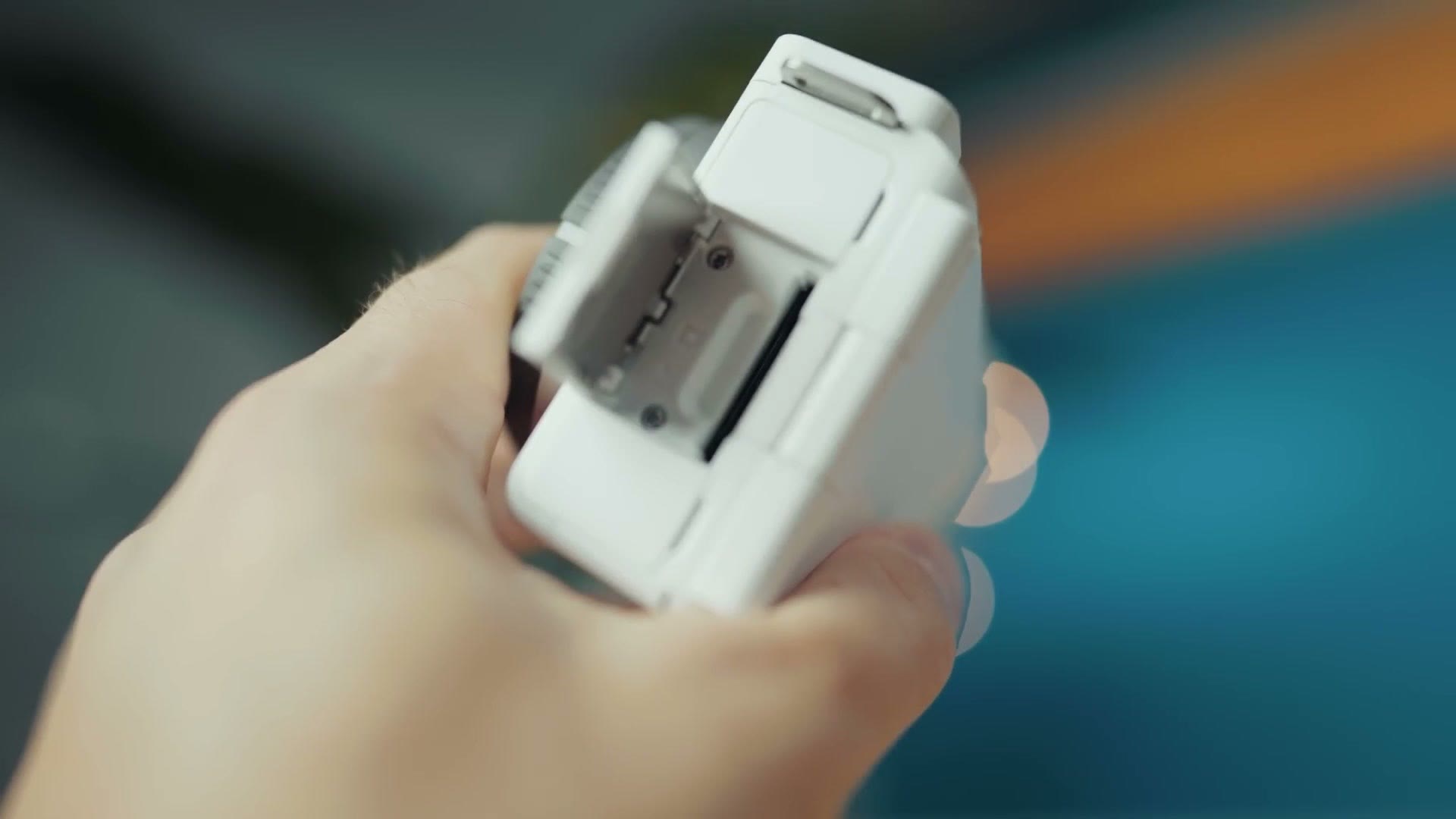
I really wish Sony had been able to make dual card slots happen in the ZV-E10 II, but considering they did not make it happen in the $400-more-expensive a6700 either, I am not surprised. That said, I know many wedding filmmakers and professional filmmakers who got their start filming with an a6300 or a6500, and those cameras only recorded to one SD card slot.
Heck, and I am going to make this argument again in a minute whenever we talk about overheating, I would argue that at a $999 price point, instead of purchasing an FX30 for 1800 bucks you could just buy two ZV-E10 IIs for $2,000, and if you record your wedding ceremony with two of them, well, it is like having dual memory card recording if you just have two cameras running instead of one for a similar price. It is not crazy.
Overheating Tests In The Blazing Texas Heat
I want to preface this by directing your attention to my review of the a6700, which handled indoor air conditioned recording fine, but once I took it outside into the blazing Texas heat, mimicking an outdoor wedding ceremony, even at 24 frames per second, the camera only lasted a little over 13 minutes.
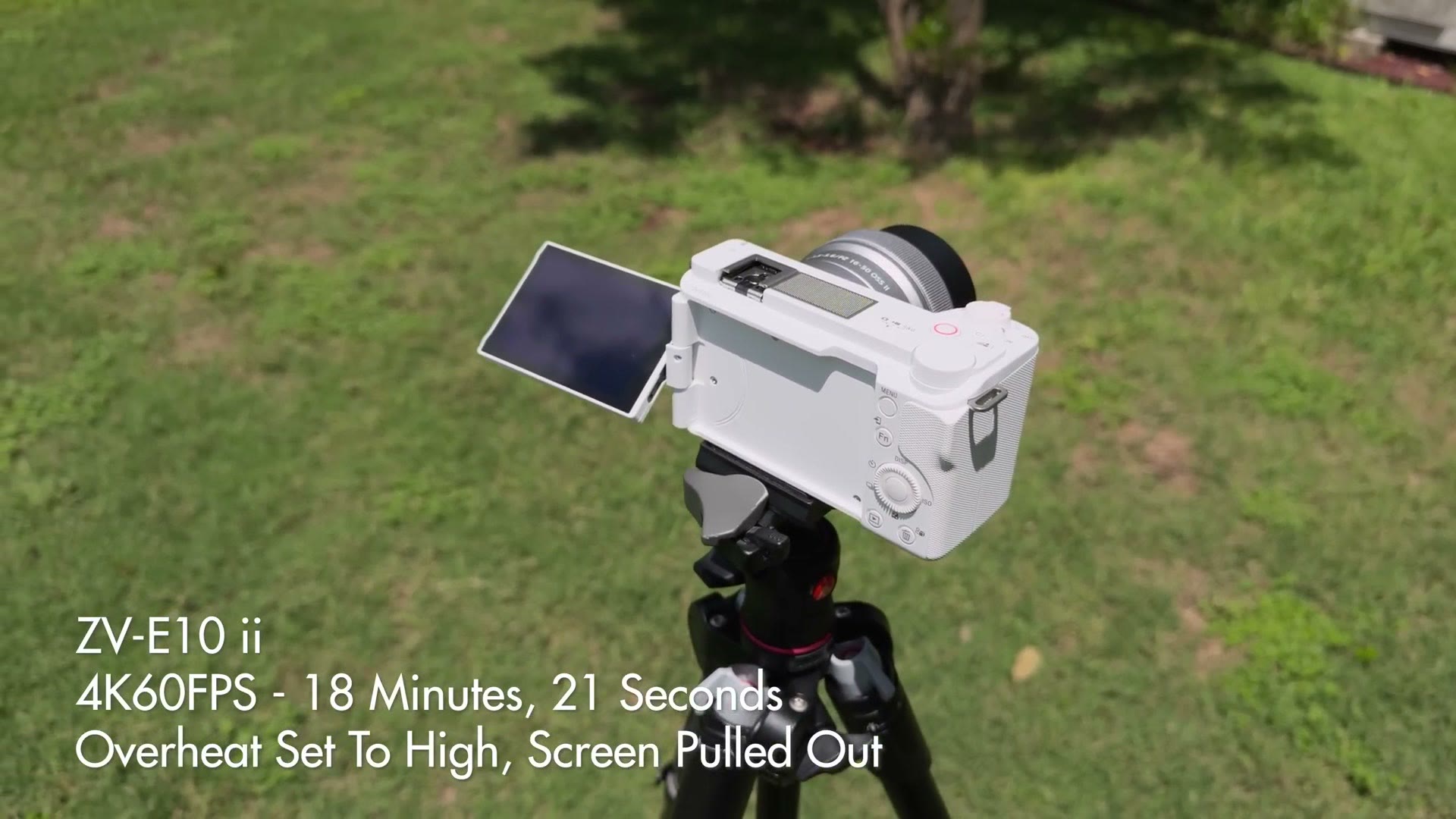
Unfortunately the ZV-E10 II did not fare much better, and in 4K at 60fps outdoors in the hot Texas sun it only lasted a little over 18 minutes before overheating, which was almost twice as long as the a6700 lasted, but it was a bit cooler outside for this test, and I do wonder if the white body of the camera I tested helped it last longer.
That is a bummer, but I already know wedding filmmakers who are using the a6700 and are very happy with it, so take that how you will. And here is an interesting recommendation for you, just like with the dual memory cards argument. Remember, you can buy two of these cameras for almost the price of one FX30, which has a fan so you can guarantee it is not going to overheat. But if you buy two ZV-E10 IIs, you could literally film with one of them on a hot day, and once it overheats put it in your bag, take out your second one and film with that until it overheats, then just go back and forth, giving each of them enough time to cool down before you swap. That sounds really stressful to me now that I am saying it, but whenever we are talking about one of these cameras being almost half the price, I do feel like it is an argument I have to bring up, or else someone in the comments is going to.
The Biggest Thing Sony Removed
At this point you are probably thinking, Matt, you have been talking about this camera for a while and at 999 bucks all of its features are still matching up with the $400-more-expensive a6700. So what the heck did Sony remove to make it hit the sub thousand dollar price point?
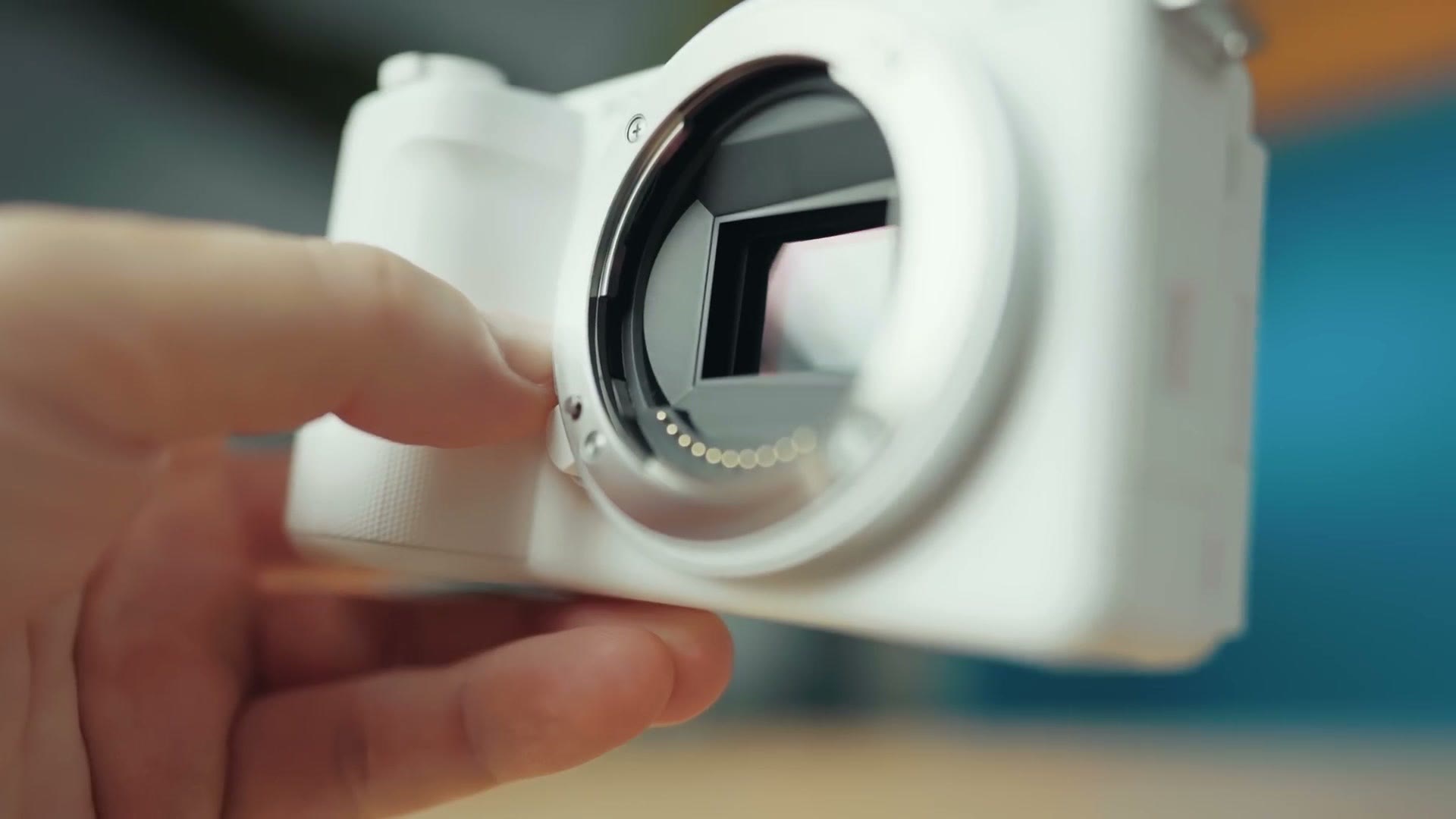
I will give you the bad news first. The biggest removal Sony has made is that this camera does not support sensor based in body image stabilization. If you look at the sensor inside this camera, it does not move around to help you stabilize your footage. This is easily the biggest bummer for me, because I film so much handheld.
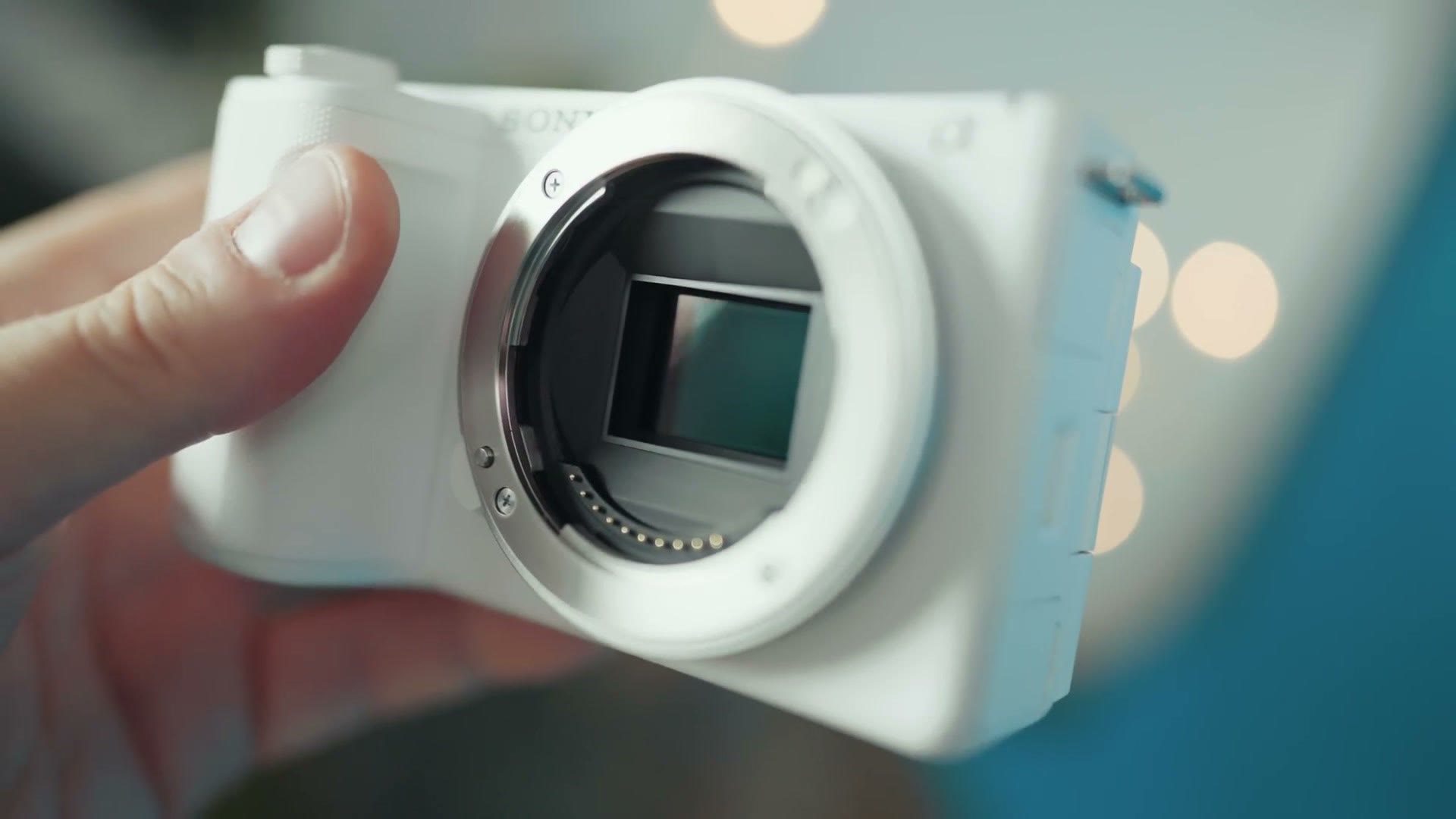
But the good news is that if you opt to purchase this camera with the kit 16-50mm power zoom lens for $100 more, yes, you can get this camera with a kit lens for only 1100 bucks, that lens comes with Optical SteadyShot, which is Sony’s version of optical lens stabilization and will help you get smoother footage. Heads up: this link goes to the newer Sony E PZ 16-50mm f/3.5-5.6 OSS II. Keep in mind that if you purchase any other Sony lenses with optical stabilization, that will help as well.
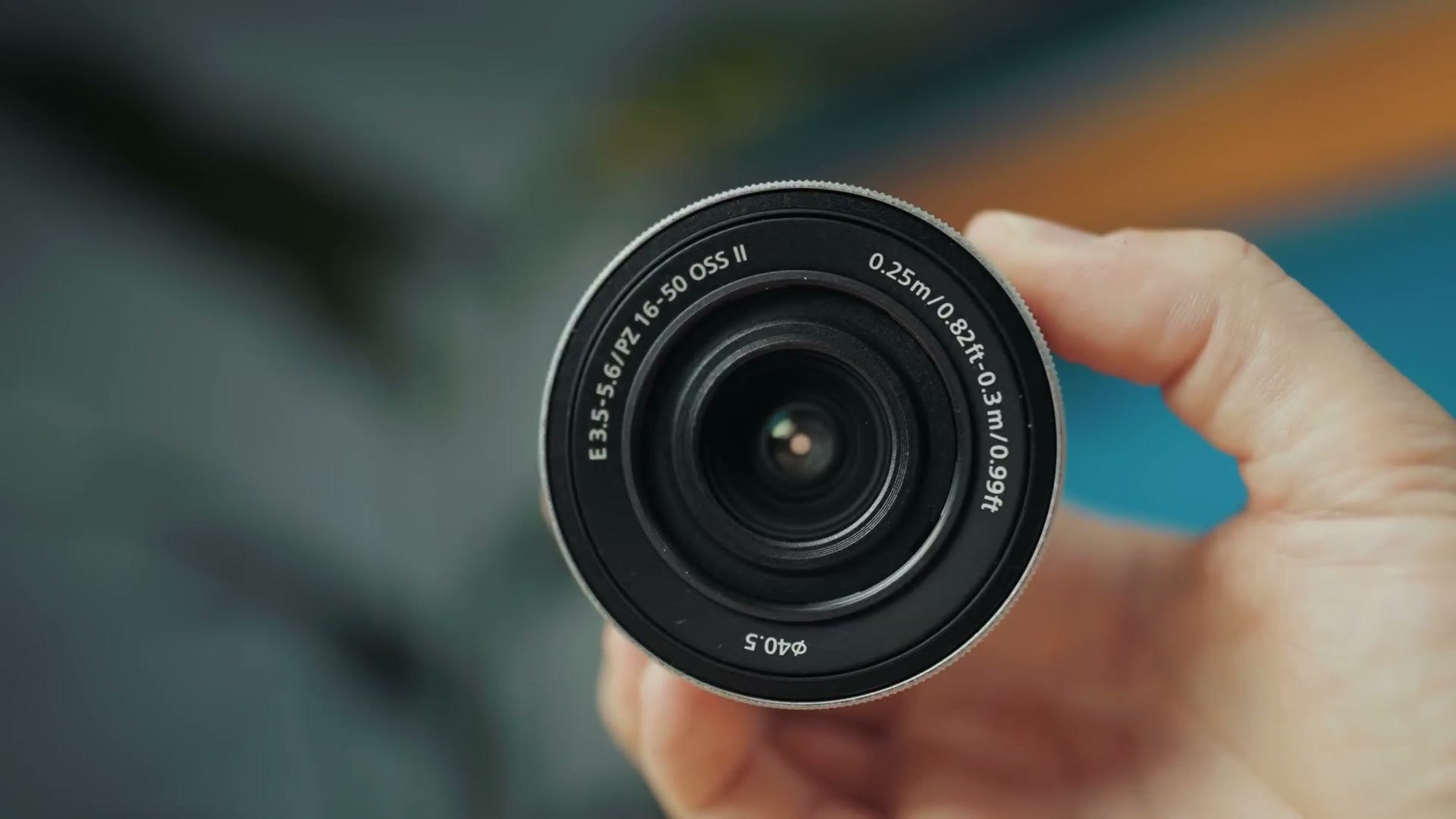
Otherwise, this camera does support active electronic stabilization too, and in my testing it crops into the sensor a fair amount and looks decent, but it is still not nearly as good as the IBIS you get from a moving sensor.
Another Feature Removal
The next feature Sony has taken out of the ZV-E10 II to help it hit this price point is the AI processing unit, which is a separate chip Sony has been including in many of their newer cameras that enables better autofocus tracking of people.
To me this is really not a big deal, because all it means is that this camera basically only has the same autofocus capabilities as my Sony a7S III, which, to be clear, I am using right now to record this video, and I love its autofocus. I have never felt like, oh no, this sucks, I really wish it were better. No, it is already just stellar autofocus. I would not stress about this at all, and in my testing the autofocus still worked great with this camera.
No Mechanical Shutter
Two more things have been stripped from this camera to hit this price point, and the second one is a bit weird. The first is that this camera only has an electronic shutter, no mechanical shutter. This will affect you a lot more if you are a photographer rather than a videographer, but in my testing rolling shutter did not seem to be affected by this and it still looks fine. Honestly, the only time I ever really use the shutter is whenever I am taking photos for a timelapse, and I usually turn the camera to silent mode anyways, which turns off the mechanical shutter to preserve its life. So it is fine.
The Last Feature Removed
Finally, there is one more feature lacking, and I told you this is the weird one, because it is a feature the a6700 has at $1,400 but the FX30 does not have at $1,800. This camera does not have an EVF you can put up to your eye if you do not want to use the screen on the back. And to that I say, well, there are thousands of filmmakers out there using an FX3 that does not have a viewfinder either, so I do not think this is a big deal at all.
This Camera Is Really Compelling For The Price
That is it for stripped features, and like I said at the start, for 999 bucks I find the ZV-E10 II to be really compelling. If you are trying to write this camera off because it only has one SD card slot or no IBIS, think about brand new filmmakers who do not have much of a budget. This camera still packs a ton of features in, and I think being able to get this level of video quality for this price is really compelling.
Remember, six years ago if you wanted a budget Sony camera for filmmaking you were limited to the a6300, which had significantly fewer features than this camera, and a lot of filmmakers still bought it and loved it. Heck, I bought the a6400 and used it as an extra wedding ceremony angle, and that camera did not have IBIS or dual memory card slots, and it had terrible battery life. But it worked.
Which Camera Should You Buy?
So here is my overall recommendation. If you want a camera with dual memory card slots and a fan, get the FX30. It is one of the best cameras you can buy. If you want a camera with the exact same sensor as the FX30 plus IBIS and an EVF, but no fan and one card slot, buy the a6700 at 1400 bucks. Or if you want that exact same sensor just without IBIS, you now have the option of getting the ZV-E10 II for 999 bucks.
I have to say, that price is really hard to ignore whenever you are getting the exact same sensor as these other cameras. Sony has given you a lot of choices, and I do not think that is a bad thing.
Speaking of choices, you have the choice of downloading my wedding filmmaker gear guide. It is going to show you all of the equipment I recommend you purchase for filming a wedding, including lights and microphones and other obscure stuff you did not know you needed. But trust me, you really do need it. It is completely free.
And I would love to help you make money filming weddings, so I have put together a free workshop that is going to show you how to book your next wedding. If you have been struggling with bookings and you want some help with that, it will be a huge help to you.
Thanks so much for reading and have a great day!