
Want to know how to film a wedding? This series shows you exactly how I film a real one, start to finish. I have made a lot of these over the years, and they are all collected here. Before you dig in, go watch Noah and Mallorie’s full wedding film, otherwise this whole thing is going to feel like “it’s pretty, but what am I looking at?”
You may remember the behind the scenes I made for their wedding trailer, which was about 25 minutes of BTS for one minute of trailer. Their full film is out now, which means I have a significantly longer behind the scenes to share.
Yes, this is long. It’s a long wedding day and I wanted to do it justice, so it’s split into four parts. This is part one: pre-production, the exact gear we carry, and how we shoot establishing shots including the drone. Parts two through four cover prep and the letters, the ceremony with all our angles and audio, and the reception with the lighting and the massive lightning storm that nearly ruined it.
Pre-Production Happens In The Car
It’s 7:05am, which is a bit earlier than we normally start, because there’s an hour and a half drive ahead of us. Rachel’s filming, I’m driving, and we’re picking up my friend Paul Bailey, who’s shooting the behind the scenes.
(The secret to every good wedding film is breakfast. I want the big breakfast with hotcakes.)
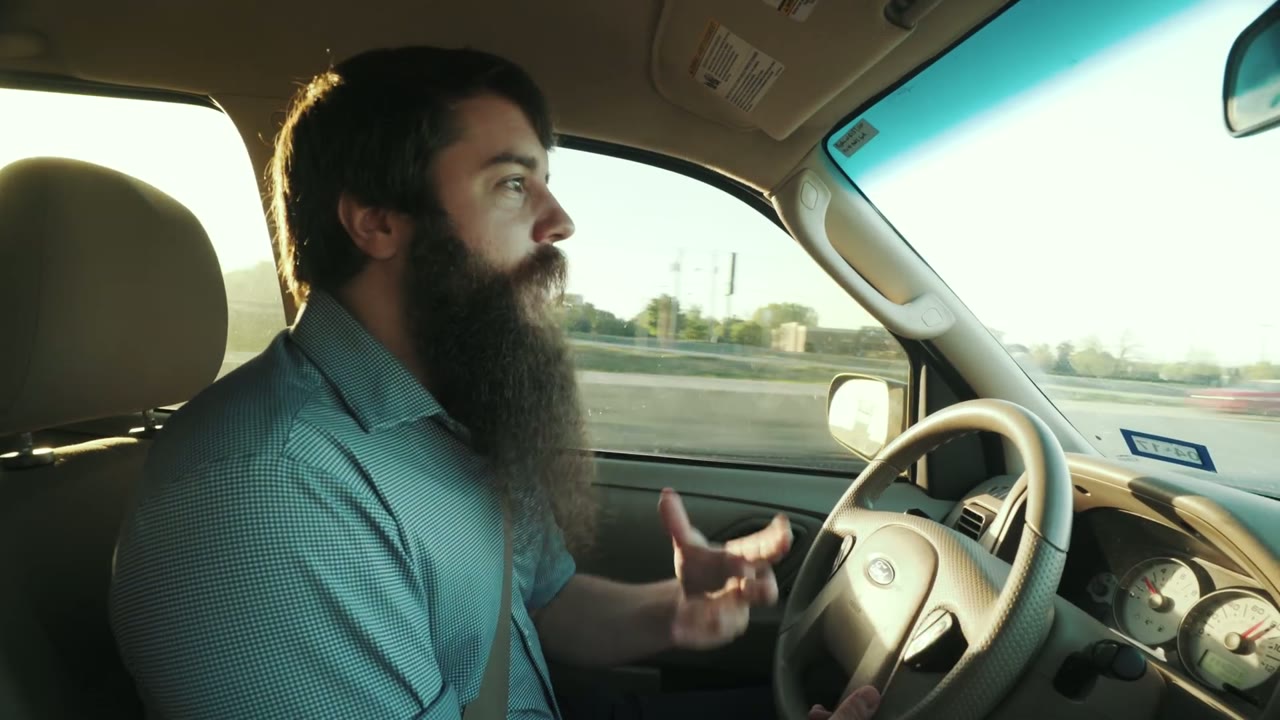
Somewhere on that drive we do the thing I’d call the most valuable unpaid hour of the whole job: we refresh ourselves on the couple. Who are they, how did they fall in love, all the background in detail, so it’s fresh in our heads before we ever pick up a camera. That’s what lets you actually catch the things that make their story specific instead of shooting a generic wedding.
Themes
After we meet with a couple we brainstorm themes we want to bring out. For these two: laughter, joy, and the journey, because they’ve been together since middle school and had a whole arc of dating, breaking up, and finding their way back.
They’re also having over 400 guests, and the reason is specific: they budgeted and rearranged things to invite as many people as possible because they wanted the whole wedding to show the gospel and the love of Christ to everyone who came. That was their priority, so we made it ours in how we shot it.
We talk about music too, which starts the edit forming in your head before the day even happens. They like folksy singer-songwriter stuff, and they’re getting married outdoors in Texas, so the sound and the look line up naturally.
Worth saying: these two are firmly on the goofy side. A lot of weddings want a moody, romantic, sexy vibe. Noah and Mallorie are young, happy, playful, full of practical jokes, and they’re doing a fist bump right after the kiss. You shoot that differently, and you should.
Rearranging The Groom’s Schedule
Here’s a genuinely useful piece of planning. We prioritize the bride getting ready, because that’s the time-sensitive part: the dress, the last touch-ups, reading her letter. On the original schedule the groom was set to get dressed at exactly the same time, which doesn’t work at all, because we also need him getting ready, reading his note, having a couple of pensive moments, and some portrait time.
So we talked to Noah beforehand and moved him earlier. He gets dressed at 10:30, we film him reading his note, then he gets undressed (we don’t film that), goes and helps set up the wedding, and gets dressed again for real later. A fake dressing, purely so the schedule works for the film.
They also weren’t doing a first look. We usually prefer one, since it buys more time with the couple for portraits and intimate moments, but for some couples it isn’t right, and that’s fine. You talk about it, and then you plan around the answer.
The Venue: Stonebridge, In Blum, Texas
Population about 300. There’s a post office. It’s great.
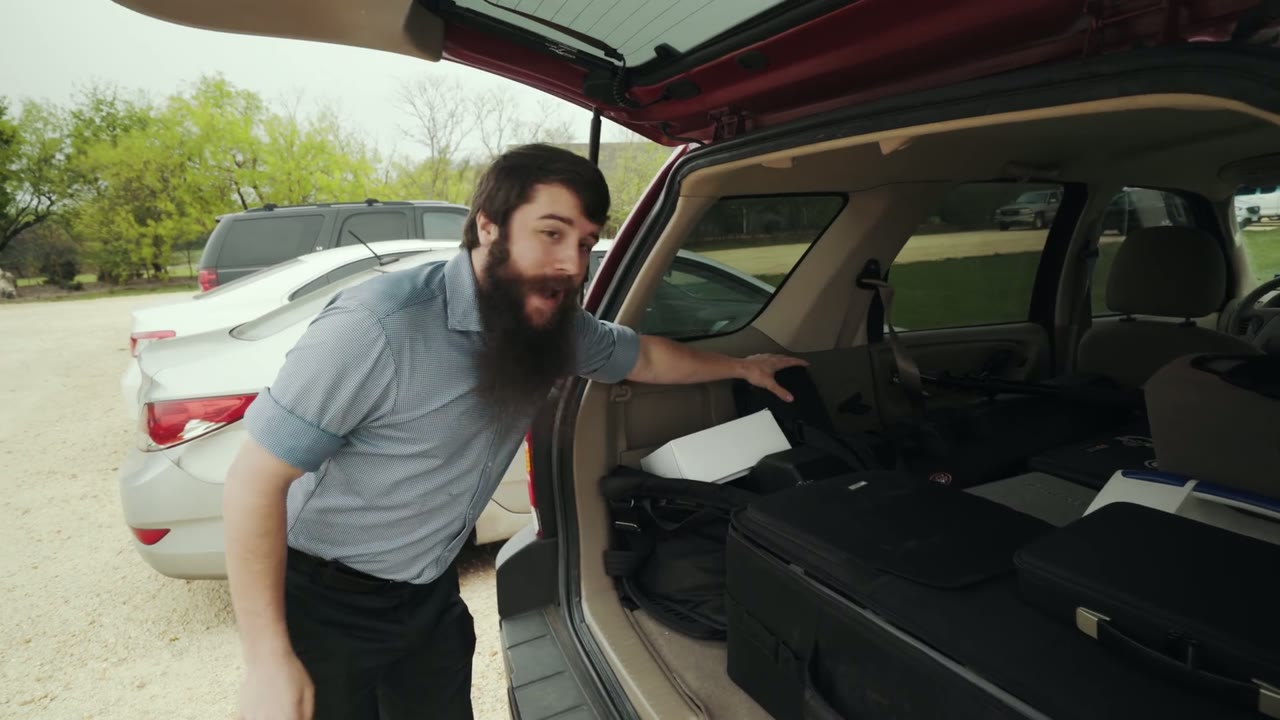
Before we unload anything, we walk the whole place. Say hi to everyone, get the lay of the land, find out exactly what’s happening where. Then we unload.
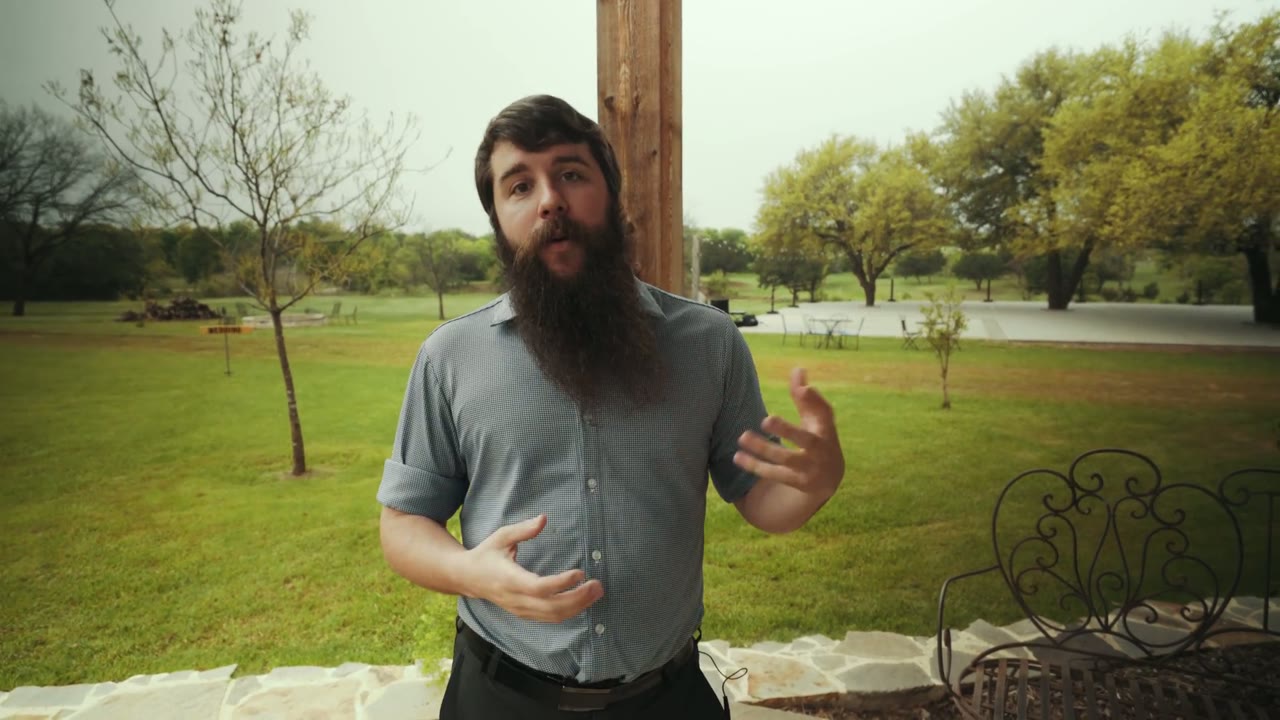
The reception is almost entirely outdoors: dancing on the deck, toasts, bouquet and garter, all outside. Only the cake cutting and dinner are indoors. That’s because we shot this venue about four months earlier and the chandeliers in the reception hall flicker so badly that a photographer working with us that day was getting banding in her stills. I told the bride and groom, and because they’re good friends who care about our creativity, they just moved everything outside.
That’s the whole argument for building a relationship with your couple early. You can make changes to the wedding itself that will make your film better, and no amount of gear buys you that.
One other thing worth knowing: there’s no DJ. Just a soundboard running an iPod. So for the toast audio we’re going to have to be a lot more careful, because there’s no professional monitoring any of it.
Tracking The Sun At The Ceremony Site
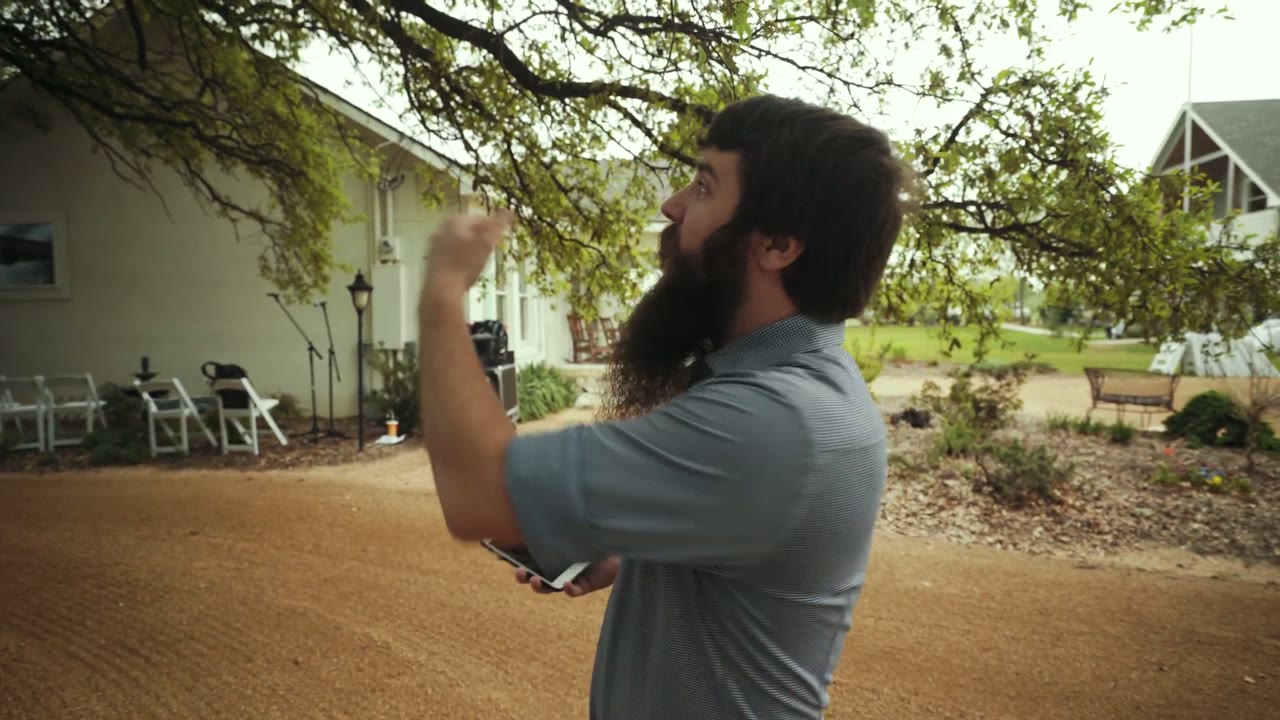
There’s a beautiful oak tree over the ceremony spot. The benefit of arriving early is that I can pull up the Sun Seeker app and have it tell me exactly where the sun is going to be at ceremony time. It’s cloudy right now, but the app says it’ll be right about there, coming through the leaves and lighting the couple’s faces nicely.
Noah’s face, anyway. Mallorie will be facing the other direction. Let’s be honest here.
Everything We Brought
Because everything is in one place all day, I can bring a lot and only worry about it once.
- The gear bag: all cameras, all lenses, and every random accessory
- An LED light and an extra light stand
- A DJI Phantom 4 Pro with filters, plus a Mavic Pro as backup, because it’s the Phantom’s first wedding flight and I want a second option if it misbehaves
- The wheeled tripod case with everything inside
- Paul’s monopod for the behind the scenes
- The audio Pelican case
- The cooler of snacks. It’s a wedding day in the middle of nowhere. If there is one important thing on this list, it’s snacks. Never forget them.
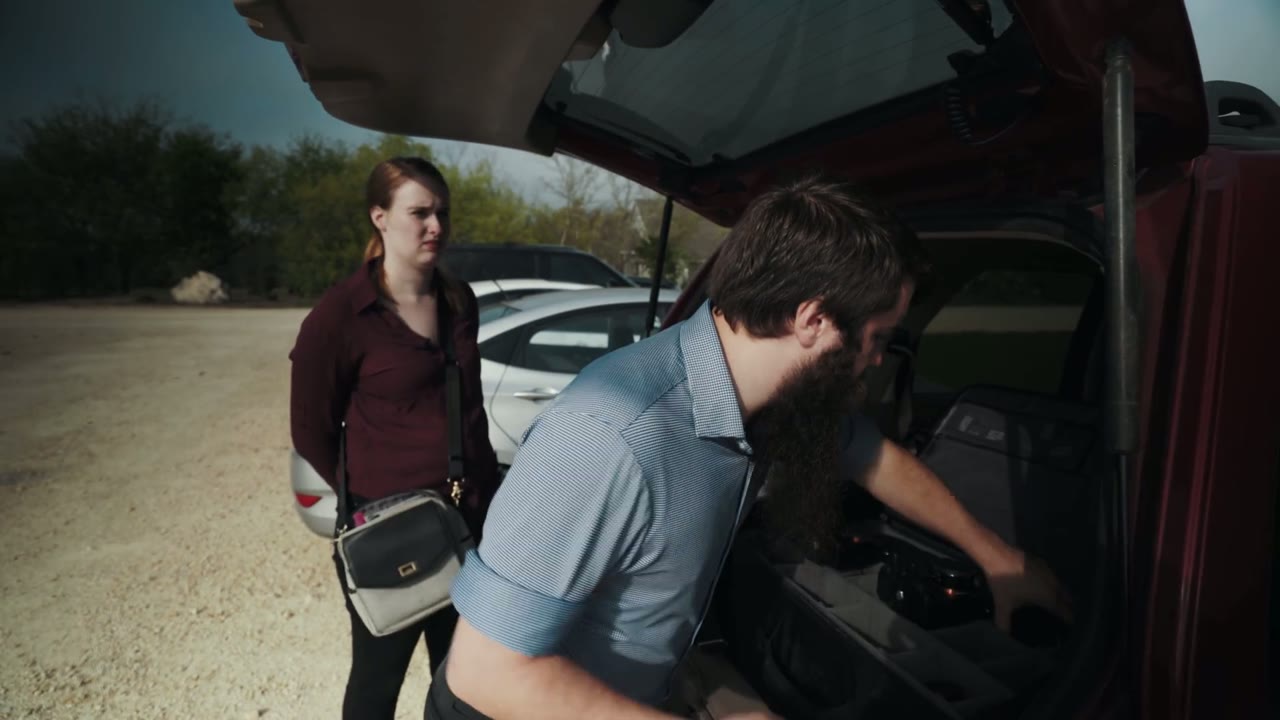
Cameras And Lenses
We’re both on the Sony a7S II. I shoot wider, on a 24mm or a 50mm. Rachel shoots tighter, usually a 50mm or a 135mm.
It’s a hodgepodge set: a Canon lens, a Sony lens, two Sigma Arts, and adapters to make it all work. Someday I dream of one cohesive set. Hasn’t happened. For the 24 and the 50 I use a Fotodiox Nikon mount adapter, and I have two of them: the ND Throttle version goes on outside, the regular one goes on inside.
Honestly, give me a 24 and a 50 and I’m good all day. That works because I have a second shooter covering the tight stuff, so I can be closer in on faces, hands, and rings without ever stepping into the photographer’s frame.
What’s Always In The Bags
Rachel carries a lens cloth, a magnetic ND filter that fits all my lenses, a mirror for trick shots, and her water.
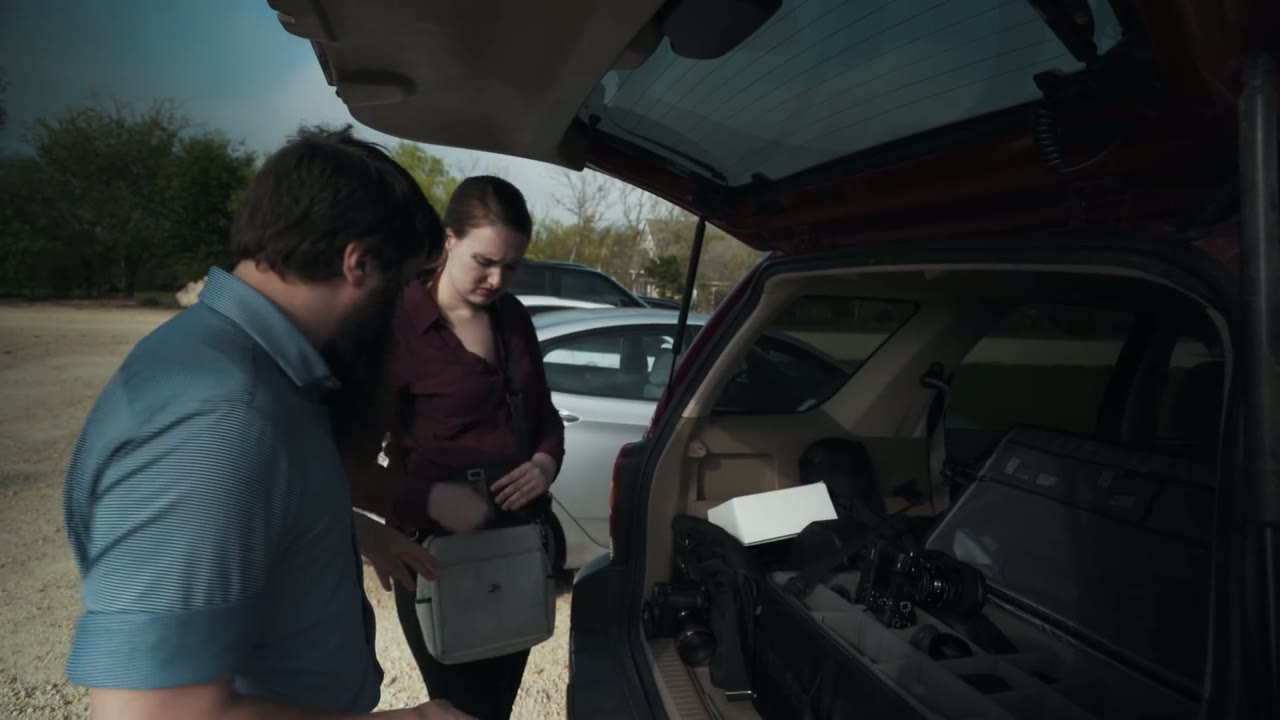
My shoulder bag carries whichever lens I’m not on, caps already off so I can grab it fast, the adapter I’ll need, a lens blower for sensor dust, and Mr. Prism, because a prism is a cheap and effective way to get really pretty reflection shots.
What To Wear
I’m wearing literally the exact outfit from my “what to wear when filming a wedding” video, so I’m not lying to you in my vlogs. Stretchy fabric, because you move all day.
Rachel’s take, and this is worth hearing because that stretchy stuff isn’t made in her size: a button-down, black jeans, and sneakers, always. Sneakers or a heavily padded loafer, nothing else. She shoots tight, which means she’s on the ground constantly, so no skirts and nothing that makes moving a hassle.
Batteries And Support
Twelve Sony NP-FW50s, all charged the night before. Sounds like overkill until you’re twelve hours into a wedding with two a7S IIs, and today Paul is on a third. So we charge all day. Easy enough at a single venue: set the chargers up in a room, plug them in, grab what you need.
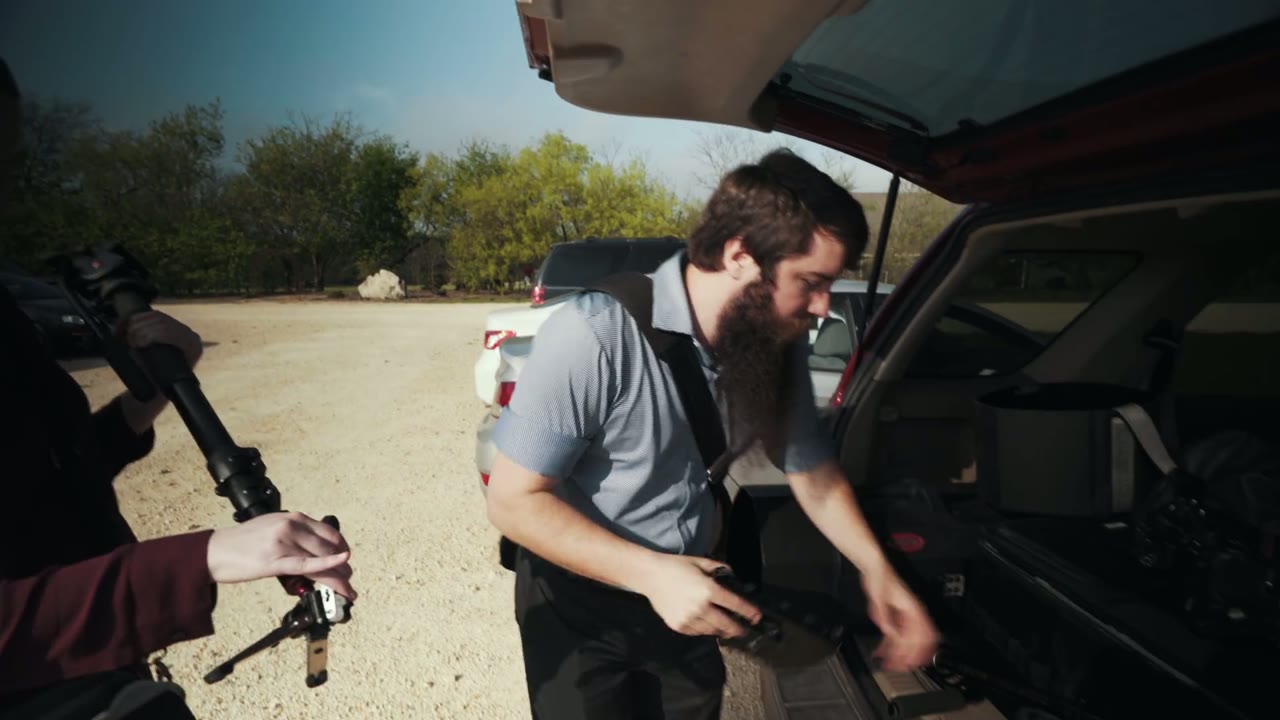
Rachel is on the monopod all day. I’m on the Glidecam, disassembled in the case until I need it, along with the tripod and light stands, which stay in the car until the ceremony or reception.
Sit In On The Rehearsal
Getting there in time for the rehearsal is a major plus, and it isn’t about the footage. It’s that you can manipulate what’s going to happen. You look at it and say hey, could the groomsmen shift slightly this way? Being able to change that before the ceremony, rather than standing there during it wishing you could, is enormously helpful.
So Rachel sits in on the rehearsal and grabs establishing shots of the grounds, and I go fly the drone, because the sun isn’t high yet and the light is good. Also because it’s a drone and I don’t need an excuse.
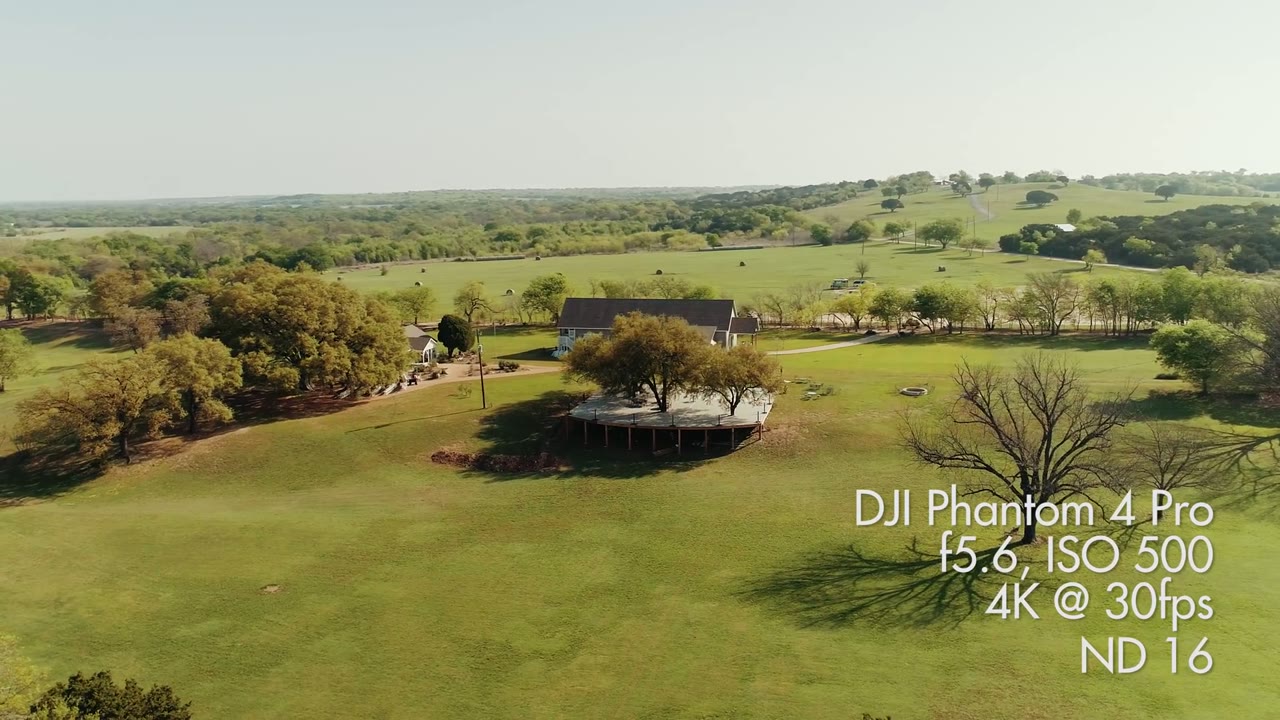
On the Phantom 4 Pro I run PolarPro Cinema Series filters, which have a polarizer built in as well as an ND, and I put the ND16 on for bright sunlight in D-Log.
How To Grab A Time-Lapse In Ten Minutes
We have about ten minutes to kill, and I can get a killer cloud time-lapse in eight.
The best place to set up a time-lapse is whatever’s accessible and looks pretty, with one condition: you want something moving slowly that you can speed up. Clouds, in other words. I see people set up a time-lapse of people walking past, and it just doesn’t look like anything.
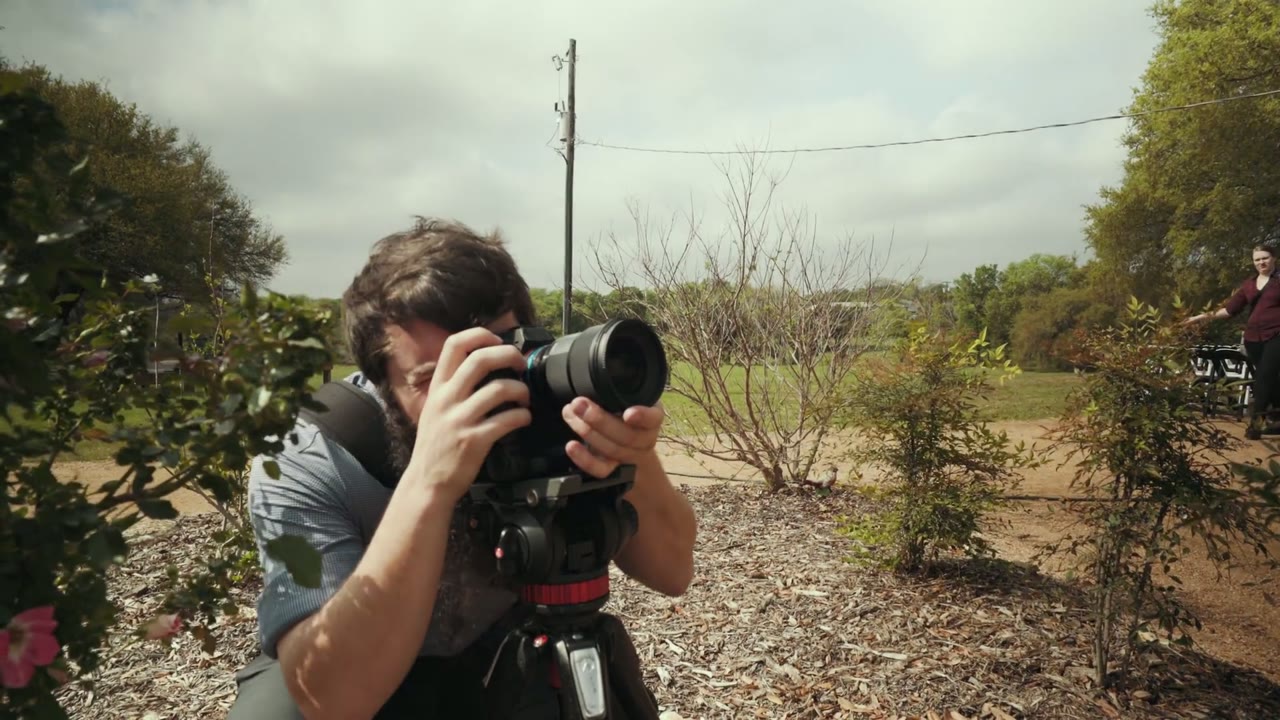
Paul asked why I didn’t bring the motion time-lapse rig, and I love that rig, but it takes a great deal longer to set up. I could burn 30 minutes fine-tuning settings, and it’s a wedding day. The question isn’t “how good can this be,” it’s “how fast can I get this shot.”
The Exact Settings
I’m on Nikon glass, so the lens is already fully manual and there’s nothing to fight. The rest goes through the a7S II’s built-in Time-lapse app, which Sony charges about ten dollars for, which is a bit rich after three grand on the camera. The app’s genuinely good, though, so Sony wins, they get my money.
- 5500K white balance
- 1/60 of a second
- ISO 125
- RAW at maximum resolution
- One-second interval, 300 shots, about five minutes of shooting
I’m deliberately underexposing, because that white building will blow out every time the sun breaks through the clouds. And the one-second interval is because these clouds are hauling. If they were drifting I’d go to two seconds instead.
Most of a time-lapse is the setup. Once it’s dialed in you hit start and walk away.
Claiming The Power Outlet Before Dark
Since we’re already here, I look at the reception site. The guys are setting up their DJ lights exactly where I’d want my spotlight for the dance floor, because that’s where the plug is.
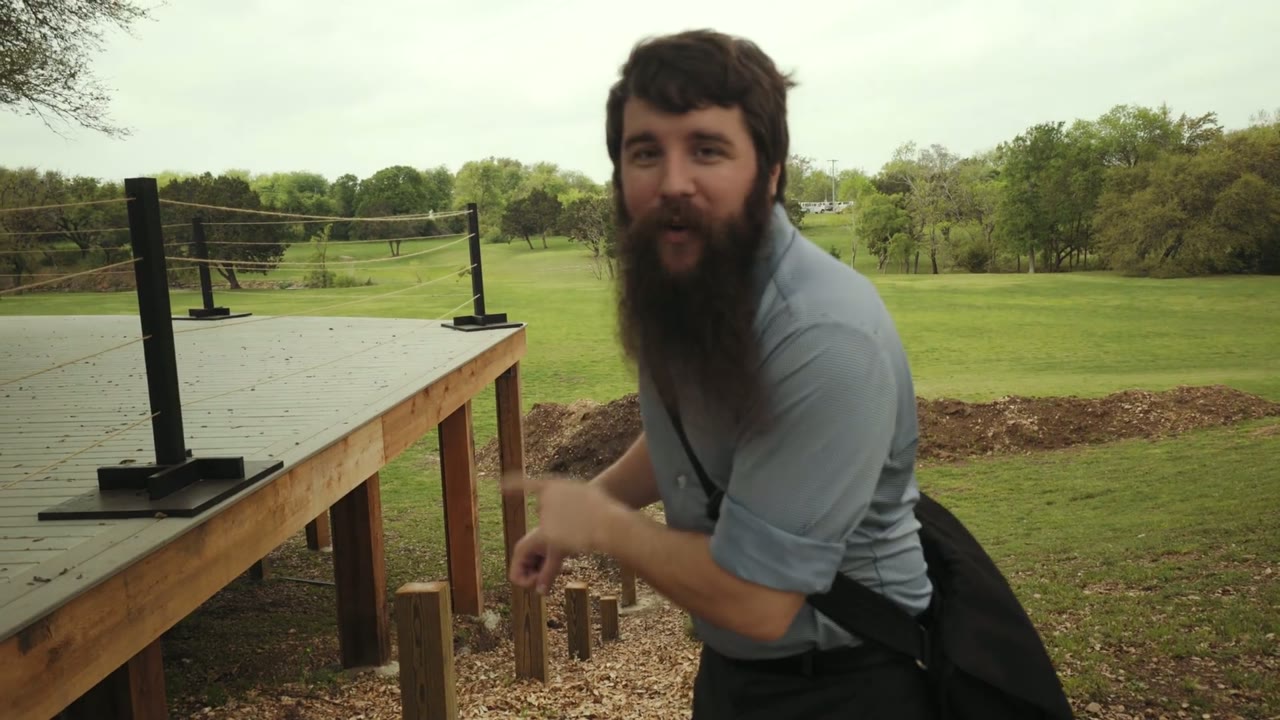
There are Christmas lights lit on the oak tree, so there has to be power near it. I dig around, find an outlet under the decking, and crawl under there. Filmmaker spelunking is not normally on the resume. I swear I’m a professional, you can trust me.
There’s a plug. So I go get the reception light and set it up right by the tree, plugged in and reserved, now, while it’s light out, because I do not want to be crawling under a deck in the dark looking for an outlet with the possums and armadillos. I’ll send Rachel down at the end of the night to unplug it. There’s a chance they’ll get her.
And there’s a real reason for the placement beyond convenience: I want my light on the opposite side from the DJ’s LEDs, so they’re not fighting each other. I don’t know how good those LEDs are or whether they’ll flicker, so I’d rather have my own source across from them, letting me either backlight people or light them properly. For now the stand stays low, because it’s windy and I don’t want it going over.
The Rest Of The Series
- ❤ Noah and Mallorie’s full wedding film
- 🎥 The wedding trailer and the behind the scenes of the trailer
- ▶ Part 2: how I film bride and groom prep
- 📷 All the gear I used to film this wedding
- 🌞 The Sun Seeker app
- 🎥 One-on-one filmmaker consulting
Special thanks to Paul Bailey for filming this behind the scenes.