
This is the Zhiyun Crane 2S. I’ve been using it for a few months, filmed a couple of weddings with it, and took it with me on a trip to Colorado to film an elopement. Here’s a review from the perspective of a wedding filmmaker, so if you happen to film weddings like me, it should be helpful to you.
For the sake of ethics, I want you to know that while Zhiyun did send me the gimbal, they are not paying me to make this video, and the first time they’re going to see it is the same time you do, whenever I upload it to YouTube. The video does have a sponsor though, my friends at Artlist, and more about them at the end.
Who Is The Crane 2S For?
I feel like there are really two different types of filmmaker considering this gimbal.
The first, and possibly the smaller group at this point, are filmmakers who have never used an electronic gimbal and are thinking about picking one up. To those filmmakers I say welcome. Gimbals are a lot of fun, almost as much fun as drones, but that’s another topic.
The second group is filmmakers who already own a gimbal and are considering upgrading. Maybe you already own a Crane 2 like me, you’ve had it a few years, and you’re wondering if the 2S is a worthy upgrade. Or maybe you’re coming from something like the DJI Ronin-S and you’re considering the RS 2, but its $850 price is a bit steep, so whenever you see the Crane 2S coming in at $600 or cheaper you start thinking, maybe I should save some cash. Heads up: this link goes to the newer DJI RS 5.
Full disclosure right off the bat: I have not used the DJI RS 2 yet, so I’m not going to be able to do a full comparison between the two. That said, it’s impossible to ignore the RS 2 and what it can do, so I am going to talk about some of the differences. This just isn’t a hardcore versus video comparing every single one.
Why I Prefer This Form Factor
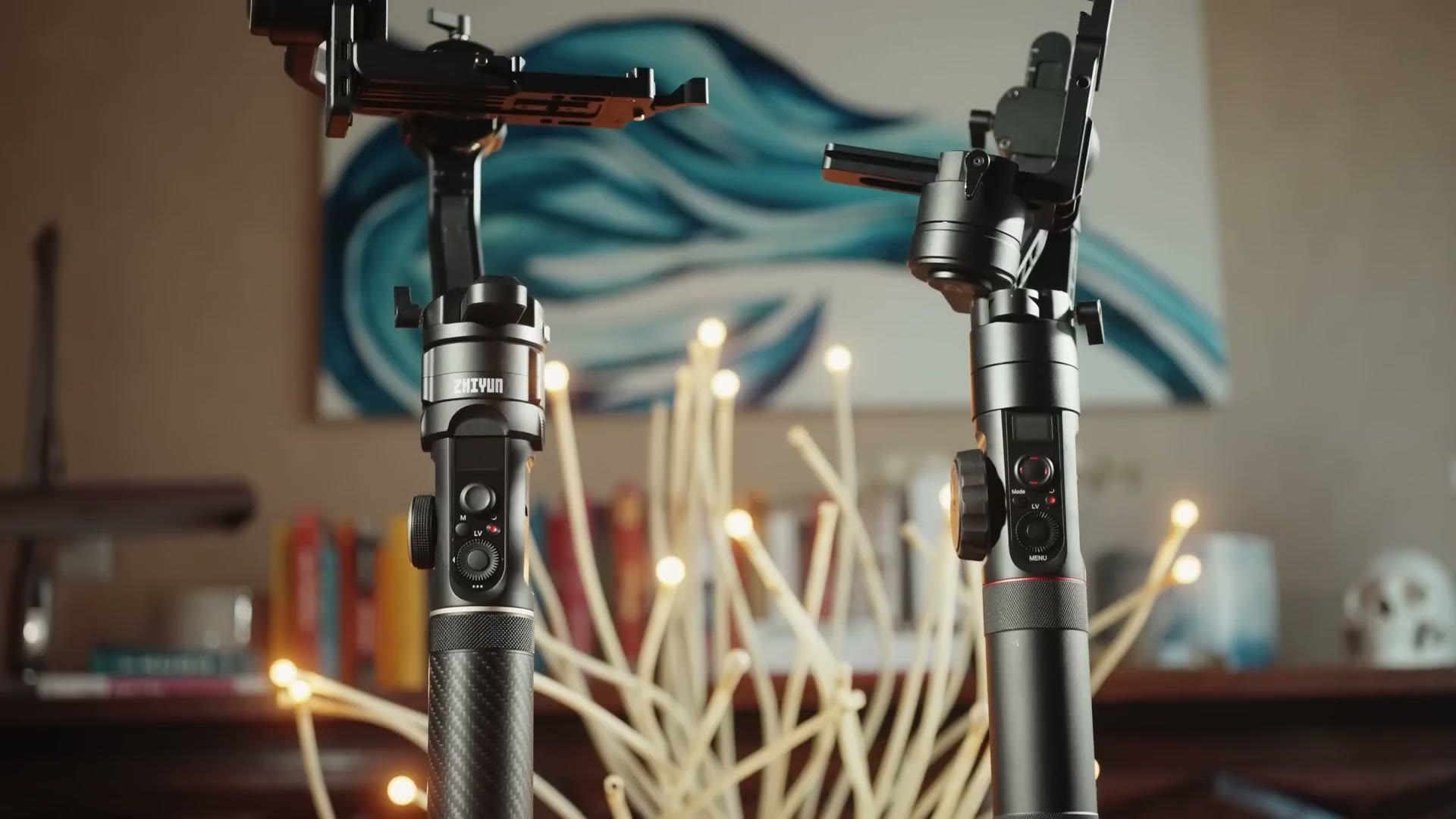
This gimbal is going to feel very familiar if you’re coming from a Crane 2, an original Ronin-S, or honestly most other camera gimbals. For the past few years it’s felt like Zhiyun was really trying to reinvent the gimbal. New models like the Crane 3 LAB, Crane 3S, Weebill LAB and Weebill-S have been great experiments, but I guess you can call me a bit of a gimbal purist, because whenever I tried those out I never fell in love with them.
The Crane 3 LAB and 3S especially felt like they were sacrificing traditional vertical usability for versatility, with a low angle underslung mode. Instead of a long handle on the bottom you could grip, the handle came out the back. And while that ostensibly made the gimbal better for shots close to the ground, I don’t film shots like that very often, and I personally felt like it was a move in the wrong direction from a usability standpoint. Plenty of filmmakers love the Crane 3. It just didn’t work for me.
So I did not plan on upgrading from the Crane 2 unless I was moving to a gimbal with a similar form factor. Thankfully the Crane 2S is very similar to the Crane 2, just bigger, beefier and stronger, with some nice quality of life improvements.
Crane 2S Improvements Over The Crane 2
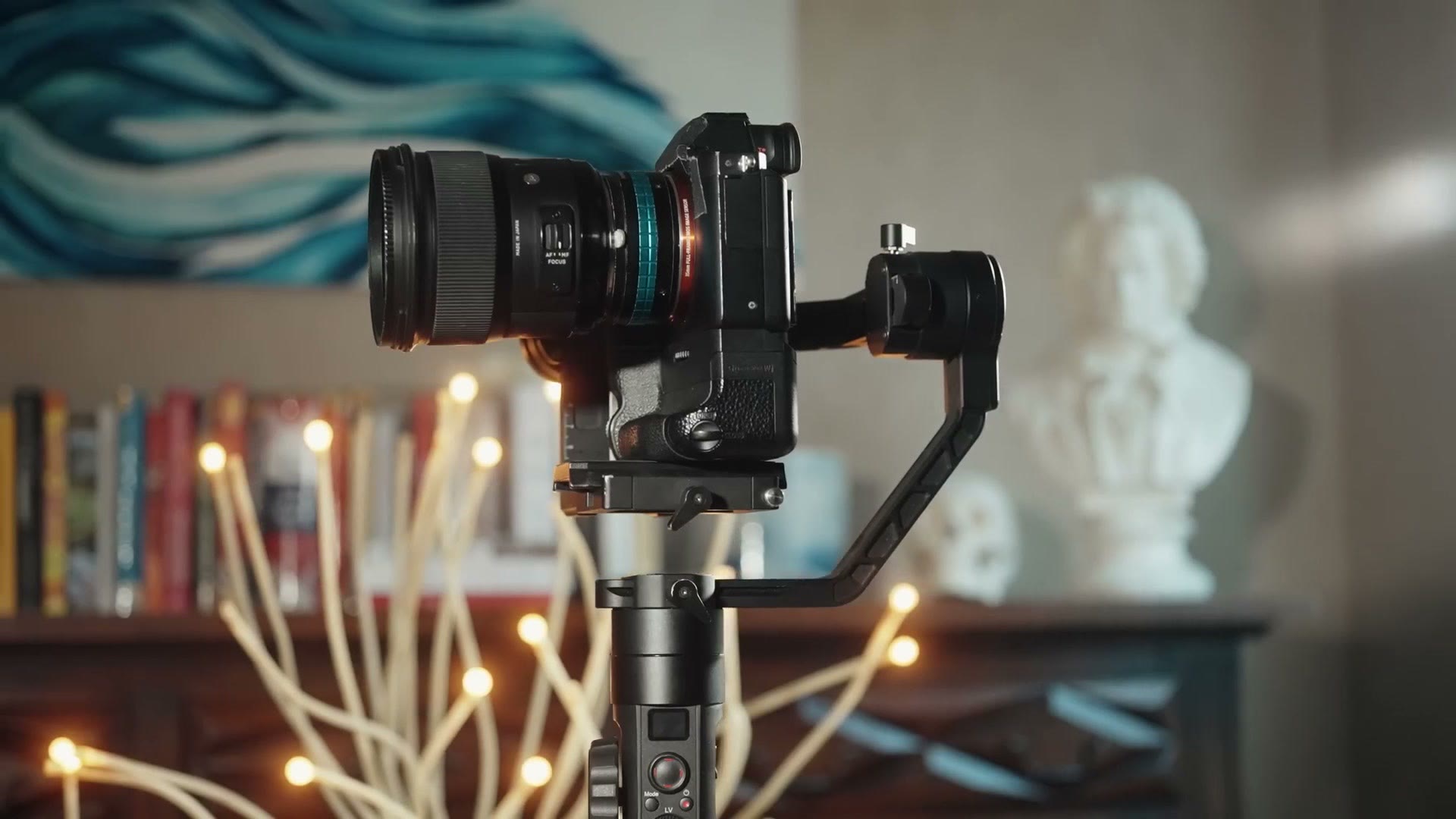
To start, the arms are longer. With my Crane 2 I needed to buy an extension plate so I could mount my a7S II with the battery grip; the 2S has large enough arms out of the box. The motors are larger too, which probably means a larger payload.
Wait, Matt, why are you saying probably? Well, this is where things get a bit weird, because I cannot find a payload rating for this gimbal anywhere. In the past it seemed like every company with a new gimbal was screaming in all their marketing material about how much weight the motors could handle. The Crane 2 had a seven pound max payload. The Ronin RS 2 can hold up to ten. The Crane 2S has “a high load capacity.” Where are the hard numbers? It used to be such a simple metric for a gimbal’s strength, and Zhiyun seems to have moved away from it. It isn’t on their website, in their marketing material, or in the manual. In its place they give you a very detailed PDF saying which cameras and lenses can be balanced on it, but the absence of a maximum payload does make it hard to tell at a glance whether the motors are actually much stronger than the Crane 2, if at all. It’s weird, right?
That said, I do feel like we’ve reached peak motor strength for gimbals, or at least a level where nobody’s complaining about it anymore. Ever since the Ronin-S and the Crane 2 came out it’s very rare for me to see someone say their motors aren’t strong enough. In my testing the 2S easily holds my a7S II or a7S III with the battery grip. I’ve also seen videos of people mounting two cameras on top of it, which is crazy, but kind of cool. You shouldn’t need to worry about the weight of your camera and lenses on this thing.
The Quick Release Is Genuinely Faster
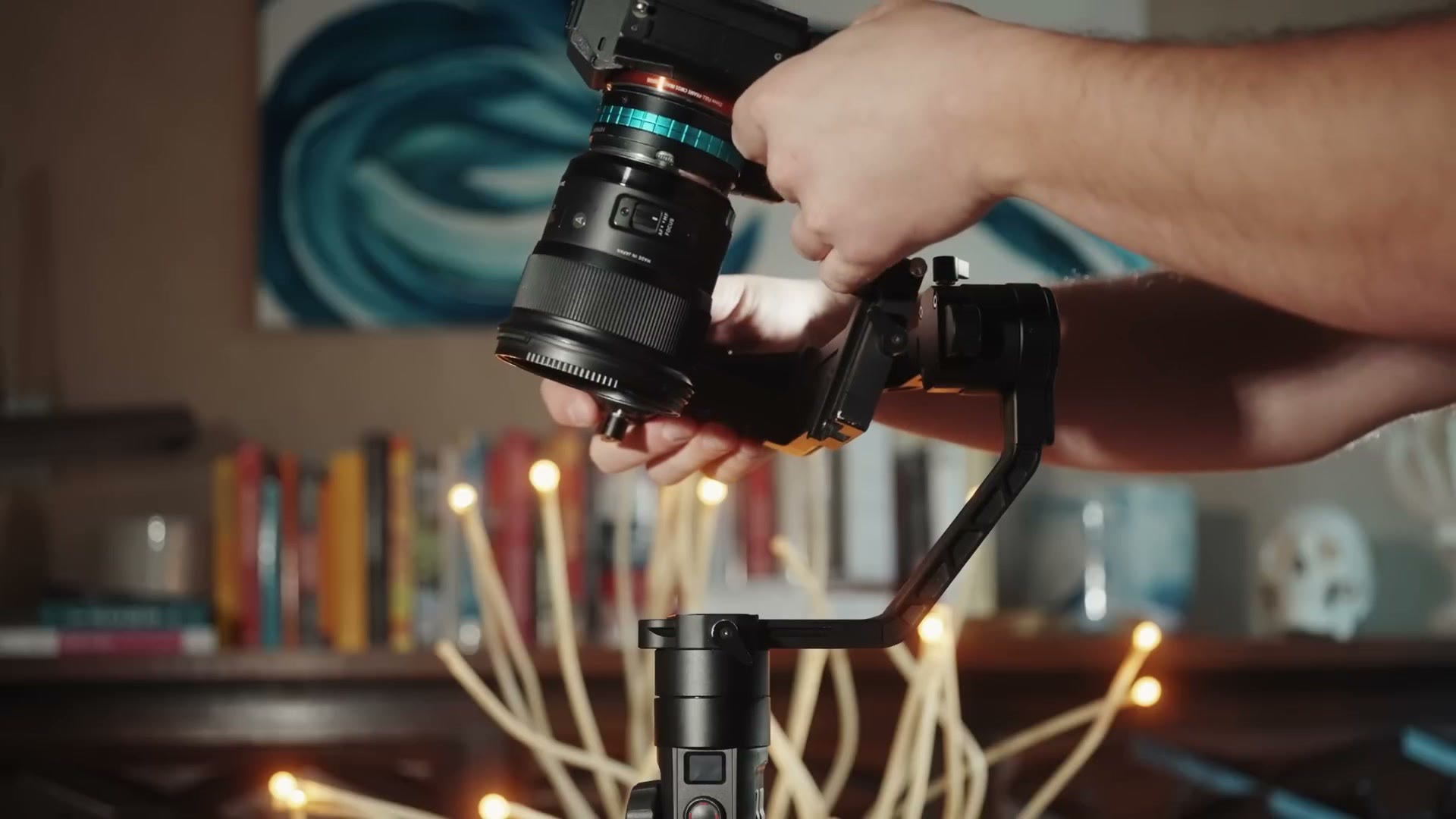
One of my favorite features of the Crane 2 was that it used Manfrotto quick release plates, the same plates I use on all my cameras and tripods. That made taking the camera on and off pretty fast. Even so, it was still a bit slow, because the camera had to be locked into the exact position where it would be properly balanced. That isn’t a huge amount of time, but when you’re filming a wedding where something important can be happening and every second counts, being able to mount your camera quickly matters.
Zhiyun kept the same plate but added a really nice improvement: a lever. Slide it open and the entire base of the gimbal slides off instantly. And when I go to put the camera back on, I slide it in, lock it, and the gimbal is now perfectly balanced and ready to use. No small balancing adjustments needed. I love that speed.
Keeping that in mind, there’s now a button on the back that toggles through the shooting modes. I prefer follow mode when filming, so I can turn the gimbal on and press one button to be in it.
The Arms Lock
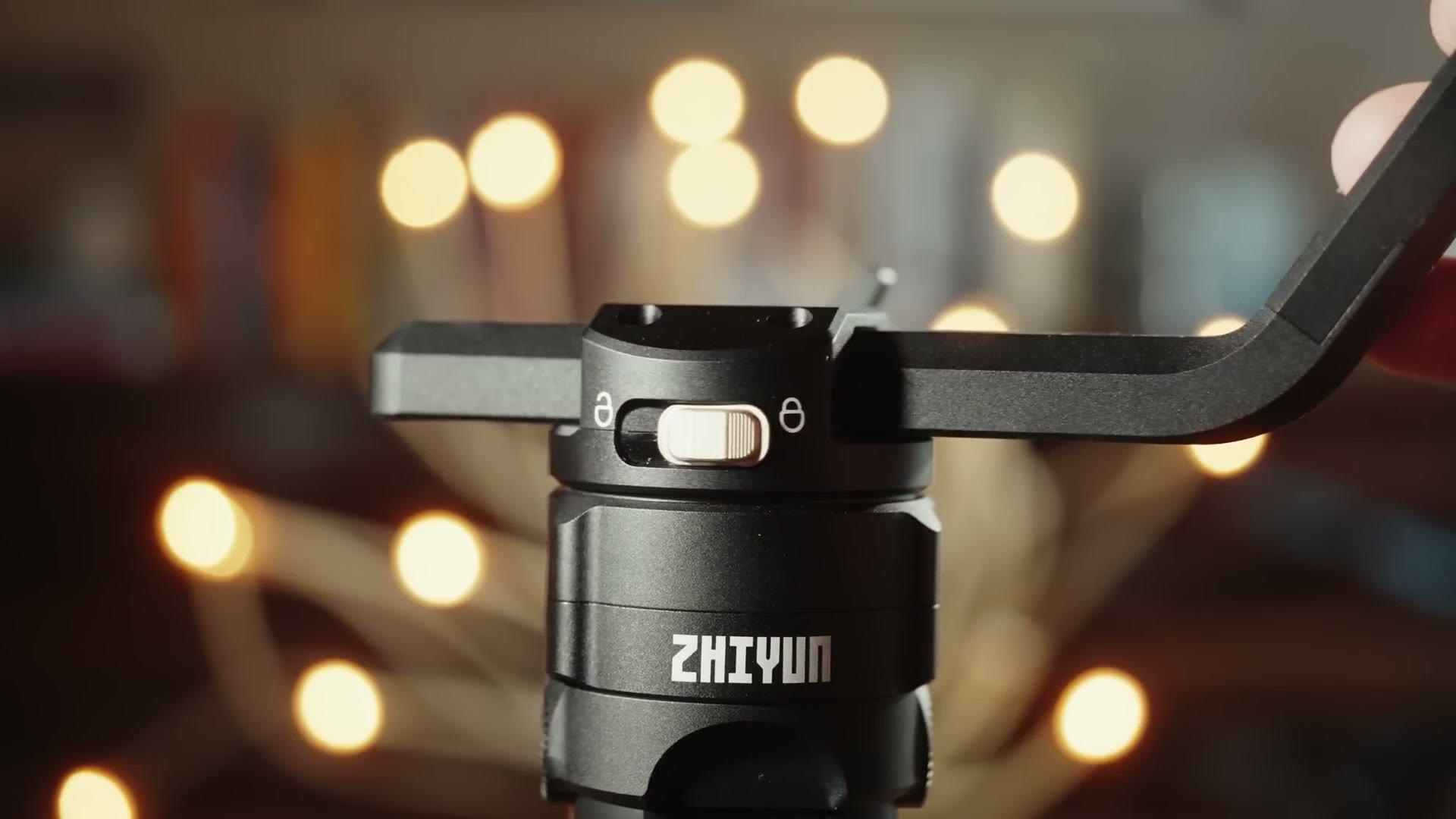
Another big improvement, which you’ve been seeing in action this entire video, is that the arms now lock. Slide the locking switch, move the arms, and they lock into place. This makes the gimbal so much easier to transport, and it’s a great benefit whenever you’re balancing, because you can lock the arms and balance each one individually, which greatly speeds the whole process up.
The feet are also larger and more sturdy than the Crane 2’s. I’m less worried about this one falling over, and I don’t have to retighten the legs as often.
Lastly, one of the most welcome improvements is that the 2S lets you change motor settings on the gimbal itself using its screen. I’m someone who prefers to lower the panning speed of my gimbals to make them look more organic, and whereas with the Crane 2 I had to pair an iPhone app over Bluetooth to change settings, the 2S does away with all of that. No phone, no Bluetooth.
There are also a lot of new features I haven’t had the chance to use. Mounting your camera vertically, for one, which as a wedding filmmaker I don’t see myself doing anytime soon, unless it’s some TikTok celebrity wedding, which, hey, that could be cool. There’s also Zhiyun’s TransMount image transmission system, a mechanical follow focus, a sling grip, lots of stuff. But like I said, I’m a bit of a gimbal purist. I want a compact, lightweight system I can carry around all day without a ton of bulk. I don’t even want to hook the camera up to the gimbal with cables to start and stop recording, because that makes it take even longer to get the camera off and back on. The rest of these accessories don’t really interest me for wedding filmmaking, and I don’t know many wedding filmmakers who use a lot of them either.
Where Zhiyun Missed The Mark
While many of the upgrades here are welcome, they aren’t exactly what I wanted from this gimbal.
Before it was announced, if you’d come up to me and said, Matt, what are the two main changes you want to see in the Crane 2 successor, that’s easy. I’d have told you I want a gimbal with a slightly smaller hand grip that’s easier to hold, and I want a gimbal that is lighter. Notice that both of those are very helpful if you’re carrying a gimbal around for twelve hours on a wedding day.
The Grip
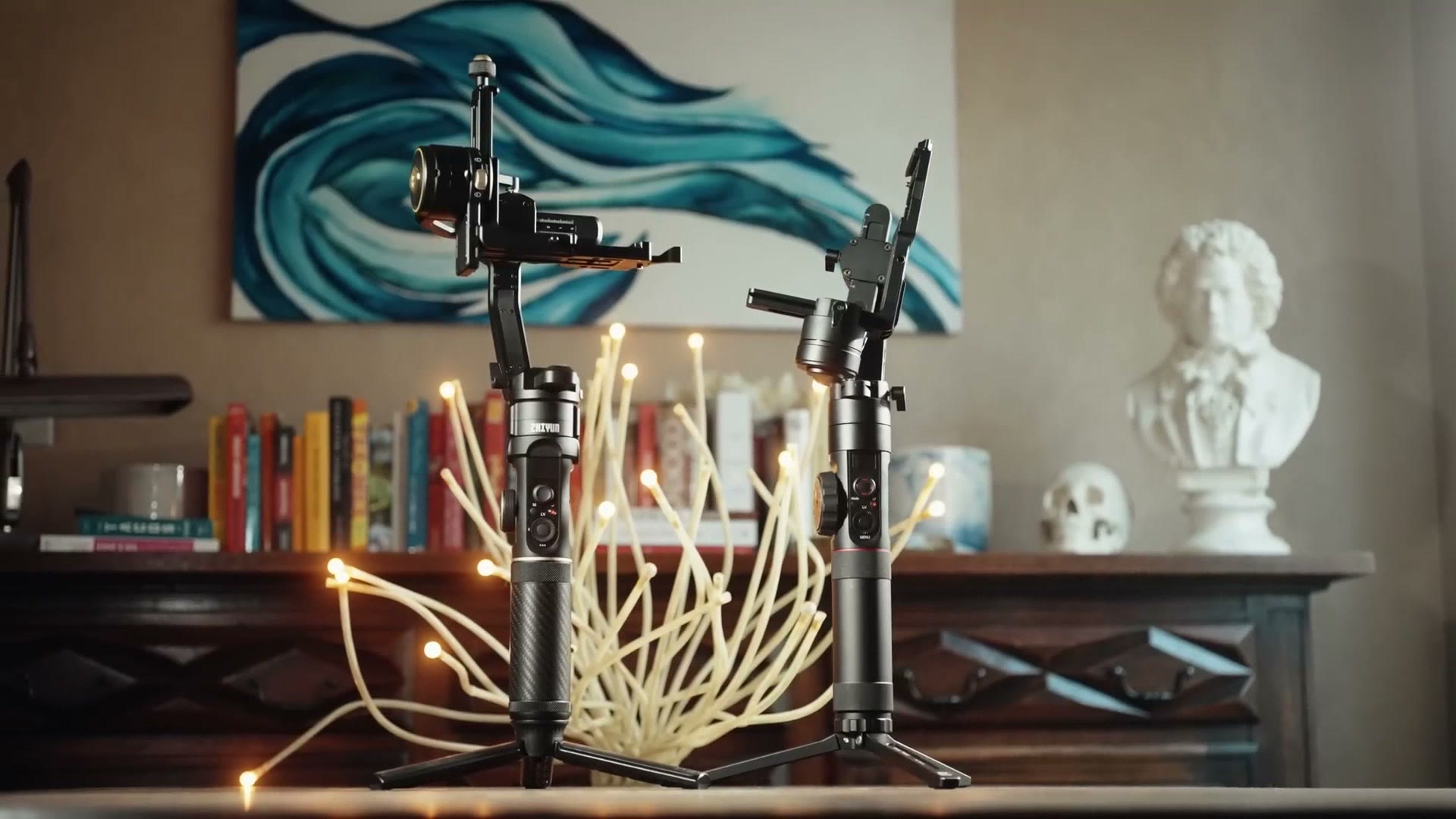
The grip is now carbon fiber instead of metal, but looking at the circumference, it’s essentially the same as the one on the Crane 2. That circumference is at the upper limit of what I feel comfortable holding with my average sized hands, especially after hours of use. Having used the Ronin-S, I prefer the slimmer, rectangular shape of that handle and find it easier to hold for an extended period.
I understand the grip had to be this size to hold the three batteries inside that power the gimbal, and I do greatly appreciate that those batteries are replaceable and can be swapped, versus the Ronin where you have to buy a completely separate grip if you’re worried about running out. But I can’t help wishing Zhiyun had found a way to shave a few millimeters off, or orient the batteries differently so it could be thinner.
The Weight
My second major complaint is the weight. With my Crane 2 I always wished it were just a little lighter, so it’d be easier to carry on a wedding day. With the 2S, Zhiyun went the opposite direction and for some reason added almost two pounds.
It clocks in at 4.63 pounds. That’s 1.83 pounds heavier than my Crane 2, which weighed only 2.76. This thing is chunky even with the new carbon fiber grip. I really wanted it to weigh less, not more.
And whenever you compare it to the DJI RS 2, this is where it starts to get ugly, because 4.63 pounds is 1.77 pounds heavier than the RS 2, which weighs only 2.86. For comparison, the original Ronin-S weighed 4.1 pounds, meaning DJI managed to trim 1.24 pounds off and nearly match the weight of my Crane 2. Okay, lots of numbers there, and I’m very sorry to my metric using friends.
The Joystick
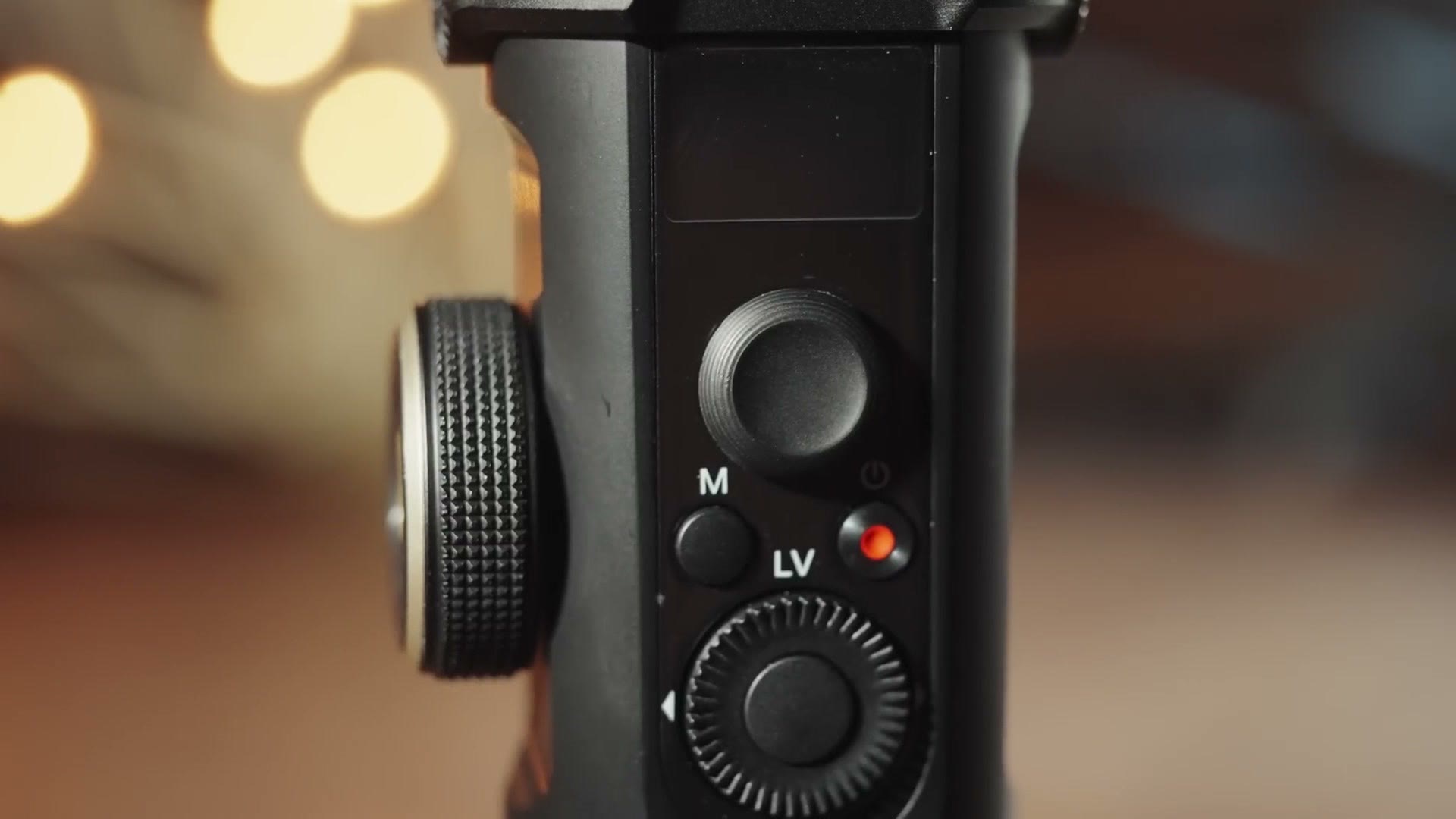
Another annoyance is this joystick. As I said, I prefer follow mode so I rarely use it, and my gripe isn’t about its usability. My gripe is how fragile it is and how easily it falls off.
This is the same joystick from the Crane 2. Maybe mine is worse than others, but the number of Google results for Crane 2 replacement joysticks doesn’t exactly instill confidence, because this thing can pop right off if you get a fingernail underneath it. What’s going to happen is you’ll be unloading your gimbal from your car, like I was, and you’ll look down and say, what’s that piece of plastic on the ground? Oh, that’s my joystick, I almost drove off and left it. And then I’d have no way to adjust the gimbal other than follow mode. That sucks.
The Case
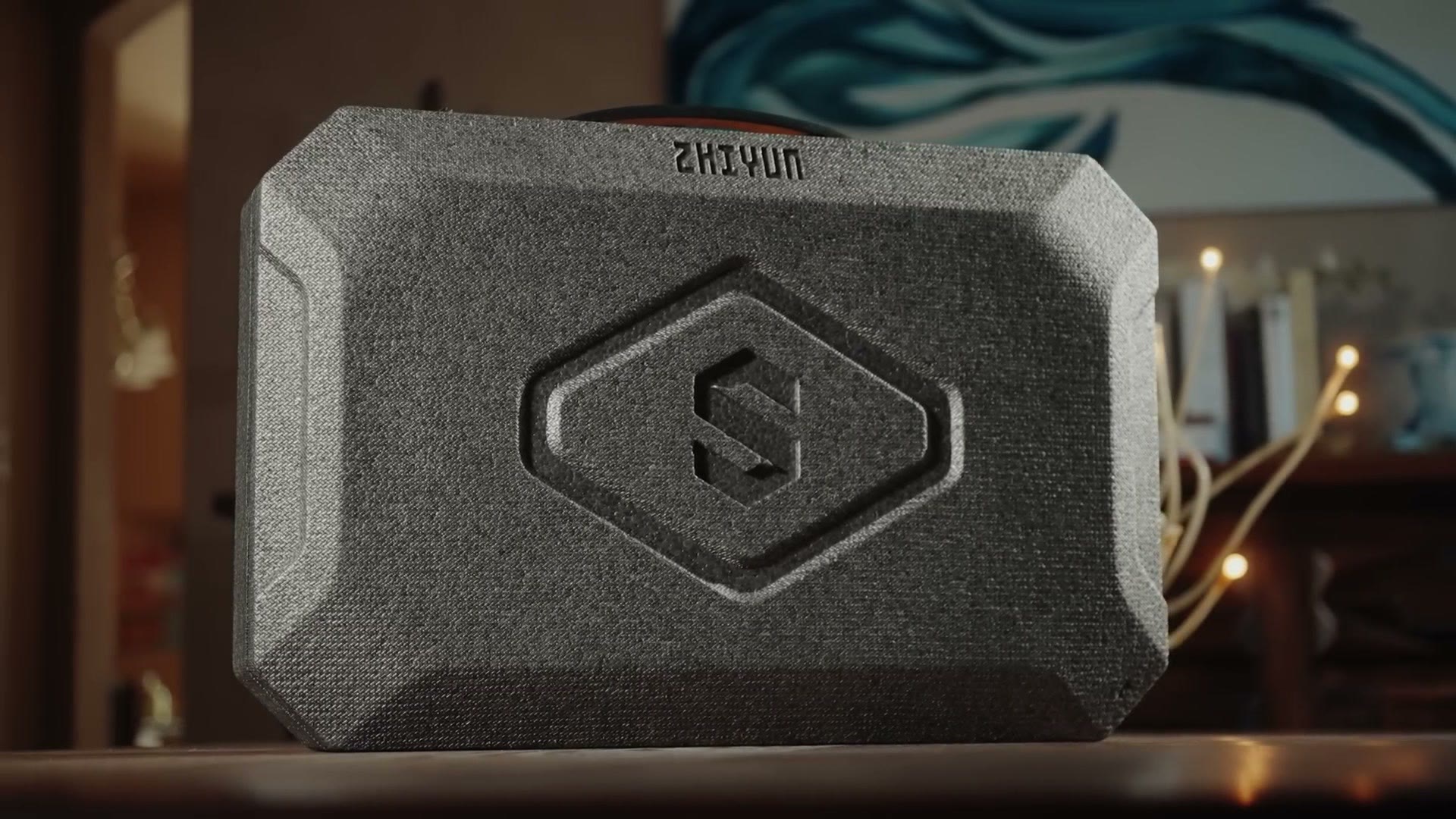
Now, Matt, you may be thinking, why aren’t you keeping your gimbal in its case so it’s protected while you transport it? Well, that’s the next issue.
This is a bit tangential, because we’re reviewing the gimbal and not its case, but Zhiyun did so well with the Crane 2’s case that it makes the 2S’s look pitiful in comparison. The Crane 2 case was rigid with some flex, a nice zipper, storage for accessories, and most importantly I could fit the gimbal inside it fully balanced and ready to go. All I had to do was screw on the feet, slide my camera on and start filming. The case for the 2S is hard foam with cheap plastic locks, and there’s no way to keep the gimbal balanced when you pack it up. It feels like a huge regression.
If you want to go deeper, I’ve also got Zhiyun Crane 4 Review – Back To Basics and DJI Mic 2 Review For Wedding Filmmakers.
The Roll Arm
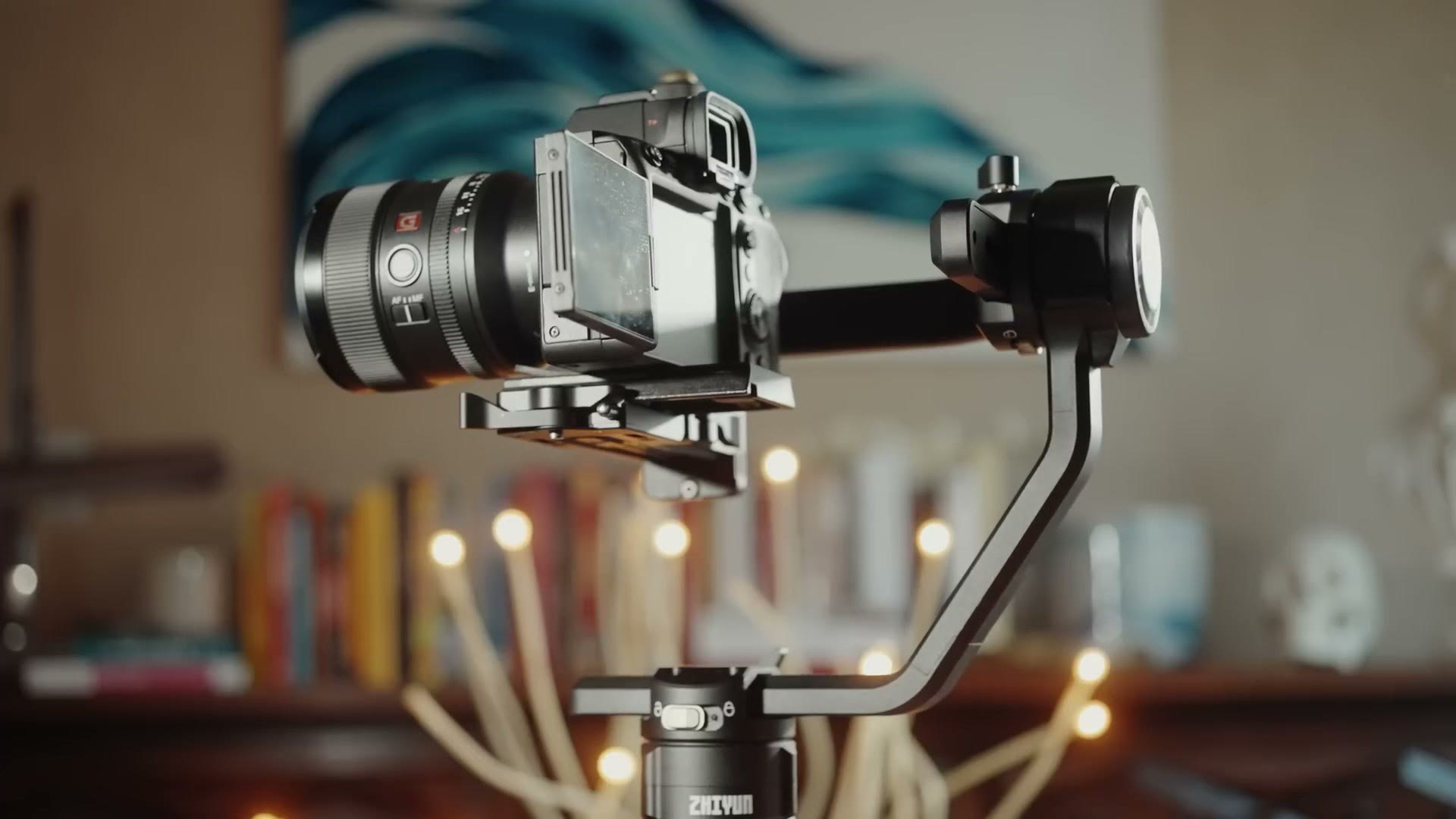
Lastly, the arms, and this isn’t so much a con as an oddity. The Crane 2S uses a very traditional 90 degree roll motor arm on the back, just like the Crane 2, and unlike many of its competitors that have switched to a dropped 45 degree arm. Every single piece of marketing material I’ve seen shows the 90 degree arm. The website shows it. The instruction manual shows it.
So imagine my surprise watching fellow YouTuber Dan Watson’s video about the Crane 2S and seeing that he’s modified his to a 45 degree arm. This is possible. I had no idea. And the more research I did, the more it started to look like this may be more of a sketchy modification than something fully endorsed by Zhiyun. That said, it does appear to work well, and as someone who really likes a dropped 45 degree arm, I’ll probably do it on mine soon enough. If you want to do it yourself, there’s a tutorial on the Momentum Productions YouTube channel and it isn’t hard to do.
If this is a sanctioned modification, I’d think Zhiyun should be shouting it from the rooftops, because it’s really cool. I don’t know of any other gimbal that lets you change your roll arm angle from 90 to 45 degrees. That’s a great selling point. But alas, just like the missing payload rating, it’s all just a bit weird.
Is The DJI RS 2 Worth It Over The Crane 2S?
The Crane 2S comes in at $600, and I’ve seen it on sale for as low as $540. The closest competitor, the DJI RS 2, comes in at $850. So now you have to ask yourself whether that $250 or more premium is worth it.
Who Should Buy The Crane 2S?
Go back to what I said at the start. There are two kinds of filmmaker considering this gimbal.
If you’re new to gimbals, the first thing that should decide it is the weight of your camera and lens. Do you typically shoot mirrorless with smaller lenses? In that case I think the Crane 2S, with its much higher payload capacity and its size and weight, is overkill for most smaller setups, and you’d be better served with something more lightweight like the Zhiyun Weebill-S, the MOZA AirCross 2, or if you can afford it, the RS 2. Heads up: you can't buy the MOZA AirCross 2 on Amazon, so this link goes to an equivalent, the Zhiyun Weebill 2 Pro.
Now say you’re considering upgrading from a Crane 2. You really need to weigh whether the locking arms, the faster quick release, the ability to change motor settings on the gimbal itself, and a possibly sketchy roll motor modification are worth it. Keep in mind the 2S adds nearly two pounds over the Crane 2, and you will feel that weight at the end of a wedding day. Personally, while these upgrades are nice, I don’t think they’re worth spending $600 on, especially if your Crane 2 is still working well.
This puts the Crane 2S in a bit of a weird position, because thinking about it, the only way I’d really recommend it is if you have a heavier camera and need its capabilities, but also don’t have an extra $250 for the RS 2. But if you have a heavier camera, it’s probably way more expensive, meaning you can probably afford the RS 2.
So for me, as a wedding filmmaker who prioritizes a lightweight camera and gimbal setup, I can’t recommend the Crane 2S, either as a standalone purchase or as an upgrade from the Crane 2. It’s not a bad gimbal by any means. But most wedding filmmakers don’t need its capabilities, the competition is offering something lighter and easier to use, and I don’t think Zhiyun made upgrades in the right areas for wedding filmmakers.
A Word About This Video’s Sponsor
This video is sponsored by my friends at Artlist, which is one of my favorite sites for licensing music for my YouTube videos, wedding films, basically any video.
Any video, Matt? Yes, any video. Artlist offers one of the broadest music licenses available to filmmakers, which means you can use their songs for virtually anything. YouTube videos with monetization and no copyright claims, check. Wedding films, yep. Corporate and commercial videos, even videos broadcast on TV around the world, all covered under one universal license. And this isn’t cheesy generic sounding music either. There’s a library of over 12,000 songs and they add new ones every day.
Okay, great Matt, this sounds expensive though, especially once you start saying words like commercial and broadcast licensing. Here’s the best part: to license and download an unlimited amount of songs, it’s one flat rate of $16.60 per month, which is only $199 a year. Unlimited music with a universal license you can use for anything, for $199 a year. That’s insane. And if you want unlimited sound effects too, that’s an extra hundred bucks a year.
As a special bonus, if you use my link to Artlist you get two extra months free.
Everything I Mentioned
- Buy the Zhiyun Crane 2S at Amazon or at B&H
- Buy the DJI RS 2 at Amazon, at B&H, or from DJI
- Dan Watson’s Crane 2S review, which is where I first saw the 45 degree arm
- The roll motor mod tutorial on Momentum Productions
- My review of the original Crane 2, which is the gimbal this one is trying to replace
- My Sony a7S III review, the camera I balanced on it
- How to use a gimbal with manual focus lenses
- Artlist, with two extra months free
- WhoisMatt LUTs, which is what this footage was graded with
- Learn wedding filmmaking and join the Facebook group
And if you happen to film weddings like me, you probably want to book more couples and film more of them. To help you out with that I made a free guide that walks you through practical steps you can take right now in your business, and you can download it here.
This review is from December 2020, when the Crane 2S was $600 and the DJI RS 2 was $850. Both gimbals have been superseded since and the prices have moved a long way, so treat the numbers here as the shape of the decision at the time rather than what you’d pay today.
Zhiyun sent me the Crane 2S and did not pay for this review. The video was sponsored by Artlist. Some of the links above are affiliate links.